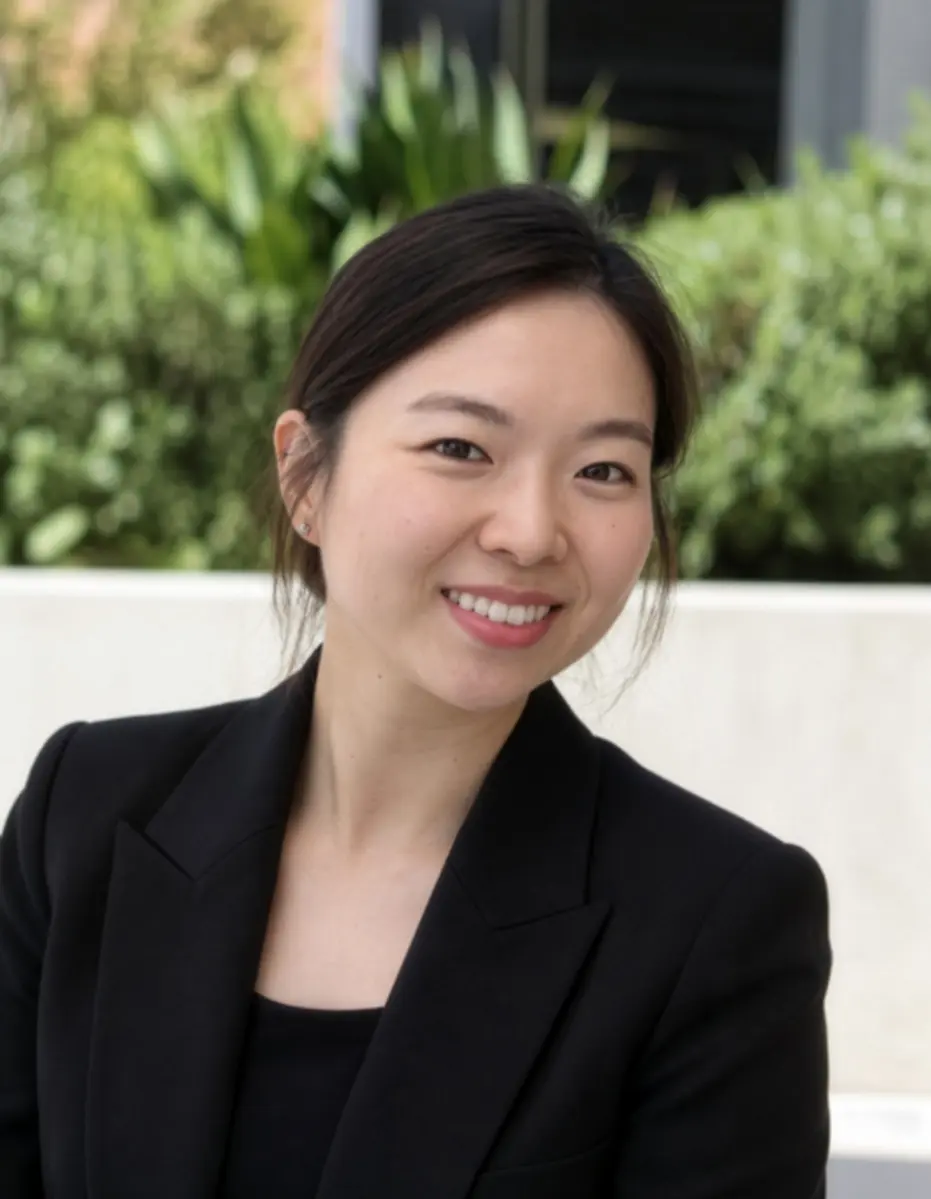
Dr. Jee Yun Han’s research focuses on understanding gene regulation and its dysregulation in cancer through integrative genomic and computational approaches. She earned her B.S. and M.S. in Biotechnology from Korea University. At the University of California, San Diego (UCSD), she developed high-throughput epigenomic technologies and contributed to large-scale genomics projects, including ENCODE and BICCN. She earned her Ph.D. at the University of California, Los Angeles (UCLA) under the mentorship of Dr. Paul Boutros, followed by postdoctoral training in Human Genetics. She currently conducts research at Sanford Burnham Prebys Medical Discovery Institute, integrating cancer genomics, epigenomics, and computational biology to investigate tumor heterogeneity and therapeutic vulnerabilities.
Education and Training
2025: Postdoctoral Fellow, University of California, Los Angeles
2019-2024: PhD, University of California, Los Angeles, CA, USA
2011-2013: M.S. in Biotechnology, Korea University, Seoul, South Korea
2006-2011: B.S. in Biotechnology, Korea University, Seoul, South Korea
Dr. Han’s research focuses on understanding how uncommon gene expression patterns arise in cancer and contribute to tumor heterogeneity, cancer evolution, and therapeutic response. Her work integrates computational biology, cancer genomics, and epigenomics to uncover the molecular mechanisms underlying gene expression dysregulation and identify potential therapeutic vulnerabilities. Her research encompasses two major areas:
- Characterizing Gene Expression Dysregulation and Tumor Heterogeneity in Cancer- Her research focuses on identifying and characterizing uncommon and extreme gene expression patterns that are often overlooked by conventional analyses. By developing computational and statistical approaches and integrating large-scale transcriptomic, genomic, and epigenomic datasets, she investigates the landscape of gene expression dysregulation across diverse cancer types. Through bulk and single-cell analyses, her work explores the genetic and epigenetic factors associated with these expression patterns and their contributions to tumor heterogeneity and cancer evolution.
- Investigating the Functional Consequences and Therapeutic Potential of Gene Dysregulation- Her research aims to understand how altered gene expression influences cancer cell behavior, tumor progression, and therapeutic response. By integrating functional genomic screens, pharmacogenomic datasets, and clinical outcomes, she investigates the biological consequences of gene dysregulation and identifies molecular vulnerabilities in cancer. Her work seeks to uncover novel cancer drivers, potential biomarkers, and therapeutic targets that may contribute to precision cancer medicine.