
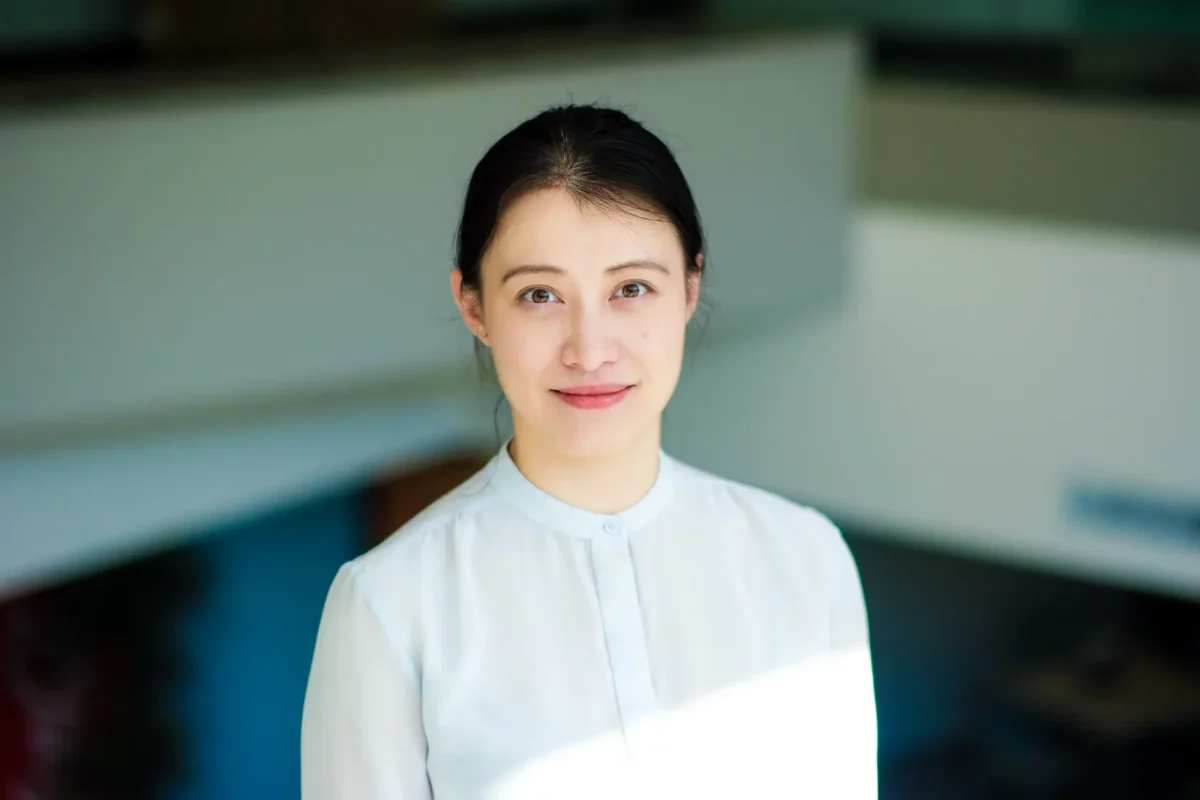
Dr. Mao Tian is a Research Assistant Professor at Sanford Burnham Prebys Medical Discovery Institute. She is a computational biologist whose research focuses on developing artificial intelligence (AI) and machine learning approaches to understand cancer genomics, tumor evolution, and the tumor microenvironment. Her work integrates multi-omics data, including whole-genome sequencing, transcriptomics, and single-cell sequencing, to identify molecular signatures and uncover mechanisms underlying cancer development and progression. Her research also explores the application of deep learning and genomic foundation models to improve the interpretation of cancer-associated genetic alterations and advance precision oncology.
Education and Training
2021–2025: Postdoctoral Researcher, University of California, Los Angeles; with Dr. Paul C. Boutros
2017–2021: PhD in Medical Biology, University of Southern California; with Dr. Pinghui Feng
2012–2016: BS in Life Sciences and Technology, Sichuan University, Chengdu, China
Related Disease
Breast Cancer, Cancer, Head And Neck Cancer, Prostate Cancer, Thyroid Cancer
Techniques and Technologies
Computational Biology, Genomics, Machine Learning
Dr. Mao Tian’s research focuses on developing computational and artificial intelligence (AI) approaches to understand cancer development, tumor evolution, and the molecular mechanisms underlying disease progression. Given the extensive genetic and cellular heterogeneity of cancer, her work integrates large-scale genomic, transcriptomic, proteomic, and single-cell datasets to uncover the mechanisms driving tumor progression and treatment response. By combining multi-omics analysis with machine learning and AI foundation models, her research aims to identify novel cancer drivers, characterize tumor heterogeneity, and advance precision oncology. Her research program is organized into three major areas:
- Cancer evolution and multi-omics integration
- AI foundation models for cancer genomics
- AI-driven computational methods for biomedical discovery