Reena Horowitz Archives - Sanford Burnham Prebys
Institute News

Ceremony celebrates recipients of 2024 Fishman Fund awards honoring exceptional postdoctoral scholars

AuthorScott LaFee
Date

September 18, 2024

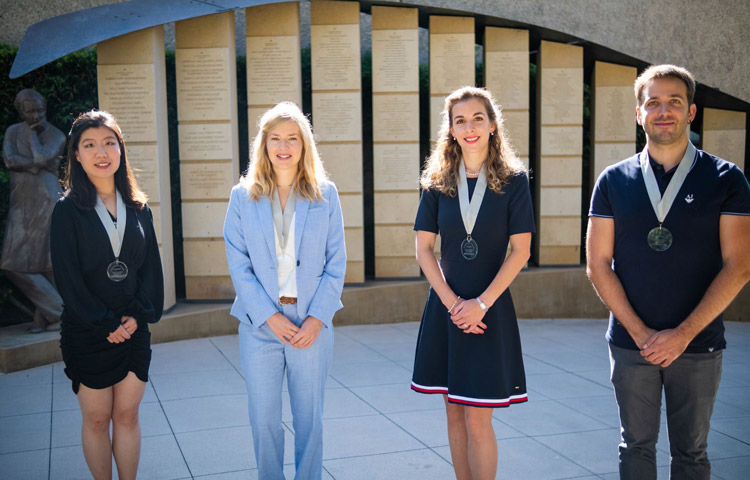
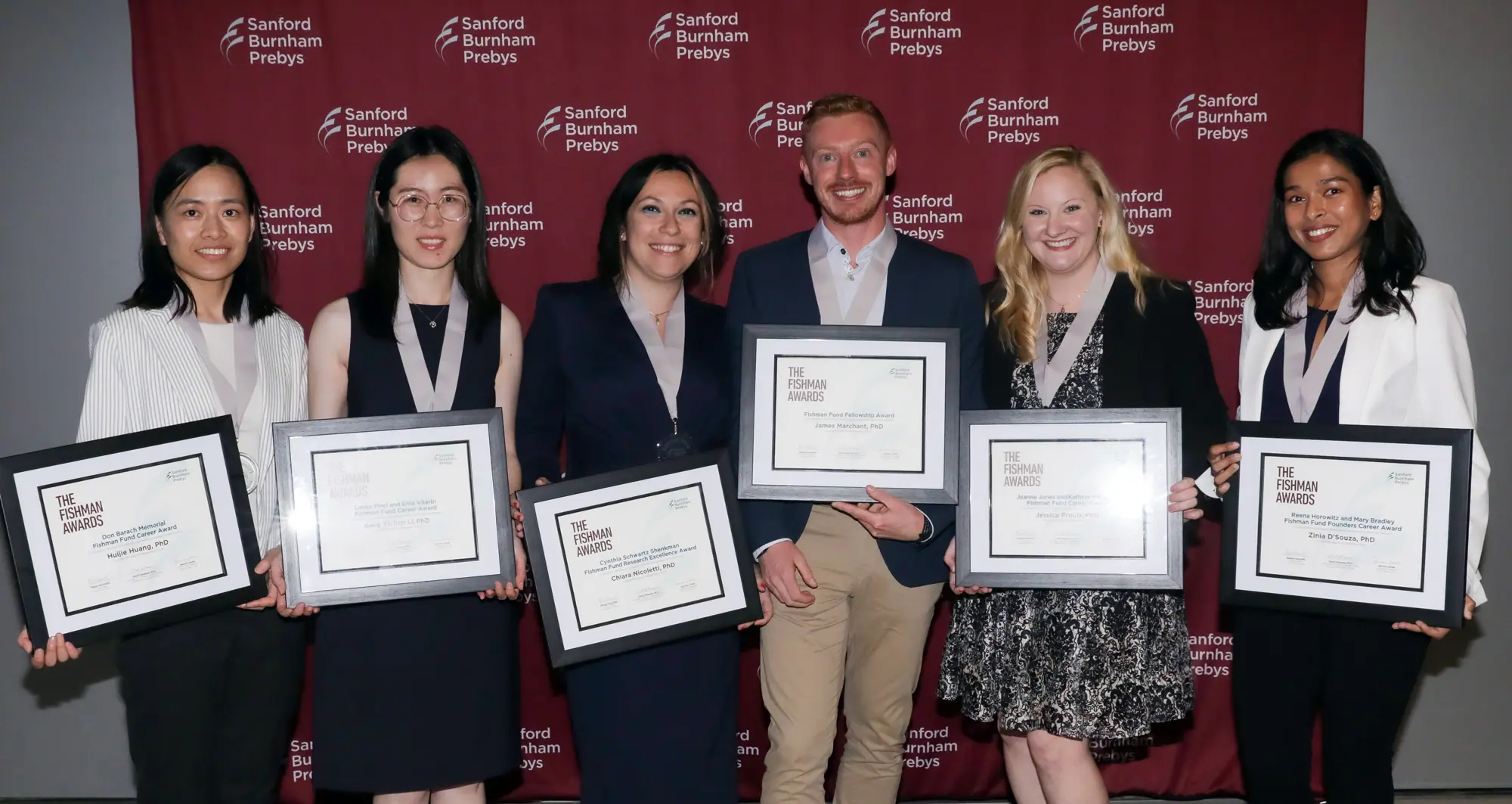
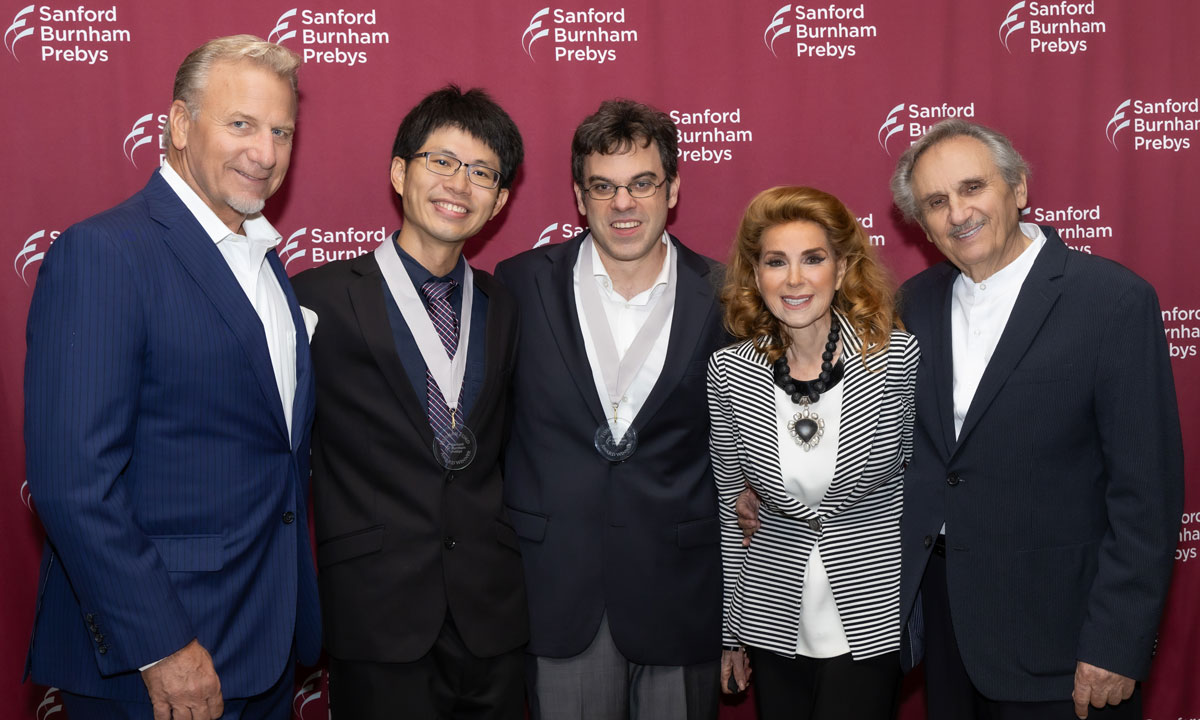
Six young scientists at Sanford Burnham Prebys, whose research spans genetic disorders, Alzheimer’s disease, heart failure and aging, were honored September 17 at the 23rd annual Fishman Fund awards ceremony.

The Fishman Fund was created in 2001 by Sanford Burnham Prebys supporters Mary Bradley and Reena Horowitz to honor Dr. William and Mrs. Lillian Fishman, who founded the institute in 1976. In 2010, Jeanne Jones became a co-founder designee.

The awards are intended to support and promote early career scientists at Sanford Burnham Prebys. Four career development awards provide $10,000 stipends that can be used to attend workshops, network and travel to national and international conferences to learn about the latest developments in their research fields. In addition, the prizes include a two-year fellowship award, and an honor focused on rewarding research excellence. The fund is made possible through the generosity of many donors.

The ceremony, which included poster presentations, was held at the Sanford Consortium for Regenerative Medicine. The 2024 recipients are:

Reena Horowitz and Mary Bradley Fishman Fund Award

Zinia D’Souza, PhD, is a postdoctoral associate in the laboratory of Hudson Freeze, PhD, director of the Sanford Children’s Health Research Center and the director of the Human Genetics Program.Her research is focused on identifying new congenital disorders of glycosylation (CDGs), rare disorders caused by mutations that impair glycosylation—the complex process by which cells build long sugar chains that are attached to proteins called glycoproteins. D’Souza also works to uncover how these rare genetic mutations cause the observed symptoms.
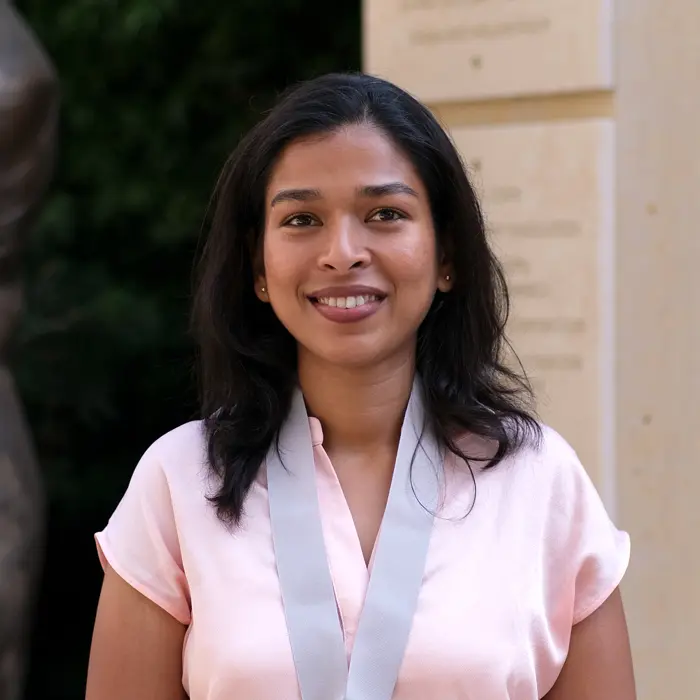
Zinia Dsouza headshot

Don Barach Memorial Fishman Fund Award

Huijie Huang, PhD, is a postdoctoral associate in the lab of Timothy Huang, PhD, an assistant professor in the Degenerative Diseases Program. Her research focuses on uncovering the fundamental causes of Alzheimer’s disease AD), a pressing public health concern as the U.S. population ages and faces an increased risk of this leading cause of dementia. Specifically, she studies the SORL1 (SORLA) gene, a known risk factor for sporadic early- and late-onset AD. Huang believes that developing treatments to boost SORLA’s beneficial effects may prove to be an innovative treatment approach.
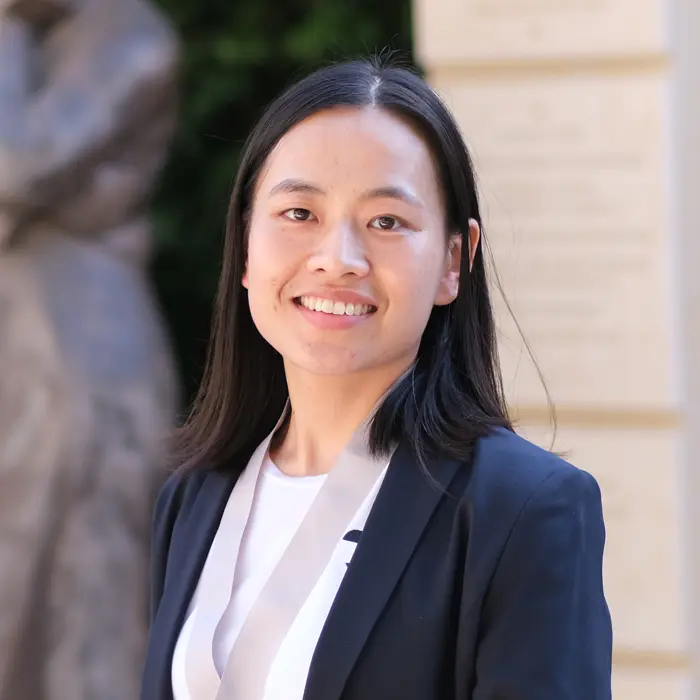
Huijie Huang headshot

Fishman Fund Fellowship Award

James Marchant, PhD, is a postdoctoral associate in the lab of Alexandre Colas, PhD, an associate professor in the Development, Aging and Regeneration Program. His research focuses on developing a gene therapy to treat heart failure. Heart attacks reduce blood and oxygen flow to heart muscle, leading to scar tissue that can increase the risk of future attacks. Marchant aims to convert cells within this scar tissue back into healthy muscle cells.
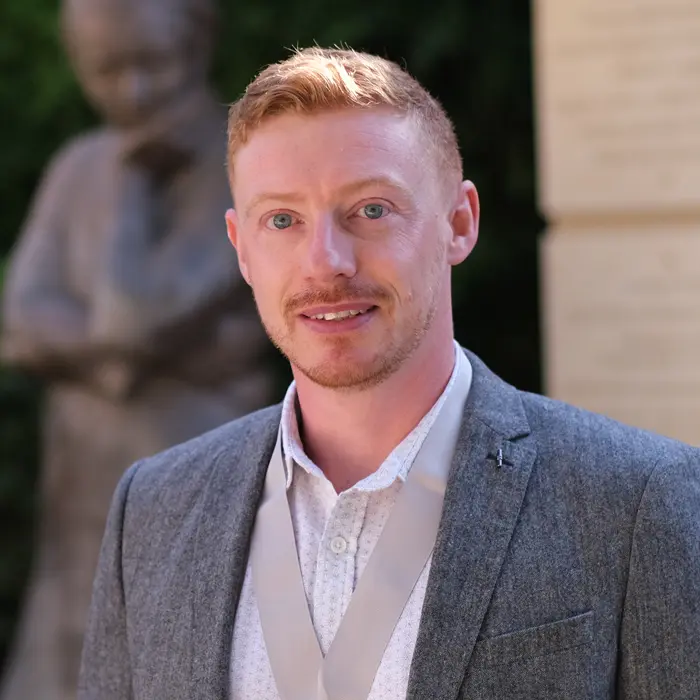
James Marchant headshot

Cynthia Schwartz Shenkman Fishman Fund Research Excellence Award

Chiara Nicoletti, PhD, is a postdoctoral associate in the laboratory of Pier Lorenzo Puri, MD, co-director of the Development, Aging and Regeneration Program. She studies epigenetic patterns, which are genetic changes that don’t alter DNA itself yet modify how genes are expressed to make proteins or other products. She studies epigenetic patterns in skeletal muscle development and disease. Nicoletti hopes to help develop personalized medicine tools for patients suffering from muscular dystrophy.
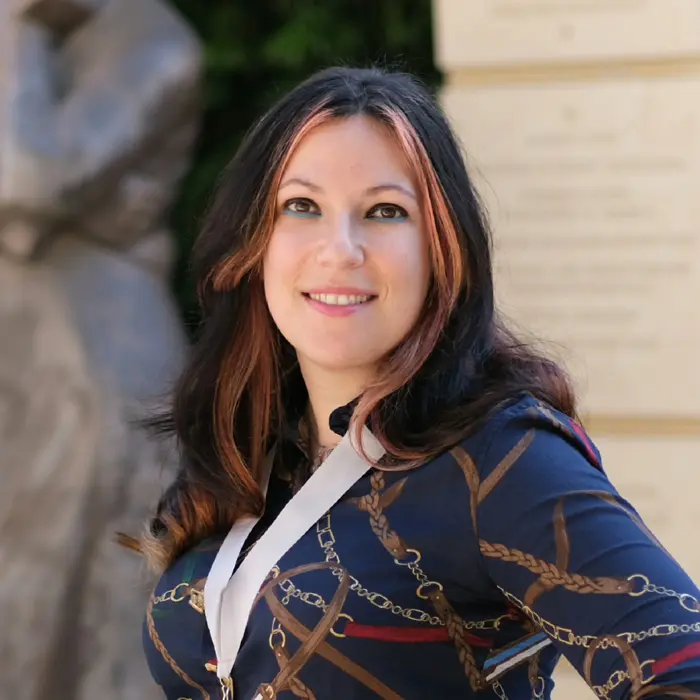
Chiara Nicoletti headshot

Jeanne Jones and Kathryn Fishback Fishman Fund  Award

Jessica Proulx, PhD, is a postdoctoral associate working in the lab of Peter D. Adams, PhD, director of the Cancer Genome and Epigenetics Program. Proulx investigates how aging alters our bodies at the cellular and molecular levels, a key factor in the increased risk for diseases such as cancer, neurodegenerative disorders, cardiovascular disease and metabolic conditions like type 2 diabetes. She uses biological techniques that study the entire landscape of a sample’s genes, proteins or other features. Her work seeks to identify underlying changes that predispose an aged liver to liver disease and liver cancer.
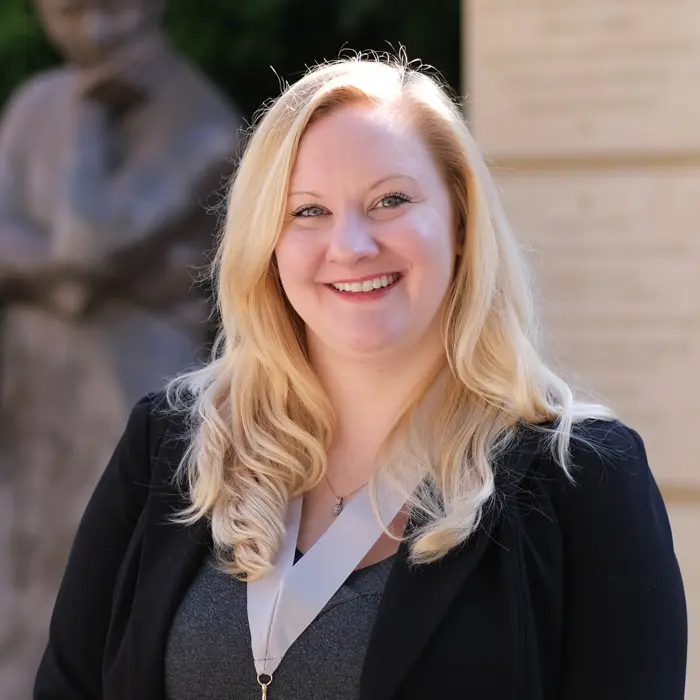
Jessica Proulx headshot

Lenka Finci and Erna Viterbi Fishman Fund Award

Kelly Yichen Li, PhD, is a postdoctoral associate in the lab of Kevin Yip, PhD, a professor in the Cancer Genome and Epigenetics Program and the director of the Bioinformatics Shared Resource. She studies a phenomenon called cellular senescence that is associated with aging. Senescent cells no longer grow and divide, which can reduce the growth of cancer, but the condition is also  associated with chronic inflammation and age-related diseases. Yichen LI is working to find molecular signatures of senescence to advance aging research, treatments and diagnostics.
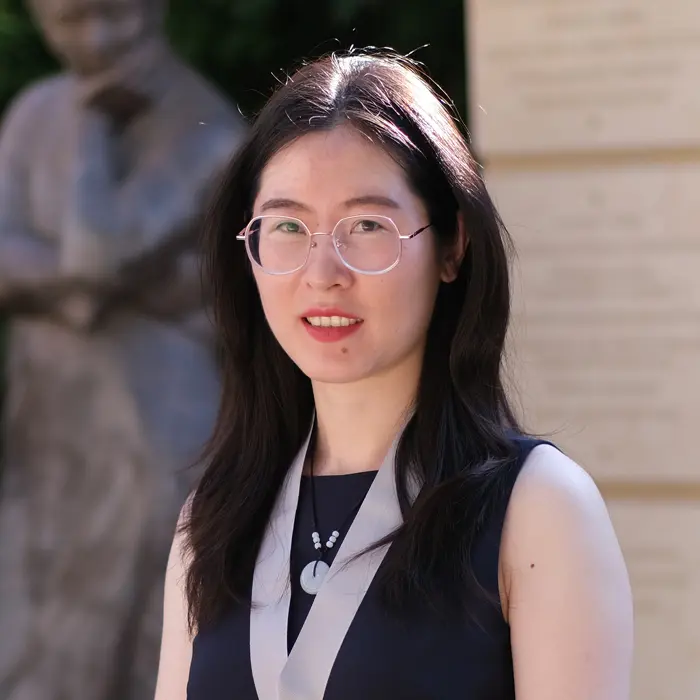
Yichen Li headshot
Institute News

2023 Fishman Fund Award ceremony celebrates postdoctoral scholars

AuthorSusan Gammon
Date

September 15, 2023

Three talented early-career researchers were presented with prestigious Fishman Fund Awards at the 22nd annual ceremony on September 20.

More than 100 generous benefactors, past award winners, and family and friends joined the celebration held at the Sanford Consortium.

Fishman Fund co-founder Reena Horowitz greeted the audience and shared how she, along with Mary Bradley, established the Fishman Fund Awards in 2001 to honor Dr. William and Lillian Fishman, founders of Sanford Burnham Prebys.

The Fishmans were committed to fostering the careers of young scientists. The award ceremony honors our founders’ dedication to furthering the careers of promising scientists by gathering each autumn to celebrate exceptional postdocs.

Before the awards were presented to the winners, David Brenner, MD, CEO of Sanford Burnham Prebys, described how important postdocs are to scientific discovery and why investing in their careers is a vital step toward improving human health.

“The postdoc experience is important, as it provides more training, experience and skills, before entering a more permanent science career,” said Brenner. “Postdocs represent the next generation of imagination and innovation, which much be recognized, encouraged and emboldened.”

Meet this year’s Fishman Fund Award winners

The Reena Horowitz & Mary Bradley Fishman Fund Founders Prize
Cheng-Ju Kuo, PhD, a postdoctoral researcher in the lab of Dr. Caroline Kumsta, is studying the biology of aging. Dr. Kuo is unraveling the molecular mechanisms linked to a cellular recycling process that declines with age. His findings could open up new possibilities to treat age-released diseases. Dr. Kuo’s goal is to establish his own laboratory where he will study aging and train the next generation of scientists.

Jeanne Jones and Kathryn Fishback Fishman Fund Prize
Alicia Llorente, PhD, a postdoctoral associate in the lab of Dr. Brooke Emerling, is investigating how breast cancer cells become resistant to therapy. Dr. Llorente combines her expertise in lipid kinases with cancer biology to open possibilities for novel therapeutics for therapy-resistant breast cancer. Her career goal is to combine research with teaching by obtaining a faculty position at a university.

Lenka Finci and Erna Viterbi Fishman Fund Prize
Theo Tzaridis, MD, is a postdoctoral associate in the lab of Dr. Peter Adams, where he focuses on aggressive brain tumors. His research led to the identification of a key checkpoint molecule widely expressed in brain tumors, which is a significant step toward improving immunotherapy as a treatment for brain tumors. Dr. Tzaridis plans to become a leader in translating research findings into clinical trials.

Fishman Fund winners undergo a rigorous selection process that includes a personal interview and a presentation to the selection committee. All winners receive a $10,000 career development award that can be used to attend workshops, network and travel to national and international conferences to learn about the latest developments in their research fields.

A special thank-you to the Fishman Fund donors who make these awards possible.

Institute News

2022 Fishman Fund Awards honor postdoctoral researchers

AuthorMiles Martin
Date

October 17, 2022

Since 2001, the awards have paid tribute to our Institute’s heritage and supported the trailblazers of tomorrow

Last week, the Fishman Fund Awards were presented at the Sanford Consortium, marking the first in-person awards presentation for the scholarships since 2019. The Fishman Fund honors the legacy of the Institute’s founders, Dr. William and Mrs. Lillian Fishman, and its purpose is to support the next generation of scientific leaders.

“The Fishman Fund Awards are important to our community and to the future of science,” said President and CEO David Brenner, M.D., during his comments at the ceremony. “The Fishmans understood that supporting our young scientists is a critical investment in the future of research, and that postdocs are the lifeblood of a scientific enterprise and crucial to the process of discovery.”

Professor Hudson Freeze, PhD, the first Fishman Fund awardee, recalled how the award was given to faculty the first year, but after that became an award exclusively for postdoctoral researchers. “Those are the people who do the work, and without them, there is no Institute,” said Freeze.

Assistant Professor Caroline Kumsta, PhD, who was a Fishman Fund awardee in 2011, also spoke. “The Fishman Fund has shaped many aspects of my life, and I am honored to be one of the recipients,” she said.

The evening was emceed by Reena Horowitz, who established the Fishman Fund with the late Mary Bradley in 2001. Since then, 74 awards have been conferred. This year, three $10,000 awards were given to postdocs to support their career development. An additional fellowship that provides salary and benefits was also awarded.

“These awards are important because they provide the vital funds to young career scientists for professional development and collaborative opportunities,” Horowitz said. “It is these up-and-coming biomedical researchers who will make the medical discoveries of tomorrow, shape the future of healthcare and literally save lives.”

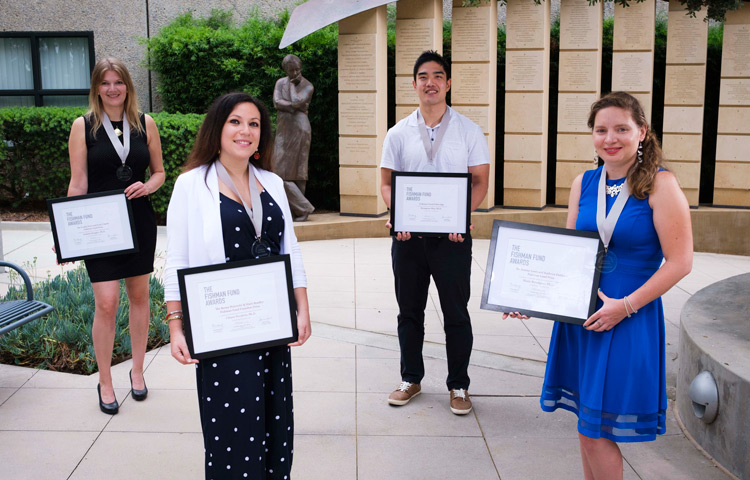
This year’s awards were presented to:

Guillem Lambies Barjau, PhD
Jeanne Jones and Kathryn Fishback Fishman Fund Award

“I am honored to be here today. Thank you to Sanford Burnham Prebys and the Fishman Fund for giving me this opportunity.”

Lambies Barjau hopes to improve the outcome of patients with pancreatic cancer. In the lab of Cosimo Commisso, PhD, Lambies Barjau studies how pancreatic cancer cells gather nutrients from their environment to survive and grow. Pancreatic tumors exist in a harsh, nutrient-poor environment, but they can activate a process called macropinocytosis to scavenge molecules as an alternative source of energy. By deciphering this process, Lambies Barjau’s research may reveal novel approaches to slow the growth of these often-deadly tumors.

Shanshan Yin, PhD
Lenka Finci and Erna Viterbi Fishman Fund Award

“I am grateful that you are our scientists’ strongest supporters. Together, we’ll do great science.”

Yin is studying the links between aging and breast cancer. About one in eight women will get breast cancer during her life, and the risk increases with age. In the lab of Peter Adams, PhD, Yin uses cutting-edge technology to quantify the activation of specific genes during aging. Identifying these genes may help explain why breast cancer occurs more frequently in older women, and could also lead to preventive treatments to spare the millions affected by the disease.

Tanja Eisemann, PhD
Reena Horowitz and Mary Bradley Fishman Fund Award

“I can’t tell you how honored I am to receive a 2022 Fishman Fund Award. I would like to express my deepest gratitude to the Fishman Fund donors for their generosity.”

Eisemann is exploring approaches to leverage the immune system against medulloblastoma, one of the most aggressive childhood brain cancers. Although rare, there are still about 500 children in the U.S. diagnosed each year with this dangerous cancer. In the lab of Robert Wechsler-Reya, PhD, Eisemann studies the interactions between T cells and medulloblastoma tumor cells, opening new research avenues to discover therapies that can enhance a patient’s own immune system to slow—or even eliminate—this dangerous brain cancer.

Cynthia Lebeaupin, PhD
Fishman Fund Fellowship

“The Fishman Fund Fellowship and the resources at Sanford Burnham Prebys will ensure I canperform science of excellent quality and make a lasting impact. Thank you for your support.”

Lebeaupin works in the laboratory of Randal J. Kaufman, PhD, where she studies how fatty liver disease leads to liver cancer. Fatty liver disease, which affects more than 25% of the U.S. population, develops when the body creates too much fat or can’t metabolize fat efficiently enough. There are no treatments or cures for this chronic liver condition and no methods of early detection. Lebeaupin’s research aims to address this unmet medical need by uncovering the biological pathways that lead to liver cancer and translating these findings into effective therapies.

Institute News

Fishman Fund Fellowship awarded to Cynthia Lebeaupin for liver cancer research

AuthorMiles Martin
Date

June 8, 2022

Cynthia Lebeaupin, PhD was recently awarded the 2022 Fishman Fund Fellowship, a postdoctoral award unique to Sanford Burnham Prebys.

The award provides a boosted stipend to exceptional postdocs from the Institute who have a demonstrated research track record and whose work shows significant potential for future breakthroughs.

“It’s an honor to have been selected for such a prestigious award from the Institute, says Lebeaupin, who works in the lab of Randal J. Kaufman, PhD “The resources and people at Sanford Burnham Prebys are incredible and I’m happy to be able to continue my research here.”

Sanford Burnham Prebys introduced the Fishman Fund Awards in 2001 to honor of the Institute’s founders, Dr. William and Lillian Fishman. The fund was established by Reena Horowitz and the late Mary Bradley, longtime supporters of the Institute.

“The Fishmans created an Institute that fosters a collaborative, inspirational atmosphere for postdoc students,” said Horowitz at the 2021 Fishman Fund Awards. “The Fishmans understood that support for new science is a brilliant research investment.”

Lebeaupin has been at the Institute since 2018, and this is not her first honor from the Fishman Fund. In 2021, she was awarded a Fishman Fund Career Development Award, a smaller prize offered to several postdocs each year. She also completed an internship at the Institute’s former Lake Nona campus in 2014.

“I’ve had an affinity for Sanford Burnham Prebys for a long time,” says Lebeaupin. “I knew once I met Dr. Kaufman and everybody on campus that this was the best place to complete my postdoc.”

Lebeaupin’s research focuses on a growing and pressing problem in medicine – liver cancer. One of the major risk factors for developing liver cancer is fat accumulation in the liver, known as fatty liver disease. Increases in obesity rates over the last several decades have led to a dramatic increase in fatty liver disease.

Fatty liver disease is increasing at an alarming rate, and unfortunately, it’s here to stay,” says Lebeaupin. “My research is figuring out how fatty liver disease progresses to liver cancer, so we can use this knowledge to help prevent it.” 

In particular, Lebeaupin is working on exploring how cells respond to fatty liver disease over time. She discovered that a molecule that helps liver cells protect themselves from short-term stress can promote cancer in the long-term. She has now moved into studying the system in human tissues.

“This research is exciting because we aim to translate our discoveries from the bench to the bedside,” says Lebeaupin. “What I hope to do in the future is use new technologies on liver samples from patients so we can identify what’s actually going on in liver diseases.”

Institute News

2021 Fishman Fund Award ceremony celebrates postdoctoral scholars

AuthorSusan Gammon
Date

September 28, 2021

The Fishman Fund Awards were presented on September 23, 2021, in a virtual ceremony that honored the enduring legacy of our Institute’s founders, Dr. William and Lillian Fishman.

The three exceptional winners were welcomed by Fishman Fund co-founder Reena Horowitz; co-founder designee Jeanne Jones; and 2018 award recipient Laura Martin-Sancho, who commented, “A Fishman Fund Award is more than the money—it means that someone believes in you and believes in your goals.”

Longtime supporter, Institute trustee and namesake Malin Burnham reflected on his first meeting with the Fishmans more than 40 years ago when they were setting the stage for Sanford Burnham Prebys. “The Fishmans were creating a collaborative, inspirational atmosphere for postdocs—the lifeblood of scientific enterprise. This award pays tribute to their vision that young, talented scientists hold the key to curing disease.”

Sanford Burnham Prebys CEO Randy C. Mills thanked our supporters and shared, “Fishman Fund Award winners are on a journey not only to make their mark through scientific discovery, but also to define themselves as scientific leaders. I’m excited to see the vision of better science that they will translate into reality for the benefit of patients in need.”

Reena Horowitz and the late Mary Bradley established the Fishman Fund Awards in 2001 to honor the Fishmans and advance the careers of promising young scientists. Ever since the fund was launched 20 years ago, more than 70 awards have been conferred—now worth $10,000—to support career-development activities. 

This year’s awards were presented to:

Cynthia Lebeaupin, PhD
The Lenka Finca and Erna Viterbi Fishman Fund Prize

“I’m especially grateful to be affiliated with a community that supports its postdoctoral researchers, helping us transition into the great leaders of tomorrow.”

Dr. Lebeaupin is studying how fatty liver disease progresses to liver cancer. Fatty liver disease is rapidly increasing in the U.S. and around the world—and there is no cure. Studying how cells respond to stress conditions may open new avenues to target those responses and prevent cancer. Dr. Lebeaupin, a postdoctoral associate in the lab of Randal J. Kaufman, PhD, aims to become a professor of biology in academia.

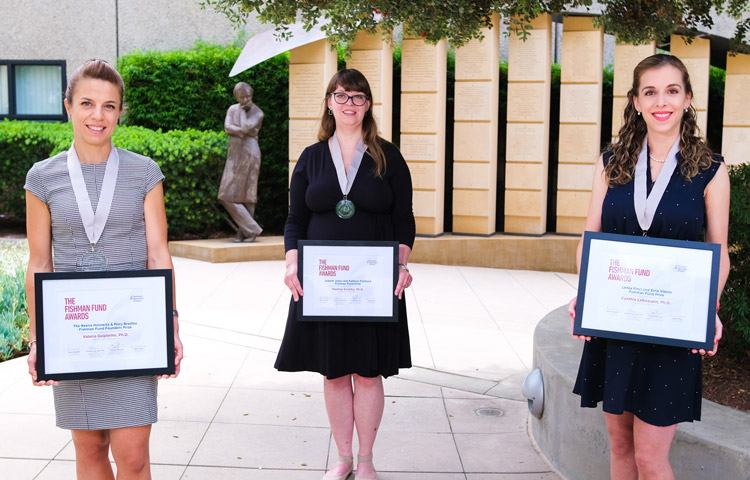
Valeria Guglielmi, PhD 
The Reena Horowitz and Mary Bradley Fishman Fund Founders Award

“Now more than ever, we need people like you who trust scientists and believe science can really make a difference in our lives.”

Dr. Guglielmi is researching nuclear pore complexes and their role in the development and activity of immune cells. This research may lead to novel treatments for health conditions caused by dysregulated immune-cell production and function. Guglielmi is a postdoctoral associate in the lab of Maximiliano D’Angelo, PhD, and her goal is to become an independent investigator to further research on the immune system.

Paulina Sosicka, PhD 
The Jeanne Jones and Kathryn Fishback Fishman Fund Prize 

“I’m very grateful and honored to receive this Fishman Fund Career Development Award. Thank you to the founders and donors who made this possible.” 

Dr. Sosicka is investigating the application of dietary supplementation to treat debilitating genetic conditions called CDGs, which are rare diseases—mainly affecting children—caused by defects in the human enzymes and proteins responsible for adding sugar molecules onto proteins and lipids. The research may also provide insights into new approaches to treat obesity and cancer. A postdoctoral associate in the lab of Hudson Freeze, PhD, Dr. Sosicka aspires to become a professor in academia in the field of glycobiology.


Event recording


Institute News

Celebrating the next generation of biomedical trailblazers at the 19th annual Fishman Fund Awards

AuthorMonica May
Date

September 22, 2020

Four talented early-career researchers were awarded prestigious Fishman Fund Awards.

When Dr. William and Lillian Fishman founded our Institute in 1976, they knew that nurturing the next generation of scientists was just as important as advancing cutting-edge research. Today, their values live on in the form of the Fishman Fund Awards, which help exceptional postdoctoral researchers develop into scientific leaders.

On September 24, four talented early-career researchers received the prestigious award during an inspiring virtual ceremony. Generous benefactors, past award winners, and family and friends tuned into the event, which featured remarks from Institute president Kristiina Vuori, MD, PhD; professor and Fishman Fund Award recipient José Luis Millán, PhD; Fishman Fund co-founder Reena Horowitz and co-founder designee Jeanne Jones.

“The Fishmans firmly believed in helping brilliant early-career postdoctoral scientists become great principal investigators,” says Ms. Horowitz, who established the Fishman Fund Awards in 2001 with her late friend Mary Bradley. “Our goal with these awards is to encourage and support these researchers in their quest for the next great medical breakthroughs, which might one day be able to save the lives of our family members, friends and neighbors.”

Fishman Fund winners undergo a rigorous selection process that includes a personal interview and a presentation to the selection committee. All winners receive a $10,000 career development award that can be used to attend workshops, network and travel to national and international conferences to learn about the latest developments in their research fields. The winner of the Fishman Fund Fellowship receives a two-year salary stipend in addition to the professional development funding.

Meet this year’s Fishman Fund Award winners

Fishman Fund Fellowship Award

Kyungsoo Shin, PhD, grew up in Halifax, Nova Scotia, in Canada, where he also attended Dalhousie University for his undergraduate and graduate studies. Dr. Shin works in the laboratory of Dr. Francesca Marassi, where he is advancing a potential treatment for age-related macular degeneration, a leading cause of vision loss in people over the age of 60. Dr. Shin recently showed that a protein called vitronectin is the likely cause of the pebble-like deposits in the back of the eye that underlie the disease. With this information, scientists can now work toward a treatment to prevent vision loss.

Dr. Shin’s career goal is to become an independent researcher focused on understanding how cellular membranes—gatekeepers that regulate what enters or exits a cell—are involved in disease. He hopes to mentor and inspire the next generation of scientists to advance our understanding of human biology.
 

Fishman Fund Career Development Awards

Marie Berenguer, PhD, grew up near Paris and went to school in Bordeaux. She is currently studying in the laboratory of Dr. Gregg Duester and focuses on how a compound called retinoic acid affects the way embryos are formed. Her work may open new avenues to prevent and treat birth defects.

Dr. Berenguer’s career goal is to become a principal investigator and lecturer in genetics and developmental biology. By leading her own research team, she hopes to improve our understanding of genetic diseases and lay the foundation for future therapies.

Daniela Dengler, PhD, is from Germany, where she studied pharmacy and worked in a pharmacy for a year before she decided to pursue her PhD at the Friedrich-Alexander University in Erlangen-Nuremberg, Germany. Dr. Dengler works in the Conrad Prebys Center for Chemical Genomics with Dr. Eduard Sergienko. She is searching for new drugs that bind to proteins called G-protein coupled receptors (GPCRs), which mediate many physiological processes in the body. More than 30% of all FDA-approved drugs act on GPCRs.

Dr. Dengler’s career goal is to become a project leader in biotech, where she wants to combine her background in chemistry with her knowledge in assay development and high-throughput screening to find drugs for unmet medical needs.

Chiara Nicoletti, PhD, grew up in Gela, in Sicily, and received her PhD at the University of Padua in northern Italy. Dr. Nicletti is in Dr. Pier Lorenzo Puri’s lab and is studying the links between genetic sequences and risk of disease. Her research will open new avenues to help clinicians practice personalized medicine—including predicting who is likely to get a disease, how to prevent it, how to treat it and perhaps even cure the condition.

Dr. Nicoletti’s career goal is to become a principal investigator, leading her own research team that focuses on integrating foundational research with everyday medical practice to improve human health.

Watch the Fishman Fund Awards ceremony, which featured remarks from Institute president Kristiina Vuori, MD, PhD; professor and Fishman Fund Award recipient José Luis Millán, PhD; Fishman Fund co-founder Reena Horowitz and co-founder designee Jeanne Jones.

Learn more about the Fishman Fund, or, donate now, to support future scientific leaders.

Institute News

18th Annual Fishman Fund Award ceremony celebrates the next generation of biomedical trailblazers

AuthorSusan Gammon
Date

September 23, 2019

Three talented early-career researchers were presented with a prestigious Fishman Fund Award at the annual ceremony on September 19. More than 100 generous benefactors, past award winners and family and friends joined the celebration held at the Sanford Consortium. The awards honor the Institute’s founders, Dr. William and Lillian Fishman.

Reena Horowitz, who along with her close friend Mary Bradley established the Fishman Fund Awards, welcomed the audience and shared how the Fishmans truly believed that young researchers need a boost from time to time—and that these awards do exactly that. Recipients who are selected from a pool of Sanford Burnham Prebys postdocs use the $10,000 stipend to attend workshops, network and travel to national and international conferences to learn about the latest developments in their research fields. 

“The young researchers at Sanford Burnham Prebys make discoveries that have an impact in San Diego as well as helping advance science and health around the world,” said Horowitz. “The Institute motto could not ring truer: From Research the Power to Cure.”

Professor Hudson Freeze—one of the very first Fishman Fund Award winners and now director of the Institute’s Human Genetics Program—shared how his nearly 40 years of research has established him as a magnet for a global community of families seeking treatments for rare childhood diseases. He encouraged this year’s winners to take advantage of working in a world-class research center and to pursue meaningful research that will open new avenues to improve human health.

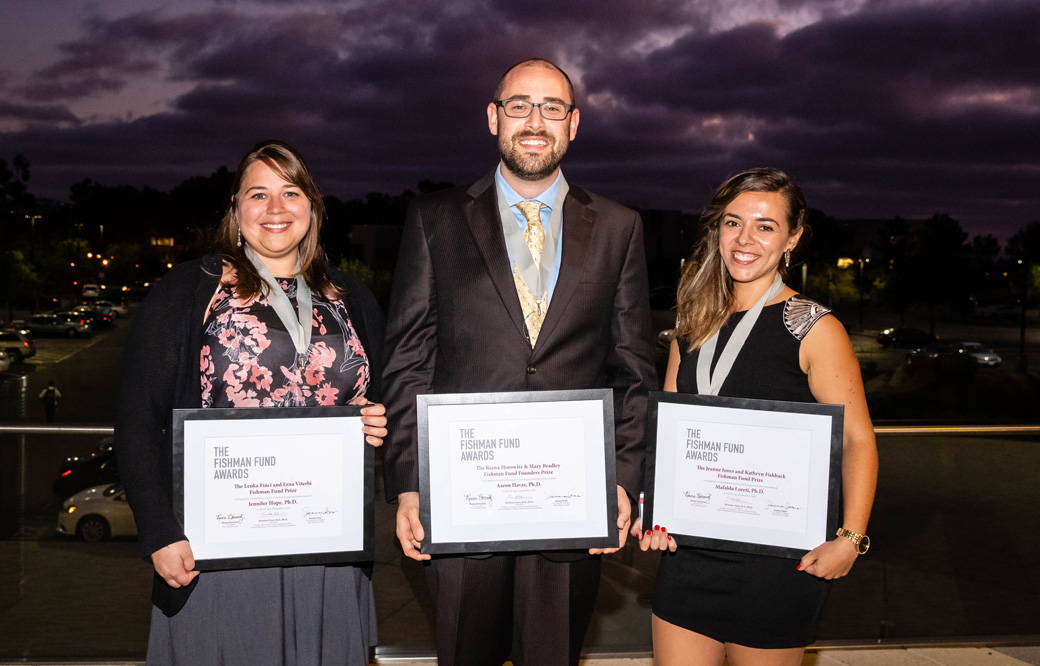
Jennifer Hope, PhD, was presented with the Lenka Finci and Erna Viterbi Fund Prize by Horowitz and Institute supporter Judy White. Dr. Hope works in the laboratory of Professor Linda Bradley, where she is studying cellular and molecular mechanisms that drive the development of T cells that attack cancer. Jennifer’s career goal is to become an independent investigator focused on research to promote patient responsiveness to cancer therapies.

Mafalda Loreti, PhD, was presented with the Jeanne Jones and Kathryn Fishback Fund Prize by Fishman Fund co-founder designee Jeanne Jones and longtime Institute supporter Sam Horowitz. Dr. Loreti is studying the mechanisms that promote muscle growth and repair in the laboratory of Associate Professor Alessandra Sacco. Her career goal is to become an independent researcher in an academic setting, where she will explore the biology of muscle pathologies and approaches to improve muscle health.

Aaron Havas, PhD, received the Reena Horowitz and Mary Bradley Fishman Fund Prize from Horowitz and Institute supporter Doreen Schonbrun. Dr. Havas works in the lab of Professor Peter Adams, where he studies how aging affects gene regulation. His career goal is to work in the biotech industry exploring drugs that target the process to promote healthy aging.

Since the fund’s inception in 2001, 64 prizes have been awarded. Every other year, a 24-month fellowship that provides salary support is given to a deserving postdoc. The fellowship was awarded in 2018, so it will be given again at next year’s ceremony.

The generosity of our Fishman Fund donors enables the tradition of providing career advancement opportunities. On behalf of all of us at Sanford Burnham Prebys, we thank you for your support.

Institute News

2018 Fishman Award Ceremony honors postdoctoral scholars

AuthorSusan Gammon
Date

September 26, 2018

More than 100 supporters of SBP came out to celebrate this year’s Fishman Award recipients: Usue Etxaniz Irigoien, PhD, Koen Galenkamp, PhD, Laura Martin-Sancho, PhD, and Ee Phie Tan, PhD The annual awards ceremony, held September 20 at the Sanford Consortium, recognizes postdocs who have made extraordinary efforts and encourages their passion for careers in science.

The evening began with a warm welcome from founder Reena Horowitz, who described how she began the Fishman Fund with the late Mary Bradley (her dear friend) to honor Dr. William and Lillian Fishman. The Fishmans were the founders of SBP and firmly believed in helping young postdoctoral scientists become great principal investigators—and these awards help boost young researchers to meaningful careers in science.

Jeanne Jones, the Fishman Fund’s co-founder designee, shared that since the fund’s inception, 64 recipients have been awarded. The career development awards—bestowed annually to three postdocs—provide a generous $10,000 stipend to allow them to attend workshops and travel to national and international conferences to learn the latest developments in their research fields. Additionally, a Fishman Fund Fellowship Award, which provides salary support for two years in addition to benefits and a career-development stipend, was awarded this year for the second time in SBP history.

The keynote speaker was Aman Mann, PhD, who won the Fishman Award in 2011. Today, Mann is a research assistant professor at SBP and an entrepreneur and founder of AivoCode, a neuroscience company that licenses technology originally developed at SBP. Mann reflected on how the award gave him added confidence and resources to pursue his career goals—and he encouraged this year’s recipients to similarly follow their dreams.

If you are interested in donating to the Fishman Fund, click here.

The 2018 Fishman Fund Fellowship winner, Usue Etxaniz Irigoien, PhD, was presented with her award by Reena Horowitz. Irigoien, originally from the Basque region of Spain, is the first in her family to pursue a graduate degree in science. She is currently a postdoctoral researcher in the laboratory of Lorenzo Puri, PhD, and is studying the communication between nerves and muscles. Irigoien’s research is providing insights that may lead to improved therapies for neuromuscular diseases such as ALS. In the future, she hopes to become a principal investigator of her own lab.

The Fishman Fund Awardees:

Koen Galenkamp, PhD, was presented with his award by Andrew Viterbi, a distinguished scientist and former SBP trustee. Galenkamp works in the laboratory of Cosimo Commisso, PhD, and specializes in seeking ways to starve pancreatic tumors of the food they need to survive and grow. Originally from Amsterdam, Galenkamp thanked his colleagues and wife—who is also a postdoc in San Diego—and shared his plans to use the funds to attend a comprehensive pancreatic cancer conference at Cold Spring Harbor Laboratories.

Laura Martin-Sancho, PhD, a postdoc in the lab of Sumit Chanda, PhD, received her Fishman Fund Award from Armi Williams, a Fishman Fund Board member and longtime SBP supporter. Martin-Sancho is working to develop antiviral medicines that will combat infectious diseases such as influenza, dengue, and West Nile and Zika viruses. Martin-Sancho’s career goal is to be an independent investigator in an academic organization. She will use her stipend to attend a Keystone RNA virus conference in Dublin, Ireland.

Ee Phie Tan, PhD, originally from Malaysia, joined SBP in 2016 to work in the lab of Malene Hansen, PhD Tan is studying autophagy—a cell process that tidies up cell debris and recycles parts to maintain health. Defects in autophagy are linked to many aging-related diseases such as Alzheimer’s and Parkinson’s disease, and even cancer. Tan received her award from Reena Horowitz and will use the funds to attend a Gordon Research Conference in Texas and a Keystone Symposium in Santa Fe, New Mexico. 
 

Institute News

2017 Fishman Fund Award Ceremony celebrates postdoctoral scholars

AuthorHelen I. Hwang
Date

September 20, 2017

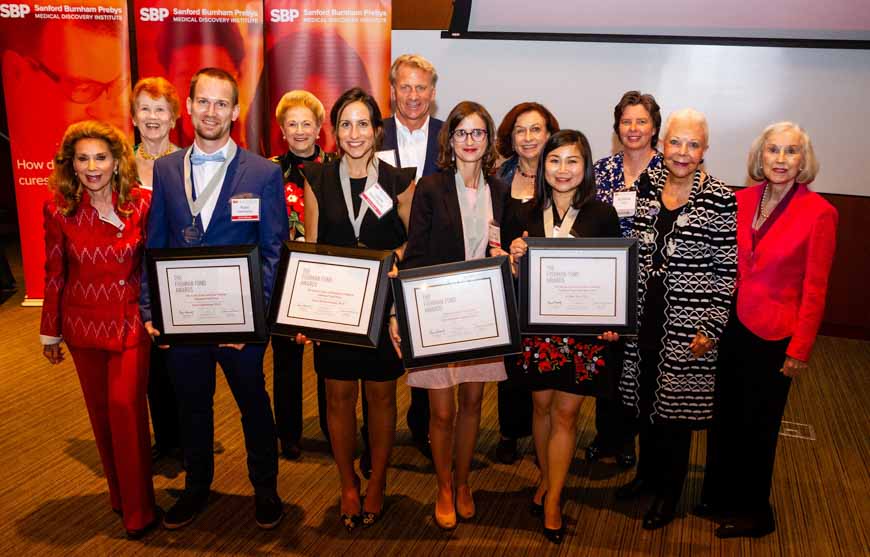
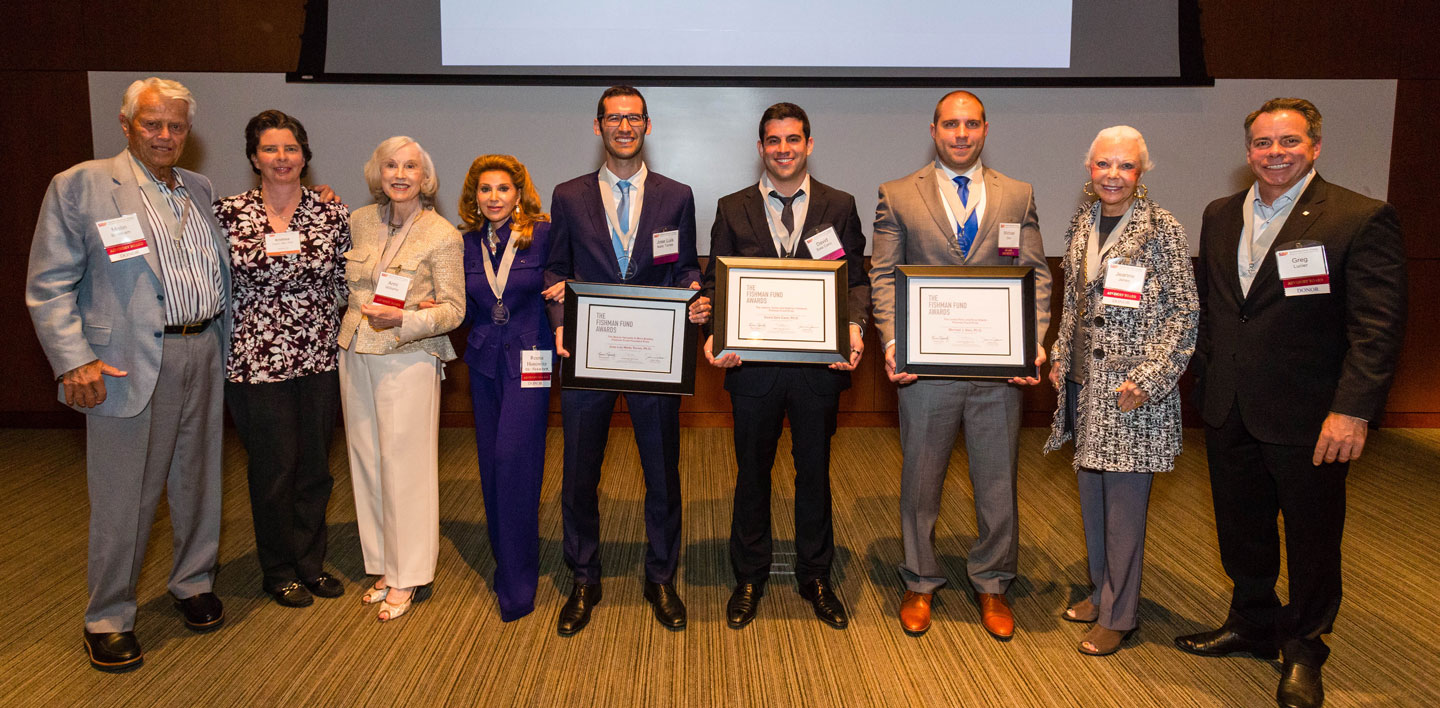
More than 100 supporters of Sanford Burnham Prebys (SBP) Fishman Fund Awards came out to honor this year’s Fishman Fund Award recipients: David Sala Cano, PhD, Michael J. Stec, PhD, and Jose Luis Nieto Torres, PhD, at the Sanford Consortium on Tuesday evening.

Malin Burnham, SBP’s Honorary Board Trustee, spoke about SBP exemplifying collaboration as part of its DNA. He also said that of all the organizations he works with, he gets the most satisfaction from being involved with SBP. Dr. Torres received the award and Fishman Fund medallion from Burnham, while Torres’ parents watched on with pride. They flew in from Spain, visiting the United States for the first time.

Fishman Fund co-founders and SBP supporters Reena Horowitz and Jeanne Jones led the ceremonies as they spoke about the founding of the Fishman Fund Award in 2001. The Fishman Fund Career Development Awards have grown from a $1,500 allowance to $10,000 stipends for each recipient so they can attend workshops, network and travel to national and international scientific conferences to learn about the latest developments in their research fields. The generosity of Fishman Fund donors enables such important career advancement opportunities for future scientific leaders.

Greg Lucier, former SBP board member and CEO of NuVasive, Inc., also spoke on the topic of “we versus me,” emphasizing the importance of teamwork. SBP supporters Dr. Andrew Viterbi, co-founder of Qualcomm, and Armi Williams, Fishman Fund Advisory Board member and former SBP trustee, presented Fishman Fund awards and medallions to Drs. Stec and Cano, respectively.

This year’s recipients gave short presentations on their work, each of which dealt with aging, including muscle stem cells, muscle regeneration and autophagy (body’s ability to eliminate waste and recycle). Read more about their work below.

Your contributions provide vital support for the Fishman Fund. Please donate now.

2017 Fishman Fund Awardees:

David Sala Cano, PhD, a postdoctoral scholar in the laboratory of Alessandra Sacco, PhD, is working on muscle stem cells. He focuses on muscle wasting, a major health problem that leads to poor quality to life, and is associated diseases such as diabetes, chronic kidney disease, cancer and aging. He is working on identifying new targets for drugs that may prevent skeletal muscle degeneration.

Dr. Cano comes to La Jolla from a small town of Abrúcies, Spain. He holds degrees from the University of Barcelona, including a BS degree in biochemistry, a MS degree in physiology and a PhD in biomedicine. His goal is to become a principal investigator in an academic setting, combining his passion for research and teaching.

Michael J. Stec, PhD, focuses on understanding the mechanisms regulating stem cell function and skeletal muscle regeneration; he is also in the laboratory of Alessandra Sacco, Ph.D. He aims to develop novel therapies for improving muscle function in aged and diseased individuals.

Dr. Stec hails from Whippany, New Jersey. He holds a BS degree in health and exercise science from the College of New Jersey, a MS degree in exercise science from Bloomsburg University of Pennsylvania and a PhD in pathobiology and molecular medicine from the University of Alabama in Birmingham. Ultimately, his career goal is to obtain a position in the biotech industry.

Jose Luis Nieto Torres, PhD, is a postdoctoral scholar in the laboratory of Malene Hansen, PhD He conducts research on autophagy—a process our bodies use to eliminate cell waste by recycling debris into usable sources of energy. Our bodies need to be able to eliminate debris that accumulates over time and make new components for proper functioning. Autophagy declines with aging, and is associated with many age-related diseases.

Dr. Torres joined SBP from Palencia, Spain. He obtained his BS degree in biochemistry and biology from the University of Salamanca and MS and PhD degrees in molecular biology from the Universidad Autonoma de Madrid. In the future, Dr. Torres aims to become a principal investigator of his own lab in an academic setting.


Institute News

Reena Horowitz honored at Sanford Burnham Prebys Medical Discovery Institute

AuthorHelen I. Hwang
Date

December 13, 2016

During a special end-of-the-year gathering, Reena Horowitz was honored for her hard work and dedication to Sanford Burnham Prebys Medical Discovery Institute (SBP). Held in the Fishman Auditorium at SBP, friends and staff thanked Horowitz with a bouquet of flowers, applause and a speech from Kristiina Vuori, PhD, president of SBP. Vuori thanked Horowitz for being a “leading ambassador for the Institute.”

In Vuori’s speech, she explained how Horowitz became involved with the Institute through her friendship with her neighbor Lillian Fishman. Dr. William T. Fishman and his wife, Lillian Fishman, founded SBP forty years ago. “Reena’s friendship with Lillian provided the Institute with a champion in the community, as well as the development of two of SBP’s institutional programs, the Fishman Fund Awards and the Group of 12 & Friends. Reena co-founded and has managed both of these extraordinary programs for over a decade,” said Vuori.

To nurture the careers of future scientific trailblazers at SBP, the Fishman Fund was established by SBP supporters Mary Bradley and Reena Horowitz to honor the founders of the Institute, Dr. William and Lillian Fishman. Over 55 postdoctoral students have been supported by the Fishman Fund, which awards postdoctoral fellowships and career development grants.

Horowitz co-founded G12 & Friends, a lecture and get-together with friends hosted monthly at SBP. What started out as Horowitz, Lillian Fishman and a few friends has ballooned into a group that usually draws over 100 guests, curious about a wide range of topics from science, medicine and the arts.

The celebration was an occasion to thank Horowitz for being a passionate supporter of SBP’s scientific programs within the community.

To find out more about the Fishman Fund and how to support it, click here.