Study further elaborates on how LARP6 powers organ damage, and how it may be a therapeutic target for myriad, almost ubiquitous, conditions
Metabolic syndrome is a cluster of at least three conditions—abdominal obesity, high blood pressure, high blood sugar, high triglycerides and low HDL cholesterol—that in combination significantly increase the risk for developing type 2 diabetes, heart disease and stroke.
Nearly 40 percent of U.S. adults are affected by metabolic syndrome, with prevalence rising both nationally and worldwide.
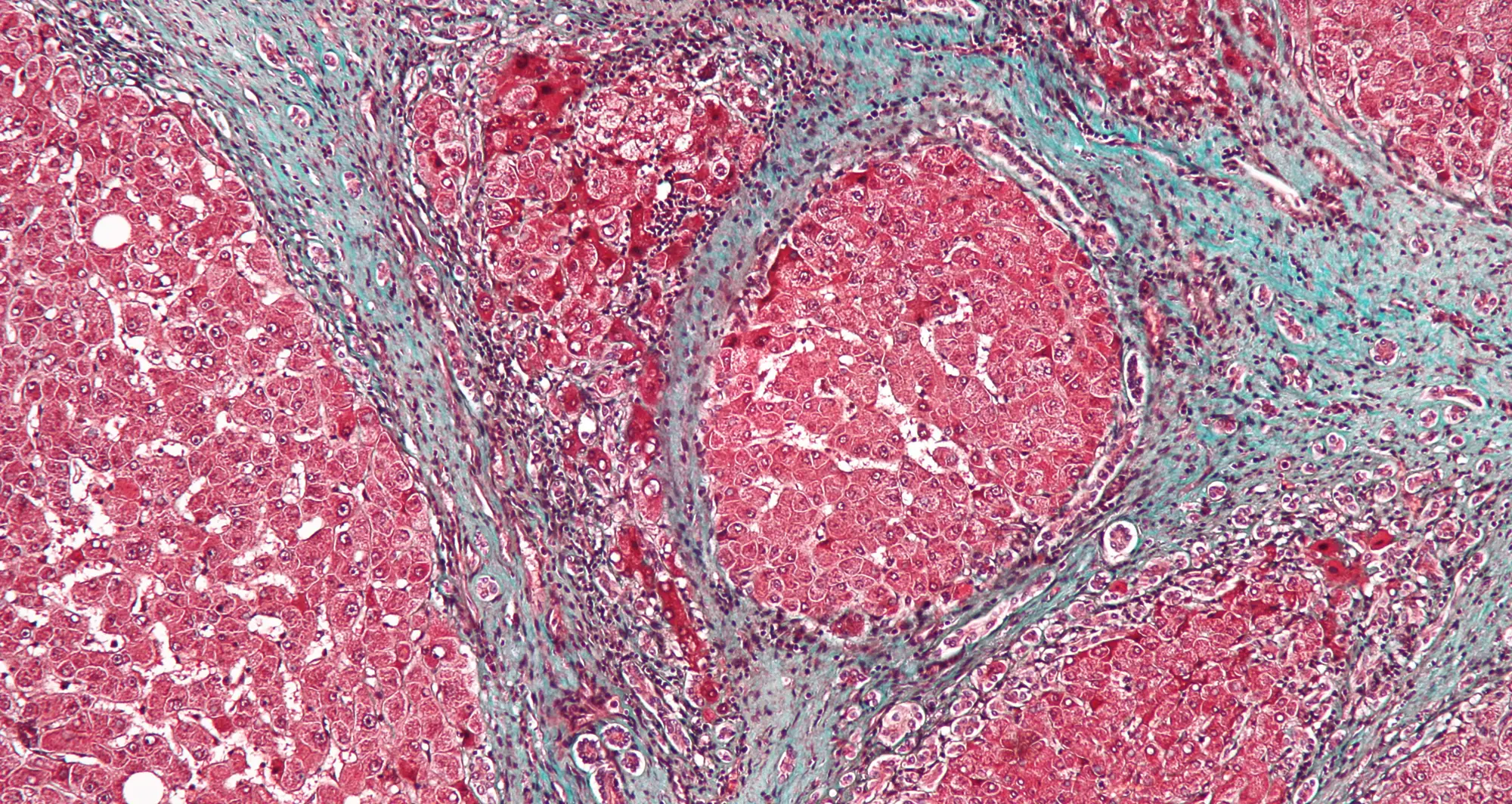
A specific harm of metabolic syndrome, along with excessive alcohol consumption, is liver damage and resulting fibrosis or scarring, which impairs organ function and can lead to cirrhosis, cancer and failure. Liver fibrosis is also common, affecting roughly 7-15% of the general population, with advanced fibrosis affecting 2-4% of U.S. adults.
In a new paper, published online February 26, 2026, researchers at Sanford Burnham Prebys Medical Discovery Institute, with colleagues elsewhere, further illuminate the function and expression of LARP6, an RNA-binding protein that plays a key role in regulating fibrosis development and represents a potential therapeutic treatment.
“There is no overstating the importance of our livers. The liver performs more than 500 vital functions, from detoxification to regulating blood sugar to creating immune factors,” said senior study author David Brenner, MD, a gastroenterologist and president and CEO of Sanford Burnham Prebys.
“Millions of Americans have livers either impaired or failing, often due to metabolic dysfunction-associated steatohepatitis (MASH), the most common liver disease. Past work by us and others has already established LARP6 as a key regulator of the production of collagen, the protein that drives fibrotic disease progression. This new study demonstrates that LARP6 is a master regulator of multiple aspects of fibrosis. This is essential to ultimately developing an effective therapy where currently there is none.”
Specifically, Brenner and collaborators expanded upon earlier research to describe in greater biochemical and molecular detail how LARP6 is increased in fibrotic cells. In human stem cell models, they also showed that both a gene knockdown or pharmacological inhibition of LARP6 inhibited fibrosis development.
“Our next steps are to use this information to develop a high-throughput assay to screen for inhibitors of LARP6, with the long-range goal of developing a drug to specifically inhibit liver fibrosis.”
Additional authors include:
- Chen-Ting Ma, Andrey A. Bobkov, Eduard Sergienko and Michael Jackson at Sanford Burnham Prebys.
- Hyun Young Kim, Wonseok Lee, Sara B. Rosenthal, Cuijuan Han, Brian A. Yee, Steven M. Blue, Jesiel Diaz, Jyotiprakash P. Jonnalagadda, Kanani Hokutan, Haeum Jang, Charlene Miciano, Tatiana Kisseleva and Gene W. Yeo, all at UC San Diego.
- Lena A. Street and Marko Jovanovic, Columbia University, NY.
- Branko Stefanovic, Florida State University.
The study was supported by the Martha Proctor Mack Foundation, National Institutes of Health, the Sanford Stem Cell Innovation Center and Sanford Stem Cell Fitness and Space Medicine Center at Sanford Stem Cell Institute, the National Cancer Institute and the National Research Foundation of Korea.
The study’s DOI is 10.1172/JCI197923.