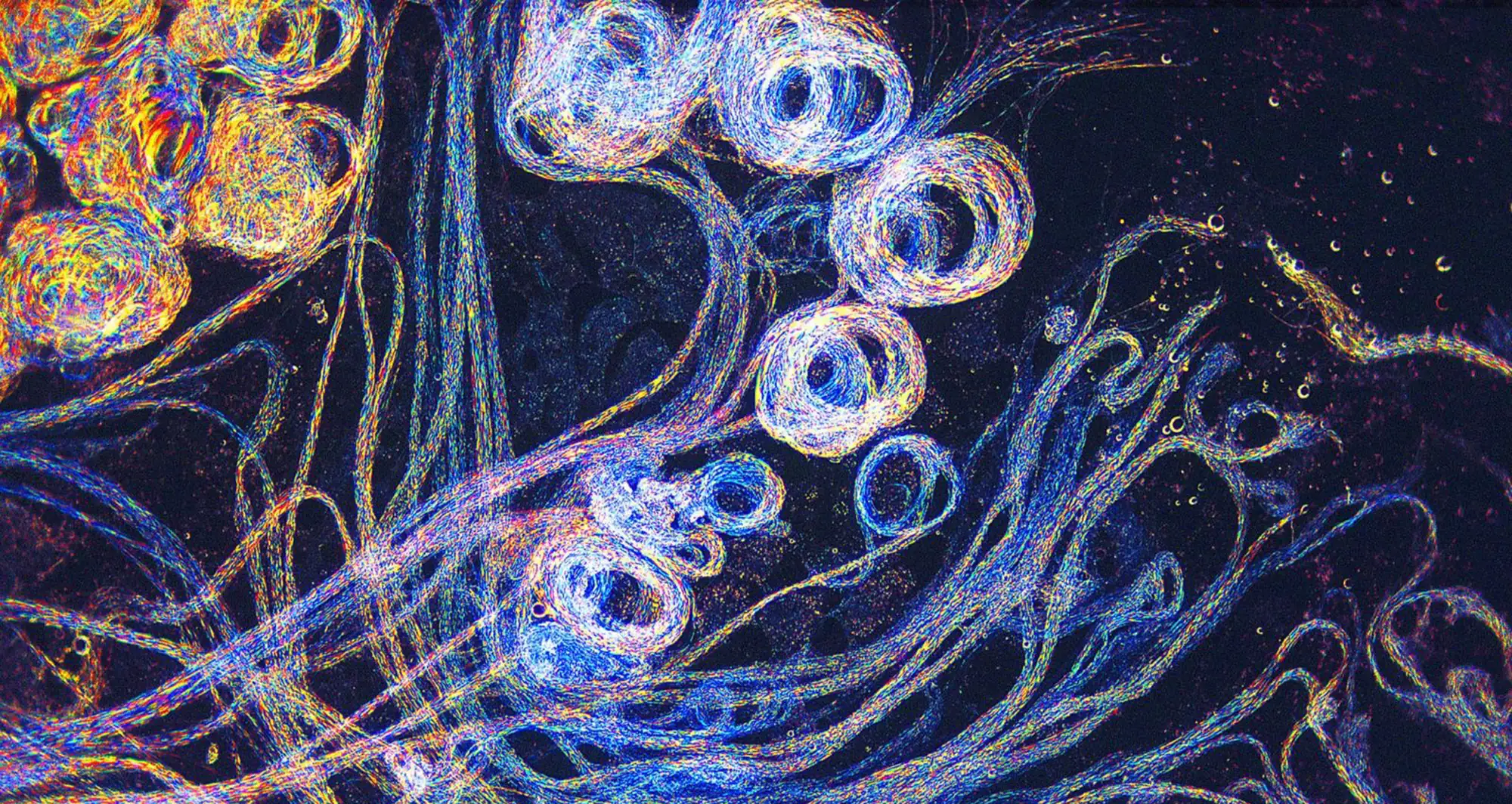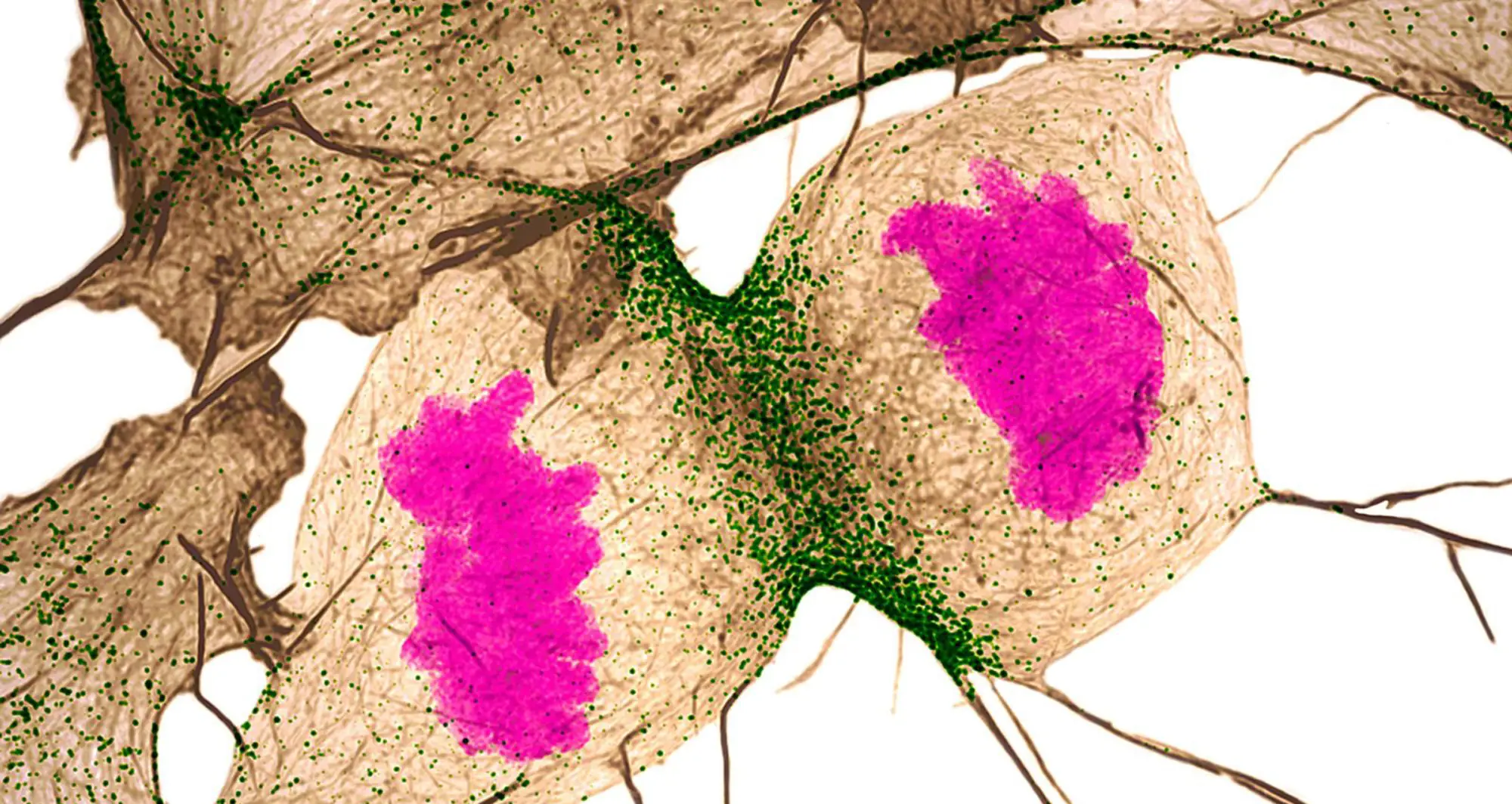
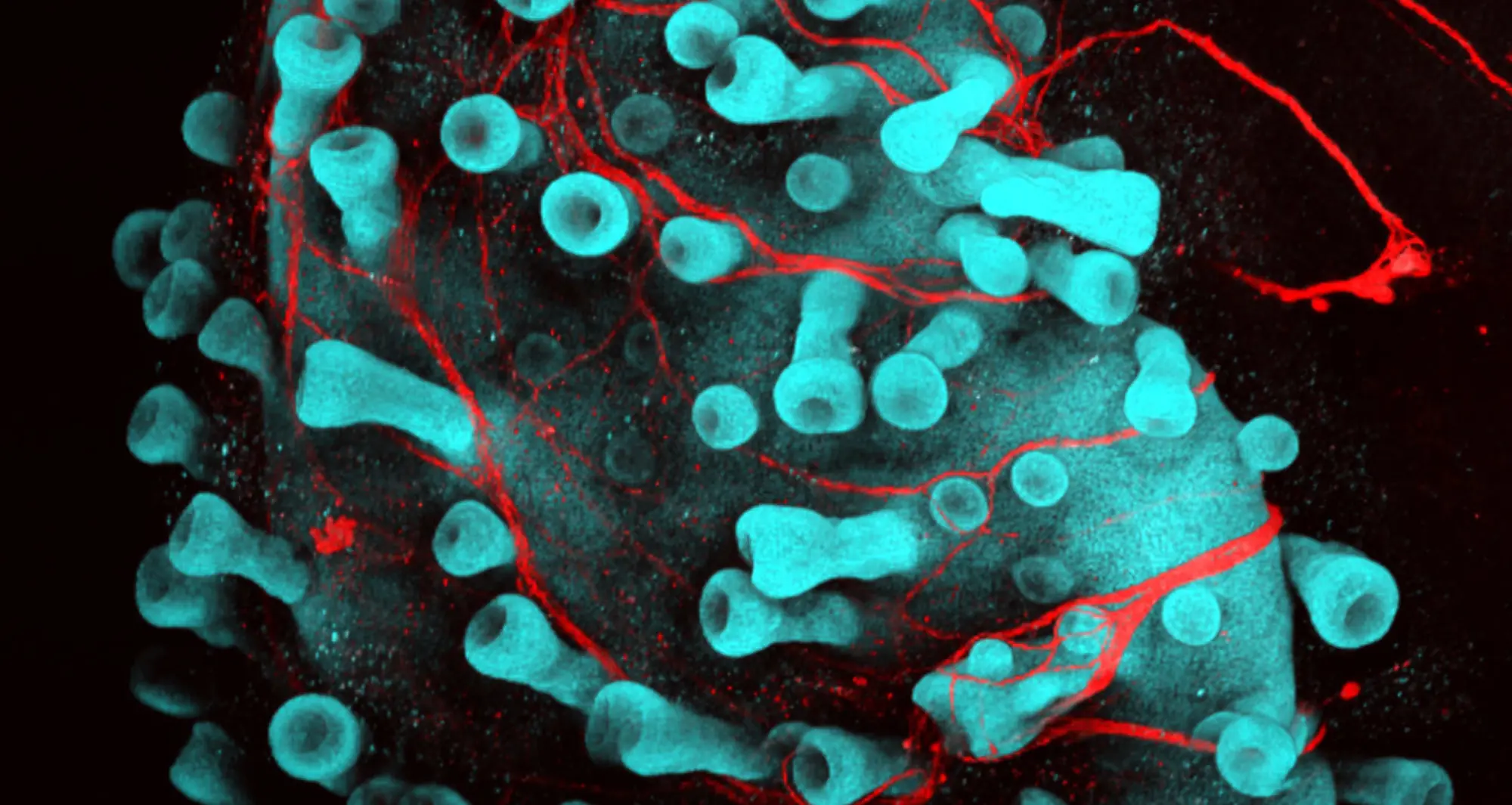
False color scanning electron micrograph of a single human ovum or egg cell. Human ova are among the largest cells in the human body and are visible to the naked eye, roughly the size of a single, small grain of sand.
Image courtesy of SPG.

False color scanning electron micrograph of a single human ovum or egg cell. Human ova are among the largest cells in the human body and are visible to the naked eye, roughly the size of a single, small grain of sand.
Image courtesy of SPG.

Scientists gathered at the 9th annual La Jolla Aging Meeting on Thursday, March 19, 2026, in the Salk Institute’s Conrad T. Prebys Auditorium
The event brought together 286 attendees and featured short talks from San Diego-based postdoctoral researchers and students studying the biology of aging.
Anamika Yadav, a research assistant in the lab of Sanju Sinha, PhD, at Sanford Burnham Prebys Medical Discovery Institute, discussed her work studying aging by detecting structural alterations in cells and tissues over time captured in images taken of routine medical biopsies. She used data from the Genotype-Tissue Expression Project, a major National Institutes of Health Common Fund initiative that gathered samples from 970 non-diseased individuals aged 20 to 70. Yadav trained a computational model on more than 25,000 histopathology slides from 40 tissue types to define aging patterns in different tissues. By this approach, Yadav defined distinct patterns of aging in different tissues which ultimately can help to predict specific diseases of aging.
Beatrice Silvestri, PhD, a postdoctoral associate in the lab of Yu Xin (Will) Wang, PhD, at Sanford Burnham Prebys, shared findings from her work on an enzyme called 15-hydroxyprostaglandin dehydrogenase (15-PGDH). Researchers have defined 15-PGDH as a gerontological enzyme or “gerozyme” due its connection with aging in multiple tissues. Silvestri presented results from studying the effects of blocking 15-PGDH to ameliorate the degeneration of the connection between motor neurons and skeletal muscle fibers. Inhibition of this gerozyme might have potential for healthy aging and prevention of many diseases of aging.
In addition to these podium presentations, four Sanford Burnham Prebys scientists shared their research results during the meeting’s poster sessions:
The 2026 La Jolla Aging Meeting concluded with a keynote address by Ana Maria Cuervo, MD, PhD, Distinguished Professor and Robert and Renée Belfer Chair for the Study of Neurodegenerative Diseases at Albert Einstein College of Medicine.
Peter Adams, PhD, director of the Cancer Genome and Epigenetics Program at Sanford Burnham Prebys, co-organized the La Jolla Aging Meeting with Alessandra Sacco, PhD, dean of the Sanford Burnham Prebys Graduate School of Biomedical Sciences and a professor in the Center for Cardiovascular and Muscular Diseases, and Salk Institute faculty members Jan Karlseder, PhD, and Gerald Shadel, PhD.

Yin, a postdoctoral associate at Sanford Burnham Prebys, received the honor in recognition of her achievements in research on cancer and aging
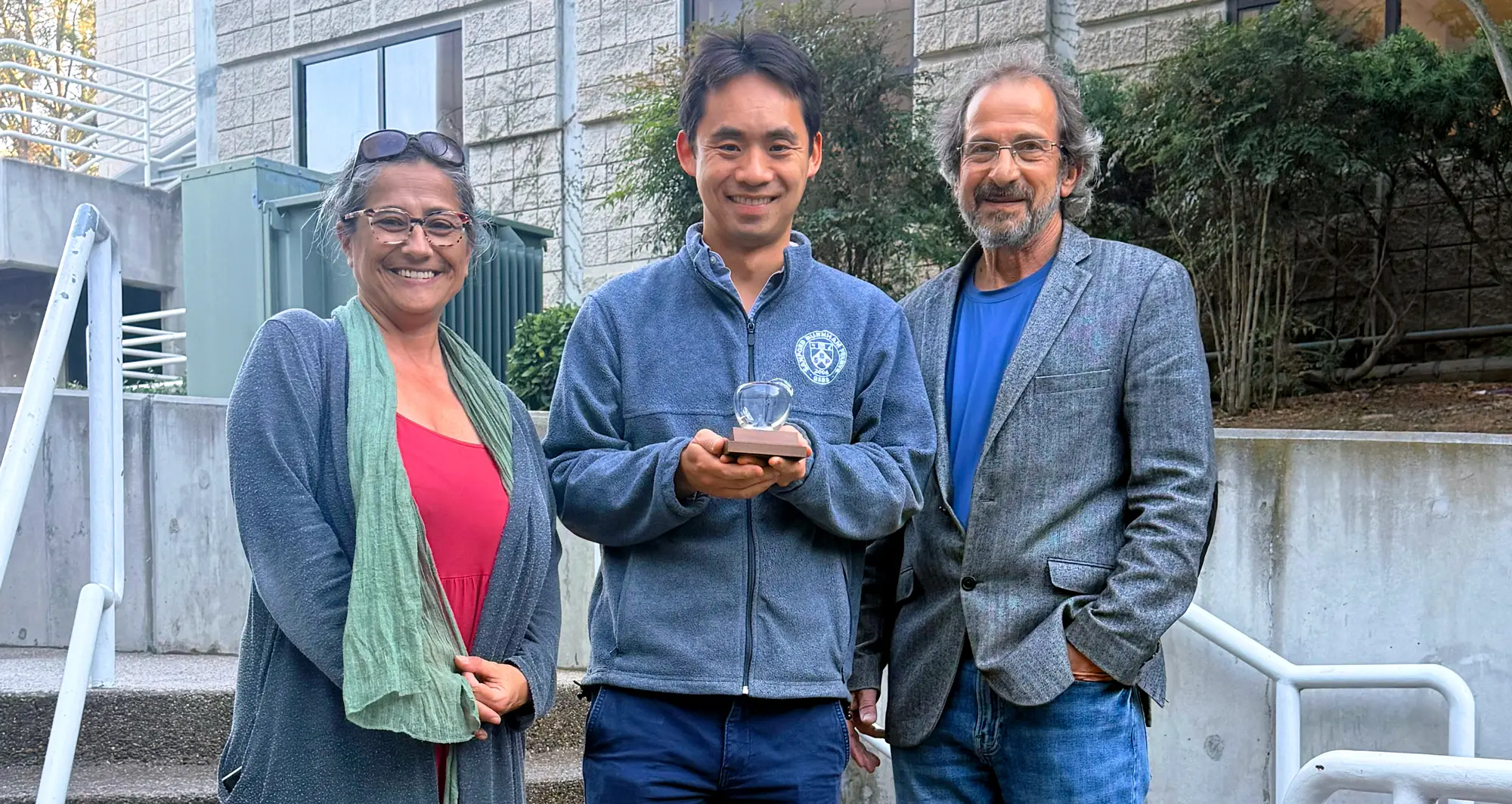
Shanshan Yin, PhD, was named the 2025 recipient of The Eric Dudl Endowed Scholarship at Sanford Burnham Prebys Medical Discovery Institute.
The scholarship fund was established at the institute to remember Eric Dudl, a postdoctoral researcher whose life was tragically cut short by cancer at the age of 33. Since 2007, 18 postdoctoral scientists have received support for their research from the endowed scholarship fund.
Yin is a postdoctoral associate in the lab of Peter Adams, PhD, director of the Cancer Genome and Epigenetics Program at Sanford Burnham Prebys. She wants to understand why the incidence of cancer increases with age. Yin studies changes in gene expression and immune system activity in breast cancer tumors as mice age.
Her research has shown that part of the reason that breast cancer is more common with age is because of an impaired immune system. Immune dysfunction due to aging allows the tumors to grow more frequently and more rapidly. Additional research on these findings may guide future preventive treatments.
Yin has garnered recognition throughout her scientific career, including the 2022 Lenka Finci and Erna Viterbi Fishman Fund Award from Sanford Burnham Prebys.
“I’m grateful for the Dudl family’s kindness and generosity,” said Yin. “I am moved by Eric’s determination, bravery and love for life and for science, and I would like to carry his example with me going forward and do my best to honor his legacy.”
“It’s been a real pleasure working with Shanshan over the years,” said Adams. “She truly does embody Eric Dudl’s commitment to and passion for science which is expressed so well by this inspirational award.”
The Eric Dudl Endowed Scholarship at Sanford Burnham Prebys was established at the institute to remember Eric, a postdoctoral researcher whose life was tragically cut short by cancer at the age of 33.
For more information on setting up a scholarship or to learn more about our philanthropy program, please contact giving@sbpdiscovery.org.

Colorized scanning electron micrograph of surface of human skin. The outermost layer of skin is called the stratum corneum and is composed primarily of keratinocytes, living and dead. Dead cells form horny scales, and release peptides called defensins, which are part of the first line of immune defense mechanisms.
Image courtesy of Eye of Science/SPL.

Colorized scanning electron micrograph depicts normal red blood cells (red, concave) with elongated blood cells indicative of sickle-cell disease (pink).
Image courtesy of Eye of Science/SPL.

Colorized scanning electron micrograph of human lung tissue, depicting alveoli and bronchus. Lung alveoli are tiny, grape-like sacs, numbering in the millions, where essential gas exchange (oxygen/carbon dioxide) occurs. The bronchus is a major airway that branches from the trachea to conduct air into the lungs.
Image courtesy of Dennis Kunkel/SPL.

The Sanford Burnham Prebys Center for Cardiovascular and Muscular Diseases recently announced that Jimmy Massenet, PhD, is a recipient of a 2026 Science in Motion Travel Award.
Massenet, a postdoctoral associate in the lab of Pier Lorenzo Puri, MD, was selected to attend the 2026 Muscle Stem Cells and Regeneration Meeting held from July 19-24, 2026, in Victoria, the capital of the Canadian province of British Columbia.
The goal of the Science in Motion Travel Award is to support conference participation for emerging researchers in labs with a primary affiliation in the Center for Cardiovascular and Muscular Diseases.
Applications will open again on July 15, 2026.

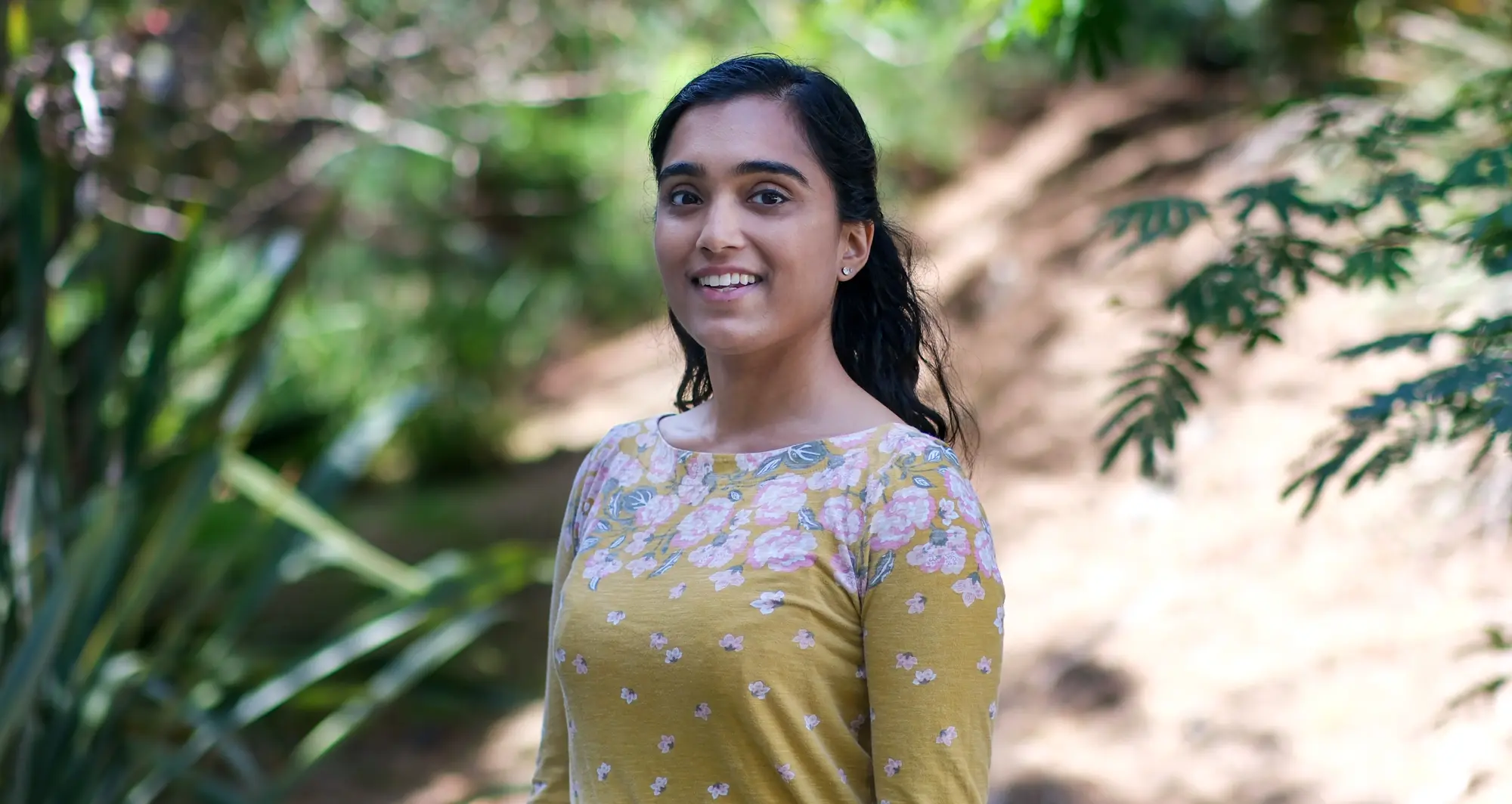
Meet one of our early-career scientists at Sanford Burnham Prebys Medical Discovery Institute: Dominic Denk, MD, MHBA, a postdoctoral researcher in the lab of Michael Karin, PhD. Denk studies cancer and gastrointestinal malignancies with a focus on how the immune system reacts to tumors and how to improve immunotherapies.
When and how did you become interested in science?
It was quite by chance. I’m a physician by trade in Germany, and the first way I got into science was through medical school. You learn about topics such as biochemistry and physiology, and it leads you to wonder about what processes behind the scenes. These subjects sparked my interest, and I started reading articles and books on my own time in the library.
And then the second reason is that, in Germany, you are expected to do research for a few months to earn your academic credentials. It naturally pushed me into the research world and made me realize how much I like running experiments and analyzing data.
What did you imagine you would be doing professionally, and how did it evolve?
I had many ideas. For quite some time while I was younger, I wanted to be a sports journalist.
My mom is a physician’s assistant and was always watching medical shows on TV in the background when I was growing up. I was never pushed into healthcare, but it was always present. Once I got to high school and found I enjoyed health and science courses, I started to think about going to medical school.
And once I started, I never looked back because I love being a physician.
What are the key areas of research you focus on?
I work on cancer and gastrointestinal malignancies. I want to better understand how the immune system reacts to tumors and how to improve immunotherapies. Immunotherapies have become the standard of care for many cancers, but not necessarily those in the gastrointestinal tract.
Back in Germany. I worked on colorectal cancer and now I’m looking at pancreatic cancer. We want to know what makes pancreatic cancer metastasize to the liver because it is a tumor that spreads to the liver quite often.
Once it does, the prognosis is much, much worse. If we can learn what attracts pancreatic cancer cells to the liver and why the disease becomes more malignant there, it may lead to methods for preventing the cancer from spreading and better treating it if it has spread.
What motivates you about your research?
Ultimately, it is about improving patient care. I have had the privilege of working in a large academic center that takes care of a lot of GI cancer patients. I have seen many patients with hepatocellular carcinoma undergo liver transplantation and experienced a cure in the end.
But for most patients, it’s not the case. I have seen patients who came to the hospital concerned about weight loss only to be diagnosed with advanced stage cancers. I’ve cared for people over months and seen them deteriorate. It’s terrible and makes me wonder if there is something more we can do.
We’ve had great advances for many malignancies, but not for every patient. And research is how we will get to a better place for more patients and their families.
What do you like about working here?
There is a great sense of community, I think, and tons of scientific seminars across different fields. Everybody is very friendly and collaborative.
One thing that stands out is that there is very little red tape when it comes to solving problems. Recently, we had an incubator breaking down. We wrote one email and it was fixed within an hour or so. And that could have been catastrophicand led to months of delays for many projects in our lab.
What are your career goals?
Ideally, I will continue being a physician-scientist using the expertise I’m building upon here in the Karin lab. I would like to start a small lab so that I could continue to care for patients while working with trainees and mentees to maintainresearch momentum.
As a practicing physician and a researcher, I would love to help bridge the gap between the basic science laboratory bench and the clinic. Too many promising projects never make it past the lab bench to actually be tested in the real world. We’ll never know if some of these ideas could help people if we don’t advance them from petri dishes and animal models to see how they perform in clinical trials.
What do you enjoy doing when you’re not in the lab?
I’m doing tons of hiking and enjoy exploring the area. I try to spend as much time as possible on the beach, so my big non-science goal for 2026 is to learn how to surf.
Postdocs at Sanford Burnham Prebys are pushing the boundaries of science every day through curiosity, collaboration, and innovation. This series highlights their unique journeys, what inspires their work, and the impact they’re making across our labs.
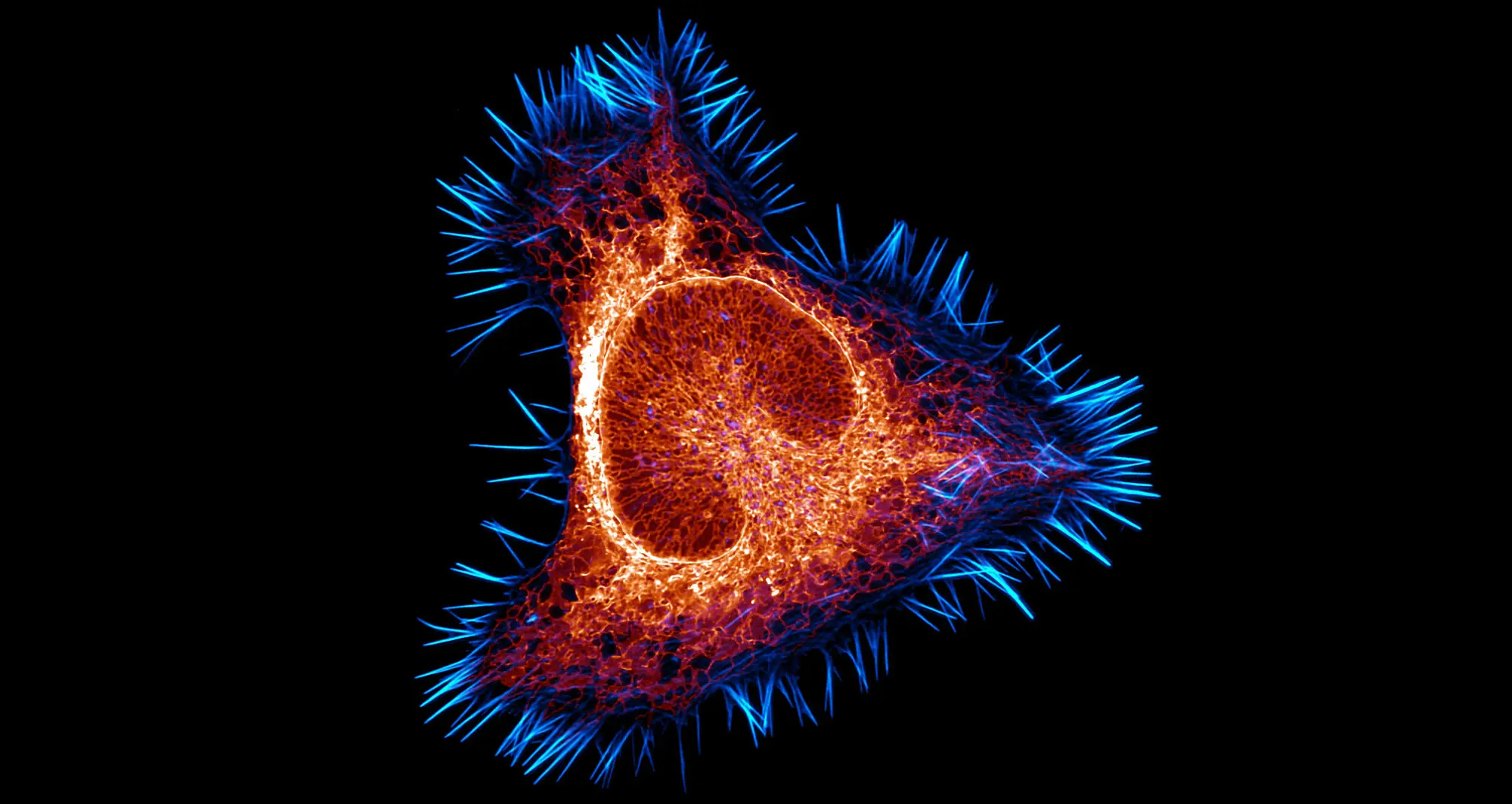
Colorized scanning electron microscope composition of human sperm traveling through a fallopian tube.
Image courtesy of Steve Gschmeissner/Getty.

The series highlights the groundbreaking work and unique perspectives of women leaders in the biomedical sciences
On February 11, 2026, Sanford Burnham Prebys Medical Discovery Institute hosted the second event in the Women in Science Lecture Series. The occasion opened with a presentation by Cheryl A.M. Anderson, PhD, MPH, MS, professor and dean of the Herbert Wertheim School of Public Health and Human Longevity Science at the University of California San Diego and director of the UCSD Center of Excellence in Health Promotion and Equity.
Anderson introduced attendees to some of the pivotal findings of her mentors studying the effects of nutrition on public health, including the landmark dietary approaches to stop hypertension (DASH) clinical trial. Because of the challenges in achieving significant heart disease prevention benefits outside of the controlled environments used in studies such as the DASH trial, Anderson was determined to explore other approaches.
“I put together this concept that instead of asking the individual to figure it all out from our dietary recommendations, maybe we could figure out how to have a healthy, sustainable food system,” said Anderson.
“I see a sustainable food system as one that maintains our ability to get lots and lots of nutrition and where you meet the current population’s needs without compromising what future generations might also need.”
In addition to discussing her scientific journey, Anderson provided insight into her experience serving with other experts to provide input into two different iterations of the federal government’s Dietary Guidelines for Americans. These guidelines from the Department of Health and Human Services and Department of Agriculture set the standards for food in federally funded programs such as public school and day care lunches as well as the Women, Infants and Children (WIC) special supplemental nutrition program. Anderson shared her experience working collaboratively to provide science-based counsel in an ecosystem that also contains political considerations such as the interests of industries involved in agriculture and food production.
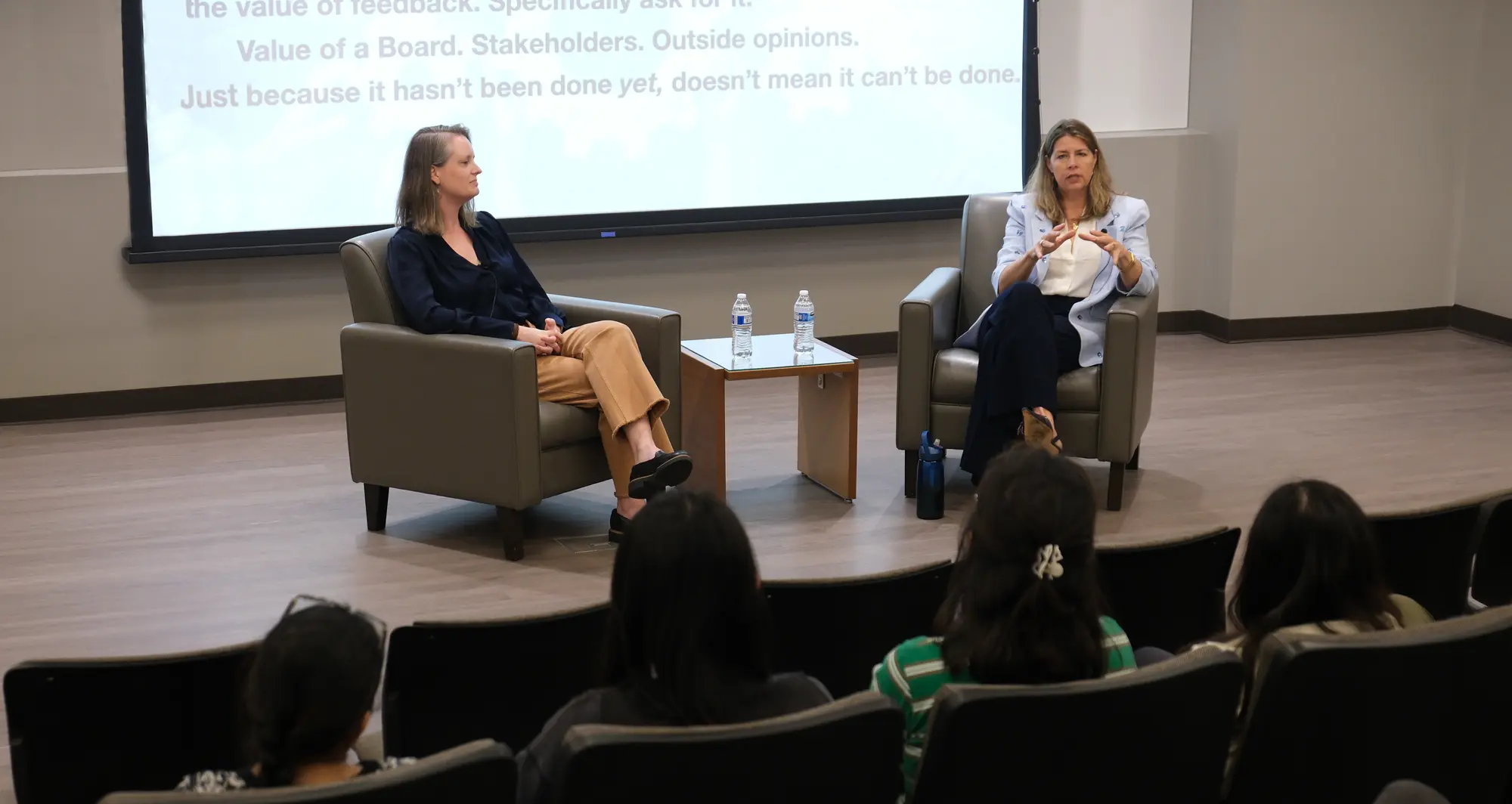
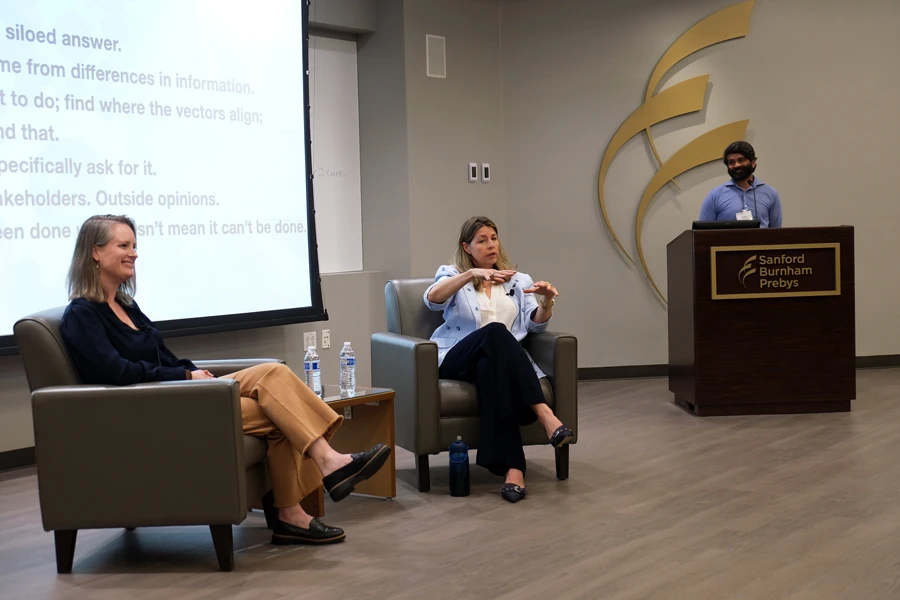
Anderson (at right) opened the event discussing her career journey focused on how to develop a healthy, sustainable food system. The event also featured a fireside chat and audience question-and-answer session with Anderson and Liou.
Lukas Chavez, PhD, MS, associate professor in the Cancer Genome and Epigenetics Program at Sanford Burnham Prebys and scientific director of the Pediatric Neuro-Oncology Molecular Tumor Board at Rady Children’s Institute for Genomic Medicine, then moderated a fireside chat and audience question-and-answer session with Anderson and Angela Liou, MD, physician-scientist and pediatric oncologist with a dual appointment at Rady Children’s Health and the Cancer Genome and Epigenetics Program at Sanford Burnham Prebys. Topics included: how new scientific insights are translated to reduce population-level health risks or guide care for children facing serious illnesses; how new technologies change the way you conduct research and deliver patient care; what can be done to ensure that scientific discoveries can be equitably accessed and lead to better outcomes for all; and what do future clinicians and scientists need in terms of skills, mindset and institutional support to succeed as public health researchers and physician-scientists.
The Women in Science Lecture Series, featuring quarterly events that are free and open to the public, is part of broader efforts at Sanford Burnham Prebys to foster an environment that nurtures the success of individuals from all backgrounds. The series is hosted by the Office of Workforce Engagement & Belonging and highlights the groundbreaking work and unique perspectives of women leaders in the biomedical sciences, while fostering mentorship and collaboration across the Torrey Pines Mesa.
Registration is open for the next event in the series on May 13, 2026.