In this stained fluorescence image of a slice of mouse brain, green depicts the excitatory hippocampal neurons; in red are obesity-associated proteins and cell nuclei in blue.
Image courtesy of Ainara Pintor.
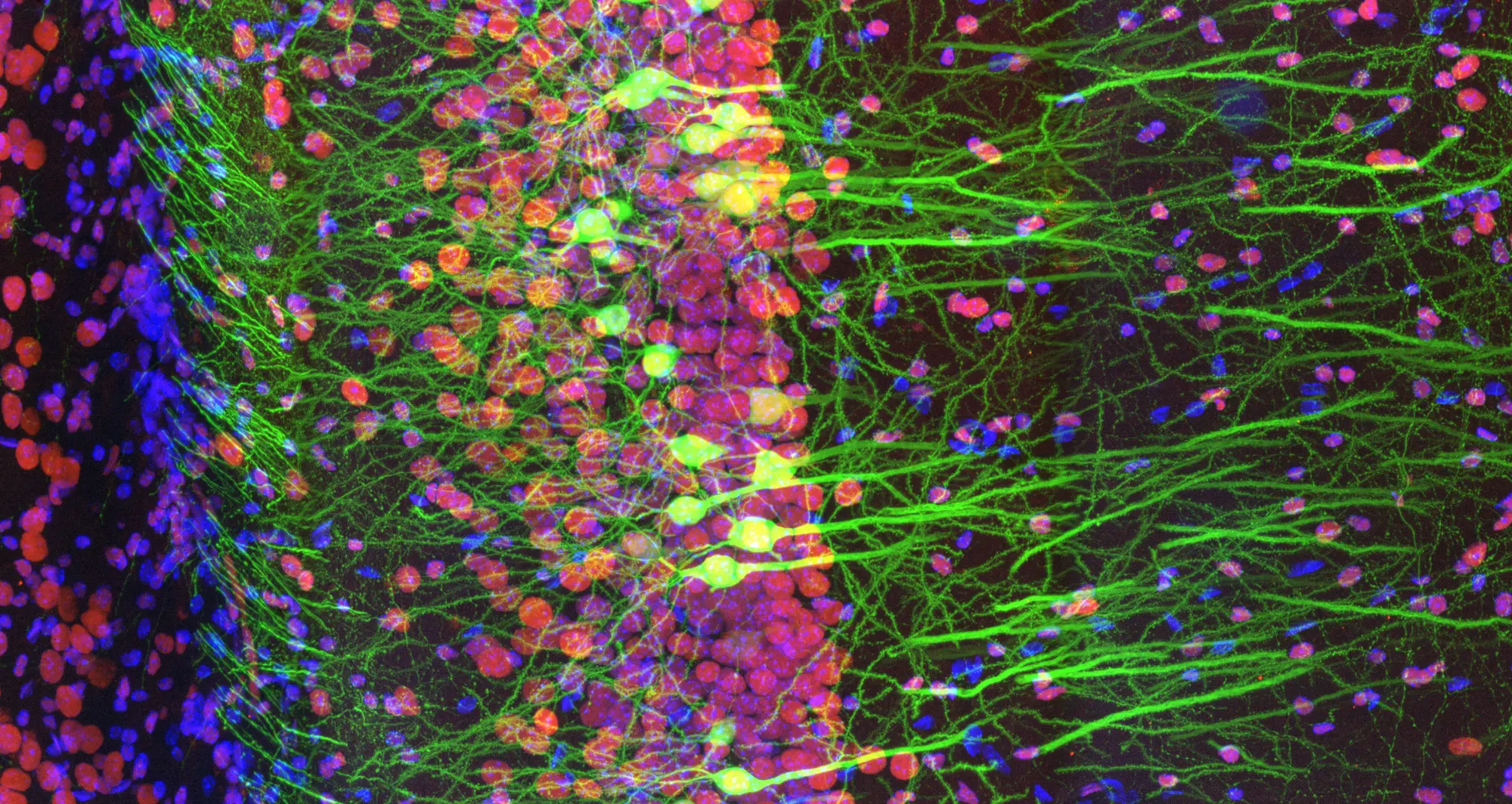
In this stained fluorescence image of a slice of mouse brain, green depicts the excitatory hippocampal neurons; in red are obesity-associated proteins and cell nuclei in blue.
Image courtesy of Ainara Pintor.
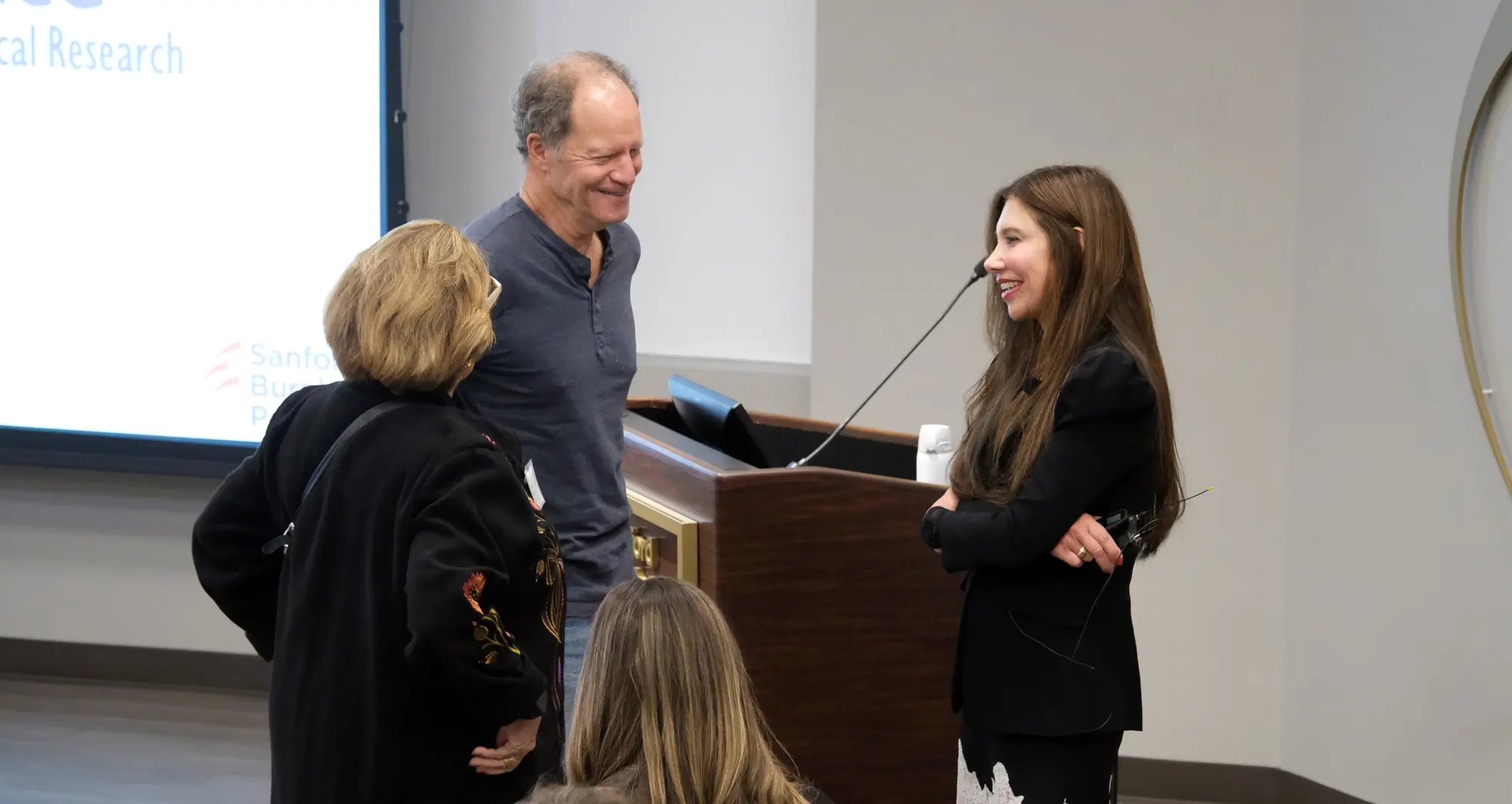
The series highlights the groundbreaking work and unique perspectives of women leaders in the biomedical sciences
Susan Tousi, MBA, CEO at DELFI Diagnostics, opened the event by discussing the lessons she learned throughout her career journey. At DELFI Diagnostics, she is leading a team focused on improving the detection of lung cancer. The company’s goal is to make lung cancer screening more accessible through a blood test that is analyzed by applying machine learning and next-generation sequencing.
Prior to this role, Tousi served as a senior vice president for more than 10 years at Illumina, Inc., including as chief commercial officer for three years. During her tenure, she contributed to making genomic sequencing more affordable as the cost of sequencing a single genome fell from more than $5000 in 2013 to $200 in 2023. Tousi also borrowed from her experience developing consumer printers for Eastman Kodak and Hewlett-Packard, emphasizing the importance of making Illumina’s sequencing machines easy to use for clients in research labs, hospitals and clinics.
“My time at Illumina was amazing,” said Tousi. “I had the absolute privilege of seeing our genomic capabilities installed in 155 countries around the world.”
Tousi concluded with her optimism about how technology is transforming healthcare.
“I think we are on the precipice of major shifts in technology with the advancement of AI and where we’ve come with genomics, multiomics and the access to large-scale molecular data,” said Tousi. “I think you know these new technologies like blood-based liquid biopsy testing are going to allow us to find disease earlier, to treat it more precisely and monitor its recurrence across many disease areas.
“This can be the dawn of a new beginning in science and the advancement of healthy lives.”
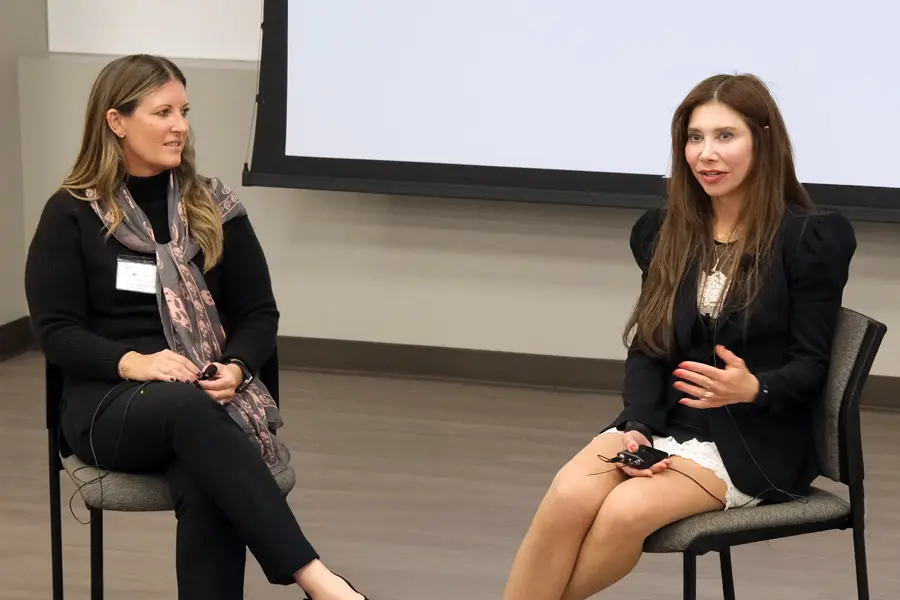
From left: Brooke Emerling, PhD, and Susan Tousi, MBA
Image credit: Sanford Burnham Prebys
Kevin Tharp, PhD, assistant professor in the Cancer Metabolism and Microenvironment Program at Sanford Burnham Prebys, then moderated a fireside chat and audience question-and-answer session with Tousi and Brooke Emerling, PhD, director and associate professor in the Cancer Metabolism and Microenvironment Program. Topics included: different gender-based expectations in scientific fields; the importance of mentorship and paying it forward; dealing with the emotional toll of studying diseases more prevalent in women; and programs providing opportunities for future leaders in science and medicine.
The Women in Science Lecture Series features quarterly events and is part of broader efforts at Sanford Burnham Prebys to foster an environment that nurtures the success of individuals from all backgrounds. The series is hosted by the Office of Workforce Engagement & Belonging and highlights the groundbreaking work and unique perspectives of women leaders in the biomedical sciences, while fostering mentorship and collaboration across the Torrey Pines Mesa.
Women in Science lectures are free and open to the public. Registration is open for the next event in the series on February 11, 2026.
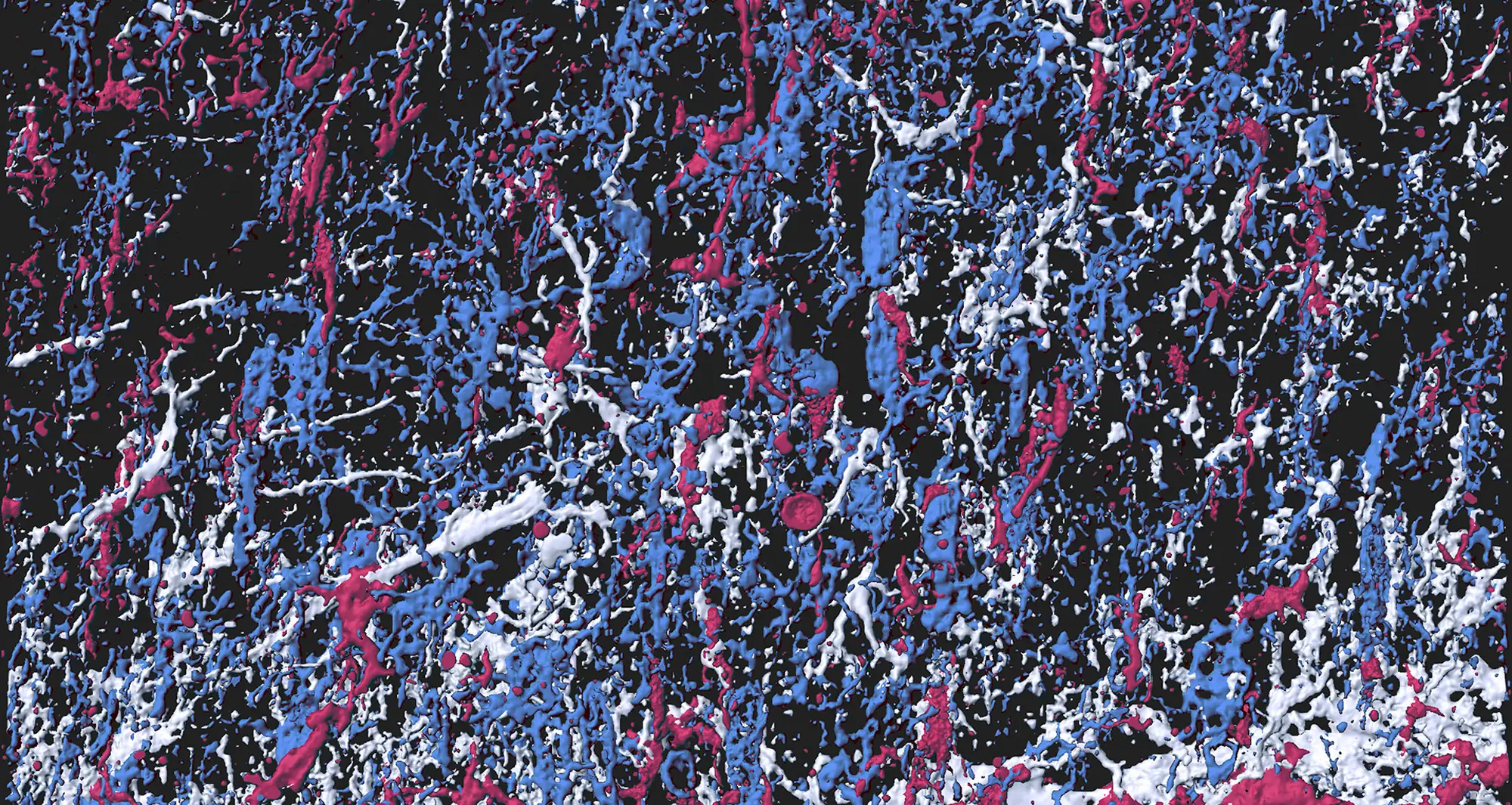
Dubbed “Pollock’s Glia,” this 3D reconstructed immunostained micrograph depicts astrocytes (white), oligodendrocytes (blue) and microglia (red) in human brain white matter, reminiscent of the artist Jackson Pollock’s abstract paintings.
Image courtesy of Yixun Su.
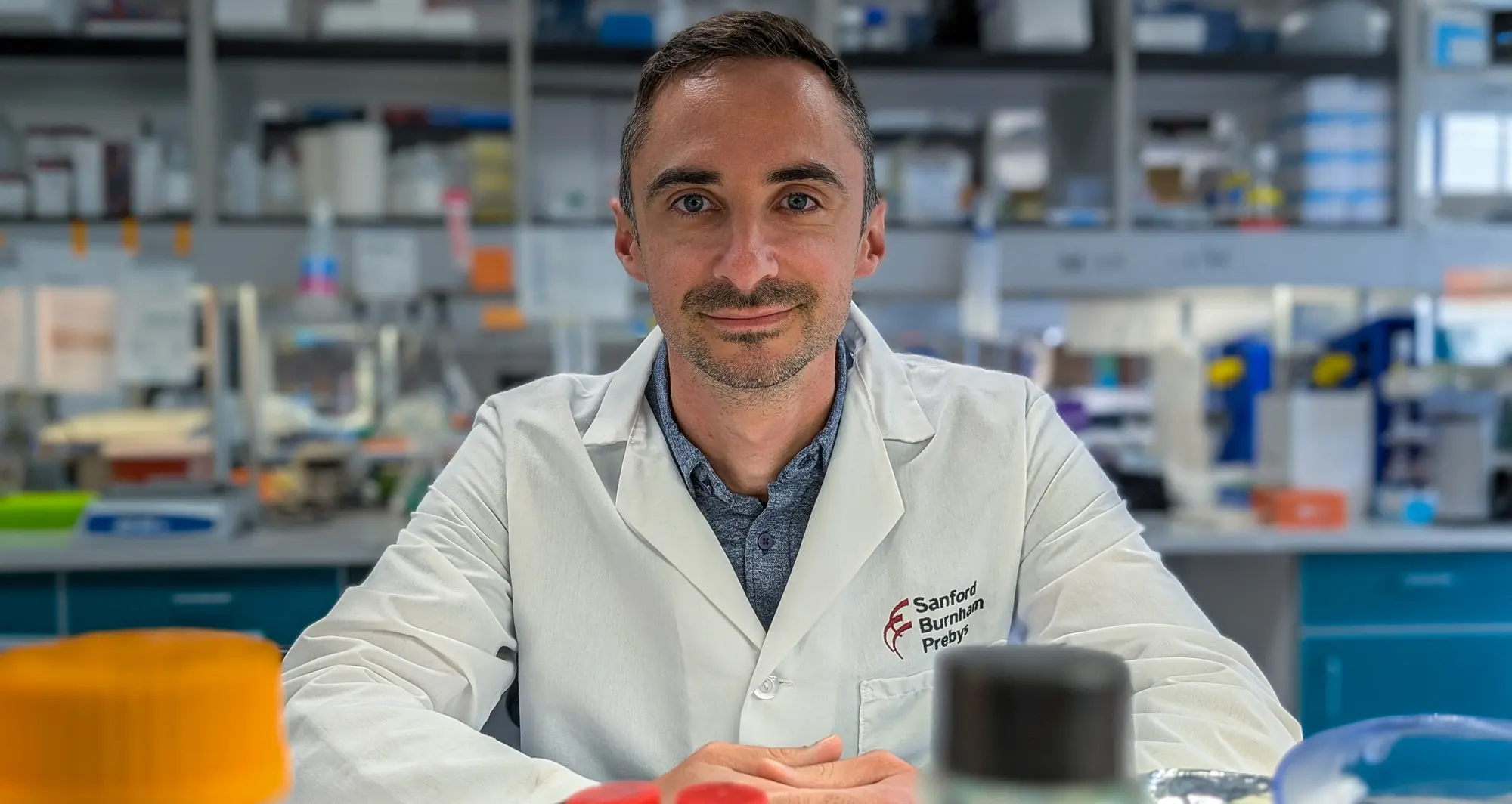
Meet one of our early-career scientists at Sanford Burnham Prebys Medical Discovery Institute: Rouven Arnold, PhD, a postdoctoral researcher in the lab of Peter Adams, PhD. Rouven is a geneticist studying how aging affects the identity of individual cells. His goal is to protect people from common age-related diseases such as heart disease, cancer and dementia.
What are the key areas of research you focus on?
I’m interested in cell identity and how cell identity changes during aging. In our bodies, we have about 30 trillion cells, all with the same genetic information. So how does a liver cell know that it’s a liver cell and not a brain cell?
The answer is epigenetics, a layer of control governing the expression of genes in our DNA. With aging, we see a loss of cell identity or, in other words, epigenetic erosion. And that can eventually contribute to age-related diseases.
I’m particularly interested in a protein called HIRA, a histone chaperone. I study how this protein tries to maintain the cell’s identity as we age and prevents the onset of age-related diseases. The goal is to help people age healthier.
This is an important point to emphasize whenever we talk about aging research. The goal is not to live forever. We are trying to help people live healthier for longer.
When and how did you become interested in science?
For me, it clicked when I was in high school and we covered genetics in biology class. I found it incredibly fascinating to learn how traits are passed on and how mutations lead to diseases.
I also realized that even small discoveries can make a huge impact. This gives every biomedical scientist a sense of purpose in advancing knowledge and improving health.
What did you imagine you would be doing professionally, and how did it evolve?
I have always been connected to the research world because my parents are both biologists. I did not grow up knowing I would become a scientist. My fascination began in high school and didn’t fully solidify until college. At that point, genetics became my main focus and something I truly enjoyed pursuing.
What brought you to the Adams lab at Sanford Burnham Prebys?
Before starting graduate school, I worked in several labs in Germany. I gained experience in cancer and heart research. When I started my PhD, I realized that much of my previous research was connected to aging.
As we age, many age-related diseases tend to pop up, such as cancer. After my PhD, I was looking for a postdoctoral research position in aging research and I found an opening in the Adams lab. I was already familiar with his work because he’s well-known in the field, so I was very excited to apply.
I haven’t regretted it at all as I’ve had a wonderful experience with this team.
What motivates you about your research?
Sometimes, research can be very challenging. But there are other times where everything falls into place. And then you get this perfect moment, which is incredibly rewarding.
In those moments, you can reflect on the entire process, from generating your hypothesis and designing your experiment to executing it and seeing an exciting result, and everything just aligns. When you have one of these experiences, you remember why you are in science, and you reap the rewards of learning something completely new. That’s a pretty amazing feeling.
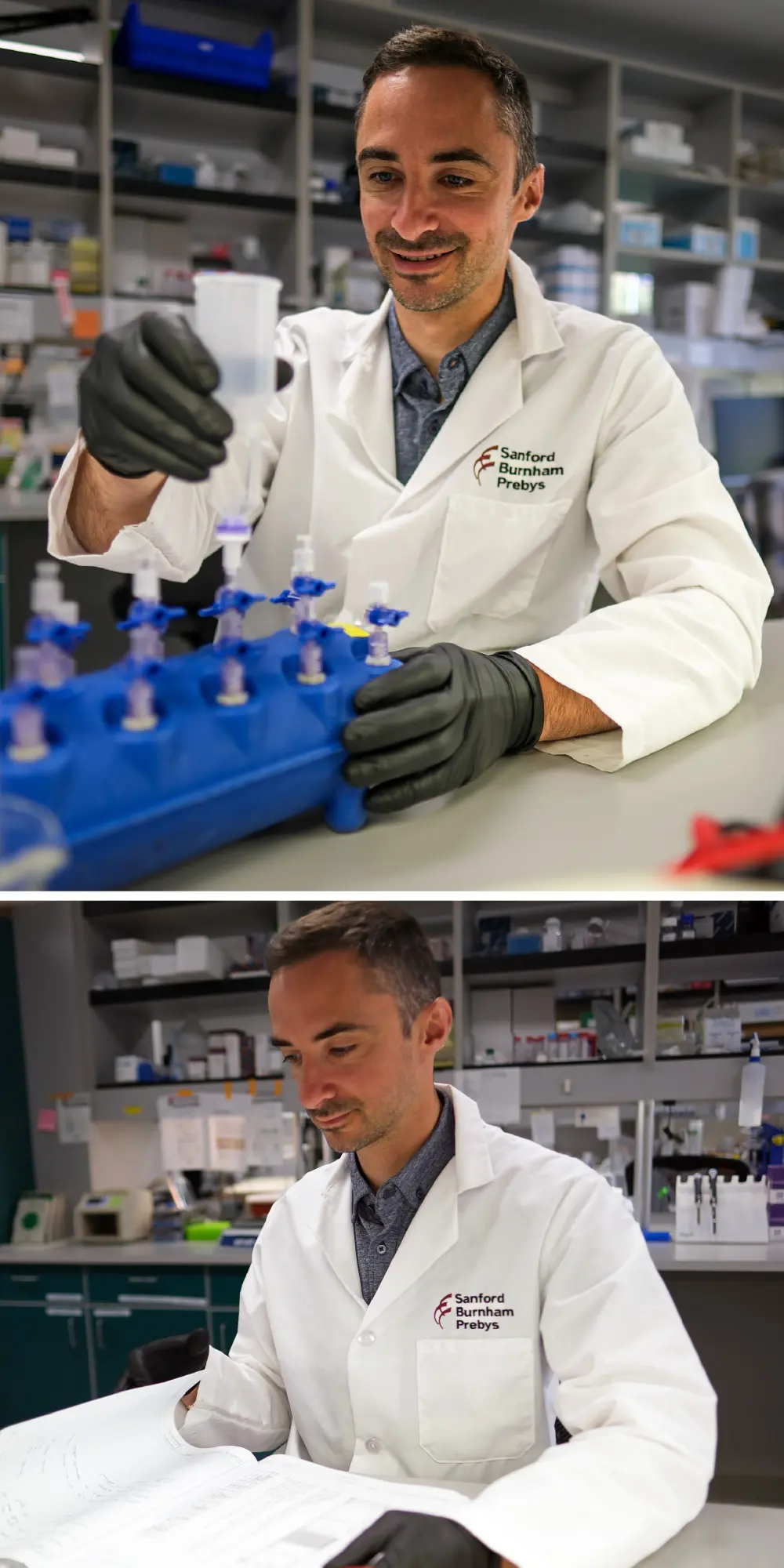
Being a scientist also means you share the same passion and curiosity with all the people around you. And that’s motivating you to do even better science, because you are inspired by the collective enthusiasm.
What do you like about working here?
Sanford Burnham Prebys stands out for its collaborative environment. Everyone here is friendly and always eager to help you. Whenever I have a problem in the lab, I can walk down the hallway, talk to someone, and we come up with solutions.
I also think that the core facilities here are exceptional. They provide a tremendous boost to my research.
What are your hopes for the next stage in your career?
My wife and I are both German, so we do plan to return to Europe. I want to take everything I have learned here and continue working as a scientist.
There are several places in Europe, such as Germany, Switzerland and Portugal, with emerging aging research institutes, and more and more universities are starting departments focused on aging research. I’m hopeful that I will be able to continue contributing to this field after my postdoctoral training.
Have you had an influential mentor?
Peter (Adams) has been an incredible mentor. He is very supportive and always eager to connect me with people I can learn from or collaborate with to advance my project and grow as a scientist.
What do you enjoy doing when you’re not in the lab?
I enjoy rock climbing and being out in nature. Also, I feel like when you live in Southern California, you have to try surfing. It’s really challenging, but it’s also a lot of fun so I’m still working on getting better at it.
Postdocs at Sanford Burnham Prebys are pushing the boundaries of science every day through curiosity, collaboration, and innovation. This series highlights their unique journeys, what inspires their work, and the impact they’re making across our labs.
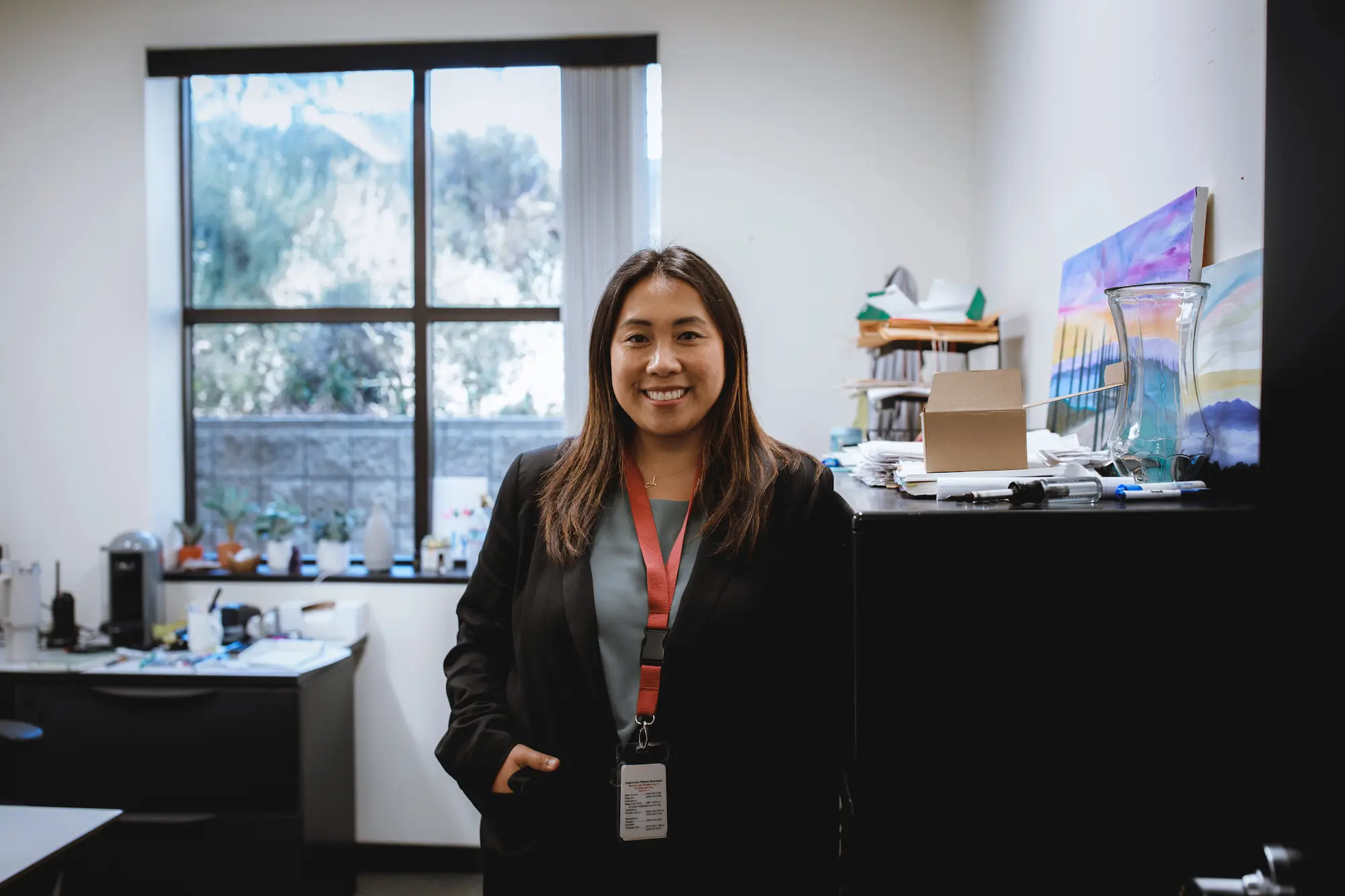
Scientific achievement is typically measured in terms of the work of its principal investigators, their labs and colleagues. But good science requires safe science. In an essay published in Lab Manager, Jennifer Ramil, MBA, director of environmental health & safety at Sanford Burnham Prebys, recounts her own journey from bench to biosafety.
What began as curiosity at the bench, she writes, can evolve into a calling to protect researchers, shape safer labs and strengthen institutions.
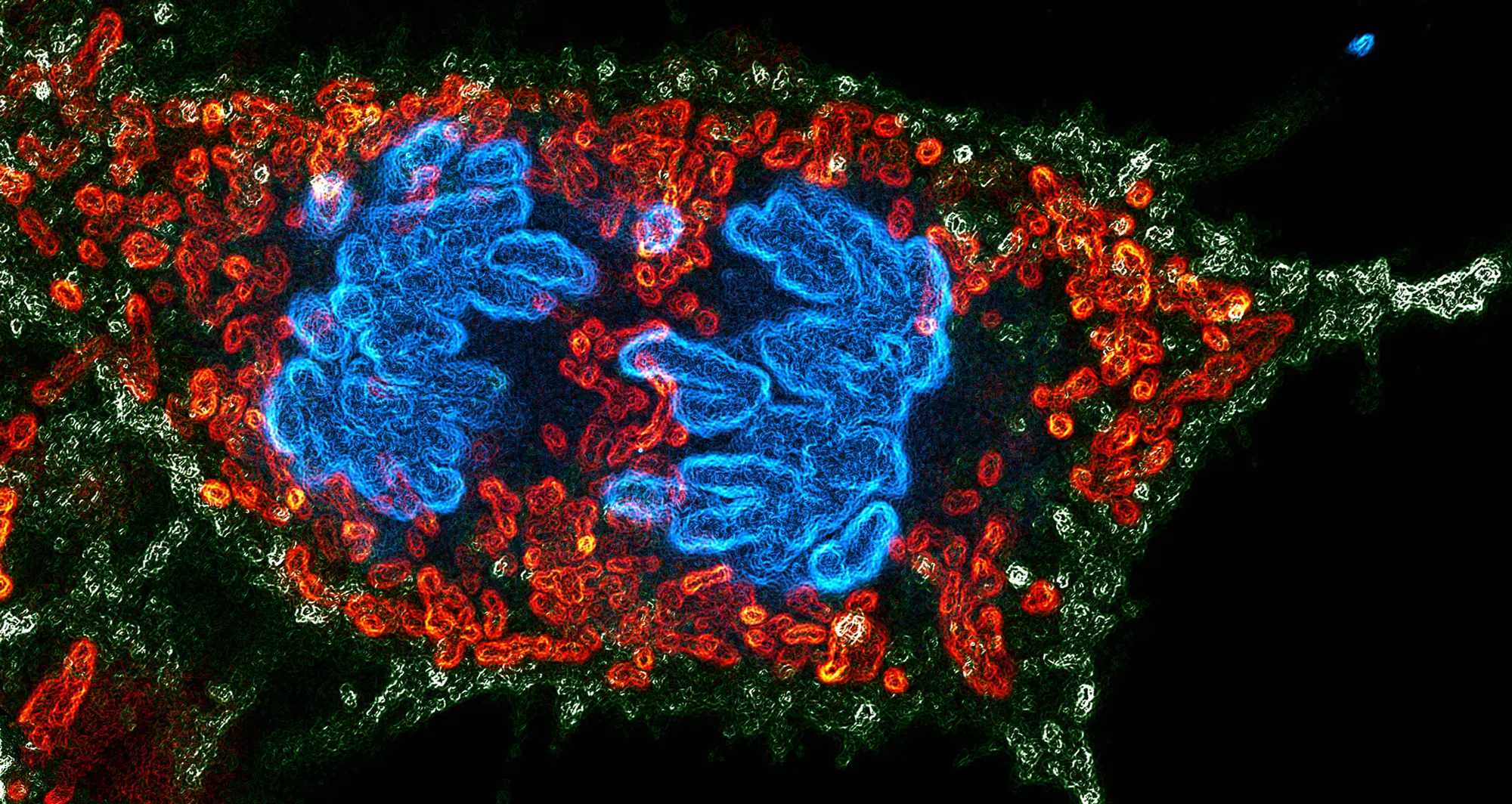
A micrograph depicting a dividing embryonic human kidney cell. Green marks the cellular boundary, red marks the mitochondria and blue shows the separating chromosomes.
Image courtesy of Sayantan Datta.
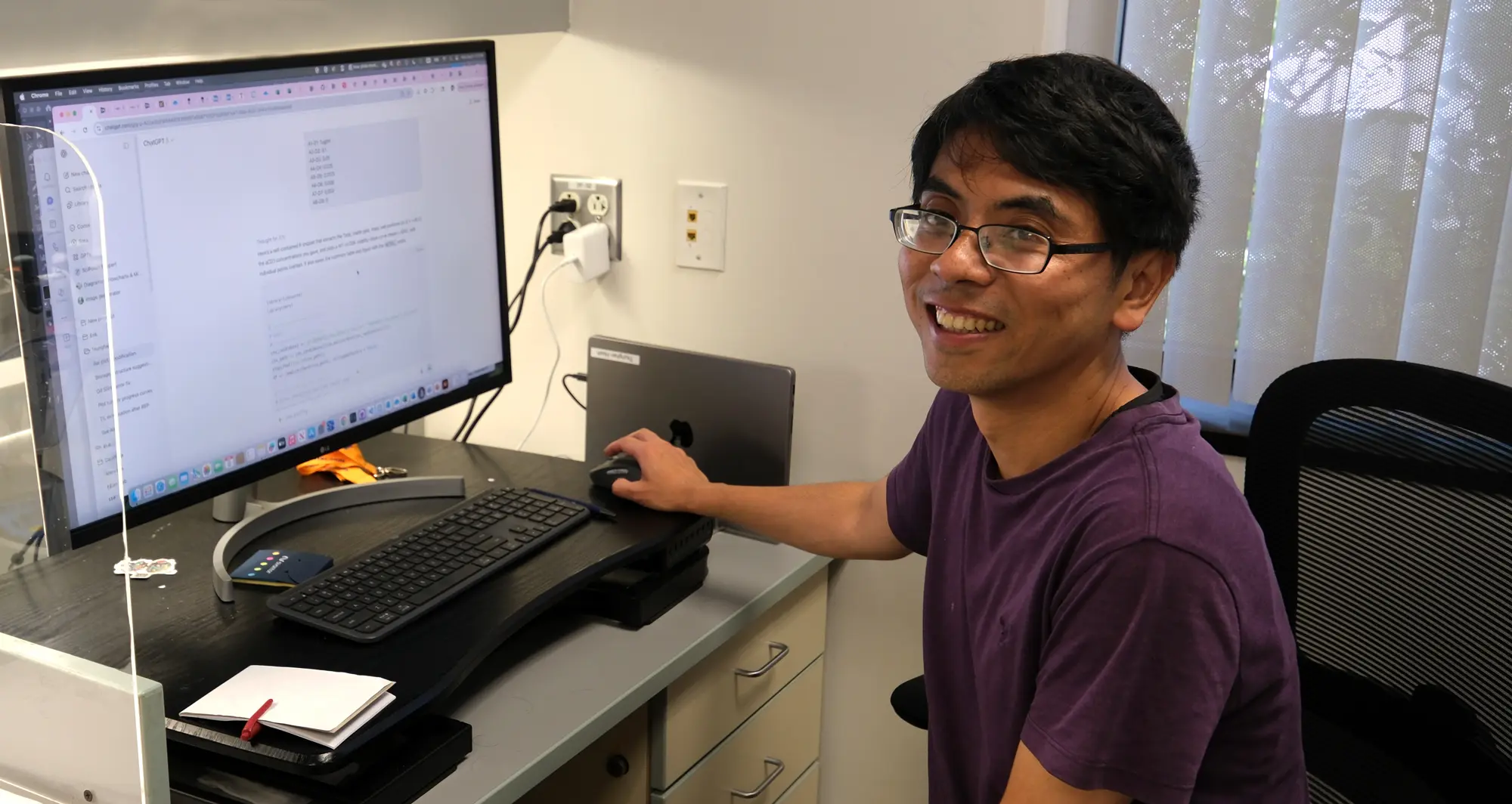
Meet one of our early-career scientists at Sanford Burnham Prebys: Tsunghan Hsieh, PhD, a postdoctoral researcher in the lab of Xiao Tian, PhD. Hsieh studies stem cell biology and regenerative medicine to learn how to protect brain health during aging.
When and how did you become interested in science?
When I was in high school, I became interested in biology. I started to study biology more and more so that I could go to university and advance to fields such as molecular biology and immunology.
Then I totally changed my track to focus on immunology because I found it so fascinating.
How has your scientific career evolved?
After I completed my master’s degree in Taiwan, I wanted to see how people use biology in the business world. I went to industry for a few years, and there I was exposed to different companies and distinct products in a variety of fields.
I learned that I needed a PhD to get access to the most exciting technology in this field, so I started to apply for PhD programs around the world. Eventually I received funding from the Okinawa Institute of Science and Technology Graduate University and went to Japan to complete doctoral studies in immunology.
What brought you to the Tian lab at Sanford Burnham Prebys?
I was torn about staying in academia or going back to industry after earning my PhD. I decided that academia gave me the best chance to do something truly new and innovative.
After three years working in different roles in Japan and the Netherlands, I realized that I was most interested in the latest biotechnology. I needed to go to the country with the best biotechnology in the world.
Xiao and I connected on LinkedIn and began discussing his lab’s research on healthy aging. After one conversation, I decided to move to San Diego and join his lab.
What are the key areas of research you focus on?
My major project is to study how to reverse the aging process of neurons and other cells. During the aging process, neurons and other cells gain a very different phenotype.
We’re interested in a common mechanism behind this aging phenotype. As cells age, the chromosome structure and transcriptomic profiles become quite distinct from younger cells. If we can reverse this process, we may be able to help the brain stay healthier as people age, and less prone to conditions such as dementia that are more likely to afflict older individuals.
What motivates you about your research?
One thing that drives me is that I’ve found something that I truly like to do. Every day I walk into the lab with questions that I want to answer. If you have that kind of innate curiosity, science is a great outlet for it.
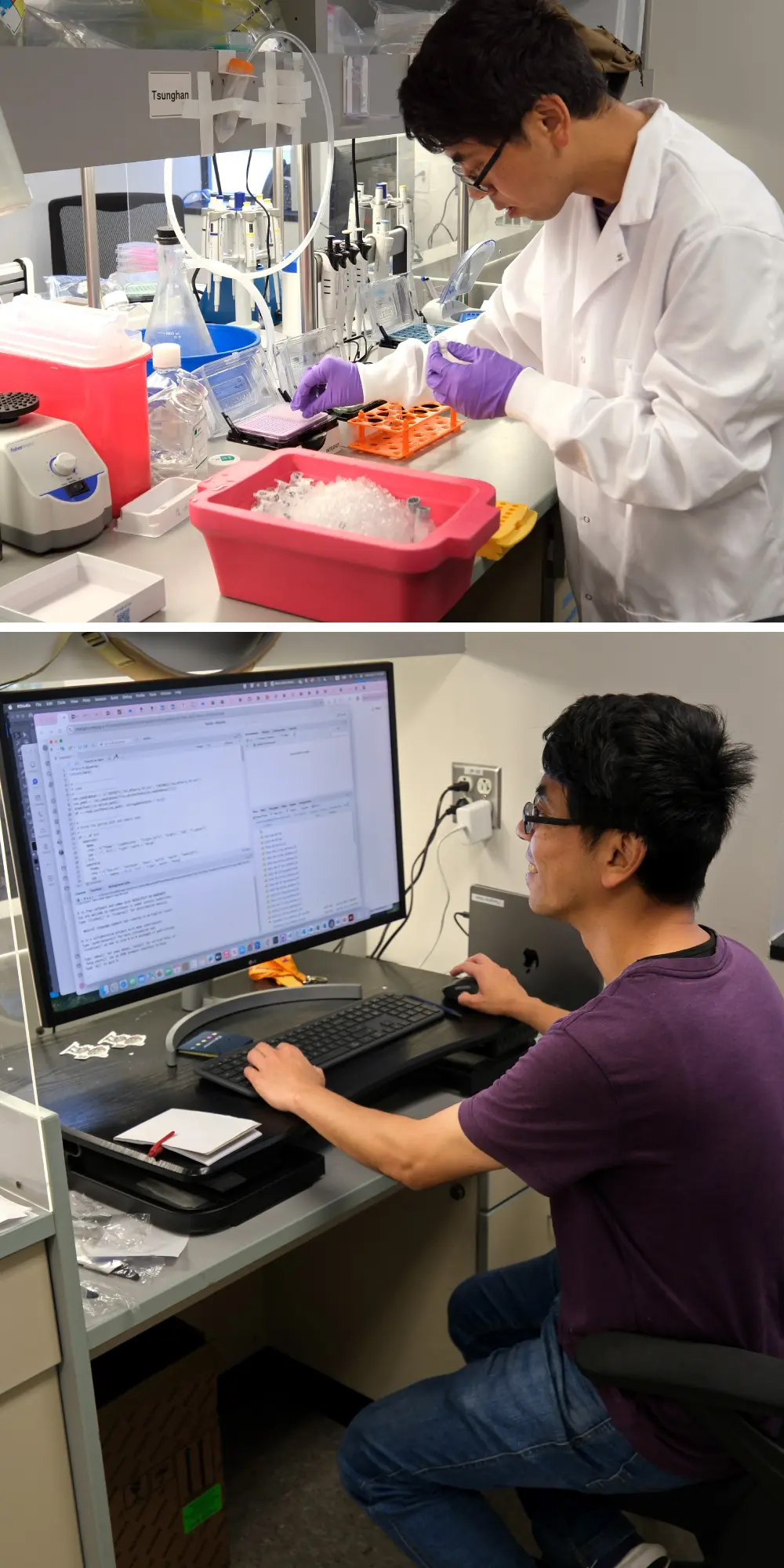
What do you like about working here?
I learned in my early scientific career that I was not as excited about fundamental research. Here at Sanford Burnham Prebys and in Xiao’s lab, I’m working on more translational science that fits my interests. I want to work on technology that benefits people and has the potential to be approved by regulators, commercialized and disseminated.
How would you describe the culture here?
Another one of the best things about working here is the people are friendly and open to collaboration. There are no hierarchies or traditions that get in the way of discussing potential collaborations.
What do you enjoy doing when you’re not in the lab?
Outside of work, I’m usually taking care of my kid, getting her everywhere she needs to go and trying to enjoy some time together as a family. And I am also enjoying the region’s delicious tacos and learning Spanish!
Postdocs at Sanford Burnham Prebys are pushing the boundaries of science every day through curiosity, collaboration, and innovation. This series highlights their unique journeys, what inspires their work, and the impact they’re making across our labs.
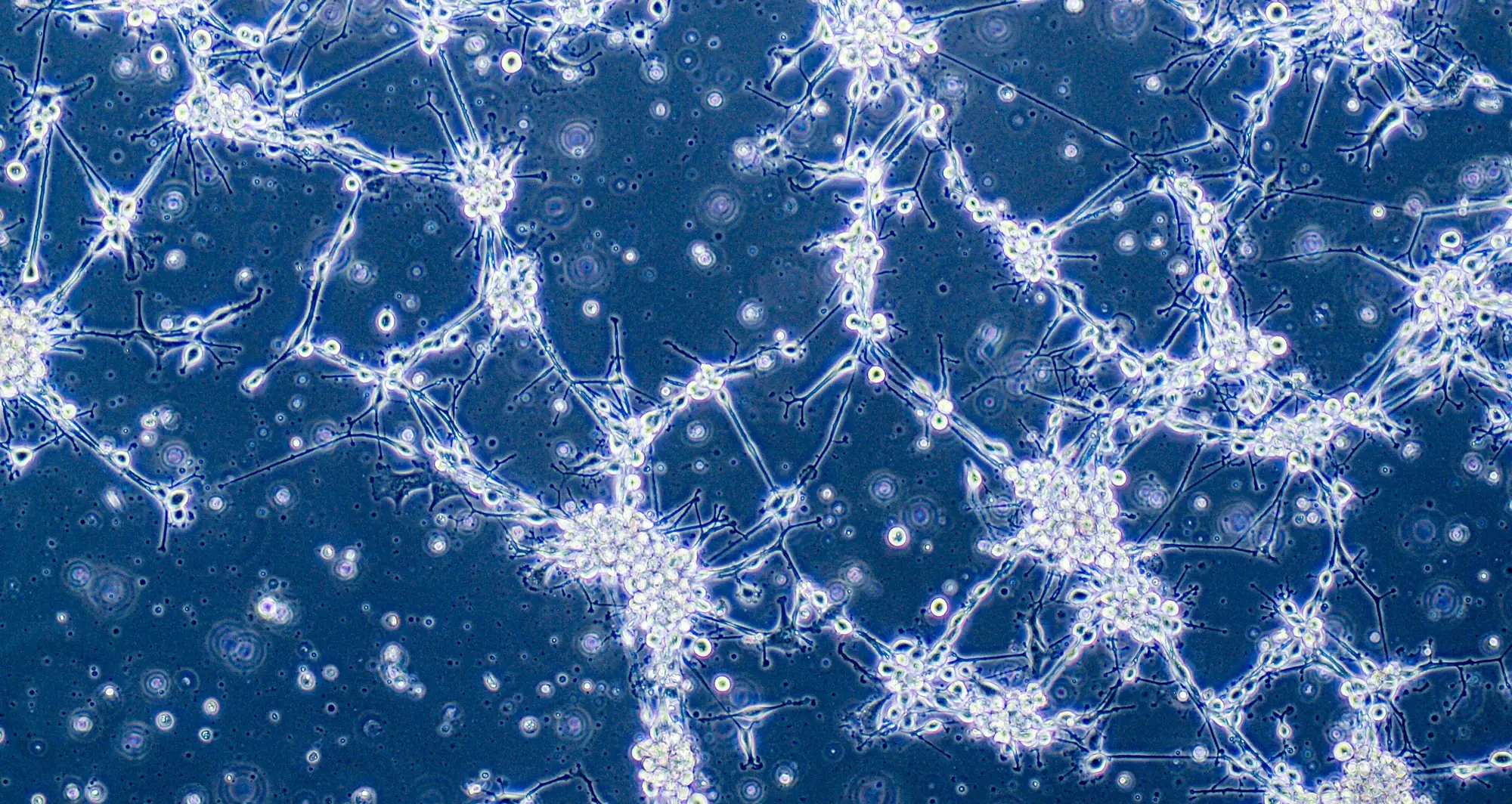
New editorial recommends a multimodal perspective examining glioblastoma from tumor biology through to surgery
Glioblastoma is one of the most aggressive and treatment-resistant forms of brain cancer. It also is the most common form of cancer that originates in the brain, making research into new and better therapies even more imperative.
Physician–scientist Theophilos Tzaridis, MD, a postdoctoral fellow at Sanford Burnham Prebys Medical Discovery Institute in the lab of Peter Adams, PhD, recently surveyed promising glioblastoma studies after being invited to serve as a guest editor for a special issue of Frontiers in Oncology and Frontiers in Neurology.
More exact and safe surgeries
Tzaridis highlighted two studies focused on improving surgery for glioblastoma, as it continues to be the primary treatment for the disease. The recent publications discussed how to enhance the use of MRI to map out tumors and surrounding tissue, as well as other innovative mapping and monitoring techniques. These approaches would enable neurosurgeons to create better and safer plans for reducing risk of recurrence and avoiding side effects before starting surgery.
Targeted treatments and immunotherapies
Scientists have sought to add treatment options for glioblastoma beyond surgery, radiation therapy and chemotherapy. Some other cancers can be treated with targeted therapies that exploit a unique characteristic of certain tumors, but this approach has yet to yield long-term successes for glioblastoma patients. Tzaridis brought forward a case report of a patient whose tumors were nearly completely cleared by a targeted therapy after chemotherapy was unsuccessful. He suggests that future studies are warranted to identify patient subpopulations that can benefit from these treatments.
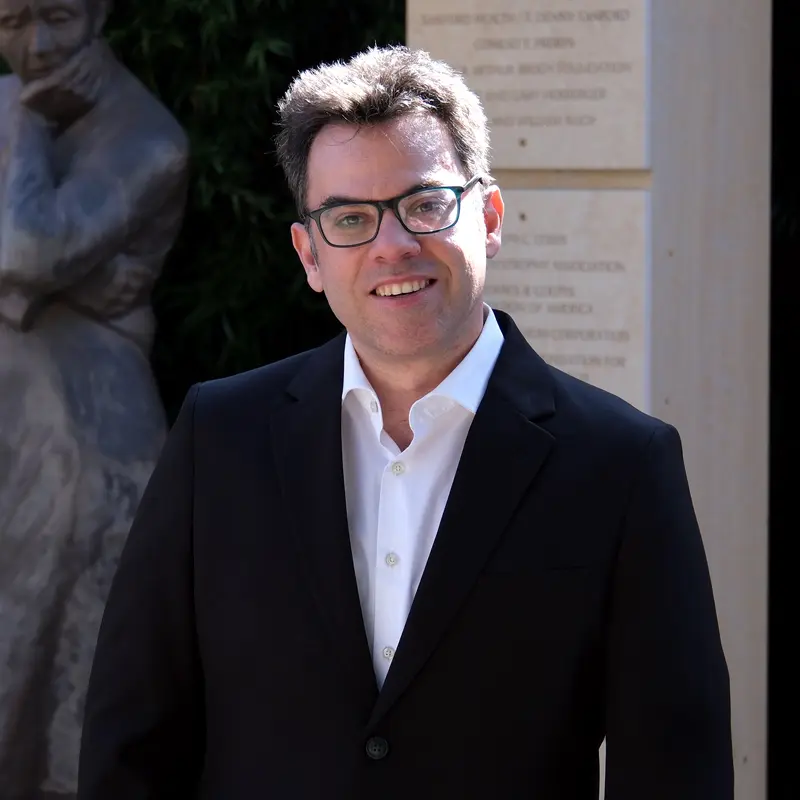
Theophilos Tzaridis, MD, a postdoctoral fellow at Sanford Burnham Prebys Medical Discovery Institute. Image credit: Sanford Burnham Prebys.
Immunotherapies that supercharge the immune system to better detect and eliminate cancer have transformed the treatment of many blood cancers and solid tumors. It has not, however, yet born fruit as an effective treatment for glioblastoma. Tzaridis spotlights a study discussing the potential use of chimeric antigen receptor (CAR) natural killer (NK) cells in glioblastoma rather than the more common CAR T-cell therapies.
The blood brain barrier and brain cancer biology
In addition to demonstrating how research is contributing to improving existing treatments and finding new potential therapies, Tzaridis emphasized the importance of continued studies of brain cancer cell biology and the obstacle to treatment posed by the blood brain barrier. He highlighted two studies focused on overcoming the blood brain barrier along with another two studies regarding cellular models and the use of extracellular vesicles to package and deliver treatments.
“With a multimodal perspective from addressing challenges in neurosurgery to improving our understanding of tumor biology and achieving therapeutic delivery into the brain, we have the best chance of improving survival of patients with this devastating disease,” said Tzaridis.
The new award will fund research regarding a hidden weakness in glioblastoma tumors that could lead to a new treatment
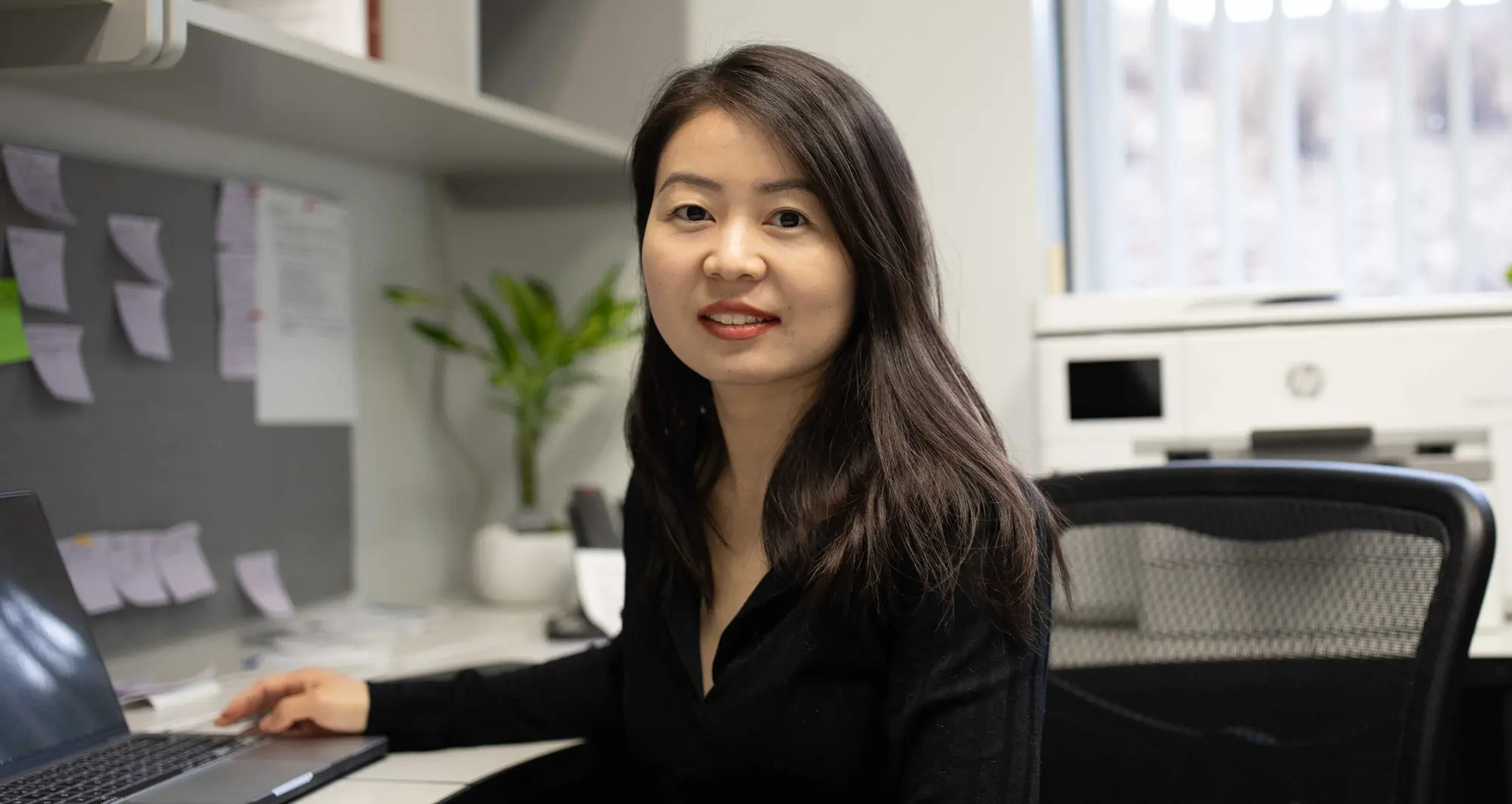
Xueqin (Sherine) Sun, PhD, was awarded a three-year, $600,000 V Foundation for Cancer Research grant to study glioblastoma, one of the most common and deadly brain cancers.
Sun will use the award to follow up on her lab’s research regarding a hidden weakness in glioblastoma tumors that could lead to a new treatment. Her team will focus on tumor protein 53, or p53, which normally prevents tumors by detecting DNA damage so it can be repaired, or the cell can self-destruct.
“Think of p53 as the body’s security guard that protects against cancer,” said Sun. In glioblastoma tumors, however, p53 often is unable to do its job.
In nearly three out of every four glioblastoma tumors, another protein called bromodomain-containing protein 8 (BRD8) locks up p53, preventing a key piece of the body’s natural defense mechanisms from fighting back against the growing threat.
“We discovered a way to break apart BRD8, which could free up p53 and let it fight the cancer again,” said Sun.
The Sun lab will test this approach using lab-grown glioblastoma cells and mini-brain tumor models created from patient samples.
“Our goal is to advance this approach that may lead to new therapeutic strategies for patients facing this devastating disease,” said Sun.
The V Foundation for Cancer Research was founded in 1993 by ESPN and the late Jim Valvano, North Carolina State University basketball coach, ESPN commentator and member of the Naismith Memorial Basketball Hall of Fame. The V Foundation has funded nearly $400 million in cancer research grants in North America.
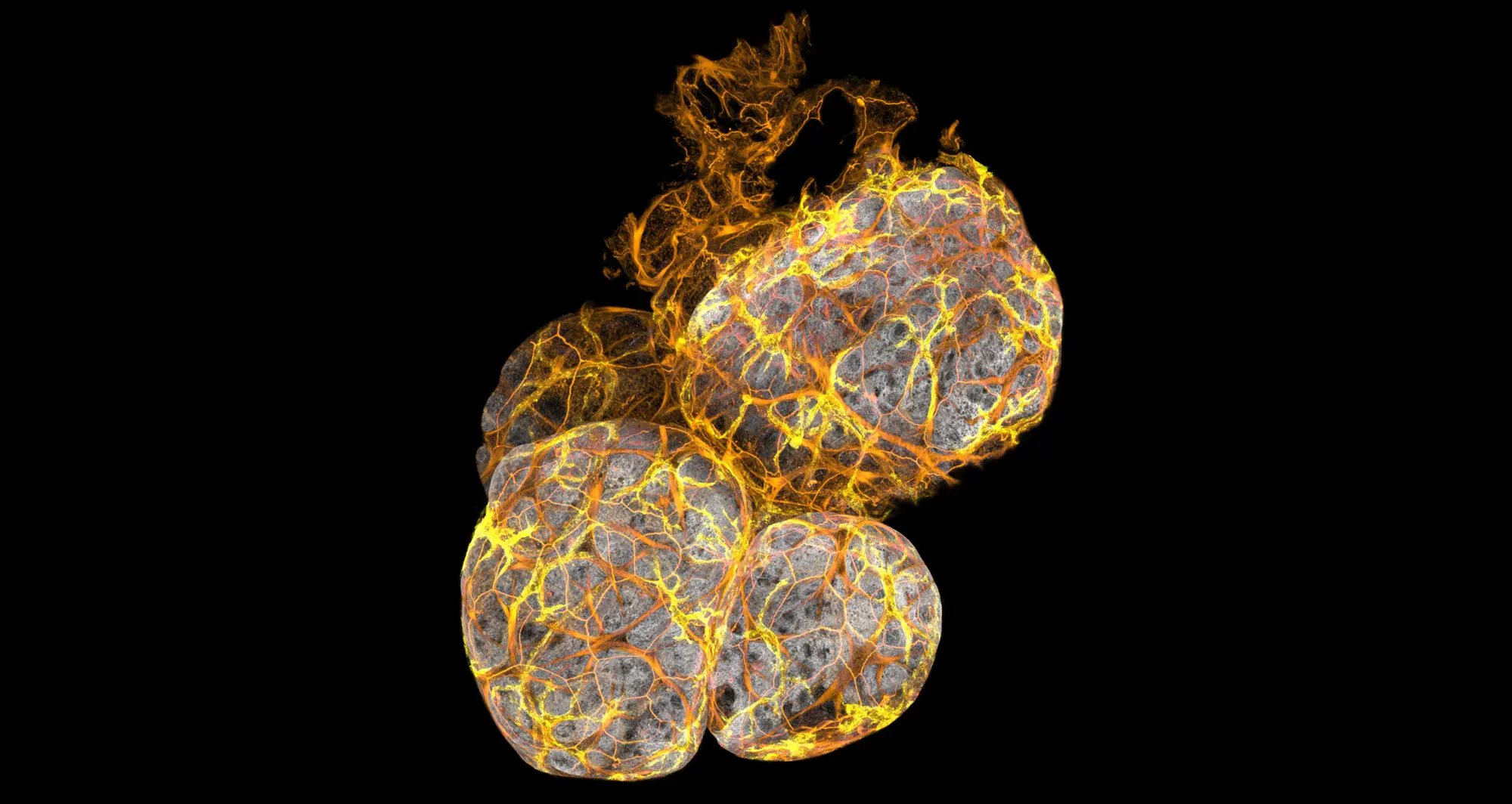
Mammary gland alveoli patrolled by ductal macrophages (yellow) during involution. Mammary duct involution is the process where the breast gland regresses from a milk-producing, lactating state to a non-lactating state.
Image courtesy of Caleb Dawson, The Walter and Eliza Hall Institute of Medical Research, Melbourne, Australia.