Seminar Archives - Page 4 of 5 - Sanford Burnham Prebys
Seminar

Focus On: Cancer Metabolism

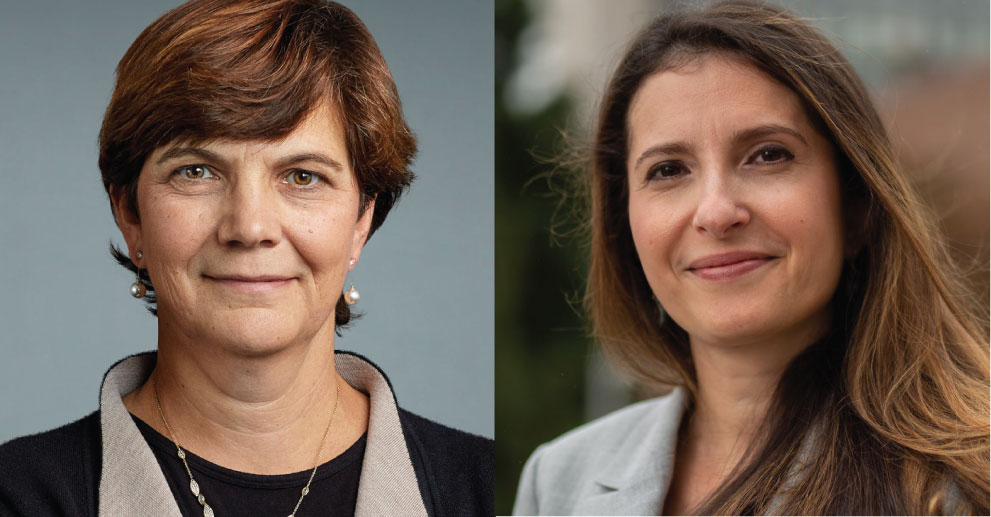
M. Celeste Simon, PhD

DateOct 31, 2022
Time10:00-11:15AM PT
Location
Zoom
Get Directions

Join the Focus On seminars email list

We’re bringing together leaders in cancer research.

Speaker

M. Celeste Simon, PhD
Arthur H. Rubenstein, MBBCh Professor
Scientific Director, Abramson Family Cancer Research Institute
Associate Director, Shared Resources, Abramson Cancer Center
Cell and Developmental Biology
University of Pennsylvania Perelman School of Medicine

“Exploring tumor neighborhoods”

Seminar

Focus On: Pancreatic Cancer

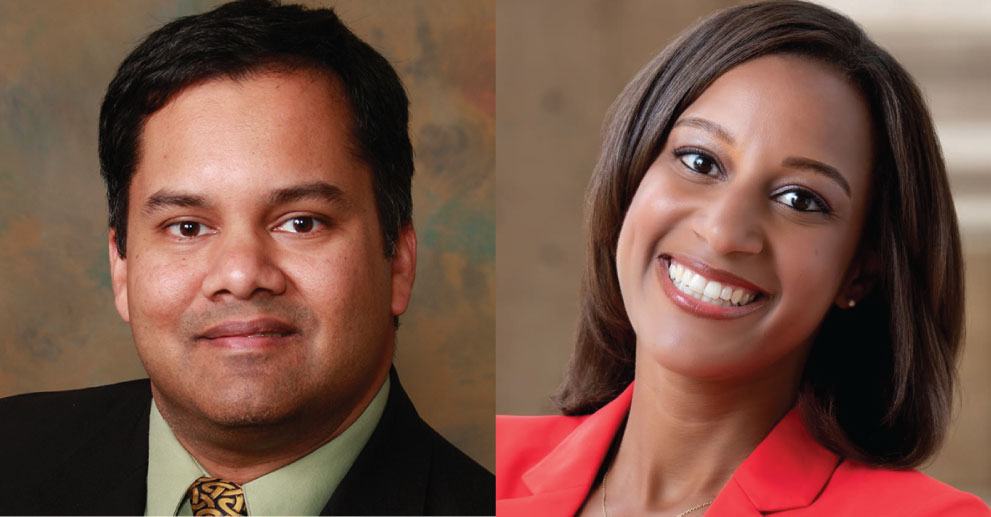
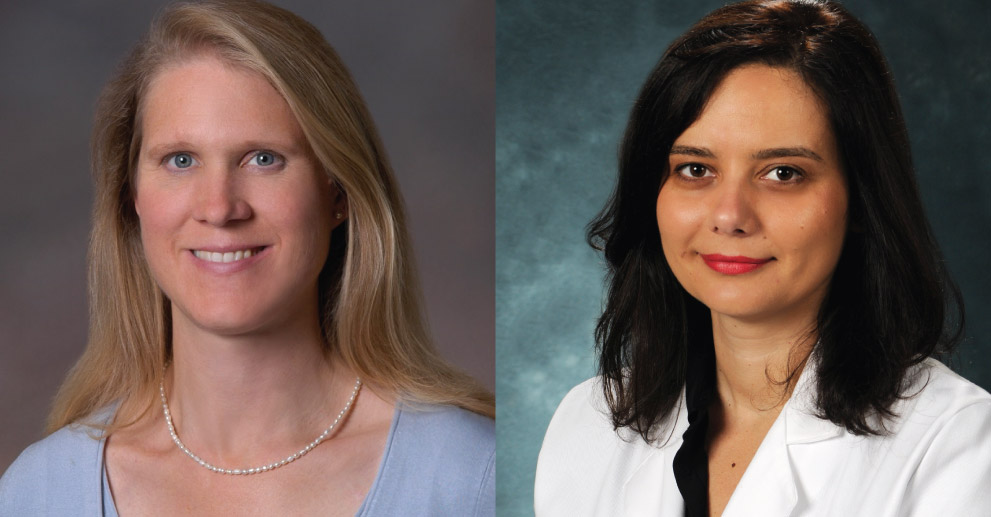
Diane M. Simeone, MD and Yuliya Pylayeva-Gupta, PhD

DateMay 23, 2022
Time10:00-11:15AM PT
Location
Zoom
Get Directions

Join the Focus On seminars email list

We’re bringing together two opinion leaders in cancer research.

Seminar Recording

Diane M. Simeone, MD

Director, Pancreatic Cancer Center

Associate Director, Translational Research

Perlmutter Cancer Center

NYU Langone Health

“New platforms to drive improved survival in pancreatic cancer”


Yuliya Pylayeva-Gupta, PhD

Associate Professor, Genetics

Immunology

UNC-Chapel Hill

“Determinants of B cell fate and function in cancer”

Seminar

Focus On: Translational Cancer Biology and Drug Discovery

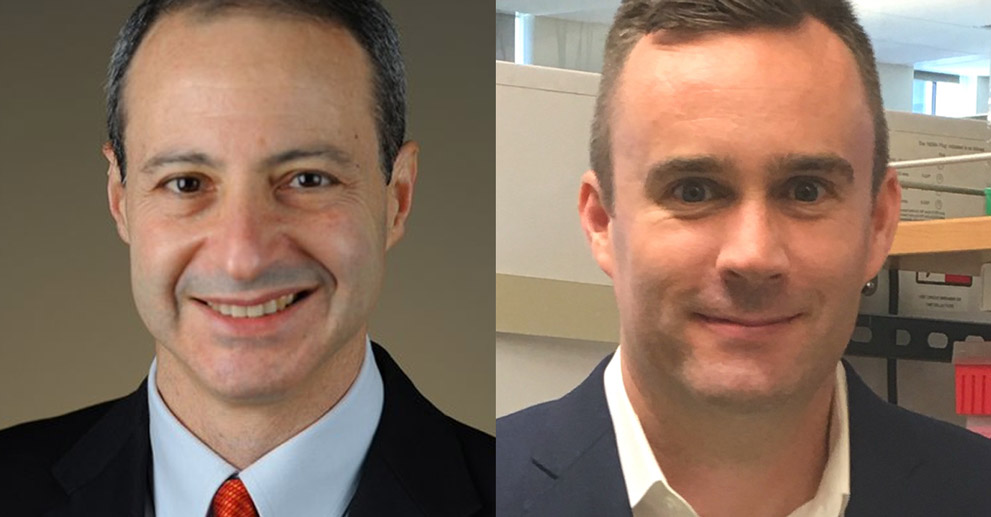
Charles L. Sawyers, MD and Eytan Ruppin, MD, PhD

DateApr 25, 2022
Time10:00-11:30AM PT
Location
Zoom
Get Directions

Join the Focus On seminars email list

We’re bringing together two opinion leaders in cancer research.

Seminar Recording

Charles L. Sawyers, MD

Investigator, Howard Hughes Medical Institute

Marie-Josée and Henry R. Kravis Chair in Human Oncology and Pathogenesis

Chair, Human Oncology and Pathogenesis Program

Memorial Sloan Kettering Cancer Center

“Drug resistance through lineage plasticity”


Eytan Ruppin, MD, PhD

Chief

Cancer Data Science Lab (CDSL)

Center for Cancer Research

National Cancer Institute

“Bulk and single cell transcriptomics-based precision oncology’’

Seminar

Focus On: Autophagy and Cancer

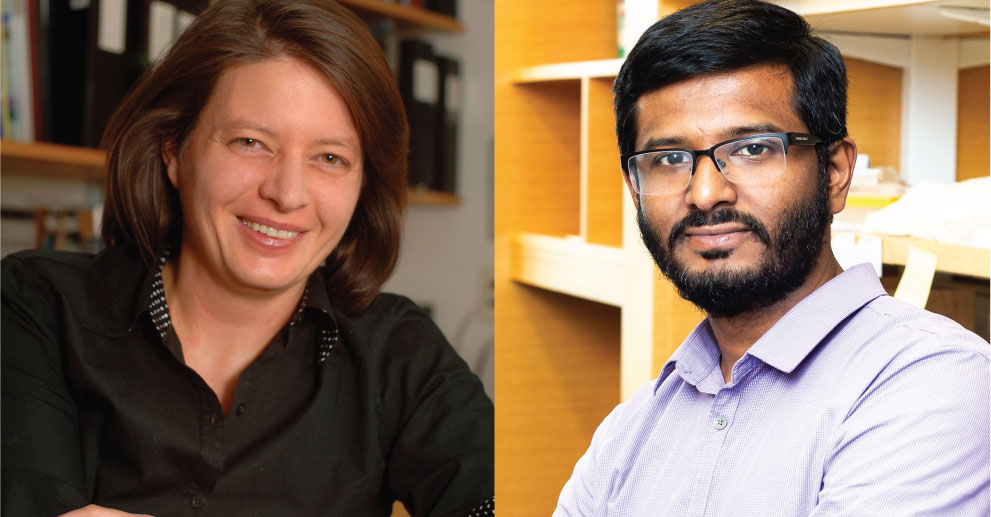
Christina Towers, PhD and Jayanta (Jay) Debnath, PhD

DateMar 7, 2022
Time10:00-11:15AM PT
Location
Zoom
Get Directions

Join the Focus On seminars email list

We’re bringing together two types of leaders in cancer research.

Seminar Recording

Jayanta (Jay) Debnath, PhD

Distinguished Professor and Chair

Department of Pathology

UC San Francisco

“Secretory Autophagy and Tumor Desmoplasia”

Dr. Jay Debnath is Distinguished Professor and Chair of Pathology at the University of California, San Francisco. His laboratory is widely recognized for its expertise on the diverse cell biological roles of autophagy during cancer progression and metastasis.

Dr. Debnath is a board-certified pathologist, who received his MD, magna cum laude, from Harvard Medical School, completed clinical residency training in pathology at the Brigham and Women’s Hospital. He completed post-doctoral research training at the Harvard Medical School Department of Cell Biology with Prof. Joan Brugge, where he became known for his studies on oncogene regulation of cell death using three-dimensional (3D) organotypic culture systems. His laboratory pursues two broad goals: 1) delineate the multifaceted roles of autophagy in adhesion independent survival in vitro as well as on breast cancer progression and metastatic disease in vivo; and 2) dissect the biochemical and in vivo physiological functions of the molecules that control autophagy (called ATGs) to ultimately exploit this process for therapeutic benefit. Recently, he has been illuminating how the autophagy pathway orchestrates secretory and exocytic functions distinct from its long-recognized roles in catabolism.

Dr. Debnath currently serves as Cancer Section Chief Editor of Autophagy, Editor of the Annual Reviews of Pathology and on the editorial board of Genes and Development. He has previously served as Chair of the Programmatic Review Panel for the Department of Defense Breast Cancer Research Program (2018) and Chair of the Tumor Cell Biology Study Section for NIH (2016-18). His major honors include: HHMI Early Career Award for Physician Scientists (2006), DOD Breast Cancer Research Program Era of Hope Scholar Award (2011), elected membership into the American Society of Clinical Investigation (2013), American Society of Cell Biology Keith Porter Mid-Career Investigator Award (2016), Ramzi Cotran Memorial Lectureship from Brigham and Women’s Hospital, Harvard Medical School (2019), and American Society of Investigative Pathology Outstanding Investigator Award (2021).


Christina (Christie) Towers, PhD

Assistant Professor

Molecular and Cell Biology

Salk Institute

“Mechanisms to Circumvent Autophagy Inhibition in Cancer”

Christina G. Towers is an Assistant Professor at the Salk Institute of Biological Studies in San Diego, California. After completing her PhD at the University of Colorado, she went on to pursue her post-doctoral studies also at The University of Colorado in Dr. Andrew Thorburn’s lab. During this time, Dr. Towers developed unique CRISPR/Cas9 tools to understand the recycling process and autophagy in cancer cells. Her work uncovered novel mechanisms that cancer cells can use to adapt to and circumvent autophagy inhibition. As a post-doc, Christie was awarded a number of fellowships including the American Cancer Society Fellowship as well as the K99/R00 transition award from the NCI. Dr. Towers launched her lab at the Salk in July of 2021 and the lab is focused on taking a dive deeper into cancer cell metabolism and autophagy using optogenetics, single cell tracing, and high-resolution microscopy.

Seminar

Focus On: Tumor Heterogeneity

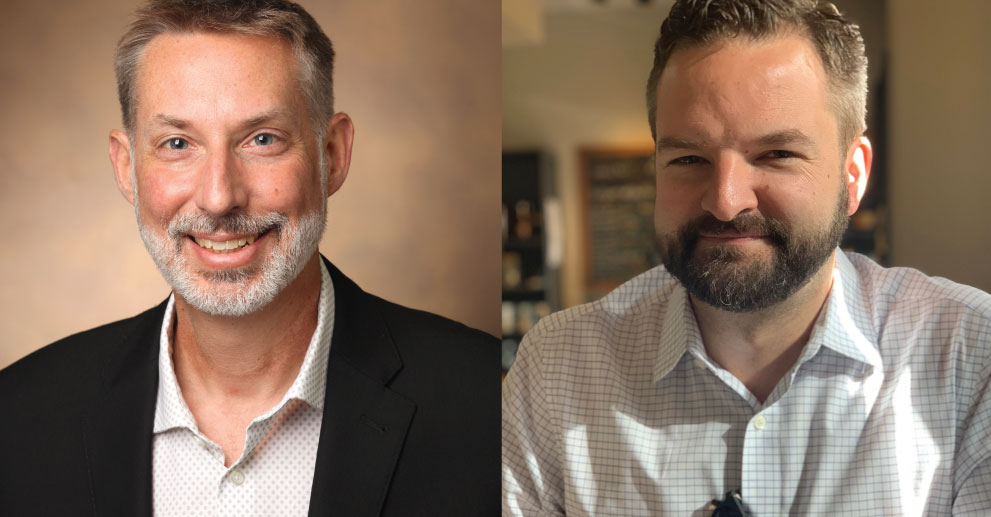
Kornelia Polyak, MD, PhD and Diwakar Ram Pattabiraman, PhD

DateFeb 14, 2022
Time10:00-11:15AM PT
Location
Zoom
Get Directions

Join the Focus On seminars email list

We’re bringing together two types of leaders in cancer research.

Speakers

Kornelia Polyak, MD, PhD

Professor, Medicine

Harvard Medical School

Professor of Medicine

Medical Oncology

Dana-Farber Cancer Institute

“Immune escape in breast cancer”


Diwakar Ram Pattabiraman, PhD

Assistant Professor

Department of Molecular and Systems Biology

Geisel School of Medicine

Dartmouth College

Member

Norris Cotton Cancer Center

“Elucidating the implications of epithelial-mesenchymal heterogeneity in breast cancer”

Seminar

Focus On: Cancer Signaling

J. Silvio Gutkind, PhD and Matt Hangauer, PhD

DateJan 31, 2022
Time10:00-11:15AM PT
Location
Zoom
Get Directions

Join the Focus On seminars email list

We’re bringing together two types of leaders in cancer research.

Seminar Flyer

Seminar Recording

J. Silvio Gutkind, PhD

Distinguished Professor and Chair

Department of Pharmacology

UC San Diego School of Medicine

Associate Director Basic Science

Moores Cancer Center

UC San Diego

“Signaling Networks in Tumor Growth and Immune Evasion: New Multimodal Precision Immunotherapiesâ€

Dr. Gutkind is a Distinguished Professor and Chair, Department of Pharmacology, School of Medicine, and Associate Director for Basic Science at the Moores Cancer Center, University of California San Diego. He received his PhD in pharmacy and biochemistry from the University of Buenos Aires, Argentina, and after his post-doctoral training at the NIMH and NCI, he joined the NIDCR, NIH. He served as the Chief of the Oral and Pharyngeal Cancer Branch, NIDCR, NIH, since 1998 until his recruitment to UCSD in 2015. 

His research team is exploiting the emerging information on dysregulated signaling circuitries and individual genomic and molecular alterations to develop new precision therapies to prevent and treat cancer, and to identify novel multimodal strategies to enhance the response to cancer immunotherapies. His research team has pioneered the study of G proteins and G protein coupled receptors in human malignancies. As part of his translation efforts, Dr. Gutkind has led a multi institutional clinical trial establishing the benefits of treating oral cancer patients with mTOR inhibitors, and he is co-leading a new mTOR-targeting chemoprevention medicine trial in oral premalignancy. His laboratory has recently launched a new effort exploring multimodal precision immunotherapy approaches for cancer prevention and treatment.

His honors include the NIH Merit Award, the Elliot Osserman Award from the Israel Cancer Research Foundation, the Pharmaceutical Research and Manufacturers of America (PhRMA) Research & Hope Award, the Distinguished Scientist Award from the International Association of Dental Research (IADR), and the election as the Chair, Division of Molecular Pharmacology, American Society for Pharmacology and Experimental Therapeutics (ASPET). He was elected in 2019 to the National Academy of Medicine, recognizing his team’s translational efforts in the area of cancer signaling. He has published over 500 research articles in some of the most prestigious journals. He has supervised and mentored many junior investigators, who are now playing leadership roles in multiple institutions in the United States and abroad. In recognition of his dedication to education and mentorship, Dr. Gutkind is the 2021 recipient of the Chancellor’s Award for Excellence in Postdoctoral Scholar Mentoring. 


Matt Hangauer, PhD

Assistant Professor

Department of Dermatology

UC San Diego School of Medicine

“Cancer Persister Cellsâ€

Matt was born in New Jersey and grew up in Buffalo, NY. He got his start in science research while in high school working in his father’s medicinal chemistry lab at the University at Buffalo. He then attended Vanderbilt as an undergraduate and majored in chemistry, performing chemical biology research in Ned Porter’s lab. For his PhD in Chemistry, Matt attended UC Berkeley where he worked in Carolyn Bertozzi’s lab focusing on developing fluorogenic imaging reagents compatible with click chemistry. Matt did his postdoc at UCSF joint mentored by Michael McManus and Frank McCormick. During his postdoc, he first focused on a genomics project in which he surveyed the extent of transcription of the human genome and developed a catalogue of human lncRNAs. Then, shifting his focus to cancer biology, Matt discovered that cancer persister cells are vulnerable to death by ferroptosis and co-founded a company, Ferro Therapeutics, focused on developing a therapeutic approach to induce ferroptosis in tumors. Most recently, Matt began his current position as an Assistant Professor at UCSD in the fall of 2018 in the Department of Dermatology where his lab focuses on deciphering the mechanisms which underlie cancer acquired resistance to therapy.

Matt has won a variety of awards including a Goldwater scholarship (undergraduate), NDSEG fellowship (graduate), Susan G. Komen postdoctoral fellowship, Melanoma Research Alliance Young Investigator Award and V Scholar Award among others.

Seminar

Focus On: Precision Oncology

DateDec 6, 2021
Time10:00-11:15AM PT
Location
Zoom
Get Directions

Join the Focus On seminars email list

Event recording

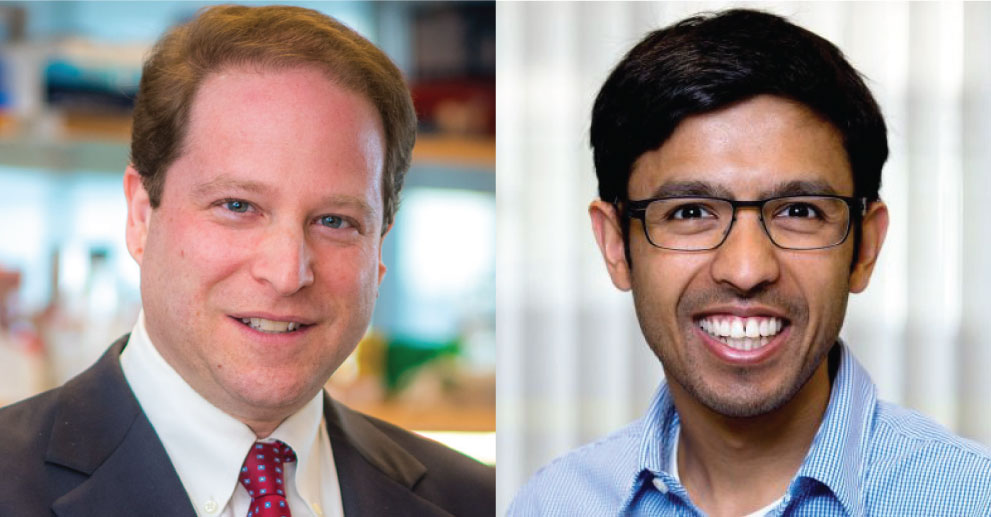
Eytan Ruppin, MD, PhD

Chief

Cancer Data Science Lab (CDSL)

Center for Cancer Research

National Cancer Institute

“Next generation transcriptomics based precision oncology”

Eytan Ruppin received his MD and PhD (Computer Science) from Tel-Aviv University where he has served as a professor of Computer Science & Medicine since 1995, conducting computational multi-disciplinary research spanning a wide variety of topics, including neuroscience, machine learning and systems biology. He joined the University of Maryland in July 2014 as director of its center for bioinformatics and computational biology and moved to the NCI in January 2018 as chief of its newly established cancer data science branch (CDSL). The Ruppin lab has developed many leading algorithms for genome scale metabolic modeling. Together with their collaborators, they co-identified the first metabolic synthetic lethal (SL) drug target to treat cancer (Nature, 2011), were the first to identify metabolic SLs in cancer in a genome-wide manner (Molecular Systems Biology, 2011) and the first to infer cancer SLs by mining patient’s tumor data (Cell, 2014). More recently, together with our experimental collaborators, we have developed and applied new computational approaches for SL/transcriptomics based precision oncology (Nature Comm 2018, Molecular Systems Biology 2019, Cancer Cell 2019, Nature Cell Biology 2019, Science Advances 2021, Cell 2021) and for immunotherapy (Nat Med 2018, Cell 2018, JAMA Onc 2019, Nature Cancer 2020). Eytan is a co-founder of a few startup companies involved in precision medicine and cancer drug discovery, including Metabomed, Medaware and Pangea Therapeutics. He is an editorial board member of EMBO Reports and Molecular Systems Biology and a fellow of the International Society of Computational Biology (ISCB).


Nikhil Wagle, MD

Assistant Professor of Medicine

Dana-Farber Cancer Institute and Harvard Medical School

Accelerating precision oncology through patient partnered cancer research

Nikhil Wagle is an Assistant Professor of Medicine at Harvard Medical School, a medical oncologist at Dana-Farber Cancer Institute, and an Institute Member of the Broad Institute of MIT and Harvard. He is also the Director of Count Me In, a nonprofit research initiative that aims to transform cancer care by empowering cancer patients to accelerate cancer research by sharing their samples, their medical information, and their voices.

Dr. Wagle leads a translational research program in cancer genomics and cancer precision medicine, with a particular focus on metastatic breast cancer. The major goals of his work are to better understand the biology of cancer and to develop new ways to overcome or prevent drug resistance in patients with advanced cancer. Ultimately, his research aims to develop new therapeutic strategies and to identify characteristics of tumors that might improve clinical decision-making for patients.

Dr. Wagle has been a pioneer in the development and use of next generation sequencing for cancer precision medicine, and has made major contributions to the understanding mechanisms of resistance to targeted therapies in multiple cancer types. Over the past several years, he has focused on understanding the genomics of metastatic breast cancer, particularly through identifying and characterizing multiple clinical mechanisms of resistance to endocrine therapies, CDK4/6 inhibitors, and other therapies in ER+ metastatic breast cancer.

Dr. Wagle received his MD from Harvard Medical School and completed his residency training in internal medicine at Brigham and Women’s Hospital, where he also served as chief medical resident, and completed his fellowship training in hematology/oncology in the Dana-Farber/Partners program.

Dr. Wagle also co-founded Doctors for America, a grassroots organization of over 18,000 doctors and medical student in the United States who are working to build a better health care system for all Americans.

Seminar

Focus On: Cancer Immunotherapy

DateNov 8, 2021
Time10:00-11:15AM PT
Location
Zoom
Get Directions

Join the Focus On seminars email list

Speakers

Jeffrey C. Rathmell, PhD

Director

Vanderbilt Center for Immunobiology

Vanderbilt University Medical Center

“Local and Systemic Nutrients and Tumor Infiltrating Immune Cells”

Dr. Rathmell studies mechanisms that regulate lymphocyte fate and differentiation in inflammatory diseases and cancer. He has an interdisciplinary research program with a focus on genetic and biochemical approaches to discover mechanisms of immunometabolism that drive or influence immune-related diseases. Following a PhD in Immunology at Stanford University and postdoctoral studies at the University of Pennsylvania, his work as faculty at Duke University and Vanderbilt University showed that the metabolism of lymphocytes was dynamically regulated, and that each T cell subset adopts a specific metabolic program that can be targeted to modulate cell function and fate. He joined Vanderbilt in 2015 to direct the Vanderbilt Center for Immunobiology and is Leader for the Vanderbilt Ingram Cancer Center Program in Host-Tumor Interactions. His awards include Scholar of the Leukemia & Lymphoma Society, Bernard Osher Fellow of the American Asthma Foundation, and William Paul Distinguished Innovator of the Lupus Research Alliance.


Greg M. Delgoffe, PhD

Associate Professor

Tumor Microenvironment Center

Department of Immunology

University of Pittsburgh

“Metabolic causes and consequences of T cell exhaustion in cancer”

Greg M. Delgoffe is an Associate Professor of Immunology at the University of Pittsburgh and UPMC Hillman Cancer Center. Dr. Delgoffe obtained his Ph.D at Johns Hopkins School of Medicine in 2010, studying the role of the nutrient sensor mTOR in T cell fate and function. He then went on to complete postdoctoral training at St. Jude Children’s Research Hospital, identifying signals that stabilize regulatory T cells solid tumors. He began his independent research group in 2014, focused around the metabolic regulation of T cell fate in cancer. Since its inception, Dr. Delgoffe’s lab has worked to both understand the metabolic deficiencies experienced by T cells as they infiltrate tumors and leverage that insight into metabolic strategies to bolster antitumor immunity. His group has uncovered that metabolic defects like loss of functional mitochondria and competition for nutrients are central to T cell dysfunction in cancer, which suggests that all forms of immune-based therapy may be improved by metabolic modulation. Much of his work has been translated into novel therapeutics as well as clinical trials repurposing metabolic drugs as immunometabolic agents to improve immunotherapy responses. He has been competitive for funding from federal, foundation, and industry sources and has received several awards for innovation, including a Stand Up To Cancer Innovative Research Grant, the NIH Director’s New Innovator Award, the Mark Foundation Emerging Leader Award, and the Cancer Research Institute’s Lloyd J. Old STAR Award.

Seminar

Focus On: Structural Biology of Cancer

DateOct 18, 2021
Time10:00-11:15AM PT
Location
Zoom
Get Directions

Join the Focus On seminars email list

We’re bringing together two types of leaders in cancer research.

Seminar recording

Loren D. Walensky, MD, PhD

Professor of Pediatrics

Harvard Medical School

Attending Physician and Principal Investigator

Dana-Farber Cancer Institute

“Dissecting and Targeting the Activation Mechanism of Pro-Apoptotic BAX”

Loren D. Walensky, MD, PhD is a Professor of Pediatrics at Harvard Medical School, Principal Investigator and Attending Physician in the Department of Pediatric Hematology/Oncology at the Dana-Farber Cancer Institute/Children’s Hospital Boston, and Director of the Harvard/MIT MD-PhD Program. He received his B.A. in Chemistry from Princeton University, MD and PhD degrees from the Johns Hopkins University School of Medicine, and trained in pediatrics and pediatric hematology/oncology at Boston Children’s Hospital and the Dana-Farber Cancer Institute. Dr. Walensky’s research focuses on the chemical biology of deregulated apoptotic, transcriptional, and metabolic pathways in cancer, with a special emphasis on pediatric leukemias. The group develops and applies “stapled peptides†that preserve the primary and secondary structure of biologically-active motifs as new chemical probes and prototype therapeutics to respectively dissect and target pathologic signaling pathways in cancer and other diseases. Dr. Walensky is a current recipient of an Outstanding Investigator Award from the National Cancer Institute and was named to Nature Biotechnology’s roster of Top 20 Translational Researchers of 2019.


Aashish Manglik, MD., PhD.

Associate Professor

Pharmaceutical Chemistry

Department of Anesthesia

UC San Francisco

“Molecular puzzles in G protein-coupled receptor signaling”

Aashish Manglik, MD, PhD, is an Associate Professor in the Departments of Pharmaceutical Chemistry and Anesthesia at UCSF. Aashish received his B.A. in Biology and Chemistry from Washington University in St. Louis and his MD/PhD from Stanford University. His graduate work with Brian Kobilka focused on understanding the atomic basis of action of G protein-coupled receptors, notably the adrenergic, muscarinic, and opioid receptors important in various aspects of human physiology. He initially started his lab as the first Stanford Distinguished Fellow at Stanford University in 2016, with a focus on understanding transmembrane signal transduction. He subsequently started as an Assistant Professor at UCSF in 2017. Aashish has been named a Pew, Searle, Klingenstein, Vallee, and Mallinckrodt Scholar and is a recipient of the NIH Director’s Early Independence Award.

Seminar

Focus On: Pancreatic Cancer

DateSep 20, 2021
Time10:00-11:15AM PT
Location
Zoom
Get Directions

Join the Focus On seminars email list

We’re bringing together two types of leaders in cancer research.

Event recording

Rosalie Sears, PhD

Professor of Molecular and Medical Genetics

Co-Director, Brenden-Colson Center for Pancreatic Care, School of Medicine

Oregon Health & Science University

“Insights into the role of MYC in PDAC progression, metastasis, and therapy resistance”

Dr. Sears received her Bachelor’s degree in Biology from Reed College (1986), Portland Oregon. She received her PhD in Cell Biology from Vanderbilt University (1993), Nashville Tennessee, and conducted her post-doctoral studies at Duke University in the Genetics Department. Dr. Sears is a full professor in the Department of Molecular and Medical Genetics at Oregon Health & Science University. She is Co-Director of the Brenden-Colson Center for Pancreatic Care and a senior member in the Knight Cancer Institute. Dr. Sears has received funding from the National Institutes of Health, the Department of Defense, the Susan G. Komen Foundation, the Leukemia and Lymphoma Foundation, as well as several other private foundations. She has received both research and business innovation awards in the areas of cancer biology, therapeutics, and technology advancement.


Elda Grabocka, PhD

Assistant Professor of Cancer Biology & Surgery

NCI-designated Sidney Kimmel Cancer Center

Thomas Jefferson University and Jefferson Health

“Stress Granules: a stress-adaptive mechanism in KRAS-driven pancreatic tumorigenesis”

Dr. Elda Grabocka received her Bachelor’s degree in Biology from Washington College. She completed her PhD in Molecular Pharmacology and Structural Biology at Thomas Jefferson University and her postdoctoral studies at the NYU Langone Medical Center. Dr. Grabocka is currently an Assistant Professor in the Departments of Cancer Biology and Surgery at the Sidney Kimmel Cancer at Thomas Jefferson University. Her research investigates pancreatic cancer’s ability to hijack the mechanisms by which cells adapt to stress stimuli and has uncovered that mutant KRAS promotes the assembly of stress-resistance organelles called stress granules. Ratcheting up this mechanism enables pancreatic tumors to grow under adverse conditions and enhance their resistance to chemotherapy. Dr. Grabocka has received several awards including a V Foundation Scholar Award, a Margaret Q. Landenberger Foundation Award, and a R37 Early-Stage Investigator MERIT Award from the National Cancer Institute