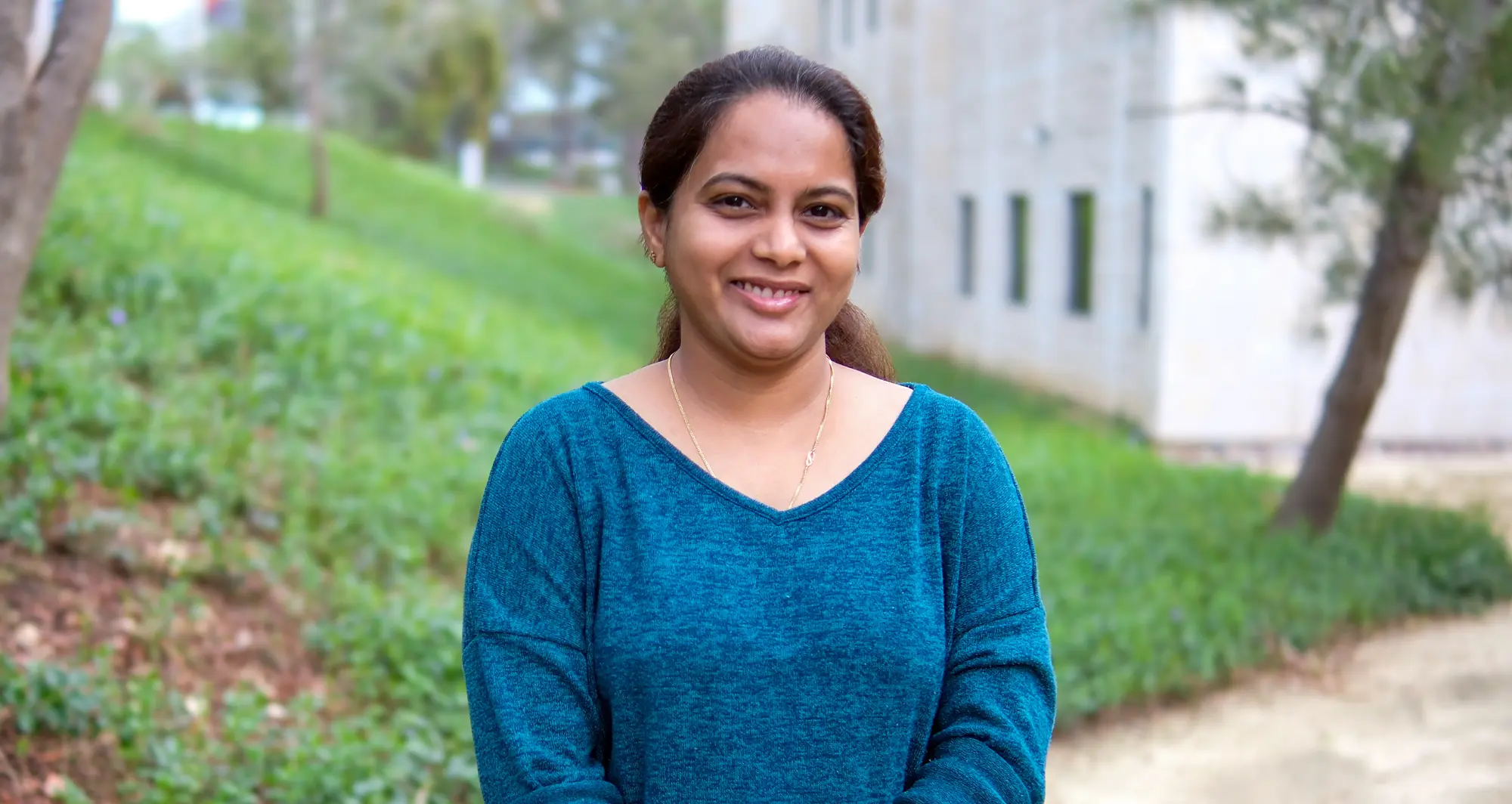
Meet one of our early-career scientists at Sanford Burnham Prebys Medical Discovery Institute: Nilofer Sayed, PhD, a postdoctoral researcher in the lab of Debanjan Dhar, PhD. Sayed studies the progression of fatty liver disease to cirrhosis and hepatocellular carcinoma to identify new potential treatments that could reverse or halt disease advancement.
When and how did you become interested in science?
Empathy for the sick led me to pursue a career as a physician in India. However, during my medical practice, I came to a point of understanding that I cannot help patients when existing treatment options are insufficient.
That insight led me to shift my gears and move towards a career in research to help find new therapies.
What are the key areas of research you focus on?
I work in a liver condition called metabolic dysfunction-associated steatohepatitis, or MASH, which involves the liver getting fatty and inflamed. The problem with this condition is that if it’s not treated on time, then it can progress to a much more severe form.
At this stage, healthy liver tissue is replaced by scar tissue. This impairs the liver and can progress further into cancer.
I’m studying ways to stop this progression into more severe forms of liver disease. My major focus is on a particular immune cell population in the liver called macrophages. By manipulating this cell population, I’m trying to alter the immune landscape of this disease and inhibit its progression.
This is becoming increasingly important as the incidence of MASH continues to rise. We need to be able to prevent patients from developing cirrhosis, liver failure or hepatocellular carcinoma.
How do you think about translating your findings to advance human health?
I believe that what I am researching has great potential to one day reach and help patients in the clinic. Once we can clarify the targets and the mechanisms, we will be able to test peptides or small molecules that modify the targets in order to inhibit the progression of the disease.
We’re fortunate to have drug screening capability here at the institute. This makes us more confident in our ability to move things forward when we identify promising druggable targets.
What motivates you about your research?
The underlying motivation is to improve the lives of people that are sick. Because that is a long-term goal, though, I think it is important to have other sources of motivation that are more immediate.
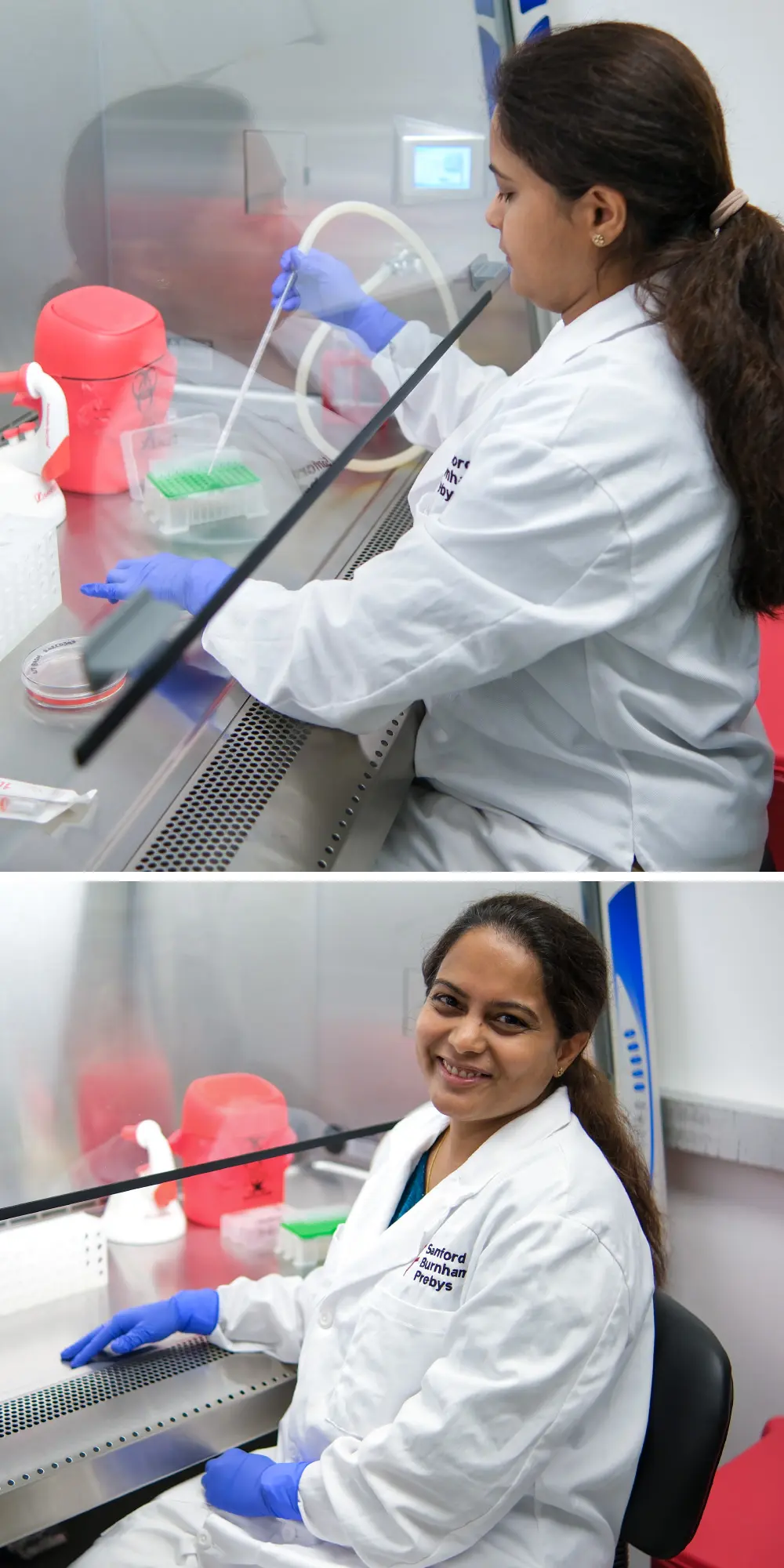
Every day I wake up, I love heading to the lab to explore my ideas. As I plan and design my experiments, I’m excited to see what answers I get from them. Another fun part of being in the lab for me is troubleshooting. I enjoy figuring out what might be going wrong in experiments, not only for myself, but also for my fellow lab members or colleagues who are feeling stuck. I love the feeling of fixing something that isn’t working and getting the research back on track.
I also get motivated by attending as many of the scientific talks and seminars as I can. The speakers’ creativity and their meticulous experiments inspire me and provide insight into many areas of biomedical research.
What do you like about working here?
The work environment here gives researchers what they need to thrive. Collaboration is encouraged and the support that I get for my experiments from core facilities is wonderful.
I think Sanford Burnham Prebys has talented principal investigators that excel at generating ideas and guiding emerging scientists in the right direction. Also, this is a very translational research institute, which excites me because I know that what I achieve during my postdoctoral research has the potential of going forward and reaching patients.
This pushes me to work hard and accomplish something that can have an impact beyond scholarly publications by benefiting people.
What are your career goals?
I would like to stay in academic science and eventually run my own research lab that would focus on developing targeted immunotherapies for hepatocellular carcinoma.
What do you enjoy doing when you’re not in the lab?
I love going to church and visiting people who are sick in their hospital rooms or in their homes to try and bring some cheer and comfort.
I also enjoy cooking and going on long walks to admire nature.
Postdocs at Sanford Burnham Prebys are pushing the boundaries of science every day through curiosity, collaboration, and innovation. This series highlights their unique journeys, what inspires their work, and the impact they’re making across our labs.