Research Model: Human
Kevin Tharp studies the interplay between mitochondrial metabolism and the physical properties of the tumor microenvironment, using genetically engineered mouse models and bioengineered human tumor models to define the mitochondrial programming unique to cancer cells in the tumor microenvironment.
His goal is to develop new therapies that block the metabolic adaptations that cancer cells use to metastasize, a major cause of cancer-associated mortality.
“I study how cells make decisions about their metabolic programming, which I expect will enable us to develop new therapeutics against metastatic tumor cells.”
Tharp previously worked as a postdoctoral scholar in the Center for Bioengineering & Tissue Regeneration at UCSF Health.
He completed his PhD in metabolic biology at UC Berkeley and his Bachelor of Science degree in biochemistry and molecular biology at UC Santa Cruz, where he graduated with honors and the Dean’s Award in Chemistry.
He has received meritorious funding awards from the Sandler Foundation and the National Institutes of Health/National Cancer Institute for his postdoctoral research.
Phenomena or Processes
Actin Cytoskeleton, Adipocyte Differentiation, Aging, Apoptosis and Cell Death, Cancer Biology, Cancer Metabolism, Cancer-Associated Glycans, Cell Adhesion and Migration, Cell Differentiation, Cell Signaling, Combinatorial Therapies, Damage-Associated Molecular Patterns, Extracellular Matrix, Glycosylation, Inflammation, Innate Immunity, Integrins, Metabolic Networks, Mitochondrial Biology, Organic/Synthetic/Medicinal Chemistry, Tumor Microenvironment, Tumorigenesis
Anatomical Systems and Sites
Adipose Tissue, General Cell Biology, Immune System and Inflammation, Mammary Gland, Vasculature
Research Models
C. elegans, Human, Human Cell Lines, Mouse, Mouse Cell Lines, Primary Cells
 Jan 5, 2026
New magnetic therapy could transform treatment of neuroinflammation—a hidden driver of brain disease
Jan 5, 2026Neuroinflammation is the body’s response to injury, infection, toxins, or autoimmune dysfunction in the brain and spinal cord. Institute researchers…
 Sep 2, 2025
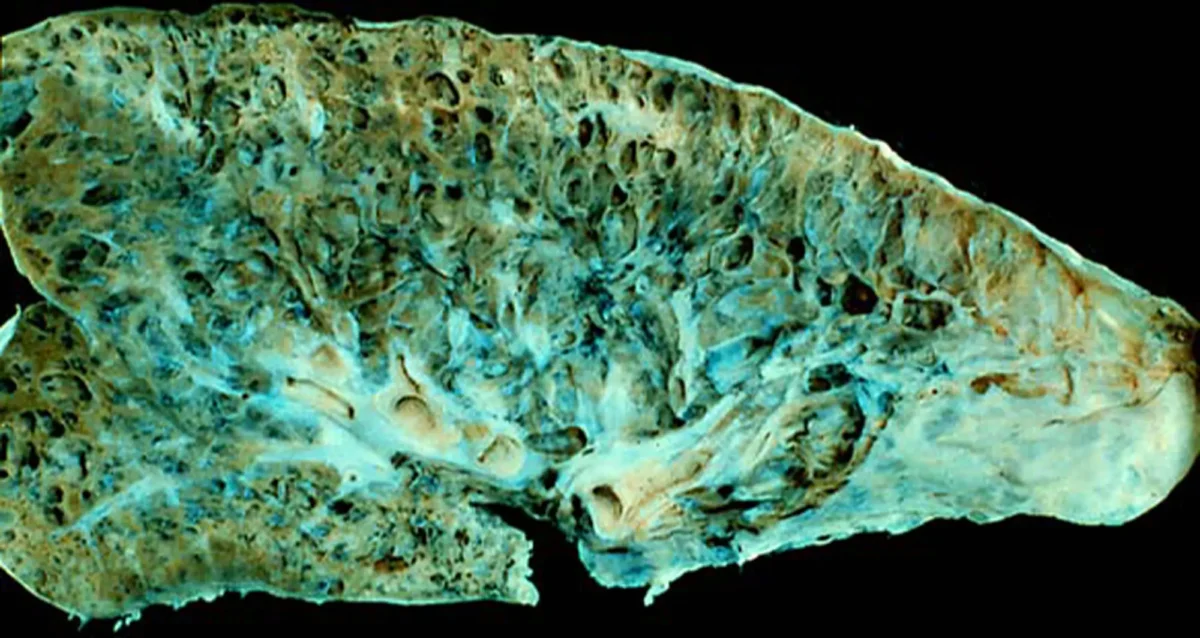
How Cellular Crosstalk Translates into Idiopathic Pulmonary Fibrosis
Sep 2, 2025Rare but deadly condition begins with metabolic changes to make a pro-fibrotic metabolite.
 Nov 4, 2024
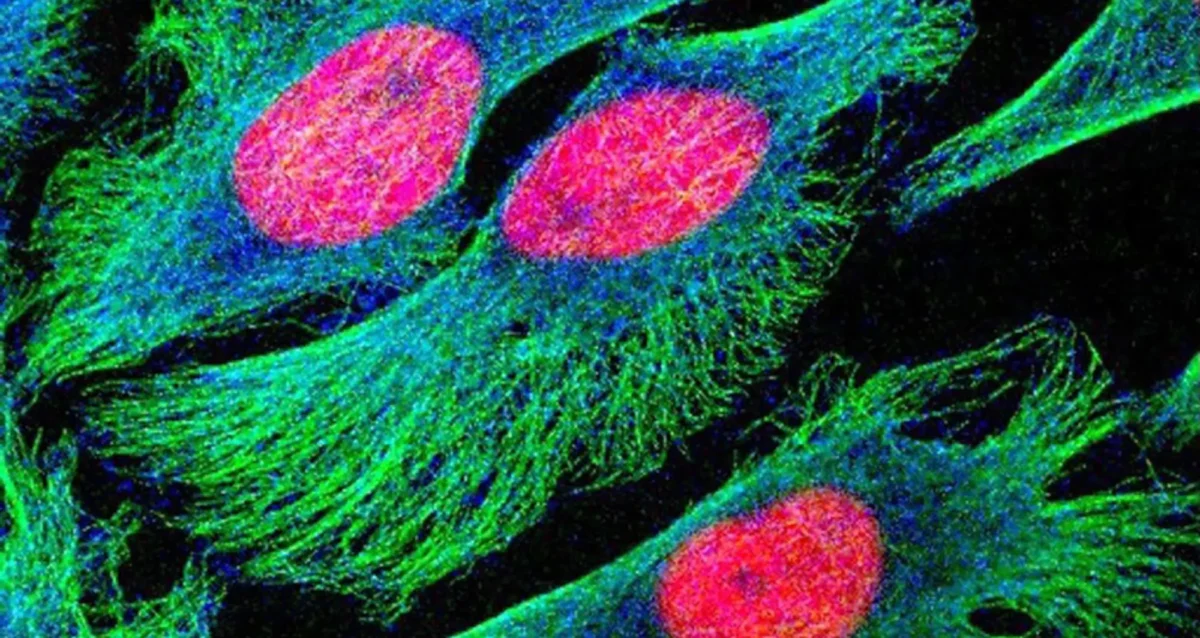
The implastic nature of plastic culture
Nov 4, 2024There is an art (and science) to creating cell culture models that reflect the complexities of disease.
 Oct 31, 2024
Raising awareness of breast cancer research at Sanford Burnham Prebys
Oct 31, 2024The October Science Connect Series event was themed around Breast Cancer Awareness Month.
 Jun 4, 2024
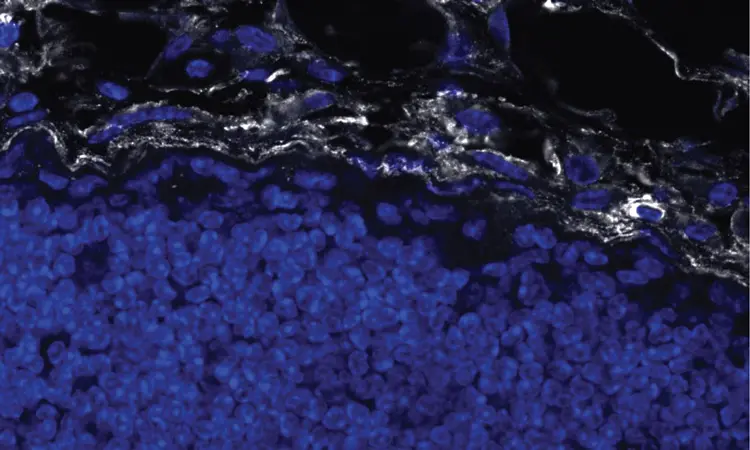
How tumor stiffness alters immune cell behavior to escape destruction
Jun 4, 2024Immunotherapy is based on harnessing a person’s own immune system to attack cancer cells. However, patients with certain tumors do…
 Mar 25, 2024
Seminar Series: extrachromosomal DNA and the metabolic circuits of cancer immune suppression
Mar 25, 2024The ongoing Sanford Burnham Prebys seminar series will feature a pair of speakers on March 27, from noon to 1p.m.,…
Timothy Huang completed his PhD at the University of Calgary (Canada) under Dr. Dallan Young, studying kinase pathways involved in mediating cell polarity in yeast. He studied mechanisms underlying actin cytoskeletal dysfunction in Alzheimer’s disease at Scripps with Dr. Gary Bokoch (La Jolla), before joining Dr. Huaxi Xu’s laboratory in 2012/2013.
Related Disease
Alzheimer’s Disease, Molecular Biology
Phenomena or Processes
Cell Biology, Cell Signaling, Neurobiology, Neurodegeneration, Neurogenesis, Neuron-Glia Interactions in Myelin, Proteolytic Pathways, Tyrosine Kinases
Anatomical Systems and Sites
Brain
Research Models
Human, Human Cell Lines, Mouse, Mouse Cell Lines
Techniques and Technologies
Biochemistry, Cellular and Molecular Imaging, Confocal Microscopy, Electrophysiology, Mass Spectrometry, Protein Engineering, Protein-Protein Interactions, Protein-Small Molecule Interactions, Proteomics
My research is focused on identifying and characterizing mechanisms of neurodegeneration in Alzheimer’s disease (AD) and other related neurodegenerative disorders, and identifying neuroprotective pathways that may be involved in slowing disease progression. Currently, my research is focused on the genetic AD risk factors SORLA (SORL1, LR11) and TREM2, which may be involved in attenuating pathogenic effects associated with cognitive decline. By implementing methods to enhance these neuroprotective pathways, we may be able to reverse neuronal and cognitive damage in AD, and possibly other associated disorders.
Timothy Huang’s Research Report
There are two projects that comprise my main focus: 1) SORLA: Sortilin-related receptor with LDLR class A repeats (SORLA, SORL1, or LR11) is a genetic risk factor associated with Alzheimer’s disease (AD). Although SORLA is known to regulate trafficking of the amyloid β (Aβ) precursor protein to decrease levels of proteotoxic Aβ oligomers, whether SORLA can counteract synaptic dysfunction induced by Aβ oligomers remains unclear. Our work indicates that SORLA interacts with the EphA4 receptor tyrosine kinase and attenuates ephrinA1 ligand–induced EphA4 clustering and activation to limit downstream effects of EphA4 signaling in neurons. Consistent with these findings, SORLA transgenic mice, compared with WT mice, exhibit decreased EphA4 activation and redistribution to postsynaptic densities, with milder deficits in long-term potentiation and memory induced by Aβ oligomers. Importantly, we detected elevated levels of active EphA4 in human AD brains, where EphA4 activation is inversely correlated with SORLA/EphA4 association. These results demonstrate a novel role for SORLA as a physiological and pathological EphA4 modulator, which attenuates synaptotoxic EphA4 activation and cognitive impairment associated with Aβ-induced neurodegeneration in AD. 2) TREM2: Although ligands for TREM2 such as ApoE have been previously identified, a definitive mechanism for TREM2 in AD has not been established. We recently determined that TREM2 directly binds Aβ oligomers with nanomolar affinity and R47H mutations attenuate TREM2/Aβ interaction. TREM2 deletion impairs Aβ turnover in primary microglia, and abrogates Aβ clearance in vivo. Aβ also triggers changes in microglial membrane potential which is impaired with TREM2 deletion. Moreover, TREM2 deletion attenuates Aβ-induced microglial morphogenic changes associated with activation, and inhibits Aβ-mediated induction of proinflammatory cytokine expression. Together, these results indicate that TREM2 may have opposing neuroprotective roles in mediating microglial Aβ clearance and turnover, while concurrently transducing potentially neurotoxic Aβ-induced inflammatory signals. To further define a role for TREM2 in Aβ clearance and Aβ-mediated microglial activation/cytokine expression, we plan to exploit use of TREM2 R47H knock-in and TREM2 WT and R47H overexpression mouse models currently housed in our laboratory to determine whether impaired TREM2/Aβ interactions can impair microglial response in the presence of Aβ. This provides essential groundwork in future strategies to optimize neuroprotective TREM2 Aβ clearance while limiting Aβ-induced microglial inflammation.
 Jun 10, 2025
Research reviews look at liver disease and diabetes
Jun 10, 2025Liver disease and diabetes are among the nation’s most pressing health threats, afflicting millions of Americans. A trio of recently…
 Mar 3, 2025
Investigating individual immune responses to COVID-19 vaccination and infection
Mar 3, 2025Study analyzes changes in blood plasma proteins following vaccination and may contribute to improving vaccine development.
 Dec 20, 2023
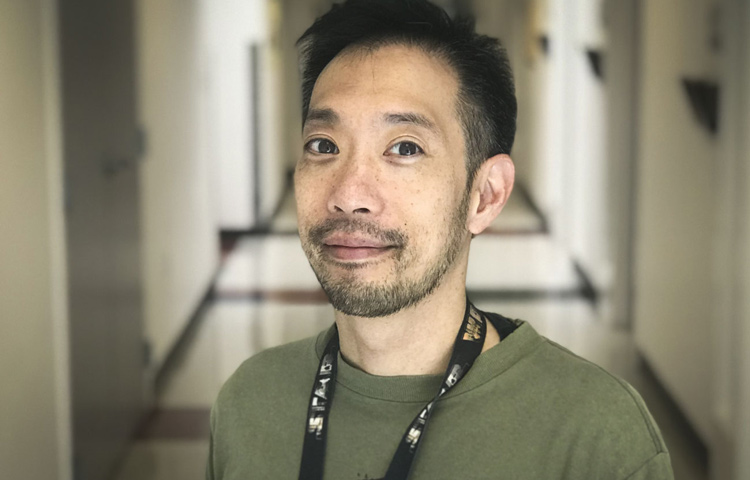
Tim Huang awarded $4.3 million NIH grant to study the protective role of SORLA against Alzheimer’s disease and related tauopathies
Dec 20, 2023Research may further implicate SORLA as a novel therapeutic drug target for certain types of dementia. Tim Huang has been…
- Sep 5, 2023
Timothy Huang awarded $2.6M to solve Alzheimer’s disease puzzle TREM2
Sep 5, 2023With the help of a new grant from the National Institutes of Health for more than $2.6 million, Assistant Professor…
 Aug 2, 2022
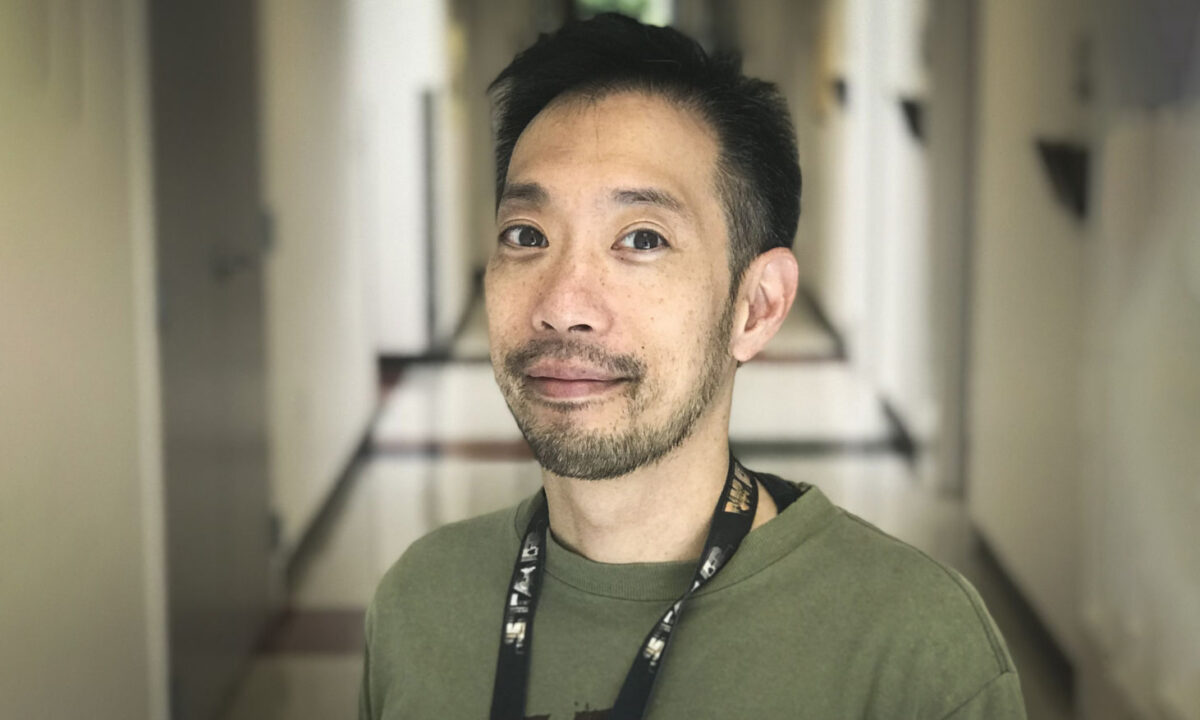
Timothy Huang awarded $2.8M to study well-known gene linked to Alzheimer’s disease
Aug 2, 2022The project aims to uncover a potential cause of Alzheimer’s brain pathology Timothy Huang, PhD, has been awarded $2.8 million…
 Sep 25, 2020
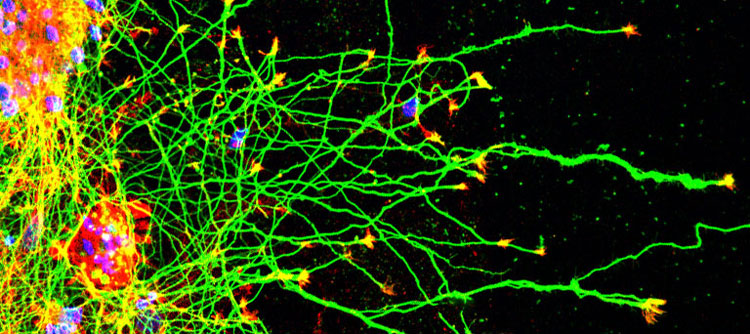
New insights into Alzheimer’s disease
Sep 25, 2020Sanford Burnham Prebys scientist publishes two papers that bring us one step closer to understanding—and potentially treating—the devastating condition. For
Lukas Chavez is an Associate Professor at the Sanford Burnham Prebys. He is also the Director of the Clayes Research Center for Neuro-Oncology at the Institute for Genomic Medicine at the Rady Children’s Hospital, San Diego. In this role, he works with a team of physicians and scientists to capture genomic, transcriptomic, epigenetic and functional data from pediatric brain tumor patients, and uses this information to improve diagnosis and treatment. His research interests focus on structural variants as well as circular extrachromosomal DNA (ecDNA) in childhood cancers. These extrachromosomal DNA circles are frequently found in highly aggressive solid tumors and represent a new target for improved therapeutic approaches.
Education
2010: PhD, Free University, Berlin
Honors and Recognition
2020: St. Baldrick’s Scholar Award, St. Baldrick’s Foundation
2019: Award of Excellence in Pediatric Neuro-Oncology, Society of Neuro-Oncology
2012–2015: Feodor-Lynen Fellowship for Postdoctoral Researchers, Alexander-von-Humboldt Foundation
Related Disease
Brain Cancer, Cancer
Phenomena or Processes
Cancer Biology, Cancer Epigenetics, Chromosome Dynamics, Combinatorial Therapies, Gene Regulation, Genomic Instability, Oncogenes, Transcriptional Regulation
Anatomical Systems and Sites
Brain
Research Models
Clinical and Transitional Research, Computational Modeling, Cultured Cell Lines, Human, Human Cell Lines, Mouse
Techniques and Technologies
Bioinformatics, Cell Biology, Computational Biology, Computational Modeling, Gene Expression, Gene Silencing, Genomics, Single Nucleotide Polymorphisms (SNPs)
 Dec 12, 2025
Sanford Burnham Prebys scientists garner eight cancer research grants from Curebound to advance therapeutic treatments and cures
Dec 12, 2025Ten scientists at Sanford Burnham Prebys Medical Discovery Institute were awarded eight grants yesterday from Curebound, a San Diego-based philanthropic organization
 Aug 15, 2025
Zombie cancer cells give cold shoulder to chemotherapy
Aug 15, 2025Study shows that combining chemotherapy with targeted treatment for these lumbering cells improves outcomes in mice.
 Aug 13, 2025
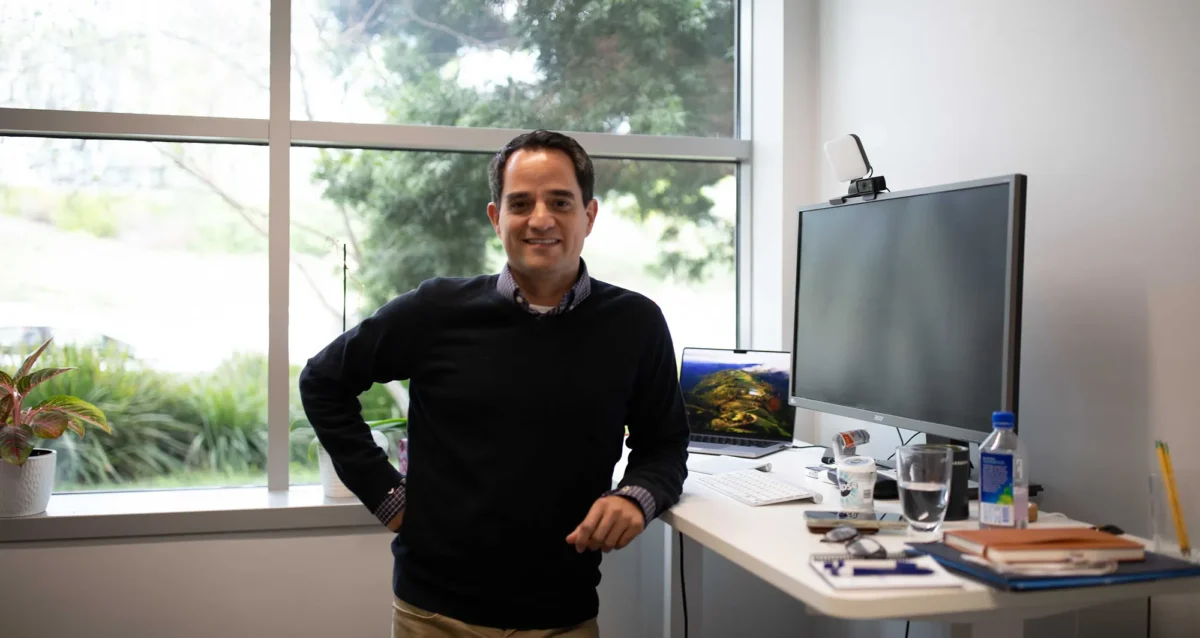
Chavez joins NIH Cancer Genetics Study Section
Aug 13, 2025Lukas Chavez, PhD, has been named a standing member of the Cancer Genetics Study Section at the National Institutes…
 Apr 14, 2025
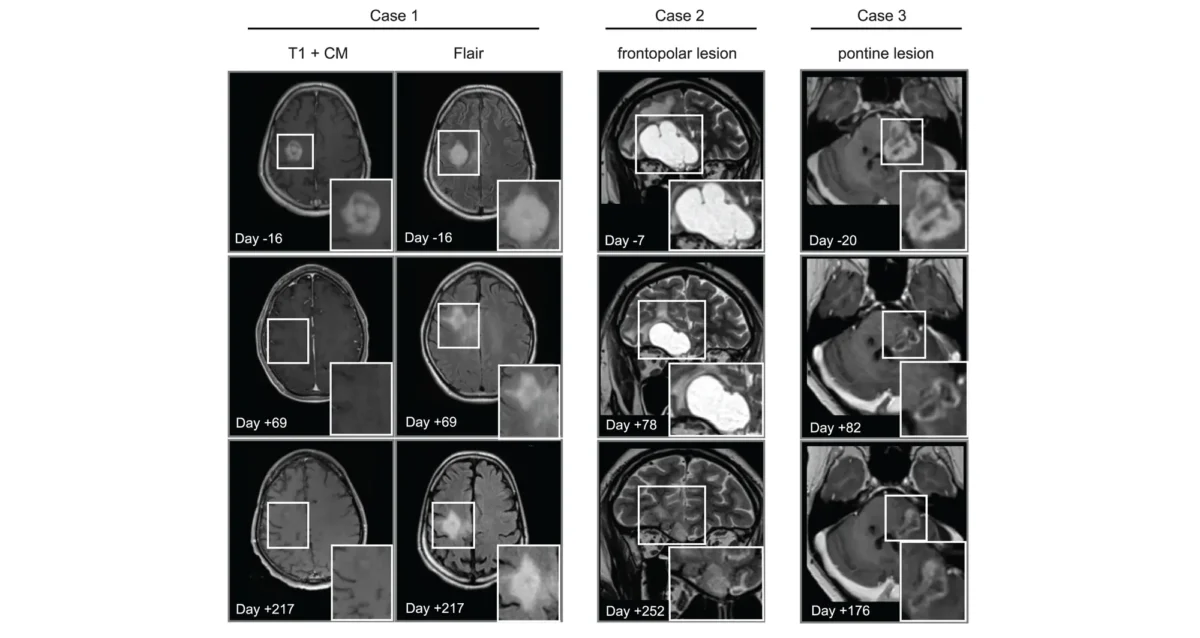
Cancer drug finds new purpose in the brain
Apr 14, 2025Scientists show that a cancer drug travels to and shrinks some brain tumors, which may lead to new therapies.
 Aug 6, 2024
Coding clinic
Aug 6, 2024Rapidly evolving computational tools may unlock vast archives of untapped clinical information—and help solve complex challenges confronting healthcare providers
- Jul 30, 2024
Using machines to personalize patient care
Jul 30, 2024Artificial intelligence (AI) and other computational techniques are aiding scientists and physicians in their quest to create treatments for individuals…