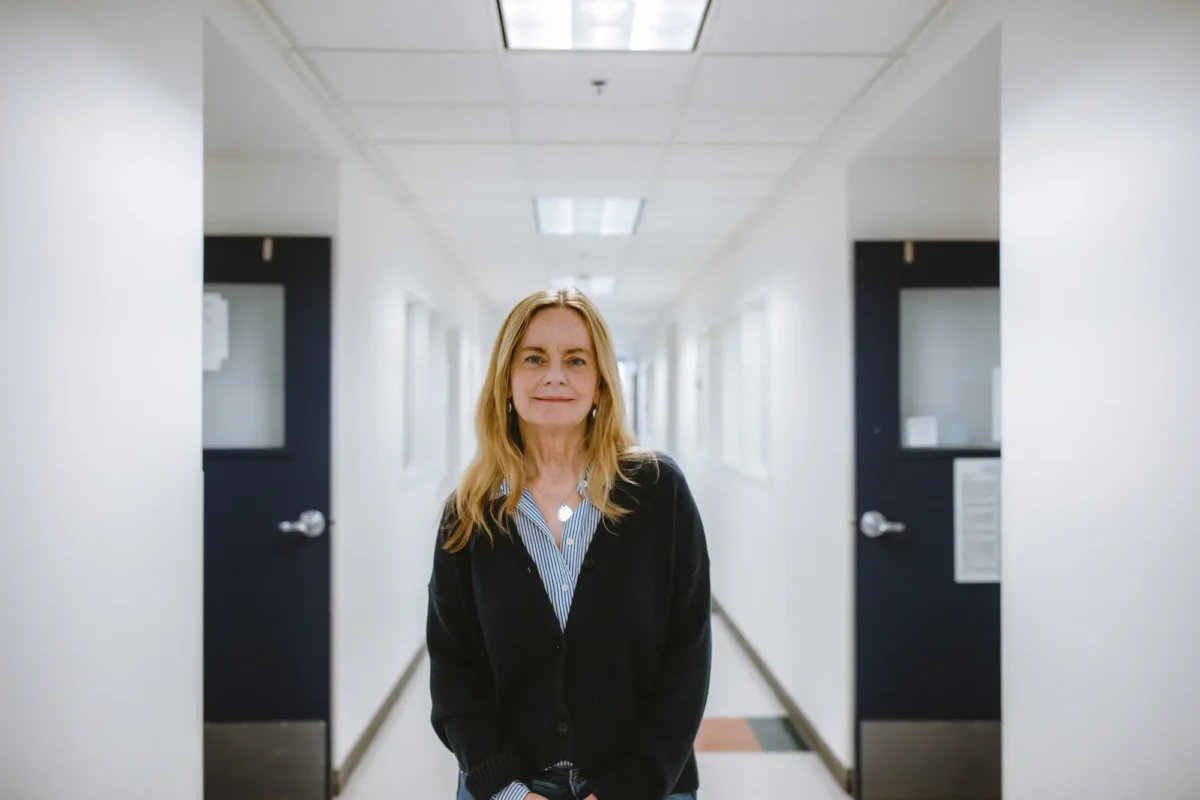
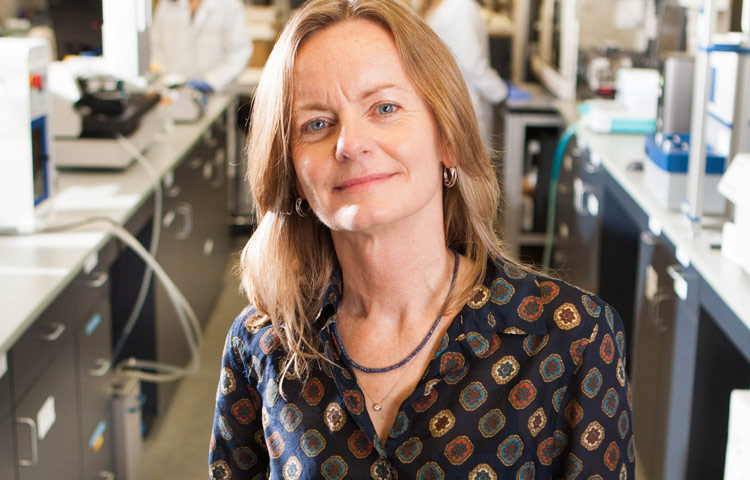
Anne G. Bang, PhD, is an Associate Professor in the Center for Therapeutics Discovery and Director of Cell Biology at the Conrad Prebys Center for Chemical Genomics at Sanford Burnham Prebys. Her research bridges human stem cell biology, neuroscience and drug discovery to develop new approaches for understanding and treating neurological disease.
Bang trained as a developmental neurobiologist, studying the genetic and molecular mechanisms that control cell fate and patterning of the nervous system. She began working with human pluripotent stem cells in 2005 at ViaCyte, where she became Director of Stem Cell Research and led an interdisciplinary team developing stem-cell-derived pancreatic cells as a therapy for diabetes. Her work included advancing the technology from differentiation and cell characterization through scaled manufacturing and IND-enabling studies and resulted in multiple patents.
In 2010, Bang joined Sanford Burnham Prebys to establish human pluripotent stem cell-based disease modeling and discovery programs at the Prebys Center. Her laboratory now develops scalable human cell models and quantitative phenotyping platforms to investigate neurological disease, identify therapeutic targets and discover potential treatments. She has led multidisciplinary programs supported by NIH, CIRM, the Department of Defense, disease foundations and industry, and has extensive experience translating emerging human-cell technologies into robust drug discovery platforms.
Related Disease
Aging-Related Diseases, Alzheimer’s Disease, Amyotrophic Lateral Sclerosis (Lou Gehrig’s Disease), Congenital Disorders of Glycosylation, Glycosylation-Related Disorders, Multiple Sclerosis, Muscular Dystrophy, Neurodegenerative and Neuromuscular Diseases
Phenomena or Processes
Cell Biology, Development and Differentiation, Development of Neuronal Circuits, Embryonic/Pluripotent Stem Cells, Neurobiology, Neurodegeneration, Neurogenesis, Neuron-Glia Interactions in Myelin, Neurotransmitters, Synapse Formation and Maturation, Synapse Function, Synaptic Transmission
Research Models
Human Adult/Somatic Stem Cells, Human Cell Lines, Human Embryonic Stem Cells
Techniques and Technologies
Cellular and Molecular Imaging, Drug Discovery, Electrophysiology, Fluorescence Microscopy, High Content Imaging, In vivo Modeling, Microarrays, Molecular Genetics
Anne Bang’s laboratory develops human pluripotent stem cell-based models and scalable experimental platforms to understand disease mechanisms and accelerate therapeutic discovery. A central goal of the program is to move beyond simply reproducing disease-associated cellular phenotypes by combining disease-relevant human cell models with quantitative phenotyping and systematic perturbation using small molecules, genetic approaches and environmental or cellular stressors. This strategy enables the group to identify pathways that control disease-relevant phenotypes and to generate testable therapeutic hypotheses.
A major focus is the development of technologies that capture increasingly complex aspects of human neuronal function while retaining the reproducibility and scalability required for discovery. The laboratory integrates high-content imaging with multi-electrode array (MEA) electrophysiology to quantify neuronal morphology, activity, connectivity, synaptic plasticity and emergent network dynamics. Her group developed a scalable human iPSC-neuron model of long-term potentiation and more recently established approaches for measuring emergent oscillatory and aperiodic components of neuronal network activity, providing functional endpoints for studying how genetic and pharmacological perturbations alter human neural circuits.
These platforms are applied across neurodevelopmental, psychiatric and neurodegenerative disease, including autism, schizophrenia, Alzheimer’s disease and ALS. Current work combines patient-derived and genetically engineered iPSC models with arrayed CRISPR perturbation, high-content imaging and functional electrophysiology to translate human genetics into cellular and network phenotypes and identify potential therapeutic targets. The laboratory is also investigating how aging-associated cellular stresses alter neuronal vulnerability and how neuromodulatory pathways influence interactions among neurons and glia.
In parallel, Bang’s group develops human neuronal platforms for predictive neurotoxicology, using multiparametric network responses to characterize chemical effects and link cellular physiology with chemical structure and mechanism. Across these programs, the goal is to create human-cell experimental systems that span molecular, cellular and network levels while remaining compatible with systematic screening and therapeutic discovery.
Anne Bang’s Research Report
Publications
- Pharmacological manipulation of nested oscillations in human iPSC-derived 2D neuronal networks. Pré D, Cazares C, Wooten AT, Zhou H, Onofre I, Neil A, Logan T, Hu R, Lui JH, Voytek B, Bang AG. Neurobiol Dis. 2026 Mar;220:107281. doi: 10.1016/j.nbd.2026.107281. Epub 2026 Jan 24.
- Challenges and Opportunities for Consideration of Efavirenz Drug Repurposing for Alzheimer’s Disease Therapeutics. Boyarko B, Podvin S, Greenberg B, Arnold S, Maroto Juanes A, van der Kant R, Goldstein L., Momper J, Bang AG, Feldman HH, and Hook V. ACS Pharmacology and Translational Sciences. 2024 Sep 6;7(10):2924-2935.
- Development of a platform to investigate long-term potentiation in human iPSC-derived neuronal networks. Pré D, Wooten AT, Biesmans S, Hinckley S, Zhou H, Sherman SP, Kakad P, Gearhart J, Bang AG. Stem Cell Reports. 2022 Sep 13;17(9):2141-2155. doi: 10.1016/j.stemcr.2022.07.012. Epub 2022 Aug 18.
- Super-Selective Reconstruction of Causal and Direct Connectivity With Application to in vitro iPSC Neuronal Networks. Puppo F, Pré D, Bang* AG, Silva* GA. Front Neurosci. 2021;15:647877. doi:10.3389/ fnins.2021.647877. eCollection 2021. (*corresponding authors).
- A universal gene correction approach for FKRP-associated dystroglycanopathies to enable autologous cell therapy. Dhoke NR, Kim H, Selvaraj S, Azzag K, Zhou H, Oliveira NAJ, Tungtur S, Ortiz-Cordero C, Kiley J, Lu QL, Bang AG, Perlingeiro RCR. Cell Rep. 2021 Jul 13;36(2):109360. doi: 10.1016/j.celrep.2021.109360.
- Human Pluripotent Stem Cell-Derived Neural Cells and Brain Organoids Reveal SARS-CoV-2 Neurotropism Predominates in Choroid Plexus Epithelium. Jacob F, Pather SR, Huang WK, Zhang F, Wong SZH, Zhou H, Cubitt B, Fan W, Chen CZ, Xu M, Pradhan M, Zhang DY, Zheng W, Bang* AG, Song* H, de la Torre* J, Ming* GL. Cell Stem Cell. 2020;27(6):937-950.e9. doi: 10.1016/j.stem.2020.09.016. Epub 2020 Sep 21. (*corresponding authors).
- Cholesterol Metabolism Is a Druggable Axis that Independently Regulates Tau and Amyloid-β in iPSC-Derived Alzheimer’s Disease Neurons. van der Kant R, Langness VF, Herrera CM, Williams DA, Fong LK, Leestemaker Y, Steenvoorden E, Rynearson KD, Brouwers JF, Helms JB, Ovaa H, Giera M, Wagner SL, Bang AG, Goldstein LSB. Cell Stem Cell. 2019 Mar 7;24(3):363-375.e9. doi: 10.1016/j.stem.2018.12.013. Epub 2019 Jan 24.
- High-content screen for modifiers of Niemann-Pick type C disease in patient cells. Pugach EK, Feltes M, Kaufman RJ, Ory DS, Bang AG. Hum Mol Genet. 2018 Jun 15;27(12):2101-2112. doi: 10.1093/hmg/ddy117.
- High-throughput screen for compounds that modulate neurite growth of human induced pluripotent stem cell-derived neurons. Sherman SP, Bang AG. Dis Model Mech. 2018 Feb 2;11(2). doi: 10.1242/dmm.031906.
- Cell-surface markers for the isolation of pancreatic cell types derived from human embryonic stem cells. Kelly OG, Chan MY, Martinson LA, Kadoya K, Ostertag TM, Ross KG, Richardson M, Carpenter MK, D’Amour KA, Kroon E, Moorman M, Baetge EE, Bang AG. Nat Biotechnol.2011 Jul 31;29(8):750-6. doi: 10.1038/nbt.1931.
Patents
- Jackson, M., and Bang, A.G. 2013. Theranostics platform and methods of use, Patent Application No. PCT/US13/26448, Sanford Burnham Medical Research Institute, La Jolla, CA.
- Kelly, O.G., and Bang, A.G. 2012. Methods for purifying endoderm and pancreatic endoderm cells from human embryonic stem cells, United States Patent 8,338,170, ViaCyte, Inc., San Diego, CA.
- D’Amour K., Bang A., Baetge, E. 2012. Endocrine precursor cells, pancreatic hormone-expressing cells and methods of production. United States Patent 8,129,182, ViaCyte, Inc., San Diego, CA.
- Green, C., Yu X., Bang A., Brandon, E., Kelly, O., Agulnick, A., Baetge, E., D’Amour K., Schulz, T., Robins, A. 2011. Stem cell aggregate suspension compositions and methods of differentiation thereof. United States Patent 8,008,075, ViaCyte, Inc., San Diego, CA.
 May 1, 2026
Anne Bang joins $13M research project on age-related RNA pollution and brain degeneration
May 1, 2026The project’s San Diego-based research team is funded by the California Institute for Regenerative Medicine.
 Feb 19, 2026
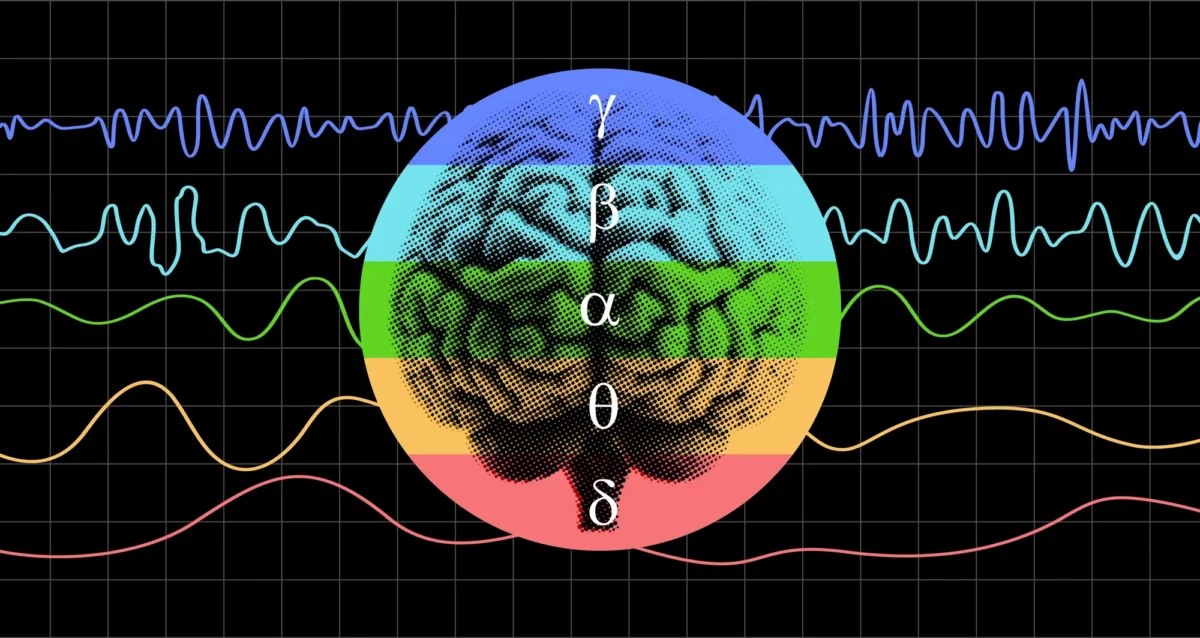
Decoding developing brain rhythms with scalable human neuron networks
Feb 19, 2026Study introduces a scalable human neuron platform to probe how brain-like rhythms emerge—and how specific pathways and drugs reshape them.
 Dec 12, 2025
Sanford Burnham Prebys scientists garner eight cancer research grants from Curebound to advance therapeutic treatments and cures
Dec 12, 2025Ten scientists at Sanford Burnham Prebys Medical Discovery Institute were awarded eight grants yesterday from Curebound, a San Diego-based philanthropic organization
 Oct 11, 2024
Anne Bang joins $12.7M research project on the genetic basis of autism and schizophrenia
Oct 11, 2024Sanford Burnham Prebys scientist and an international team are funded by the California Institute for Regenerative Medicine.
 Aug 18, 2022
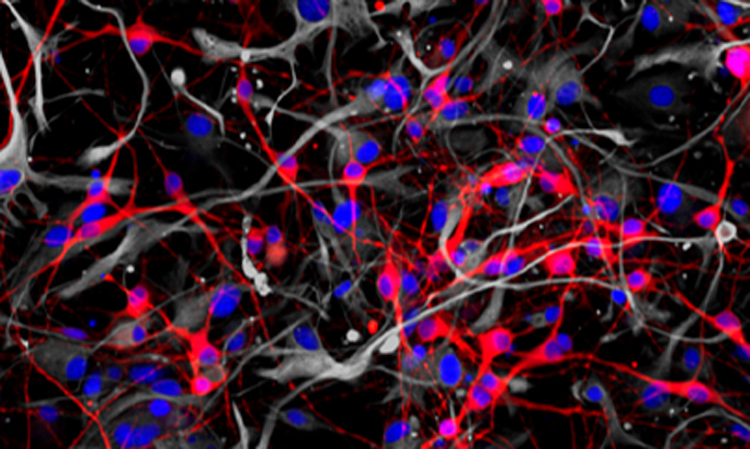
Using stem cells to study the biochemistry of learning
Aug 18, 2022A method for studying human neurons could help researchers develop approaches for treating Alzheimer’s, schizophrenia and other neurological diseases.
 Dec 8, 2020
What scientists are learning about COVID-19 and the brain
Dec 8, 2020We caught up with cell biologist Anne Bang, who recently teamed up with her husband to study how SARS-CoV-2 affects…