Andrei Osterman Archives - Page 2 of 2 - Sanford Burnham Prebys
Institute News

Your cells don’t lie (about your age)

AuthorJessica Moore
Date

February 23, 2017

Many scientists are searching for drugs that combat aging, not just to extend human lifespan, but to stay healthier longer, too.

One potential target for future anti-aging treatments are cells that have become stagnant—that can no longer replicate themselves. These cells, termed senescent, are found all over the body and appear to contribute to the breakdown of various organs over time, and to aging-related diseases ranging from cataracts to type 2 diabetes and maybe even Parkinson’s and Alzheimer’s.

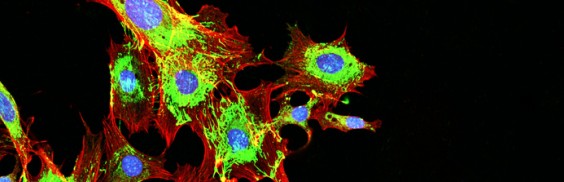
Studying the role of senescent cells in aging tissue—and eventually, assessing whether reducing their numbers can slow aging—could become much easier thanks to a new study co-authored by Andrei Osterman, PhD The research, published in the Proceedings of the National Academy of Sciences, identifies a specific, measurable marker of senescent cells.

“We found that an oxidized form of vimentin, a protein that’s normally found inside cells as part of the cytoskeleton, is present on the surface of senescent cells, but no other kinds of cells,” Osterman says. “This discovery may lead to the development of tests to monitor aging-related decline in patients, as we found that levels of oxidized vimentin are elevated in the blood of mice that are genetically altered to age rapidly.”

Part of the new study, a continuing collaboration between Osterman and the Roswell Park Cancer Institute, involved analyzing antibodies that all recognize senescent cells in the same way.

Osterman adds, “A major part of the credit for identifying oxidized vimentin as the molecule those antibodies recognize goes to SBP’s proteomics core facility.

“We think that antibodies against senescent cells are produced throughout human life. It’s possible that as we age, our immune system slows down and stops producing antibodies that clear senescent cells from our bodies. Maybe boosting that immune function would be a way to decelerate aging.”

Several contributors to the study are affiliated with Everon Biosciences, a company that aims to create anti-aging medicines.
Institute News

Targeting gut microbes may help malnourished children grow

Authorjmoore
Date

March 7, 2016

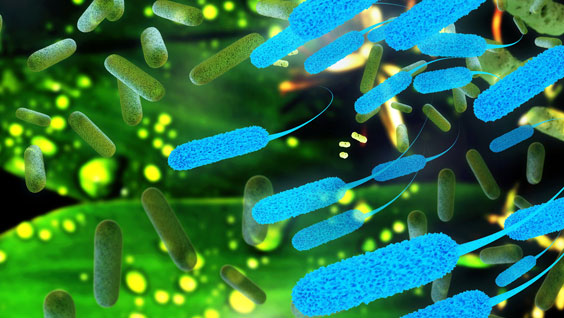
Malnutrition in infants and young children can have major life-long impacts—deficiencies in important nutrients stunt growth and impair development. Although aid organizations have developed fortified meals to make up for these deficiencies, they don’t completely compensate for the lack of nutrition. Now scientists know why malnourished children might not benefit as much as they should from added nutrients in their diet. Continue reading “Targeting gut microbes may help malnourished children grow”

Institute News

New method to identify bacteria in the gut may facilitate development of probiotics

Authorjmoore
Date

January 19, 2016

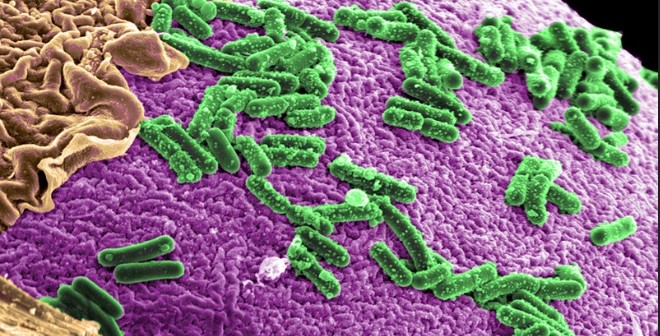
The gut microbiome, the community of bacteria living in the intestines, has an enormous impact on human health, affecting risk for obesity, inflammatory bowel disease (IBD), neurological disorders, and even cancer. Accordingly, there has been an explosion of research in this area in the past ten years, with the long-term goal of developing ways to manipulate the microbiome to promote the survival of bacteria that promote health and/or eliminate those associated with disease. Continue reading “New method to identify bacteria in the gut may facilitate development of probiotics”

Institute News

Melanoma’s addiction to glutamine is the basis for cancer growth

Authorsgammon
Date

February 17, 2015

Researchers at Sanford-Burnham have discovered that without a source of glutamine—one of the 20 amino acids used to build proteins—melanoma cells will stop proliferating and die. Their craving for glutamine stems from their ability to “abuse” this essential nutrient by using it as an additional source of carbon and energy. The findings present a rational basis for a treatment strategy that limits the supply of glutamine to tumors, potentially through nutritional interventions or inhibitors of glutamine uptake. The results of the study appear online in Oncotarget today. Continue reading “Melanoma’s addiction to glutamine is the basis for cancer growth”