Immunity Inflammation and Microbiology Archives - Page 4 of 5 - Sanford Burnham Prebys
Institute News

Cancer immunology symposium highlights hot area in cancer research

AuthorSusan Gammon
Date

March 19, 2018

The Cancer Immunology and Tumor Microenvironment Symposium held at Sanford Burnham Prebys Medical Discovery Institute (SPB) on March 8, 2018 attracted a full house of international attendees.

Its success likely stems from the impressive roster of speakers invited by Carl Ware, PhD, director of the Infectious and Inflammatory Diseases Center and Linda Bradley, PhD, also a professor in that program. The presenters included many thought leaders in the field from such prestigious institutions as University of Pittsburgh, University of Ontario Fred Hutchinson Cancer Research Center, the Mayo Clinic, Moores Cancer Center at UC San Diego and University of Washington School of Medicine.

Today, immunotherapy is one of the most exciting areas of new discoveries and treatments for many types of cancer. Although huge strides have been made—some patients experience complete remission—more breakthroughs are needed. Some patients do not respond at all, some relapse and others experience undesirable, often life-threatening side effects. And some cancers, such a pancreatic, brain, breast and prostate, have shown very limited benefit.

“This symposium brings experts in the fields of cancer and immunology together to promote scientific exchange and collaboration,” says Ware. “It’s meetings like this that will help us accelerate the understanding and development of new immune system-based therapies for cancer patients.”

Institute News

Study reveals how immune cells manage cholesterol levels

AuthorLindsay Ward-Kavanagh
Date

March 12, 2018

Atherosclerosis, the buildup of plaques inside arteries, is a key step in the development of cardiovascular disease, the leading cause of death in the United States. Elevated cholesterol levels are a risk factor for atherosclerosis, as the molecule is one of the building blocks of these plaques. However, since cholesterol is also essential in healthy cells, scientists are researching how cholesterol biology is controlled to better understand the changes that lead to disease.

Laszlo Nagy, MD, PhD, professor and director of the Genomic Control of Metabolism Program, recently collaborated with Peter Tontonoz, MD, PhD, professor, the leading senior scientist of the study and Francis and Albert Piansky Endowed Chair in Pathology and Laboratory Medicine at the UCLA David Geffen School of Medicine, to assess a network of molecules that control cholesterol transport out of macrophages, immune cells normally associated with inflammation.

“Although macrophages are usually thought of as the white blood cells that ingest invading bacteria and cleaning up cell debris after injury or infection, they can also enter a ‘alternatively activated’ state to help tissue repair and remodeling,” Nagy says. “In blood vessels, these repair state macrophages protect the body by removing cholesterol from the bloodstream. However, the accumulation of excess cholesterol in macrophages is a key event in the development of atherosclerosis. How macrophages control cholesterol transport is not well understood, but needs to be explored to better understand atherosclerosis.”

“We were interested in how macrophages are able to switch on the gene Abca1, the gene that encodes the protein that pumps cholesterol out of these cells,” Nagy explained. “We used our expertise in epigenomics to define regions of the genome that controlled the amount of Abca1 RNA produced.”

By examining long non-coding RNA strands that regulate gene expression, the study identified an RNA called MeXis that increases the expression of Abca1. Although MeXis cannot start transcription of Abca1 by itself, it does impact the ability of other proteins to transcribe the gene.

“Using our molecular tools, we were able to show that MeXis recruited another protein that helps to start transcription to Abca1, says Nagy. “Without MeXis, this protein did not interact with Abca1 and transcription was dramatically reduced, even when the cells received signals to start the process of ridding themselves of cholesterol.

“The more we understand about the biological processes that control cholesterol metabolism the better informed we are to develop strategies to prevent and treat atherosclerosis, says Nagy.  “This study reveals key insights on the regulation of Abca1, which could ultimately lead to new therapeutic approaches.”

The study was published in Nature Medicine.

Institute News

Viral tricks inspire autoimmune drug design

AuthorSusan Gammon
Date

November 20, 2017

In the U.S. alone, 24 million people, or eight percent of the population, have autoimmune diseases such as rheumatoid arthritis, lupus, multiple sclerosis, and psoriasis. Current treatments, including the new wave of biologic therapies, don’t work for all patients so effective new drugs are still desperately needed. Scientists at Sanford Burnham Prebys Medical Discovery Institute (SBP), publishing in the Journal of Biological Chemistry, may have found a way to make one by studying viral infections.

“Viruses find ways of turning off immune responses so they can avoid being recognized and attacked,” explains John Šedý, PhD, research assistant professor at SBP and lead author of the study. “We looked at the proteins that herpes viruses use to turn down the immune system to figure out how to make a new drug to treat autoimmune disorders.”

Šedý and his team focused on a human protein called HVEM (herpesvirus entry mediator). HVEM dampens immune responses by activating a receptor called BTLA (B and T lymphocyte attenuator).

“In healthy individuals, BTLA is an immune checkpoint—a brake that keeps the immune system from spiraling out of control and causing autoimmune disease,” says Šedý. “We are working toward a prototype drug that activates BTLA to keep the immune system from attacking healthy cells.”

“There is a substantial need for new therapies that can utilize the natural “brakes” of the immune system to turndown the immune system when it gets out of control, explains Carl Ware, PhD, professor and director of the Infectious and Inflammatory Diseases Center at SBP and the senior author of the research. “It has been difficult to design a molecule that turns a checkpoint receptor on, so we’ve sidestepped that hurdle by taking inspiration from biology.”

“HVEM itself won’t work very well as a BTLA-activating drug because it has other important immune regulatory responsibilities, so the side effects could be serious. Looking closely at the structure of a mimic—an HVEM-like protein in a virus—allowed us a way to make it selectively bind to BTLA,” explains Ware.

“Our study provides preliminary evidence that we can modify HVEM in a way that may be a starting point for an autoimmune disease drug,” adds Ware. “This version of HVEM inhibits a signaling process in B cells that has been shown to be essential for driving autoimmunity.”

“Right now we are continuing with our structural analysis of HVEM to design versions that will advance our preclinical studies,” says Ware. “Our goal is to develop an entirely new class of therapies for autoimmune diseases like inflammatory bowel disease and systemic lupus, and other conditions caused by too much inflammation,” says Ware.

Congratulations to Drs. Ware and Sedy! This paper has been viewed more that 250 times on the JBC website.

Institute News

The slow, silent process of “inflammaging” might kill you

AuthorSusan Gammon
Date

October 5, 2017

You may recall from biology classes that most DNA is located in the nucleus, the cell’s command center that dictates cell growth, maturation, division and even cell death.  But occasionally, in aging cells that stop growing and dividing (senescent cells), bits of DNA pinch off and accumulate in the cytoplasm.  Although this may seem like an innocent act, cytoplasmic DNA actually triggers an inflammatory path that contributes to many diseases linked with aging.

“We are studying the mechanics of “inflammaging,” says Peter Adams, PhD, professor at SBP.  “The term refers to the pervasive, chronic inflammation that occurs in aging tissue. Understanding how inflammation occurs in aging tissue opens new avenues to treat a variety of age-related diseases such as rheumatoid arthritis, liver disease, atherosclerosis, muscle wasting (sarcopenia), and even cancer.”

Adams’ most recent study, a collaboration with Shelley Berger, PhD, professor at University of Pennsylvania, studied senescent cells to figure out how cytoplasmic DNA activates inflammation.  Senescent cells can be long-lived and accumulate in aged and damaged organs, attracting inflammatory cells that promote tissue damage.

Their new research, published in Nature, is the first to describe how in senescent cells, cytoplasmic DNA fragments activate the cGAS-STING pathway, a component of the immune system that leads to the secretion of pro-inflammatory cytokines.  

“Pro-inflammatory cytokines, such as interferon and tumor necrosis factor (TNF) promote inflammation, which can be a good thing when you need it,” explains Adams.  “Acute inflammation, for example, is a natural, healthy process that attracts and activates immune cells to heal wounds and fight infections.  And in the right circumstances, when our immune system recognizes cancer cells as foreign, these cytokines can activate powerful anti-tumor immune responses.

“But chronic, uncontrolled inflammation is a potentially harmful process.  It can lead to the destruction of tissue, and a list of diseases that range from skin conditions like psoriasis to deadly liver cancer.  So the inflammatory process must be tightly regulated to avoid excessive tissue damage and spillover to normal tissue—and these risks increase with age.

“Now that we understand how cytoplasmic DNA leads to chronic inflammation in senescent cells—through the cGAS-STING pathway—we have the opportunity to think about therapeutic strategies to intervene to delay or prevent “inflammaging” related diseases.

DOI: 10.1038/nature24050

Related: Cancer biology: Genome jail-break triggers lockdown (Nature Magazine)


Institute News

How tumors trick immune cells

AuthorSusan Gammon
Date

September 19, 2017

The aggressiveness of a tumor is determined partly by the properties of the actual cancer cells, but also to a surprisingly large degree by the surrounding environment in which the tumor grows, including blood vessels, fat cells, fibroblasts and immune cells.

Of these elements, the roles of immune cells are arguably the most baffling. Immune cells are recruited to tumors to attack and destroy cancer cells, but their properties can change in response to specific signals they receive from the tumor. Macrophages are a good example of immune cells that play complex roles in tumor progression.

Laszlo Nagy, MD, PhD, professor and director of the Genomic Control of Metabolism Program at SBP’s Florida campus, is well-versed in many aspects of macrophage biology. Nagy comments that, “Our lab is studying the way the retinoid X receptor (RXR) controls how macrophages direct the aggressiveness of a tumor—specifically whether it spreads to other parts of the body (metastasizes). Scientists have known for some time that RXR is a regulatory protein found in the cell nucleus, but how it effects tumor metastasis has not been studied.”

Nagy’s lab recently published a study in PNAS that compared RXR macrophage knockout mice with normal mice to assess the how the protein affects the metastasis of subcutaneous tumors. Surprisingly, metastasis was increased in RXR macrophage knockout mice, even though growth of the primary tumors was not affected. Further research showed that the loss of RXR resulted in increased macrophage production of several factors that promote tumor cell colonization of sites in the lungs.

“This is a really tricky concept to grasp,” says Nagy. “The idea being developed by several research groups is that macrophages promote tumor metastasis by producing factors that modify sites in distant organs (known as pre-metastatic niches). This “conditioning” makes these sites more attractive as new homes for migrating tumor cells.

“Our contribution to understanding this phenomenon is discovering the involvement of RXR in suppressing macrophage production of metastasis-enhancing factors. The importance of RXR loss in our mouse model is underscored by finding that macrophage RXR activity is also low in patients with metastatic cancer. Since metastasis is the most dangerous aspect of cancer, we are toying with ideas for how to boost RXR activity in macrophages as a means of suppressing the metastatic phase of the disease.”

Institute News

Immune scavenger cells: Good guys or bad guys?

AuthorSusan Gammon
Date

July 9, 2017

The immune system is our main defense against foreign invaders (bacteria and viruses) and also against mutant cells that develop into cancer. Some of the first immune responders to these threats are scavenger cells called macrophages that destroy targets by internalizing and degrading them.

But macrophages can be tricked. When they are continually activated in a chronic disease like cancer, they can be “instructed” by cancer cells to perform functions that benefit the growing tumor instead of destroying it.

Recently, William Stallcup, PhD, professor at Sanford Burnham Prebys Medical Discovery Institute (SBP) published a study in Trends in Cell and Molecular Biology describing one way that cancer cells transform macrophages from tumor fighters into tumor helpers.

“We found that a protein called NG2 on macrophages is important for the ability of these scavengers to exit from blood vessels and migrate into tumors,” explains Stallcup. “When we knocked out NG2 on macrophages in mice, instead of allowing mouse brain tumors to grow faster (in the absence of the scavenging macrophages), the tumors actually grew much more slowly. This was somewhat surprising since we expect macrophages to help fight cancer.”

“It turns out that tumor cells can modify macrophage function, making them produce factors that stimulate the formation of tumor-nourishing blood vessels, says Pilar Cejudo Martin, PhD, a postdoc in Stallcup’s lab and first author of the paper. “By knocking out NG2, we blocked macrophage entry into tumors so that there were fewer macrophages for the tumors to use to their own advantage. So due to poor blood vessel development, tumor growth was slowed.”

So does this mean that blocking NG2 could be a general means of improving treatment of diseases involving chronic macrophage recruitment?

“It depends,” says Stallcup. “When we used a mouse model of multiple sclerosis (MS) to show that knockout of NG2 impaired macrophage entry into the damaged spinal cord, we found that recovery was hindered. That’s because macrophages are needed to produce factors that stimulate production of the cells responsible for damage repair.

“So while blocking macrophage NG2 might be useful for cancer therapy, it looks like this approach would be counter-productive for treating MS. Even though macrophages seem like attractive targets for therapy, they have such a large bag of tricks that we will probably have to deal with blocking their effects on a case-by-case basis,” adds Stallcup.

Read the paper here.

Institute News

Battling infectious diseases with 3D structures

AuthorSusan Gammon, PhD
Date

April 25, 2017

Sanford Burnham Prebys Medical Discovery Institute (SBP) scientists are part of an international team led by Northwestern University Feinberg School of Medicine that has determined the 3D atomic structure of more than 1,000 proteins that are potential drug and vaccine targets to combat some of the world’s most dangerous emerging and re-emerging infectious diseases.

These experimentally determined structures have been deposited into the World-Wide Protein Data Bank, an archive supported by the National Institutes of Health (NIH), and are freely available to the scientific community. The 3D structures help expedite drug and vaccine research and advance the understanding of pathogens and organisms causing infectious disease.

“Almost 50 percent of the structures that we have deposited in the Protein Data Bank are proteins that were requested by scientific investigators from around the world,” said Feinberg’s Wayne Anderson, PhD, director of the project. “The NIH has also requested us to work on proteins for potential drug targets or vaccine candidates for many diseases, such as the Ebola virus, the Zika virus and antibiotic-resistant bacteria. We have determined several key structures from these priority organisms and published the results in high-impact journals such as Nature and Cell.

Teamwork with an international consortium

This milestone effort, funded by two five-year contracts from the National Institute of Allergy and Infectious Diseases (NIAID), totaling a budget of $57.7 million, represents a decade of work by the Center for Structural Genomics of Infectious Diseases (CSGID) at Feinberg, led by Anderson in partnership with these institutions:

  • University of Chicago
  • University of Virginia School of Medicine
  • University of Calgary
  • University of Toronto
  • Washington University School of Medicine in St. Louis
  • UT Southwestern Medical Center
  • J. Craig Venter Institute
  • Sanford Burnham Prebys Medical Discovery Institute
  • University College London

How the 3D structures are made

Before work begins on a targeted protein, a board appointed by the NIH examines each request. Once approved, the protein must be cloned, expressed and crystallized, and then X-ray diffraction data is collected at the Advanced Photon Source at Argonne National Laboratory. This data defines the location of each of the hundreds or even thousands of atoms to generate 3-D models of the structures that can be analyzed with graphics software. Each institution in the Center has an area of expertise it contributes to the project, working in parallel on many requests at once.

The bioinformatics group SBP, led by Adam Godzik, PhD, focuses on steps that have to be taken before the experimental work starts. Every protein suggested by the research community as a target for experimental structure determination is analyzed and an optimal procedure for its experimental determination is mapped out.

Experimental structure determination used to have a very high failure rate and the money and time spent on failed attempts is a major contributor to the total expense and time needed to solve protein structures. Both can be significantly improved using “Big Data” approaches, as researchers learn from thousands of successful and failed experiments in structural biology. The SBP bioinformatics group uses these approaches to improve success rates at CSGID, allowing our center to solve more structures at lower costs.

Until recently the process of determining the 3D structure of a protein took many months or even years to complete, but advances in technology, such as the Advanced Photon Source, and upgrades to computational hardware and software has dramatically accelerated the process. The Seattle Structural Genomics Center for Infectious Disease, a similar center funded by NIAID, is also on track to complete 1,000 3-D protein structures soon. Browse all of the structures deposited by the CSGID.

Anyone in the scientific community interested in requesting the determination of structures of proteins from pathogens in the NIAID Category A-C priority lists or organisms causing emerging and re-emerging infectious diseases, can submit requests to the Center’s web portal. As part of the services offered to the scientific community, the CSGID can also provide expression clones and purified proteins, free of charge.

This project has been supported by federal funds from the NIAID, NIH,  Department of Health and Human Services, under contract numbers HHSN272200700058C and HHSN272201200026C.
Institute News

SBP President’s Lecture highlights new approach to cancer immunotherapy

AuthorLindsay Ward-Kavanagh
Date

February 27, 2017

One of the most promising new approaches to treating cancer is immunotherapy—redirecting the immune system to detect and destroy tumor cells. That’s the topic of this year’s President’s Lecture by Andrew Weinberg, PhD, chief of the Laboratory of Basic Immunology at Providence Portland Medical Center, on 28 February 2017.

His research is related to the work of scientists at Sanford Burnham Prebys Medical Discovery Institute (SBP) working to harness the power of killer T cells that can recognize and eliminate cancerous cells.

The laboratory of Linda Bradley, PhD, professor at SBP, recently published a paper identifying PSGL-1, a protein that limits T cell responses to viruses, as a new target for checkpoint inhibition, an approach akin to taking the “brakes” off the immune system. They showed that T cells in mice that could not make PSGL-1 delayed tumor growth, suggesting that blocking PSGL-1’s function would help T cells fight tumors.  

Conversely, Carl Ware, PhD, professor and director of the Infectious and Inflammatory Diseases Center, is developing an immunotherapy strategy that’s the equivalent of “hitting the gas” to expand anti-tumor responses. Their project exploits the protein LIGHT, which turns on multiple pathways required for strong T cell responses. Ware’s current goal is to create an optimized mutant form of LIGHT with the strongest ability to drive anti-tumor immunity.

Weinberg uses a similar “hitting the gas” approach to immunotherapy, targeting the T cell co-stimulator OX40 with a drug now in clinical trials.

“Immunotherapy drugs currently approved to treat cancer block the negative signals that minimize T cell activity,” explains Ware. “Weinberg’s  work is different because the drug, called an OX40 agonist, boosts positive signals to T cells. His work has really led to this new approach of targeting immune molecules to enhance T cell function.”

Weinberg’s pioneering research revealed how OX40 identifies functional T cells in cancer and autoimmune disease patients. He confirmed the anti-tumor potential of OX40 in mice when antibodies that stimulated OX40 activity expanded the T cell population within tumors, and drove tumor regression. The identification of this anti-tumor potential ultimately led to the creation of the company AgonOx, which has commercially developed OX40 agonists in collaboration with AstraZeneca.

As clinical trials with OX40 agonists continue, Weinberg still recognizes the value of basic research. He says, “Understanding immunology in its most basic form can help us understand the principles and mechanisms involved with how these drugs work. If we understand how they work we can make them better, or choose combinations that will improve their efficacy.”

Institute News

Research reveals the function of a pivotal protein impacting immunity and lymphoma

AuthorLindsay Ward-Kavanagh
Date

January 17, 2017

Robert Rickert, PhD, professor at SBP, and his team have recently published discoveries in The Journal of Immunology that may open a new avenue of treatment for B cell lymphomas. Their experiments showed that B cells make a protease called MALT1 so that they can mature into antibody-producing cells that eliminate infections, a process known as the germinal center reaction. MALT1 helps inactivate a subset of pro-apoptotic proteins, thus supporting the survival of B cells and the development of immune responses, an essential part of the process of detecting and eliminating germs.

However, in many B cell lymphomas, regulation of MALT1 is lost, and the protein instead continuously promotes survival of B cells. This occurs in the absence of infection, leading to an unhealthy accumulation of cells that fail to die and can instead accumulate cancerous mutations.

“Our study provides insight into why overexpression of MALT1 would promote lymphoma by extending B cell lifespan,” explains Rickert.

Importantly, Rickert’s group also showed that eliminating MALT1 from B cells in mice overrode survival signals, leading to the death of B cells. This result explains why other groups have found success in in vitro studies using drugs that prevent MALT1 activity to kill B cell lymphoma cells. Adding Rickert’s new observations with these earlier discoveries explains how preventing MALT1 activity in lymphoma cells could work as a treatment for patients whose tumor cells overproduce MALT1.

However, the lack of MALT1 in B cells can also be detrimental to health, preventing the body from developing a sufficiently strong immune response to eliminate infections. The new research could help doctors better understand why patients lacking functional MALT1 have trouble recovering from infections.

“It is now clear why patients that lack MALT1 function may be diagnosed with combined immunodeficiency (CID) and suffer from severe recurrent infections despite having normal numbers of B (and T) lymphocytes, since they are functionally impaired and thus do not produce antibody,” adds Rickert.

While these studies highlight a new understanding of how MALT1 in B cells could be exploited to treat patients with either cancer or immunodeficiency disorders, they also highlight the importance of balancing context and consequences in targeting MALT1. 

The paper is available online here.

Institute News

How the immune system helps build muscle

AuthorJessica Moore
Date

November 8, 2016

Laszlo Nagy, MD, PhD, professor and director of the Genomic Control of Metabolism Program, recently led research that pinpoints a connection between the immune system and muscle healing. A new study from his team shows that, following muscle injury, certain immune cells produce a protein called GDF3 that enhances formation of new muscle fibers.

The discovery, published in Immunity, could lead to new ways to treat exercise-related injuries, age-dependent muscle loss, or even muscular dystrophy. There are currently no therapies that boost muscle regeneration.

“Though the immune cells known as macrophages are best known for getting rid of microbes and damaged cells, it’s recently come to light that they also promote tissue repair,” said Nagy. “In this study, we found out how they do that in muscle—by secreting GDF3.”

Macrophages (from the Greek for “big eater”) engulf and digest bacteria, fungi, foreign particles, cellular debris, and cancer cells—anything they don’t recognize as native and healthy. They can exist in multiple states, including a pro-inflammatory form that attracts other immune cells, and one that triggers tissue restoration. Following an injury, macrophages in the bloodstream move into the damaged area and take on the inflammatory state, and as the broken cells are cleared, they switch to the restoration function.

“We were interested in how macrophages shift from their immune role to inducing repair, as well as what signal they use to tell the tissue to rebuild itself,” Nagy explained. “To model tissue damage, we treated muscle with a toxin. We found that injured muscle releases lipids that activate a switch in macrophages called peroxisome proliferator-activated receptor gamma (PPARg).

“In macrophages, PPARg turns on the genetic program for the pro-regenerative state. One of the genes in that program is GDF3, which is secreted from cells, so we thought it might be the repair signal. Our later experiments confirmed that GDF3 helps restore muscle integrity.”

“Now we’re looking at what GDF3 does in models of muscular dystrophy and exercise-induced muscle injury,” Nagy added. “We’re also examining muscle biopsies from patients to see if levels of PPARg and GDF3 are altered. If activating PPARg or adding more GDF3 increases muscle renewal in disease settings, we hope to get the pharmaceutical industry interested in our research.”

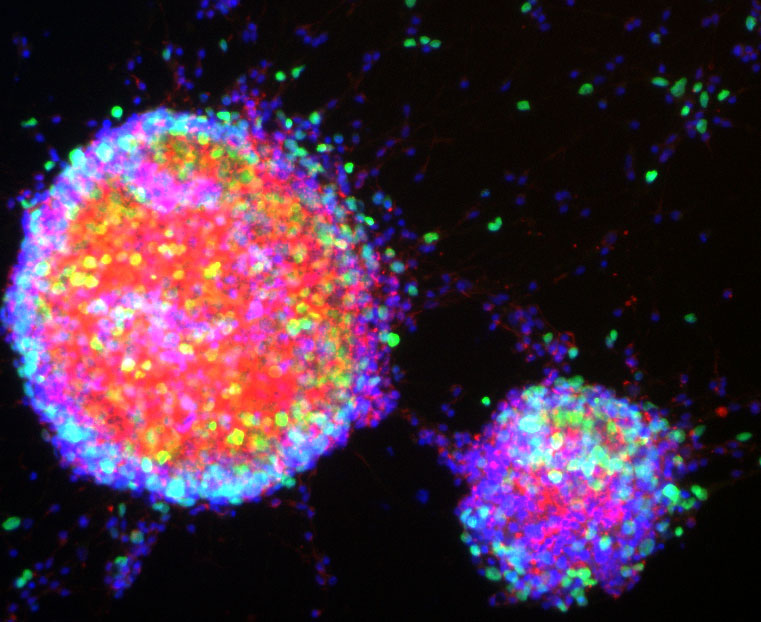
The paper is available online here. Image courtesy Andreas Patsalos.