NIH funding Archives - Page 7 of 7 - Sanford Burnham Prebys
Institute News

Why people with Down syndrome invariably develop Alzheimer’s disease

Authorsgammon
Date

October 23, 2014

A new study by researchers at Sanford-Burnham reveals the process that leads to changes in the brains of individuals with Down syndrome—the same changes that cause dementia in Alzheimer’s patients. The findings, published in Cell Reports, have important implications for the development of treatments that can prevent damage in neuronal connectivity and brain function in Down syndrome and other neurodevelopmental and neurodegenerative conditions, including Alzheimer’s disease.

Down syndrome is characterized by an extra copy of chromosome 21 and is the most common chromosome abnormality in humans. It occurs in about one per 700 babies in the United States, and is associated with a mild to moderate intellectual disability. Down syndrome is also associated with an increased risk of developing Alzheimer’s disease. By the age of 40, nearly 100 percent of all individuals with Down syndrome develop the changes in the brain associated with Alzheimer’s disease, and approximately 25 percent of people with Down syndrome show signs of Alzheimer’s-type dementia by the age of 35, and 75 percent by age 65. As the life expectancy for people with Down syndrome has increased dramatically in recent years—from 25 in 1983 to 60 today—research aimed to understand the cause of conditions that affect their quality of life are essential.

“Our goal is to understand how the extra copy of chromosome 21 and its genes cause individuals with Down syndrome to have a greatly increased risk of developing dementia,” said Huaxi Xu, PhD, professor in the Degenerative Diseases Program and senior author of the paper. “Our new study reveals how a protein called sorting nexin 27 (SNX27) regulates the generation of beta-amyloid—the main component of the detrimental amyloid plaques found in the brains of people with Down syndrome and Alzheimer’s. The findings are important because they explain how beta-amyloid levels are managed in these individuals.”

Beta-amyloid, plaques, and dementia

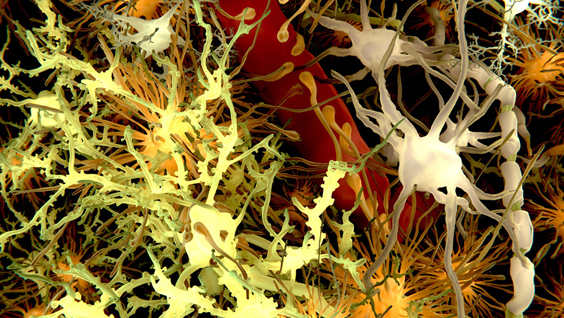
Xu’s team found that SNX27 regulates beta-amyloid generation. Beta-amyloid is a sticky protein that’s toxic to neurons. The combination of beta-amyloid and dead neurons form clumps in the brain called plaques. Brain plaques are a pathological hallmark of Alzheimer’s disease and are implicated in the cause of the symptoms of dementia.

“We found that SNX27 reduces beta-amyloid generation through interactions with gamma-secretase—an enzyme that cleaves the beta-amyloid precursor protein to produce beta-amyloid,” said Xin Wang, PhD, a postdoctoral fellow in Xu’s lab and first author of the publication. “When SNX27 interacts with gamma-secretase, the enzyme becomes disabled and cannot produce beta-amyloid. Lower levels of SNX27 lead to increased levels of functional gamma-secretase that in turn lead to increased levels of beta-amyloid.”

SNX27’s role in brain function

Previously, Xu and colleagues found that SNX27-deficient mice shared some characteristics with Down syndrome, and that humans with Down syndrome have significantly lower levels of SNX27. In the brain, SNX27 maintains certain receptors on the cell surface—receptors that are necessary for neurons to fire properly. When levels of SNX27 are reduced, neuron activity is impaired, causing problems with learning and memory. Importantly, the research team found that by adding new copies of the SNX27 gene to the  brains of Down syndrome mice, they could repair the memory deficit in the mice.

The researchers went on to reveal how lower levels of SNX27 in Down syndrome are the result of an extra copy of an RNA molecule encoded by chromosome 21 called miRNA-155. miRNA-155 is a small piece of genetic material that doesn’t code for protein, but instead influences the production of SNX27.

With the current study, researchers can piece the entire process together—the extra copy of chromosome 21 causes elevated levels of miRNA-155 that in turn lead to reduced levels of SNX27. Reduced levels of SNX27 lead to an increase in the amount of active gamma-secretase causing an increase in the production of beta-amyloid and the plaques observed in affected individuals.

“We have defined a rather complex mechanism that explains how SNX27 levels indirectly lead to beta-amyloid,” said Xu. “While there may be many factors that contribute to Alzheimer’s characteristics in Down syndrome, our study supports an approach of inhibiting gamma-secretase as a means to prevent the amyloid plaques in the brain found in Down syndrome and Alzheimer’s.”

“Our next step is to develop and implement a screening test to identify molecules that can reduce the levels of miRNA-155 and hence restore the level of SNX27, and find molecules that can enhance the interaction between SNX27 and gamma-secretase. We are working with the Conrad Prebys Center for Chemical Genomics at Sanford-Burnham to achieve this,” added Xu.

#  #  #

 This research was supported in part by US NIH/National Cancer Institute Grant AG038710, AG021173, NS046673, AG030197 and AG044420, and grants from the Alzheimer’s Association, the Global Down Syndrome Foundation, the BrightFocus Foundation (formerly the American Health Assistance Foundation) and the National Natural Science Foundation of China.

To link to the paper click: http://www.cell.com/cell-reports/abstract/S2211-1247(14)00820-1

Institute News

New molecular markers for prostate cancer identified

Authorsgammon
Date

October 9, 2014

A team of scientists led by Sanford-Burnham’s Ranjan J. Perera, PhD, has identified a set of RNA molecules that are detectable in tissue samples and urine of prostate cancer patients, but not in normal healthy individuals. The study sets the stage for the development of more-sensitive and specific non-invasive tests for prostate cancer than those currently available, which could result in fewer unnecessary prostate biopsies with less treatment-related morbidity, according to a new study in The Journal of Molecular Diagnostics.

According to the American Cancer Society, prostate cancer is the second most common type of cancer in American men (behind skin cancer), and the second-leading cause of cancer death in men (after lung cancer). In 2014, more than 230,000 new cases of prostate cancer will be diagnosed. One in seven American men will get prostate cancer during his lifetime, and one in 36 will die from it. Since most men with prostate cancer have indolent (non-aggressive) disease for which conservative therapy or surveillance would be appropriate treatment, the clinical challenge is not only how to identify those with prostate cancer, but also how to distinguish those who would benefit from surgical or other aggressive treatment from those who would not.

https://youtube.com/watch?v=2QrZdTWljmA%3Ffeature%3Doembed

The role of the PSA test

Today, prostate cancer is primarily detected and monitored by testing for high concentrations of prostate-specific antigen (PSA) in blood samples. High PSA levels are often followed by a biopsy to confirm the presence of cancer, and whether it’s slow growing or aggressive. “While elevated PSA can be an alert to a lethal cancer, it can also detect less aggressive cancers that may never do any harm,” said Vipul Patel, MD, medical director of the Global Robotics Institute at Florida Hospital in Orlando, and co-author of the study. “Moreover, only 25 percent of men with raised PSA levels that have a biopsy actually have prostate cancer. Prostate cancer needs to be screened for; we just need to find a better marker.”

The researchers believe that they have identified a group of RNA molecules – known as long noncoding RNAs (lncRNAs) – that hold the potential for serving as better prognostic markers for prostate cancer. lncRNAs are noncoding RNA molecules that until recently were dismissed by scientists as non-functional noise in the genome. Now, lncRNAs are thought to regulate normal cellular development and are increasingly reported as contributing to a range of diseases, including cancer.

Detection of lncRNAs in urine

“We have identified a set of lncRNAs that appear to have an important role in prostate cancer diagnostics,” said Perera, associate professor and scientific director of Analytical Genomics and Bioinformatics at our Lake Nona campus. “The findings advance our understanding of the role of lncRNAs in cancer biology and, importantly, broaden the opportunity to use lncRNAs as biomarkers to detect prostate cancer.”

The study profiled the lncRNAs in three distinct groups: (1) human prostate cancer cell lines and normal prostate epithelial cells, (2) prostate adenocarcinoma tissue samples and matched normal tissue samples, (3) urine samples from patients with prostate cancer or benign prostate hypoplasia, and normal healthy individuals. In each case, the lncRNAs were elevated in prostate cancer patient samples, but not in patients with benign prostate hypoplasia or normal healthy individuals.

One advantage of lncRNAs is that the molecules can be detected in urine samples, which are more easily available than blood tests. One lncRNA, PCA3, was recently commercialized as a urine test to identify which men suspected of having prostate cancer should undergo repeat prostate biopsy. However, discrepancies have been found to exist between PCA3 levels and clinicopathologic features, said Perera. In the current study, PCA3 was detected in some, but not all of the study samples, suggesting that reliance on a single biomarker may be insufficient for prostate cancer detection, while combining additional markers may increase the specificity and sensitivity of the test.

“There is a tremendous unmet clinical need for better non-invasive screening tools for early detection of prostate cancer to reduce the overtreatment and morbidity of this disease,” added Patel. “Our findings represent a promising approach to meet this demand.”

Technical details of the study

The goal of the first experiment was to see whether lncRNAs are differentially expressed in prostate cancer by measuring total RNA from prostate cancer cell lines and normal epithelial prostatic cells using NCode human ncRNA array and SurePrint G3 human lncRNA microarrays. Hierarchical clustering revealed distinguishable lncRNA expression profiles. Thirty lncRNAs were up-regulated and the expression levels of three top-ranking candidates [XLOC_007697, LOC100287482, and AK024556 (also known as SPRY4-IT1)] were confirmed in prostate cancer cell lines by quantitative real-time polymerase chain reaction (qPCR) analysis. The SPRY4-IT1 was found to be up-regulated more than 100-fold in PC3 cells compared with prostatic epithelial cells.

In a second experiment, lncRNA expression was compared in pooled prostate cancer tissue samples and matched normal tissues from 10 frozen biopsy specimens. Hierarchical clustering of the differentially expressed lncRNAs was observed and 10 up-regulated lncRNAs were detected using microarrays. An additional set of 18 prostate cancer tissue samples was analyzed by qPCR and five lncRNAs were found to be significantly higher in prostate tumor tissues compared with matched normal tissues.

Researchers used qPCR to analyze total RNA isolated from urine in another experiment. Urine was collected from 13 prostate cancer patients and 14 healthy controls. All six lncRNAs were found to be significantly up-regulated in the urine samples from the prostate cancer patients compared with normal patient controls, while there were no differences between normal and benign prostatic hyperplasia patient samples.

In other studies focused particularly on SPRY4-IT1. Using both qPCR and highly sensitive droplet digital PCR, expression of SPRY-IT1 was found to be increased in 16 of 18 (89 percent) tissue samples from patients with prostatic adenocarcinoma, compared to normal tissue samples. The researchers developed chromogenic in situ hybridization (CISH) techniques to visualize SPRY4-IT1 expression in cancerous and matched normal tissue. Intense staining was seen in all adenocarcinoma samples, but not in normal prostatic tissue. Finally, the investigators showed that reduction of SPRY4-IT1 in prostate cancer cells through the use of small interfering RNA (siRNA) leads to decreased cell viability and cellular invasion as well as increased apoptosis, similar to what is seen in melanoma cells.

About the paper

“Long Noncoding RNAs as Putative Biomarkers for Prostate Cancer Detection,” by Bongyong Lee, Joseph Mazar, Muhammed Nauman Aftab, Feng Qi, John Shelley, Jian-Liang Li, Subramaniam Govindarajan, Felipe Valerio, Inoel Rivera, Tadzia Thurn, Tien Anh Tran, Darian Kameh, Vipul Patel, and Ranjan J. Perera, DOI: http://dx.doi.org/10.1016/j.jmoldx.2014.06.009. Published online ahead of The Journal of Molecular Diagnostics, Volume 16, Issue 6 (November 2014) published by Elsevier.

This research was supported by NIH/National Cancer Institute Grant 5P30CA030199 and the International Prostate Cancer Foundation.

Institute News

Sanford-Burnham hosts the Titan Microscope Inauguration Symposium and Reception

Authorrbruni
Date

August 22, 2014

Dorit Hanein, PhD, professor in the Bioinformatics and Structural Program, hosted the Titan Microscope Inauguration Symposium and reception on August 21 at our La Jolla, Calif., campus. The Titan Krios, a state-of-the-art electron microscope, will help our scientists visualize cells, viruses, and bacteria at the atomic level.

The symposium was held to inaugurate the new Titan Krios Transmission Electron Microscope (FEI Company) in honor of our Institute founders Dr. William and Lillian Fishman, who acquired the Institute’s first microscope over 35 years ago and began a legacy of cutting-edge technology that is continued today.

The symposium’s distinguished speakers included more than 14 presenters from peer research institutes, including UC San Diego, The Scripps Research Institute, Caltech, Stanford, and the National University of Singapore.

Guests enjoyed a full day of presentations focused on cutting-edge research in the fields of biophotonics and bioinformatics. Hot topics included the challenges of data processing, connecting cell structures with functions, specimen preparation to maximize results, and real-time analysis of pathogens.

Following the symposium, guests and donors gathered in Chairmen’s Hall for a cocktail reception and tour of the new Titan Krios suite. Kristiina Vuori, MD, Ph.D., president of Sanford-Burnham, led a short program describing the importance of having access to such an advanced instrument for our researchers and the quality of their work.

Ze’ev Ronai, scientific director of Sanford-Burnham in La Jolla, also said a few words, specifically sharing how Jonas Salk of the Salk Institute for Biological Studies generously gifted the first electron microscope to Dr. William Fishman over 35 years ago.

Finally, Nina Fishman, Dr. William and Lillian Fishman’s daughter, joined the reception and praised the Institute’s continued commitment to her parent’s vision for the Institute. A beautiful brushed metal plaque bearing our founder’s image was unveiled shortly after the remarks concluded.

The plaque is permanently mounted on the wall directly outside of the new Titan Microscope suite. It is placed there to honor the Institute’s outstanding commitment to employing the latest and most advanced technology available to accelerate and improve the quantity and quality of our researchers’ discoveries.

About the Titan Krios Microscope

The Titan microscope is a rare state-of-the-art electron microscope specifically designed and developed for life science and medical research applications. It is not a traditional electron microscope, but rather a cryo-electron microscope, meaning that samples within it are frozen at the temperature of liquid nitrogen (between -346°F and -320°F)—the microscope’s operating temperature—and they are never exposed to any form of dehydration. This technique produces the most-accurate imaging results.

Produced by the FEI Company of Hillsboro, Ore., the Titan Microscope is a very exceptional instrument. There are only a handful of them in the U.S. and fewer than 45 total worldwide. The purchase of this $5.5-million instrument was made possible through an NIH Shared Instrumentation Grant.

Institute News

Genes promote hardening of arteries in type 2 diabetes

Authorsgammon
Date

July 15, 2014

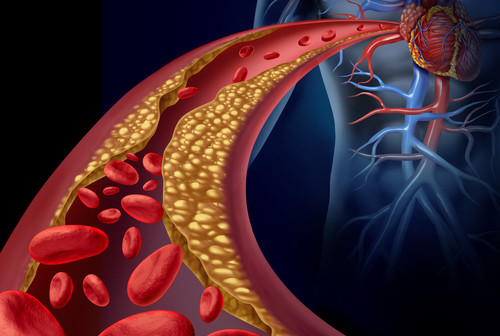
Type 2 diabetes has become a national epidemic, affecting nearly 26 million children and adults in the U.S. and approximately 170 million worldwide. According to the American Diabetes Association, $245 billion in costs are associated with diabetes, and 1 in 5 health-care dollars is spent caring for diabetics. A significant portion of the health costs associated with diabetes are those attributed to complications of the disease—including heart attacks, heart failure, stroke, dementia, chronic kidney disease, and amputations of the lower limbs. These complications emerge partly from hardening of the arteries caused by calcium deposits—a process known as arterial calcification—and are much more common in type 2 diabetics than in non-diabetics.

Dwight Towler, MD, PhD, professor and director of the Cardiovascular Pathobiology Program at Sanford-Burnham, has been actively researching the molecular causes of arterial calcification for more than a decade. Finding a way to prevent cardiovascular calcification could improve the vascular health of type 2 diabetes and prevent many of the associated medical complications.

In Towler’s previous work, he found that the assumption that arterial calcification was a natural, passive process that happens when cells die was incorrect. Instead, he showed that when the metabolism is disturbed—as in diabetes—calcium deposits are made by an active process that happens when key regulatory proteins erroneously trigger bone-formation genes in the arteries. Today, he is focused on those regulatory proteins, coded in the DNA by the Msx genes. Under normal conditions, Msx genes are essential for the formation of bones and teeth in the skull. But, in inflammatory conditions such as those associated with type 2 diabetes, the genes trigger the formation of calcium deposits in the arteries.

In his most recent study published on July 16 in the journal Diabetes, in collaboration with Dr. Robert Maxson of the University of Southern California, Towler’s research team examined the impact of Msx genes in mice genetically engineered to develop diabetes when fed high-fat diets. Previously, Towler showed how high-fat diets up-regulated the Msx genes in the aorta and coronary vessels of these mice, and caused calcium deposits via the Wnt paracrine signaling cascade. Now the question was: What would happen if Msx genes were absent in these mice?

“We were pleased to find that down-regulation of the Msx genes did indeed reduce the arterial calcification and vascular stiffness associated with diabetes,” said Towler. Our results are important because currently, there are no drugs to treat cardiovascular calcification. We have now identified four signaling pathways that represent targets for new drugs to intervene and inhibit the process.”

As a board-certified internist, Towler is committed to advancing these research findings to improve patient health and health care. “Our next step is to biochemically and genetically validate these pathways in human vascular disease—and identify drugs that improve vascular structure and function in mice. We are starting with lead compounds already tested in humans for other indications to see if we can repurpose those drugs to minimize the time it takes to get a treatment to the patients that suffer from this devastating complication of diabetes,” added Towler.

The study was performed in collaboration with the Norris Cancer Center, University of Southern California (CA),  Washington University in St. Louis (MO), the Translational Research Institute for Metabolism and Diabetes (FL), and MD Anderson Cancer Center (TX).

Funding for the study was provided by NIH grants HL69229 and HL81138, the Barnes-Jewish Hospital Foundation, and Sanford-Burnham Medical Research Institute.