Peter Crawford Archives - Sanford Burnham Prebys
Institute News

Exciting diabetes and obesity research highlights from Medical City

AuthorDeborah Robison
Date

May 22, 2017

Center for Metabolic Origins of Disease

With more than one-third of adults in the U.S. considered obese, scientists are searching for new ways to treat obesity and associated health problems such as type 2 diabetes. Four researchers from Sanford Burnham Prebys Medical Discovery Institute (SBP) at Lake Nona have been invited to present new perspectives and insights at the American Diabetes Association’s 77th Scientific Sessions, to be held June 9-13, 2017, in San Diego. The conference is the world’s largest gathering of research experts and clinicians focused on diabetes research, prevention and care. The presentations will inform new treatment strategies for the nearly 30 million people diagnosed with diabetes.

Potential early therapeutic target for diabetes prevention
Obesity often leads to accumulation of fat in muscle and faulty machinery involved in taking up glucose from a meal to use it for energy, leading to type 2 diabetes. A recent advance from the laboratory of Daniel P. Kelly, MD, scientific director of SBP at Lake Nona, may lead to a way to stop this pre-diabetic state from advancing. Dr. Kelly will present findings on a recently discovered cellular glucose sensor in muscle that serves as a key connection between insulin resistance and accumulation of fat in muscle, which occurs in obesity-related diabetes. When the protein is inhibited in skeletal muscle cells, regulatory genes that influence glucose uptake and insulin signaling are enhanced. The team is now validating the pathway as a therapeutic target to prevent type 2 diabetes.

Fatty liver and type 2 diabetes
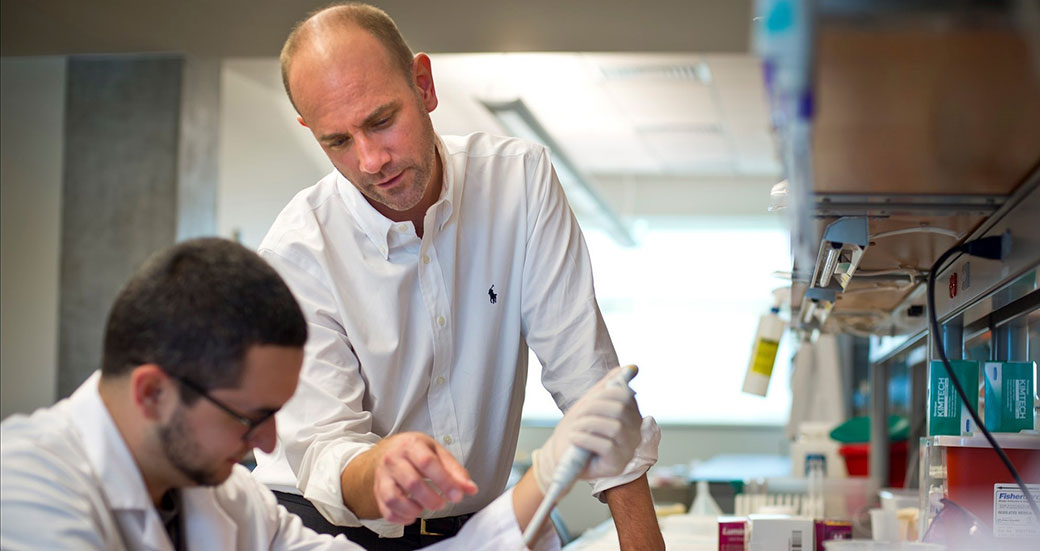
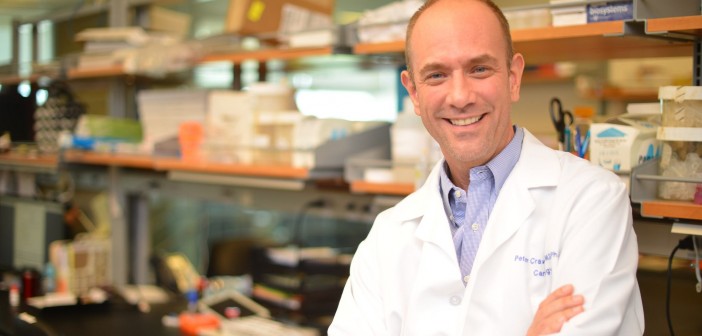
Peter Crawford, MD, PhD, director of SBP’s Cardiovascular Metabolism Program, is studying the root causes of nonalcoholic fatty liver disease (NAFLD), a condition that affects nearly 80 percent of people with type 2 diabetes. About 5 percent of NAFLD cases advance to liver cirrhosis – a disease characterized by scarring and fibrosis that could require liver transplant. Dr. Crawford is an expert on how the liver processes energy derived from food. At the ADA meeting, he will discuss how the interruption of normal fat metabolism can lead to enhanced scarring. Through ongoing research, he hopes to be able to specifically identify which diabetes patients are at risk of developing advanced liver disease and to develop therapies that protect against disease progression.

Brain nutrient sensors help maintain energy balance
Diabetes researcher Julio Ayala, PhD wants to understand how specialized regions in the brain control food intake, energy expenditure and body weight. His ADA presentation will focus on how nutrient-sensors that control the balance between energy-consuming and energy-producing processes in almost every cell in our bodies also play a very specific role in the brain. His research shows that hormones, such as glucagon-like peptide-1 (GLP-1) regulate the activities of these brain nutrient sensors to influence hunger, satiety and ultimately body weight. Defective sensors are implicated in obesity and could be a target for new therapeutic treatments.

Glucose Sensor in Macrophages
Insulin resistance is a key feature of type 2 diabetes. When present, the impairment prevents insulin from getting glucose into muscle where it’s used for energy, and instead causes blood sugars to become elevated. The events that drive the development and progression of insulin resistance are not known. Laszlo Nagy, MD, PhD, director of SBP’s Genomic Control of Metabolism Program, will present new research that suggests that the inflammatory process—and specifically a type of white blood cells called macrophages—are involved. He will present a novel hypothesis on the role of macrophages, defined in Greek as “big eaters”, and identify molecules involved in muscle growth and glucose metabolism. His research aims to reveal cellular interactions that could become new therapeutic targets to treat type 2 diabetes.

Institute News

Simulation matters at Lake Nona Research Day, from cells to big data

AuthorCommunications
Date

October 14, 2016

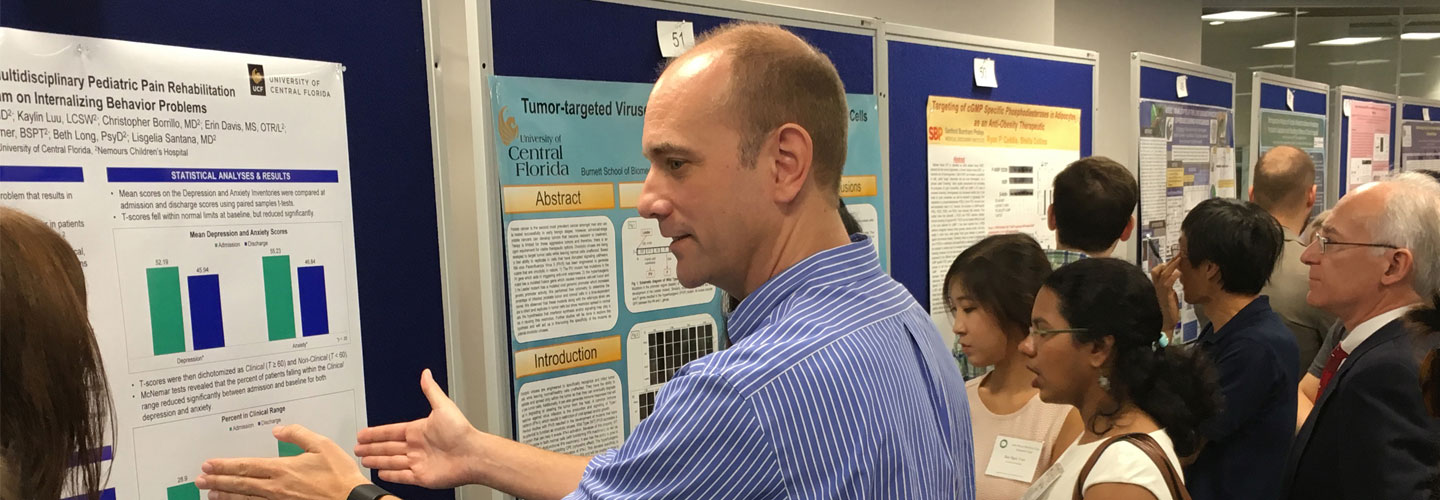
Scientists, physicians and trainees recently gathered at the first Lake Nona Research Day to share the latest research and technologies that are contributing to innovations in health care.. The event brought together senior and junior practitioners from Medical City’s five institutions.

“As we planned the symposium, we decided to focus on the trainees, who then became the glue that brought everything together,” said Philip Wood, D.V.M., PhD, director of academic affairs at Sanford Burnham Prebys Medical Discovery Institute (SBP) at Lake Nona and chair of the Medical City Research Council. “Their enthusiasm to share their science is evident in the 120 research posters that highlight the research emerging from SBP, the University of Central Florida, the University of Florida, Nemours Children’s Hospital, and the Orlando VA Medical Center.” The symposium was presented by the Lake Nona Institute.

Disease modeling by high-tech simulation and data mining were themes of featured talks. Lawrence Lesko, PhD, professor, Center for Pharmacometrics at UF, described using biosimulation to project drug performance in virtual patients. “What we do is like a flight simulator—we evaluate drug impact before testing in patients, frequently focusing on drug-drug interactions,” said Lesko.   

Similarly, Daniel Kelly, MD, scientific director of SBP at Lake Nona, spoke about his lab’s work to study the changes in mitochondria function that are seen in heart failure patients and to simulate disease in a dish using human induced pluripotent stem cell-derived cardiomyocytes.  “We need to become mitochondrial doctors to treat heart failure,” said Kelly. “These models will help us discover therapeutic approaches tailored to the etiology of a subset of heart failure cases that could be given earlier than current treatments.”

Steven Kern, PhD, deputy director, Quantitative Sciences at the Bill and Melinda Gates Foundation, delivered the keynote on using data to decide how to invest $1 billion in precision public health projects on a global scale. “We build drug-disease models to determine how to prevent epidemics like malaria. In our Healthy Birth and Growth Project, we model real-world data to determine the right interventions, in the right dosage, to get the right response—to get children to the healthiest stage at 100 days of life,” explained Kern. 

David Odahowski, president and CEO of the Edyth Bush Charitable Foundation, which sponsored the symposium, concluded the program by observing that innovation often comes from the intersection of disciplines. “I think what we learned today is that collaboration is the true measure of success and that is especially true here in Medical City.”

Institute News

SBP scientists reflect on progress in diabetes research

AuthorDeborah Robison
Date

June 23, 2016

“The most significant advances in diabetes treatment, which were underscored at the ADA meeting, is the clinical evidence that two newer classes of anti-diabetic drugs significantly improve cardiovascular outcomes and overall mortality. These drug families are insulin secretion enhancers such as liraglutide (LEADER trial) and drugs that promote glucose elimination in the urine, such as canagliflozin and empagliflozin (EMPA-REG OUTCOME trial). This has major impact because reducing the risk of heart disease is always the end goal in treating diabetes—the association with heart disease is what makes type 2 diabetes so serious. These trials also present a remarkable opportunity for basic researchers—many of us, including several here in Lake Nona, study how drugs in these classes affect metabolism. The answers to those questions should lead to new drug targets that are even more specific and precision-oriented.”

Peter Crawford, MD, PhD
Associate Professor and Director
Cardiovascular Metabolism Program

“From the sessions that I saw, there was a significant emphasis on combination treatments—either combining two or more already approved drugs that have related functions or generating fusions of multiple protein drugs. An example of the former is the combination of basal insulin and glucagon-like peptide-1 receptor agonists to control fasting and post-meal glucose levels, respectively. With regards to fusion proteins, there were many posters and presentations highlighting efforts to generate dual and triple combinations that would lower glucose and aid weight loss. These approaches may reduce the need for patients to take multiple drugs and therefore improve efficacy and patient adherence.”

Julio Ayala, PhD
Associate Professor
Integrative Metabolism Program
ADA Thomas R. Lee Career Development Award Recipient ’14

“During the ADA meeting two symposia and numerous other presentations examined evidence implicating gut microbiota in the development of type 1 and type 2 diabetes. I am personally enthusiastic about the potential of novel therapeutic strategies that either prevent harmful changes in gut microbiota or even directly transplant “therapeutic” microbial species. Nevertheless, our current understanding of the potential mechanisms is very limited due to the complex factors affecting the microbiome such as the host’s genetics and the environment (diet, antibiotic use, history of infections etc.).”

George Kyriazis, PhD
Assistant Professor
Integrative Metabolism Program

“Of particular interest to me were the symposia on experimental strategies for understanding how the brain controls metabolism. Specifically, optogenetics and magnetogenetics are emerging as two powerful research tools for this purpose, and involve genetically modifying neurons to express either light- or magnetic field-sensitive proteins so that their activity can be controlled with fiber optic light or magnets, respectively. These sophisticated techniques will help investigators delineate which regions in the brain play a critical role in regulating blood glucose, which could lead to more effective therapies for diabetes and obesity.”

Melissa Burmeister, PhD
Staff Scientist
Dr. Julio Ayala Lab


Institute News

NIH awards $4.7M in funding for metabolism research in Lake Nona

AuthorJessica Moore
Date

June 22, 2016

Peter Crawford, MD, PhD, associate professor and director of the Cardiovascular Metabolism Program, and E. Douglas Lewandowski, PhD, professor and director of Cardiovascular Translational Research, have each been awarded R01 grants to continue their pioneering research on metabolic diseases.

Crawford’s innovative research will investigate whether boosting a type of metabolism called ketogenesis can prevent and treat both non-alcoholic fatty liver disease (NAFLD) and type 2 diabetes. Ketogenesis, which increases when the diet is low in carbohydrates, is the process by which fats in the liver are broken down into small molecules called ketone bodies that can be burned for energy by the rest of the body. Crawford was the first to show that ketogenesis is important even in a normal diet, and is an opinion leader in the field of cardiometabolic research.

“This funding will support our studies to see if ketogenesis can be leveraged as a safe way to eliminate excess calories, even when the carbohydrates are abundant,” said Crawford. “This could lead to a revolutionary type of therapy for these epidemic disorders.”

NAFLD affects approximately one billion individuals worldwide and has become a leading cause of cirrhosis, which can lead to liver cancer. Type 2 diabetes is a similarly enormous public health problem, as almost 400 million people have the condition, often only diagnosed after complications arise, such as nerve damage, kidney problems, and vision loss. Both diseases increase the risk of heart attacks and stroke.

The second grant will support Lewandowski’s lab in studying fatty acid metabolism in heart failure, the condition in which the heart cannot pump sufficient blood to supply the body with oxygen. He is preeminent among investigators who focus on the metabolic basis of this form of heart disease.

Heart failure, which can severely limit patients’ ability to complete day-to-day tasks, impacts more than 23 million people globally. While management of this condition is improving, only 50% of patients will survive five years after diagnosis.

Lewandowski has previously shown that as the heart progresses toward failure, it becomes inefficient in utilizing fuels, like fats and carbohydrates. He was the first to demonstrate the appearance of a key protein that is expressed genetically during progression of heart failure to alter how fats are oxidized. His new grant will enable the lab to target this enzyme with therapeutic protocols to potentially reverse the decline in energy available for the pumping ability of diseased hearts.  He also recently demonstrated that oleate, a common dietary fat found in olive oil, restores proper metabolism and enhances pumping power in an animal model of heart failure, and the new grant will further the investigation of how certain dietary fats affect diseased hearts.

“We will examine the cellular events underlying oleate’s effects,” said Lewandowski. “We’re confident that this will lead to new therapeutic targets to preserve heart function. This would fill a pressing need, as no current treatments directly interfere with the mechanisms that cause progressive damage to heart muscle.”

Institute News

Peter Crawford, MD, PhD, elected to the American Society for Clinical Investigation

Authorjmoore
Date

April 19, 2016

The director of SBP’s Cardiovascular Metabolism Program was recently elected into a pre-eminent honor society for physician-scientists. Peter Crawford, MD, PhD, was one of 74 medical researchers whose nominations to the American Society for Clinical Investigation (ASCI) were accepted in 2016. This distinction is conferred only on investigators who have made significant scientific advances prior to the age of 50. Continue reading “Peter Crawford, MD, PhD, elected to the American Society for Clinical Investigation”

Institute News

10 years of studying metabolism, nutrition, and human energy—what have we REALLY learned?

Authorsgammon
Date

August 17, 2015

Every day we read or hear something about a food that is bad for us, a fruit that will help us lose weight, or a supplement that will extend our lives beyond their natural endpoint. Unquestionably, every year a significant amount of money, research, and time is spent exploring the cause and prevention of obesity, diabetes, heart disease, and the myriad of other metabolic conditions that affect our health and well-being. But what do scientists think are the truly important things we have learned about our metabolism, diet, and exercise over the last decade?  And how is this leading to the next-generation of medicines to treat metabolic disorders? Continue reading “10 years of studying metabolism, nutrition, and human energy—what have we REALLY learned?”

Institute News

Ketogenesis prevents fatty liver disease

Authorsgammon
Date

January 12, 2015

A new study, published in the Journal of Clinical Investigation, suggests that ketogenesis may prevent non-alcoholic fatty liver disease (NAFLD). NAFLD is term used to describe the accumulation of fat in the liver of people who drink little or no alcohol. It affects approximately one billion individuals worldwide, has become a leading cause of cirrhosis, and increases the risk of cardiovascular disease, including heart attacks and stroke. Continue reading “Ketogenesis prevents fatty liver disease”

Institute News

Happy Holidays from Sanford-Burnham!

Authorpbartosch
Date

December 23, 2014

As the year draws to a close, we look back on Sanford-Burnham’s many achievements in 2014. Over the year, our scientists published numerous papers in high-profile journals; secured significant grant funding; partnered with companies, institutes, and nonprofit organizations from across the country and the globe; and they took important steps toward our ultimate goal – to have a tangible impact on human health. Here are 14 accomplishments of 2014 that we are proud to share with you: Continue reading “Happy Holidays from Sanford-Burnham!”

Institute News

Sanford-Burnham welcomes two new scientists to Lake Nona

Authorpbartosch
Date

October 29, 2014

We’re excited to announce that we have recruited two cardiometabolic experts to our Medical City campus in Lake Nona (Orlando), Fla. Peter A. Crawford, MD, PhD, and Andre d’Avignon, PhD, join our Cardiovascular Pathobiology Program from Washington University in St. Louis, Mo. The increasing density of local scientists and clinicians in Orlando is accelerating the growth of the region’s bio-medical industry, promoting both economic development and the quality of health care. Continue reading “Sanford-Burnham welcomes two new scientists to Lake Nona”

Institute News

The hungry heart

Authorsgammon
Date

September 4, 2014

A normal healthy heart has the ability to choose its fuel from the menu of bioavailable substrates in the body. Glucose and fatty acids are the most common substrates, and the healthy heart switches seamlessly between the two depending on which is most available. For example, if you eat a candy bar, there is ample glucose in the blood, and the heart primarily uses that as its fuel source. In contrast, after going without food for some time, blood-sugar levels drop and the heart switches to fatty acids to provide its energy. The heart needs energy to contract, relax, repair, and rejuvenate itself. Continue reading “The hungry heart”