polymerase chain reaction Archives - Sanford Burnham Prebys
Institute News

Hud Freeze and the discovery that changed the world

AuthorScott LaFee
Date

November 4, 2025

Basic research is sometimes mocked or misunderstood because its ultimate value to human society may not be obvious. Most modern advances in medicine, science and technology originated with basic research that created new knowledge and laid the path to greater health and prosperity.

In the October 29 issue of Nature, the journal celebrates “7 basic science discoveries that changed the world.” Among them, the discovery of a heat-loving bacterium named Thermus aquaticus in a Yellowstone National Park hot spring by microbiologist Thomas Brock (1926-2021) and his undergrad assistant Hudson Freeze, PhD, now director of the Sanford Children’s Health Research Center at Sanford Burnham Prebys.

“I was seeing something that nobody had ever seen before,” Freeze told the journal. “I still get goosebumps when I remember looking into the microscope.”

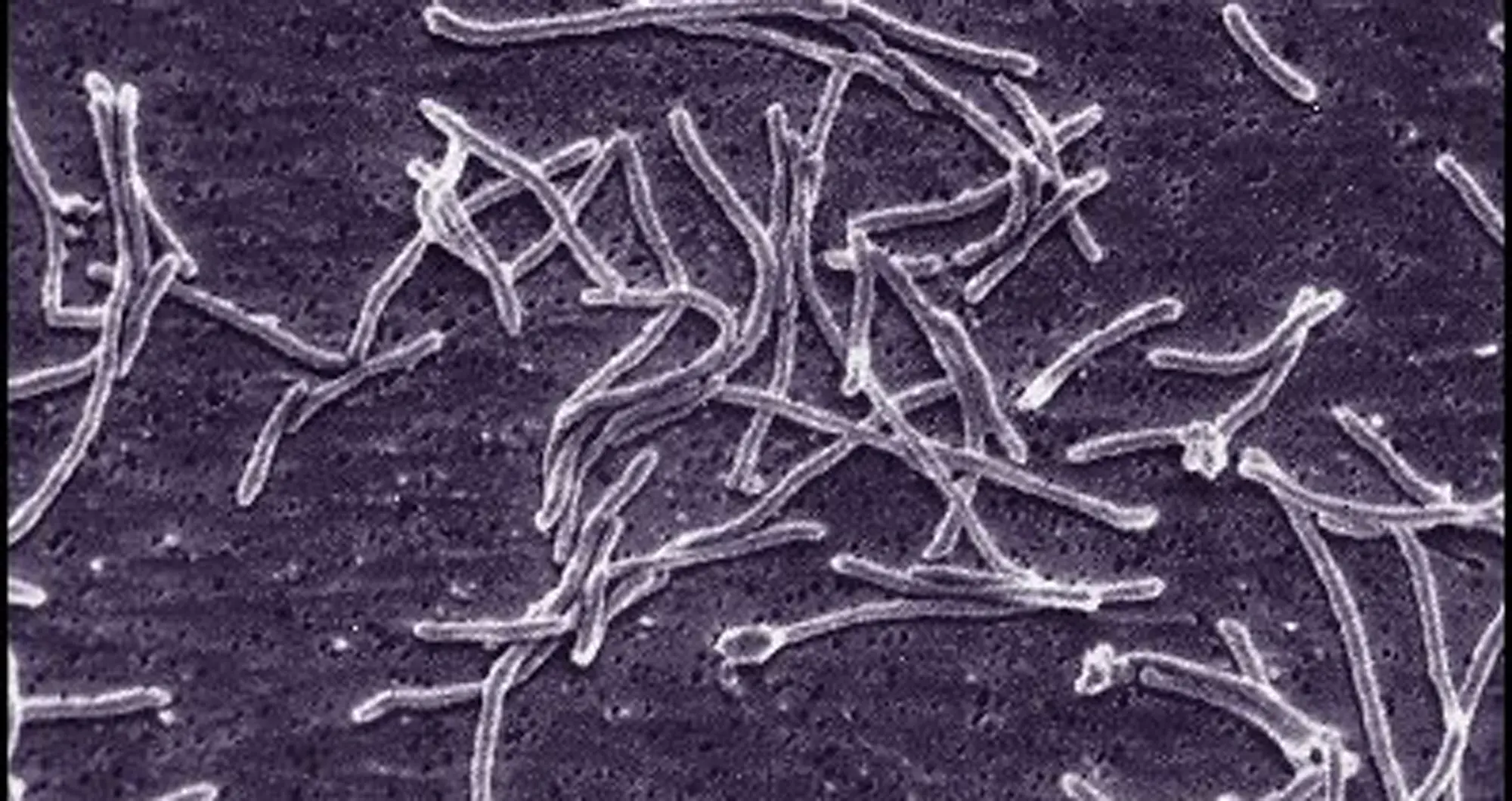
The discovery of T. aquaticus in 1966 and the isolation of a key bacterial enzyme by Brock and Freeze began the scientific journey that led to the development of the polymerase chain reaction or PCR, a method for rapidly making thousands of copies of a single fragment of DNA.

PCR has since proven to be an indispensable and ubiquitous tool throughout biomedical research and medicine.
Institute News

Hudson Freeze finds life in hot water

AuthorScott LaFee
Date

January 2, 2025

Hudson Freeze, PhD, director and professor of the Human Genetics Program, has a starring cameo in Veritasium’s video profile of Kary Mullis, PhD, (1944-2019), an American biochemist who shared the 1993 Nobel Prize in Chemistry for his role in the invention of polymerase chain reaction (PCR), which fundamentally altered biochemistry, the study of DNA and helped lead to the new field of biotechnology.

Freeze, then a undergraduate student in the lab of Indiana University microbiologist Thomas D. Brock, PhD, (1926-2021), discovered a new species of bacteria able to live in 160 degree F. hot springs at Yellowstone National Park. Conventional wisdom at the time said no life could survive such temperatures.

After days of finding nothing in water samples, Freeze said he detected a “little something on the bottom” of a tube. “So I got a little pipette out, took a little drop, put it under a microscope.

“I still get goosebumps, man, I’ll tell you. I still get goosebumps. I looked at it and here were all of these worms, just crawling around. I thought, ‘My God, I’m the first person in the world to ever see this.’

“There was a graduate student in the lab and this graduate student says, ‘Well, I think we ought to call it ‘Hudsoniae Freeziensis.’

Instead, Brock and Freeze would name the novel bacterium Thermus aquaticus, learn how to cultivate it and publish their findings in 1969. Enzymes from T. aquaticus, which had evolved to function in extremely hot temperatures, would eventually provide a key tool  Mullis deployed to create PCR, which artificially amplifies minute DNA segments.