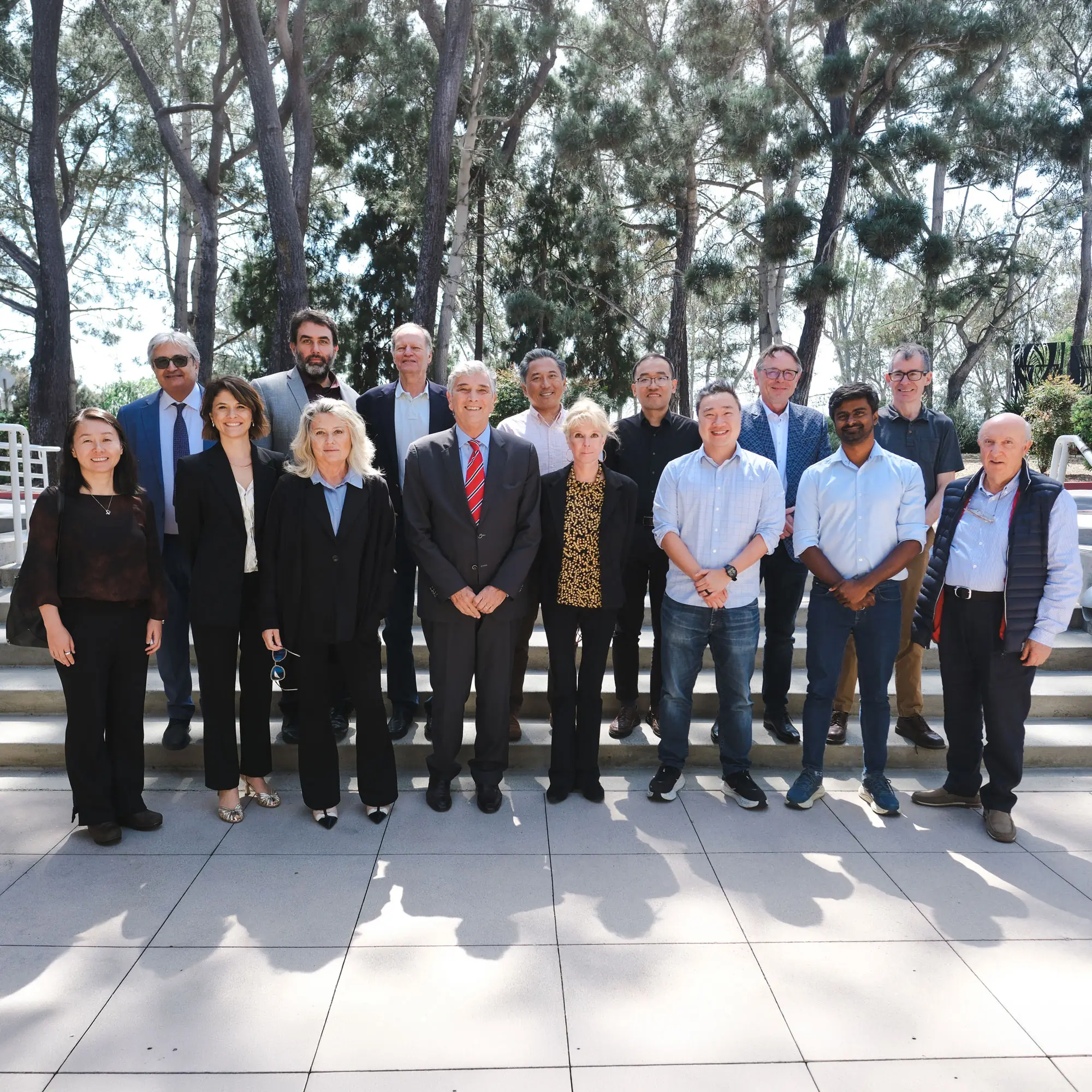
The Cilento Initiative on Aging Outcomes (CIAO) held its 11th annual research symposium May 22 at Sanford Burnham Prebys Medical Discovery Institute, with more than a dozen scientists and physicians from Europe and the United States presenting new data and insights on human longevity and healthy aging.
The CIAO Study is international project to empirically identify key factors (biological, psychological and social) that promote healthy aging and extreme longevity. It is focused on the Natural Park of Cilento region in southern Italy, which is home to roughly 300 residents who are more than100 years old and in robust health.
(The broader region is notable for the long lives of its residents. It was the original source of research for Ancel Keys, the American physiologist who studied the influence of diet on health and first promoted the benefits of the Mediterranean diet.)
 “Italy is among the longest-lived countries in the world. And nowhere is that more dramatically illustrated than in the Cilento region,” said Salvatore Di Somma, MD, CIAO Study co-principal investigator and founder of Great Health Science, a network of public and private research organizations based in Rome, Italy.
“But living a long time in good health is the result of many, many factors not easily parsed. There are, of course, the basic characteristics, such as a healthy diet, exercise, a lifestyle of low stress and contentment, social engagement and ample sleep. But beneath these behavioral aspects lie the cellular hallmarks of aging, which we are seeking to identify and, if possible, therapeutically address.”
Launched in 2015, the CIAO Study leverages the latest tools and technologies (genetics, epigenetics, transcriptomics, metabolomics, proteomics, stem cells, RNA biology and environmental analyses among them) to pinpoint why residents of Cilento live healthy lives decades past the global average life expectancy of 73.5 years.
Specifically, scientists from Sanford Burnham Prebys, an independent, nonprofit biomedical research institute in San Diego, the Sanford Stem Cell Institute at University of California San Diego, University La Sapienza in Rome and Great Health Science, have followed a distinct cohort of centenarians and controls living in and around the coastal town of Acciaroli, located in southern Italian approximately 85 miles south of Naples.
 “Two major factors make the CIAO Study distinct and essential to better understanding human longevity and, more importantly, how we can all live longer, healthier lives,” said David A. Brenner, MD, co-principle investigator and president and CEO of Sanford Burnham Prebys.
“First is the concentration of centenarians living in the Cilento region, who provide unprecedented opportunities to really dig into the how’s and why’s of their long lives. And second, unlike much of the current research and knowledge about centenarians and longevity, our work is based and supported by rigorous, standardized scientific methodologies and accurate clinical information. It is not anecdotal or speculative. We can test our hypotheses generated by measurements.”
The CIAO Study is a cross-sectional, observational study consisting of two primary cohorts:
- 100 centenarians (age 95 and older) without dementia and 50 centenarians with diagnosed dementia
- 50 control participants (age 60-75) with no familial ties to the centenarians
- All reside within the Cilento region
All study participants provide regular blood samples for study, a clinical history and psychosocial assessment, a record of their nutritional habits and dietary patterns and undergo cognitive evaluation using standardized testing.
 The collected blood samples are shipped to U.S.-based scientists for deeper analyses, including metabolomics, cytokines, biomarkers, proteomics, single nuclear multiomics, genomics and other biomedical technologies.
“This is where the CIAO Study really stands apart,” said Tatiana Kisseleva, MD, PhD, a physician-scientist at UC San Diego School of Medicine and director of the Sanford Stem Cell Fitness and Space Medicine Center. “We are conducting the specific, targeted work necessary to inform and direct the next generation of studies and, ultimately, provide actionable answers, translating our findings into clinical solutions.
The May 22 symposium was a review and a preview, with CIAO Study researchers presenting early data and not-yet-published findings. Presentations were diverse. Among them:
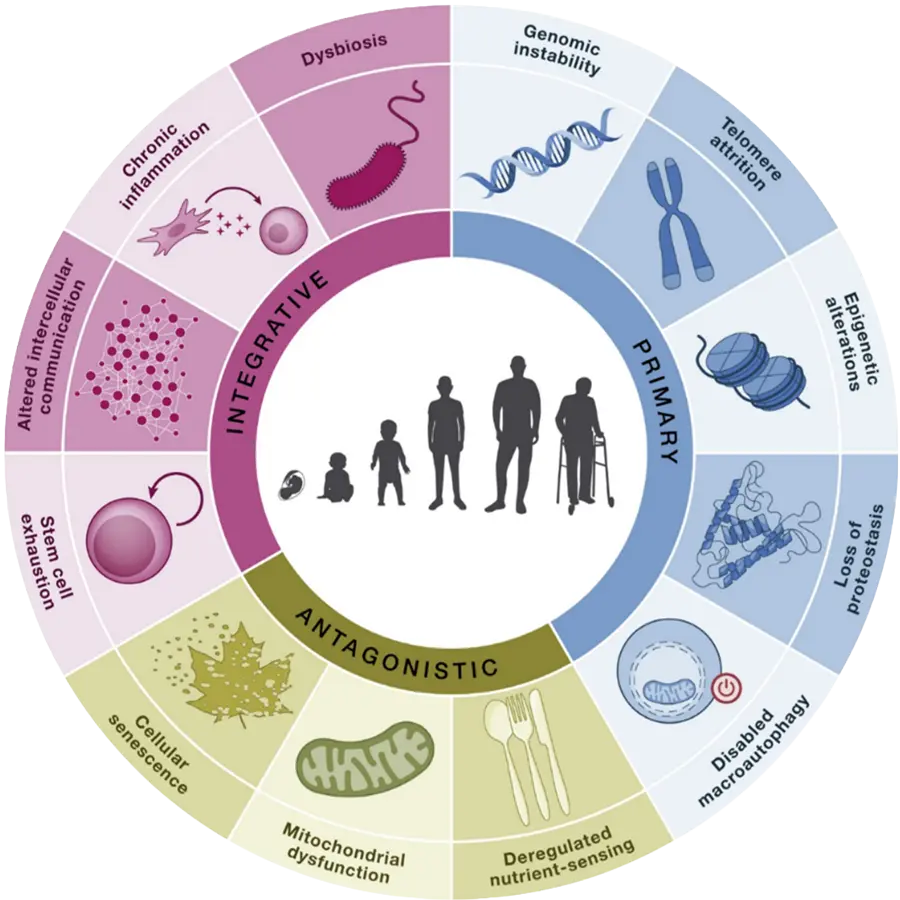
- Aging is a time-dependent accumulation of interacting biological failures and cellular damage, said Paola Antonini, MD, PhD, of Great Health Science Italy. Aging is currently studied through the so-called “hallmarks of aging.” The 12 current hallmarks are grouped into three categories: primary (genomic instability, telomere attrition, epigenetic alterations, loss of proteostasis and disabled macroautophagy), antagonistic (cellular senescence, mitochondrial dysfunction, deregulated nutrient-sensing) and integrative (stem cell exhaustion, altered intercellular communication, chronic inflammation, dysbiosis).
Antonini specifically discussed sirtuin-6, an enzyme and stress-responsive protein that regulates longevity. Studies in humans and other long-lived species have shown that enhanced DNA repair mechanisms coevolve with increased longevity.
Sirtuin-6 (SIRT6) may play a major role in this differential reparative efficiency across species.
SIRT6 functions as a nuclear NAD⁺-dependent deacetylase that epigenetically controls multiple stress, inflammatory, and metabolic pathways.
Fundamentally, damage to DNA is a unifying driver of aging, said Antonini. It contributes of many aspects, including tissue dysfunction and inflammaging, a state of chronic, low-grade and persistent inflammation that develops with age. Rather than healing an acute injury, the immune system becomes overactive yet inefficient, accelerating biological aging and increasing the risk of chronic diseases.
Antonini and others highlighted the critical importance of DNA methylation, an epigenetic process where chemical tags called methyl groups are added to the DNA molecule. This modification can turn genes “on” or “off” by changing gene activity without altering the underlying DNA sequence.
“DNA methylation Is the most critical epigenetic modification and plays a key role in regulating gene expression at cytosine–guanine sites (5-mCpG),” Antonini said. - Sheldon Morris, MD, MPH, clinical professor and deputy director for the Sanford Stem Cell Clinical Center’s CIRM Apha Clinic, highlighted some notable distinctions between centenarians (mean age: 96.1 years) and controls (mean age: 66.8 years):
- Centenarians’ blood pressure tended to be lower, as was their weight and body mass index, particularly among men.
- Most centenarians (78.4%) have never smoked compared to controls (58.9%).
- A majority of centenarians (69.8%) do not consume alcohol compared to controls (32.7%).
- Most centenarians (91.6%) get five or more hours of sleep per night compared to controls (38%).
- Mean total cholesterol levels for centenarians studied was 164.8 compared to 187.5 for controls. (For most adults, an ideal total cholesterol level is less than 200 mg/dL.)
- Metabolic dysfunction is a natural part of aging. Over time, the human body simply works less efficiently and less well. Mohit Jain, MD, PhD, founder and chief scientific officer of Sapient, a San Diego-based biomarker discovery lab, investigates whether aging is, in fact, driven by metabolic change.
Jain and colleagues compared metabolites — small molecules produced or used during metabolism — in blood samples from centenarians and others. The researchers found that 10% of the 30,000 metabolites measured were significantly different in centenarians: 900 in increased levels, 1,900 in lower levels.
The findings provide another way to assess aging beyond simple chronology, Jain said. “This is a metabolic clock. Metabolically, people can appear decades older than their birthdate age.” Centenarians, he noted, typically score years younger metabolically than their chronological age. - Computational biologist Sanju Sinha, PhD, an assistant professor at Sanford Burnham Prebys, reported that plasma proteomics (a systematic analysis of all proteins circulating in blood) among centenarians mostly follow normal aging, with the exception of roughly 57 fibrosis-pathway enriched genes. One gene in particular stood out: SERPINE1, a protein-coding gene that provides instructions for making Plasminogen Activator Inhibitor-1, which acts as a primary regulator of blood clotting and cellular aging. Initial studies suggest lowering levels of SERPINE1 may lengthen lifespan and reduce liver fibrosis risk. SERPINE1 is already in clinical trials for its association with cancers and metabolic and blood disorders.
- Andreas Bergmann, PhD, founder and CEO of Waltraut Bergmann Foundation and PAM Theragnostics GmbH, discussed the rising importance and relevance of petidylglycine alpha-amidating monooxygenase or PAM, an enzyme solely responsible for the C-terminal amidation of peptide hormones and neuropeptides.
Amidation is the final and crucial step in the activation of more than 60 peptide hormones. PAM-activated peptide hormones regulate key physiological processes, such as organ function, neuronal signaling, metabolism and digestion, reproduction, emotions, growth and aging. Recombinant PAM was strongly efficient in preclinical models for restoration of blood-brain barrier (BBB), improvement of cerebral blood flow, reduction of amyloid load and improvement of cognition.
In a general population, reduced circulatory PAM activity leading to incomplete activation of peptide hormones is associated with an increased risk of developing dementia. Pilot data indicates that Cilento residents have elevated levels of PAM and subsequently more complete amidation/activation of peptide hormones. Compared to central European populations, an amidated peptide hormone called adrenomedullin that regulates endothelial function, blood-brain barrier function and microcirculation is higher in Cilento residents.
A recent study has shown that the “Cilento lifestyle” can significantly increase PAM and improve amidation in circulation. Determining PAM-levels and amidation status could be tools/endpoints for future longevity research, Bergmann said. - Ludmil Alexandrov, PhD, professor at UC San Diego with joint appointments in bioengineering and cellular and molecular medicine, said CIAO centenarians appear to accumulate single point cell mutations and indels at lower rates in their genomes than controls. Indels are mutations caused by the insertion or deletion of bases in a DNA or RNA sequence. They are a fundamental type of genetic variation and different from point mutations where one base is simply swapped for another.
Alexandrov also noted that CIAO centenarians showed reduced telomere length attrition, suggesting slower hematopoietic or cellular aging. Telomeres are the protective, repetitive DNA caps at the ends of chromosomes. As people age and cells divide, these caps progressively shorten. The shortening serves as a biological clock, ultimately triggering cellular aging (senescence) and contributing to age-related diseases. - Peter D. Adams, PhD, professor at Sanford Burnham Prebys, discussed cell senescence and aging. Cell senescence occurs when cells permanently stop dividing, but remain metabolically active. While senescent cells can act as a barrier to cancer, their accumulation with aging drives tissue dysfunction, chronic inflammation and age-related diseases.
Adams described experiments with aged mice using inhibitors of MDM2, a gene and protein involved in cell growth and DNA repair. He said MDM2 inhibitors appeared to rejuvenate the livers of aged mice, suppress frailty and extend their lifespan. The findings, he said, suggest that old mice can be used to test potential healthy aging interventions and that MDM2 inhibitors are candidates for healthy aging interventions in humans.
Click here to see the full program for the May 22, 2026 CIAO 11th Annual Research Symposium.
Select past published research from the CIAO Study
- In a 2016 presentation, researchers reported that the oldest residents participating in the CIAO Study exhibited robust microcirculation of blood comparable in efficiency to people 30 years younger. They also noted that low blood levels of the peptide hormone adrenomedullin were an indicator for good microcirculation.
- In 2018, using a mix of scales to measure mental and physical well-being, resilience, optimism, anxiety, depression and perceived stress, researchers assessed 29 nonagenarians and 51 family members between the ages of 51 and 75.
They found the study participants aged 90 and older had worse physical health but better mental well-being than their younger counterparts. Exceptional longevity was characterized by a balance between acceptance of and grit to overcome adversities, along with a positive attitude and close ties to family, religion and the land, providing purpose in life. - In 2020, a cross-sectional sampling of nonagenarians and centenarians, along with younger co-inhabitants from Cilento, evaluated key lifestyle, medical, echocardiographic and electrocardiographic features to identify the cardiovascular profile and lifestyle factors associated with longevity.
In contrast to their younger co-inhabitants, the older group did not smoke, had lower fasting glucose levels and lower LDL cholesterol despite being half as likely to be taking statins. They were physically active and enjoyed comparatively low levels of cardiovascular disease — even persons with structural heart abnormalities experienced fewer symptoms. - Also in 2020, researchers sought to define the neurocognitive profiles of 29 residents of the Cilento region at least 90 years old and 49 younger residents ages 50 to 75 years. They found that the older cohort appeared to enjoy cognitive status comparable to their younger cohabitants without significant differences in oxidative stress markers or the APOE genotype — a genetic variation that determines a person’s risk for developing certain diseases, particularly Alzheimer’s. The authors concluded that the results might be related to the older group’s optimal adherence to the Mediterranean diet, though other lifestyle factors and positive personality traits might be contributing to their healthy aging.
- In 2021, researchers investigating the relationship between loneliness and wisdom compared different age cohorts in San Diego and Cilento, using two validated loneliness scales. They found no significant differences in levels of loneliness among the groups, but a strong inverse correlation between loneliness and wisdom in all groups. Loneliness worsened general health, sleep quality and feelings of happiness, while wisdom improved these measures.
- In 2024, scientists compared the impact of a short-term Mediterranean diet on plasma metabolites, using demographically similar cohorts of Cilento residents versus persons living in Sweden. They found that even a 6-day dietary intervention involving a healthy Mediterranean diet significantly improved metabolic markers associated with cardiovascular disease in the Swedish participants.
Media contacts and more information
Sanford Burnham Prebys Medical Discovery Institute
sbpdiscovery.org
Scott LaFee
VP, Communications
slafee@sbpdiscovery.org
Great Health Science
greathealthscience.com
Liliana Roberti
External Communications
liliana.roberti@greathealthscience.com
Sanford Stem Cell Institute (UC San Diego)
stemcells.ucsd.edu
Charlie Baase
Director, Communications & Marketing
cbaase@health.ucsd.edu