Natasha Giusti, Author at Sanford Burnham Prebys - Page 8 of 34
Institute News

Evan Snyder named Fellow of the Child Neurology Society

AuthorScott LaFee
Date

May 28, 2025

Evan Snyder, MD, PhD, professor in the Center for Neurologic Diseases, has been named a Fellow of the Child Neurology Society, honoring a distinguished career and significant contributions in the field of child neurology.

Snyder, who is also a member of the Cancer Genome and Epigenetics Program at Sanford Burnham Prebys, is a longtime leader in pediatric neuroscience and stem cell research. He joined Sanford Burnham Prebys in 2003, and was founding director of its original Stem Cell Research Center.

The Child Neurology Society is a professional organization whose mission is to promote the optimal care of children with neurological and developmental disorders by providing education, advocacy and support for clinicians and researchers in the field.

Snyder was cited for his clinical expertise, research contributions and ongoing commitment to the mission of the Society. He is featured in the second edition of Child Neurology: Its Origins, Founders, Growth and Evolution, a collection of biographies detailing the lives of innovators in child neurology throughout history.

Institute News

Scientists and podcasters

AuthorGreg Calhoun
Date

May 27, 2025

Sanford Burnham Prebys scientists bring dramatic stories of scientific achievement to life

In March 2025, Sanford Burnham Prebys scientists Ani Deshpande, PhD, and Pamela Itkin-Ansari, PhD, launched a new podcast exploring groundbreaking discoveries in science and medicine. The initial episodes have garnered rave reviews, including being hailed as “masterpieces” by upcoming podcast guest Adam Heller, PhD, the scientist and inventor who revolutionized blood sugar testing and laid the groundwork for modern continuous glucose monitoring systems.

On the first episode of The Discovery Dialogues Podcast, the hosts examined early descriptions of diabetes across ancient civilizations. Deshpande and Itkin-Ansari traced the research that led to the discovery of insulin and to life-saving treatment for diabetes.

Following its discovery as a treatment for diabetes, insulin had to be purified from millions of animal carcasses. In the follow-up episode, the podcasters discussed the race to make human insulin using genetic engineering, including interviews with Keiichi Itakura, PhD, a key member of the historic team that created the first synthetic gene to make human insulin, and Herb Boyer, PhD, the scientist who founded the first biotech company called Genentech and brought insulin to millions of patients.

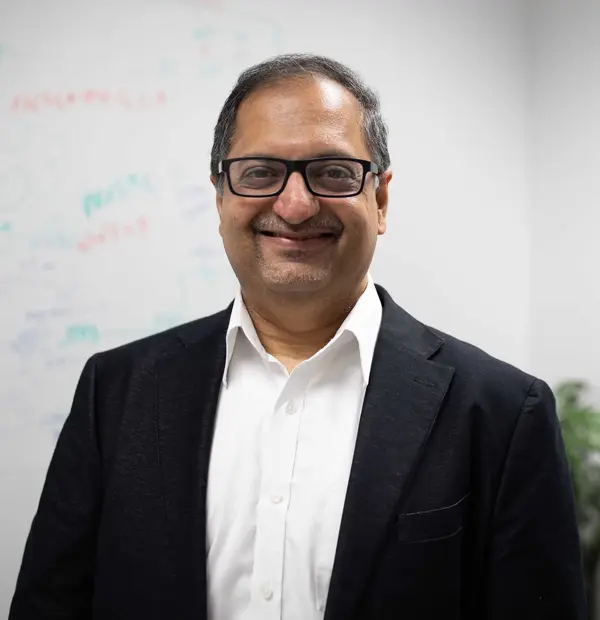
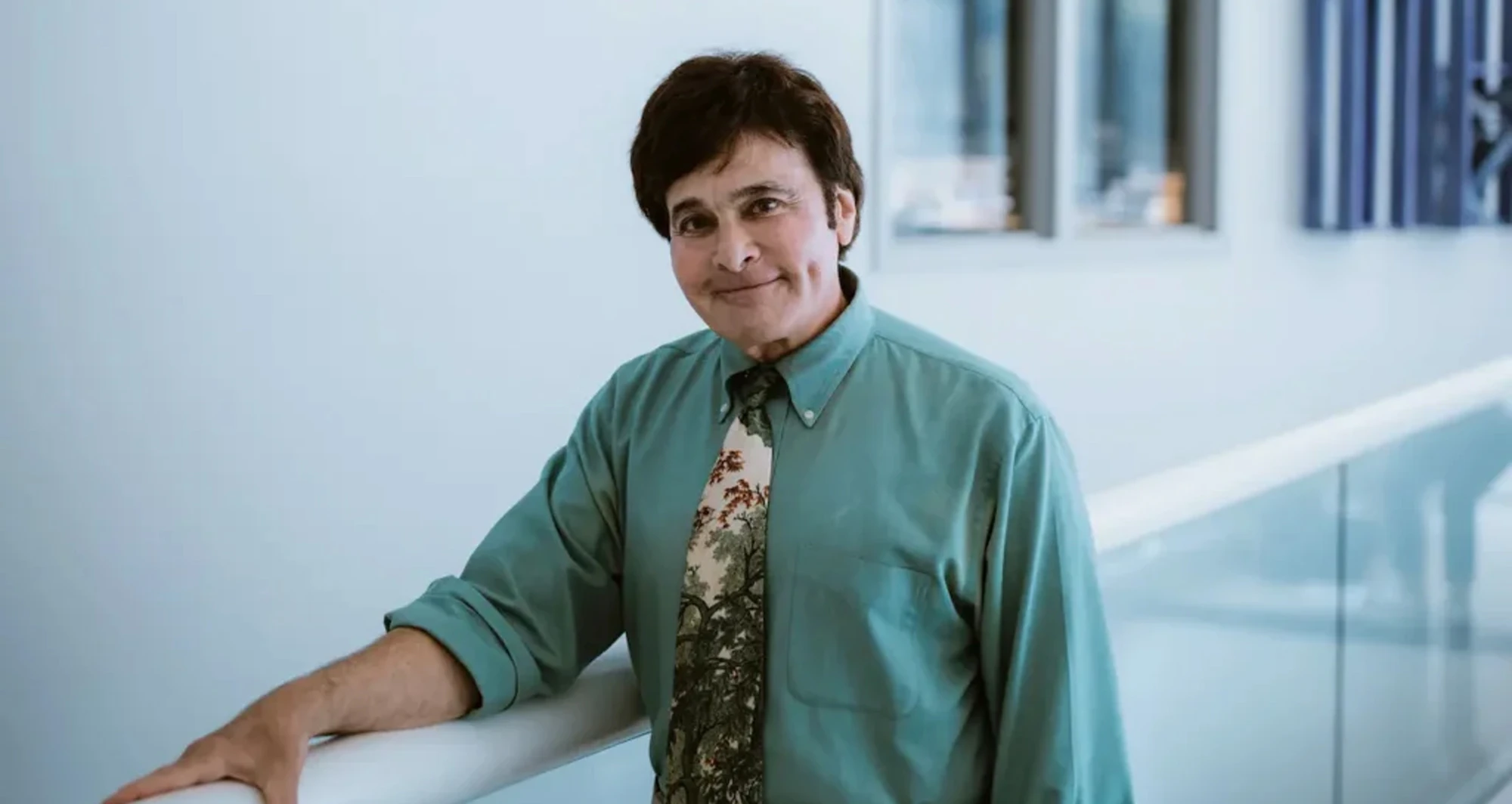
Ani Deshpande, PhD, profile photo - image credit: Sanford Burnham Prebys

Ani Deshpande, PhD, is an associate professor in the Cancer Genome and Epigenetics Program at Sanford Burnham Prebys.

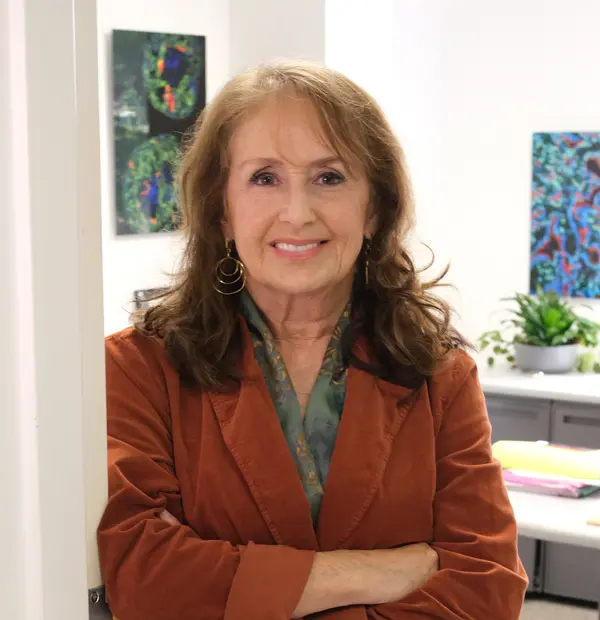
Pamela Itkin-Ansari, PhD, profile photo - image credit: Sanford Burnham Prebys

Pamela Itkin-Ansari, PhD, is an adjunct professor in the Center for Cardiovascular and Muscular Diseases at Sanford Burnham Prebys.

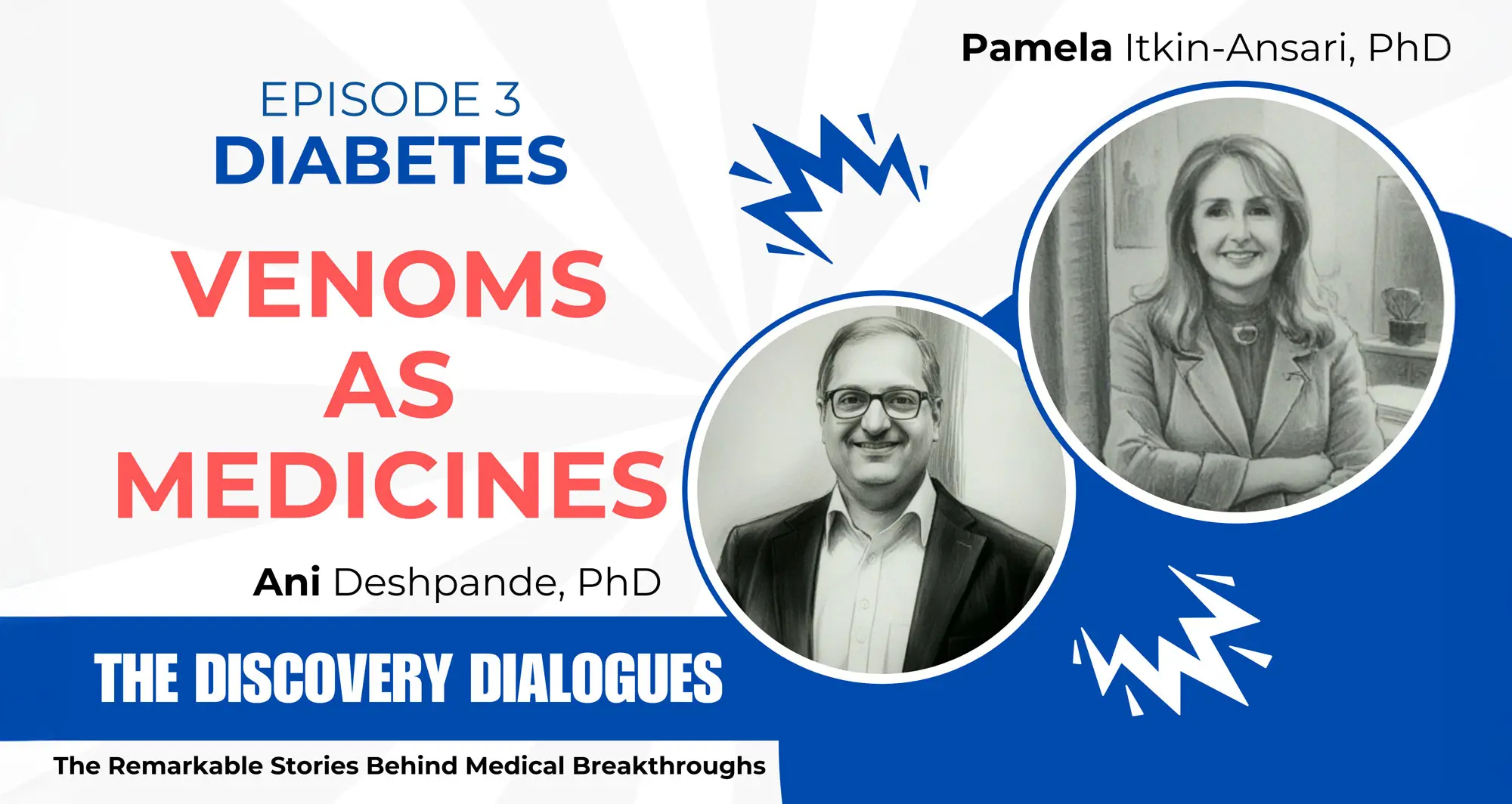
Last week, Deshpande and Itkin-Ansari released their third episode detailing animals that use insulin as venom and highlighting an animal that can sense low blood sugar faster than a machine.

We recently sat down with them to learn more about their motivations and creative process.

What is your origin story as scientists turned podcasters?

DESHPANDE: I have been very interested in communicating science for quite some time. And I think it is important for more scientists to speak in a way that all people can understand, and to embrace new ways of communicating.

I got especially excited to talk about the incredible potential of GLP-1 drugs such as Ozempic and Wegovy, but I don’t think you can properly understand them without a grasp of diabetes. I decided to tackle diabetes as the podcast’s first topic, and I reached out to Pam as a partner with complementary expertise.

ITKIN-ANSARI: I have done a lot of scientific outreach in the past as a diabetes scientist, including with the La Jolla Playhouse and Fleet Science Center, so I jumped at the opportunity. As it turns out, Ani and I are kindred spirits in terms of our desire to help people understand how biomedical research has changed the world.

What is your process for developing each episode?

DESHPANDE: We have a very elaborate process for deciding on each episode’s topic. outlining the chapters or segments and then passing drafts back and forth until we’ve refined them into a version that is both accurate and entertaining.

ITKIN-ANSARI: Getting that balance right is so important. I’m a Radiolab junkie. I have to hear every episode. The reason I keep coming back is because I get to learn something new and have a ton of fun along the way.

DESHPANDE: It is important to us that we’re not just telling stories people already know, so we take our time to find fascinating stories about the science and the personalities behind the discoveries.

How much research goes into making the podcast?

DESHPANDE: We just read and read and read and read. Then, we bounce ideas off each other to see what makes it into an episode.

ITKIN-ANSARI: The other thing is fact-checking. We feel it our job as card-carrying scientists to be as thorough as we can be to get the facts right.

While writing for the first three episodes, what information or stories surprised you?

ITKIN-ANSARI: For me, I was amazed by the venoms of the cone snail that have already led to an FDA-approved drug for severe pain and may also revolutionize diabetes treatment.

DESHPANDE: I think it’s surprising that diabetes had been described in detail more than three millennia ago. Many of our audience members told us they were surprised by that fact as well.

What teasers can you share about future episodes?

ITKIN-ANSARI: For an upcoming episode, a legendary scientist who changed diabetes care forever after surviving the Holocaust and making his way to the U.S.

DESHPANDE: One of the most fascinating things we will cover in our future episodes and that will surprise most people is that many of the most influential drugs in the history of medicine have come from plant poisons and animal venoms. It blows my mind, and I hope our listeners will also find it to be amazing.

Listeners can find The Discovery Dialogues Podcast on Spotify, Apple Podcasts and Amazon Music. The YouTube version includes on-camera interviews and additional illustrations.

Institute News

Science in Pictures

AuthorScott LaFee
Date

May 26, 2025

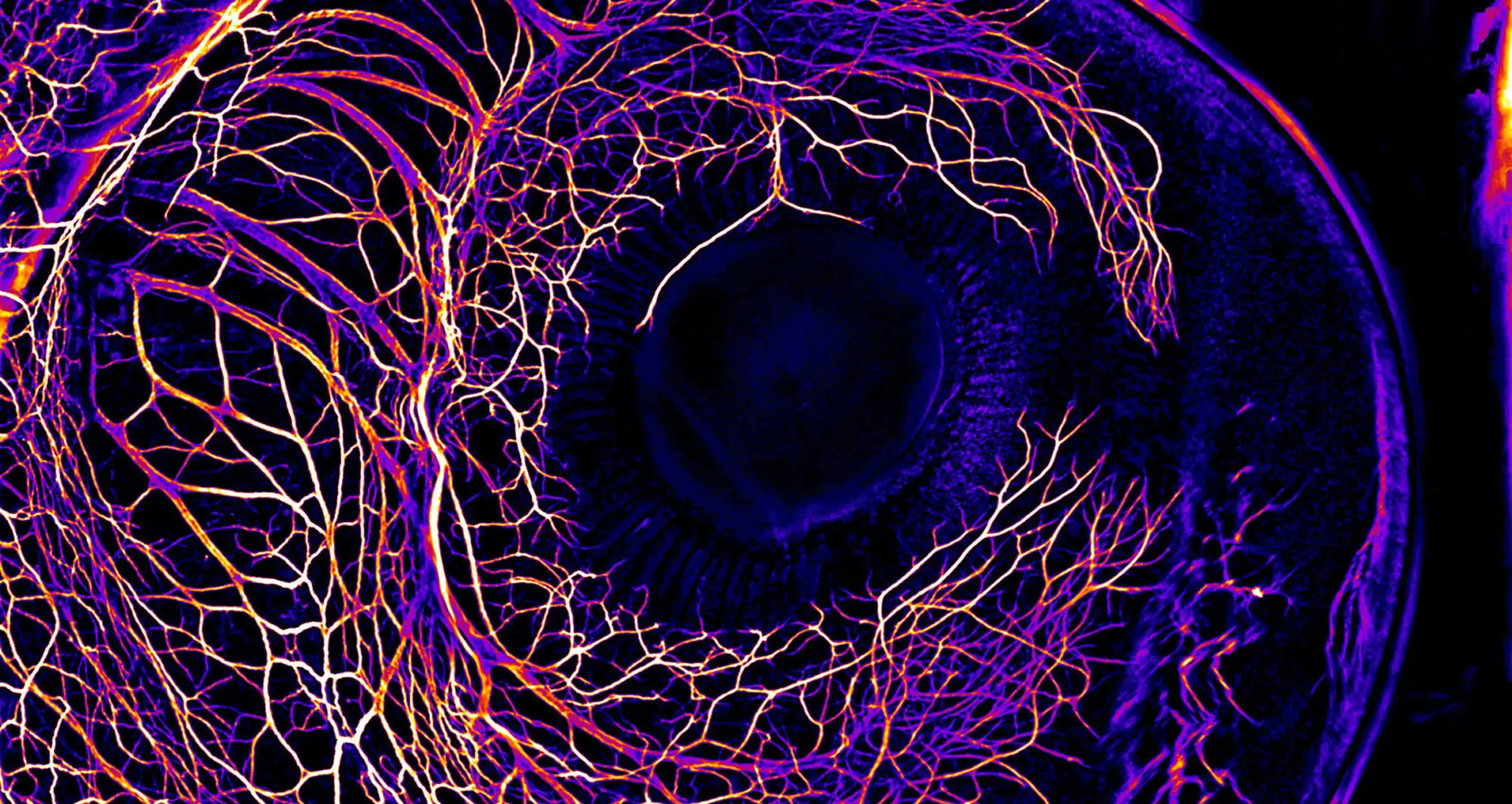
The developing nervous system in the eye of a 7-day-old chick embryo.

Image courtesy of Elkhan Yusifov and Martina Schaettin, University of Zurich/Nikon Small World.

Institute News

For Many Researchers, Help Wanted Comes From Distant Locales

AuthorCommunications
Date

May 20, 2025

In his latest letter examining the effects and ramifications of the Trump administration’s assault on science, President and CEO David Brenner, MD, of Sanford Burnham Prebys discusses how other countries recruiting US-based scientists to work or start their careers elsewhere, with greater support and scientific freedom.

You can read Dr. Brenner’s letter here, plus earlier letters and other materials related to Research in Crisis.

Institute News

Science in Pictures

AuthorScott LaFee
Date

May 19, 2025

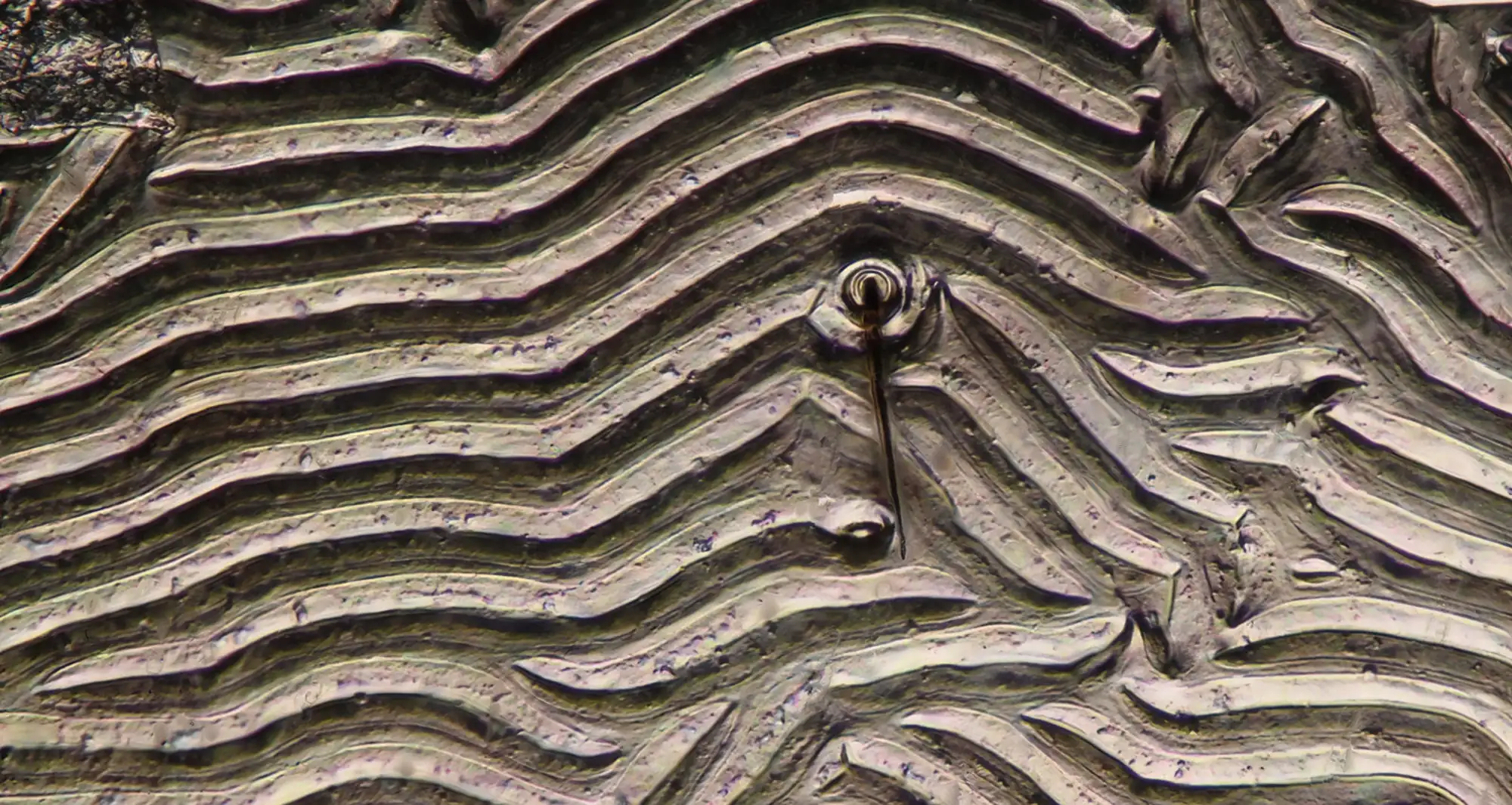
The abdominal skin of a tick engorged with blood. The ridged construction of the skin allows feeding ticks to expand up to 100 times their body weight.

Image courtesy of Theo Theune, Oost-Souberg, Zeeland, The Netherlands/Nikon Small World.

Institute News

Science in Pictures

AuthorScott LaFee
Date

May 12, 2025

Lymphatic vascular (cyan) and blood vessels (red) are revealed in this confocal micrograph of a mouse lung. The lymph system collects excess fluid in tissues and returns it to bloodstream.

Image courtesy of Yurin Seo, Mark Looney and Simon Cleary, UCSF/Nikon Small World.

Institute News

PERCEPTION proves a predictable NCI milestone

AuthorScott LaFee
Date

May 9, 2025

PERCEPTION is the acronym for PERsonalized Single-Cell Expression-Based Planning for Treatments In Oncology, an artificial intelligence-based tool that, in findings first reported last year, was able to predict tumor response to targeted therapy using single-cell datasets.

The work, published in Nature Cancer, is the result of first study author Sanju Sinha, PhD, assistant professor in the Cancer Metabolism and Microenvironment Program at Sanford Burnham Prebys, with senior authors Eytan Ruppin, MD, PhD, and Alejandro Schaffer, PhD, at the National Cancer Institute (NCI), part of the National Institutes of Health, and colleagues.

Recently, the NCI’s Center for Cancer Research highlighted PERCEPTION in its 2024-2025 annual Milestones report.

The researchers said PERCEPTION not only helped predict which anti-cancer drugs are most effective for individual patients, but also tracked the evolution of drug resistance over the course of the disease and treatment — something never before achieved.

“A tumor is a complex and evolving beast. Using single-cell resolution can allow us to tackle both of these challenges, Sinha said when their findings were published. “PERCEPTION allows for the use of rich information within single-cell omics to understand the clonal architecture of the tumor and monitor the emergence of resistance.” (In biology, omics refers to the sum of constituents within a cell.)

“The ability to monitor the emergence of resistance is the most exciting part for me. It has the potential to allow us to adapt to the evolution of cancer cells and even modify our treatment strategy.”

PERCEPTION was previously named among the National Institutes of Health director’s highlights for 2024.

Institute News

Welcoming rising stars in science to Sanford Burnham Prebys

AuthorGreg Calhoun
Date

May 6, 2025

The annual Rising Stars Symposium featured nine doctoral-degree candidates representing the next generation of scientists

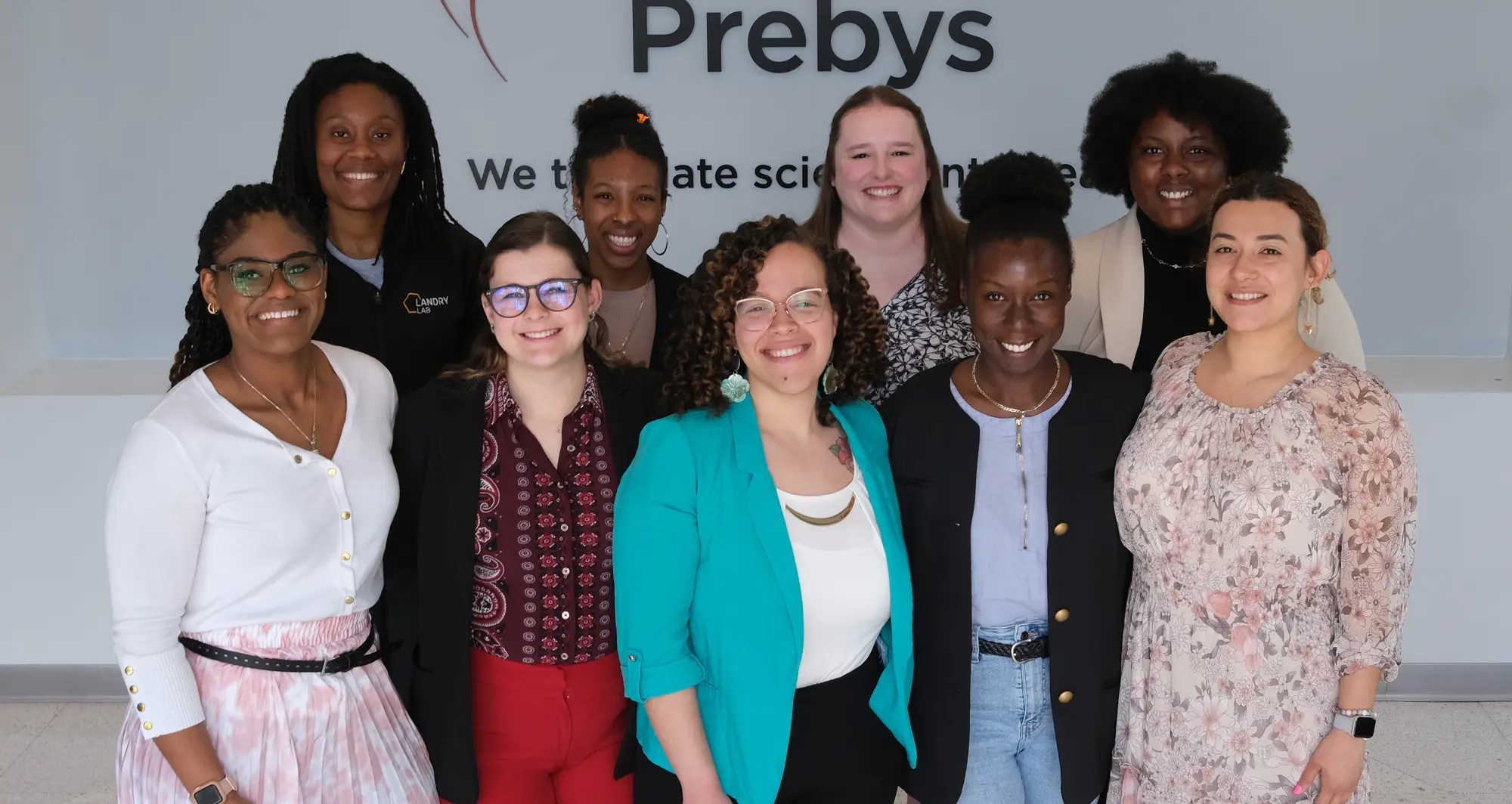
Nine doctoral-degree candidates from across the U.S. visited Sanford Burnham Prebys for the fourth annual Rising Stars Symposium, a research meeting and networking opportunity for future postdoctoral researchers.

James Marchant, PhD, a postdoctoral fellow in the lab of Alexandre Colas, PhD, at Sanford Burnham Prebys, opened the meeting by introducing the symposium’s keynote speaker, Mark Mercola, PhD, a professor of Medicine at the Stanford University School of Medicine and a professor in the Stanford Cardiovascular Institute.

“We’re so pleased to have a keynote address from a stem cell biology expert responsible for identifying many of the factors that guide the formation of the heart,” said Marchant. “This also is a homecoming for Mark, who was previously on the faculty here and continues to be an extended family member through collaborations and service on dissertation committees.” 

Mercola held a joint appointment as a professor at Sanford Burnham Prebys and the University of California San Diego from 2003-15 before joining Stanford. He began his lecture with a discussion of how his research evolved throughout his career, including the opportunities provided by the discovery of induced pluripotent stem cells. Mercola now focuses on developing treatments for heart failure that target mechanisms rather than symptoms.

“While drugs for heart failure have improved over time, they continue to generally improve heart function by altering conditions such as blood pressure and heart rate rather than target the underlying causes,” said Mercola. “I envision a day when treatment begins to resemble modern cancer therapies that are targeted based on understanding characteristics of tumors.”

Mercola also offered career advice to the Risings Stars. He emphasized the importance of pursuing a long-term vision that can guide how you seek training, apply for funding and build your network. Mercola suggested that this vision needs to be balanced with measurable short-term goals that can show your intermediate progress along the way. He also implored early career scientists not to stay isolated in their own labs.

“Be collaborative, and you’ll find that the work is always more enjoyable and successful when you are part of a team,” said Mercola.

Following the keynote address, four Rising Stars discussed their research projects:

  • Paola E. Peña García, a PhD candidate in the Poynter lab at the University of Vermont
  • Jaquesta Adams, a PhD candidate in the Landry lab at the University of California Berkeley
  • Michell Carroll, a PhD candidate in the Pattenden lab at the University of North Carolina Eshelman School of Pharmacy
  • Janice Reynaga, a PhD candidate in the Blanco lab at the University of Pennsylvania

Lukas Chavez, PhD, an associate professor in the Cancer Genome and Epigenetics Program at Sanford Burnham Prebys, offered concluding remarks at the end of the symposium’s first day.

“With their excellent presentations, our Rising Stars have lived up to their name,” said Chavez. “It is exciting and reassuring to see that the next generation of biomedical research is in capable hands.”

David Brenner, MD, the president and chief executive officer of Sanford Burnham Prebys, began the symposium’s second day by sharing an overview of the institute and San Diego’s scientific community.

“There is something special in the intellectual environment here at Sanford Burnham Prebys and our neighboring research institutions,” said Brenner. “If you conduct a postdoctoral fellowship here, you will find it to be a very welcoming, collaborative and interactive ecosystem.”

Sanju Sinha, PhD, an assistant professor in the Cancer Metabolism and Microenvironment Program at Sanford Burnham Prebys, added his reflections on the importance of scientific meetings for early career researchers.

“I place great value on these kinds of symposia,” said Sinha. “I met many of my collaborators at a similar symposium in New York, so I encourage the Rising Stars to take advantage of this opportunity to get to know each other and investigators throughout the institute.”

After the opening remarks, five Rising Stars presented about their research:

  • Lanette LaComb, a PhD candidate in the Almo lab at the Albert Einstein College of Medicine
  • Danielle Johnson, a PhD candidate in the Jewett lab at the University of Arizona
  • Tracey Porter, a PhD candidate in the Wingert lab at the University of University of Notre Dame
  • Sarah Brashear, a PhD candidate in the Smith lab at the University of California Davis
  • Ariell Smith, a PhD candidate in the Eguiluz lab at the University of University of California Merced

In addition to the two days of scientific talks, the Rising Stars toured the Conrad Prebys Center for Chemical Genomics, learned about the institute’s core facilities and shared research resources, networked with institute scientists, and gained a better understanding of postdoctoral opportunities at Sanford Burnham Prebys.

The 2025 Rising Star Symposium was sponsored by the NCI-designated Cancer Center and was planned collaboratively by the institute’s Workforce Engagement and Belonging Council and planning and selection committees.

The planners expressed their gratitude to everyone who contributed to this institute-wide effort, including session moderators and facilitators, Cancer Center administration, the Research Administrative Services team, the Communications team and many volunteers.
Institute News

Science in Pictures

AuthorScott LaFee
Date

May 5, 2025

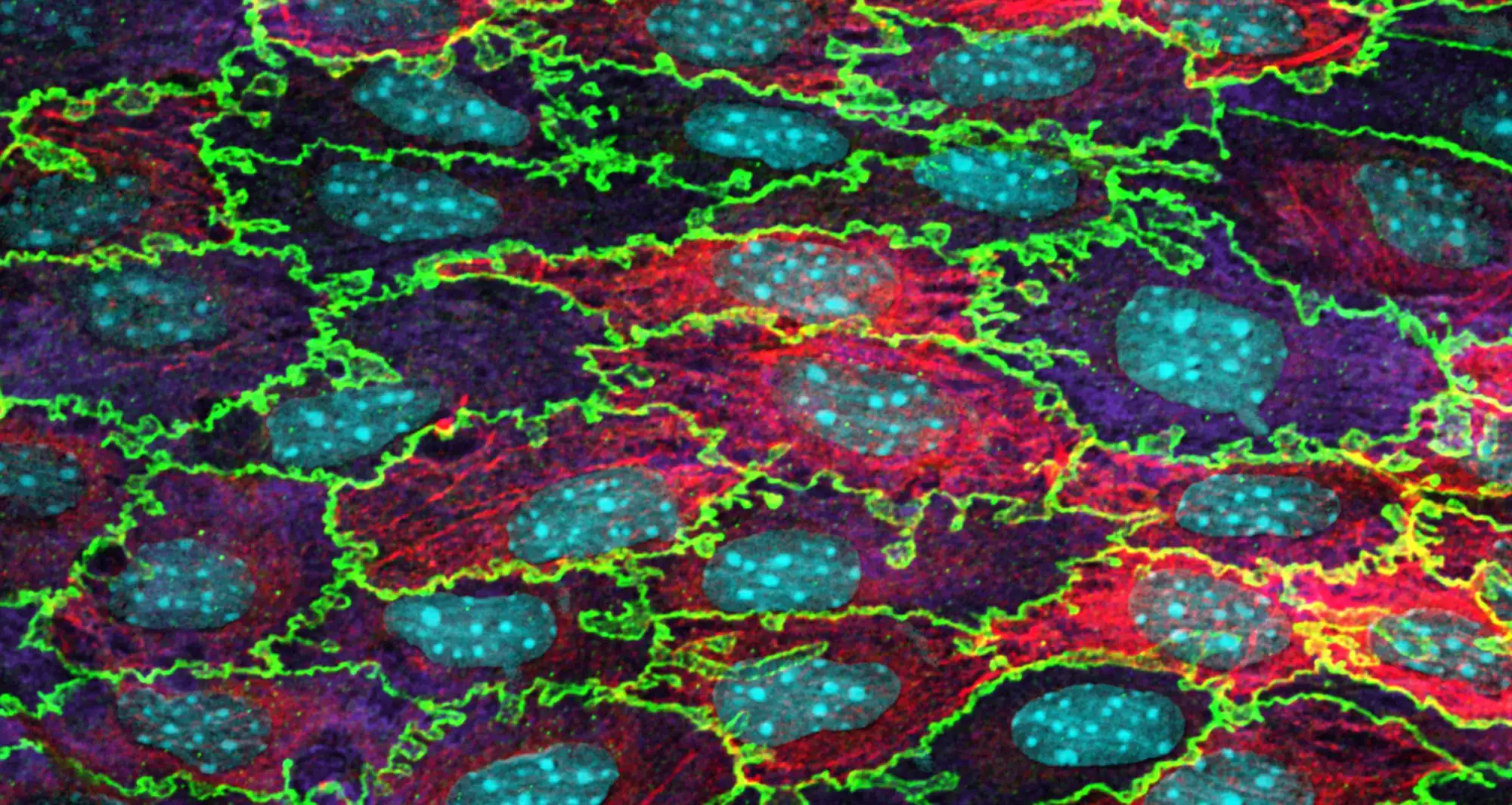
Confocal micrograph of mouse aortic endothelium stained for beta-catenin (green), laminin (purple), smooth muscle actin (red) and Hoechst (cyan). Endothelial cells constitute the inner lining of blood vessels in the heart.

Image courtesy of Florian Alonso, University of Bordeaux/Nikon Small World.

Institute News

Kelly Kersten awarded Melanoma Research Alliance grant to support research on melanoma immunotherapy

AuthorGreg Calhoun
Date

May 2, 2025

The newly created Paul Walks – MRA Young Investigator Award in Memory of Chad Johnson is part of the alliance’s $9.3 million commitment to melanoma research funding in 2025.

Kelly Kersten, PhD, an assistant professor in the Cancer Metabolism and Microenvironment Program at Sanford Burnham Prebys, was awarded a new type of grant from the Melanoma Research Alliance (MRA). The funding will support Kersten’s research on reactivating “exhausted” immune cells within melanoma tumors to restore their cancer-fighting ability and improve the effectiveness of melanoma immunotherapy.

“Inside tumors, immune cells often lose their strength to attack cancer,” said Kersten. “Our work is focused on understanding and reversing this exhaustion to make therapies more effective for more people.”

The MRA is the world’s leading nonprofit funder of melanoma research. The organization created the Paul Walks – MRA Young Investigator Award in Memory of Chad Johnson to providesupport for the next generation of scientists driving innovation against melanoma.

“Our Young Investigator Awards fuel the creativity and drive of early-career scientists whose work can redefine the future of melanoma research.” said Joan Levy, PhD, MRA Chief Science Officer.

The new grant pays tribute to Chad Johnson, a beloved friend and surfer who died from his melanoma diagnosis at age 55. Funding for the award was made possible through “Paul Walks,” a community fundraiser organized by Chad’s lifelong friend, Paul Giobbi.

The Paul Walks – MRA Young Investigator Award in Memory of Chad Johnson is part of MRA’s $9.3 million commitment to fund melanoma research in 2025, supporting more than 30 researchers across the U.S., Europe and Australia. Melanoma remains the deadliest form of skin cancer, with more than 100,000 people expected to be diagnosed this year and one death every hour in the U.S. alone.