Karin Laboratory
Lab
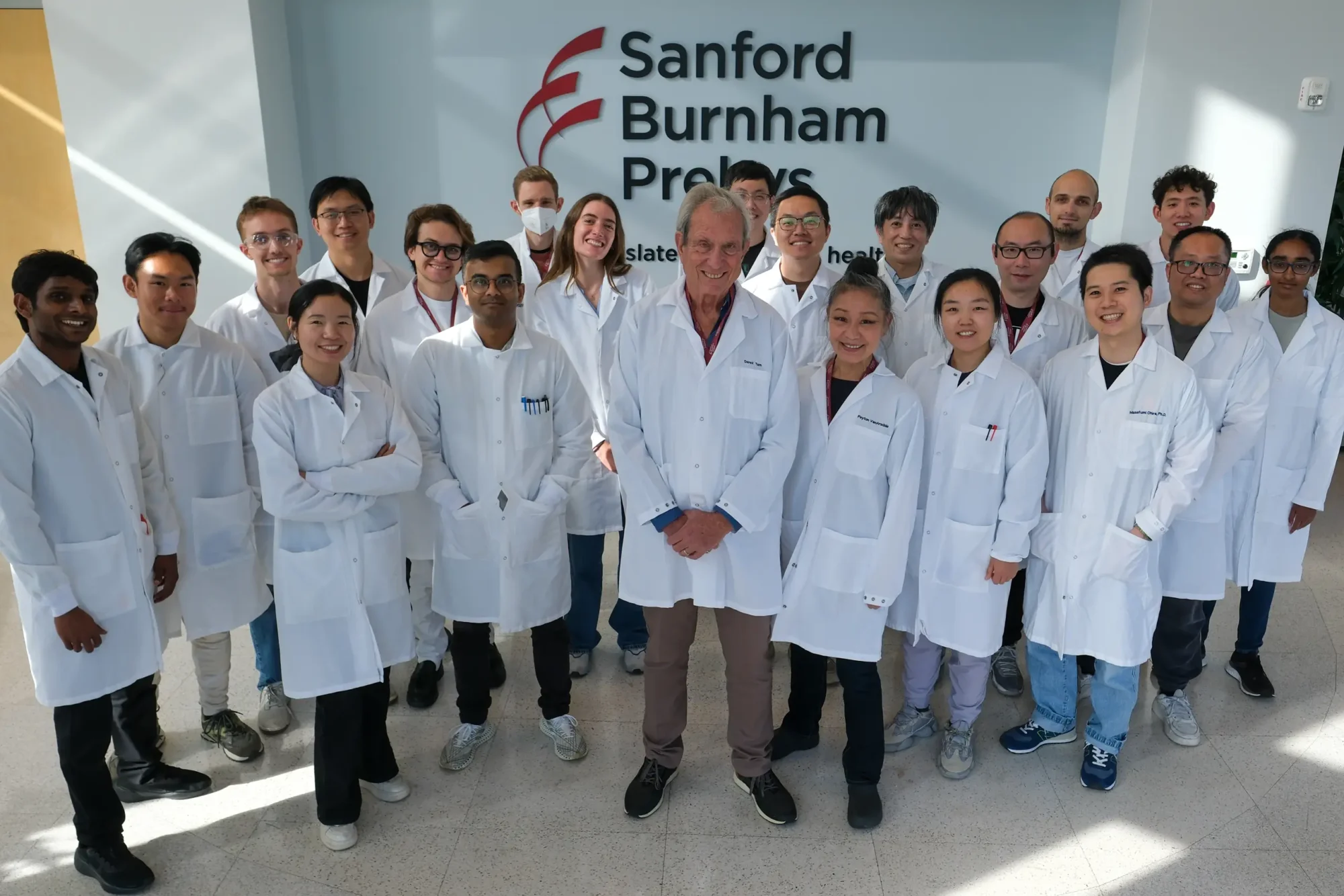
The Karin laboratory, which studies cell signaling and transcriptional regulation related to inflammation, cancer and metabolism was established in 1983 at the University of Southern California in Los Angeles. After three years, on January 1, 1986 we relocated 100 miles south of Los Angeles, and established our lab at UC San Diego. In September 2025, after nearly 40 years at UCSD, the lab moved a few miles north to Sanford Burnham Prebys Medical Discovery Institute in La Jolla, California. After half a century of seminal discoveries which include delineation of some of the first cis-acting regulatory element and signal responsive and cell type specific transcription factors that recognizes them, the role of inflammation in acquired metabolic diseases and cancer and the molecular and cellular mechanisms underlying the pathogenesis of liver and pancreas cancers, we are ready to start a new decade of scientific discoveries at our new home.
Projects
The Obesity Paradox
It has generally been assumed that obese individuals are at a higher risk of severe responses and even mortality from bacterial (sepsis) and viral (COVID-19) infections compared to lean individuals. However studies in which obese individuals were stratified according to their health status had shown that so-called healthy obese fare better than lean individuals after bacterial and viral infections. While studying how obesity affects the response to SARS-COV-2 infection in mice we were surprised to find out that obese male mice were less likely to die than lean mice and extended this observation to endotoxin-induced Acute Respiratory Distress Syndrome (ARDS). We are currently investigating the molecular and cellular basis for the poorly understood obesity paradox using our mouse models and expect that elucidation of the underlying mechanisms can be used in the development of entirely novel medicines that will improve the outcome of frequently fatal bacterial and viral infections.
Regulation of MASLD and liver fibrosis by monocyte-derived macrophages
The advent of single cell transcriptomics resulted in the identification of highly diverse populations of resident and recruited macrophages. Amongst the recruited macrophage populations are lipid associated macrophages ( LAM aka SAM for Scar Associated Macrophages), whose appearance is tightly linked to the onset of MASLD. By increasing the resolution of existing and newly acquired single cell RNAseq data-sets we found that the supposedly homogenous LAM cluster can be separated into two subclusters, which we termed protective (p) and inflammatory (i). Both LAM subtypes are derived from recruited macrophages, but the pLAM subcluster is different from the iLAM subcluster by having a NRF2 transcriptional signature. We are currently studying how NRF2 shapes the pLAM phenotype and searching for the factors responsible for the generation of iLAM phenotype. From a translational perspective, we are studying whether pLAM transplantation can be used for the treatment of MASH and the associated liver fibrosis.
Effects of MASLD on the growth of liver metastases
Certain cancers, especially pancreas and colon cancers frequently spread into the liver. Clinical data suggests that hepotosteatosis increases the likelihood of liver metastases. Using well-established diet-induced MASLD mouse models, we confirmed that high fat diets enhance liver metastatic seeding by pancreatic ductal adenocarcinoma (PDAC). Preliminary studies suggest that lipid-altered myeloid cells are the ones that enhance metastatic seeding. Accordingly, we are investigating the mechanisms by which these cells, as well as adaptive immune cells prevent or enhance the growth of liver metastases.
Collagen metabolism and its impact on PDAC and hepatocellular carcinoma (HCC)
In previous studies we have shown that the so-called ¾ fragment of collagen I (Col-I) stimulates the growth of PDAC and HCC through the engagement of the collagen receptor DDR1 and subsequent activation of downstream NF-κB and NRF2 signaling. Curiously, intact Col-I inhibits DDR1 activation and induces its degradation even though it is a poor DDR1 ligand. Current efforts are directed towards complete mechanistic understanding of how intact and cleaved Col-I affect DDR1 expression, turnover and activity. In addition, we are investigating which matrix metalloproteases (MMS) are key for generation of the DDR1 activating ¾ Col-I fragment and identifying their most important site of expression. We hope that the knowledge gained from this study would lead to the development of highly selective MMP inhibitors applicable to PDAC and HCC therapy.
Identification of immunosuppressive cells that enable HCC growth
In previous studies we provided the first functional evidence in support of the immunosurveillance hypothesis. We have shown that the inhibition of HCC directed CD8+ cytotoxic T cells in response to exhaustion-inducing factors produced by other liver resident immune cells is critical for HCC emergence. We have also produced some of the earliest evidence that immune checkpoint inhibitors (ICI) should be effective in HCC treatment, findings that preceded the widespread introduction of ICI therapy as the first line of treatment for advanced nonresectable HCC. In our early studies we identified IgA – producing plasma cells that are generated in response to TGF-β signaling in MASH—afflicted livers as the major immunosuppressive cell type responsible for dismantling HCC immunosurveillance. In current studies we are evaluating different myeloid subsets as additional immunosuppressive players that enable HCC growth and malignant progression.
People

Lucia Alcober Boquet PhD
- Postdoctoral Fellow
Maharrish Chelladurai PhD
- Postdoctoral Associate
Dominic Denk MD, MHBA
- Postdoctoral Fellow
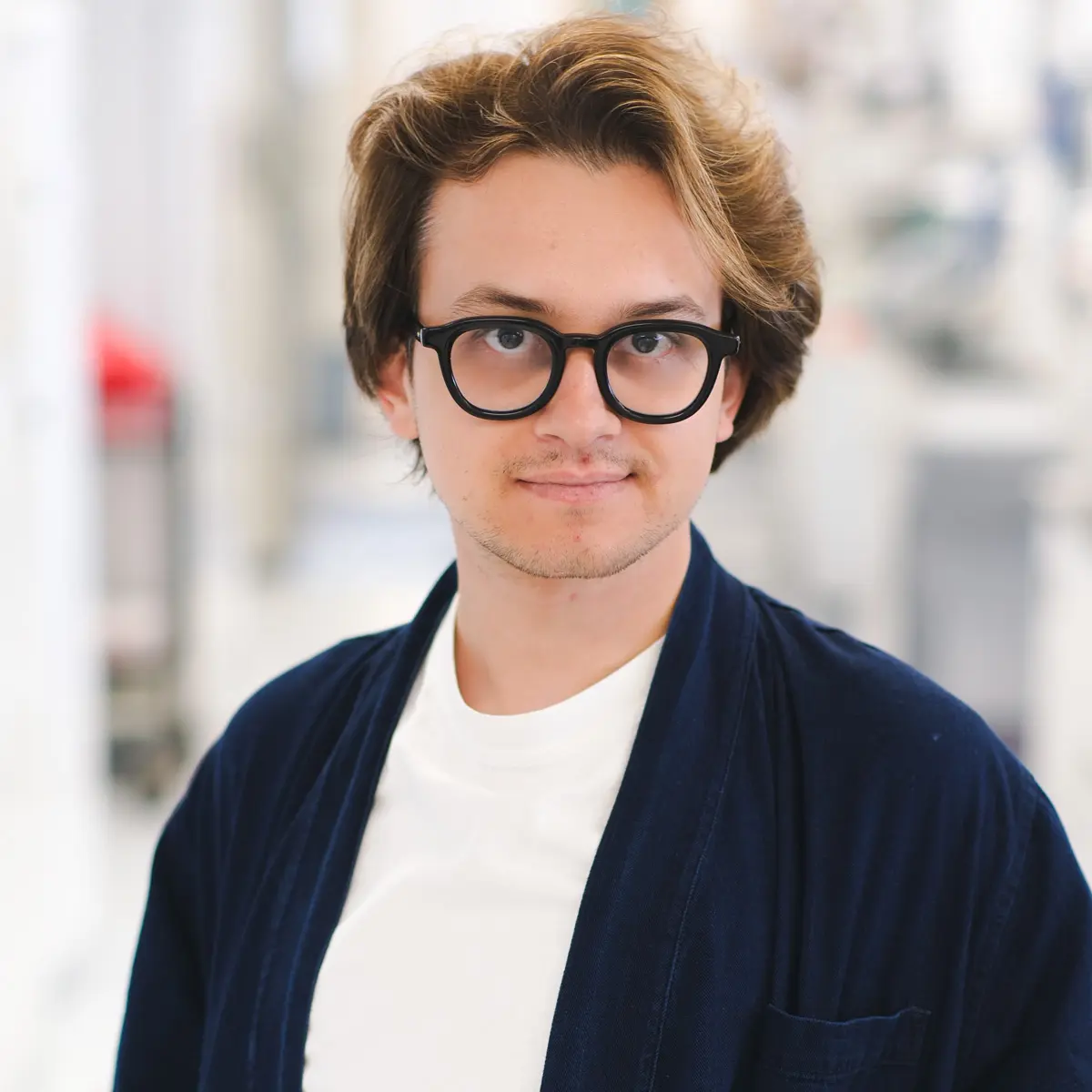
Federico Di Tullio PhD
- Postdoctoral Associate
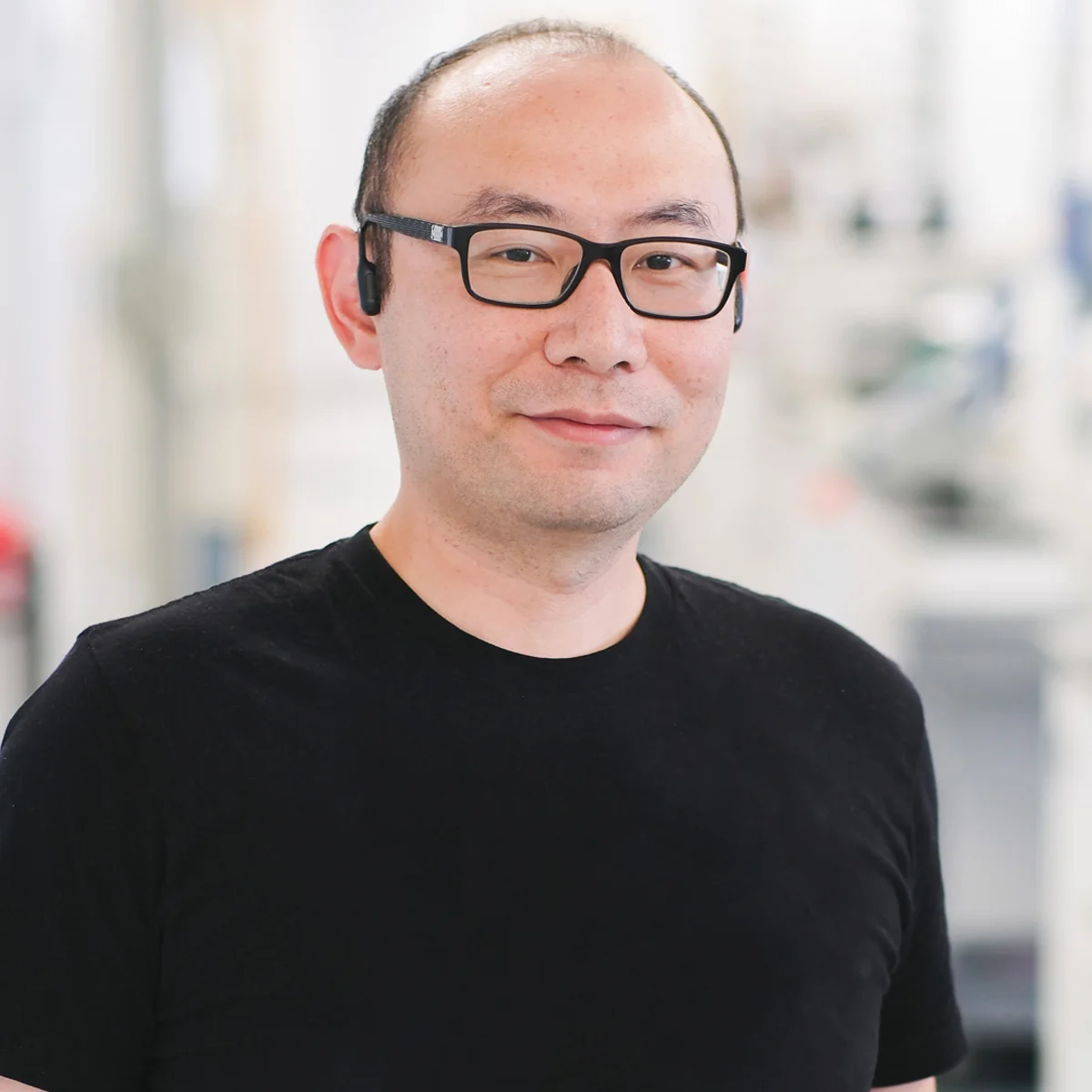
Yechen Feng PhD
- Visiting Researcher
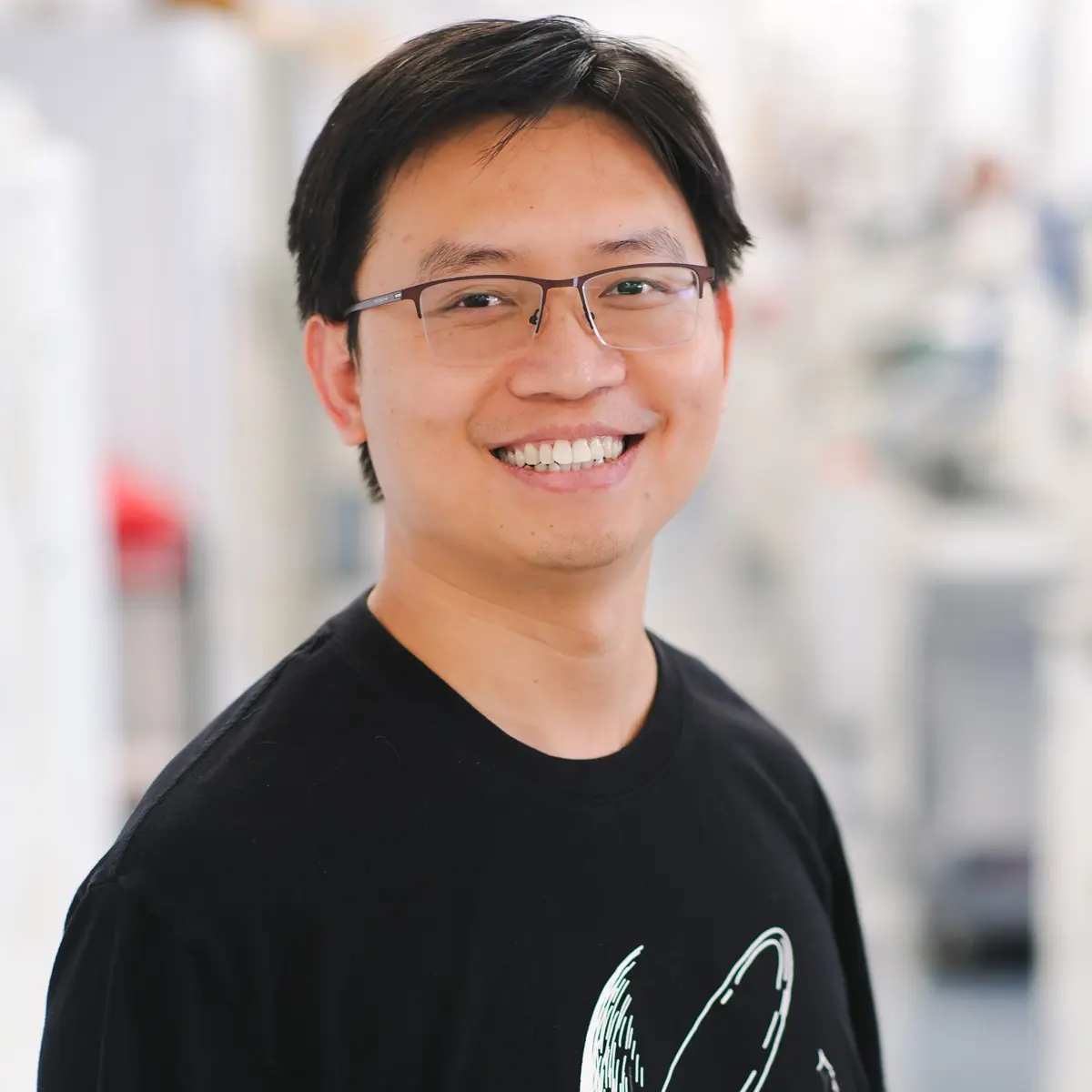
Peng He PhD
- Postdoctoral Associate
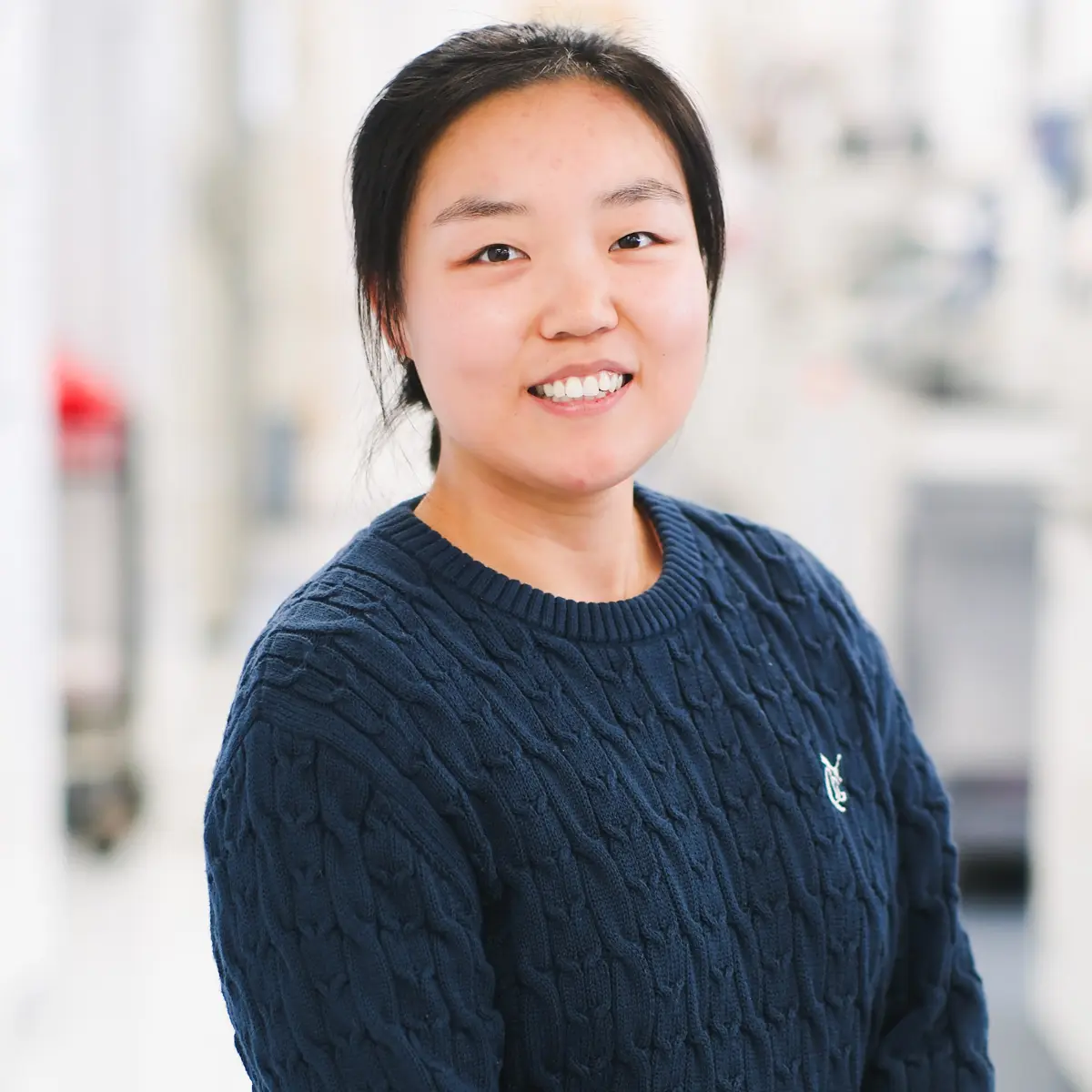
Yuxiao Liu PhD
- Postdoctoral Associate
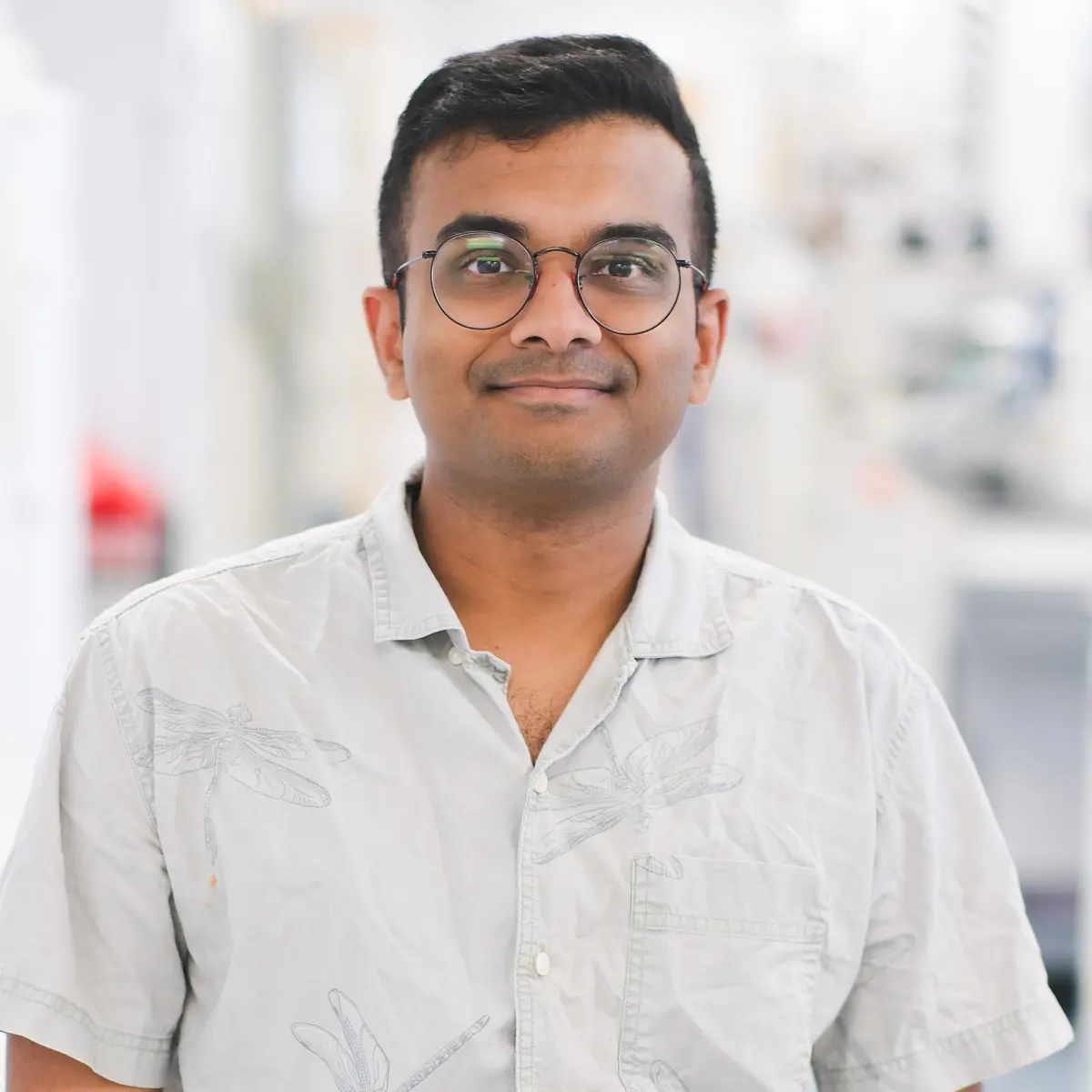
Avinash Mukkala PhD
- Postdoctoral Associate
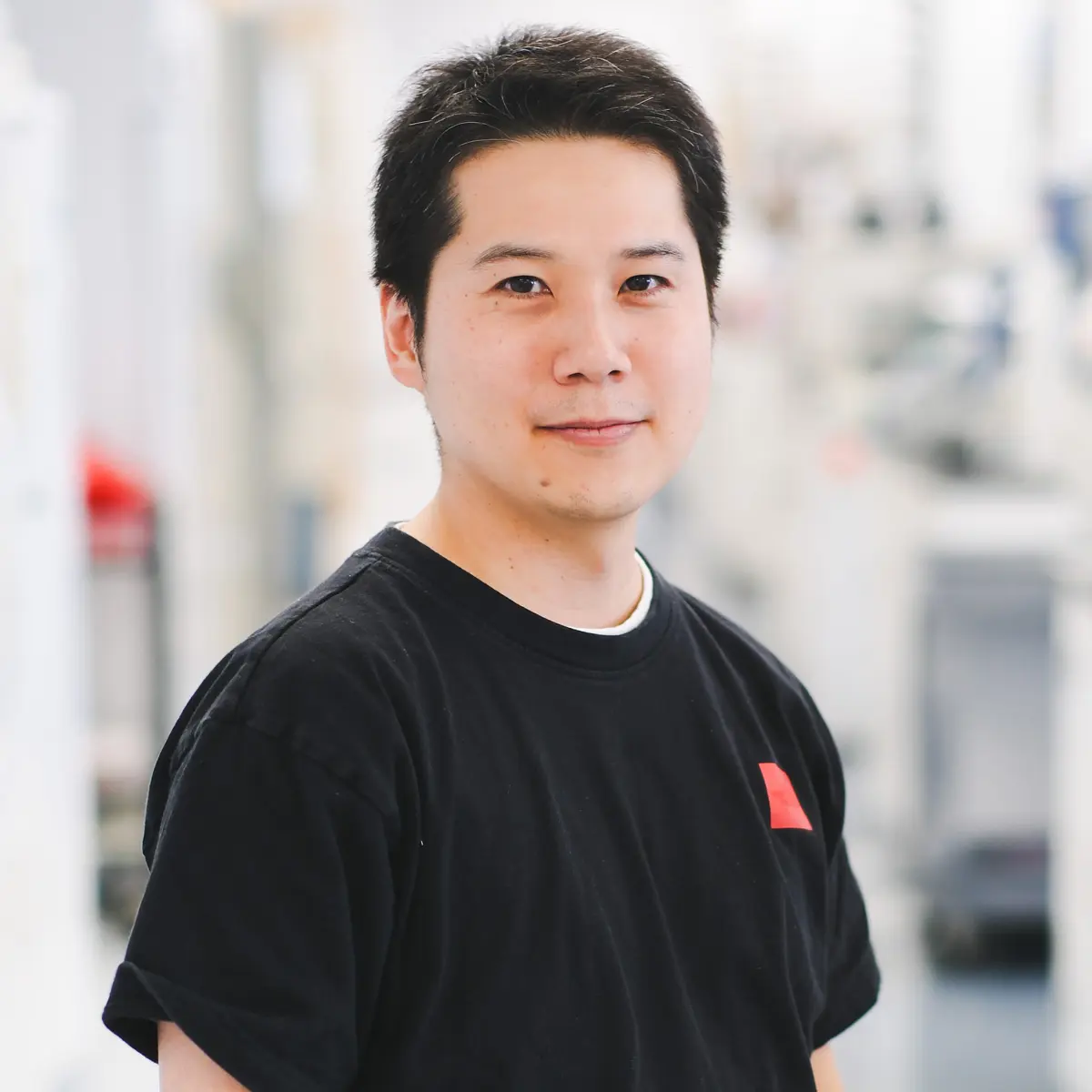
Masafumi Ohira MD, PhD
- Postdoctoral Fellow
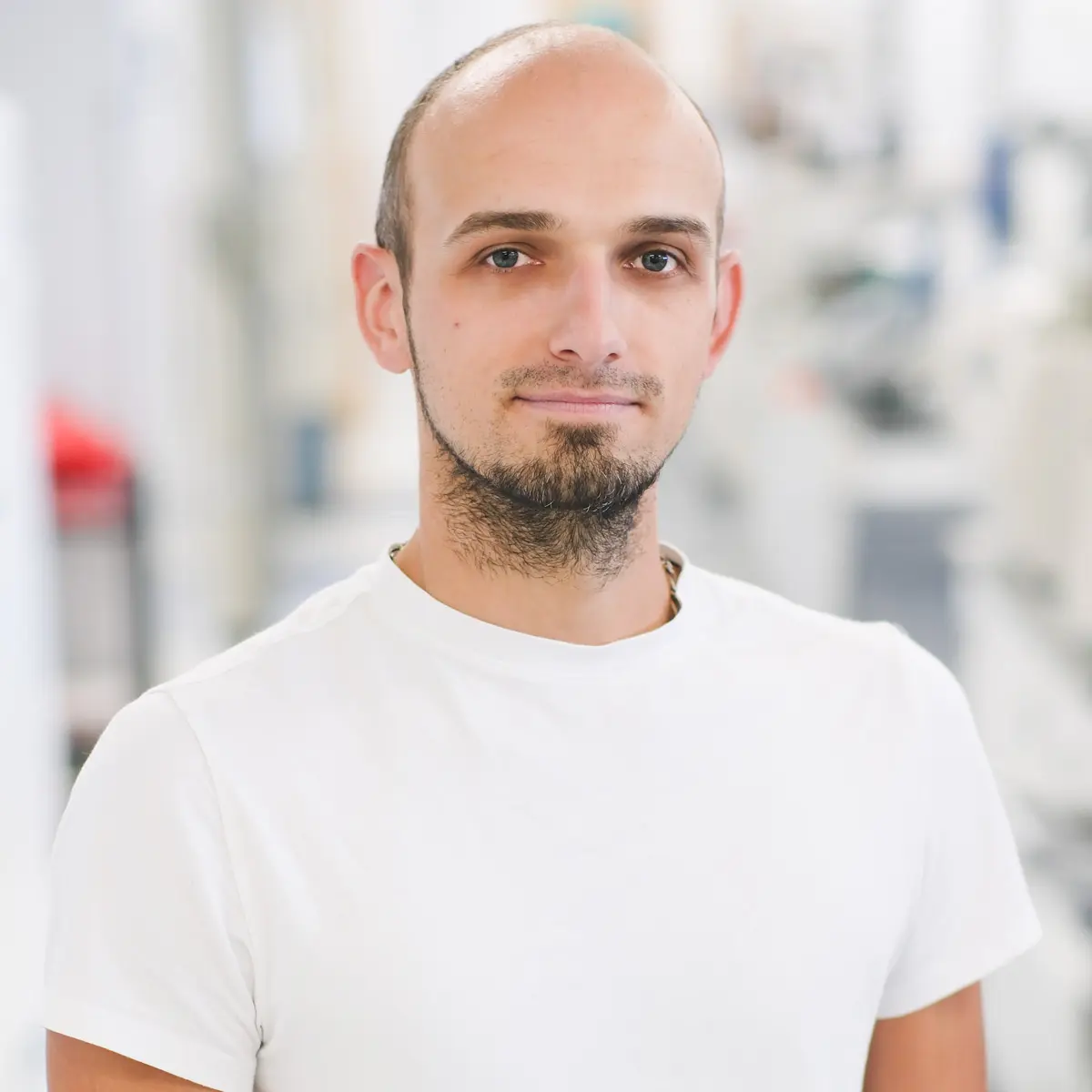
Kilian Petitjean PhD
- Postdoctoral Associate
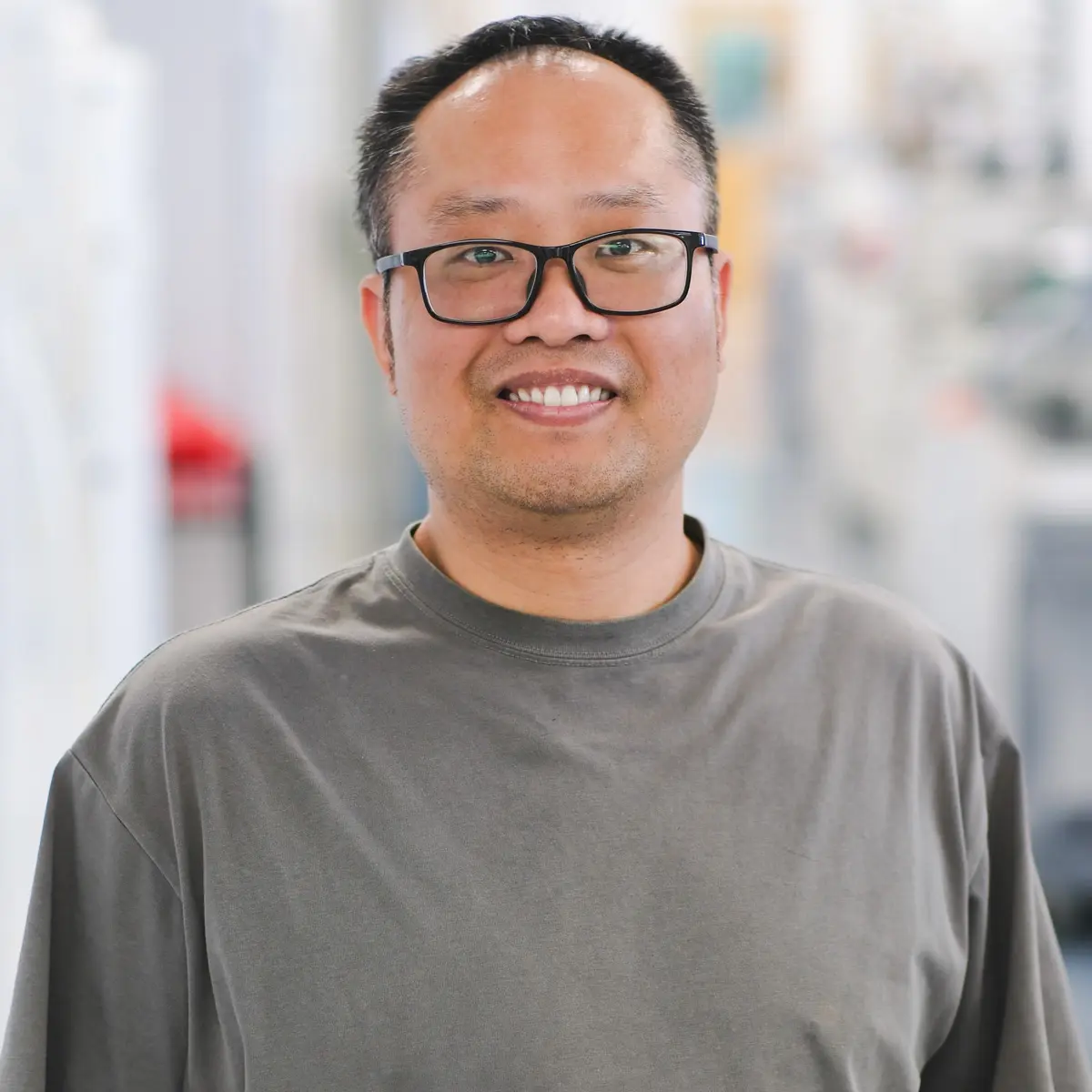
Lianyuan Tao PhD
- Visiting Researcher
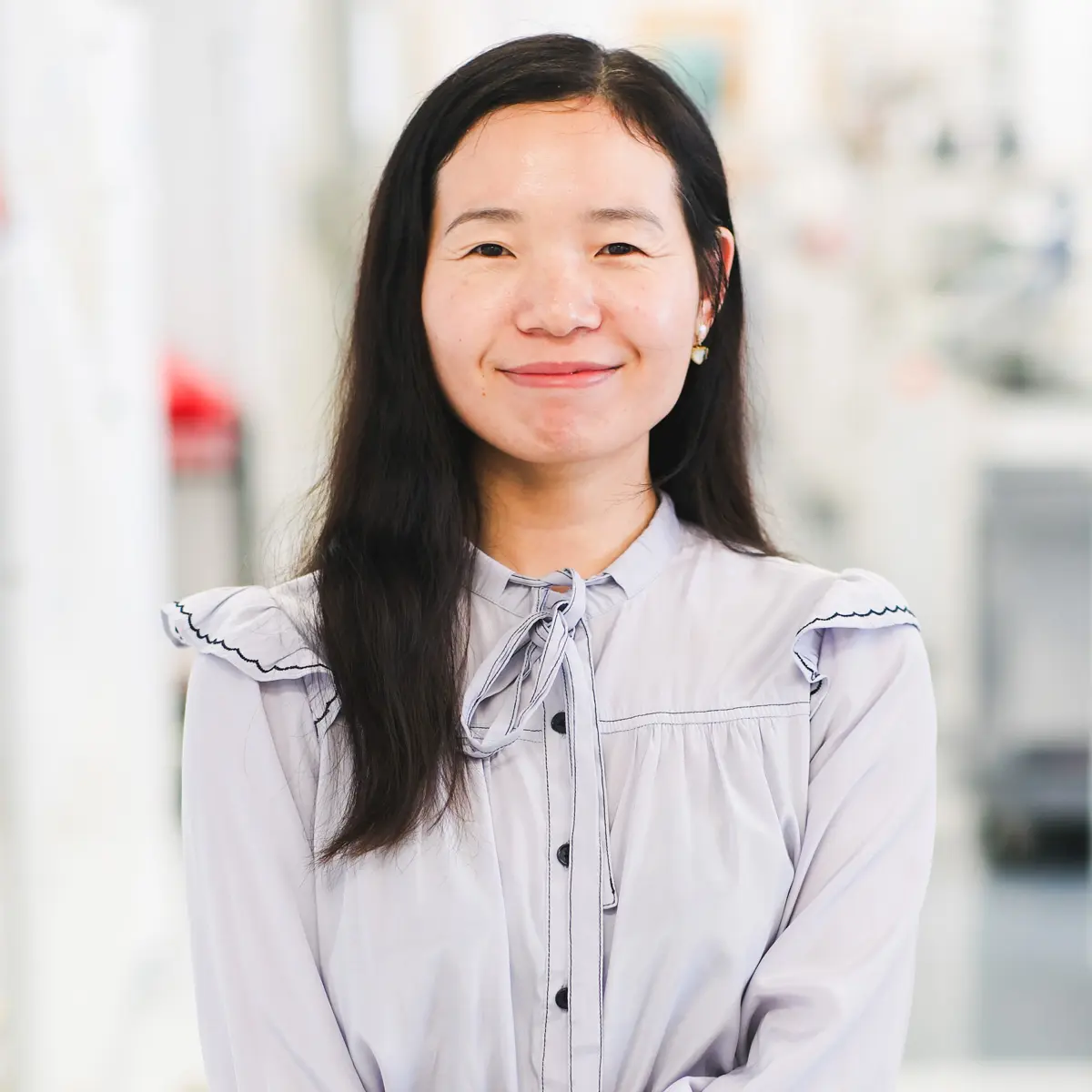
Jingjing Qi PhD
- Postdoctoral Associate
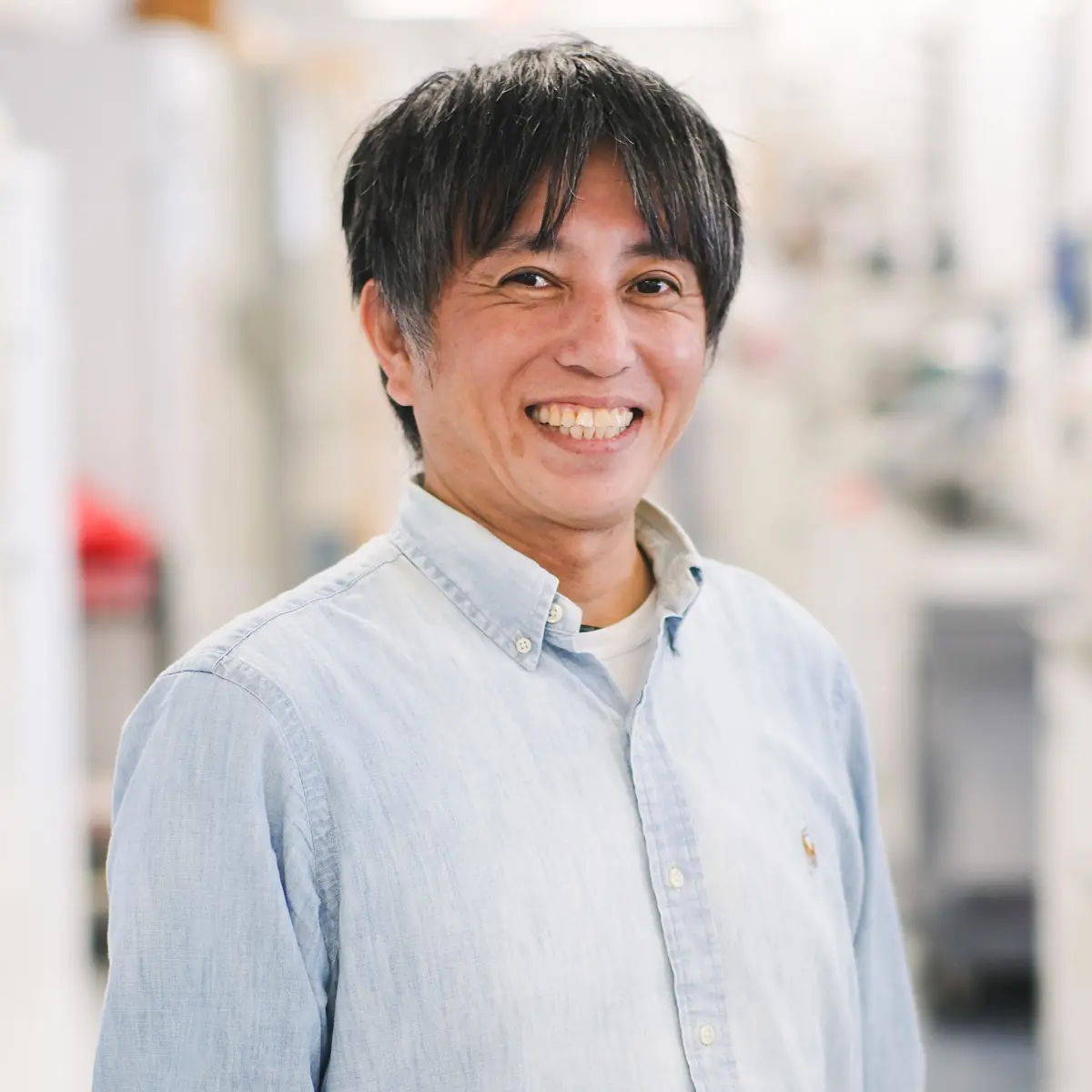
Kosuke Watari PhD
- Staff Scientist
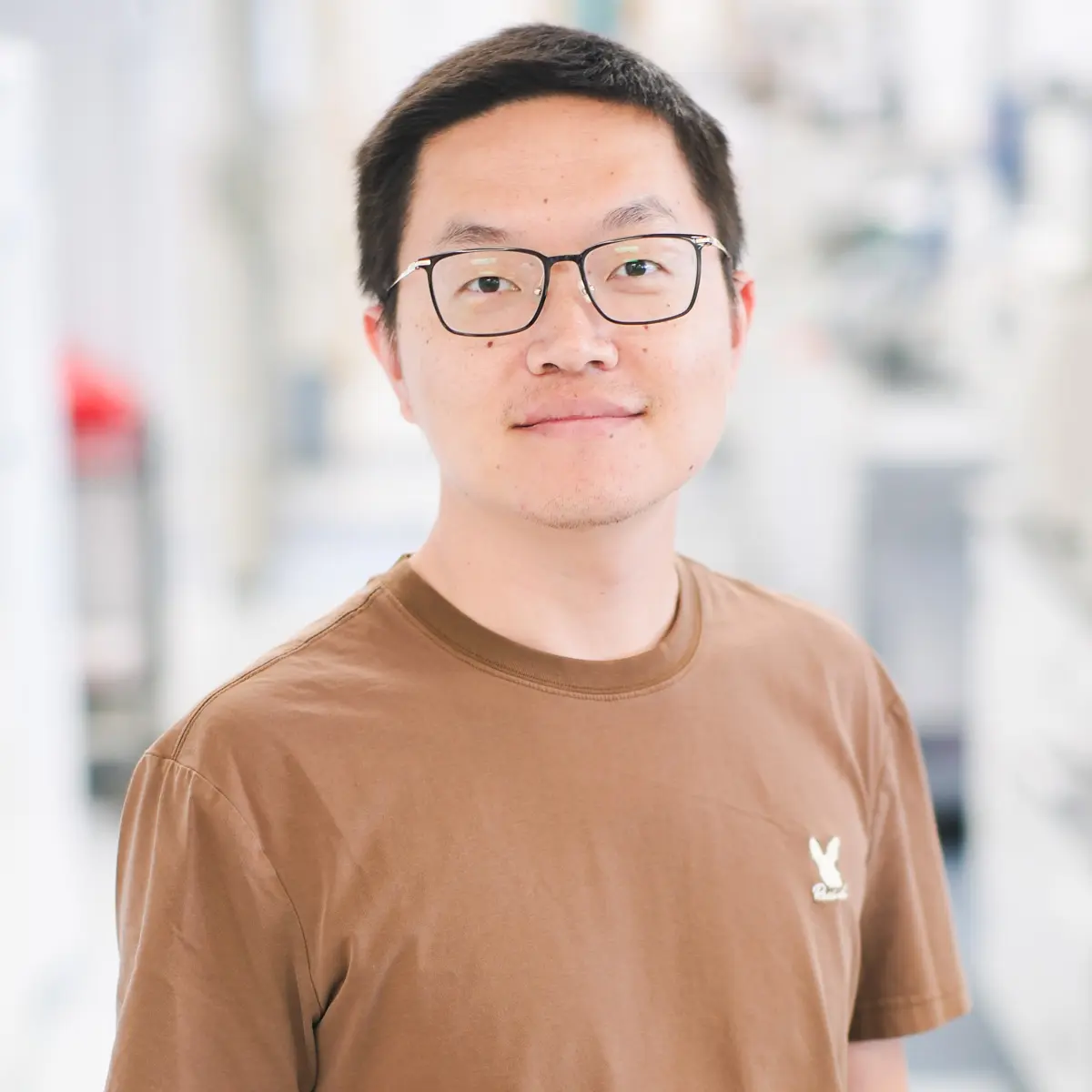
Peng Zhang PhD
- Postdoctoral Associate
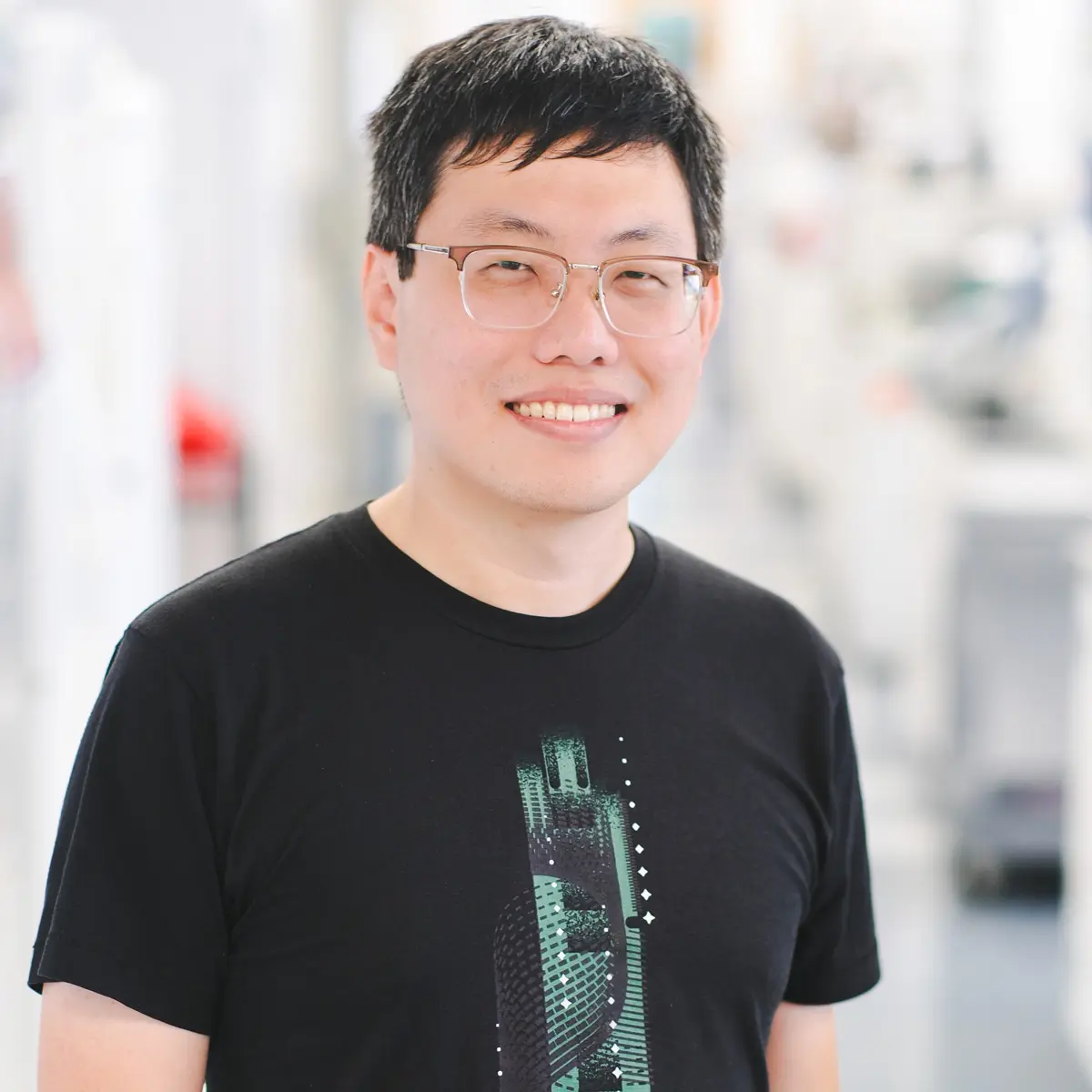
Yueqi Zhang PhD
- Postdoctoral Associate
Lab News
 Jun 18, 2026
Latest ranking of world’s best scientists includes four at Sanford Burnham Prebys
Jun 18, 2026Four researchers at Sanford Burnham Prebys Medical Discovery Institute are among Research.com’s latest ranking of the “1,000 best scientists in…
 Jun 30, 2025
Leading cancer and metabolic disease expert Michael Karin joins Sanford Burnham Prebys
Jun 30, 2025Karin will direct the Center for Metabolic and Liver Diseases and continue his studies on inflammation and cancer.
 May 19, 2016
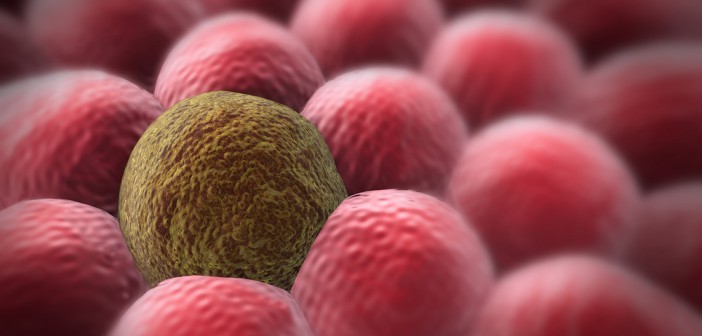
High levels of protein p62 predict liver cancer recurrence
May 19, 2016CANCER METABOLISM AND SIGNALING NETWORKS PROGRAM New research from SBP and UC San Diego shows that high levels of the…
 Feb 25, 2016
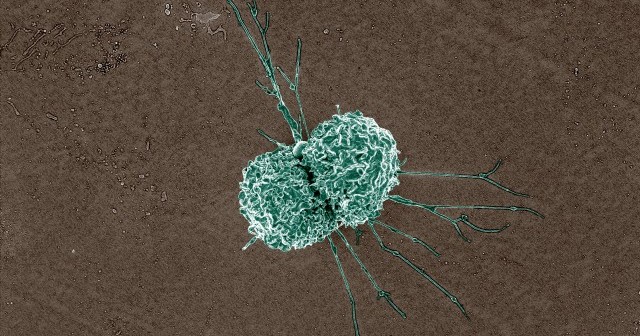
Molecular “brake” prevents excessive inflammation
Feb 25, 2016Inflammation is a catch-22: the body needs it to eliminate invasive organisms and foreign irritants, but excessive inflammation can harm…
Contact
The Karin Laboratory
Sanford Burnham Prebys
10901 N. Torrey Pines Rd.
La Jolla, CA 92037
Phone: (858) 646-3164