Shared Resource Archives - Page 3 of 3 - Sanford Burnham Prebys

Tumor Analysis

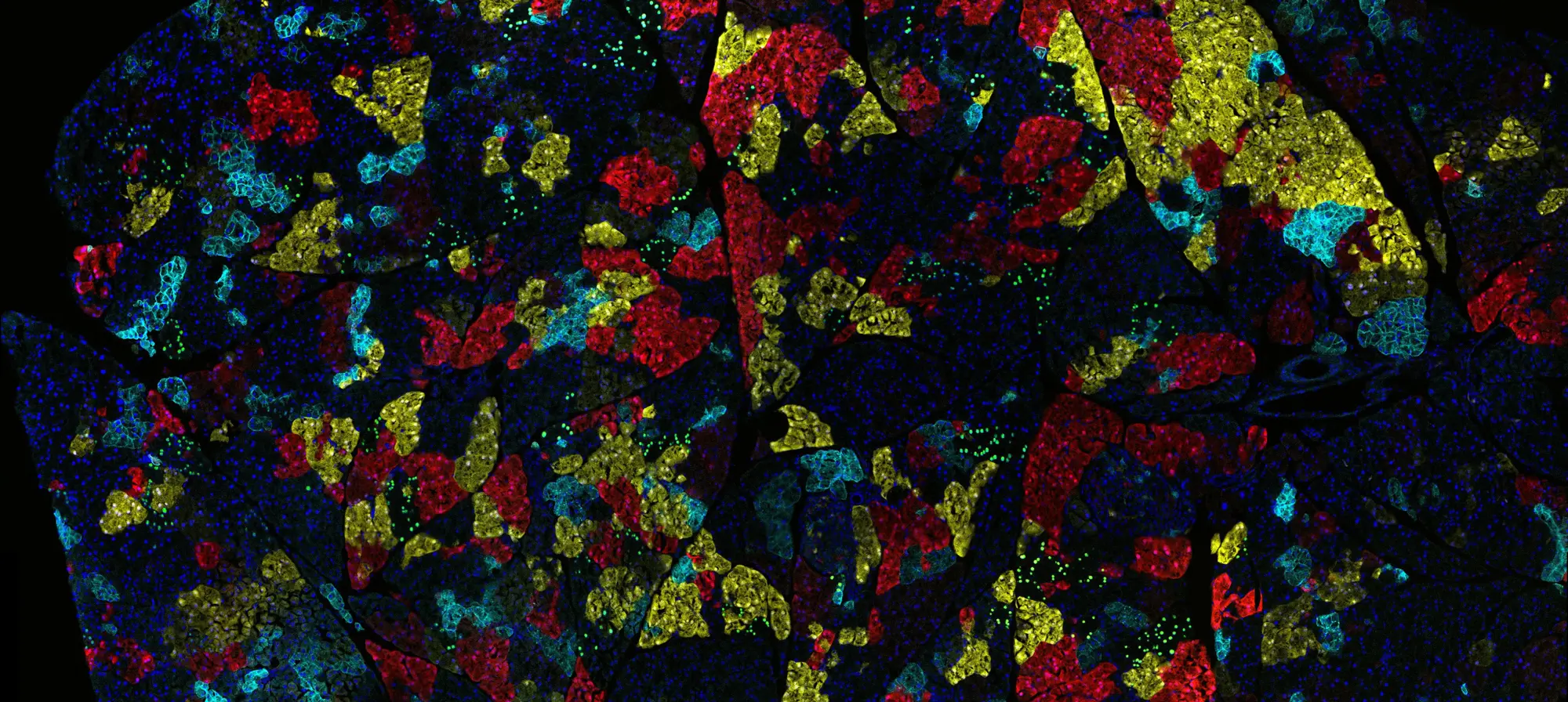
close-up of pancreas tumor

Overview

The Tumor Analysis Service of the Animal Facility provides experienced, dedicated expertise in analyzing animal models of human cancer and other diseases. It provides investigators access to a wide variety of human cancer cell lines for xenograft studies, some primary human xenograft models and additional transgenic mouse solid tumors and leukemia models. Solid tumors are typically initiated by subcutaneous or orthotopic transplantation of cultured cells, frozen viable tumors or fresh transplanted tumor tissue. Experimental compounds or other host manipulations are administered and tumor size, metastases, histopathology and blood chemistry are evaluated.

The core also offers serial passaging of tumors and derivation of 2D and 3D cultures from xenograft tumors, including patient-derived xenograft (PDX) models. Such short-term cell cultures established from PDXs enable in vitro analysis, including high throughput screening with compounds or RNAi for functional characterization.

The service serves as a resource of materials, expert advice and practical training. One advantage of this service for investigators will be the competent performance of sophisticated in vivo tumor analysis rapidly before the necessary analytical and surgical techniques are perfected within the investigator’s laboratory.


Services

Formulation Advice

For some compounds, we can provide advice and experience with formulation so it can be administered in a biologically active form.

Maximum Tolerated Dose

We can perform standard protocols for determining the maximum tolerated dose in mice. This can also provide tissue and blood for determination of compound availability. Analysis of human tumors in immune deficient mice.

Our initial services include xenograft studies in immune compromised mice using imaging and clinical chemistry instruments. We provide expertise in the use of current human tumor cell line models and will extend to you the options of using new and/or improved models as they become available. 

Tumors may be initiated from cell cultures, frozen viable tumors or live tumor bearing animals if available.

Analysis of Mouse Tumors in Immune Competent Hosts

We will soon be offering the use of several mouse tumors. These will be tumors frozen as viable tissue. Transplantation of cohorts of mice with tumor tissue or cells will result in the development of groups of animals with similar sized tumors for drug treatment. We will offer tumors from MMTV-PyMT and MMTV-Wnt1 mammary tumors. The advantage of these is normal microenvironment that includes a competent immune system.

Final Reports

A written summary of the experiment is provided including all primary data, secondary graphs, fixed and frozen tissues.

Tumor and Cell Line Resource

Human tumor cells engineered to express high levels of luciferase are available through the Animal Imaging Service. Additional human and mouse tumor lines are available through Tumor Analysis. Many of these are part of the NCI 60 collection of human tumors.

Technical Training in Animal Tumor Methods

Training in methods of compound administration include intraperitoneal injection, intravenous injection, and oral gavage. The Animal Facility also provides training in some of these methods.


Equipment & Resources

For Equipment information, please call (858) 646-3100 ext. 3257 or email us.


Price List

For a Price List, please call (858) 646-3100 ext. 3147 or email us.


Contact

Please call (858) 646-3100 ext. 3147 or use the button below to send us an email.
Contact the Facility

Bioinformatics

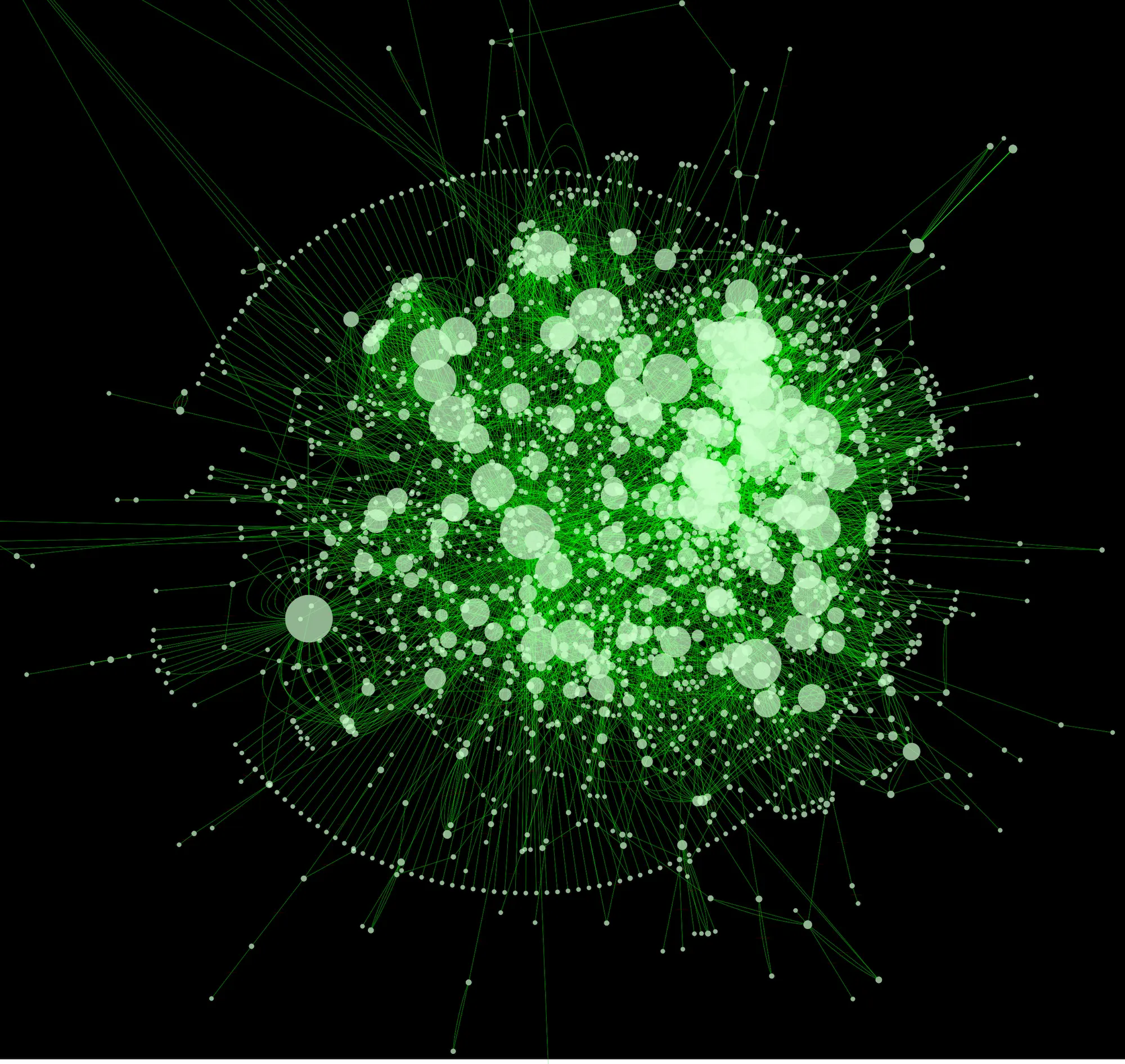
cytoscape network-bioinfo-nigms

Overview

The Bioinformatics Shared Resource provides cutting-edge computational and systems biology support to the Institute and its NCI-designated Cancer Center. We specialize in omics data analysis, multi-omics data integration, network and pathway analysis, and machine learning. Different levels of data analyses are provided, based on the complexity of researchers’ data sets. This may include automated pipeline-based analyses, customized deep data mining, development and application of machine learning models, and hypothesis driven in-silico drug discovery. Our focus is to help researchers put data into biological contexts across various disease areas, and to create testable hypotheses and understandable biological processes.

We also provide Bioinformatics classes and training for the entire Cancer Center and Sanford Burnham Prebys community. Both internal and external customers are charged at assigned hourly rates.

The areas we focus on include:
  • Data mining of Next Generation Sequencing (NGS) data sets, including:
    • RNA-Seq, ChIP-Seq, ATAC-Seq, DNA Methylation etc.
    • Single-cell RNA and ATAC (10X platforms, PIP-seq, etc.)
    • Spatial transcriptomics including 10X Genomics Visium and Visium HD, CosMX, GeoMX
    • Data integration of transcriptomics, genomics, proteomics, and epigenomics data sets
  • Network and pathway analyses using customized algorithms and commercially available software, including Ingenuity Pathway Analysis, GSEA, etc.
  • Machine learning applications and implementation
  • Drug screening data analysis
  • Biostatistics
  • Data management and upload (GEO/SRA and ProteomeXchange)
  • Training and consultation on bioinformatics
  • Grant and letter-of-support writing services

Services

Assistance is provided in the following areas:

  • Transcriptomics
    Bulk RNA-seq, Microarray, nanoString nCounter, miRNA-seq, and single-cell RNA-seq) Data pre-processing (alignment and quantification using Nextflow pipelines), data QC/QA, differential gene expression, pathway and network analysis, report generation and visualization using Shiny apps.
  • Spatial transcriptomics
    (Visium and Visium HD, nanoString GeoMX and CosMX) Data pre-processing using proprietary pipelines and analysis.
  • Epigenomics
    (ChIP-seq, ATAC-seq, Cut&Run, Cut&Tag, DNA methylation, single-cell ATAC-seq) Data pre-processing (alignment, filtering), QC/QA, peak calling, differential binding/accessibility analysis, motif search, visualization using IGV/UCSC Genome Browser, pathway and network analysis.
  • Proteomics
    (Global and phosphoproteomics) Data pre-processing (summarization and normalization), QC/QA, missing data imputation, differential expression analysis, pathway and network analysis.
  • Variant calling
    (WGS, Exome-seq, SNP array) Data pre-processing (alignment, filtering), variant calling, variant annotation and filtering, visualization.
  • Functional Genomics
    (CRISPR screening) Data pre-processing (alignment, filtering) and normalization, gene essentiality scoring, pathway/network analysis.

Other areas:

  • Manuscript preparation: (Custom high-quality figure generation, manuscript writing)
  • Custom code (Python/R) and algorithm development
  • Biostatistics: (Study design, power analysis, survival analysis, etc.)
  • Data management: (Sequencing and proteomics data) Metadata and data management, data submission to NCBI GEO and ProteomeXchange.
  • Training: (Bioinformatics classes, training, and tutorials)

Equipment & Resources

We have advanced hardware (dedicated server with RStudio server installed for large single cell and spatial omics analysis, HPC clusters, and large collection of software to solve your research problems. The software collections include commercially licensed software suites, including Ingenuity Pathway Analysis (IPA), TRANSFAC; and open source software and databases such as Cytoscape, Broad Institute’s Genome Analysis ToolKit (GATK), GSEA; and customized algorithm and pipeline development using R/Bioconductor and Python. We actively use data from public databases (GEO, TCGA, CCLE, DepMap, and other sources) for biomarker discovery, survival analysis and predictive modeling. We have constructed automated computational pipelines using best-practices for RNA-seq, ChIP-seq, ATAC-seq, CRISPR screening, etc. We use Nextflow pipelines for better reproducibility of analyses.


Price List

For price and cost estimate, please call (858) 795-5200 ext. 4008 or email us.

Bioinformatics ServicesInternal
Subsidized
InternalExternal
Non-Profit
External
For-Profit
Bioinformatics Custom Data Analysis/Applicationhour$50$62.50$67.50$131.50
Statistics data Analysishour$50$62.50$67.50$131.50

Leadership

Yuk-Lap (Kevin) Yip, PhD
Scientific Director
(858) 795-5102
kyip@sbpdiscovery.org

Rabi Murad, PhD
Director
rmurad@sbpdiscovery.org

Contact

Dr. Rabi Murad specializes in applying integrative genomics and epigenomics techniques for biomarker discovery in developmental biology, microRNA biology, and cancer. He has contributed to diverse projects such as genome/transcriptome assembly, functional annotation, gene expression profiling including at single cell level, microRNA profiling, and epigenomics profiling such as ChIP-seq and ATAC-seq. Dr. Murad received his PhD in biological sciences from University of California Irvine, where he received extensive training in applying genomics and bioinformatics techniques to diverse questions in developmental biology and cancer. As part of the ENCODE consortium, his work led to near comprehensive profiling and characterization of microRNAs during mouse embryonic development. He has contributed to several scientific papers published in prominent genome biology journals such as Genome Research and BMC Genomics as well as in Science and Nature.

Please call (858) 795-5200 ext. 4008 or use the button below to send us an email.

Contact the Facility