Center for Metabolic and Liver Diseases
A Menace in the Multitudes
Message from the Center Director
The Center for Metabolic and Liver Disease is focused on basic and translational research into acquired and hereditary metabolic diseases. Acquired metabolic diseases, such as type 2 diabetes and metabolic dysfunction associated fatty liver disease, (MASLD), have grown exponentially due to our sedentary lifestyle, which is often accompanied by rampant consumption of calorie dense, highly processed foods. Together, type 2 diabetes and MASLD, which increases the risk of liver fibrosis, cancer, and cardiovascular disease, currently affect 40% of Americans and Europeans, resulting in the most severe burden to our healthcare system. Hereditary metabolic diseases, or inborn errors of metabolism, such phenylketonuria and Maple Syrup Urine Disease, are much rarer, but disproportionately affect the youngest members of our society.
Several members of our center, Dr. David Brenner, Dr. Randall Kaufman, Dr. Debanjan Dar, and Dr. Michael Karin, have been working for several decades on the causes, progression, and treatment of MASLD, and related comorbidities such as hepatic insulin resistance, liver fibrosis, and liver cancer, as well as related cardiometabolic complications.

Our research into these diseases has been based on the integration of multiomic data derived from clinical specimens with the extensive analysis of clinically relevant mouse models, some of which were developed within our center. As we gain improved insights into the causes of metabolic liver diseases, we become better positioned to embark on the development of much-needed new diagnostic tools and novel therapies.
Another member of our center, Dr. Hudson Freeze has dedicated his scientific career to the study of hereditary disorders of carbohydrate and glycoprotein metabolism, including identification of more than 30 novel rare genetic disorders in young patients. Many are incurable and sometimes lethal. In addition to defining the basis for these diseases, Dr. Freeze worked with hundreds of patients and families to sometimes provide simple dietary interventions that reduce the severity of these diseases.
Last but not least, the sixth member of our center, Dr. Jamie Marth, has been studying the role of protein sugar modifications in immune system regulation. Dr. Marth’s basic research has particularly important implications on organ transplantation, often needed as the last resort for the prevention of liver failure, and has a great potential for finding new ways to specifically prevent transplant rejection without a need for systemic immune suppression.
As part of our mission, our center also emphasizes clinical translation of our basic findings, efforts that will be carried out through the SBP Center for Therapeutics Discovery and appropriate clinical collaborators.
Regardless of our individual research priorities and experimental approaches, we all subscribe to the same principle: better life through basic research. There is little doubt that the development and acquisition of new research tools will greatly improve our understanding of the complex diseases studied in our center and will make the way for new and improved treatments.

Michael Karin, PhD
Center Director
The rising prevalence of metabolic disorders in the United States and around the world is alarming, especially those conditions that affect the liver—central to metabolic health.
One in three American adults has metabolic syndrome, a group of conditions that includes coronary heart disease, diabetes and stroke. Liver disease is equally prevalent. It’s estimated that 20-30% of adults in the U.S. have metabolic-dysfunction associated steatotic liver disease (MASLD) and 5-10% have the more severe form called metabolic-dysfunction associated steatohepatitis or MASH, which can lead to scarring (cirrhosis), liver cancer and organ failure.
Worldwide, the estimated prevalence of MASLD is 38%.
Our goal is to identify and interpret the underlying causes and drivers of metabolic and liver diseases, a continuum of research that includes basic intracellular signaling, metabolic translational research, human physiological studies and clinical trials.
Literally millions of people endure or face lives of chronic poor health, diminished well being and eventual death from metabolic diseases. Current therapeutic options are limited, ineffective or don’t exist at all. We want to change that.
Latest News
Center for Metabolic and Liver Diseases
 Mar 9, 2026
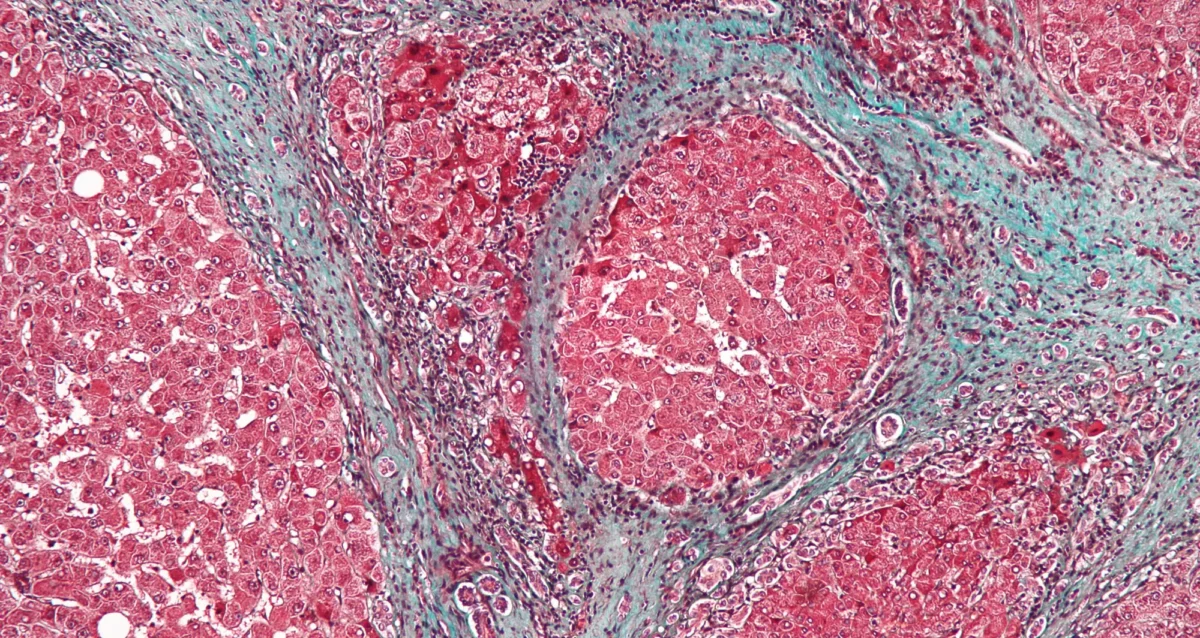
Living LARP6: How a protein plays an oversized role in liver fibrosis
Mar 9, 2026Study further elaborates on how LARP6 powers organ damage, and how it may be a therapeutic target for myriad, almost…
 Feb 12, 2026
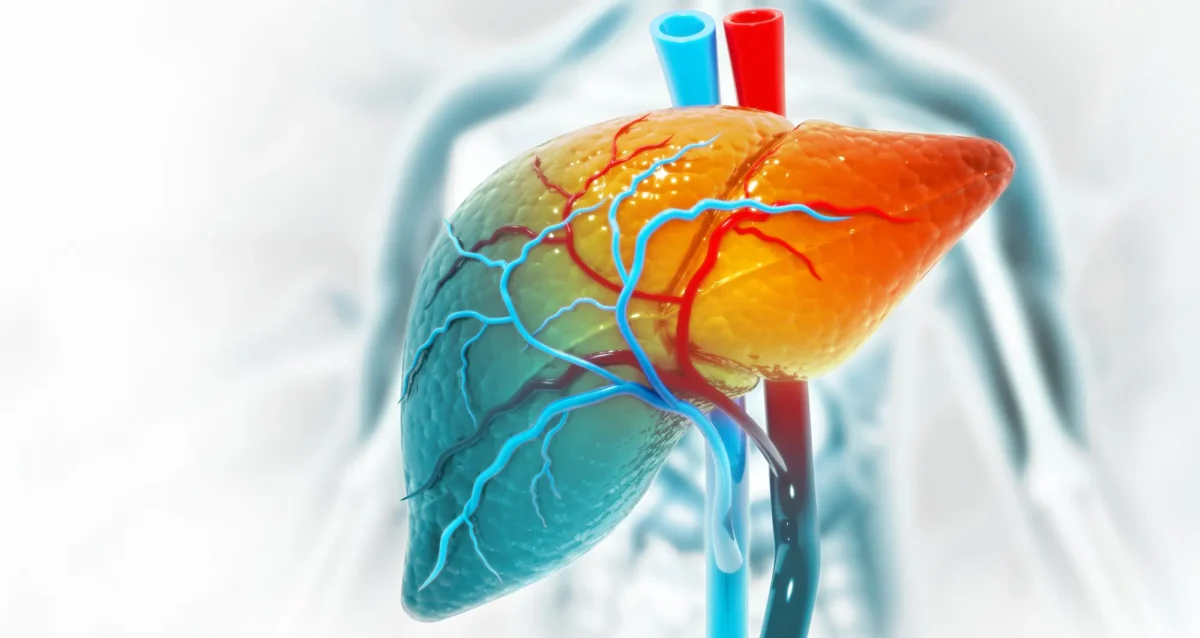
Cell stress response bears good news and bad news for liver cancer
Feb 12, 2026Cell stress response protein implicated in cancer progression, yet it also weakens resistance to immunotherapies.
 Oct 27, 2025
A Conversation About Aging and Metabolic Disorders at Sanford Burnham Prebys
Oct 27, 2025Event recording now available for panel discussion with scientists held on October 14, 2025.
 Jun 30, 2025
Leading cancer and metabolic disease expert Michael Karin joins Sanford Burnham Prebys
Jun 30, 2025Karin will direct the Center for Metabolic and Liver Diseases and continue his studies on inflammation and cancer.
 Jun 10, 2025
Research reviews look at liver disease and diabetes
Jun 10, 2025Liver disease and diabetes are among the nation’s most pressing health threats, afflicting millions of Americans. A trio of recently…
 Jan 28, 2025
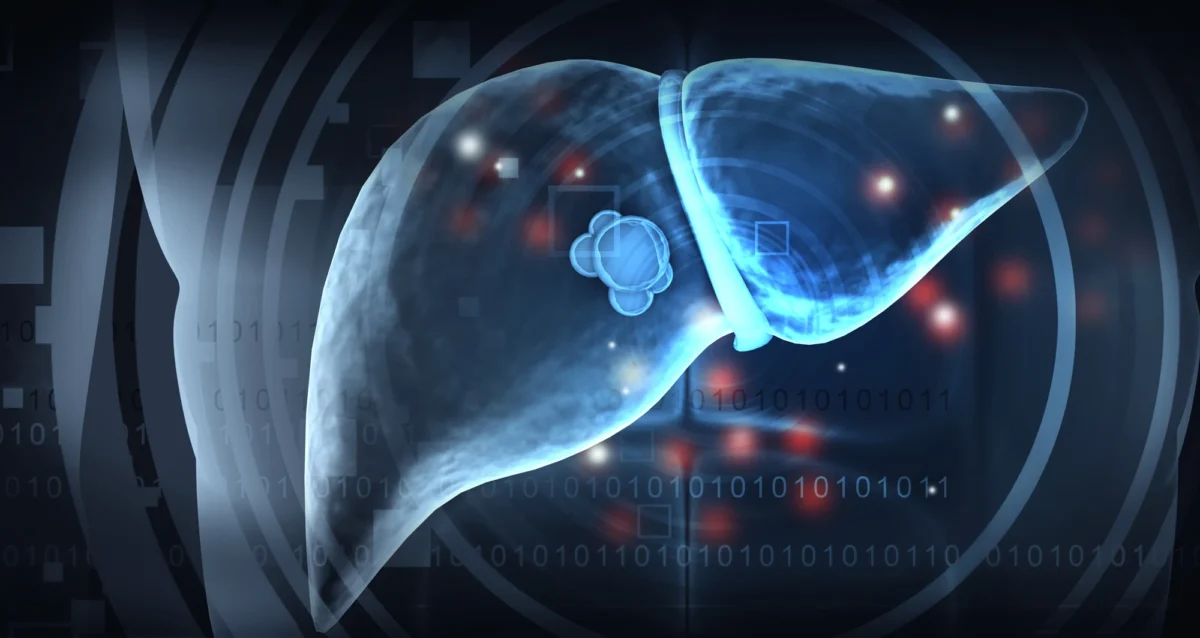
A monster, MASH
Jan 28, 2025Scientists show how the advanced form of fatty liver disease has monstrous effects on liver cancer risk.