Alzheimer's disease Archives - Page 3 of 3 - Sanford Burnham Prebys
Institute News

How protein tangles accumulate in the brain and cause neurological disorders

Authorsgammon
Date

September 2, 2015

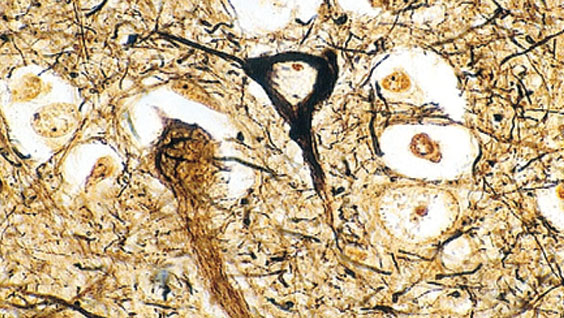
A new Sanford Burnham Prebys Medical Discovery Institute (SBP) study takes a step forward in understanding how similar, yet genetically unrelated neurodegenerative diseases, such as Alzheimer’s disease, frontal temporal dementia, and progressive supranuclear palsy (PSP) are caused by the protein tau. The findings, published today in Neuron, create new opportunities to target this key protein that leads to the brain lesions found in patients with impaired motor functions and dementia. Continue reading “How protein tangles accumulate in the brain and cause neurological disorders”

Institute News

Newly discovered cell stress pathway could hold therapeutic promise for diverse diseases

AuthorGuest Blogger
Date

January 5, 2015

This post was written by Janelle Weaver, PhD, a freelance writer.

When cells are faced with unfavorable environmental conditions, such as limited nutrient availability, the activation of adaptive stress responses can help protect them against damage or death. For example, stressed cells can maintain sufficient energy levels for survival by degrading and recycling unnecessary or dysfunctional cellular components. This survival mechanism, known as autophagy (literally, ‘self-digestion’), also plays key roles in a variety of biological processes such as development and aging, and is often perturbed in various diseases. Even though tight control of autophagy is key to survival, relatively little is known about the signaling molecules that regulate this essential process.

Sanford-Burnham researchers have made important progress in addressing this gap in knowledge by discovering that proteins called STK3 and STK4 regulate autophagy across diverse species. As reported recently in Molecular Cell, the newly identified mode of autophagy regulation could potentially have important clinical implications for the treatment of a broad range of diseases, including cancer, diabetes, Alzheimer’s disease, cardiac dysfunction, and immune-related diseases.

“Our discovery is fundamental to our molecular understanding of how autophagy is regulated,” said senior study author Malene Hansen, PhD, associate professor of the Development, Aging, and Regeneration Program at Sanford-Burnham. “Because impairment in the autophagy process has been linked to many disorders in humans, we believe that pharmacological agents targeting this novel regulatory circuit may hold great therapeutic potential.”

Critical kinases

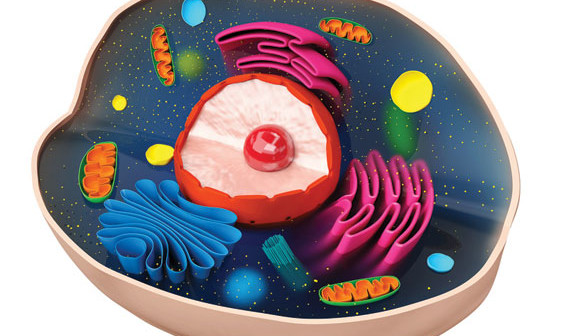
Autophagy is a cellular recycling process involving a highly intricate and complex series of events. Cellular components such as abnormal molecules or damaged organelles are first sequestered within vesicles known as autophagosomes. These vesicles then fuse with organelles called lysosomes, which contain enzymes that break down various molecules. This fusion process results in the formation of hybrid organelles called autolysosomes, where the defective cellular components are enzymatically degraded and recycled. A protein called LC3 plays crucial roles in the formation of autophagosomes and the recruitment of dysfunctional cellular components to these vesicles. The signaling events that coordinate LC3’s various functions in autophagy have not been clear, but new research from the Hansen lab now proposes a novel and essential role for the mammalian Hippo kinases STK3 and STK4 in regulating autophagy by targeting LC3 for phosphorylation.

In their study, Hansen and her team describe that deficiency in both STK3 and STK4 impairs autophagy not just in mammalian cells, but also in nematodes and yeast. When exploring how the kinases regulate autophagy in mammalian cells, the researchers discovered that phosphorylation of LC3 by STK3 and STK4, specifically on the amino acid threonine 50, is critical for fusion between autophagosomes and lysosomes—an essential step in the autophagy process. “Collectively, the results of this study strongly support a critical and evolutionarily conserved role for STK3 and STK4 in regulating autophagy, by phosphorylating the key autophagy protein LC3, at least in mammalian cells,” Hansen said.

Killing bacteria

Previous studies have shown that STK4 also plays a role in regulating antibacterial and antiviral immunity in mammals, including humans. Moreover, autophagy is known to play a role in the clearance of intracellular pathogens. “These findings, taken together with our discovery that deficiency in STK3 and STK4 severely compromises autophagy, led us to test whether STK4 also plays a role in antimicrobial immunity through its function in autophagy,” said lead study author Deepti Wilkinson, Ph.D., a postdoctoral fellow in Hansen’s lab.

To test this notion, the researchers collaborated with Victor Nizet MD, professor of Pediatrics and Pharmacy  at UC San Diego and found that indeed mouse embryonic cells deficient in both STK3 and STK4 were unable to efficiently kill intracellular group A streptococci—bacteria known to be cleared by autophagy. However, an LC3 mutation that resulted in constant phosphorylation at threonine 50 restored the ability of the STK3/STK4-deficient cells to kill the bacteria. “This finding suggests that the same STK4-LC3 signaling pathway involved in autophagy also contributes to the response of mammalian cells to infection with intracellular pathogens and could play a role in human immune-related disease,” Wilkinson said.

Correcting defects

Moving forward, the researchers plan to further probe the molecular mechanisms by which STK3 and STK4 regulate autophagy. They will also investigate the therapeutic implications of the STK3/STK4 signaling pathway for tumor suppression as well as immune-related disorders such as bacterial and viral infections. “Understanding how autophagy works and why it sometimes stops to function optimally is essential for fighting diseases such as cancer, diabetes and neurodegeneration,” Hansen said.

“We have made a major contribution towards this endeavor by showing that STK3 and STK4 play an essential role in keeping the process of autophagy running smoothly by directly phosphorylating the key autophagy protein LC3. We hope our discoveries will lead to the development of effective drugs that can help correct autophagy defects that commonly occur in these diseases,” added Hansen.

A copy of the paper can be found at: http://www.ncbi.nlm.nih.gov/pubmed/25544559

Institute News

Sanford-Burnham plays key role in San Diego Alzheimer’s Project

Authorsgammon
Date

December 10, 2014

San Diego has formed an unprecedented coalition to find a cure for Alzheimer’s disease. The Alzheimer’s Project, conceived of by county Board of Supervisors Chairwoman Dianne Jacob, is an initiative with aims of both finding a cure and helping the 60,000 county residents who have the disease. Guided by a steering committee led by Jacob and chaired by Supervisor Dave Roberts, the Project brings a diverse team of experts in research, caregiving, health care, philanthropy, and community support to assimilate and execute a five-year plan with a goal to conquer the disease once and for all. Continue reading “Sanford-Burnham plays key role in San Diego Alzheimer’s Project”

Institute News

Enzymes could be key for brain cancer and Alzheimer’s disease

AuthorGuest Blogger
Date

December 9, 2014

This post was written by Janelle Weaver, PhD, a freelance writer.

Animals ranging from fish to humans produce a vitamin-A metabolite called retinoic acid, which plays an important role in growth and embryonic development and protects against diseases such as cancer. By regulating the activity of key genes, retinoic acid causes immature cells called embryonic stem cells to turn into mature, specialized cells such as neurons. “Neurons—the building blocks of the nervous system—are particularly important cell types in therapy, due to the fact that they normally don’t reproduce or replace themselves after they become damaged,” said Laszlo Nagy, MD, PhD, director of the Genomic Control of Metabolism Program and professor in the Diabetes and Obesity Research Center at Sanford-Burnham’s Lake Nona campus. “Despite their crucial role, we still have a limited understanding regarding the molecular programs that coordinate their functionality.” Continue reading “Enzymes could be key for brain cancer and Alzheimer’s disease”

Institute News

Using geometry to design new drugs

Authorsgammon
Date

November 19, 2014

In a new study published in ACS Chemical Biology, Sanford-Burnham’s Stefan Riedl and Elena Pasquale created a molecule with an improved ability to block the activation of a cell receptor called EphA4. When EphA4 is activated, it can hinder the ability of neurons to repair themselves and exacerbates certain degenerative processes, such as amyotrophic lateral sclerosis (ALS)—often referred to as Lou Gehrig’s Disease; Alzheimer’s disease; and stroke. The molecule is a cyclic peptide that represents a promising therapeutic lead for targeting neurodegenerative diseases and some cancers. Continue reading “Using geometry to design new drugs”

Institute News

What’s the sixth leading cause of death in the U.S.? Alzheimer’s disease.

Authorsgammon
Date

November 7, 2014

November is Alzheimer’s Awareness Month. If you know nine people over the age of 65, at least one of them has Alzheimer’s disease. Learn 10 facts about the disease that may change your life, and check out highlights of how Sanford-Burnham is contributing to the efforts to diagnose, prevent, and treat this devastating disease.

  1. Every 68 seconds, a person in the U.S. develops Alzheimer’s disease.
  2. Alzheimer’s is an irreversible, progressive brain disease that slowly destroys memory, thinking skills, and is eventually fatal.
  3. Alzheimer’s afflicts more than five million Americans.
  4. Almost two thirds of Alzheimer’s patients are women.
  5. Studies show that people age 65 and older survive an average of four to eight years after an Alzheimer’s diagnosis.
  6. The average family caring for a relative with Alzheimer’s can expect to spend $215,000 throughout the course of the disease.
  7. Alzheimer’s is the most expensive condition in the U.S., in large part because of the intensive caregiving that’s required.
  8. Although treatment can help manage symptoms of the disease in some people, there is no cure for this devastating disease.
  9. The NIH spent over $500 million dollars on Alzheimer’s research in 2013.
  10. The only definitive diagnosis for Alzheimer’s is a brain biopsy.

Also check out these stories that highlight Sanford-Burnham’s Alzheimer’s disease research:

Why people with Down syndrome invariably develop Alzheimer’s disease Researcher’s discover a “switch” in Alzheimer’s and stroke patient brains Blocking the build-up of toxic free radicals in the brain could prevent Alzheimer’s disease Reversing the loss of brain connections in Alzheimer’s disease

Institute News

Why people with Down syndrome invariably develop Alzheimer’s disease

Authorsgammon
Date

October 23, 2014

A new study by researchers at Sanford-Burnham reveals the process that leads to changes in the brains of individuals with Down syndrome—the same changes that cause dementia in Alzheimer’s patients. The findings, published in Cell Reports, have important implications for the development of treatments that can prevent damage in neuronal connectivity and brain function in Down syndrome and other neurodevelopmental and neurodegenerative conditions, including Alzheimer’s disease.

Down syndrome is characterized by an extra copy of chromosome 21 and is the most common chromosome abnormality in humans. It occurs in about one per 700 babies in the United States, and is associated with a mild to moderate intellectual disability. Down syndrome is also associated with an increased risk of developing Alzheimer’s disease. By the age of 40, nearly 100 percent of all individuals with Down syndrome develop the changes in the brain associated with Alzheimer’s disease, and approximately 25 percent of people with Down syndrome show signs of Alzheimer’s-type dementia by the age of 35, and 75 percent by age 65. As the life expectancy for people with Down syndrome has increased dramatically in recent years—from 25 in 1983 to 60 today—research aimed to understand the cause of conditions that affect their quality of life are essential.

“Our goal is to understand how the extra copy of chromosome 21 and its genes cause individuals with Down syndrome to have a greatly increased risk of developing dementia,” said Huaxi Xu, PhD, professor in the Degenerative Diseases Program and senior author of the paper. “Our new study reveals how a protein called sorting nexin 27 (SNX27) regulates the generation of beta-amyloid—the main component of the detrimental amyloid plaques found in the brains of people with Down syndrome and Alzheimer’s. The findings are important because they explain how beta-amyloid levels are managed in these individuals.”

Beta-amyloid, plaques, and dementia

Xu’s team found that SNX27 regulates beta-amyloid generation. Beta-amyloid is a sticky protein that’s toxic to neurons. The combination of beta-amyloid and dead neurons form clumps in the brain called plaques. Brain plaques are a pathological hallmark of Alzheimer’s disease and are implicated in the cause of the symptoms of dementia.

“We found that SNX27 reduces beta-amyloid generation through interactions with gamma-secretase—an enzyme that cleaves the beta-amyloid precursor protein to produce beta-amyloid,” said Xin Wang, PhD, a postdoctoral fellow in Xu’s lab and first author of the publication. “When SNX27 interacts with gamma-secretase, the enzyme becomes disabled and cannot produce beta-amyloid. Lower levels of SNX27 lead to increased levels of functional gamma-secretase that in turn lead to increased levels of beta-amyloid.”

SNX27’s role in brain function

Previously, Xu and colleagues found that SNX27-deficient mice shared some characteristics with Down syndrome, and that humans with Down syndrome have significantly lower levels of SNX27. In the brain, SNX27 maintains certain receptors on the cell surface—receptors that are necessary for neurons to fire properly. When levels of SNX27 are reduced, neuron activity is impaired, causing problems with learning and memory. Importantly, the research team found that by adding new copies of the SNX27 gene to the  brains of Down syndrome mice, they could repair the memory deficit in the mice.

The researchers went on to reveal how lower levels of SNX27 in Down syndrome are the result of an extra copy of an RNA molecule encoded by chromosome 21 called miRNA-155. miRNA-155 is a small piece of genetic material that doesn’t code for protein, but instead influences the production of SNX27.

With the current study, researchers can piece the entire process together—the extra copy of chromosome 21 causes elevated levels of miRNA-155 that in turn lead to reduced levels of SNX27. Reduced levels of SNX27 lead to an increase in the amount of active gamma-secretase causing an increase in the production of beta-amyloid and the plaques observed in affected individuals.

“We have defined a rather complex mechanism that explains how SNX27 levels indirectly lead to beta-amyloid,” said Xu. “While there may be many factors that contribute to Alzheimer’s characteristics in Down syndrome, our study supports an approach of inhibiting gamma-secretase as a means to prevent the amyloid plaques in the brain found in Down syndrome and Alzheimer’s.”

“Our next step is to develop and implement a screening test to identify molecules that can reduce the levels of miRNA-155 and hence restore the level of SNX27, and find molecules that can enhance the interaction between SNX27 and gamma-secretase. We are working with the Conrad Prebys Center for Chemical Genomics at Sanford-Burnham to achieve this,” added Xu.

#  #  #

 This research was supported in part by US NIH/National Cancer Institute Grant AG038710, AG021173, NS046673, AG030197 and AG044420, and grants from the Alzheimer’s Association, the Global Down Syndrome Foundation, the BrightFocus Foundation (formerly the American Health Assistance Foundation) and the National Natural Science Foundation of China.

To link to the paper click: http://www.cell.com/cell-reports/abstract/S2211-1247(14)00820-1

Institute News

Meet our Postdocs: Juan Pablo Palavicini

Authorpbartosch
Date

September 4, 2014

This interview with Lake Nona postdoctoral research associate Juan Pablo Palavicini, PhD, is the second installment in our “Meet our Postdocs” Beaker series. Juan Pablo works in the laboratory of Xianlin Han, PhD, which focuses on altered lipid metabolism, trafficking and homeostasis under patho(physio)logical conditions. Continue reading “Meet our Postdocs: Juan Pablo Palavicini”