awards Archives - Page 2 of 5 - Sanford Burnham Prebys
Institute News

Sanford receives first Erkki Ruoslahti Award for Transformational Leadership

AuthorScott LaFee
Date

December 13, 2024

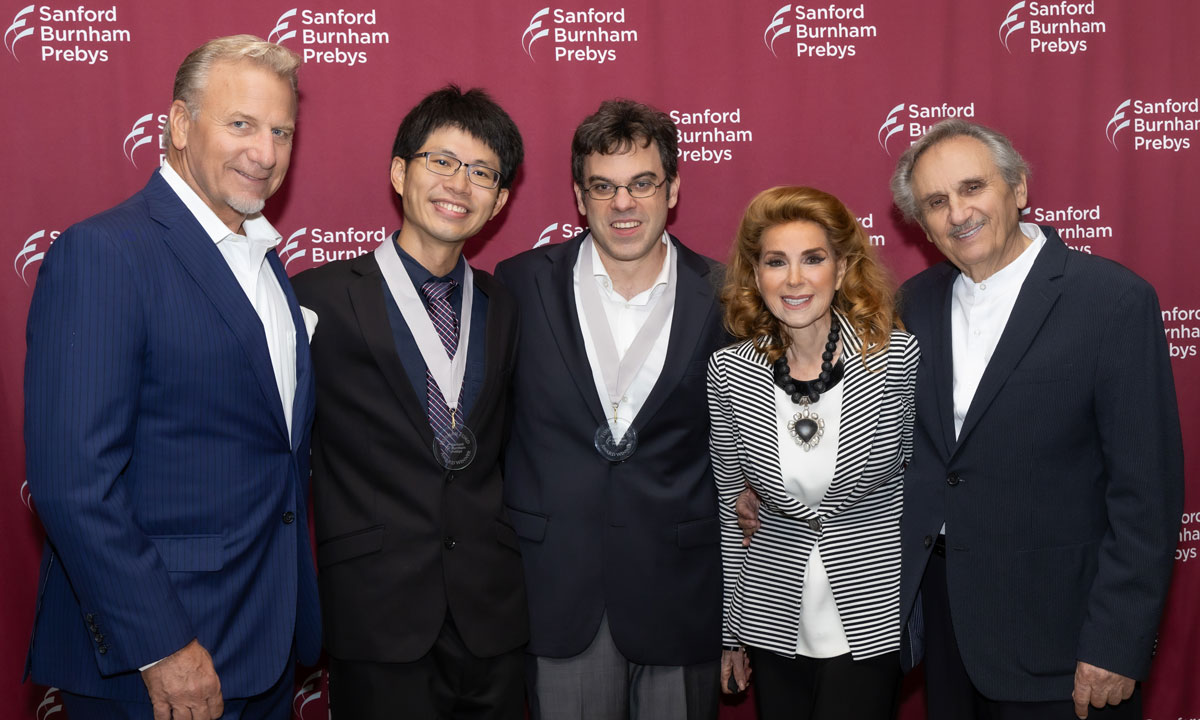
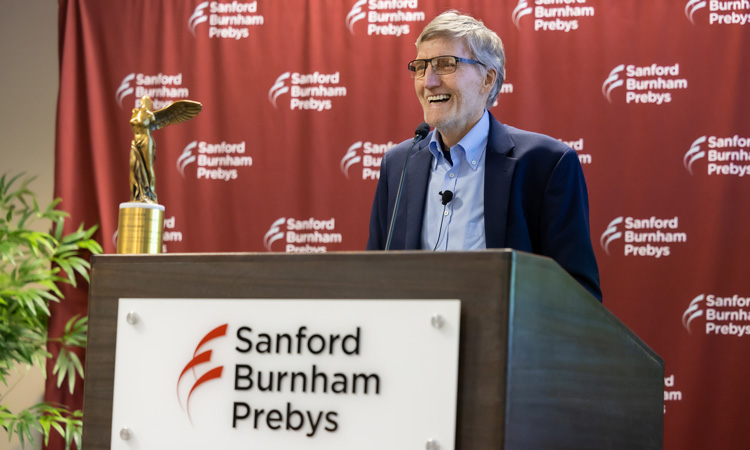
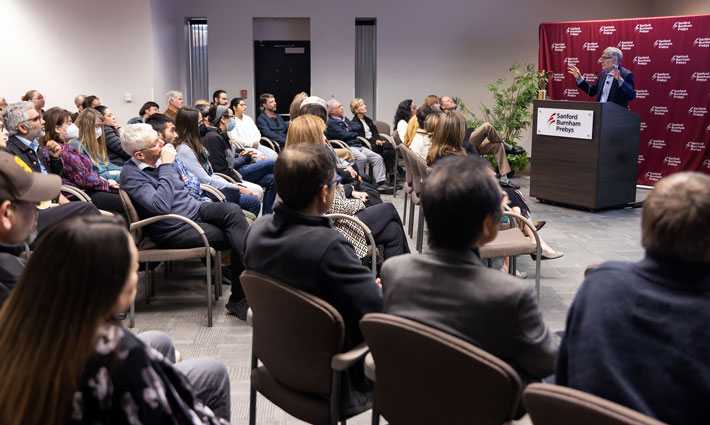
At a special event December 11, attended by trustees from Sanford Burnham Prebys and featuring brief talks by many of the Institute’s newest faculty, the inaugural Erkki Ruoslahti Award for Transformational Leadership was presented to T. Denny Sanford.

The new award honors recipients whose visionary leadership drives positive change, inspires groundbreaking solutions and contributes to the transformation of industries and society.

It is named after one of the institute’s earliest faculty and its president from 1989 to 2002. Ruoslahti made seminal contributions to the discovery of cell adhesion receptors known as integrins, helped developed a novel class of tumor-homing peptides and advanced the science of nanomedicine.

His past honors include elected membership to the U.S. National Academy of Sciences, National Academy of Medicine, American Academy of Arts and Sciences, and the European Molecular Biology Organization, the Japan Prize, Gairdner Foundation International Award, G.H.A. Clowes Award, Robert J. and Claire Pasarow Foundation Award and Jacobaeus International Prize.

In 2022, Ruoslahti was announced as one of three winners of the Albert Lasker Basic Medical Research Award, sometimes called “America’s Nobel.”

Sanford is, of course, one of the institute’s three namesakes, a distinguished businessman and philanthropist who has long supported its work and vision.

“Denny Sanford has been a friend, supporter and mentor for many, many years. He believes in the importance and value of both basic and translational science, of helping patients and the world become better and healthier,” said Brenner.

“His past, present and future support of Sanford Burnham Prebys is critical to our vision and mission. No one has done more. This award is a heart-felt, tangible symbol of our gratitude.”

Watch Award Presentation
Institute News

Alexandre Colas named 2024 Mentor of the Year at Sanford Burnham Prebys

AuthorGreg Calhoun
Date

October 8, 2024

Colas was applauded for enthusiastically promoting mentees’ professional and scientific development.

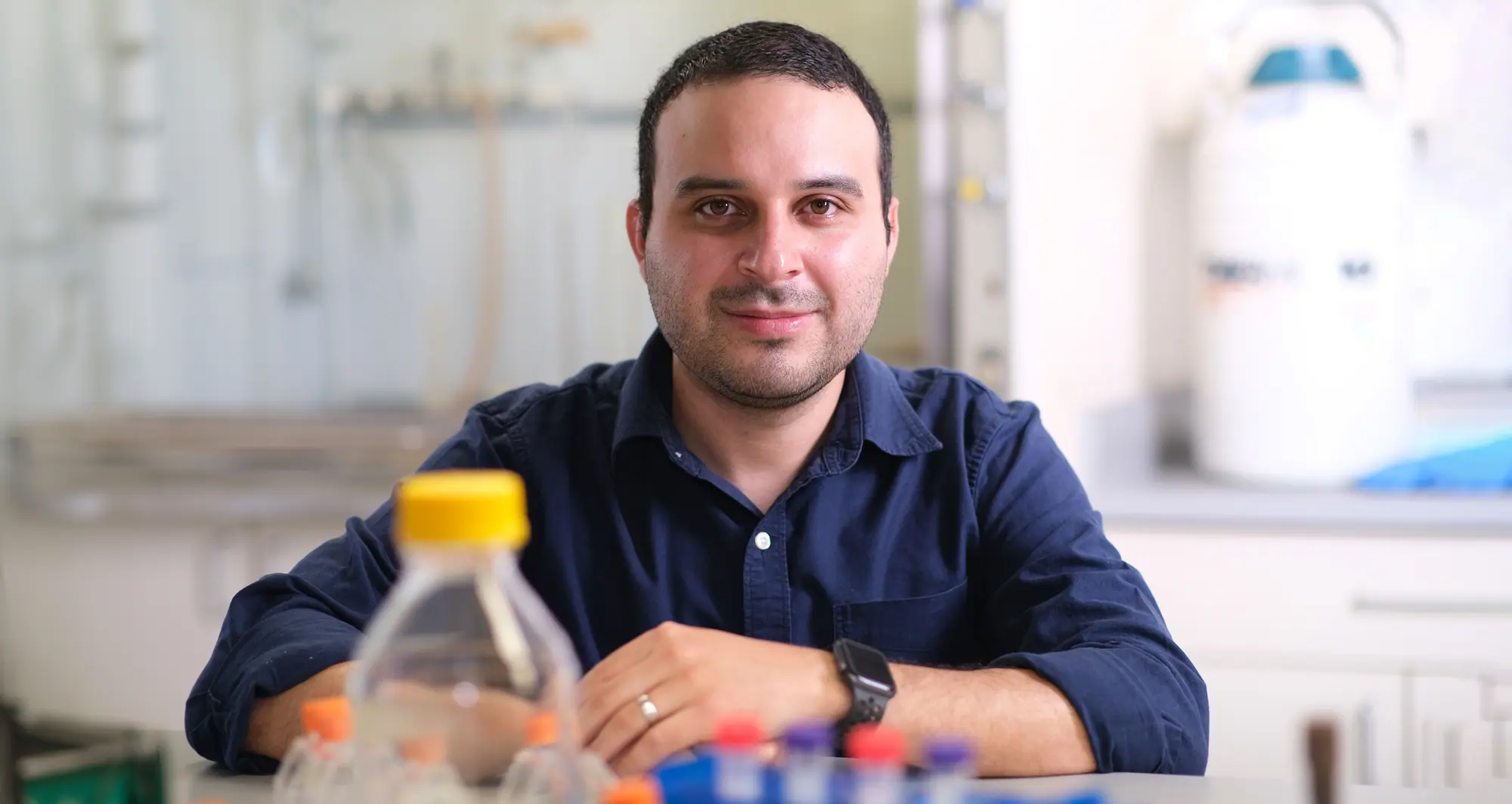
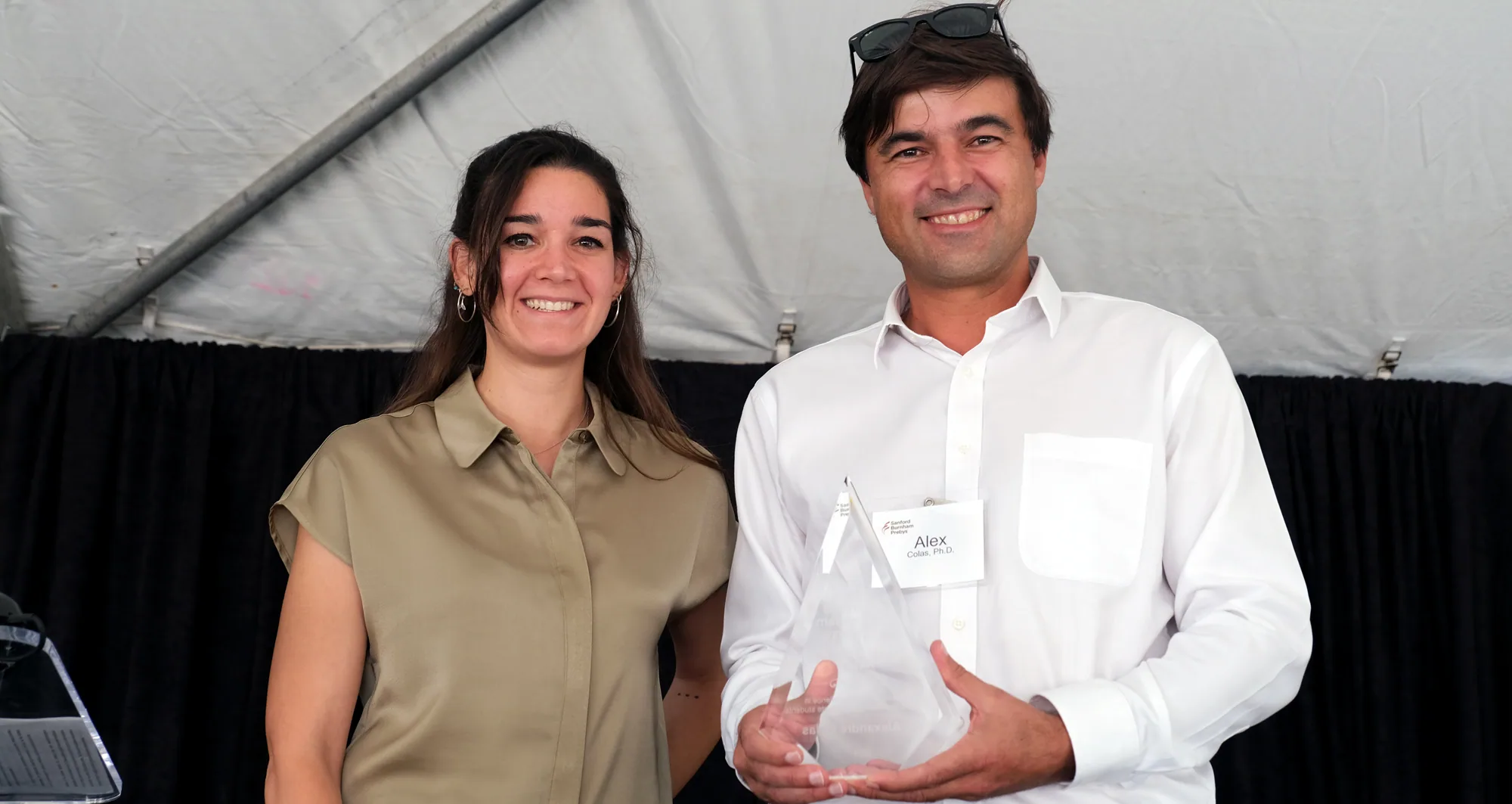
Alexandre Colas, PhD, was named as the 2024 Mentor of the Year at Sanford Burnham Prebys. This honor is jointly awarded by the institute’s Office of Education, Training and International Services (OETIS) and the Postdoctoral Training Advisory Group (PTAG).

Colas is the associate dean of admissions for the Sanford Burnham Prebys Graduate School of Biomedical Sciences and associate professor in the institute’s Development, Aging and Regeneration Program.

The Mentor of the Year awardee was determined following a selection process driven by postdoctoral scholars. After a committee reviewed nomination letters submitted by postdoctoral associates and graduate students, Colas was announced as the recipient on September 19 at the 23rd Annual Biomedical Research Symposium.

“It is evident that Colas has remarkable mentorship skills and a genuine commitment to fostering both the scientific and professional development of his postdocs and graduate students,” said postdoctoral associate and PTAG representative Alicia Llorente Lope, PhD, during her presentation of the Mentor of the Year award.

“Colas’ nominators described him as kind, compassionate and someone who creates a positive, collaborative and intellectually stimulating environment in his lab. His enthusiasm for science is infectious, and it inspires those around him.”

Additional comments from Colas’ nominators include:

“He promotes participation in career development and events, encouraging all his mentees to attend scientific workshops and training events, conferences, talks and symposia that will benefit our scientific and personal growth.”

“As an enthusiastic leader, Colas organized events to celebrate achievements and milestones. He used these opportunities to promote team-building and collaborative efforts among his lab members and beyond the lab.”

“Whether discussing complex scientific hypotheses or the latest developments in our field, Colas has a unique ability to make even the most challenging concepts accessible and exciting.”

“His influence and guidance have allowed me to push myself outside my comfort zone and to become a better scientist.”

“He guides students through difficulties, offering thoughtful advice and constructive feedback that helps us overcome obstacles and strengthens our resilience and confidence as researchers. His mentorship has helped me achieve great scientific discoveries in the lab and grow closer to becoming an independent research scientist.”

“Should I establish my own lab, I aspire to follow Colas’ mentoring and leadership style, which I believe is the epitome of mentoring perfection.”

Institute News

Ceremony celebrates recipients of 2024 Fishman Fund awards honoring exceptional postdoctoral scholars

AuthorScott LaFee
Date

September 18, 2024

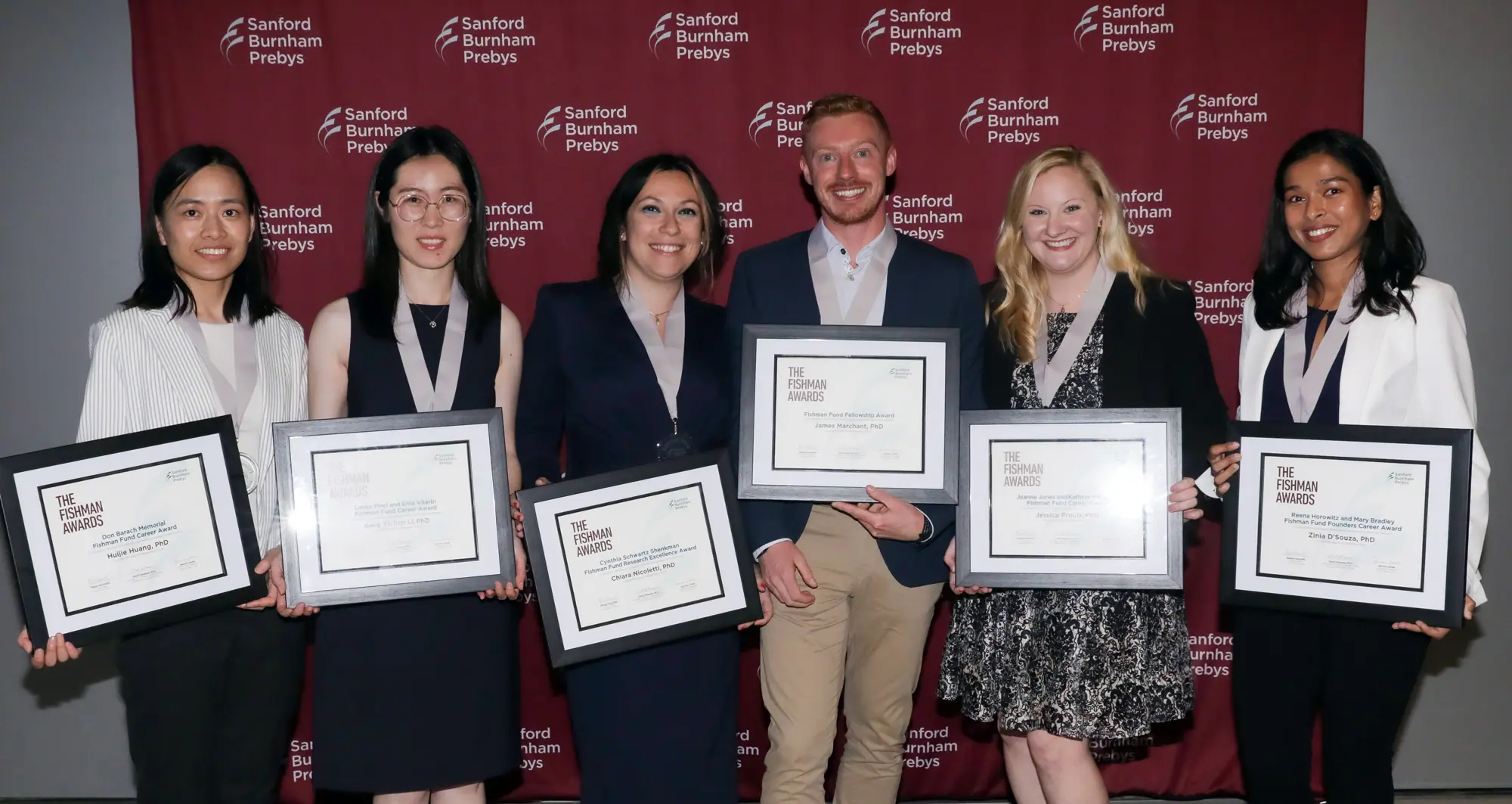
Six young scientists at Sanford Burnham Prebys, whose research spans genetic disorders, Alzheimer’s disease, heart failure and aging, were honored September 17 at the 23rd annual Fishman Fund awards ceremony.

The Fishman Fund was created in 2001 by Sanford Burnham Prebys supporters Mary Bradley and Reena Horowitz to honor Dr. William and Mrs. Lillian Fishman, who founded the institute in 1976. In 2010, Jeanne Jones became a co-founder designee.

The awards are intended to support and promote early career scientists at Sanford Burnham Prebys. Four career development awards provide $10,000 stipends that can be used to attend workshops, network and travel to national and international conferences to learn about the latest developments in their research fields. In addition, the prizes include a two-year fellowship award, and an honor focused on rewarding research excellence. The fund is made possible through the generosity of many donors.

The ceremony, which included poster presentations, was held at the Sanford Consortium for Regenerative Medicine. The 2024 recipients are:

Reena Horowitz and Mary Bradley Fishman Fund Award

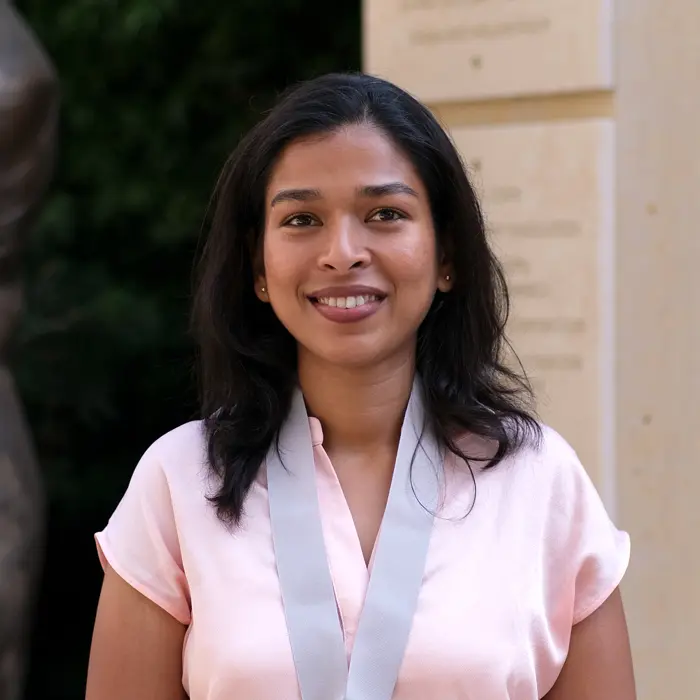
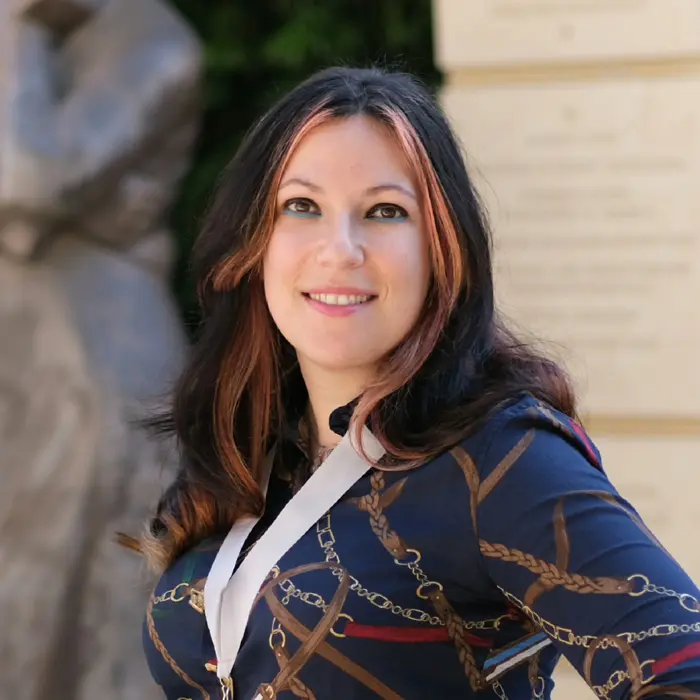
Zinia D’Souza, PhD, is a postdoctoral associate in the laboratory of Hudson Freeze, PhD, director of the Sanford Children’s Health Research Center and the director of the Human Genetics Program.Her research is focused on identifying new congenital disorders of glycosylation (CDGs), rare disorders caused by mutations that impair glycosylation—the complex process by which cells build long sugar chains that are attached to proteins called glycoproteins. D’Souza also works to uncover how these rare genetic mutations cause the observed symptoms.

Zinia Dsouza headshot

Don Barach Memorial Fishman Fund Award

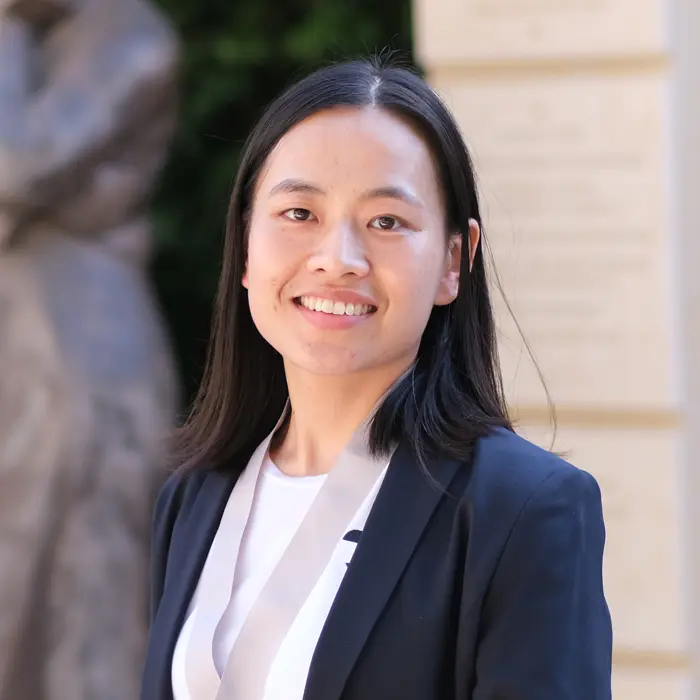
Huijie Huang, PhD, is a postdoctoral associate in the lab of Timothy Huang, PhD, an assistant professor in the Degenerative Diseases Program. Her research focuses on uncovering the fundamental causes of Alzheimer’s disease AD), a pressing public health concern as the U.S. population ages and faces an increased risk of this leading cause of dementia. Specifically, she studies the SORL1 (SORLA) gene, a known risk factor for sporadic early- and late-onset AD. Huang believes that developing treatments to boost SORLA’s beneficial effects may prove to be an innovative treatment approach.

Huijie Huang headshot

Fishman Fund Fellowship Award

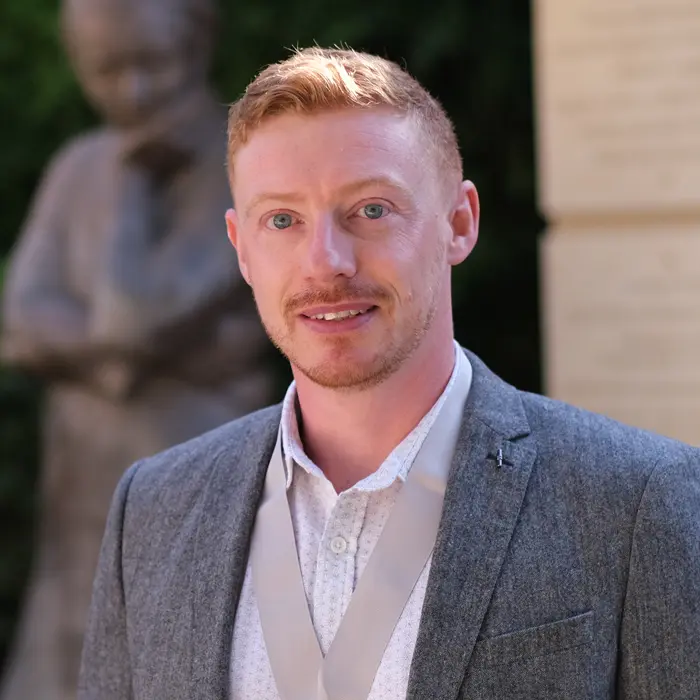
James Marchant, PhD, is a postdoctoral associate in the lab of Alexandre Colas, PhD, an associate professor in the Development, Aging and Regeneration Program. His research focuses on developing a gene therapy to treat heart failure. Heart attacks reduce blood and oxygen flow to heart muscle, leading to scar tissue that can increase the risk of future attacks. Marchant aims to convert cells within this scar tissue back into healthy muscle cells.

James Marchant headshot

Cynthia Schwartz Shenkman Fishman Fund Research Excellence Award

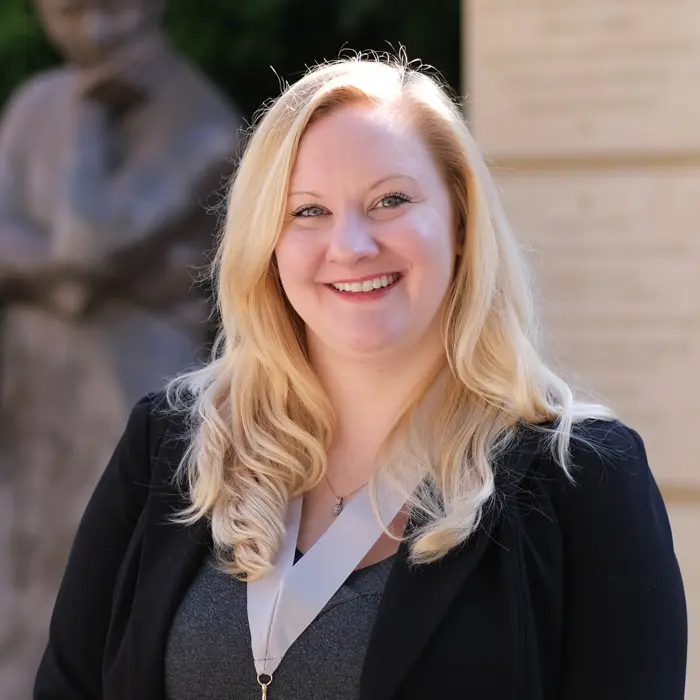
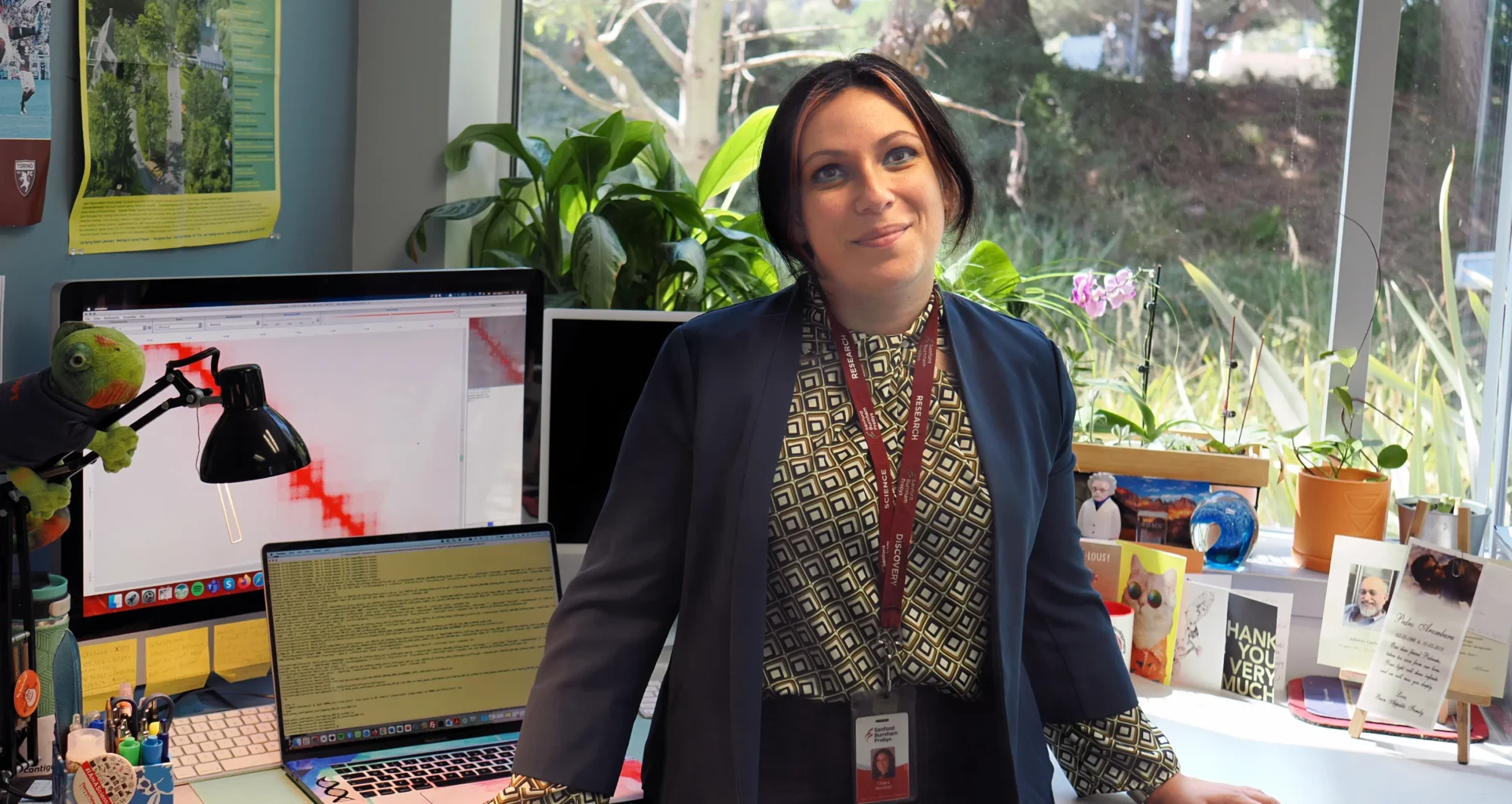
Chiara Nicoletti, PhD, is a postdoctoral associate in the laboratory of Pier Lorenzo Puri, MD, co-director of the Development, Aging and Regeneration Program. She studies epigenetic patterns, which are genetic changes that don’t alter DNA itself yet modify how genes are expressed to make proteins or other products. She studies epigenetic patterns in skeletal muscle development and disease. Nicoletti hopes to help develop personalized medicine tools for patients suffering from muscular dystrophy.

Chiara Nicoletti headshot

Jeanne Jones and Kathryn Fishback Fishman Fund  Award

Jessica Proulx, PhD, is a postdoctoral associate working in the lab of Peter D. Adams, PhD, director of the Cancer Genome and Epigenetics Program. Proulx investigates how aging alters our bodies at the cellular and molecular levels, a key factor in the increased risk for diseases such as cancer, neurodegenerative disorders, cardiovascular disease and metabolic conditions like type 2 diabetes. She uses biological techniques that study the entire landscape of a sample’s genes, proteins or other features. Her work seeks to identify underlying changes that predispose an aged liver to liver disease and liver cancer.

Jessica Proulx headshot

Lenka Finci and Erna Viterbi Fishman Fund Award

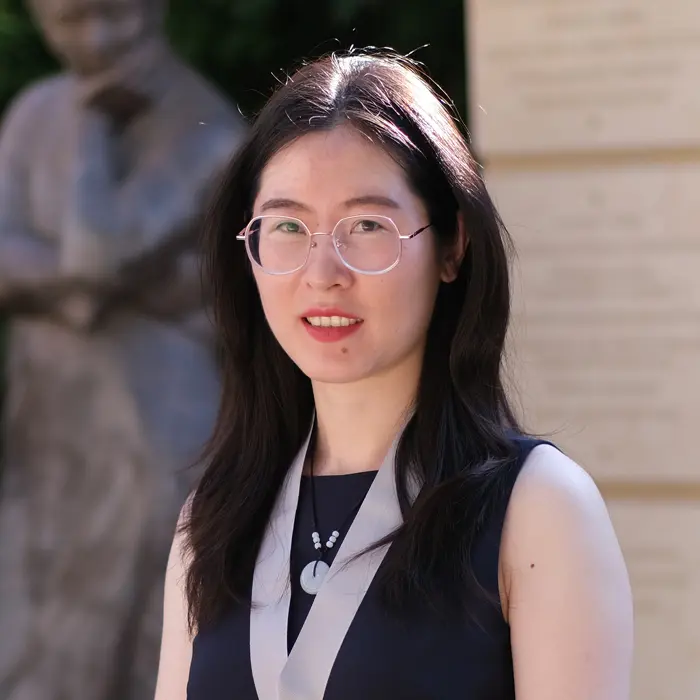
Kelly Yichen Li, PhD, is a postdoctoral associate in the lab of Kevin Yip, PhD, a professor in the Cancer Genome and Epigenetics Program and the director of the Bioinformatics Shared Resource. She studies a phenomenon called cellular senescence that is associated with aging. Senescent cells no longer grow and divide, which can reduce the growth of cancer, but the condition is also  associated with chronic inflammation and age-related diseases. Yichen LI is working to find molecular signatures of senescence to advance aging research, treatments and diagnostics.

Yichen Li headshot
Institute News

Michael Alcaraz awarded Melvin and Phyllis McCardle Clause Scholarship

AuthorGreg Calhoun
Date

September 18, 2024

The scholarship program for graduate students was created by the Clause family’s generous donation to Sanford Burnham Prebys.

Michael Alcaraz, a fourth-year graduate student in the Sanford Burnham Prebys Graduate School of Biomedical Sciences, was selected as the 2024 recipient of the Melvin and Phyllis McCardle Clause Scholarship.

“I am very excited about being chosen for this scholarship,” said Alcaraz. “I’ll be gaining mentorship opportunities from researchers in neuroscience that complement my lab’s focus on aging.

“This funding will make a big difference as my research moves forward. The scholarship also provides support for professional development, which will allow me to attend conferences to share what I’m studying and grow my network.”

The McCardle Clause Scholarship was established in honor of Phyllis McCardle Clause after her long struggle with Alzheimer’s disease (AD). The award supports graduate student education in age-related neurodegeneration within the Institute’s graduate school.

Alcaraz conducts research in the laboratory of Peter D. Adams, PhD, the director of the Cancer Genome and Epigenetics Program, with a focus on the mechanisms of aging.

With support from the scholarship, Alcaraz will be investigating the fundamental connections between aging and the increased risk of AD, the most common cause of dementia. His project is focused on the role of nicotinamide adenine dinucleotide (NAD+), an essential metabolite and building block for enzymes.

NAD+ levels decrease with age in several tissues, including in the brains of humans and mouse models of AD. The decline of this important metabolite is associated with insufficient energy metabolism that is a major hallmark of AD.

“In collaboration with the Conrad Prebys Center for Chemical Genomics, we will test a potential drug to promote production of NAD+ in the brain by activating a key enzyme involved in NAD+ biosynthesis,” said Alcaraz.  The compound was developed by the Conrad Prebys Center for Chemical Genomics led by Michael Jackson, PhD, senior vice president of Drug Discovery and Development.

“The goal of my project is to raise the levels of NAD+ in mice suffering from an analogous condition to AD and test its effects on improving brain metabolism, function and behavior,” added Alcaraz.

“The objective is to build the preclinical foundation for one day achieving benefits for patients. We all know how devastating AD is for patients and families, and the need for new treatments grows greater every single day.

“This project will require a lot of collaboration between experts in aging, drug discovery, neuroscience and behavioral analysis. We have all this expertise available across the Institute, and I’m looking forward to working with an interdisciplinary team on this effort thanks to the generosity of the Clause family.”

Institute News

Chiara Nicoletti, PhD, garners inaugural Fishman Fund Cynthia Schwartz Shenkman Research Excellence Award

AuthorGreg Calhoun
Date

September 12, 2024

This annual award was established in 2024 to recognize the contributions of postdoctoral fellows at Sanford Burnham Prebys.

Chiara Nicoletti, PhD, a postdoctoral associate at Sanford Burnham Prebys, was selected as the first recipient of the Fishman Fund Cynthia Schwartz Shenkman Research Excellence Award. 

This award is one of two new honors being given during the 23rd Fishman Funds awards ceremony on September 17, marking 2024 as a special year for the Institute and the supporting donors.  

The inaugural Don Barach Fishman Fund Career Award adds a fourth prize in the category of career awards focused on providing professional development opportunities for postdoctoral fellows. In addition, the Fishman Fund Cynthia Schwartz Shenkman Research Excellence Award adds a new third category of honors.  

This award recognizes and rewards experienced postdoctoral fellows who have achieved a track record of research excellence. It is designed to help offset the cost of living in the region, and to benefit recipients as they prepare for the next step in their careers.

“For me, this award provides recognition of my hard work and that of my colleagues,” said Nicoletti. “It also acknowledges my mentor at Sanford Burnham Prebys and how he supports members of his laboratory.”

Nicoletti studies epigenetic patterns in skeletal muscle development and disease in the laboratory of Pier Lorenzo Puri, MD, director of the Development, Aging and Regeneration Program.

“My graduate school mentor met Lorenzo at a conference in 2016,” said Nicoletti. “Lorenzo wanted to apply what was then a very new technique called Hi-C to better understand how the MyoD protein—a key player in the establishment of muscle cell identity—is able to transform non-muscle cells into muscle.

“He wanted to study how changes in the three-dimensional organization of DNA can trigger alterations in gene expression, leading to a switch in cell identity. Few people in the world could analyze the data from these experiments at that time. And one of those people was me.”

Chiara’s accomplishments since joining Sanford Burnham Prebys and the Puri lab in 2018 include her work on dysferlinopathy, a rare form of muscular dystrophy. In collaboration with the laboratory of Jyoti K. Jaiswal, MSc, PhD, at Children’s National Research Institute in Washington, D.C., she developed an atlas mapping how the disease causes changes in the transcription of genes in skeletal muscle. This compendium follows the disease progression of dysferlinopathy at the single-cell level.

Dysferlinopathy patients suffer from progressive muscle loss in which muscle cells are replaced by fat and scar tissue. Understanding how this process takes place may accelerate research to find new drugs to improve muscle function. For her work on this project, Nicoletti was recently recognized with the Young Investigator Award by the Jain Foundation, a nonprofit foundation focused on finding a cure for dysferlinopathy.

“When you get to know people with muscular dystrophy, you immediately see that their minds are bursting with life,” reflected Nicoletti. “Someone I met recently said his dream was to bring his daughter to the altar at her wedding and have a father-daughter dance. If we can do something to improve his quality of life, imagine the ripple effects of what that would mean to his daughter, to his whole family.”

When Nicoletti completes her postdoctoral fellowship, she would like to remain in academia as an independent principal investigator.

“As a bioinformatician with experience in bench research, I hope to bring different labs together to build interdisciplinary collaborations focused on how diverse biological systems and organs interact.

“I also would like to teach as I feel it is our fundamental duty as scientists to train the next generation. I believe it is especially important to educate students and postdoctoral fellows about basic bioinformatics skills so that they are better equipped to evaluate published data and collaborate with computational biologists.”

Nicoletti also expressed a long-term goal of applying computational biology methods to advance knowledge of why patients are more or less susceptible to disease and have different responses to medications. These learnings are critical to personalizing treatment plans for individuals rather than populations.

Nicoletti is thankful for the support of the Fishman Fund Cynthia Schwartz Shenkman Research Excellence Award during the remainder of her postdoctoral training.

“The work I do is very rewarding. It feels close to the best that humanity has to offer when scientists and patients collaborate to achieve a common goal.

“I’m so grateful for this award, which serves as even more motivation for me, my mentor and collaborators. We’re each only given one life, and I’m determined to give back as much as I can to society through science.”
Institute News

Brenner receives Director of the Year award for leading “companies in transition”

AuthorScott LaFee
Date

September 5, 2024

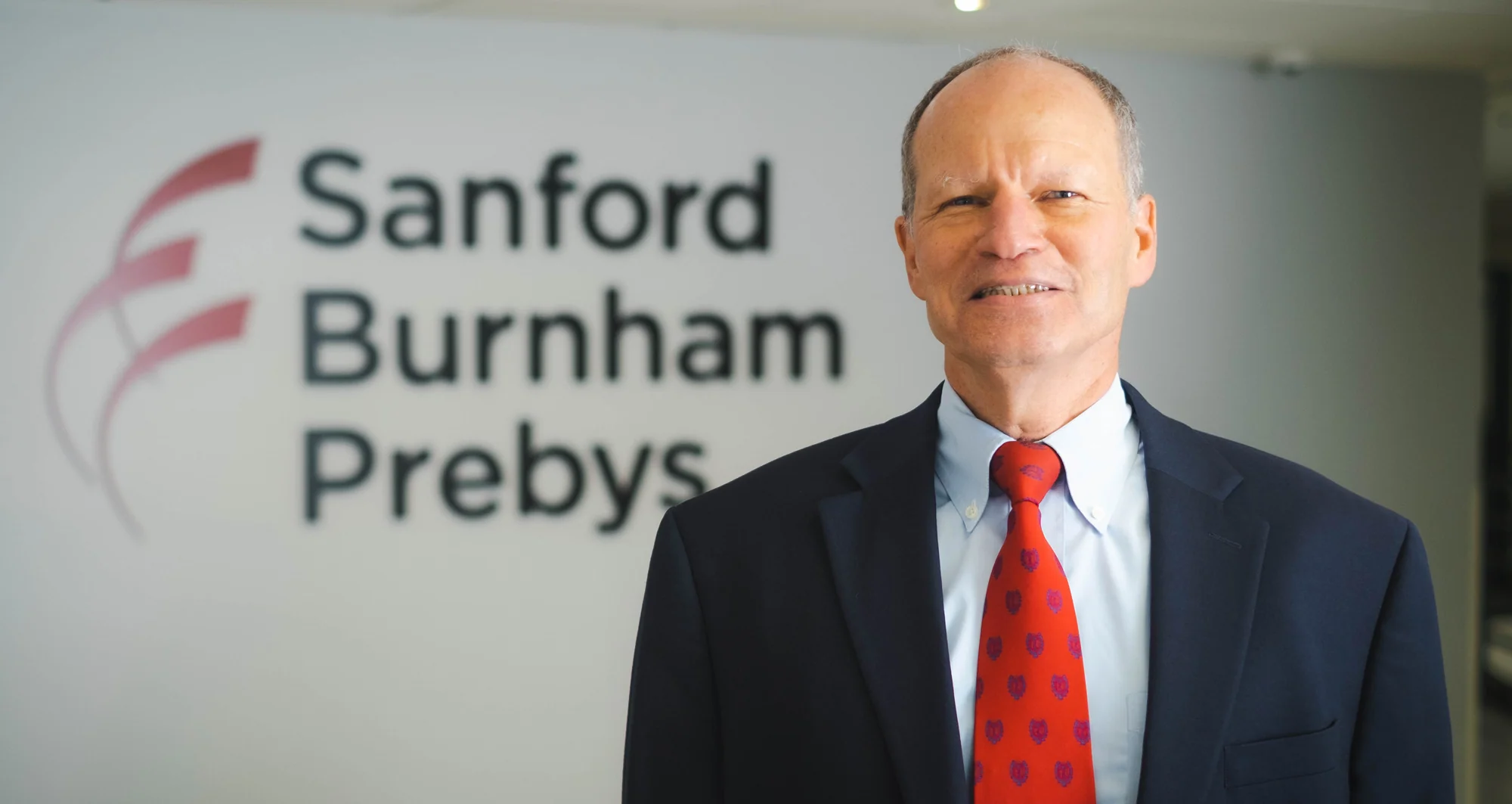
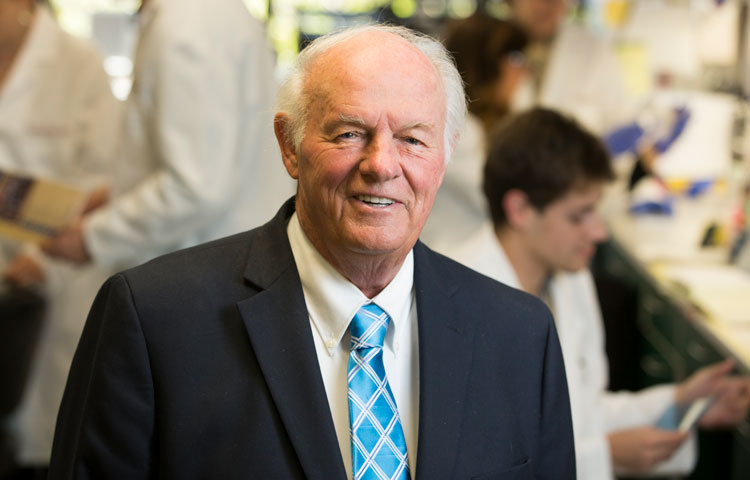
Congratulations to Sanford Burnham Prebys President and CEO David Brenner, who received last night the 2024 Director of the Year award in the category of “companies in transition” from the Corporate Directors Forum, a San Diego-based network of top executives.

The award was presented in ceremonies at the Hyatt Regency in La Jolla.

Brenner, who became president and CEO of Sanford Burnham Prebys in September 2022, was honored for his bold and dramatic vision of the institute as a 21st century leader in biomedical research.

“This award is given to directors who have contributed significantly in times of change and have brought positive and productive conclusions,” said Lori Moore, a former award recipient and Sanford Burnham Prebys trustee in her introduction at the event.

“David is both passionate and humble. He is both a physician and a scientist. Most importantly, David leads a cultural shift at Sandford Burnham Prebys with tenacity, passion, and humility! He has brought in exceptional new scientists and restructured the organization. His passion is to create a culture in our community where people synergize and find resources to work together. He indeed translates science into health.”

In just two years, Brenner has restructured the institute as home to four disease-focused centers (cancer, cardiovascular, neurologic and metabolic) and three technology-enabling centers for drug discovery, multi-omics and artificial intelligence.

With a landmark $70 million gift from philanthropist T. Denny Sanford, he has recruited a dozen new and established scientists.

“The old ways of thinking about and doing science no longer adequately address the complexities of modern science or the realities of the public health challenges we face,” said Brenner. “As scientists and physicians, we must transform how we work even as our work continues to transform itself.”

Institute News

Emily Wu awarded Melvin and Phyllis McCardle Clause Scholarship

AuthorSusan Gammon
Date

September 28, 2023

A scholarship program enabled by the Clause family’s generous donations to the Institute has been awarded to Jiaqian (Emily) Wu, a graduate student in the lab of Nicholas Cosford, PhD, co-director and professor of the Cancer Molecular Therapeutics Program.

“This award is special to me because it’s more than a scholarship—it’s inspiring and encouraging for early-stage scholars,” says Wu. “My research goal is to discover innovative treatments of Alzheimer’s disease and enhance our understanding of the disease. Receiving this honor from a family who was affected by this devastating disease makes me even more motivated to advance my research. I sincerely appreciate the support.”

The McCardle Clause Scholarship was established in honor of Phyllis McCardle Clause who passed away after a long struggle with Alzheimer’s disease in 2008, in San Diego, California. The award supports graduate student education in neurodegeneration and aging within the Graduate Program for Biomedical Sciences.

Wu’s research focuses on a brain-specific enzyme called STEP, whose levels are increased in the human prefrontal cortex of AD patients. Genetic and pharmacological evidence from mouse studies suggest that targeting STEP, a signaling molecule involved in the initial synaptic dysfunction that occurs prior to the loss of neurons, may provide an early treatment option for Alzheimer’s disease.

“We are using a bold approach to screen for potential drugs that modulate STEP,” says Wu. “The strategy holds great potential in overcoming the historical challenges of drug potency, selectivity and blood-brain barrier penetration efficacy for Alzheimer’s disease.”

“More approaches to stemming Alzheimer’s disease are desperately needed. I’m hopeful that our research will contribute to the field and help people suffering this disease.”

Institute News

2023 Fishman Fund Award ceremony celebrates postdoctoral scholars

AuthorSusan Gammon
Date

September 15, 2023

Three talented early-career researchers were presented with prestigious Fishman Fund Awards at the 22nd annual ceremony on September 20.

More than 100 generous benefactors, past award winners, and family and friends joined the celebration held at the Sanford Consortium.

Fishman Fund co-founder Reena Horowitz greeted the audience and shared how she, along with Mary Bradley, established the Fishman Fund Awards in 2001 to honor Dr. William and Lillian Fishman, founders of Sanford Burnham Prebys.

The Fishmans were committed to fostering the careers of young scientists. The award ceremony honors our founders’ dedication to furthering the careers of promising scientists by gathering each autumn to celebrate exceptional postdocs.

Before the awards were presented to the winners, David Brenner, MD, CEO of Sanford Burnham Prebys, described how important postdocs are to scientific discovery and why investing in their careers is a vital step toward improving human health.

“The postdoc experience is important, as it provides more training, experience and skills, before entering a more permanent science career,” said Brenner. “Postdocs represent the next generation of imagination and innovation, which much be recognized, encouraged and emboldened.”

Meet this year’s Fishman Fund Award winners

The Reena Horowitz & Mary Bradley Fishman Fund Founders Prize
Cheng-Ju Kuo, PhD, a postdoctoral researcher in the lab of Dr. Caroline Kumsta, is studying the biology of aging. Dr. Kuo is unraveling the molecular mechanisms linked to a cellular recycling process that declines with age. His findings could open up new possibilities to treat age-released diseases. Dr. Kuo’s goal is to establish his own laboratory where he will study aging and train the next generation of scientists.

Jeanne Jones and Kathryn Fishback Fishman Fund Prize
Alicia Llorente, PhD, a postdoctoral associate in the lab of Dr. Brooke Emerling, is investigating how breast cancer cells become resistant to therapy. Dr. Llorente combines her expertise in lipid kinases with cancer biology to open possibilities for novel therapeutics for therapy-resistant breast cancer. Her career goal is to combine research with teaching by obtaining a faculty position at a university.

Lenka Finci and Erna Viterbi Fishman Fund Prize
Theo Tzaridis, MD, is a postdoctoral associate in the lab of Dr. Peter Adams, where he focuses on aggressive brain tumors. His research led to the identification of a key checkpoint molecule widely expressed in brain tumors, which is a significant step toward improving immunotherapy as a treatment for brain tumors. Dr. Tzaridis plans to become a leader in translating research findings into clinical trials.

Fishman Fund winners undergo a rigorous selection process that includes a personal interview and a presentation to the selection committee. All winners receive a $10,000 career development award that can be used to attend workshops, network and travel to national and international conferences to learn about the latest developments in their research fields.

A special thank-you to the Fishman Fund donors who make these awards possible.

Institute News

Presenting The Conrad Prebys Foundation fellows

AuthorMiles Martin
Date

May 15, 2023

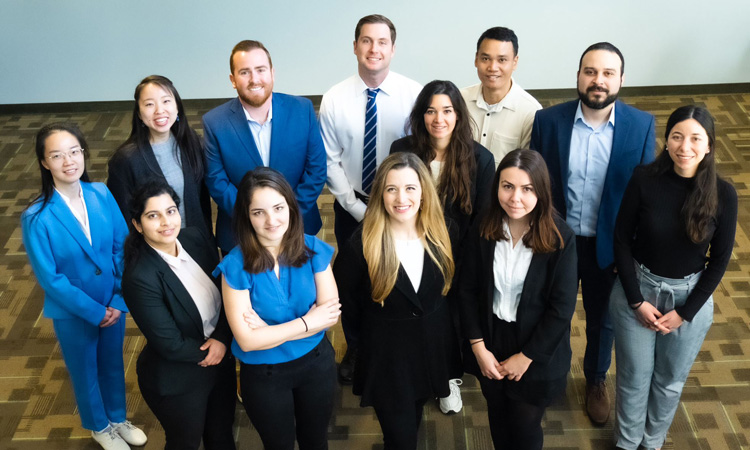
Thanks to a generous grant from The Conrad Prebys Foundation, a diverse group of early-career researchers will gain hands-on experience in drug discovery and translational medicine.

A new educational program at Sanford Burnham Prebys has welcomed a diverse group of early-career scientists to learn how to transform research discoveries into treatments for human diseases. The program was made possible by a generous grant from The Conrad Prebys Foundation as part of its mission to increase the diversity of San Diego’s biomedical workforce.

“Our mission at The Conrad Prebys Foundation is to create an inclusive, equitable and dynamic future for all San Diegans,” says Grant Oliphant, CEO at The Conrad Prebys Foundation. “San Diego is one of the top areas in the country for biomedical research, and we’re pleased to partner with Sanford Burnham Prebys to help strengthen the pipeline of diverse talent in life sciences research.”

Graduate students and postdoctoral fellows selected for the program will complete projects at the Institute’s Conrad Prebys Center for Chemical Genomics (Prebys Center), the nation’s leading nonprofit drug discovery center. The Prebys Center specializes in finding new medicines for diseases with a substantial unmet medical need in order to develop better therapies. 

“Thank you to The Conrad Prebys Foundation. I am beyond grateful for their support,” says predoctoral Prebys fellow Michael Alcaraz, who will complete his project on the links between aging and brain disease with Professor Peter D. Adams, PhD, and Steven Olson, PhD, executive director of Medicinal Chemistry at the Prebys Center. 

To help fulfill the Foundation’s mission, Sanford Burnham Prebys students and postdocs from historically underrepresented groups were encouraged to apply for the new program.

“Promoting diversity in the biomedical workforce is a founding principle of our educational program,” says Alessandra Sacco, PhD, vice dean and associate dean of Student Affairs in the Graduate School of Biomedical Sciences at Sanford Burnham Prebys. Sacco will oversee the new program alongside Dean Guy Salvesen, PhD, and Professor Michael Jackson, PhD

“Working actively to train people from all backgrounds gives opportunities to people who may not otherwise have had them—and it also improves the quality of the research itself,” she adds.

“Translational research is one of the biggest priorities in biomedicine right now because it’s how we turn discoveries into actual medicines,” says Sacco. “This program gives students and postdocs an opportunity to build the skills they need for translational research jobs in academia or industry.”

The fellowship will culminate in a final symposium next spring, where the fellows will present their research to their peers and to the wider community. 

“I’m looking forward to gaining more experience and making my contribution to the translational science at the Prebys Center,” says predoctoral Prebys fellow Merve Demir, who will complete a structural biochemistry project with Assistant Professor Jianhua Zhao, PhD, and Eduard Sergienko, PhD, director of Assay Development at the Prebys Center. 

The full list of fellows includes:
 

Postdoctoral Fellows

– Karina Barbosa Guerra [Deshpande Lab, Ed Sergienko co-mentor]
“SGF29 as a novel therapeutic target in AML”
 
– Merve Demir [Zhao Lab, Ed Sergienko co-mentor]
“Structural studies of MtCK and GCDH enzyme drug targets”
 
– Jerry Tyler DeWitt [Haricharan Lab, TC Chung co-mentor]
“Investigating the unique molecular landscape of ER+ breast cancer in black women” 
 
– Alicia Llorente Lope [Emerling Lab, Ian Pass co-mentor]
“Exploring PI5P4Kγ as a novel molecular vulnerability of therapy-resistant breast cancer” 
 
– Van Giau Vo [Huang Lab, TC Chung co-mentor]
“Identifying enhancers of SNX27 to promote neuroprotective pathways in Alzheimer’s disease and Down Syndrome”
 
– Xiuqing Wei [Puri Lab, Anne Bang co-mentor]
“Selective targeting of a pathogenetic IL6-STAT3 feedforward loop activated during denervation and cancer cachexia”


Predoctoral Fellows

– Michael Alexander Alcaraz [Adams Lab, Steven Olson co-mentor]
“Activating the NAMPT-NAD+ axis in senescence to target age-associated disease”
 
– Shea Grenier Davis [Commisso Lab, Steven Olson co-mentor]
“Examining PIKfyve as a potential therapeutic target in pancreatic cancer” 
 
– Patrick Hagan [Cosford Lab, Ian Pass co-mentor]
“Discovery and development of novel ATG13 degrading compounds that inhibit autophagy and treat non-small-cell lung cancer”
 
– Texia Loh [Wang Lab, Ed Sergienko co-mentor]
“Investigating the role of HELLS in mediating resistance to PARP Inhibition in small-cell lung cancer”
 
– Michaela Lynott [Colas Lab, TC Chung co-mentor]
“Identification of small molecules inhibiting ATF7IP-SETDB1 interacting complex to improve cardiac reprogramming efficiency”
 
– Tatiana Moreno [Kumsta Lab, Anne Bang co-mentor]
“Identifying TFEB/HLH-30 regulators to modulate autophagy in age-related diseases”
 
– Utkarsha Paithane [Bagchi Lab, TC Chung co-mentor]
“Identification of small-molecule enhancers of Honeybadger, a novel RAS/MAPK inhibitor” 
 

Institute News

Sanford Burnham Prebys celebrates one of its legends

AuthorMiles Martin
Date

March 8, 2023

In 2022, Distinguished Professor Emeritus Erkki Ruoslahti, MD, PhD, was awarded the Albert Lasker Basic Medical Research Award, the top American prize for biomedical research.

Ruoslahti was also among the first scientists to join the Institute in the late 1970s, where he completed this award-winning research. To celebrate Ruoslahti’s career and accomplishments, Sanford Burnham Prebys hosted a special lecture with the esteemed scientist as well as a celebratory reception afterward.

“Erkki’s illustrious career is one that keeps us all inspired—me, especially, as I follow in his footsteps in leading this Institute,” says David A. Brenner, MD, president and CEO of Sanford Burnham Prebys. “His Lasker Award win is so very much deserved. Not only does it recognize his outstanding influence in the field, but it also elevates the status of our Institute in the research community.”

Ruoslahti, who shares the award with Richard O. Hynes from the Massachusetts Institute of Technology, and Timothy A. Springer from Boston Children’s Hospital and Harvard Medical School, began his presentation with the research that led to his discovery of the integrins—proteins found on the surface of cells that helps them attach to, and communicate with, nearby cells and the extracellular matrix. 

Ruoslahti’s road to the discovery of integrins began at the University of Helsinki, where, along with his colleagues, he discovered fibronectin, a protein that helps surround, support and give structure to cells and tissues in the body. However, the biggest breakthroughs were yet to come.

Erkki Ruoslahti gives lecture to full a full auditorium

Ruoslahti gave his presentation to a packed house in Fishman Auditorium

“My research on fibronectin and the subsequent discovery of the integrins really got going in my first years at Sanford Burnham Prebys,” says Ruoslahti, who first joined the Institute in 1979, when it was known as the La Jolla Cancer Research Foundation.

The Ruoslahti research team discovered that a simple sequence of three amino acids, called RGD, within fibronectin, attaches directly to cells. They were then able to synthesize RGD and use it as a tool to discover the cell-surface receptors today known as the integrins. This seemingly small discovery created an entirely new subdiscipline of molecular biology.

“The Lasker Award is given for a fundamental discovery that opens up a new area of biomedical science. It is America’s top biomedical research award and is often referred to as ‘America’s Nobel,’” says Brenner. “This is a profound honor, one that is only given to those who have made the greatest impact in our field.”

In 1989, Ruoslahti became president and CEO of the Institute, a position he held until returning to full-time research in 2002. He became a Distinguished Professor Emeritus at Sanford Burnham Prebys in 2020. Ruoslahti has previously received the Japan Prize, the Gairdner Foundation International Award, the G.H.A. Clowes Memorial Award, and the Robert J. and Claire Pasarow Foundation Medical Research Award. He is also a Knight of the Order of the White Rose of Finland, a Commander of the Order of the Lion of Finland and is among the most cited scientists in the world.