Brooke Emerling Archives - Sanford Burnham Prebys
Institute News

Southern California metabolism scientists meet on the Mesa

AuthorGreg Calhoun
Date

March 30, 2026

The fourth annual SoCal Metabolism Symposium brought together hundreds of experts and trainees to share the latest advances

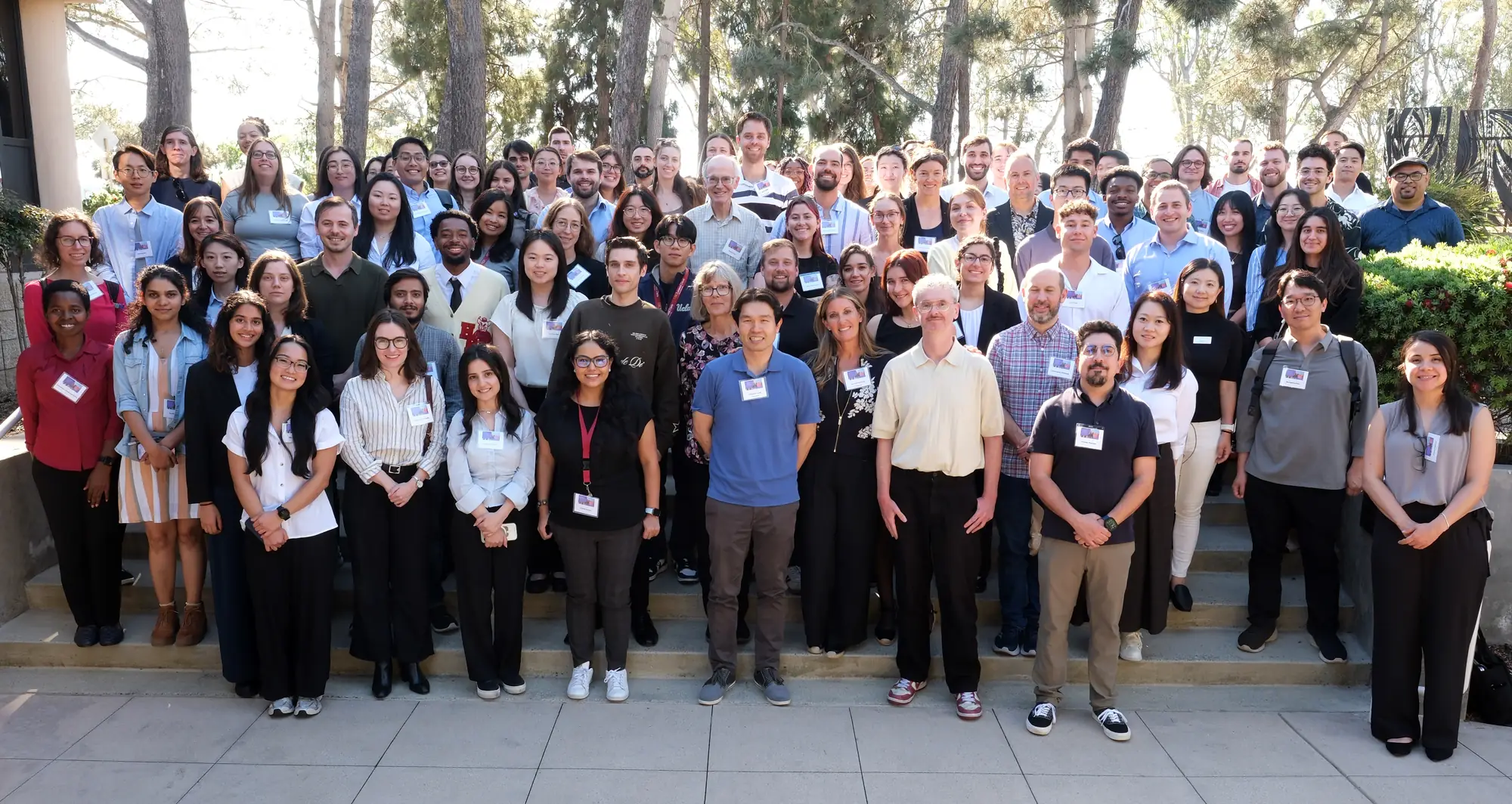
SoCal Metabolism Symposium co-organizer Brooke Emerling, PhD, opened the meeting held at Sanford Burnham Prebys Medical Discovery Institute on Friday, March 20, 2026, by celebrating the event’s momentum.

“In 2023, when it started, we had about 12 talks, 28 posters, about 120 attendees and three sponsors, and now we’re up to 18 talks, 64 posters, more than 200 attendees and six sponsors,” said Emerling, director of and associate professor in the Sanford Burnham Prebys Cancer Metabolism and Microenvironment Program.

Speakers were mostly postdoctoral researchers and graduate students from Sanford Burnham Prebys, the Salk Institute, the University of California Irvine, the University of Southern California, the University of California Los Angeles and the University of California San Diego.

The event began with a session of scientific talks focused on the theme of cancer metabolism. Aaliyah Balagtas, a graduate student in the lab of Cosimo Commisso, PhD, at Sanford Burnham Prebys, discussed her research on a cellular scavenging process known as macropinocytosis that pancreatic tumors use to survive and grow when resources are scarce. The morning continued with a second thematic session focused on metabolism in aging and cell fate.

Before the event’s lunch break and poster viewing, Emerling introduced the symposium’s first-ever guest speaker from outside Southern California, Navdeep Chandel, PhD, the David W. Cugell, MD, Professor and professor of Medicine (Pulmonary and Critical Care), Biochemistry and Molecular Genetics at Northwestern University.

Chandel began by sharing his delight that the speakers in the morning sessions showed genuine enthusiasm and interest in studying mitochondria and targeting metabolism to improve human health and treat disease. He thinks there is a significant opportunity to use the fundamental knowledge we’re learning about intermediary metabolism in mitochondria and translate it into concrete advances for human health.
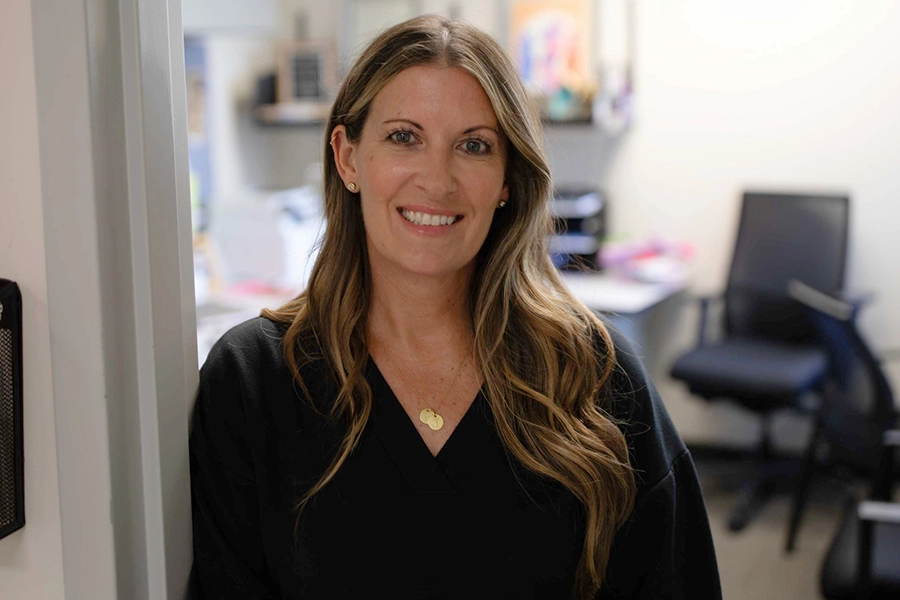
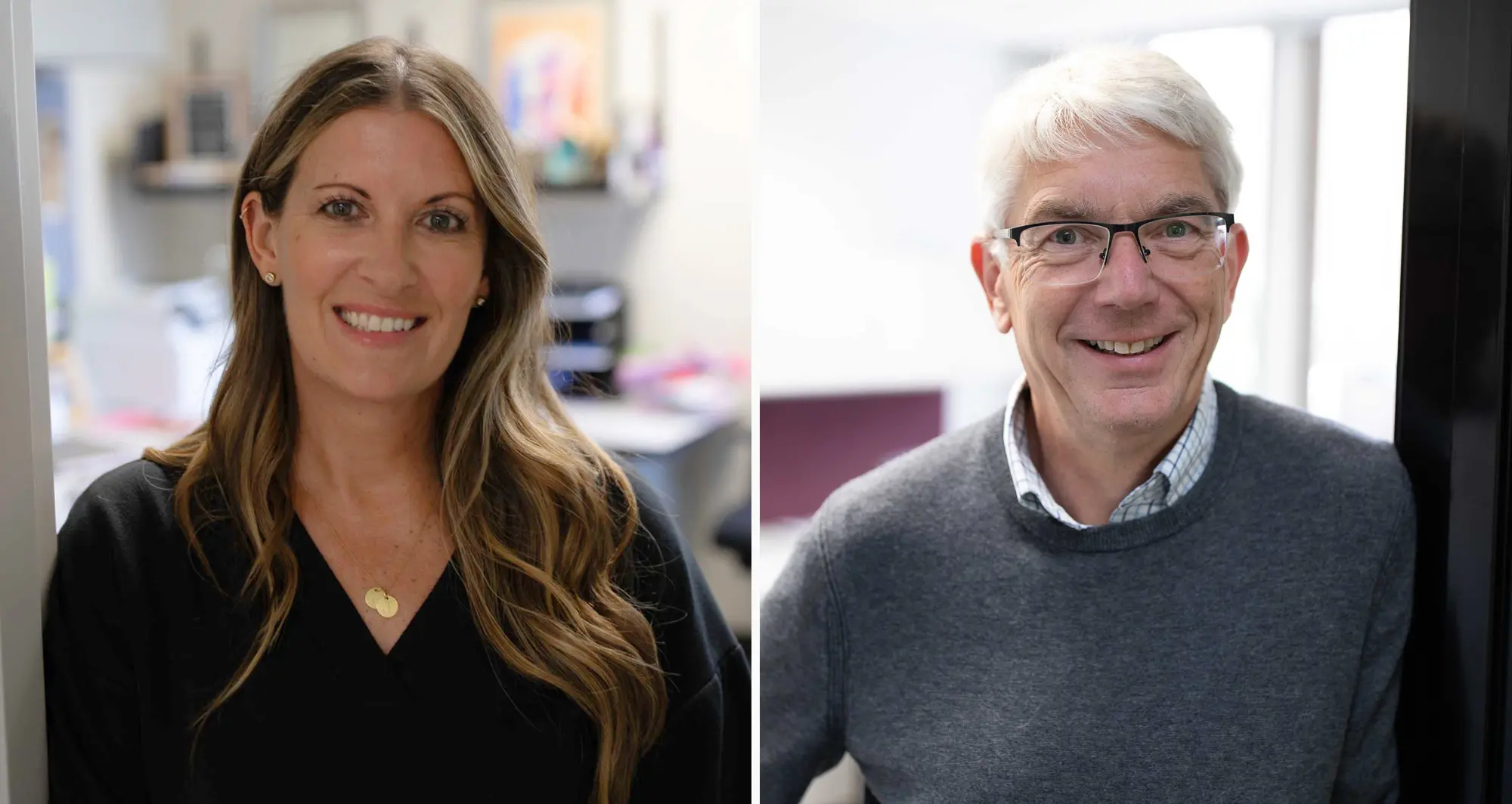
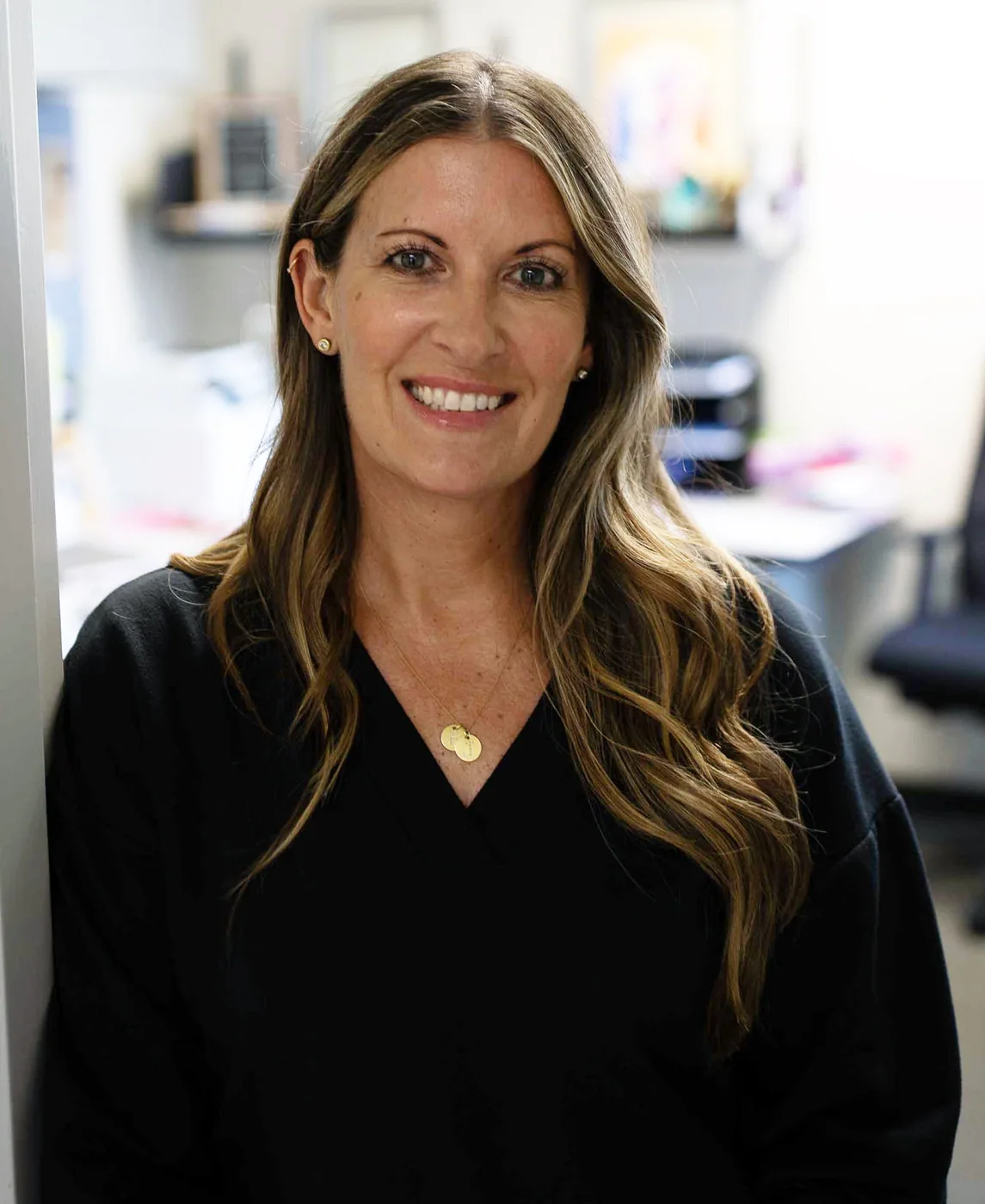
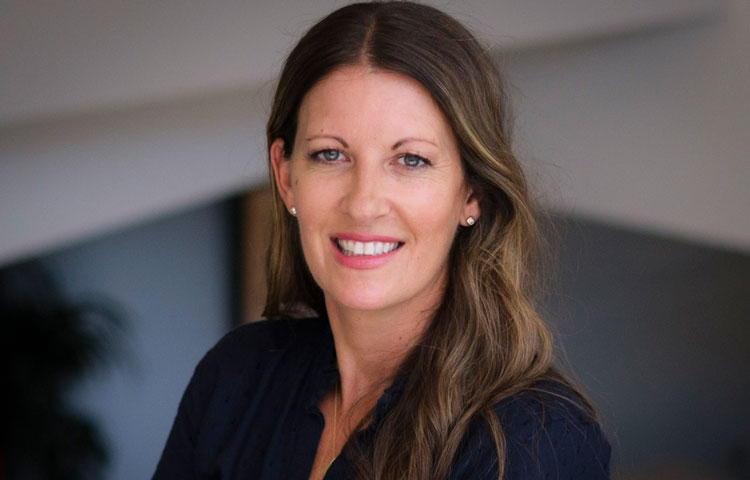
Brooke Emerling, PhD, is the director of the Sanford Burnham Prebys Cancer Metabolism and Microenvironment Program.

Brooke Emerling, PhD, is director of and associate professor in the Cancer Metabolism and Microenvironment Program at Sanford Burnham Prebys. Image credit: Sanford Burnham Prebys.

Chandel focused on one of his lab’s translational projects studying metformin, a longstanding, widely used, cheap and safe drug for treating high blood sugar in prediabetes and type 2 diabetes. Various studies have suggested that metformin also has anti-cancer effects and may reduce inflammation, but it was not clear how the drug worked in our bodies or cells to cause any of this to occur. Chandel shared soon-to-be-published data regarding how metformin builds up in the gut after being taken as a pill, and how it influences mitochondria there to systemically lower blood sugar.

The afternoon opened with a third set of thematic podium presentations centered on the topic of physiological metabolism and new techniques. The fourth and final session of scientific talks were grouped around the theme of immunometabolism.
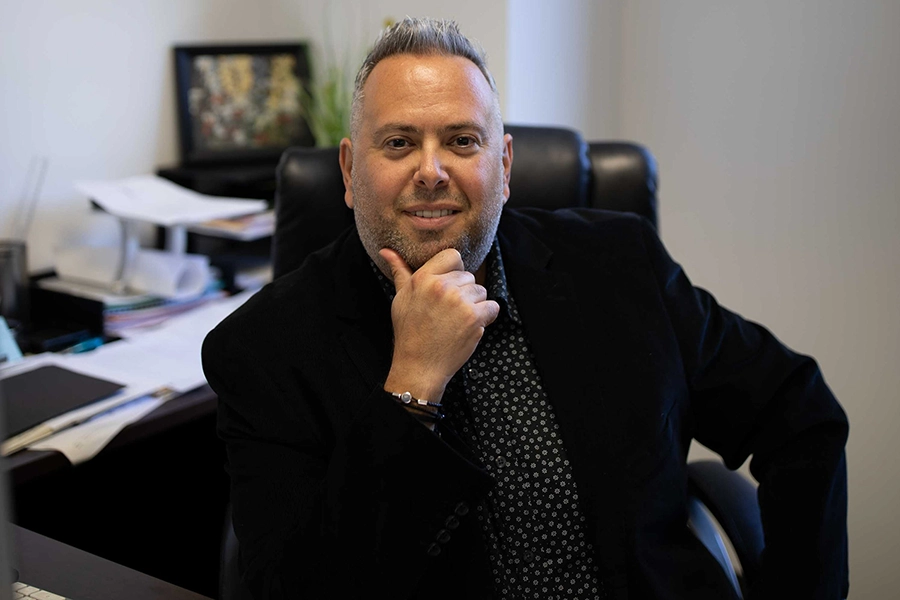
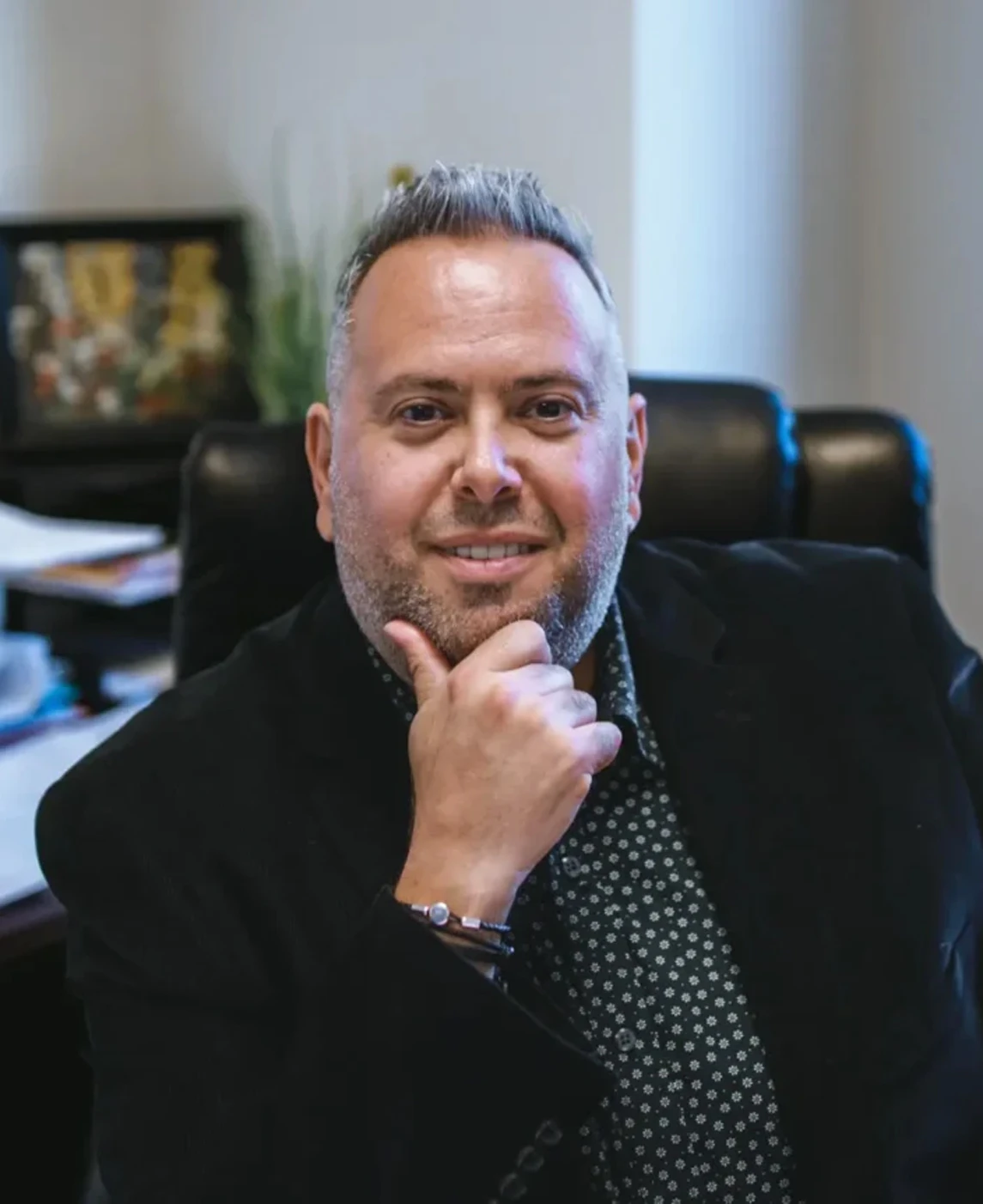
Cosimo Commisso, PhD, is the deputy director of the National Cancer Institute-designated Cancer Center at Sanford Burnham Prebys. He currently serves as the interim director while a national search is conducted for a new center director.

Cosimo Commisso, PhD, is the deputy director of the institute’s NCI-Designated Cancer Center and a professor in the Cancer Metabolism and Microenvironment Program. Image credit: Sanford Burnham Prebys.

The symposium’s closing podium talk was the Gina Lee Memorial Keynote, a lecture honoring cancer signaling and metabolism expert Gina Lee, PhD, an assistant professor of Microbiology and Molecular Genetics at the University of California Irvine, who passed away on June 23, 2024, at the age of 39.

Cosimo Commisso, PhD, the deputy director of the institute’s NCI-Designated Cancer Center and a professor in the Cancer Metabolism and Microenvironment Program, delivered the 2026 Gina Lee Memorial Keynote and focused on a new direction for his lab. Aging is a major risk factor for pancreatic cancer that also can limit treatment options if a patient is too frail to be safely treated with surgery or other alternatives.

The average age of a patient diagnosed with pancreatic cancer is 70, and nearly two-thirds of cases are in people over the age of 65. Commisso and his lab members are rethinking how therapies in development will work for a frail and aging population that represents the majority of patients.

Following Commisso’s keynote address, the 2026 SoCal Metabolism Symposium concluded with a reception and second poster session. The next SoCal Metabolism Symposium will be held in March 2027 at the University of California Irvine.

Emerling organized the event in partnership with Peter James Mullen, PhD, assistant professor of Microbiology and Immunology in the Keck School of Medicine at the University of Southern California, and Cholsoon Jang, PhD, assistant professor of Biological Chemistry at the University of California Irvine School of Medicine.
Institute News

Sanford Burnham Prebys hosts inaugural event in the Women in Science Lecture Series

AuthorGreg Calhoun
Date

October 21, 2025

The series highlights the groundbreaking work and unique perspectives of women leaders in the biomedical sciences

Susan Tousi, MBA, CEO at DELFI Diagnostics, opened the event by discussing the lessons she learned throughout her career journey. At DELFI Diagnostics, she is leading a team focused on improving the detection of lung cancer. The company’s goal is to make lung cancer screening more accessible through a blood test that is analyzed by applying machine learning and next-generation sequencing.

Prior to this role, Tousi served as a senior vice president for more than 10 years at Illumina, Inc., including as chief commercial officer for three years. During her tenure, she contributed to making genomic sequencing more affordable as the cost of sequencing a single genome fell from more than $5000 in 2013 to $200 in 2023. Tousi also borrowed from her experience developing consumer printers for Eastman Kodak and Hewlett-Packard, emphasizing the importance of making Illumina’s sequencing machines easy to use for clients in research labs, hospitals and clinics.

“My time at Illumina was amazing,” said Tousi. “I had the absolute privilege of seeing our genomic capabilities installed in 155 countries around the world.”

Tousi concluded with her optimism about how technology is transforming healthcare.

“I think we are on the precipice of major shifts in technology with the advancement of AI and where we’ve come with genomics, multiomics and the access to large-scale molecular data,” said Tousi. “I think you know these new technologies like blood-based liquid biopsy testing are going to allow us to find disease earlier, to treat it more precisely and monitor its recurrence across many disease areas.

“This can be the dawn of a new beginning in science and the advancement of healthy lives.”

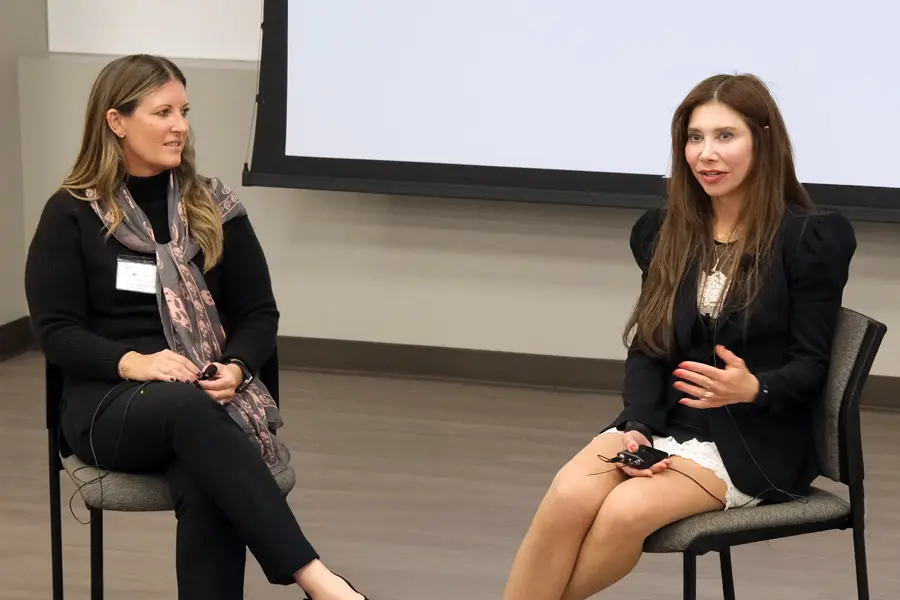
Susan Tousi and Brooke Emerling

From left: Brooke Emerling, PhD, and Susan Tousi, MBA
Image credit: Sanford Burnham Prebys

Kevin Tharp, PhD, assistant professor in the Cancer Metabolism and Microenvironment Program at Sanford Burnham Prebys, then moderated a fireside chat and audience question-and-answer session with Tousi and Brooke Emerling, PhD, director and associate professor in the Cancer Metabolism and Microenvironment Program. Topics included: different gender-based expectations in scientific fields; the importance of mentorship and paying it forward; dealing with the emotional toll of studying diseases more prevalent in women; and programs providing opportunities for future leaders in science and medicine.

The Women in Science Lecture Series features quarterly events and is part of broader efforts at Sanford Burnham Prebys to foster an environment that nurtures the success of individuals from all backgrounds. The series is hosted by the Office of Workforce Engagement & Belonging and highlights the groundbreaking work and unique perspectives of women leaders in the biomedical sciences, while fostering mentorship and collaboration across the Torrey Pines Mesa.

Women in Science lectures are free and open to the public. Registration is open for the next event in the series on February 11, 2026.

Institute News

Curebound awards two grants to Sanford Burnham Prebys scientists

AuthorGreg Calhoun
Date

February 12, 2025

The San Diego-based philanthropic organization has awarded $43 million in cancer research to date

Curebound recently announced the awarding of 17 grants in December 2024 for a total of $8.25 million in funding to advance cancer research in 2024.

Two new grants will support cancer research conducted by scientists at Sanford Burnham Prebys. Since 2014, 32 Curebound grants have supported projects that included scientists at the institute.

A workaround for a tricky target

The TP53 gene contains the blueprint for constructing a protein called tumor protein p53. This protein is considered a tumor suppressor because it helps cells grow in a controlled manner.

When cell growth goes awry, however, the TP53 gene is a common culprit as the most frequently mutated gene in cancers. While this ubiquity has placed a bullseye on the mutated tumor protein p53 for aspiring drug developers, it has proven tricky to target directly.

Brooke Emerling, PhD, director of the Cancer Metabolism and Microenvironment Program, and her collaborators have shown that the growth of cancer cells with a mutated TP53 gene is dependent on lipid enzymes called phosphatidylinositol-5-phosphate 4-kinases (PI5P4K). Emerling and her collaborators have identified compounds that break down these enzymes.

The researchers have demonstrated the ability of these compounds to target and eliminate cancer cells with a mutated TP53 gene without harming normal cells. Curebound will support the team’s ongoing efforts to work around the difficult-to-target tumor protein p53 by instead targeting PI5P4K.

Next, the group plans to optimize the compounds that break down PI5P4K to develop cancer drugs that are strong candidates for future clinical trials.

Curebound collaborators: Patrick Kearney, PhD, director of Medicinal Chemistry in the Conrad Prebys Center for Chemical Genomics, and Eric Wang, PhD, assistant professor in the Cancer Molecular Therapeutics Program.

Boosting the immune system against lung cancer

The immune system is one of the main defenses of the human body to fend off harmful pathogens and invasive cells such as cancer. Among all white blood cells, a particular cell type, called a T cell, can directly kill cancer cells and therefore plays an essential role in building anti-tumor immune responses.

Immunotherapies that boost the anti-cancer capabilities of T cells have revolutionized the way we treat cancer, especially in blood cancers such as leukemia, lymphoma and myeloma. More recently, immunotherapies are rapidly advancing to become mainstream treatments for solid cancers as well.

Currently, however, less than a third of patients with lung cancer benefit from immunotherapies. Pandurangan Vijayanand, MD, PhD, the William K. Bowes Distinguished Professor at the La Jolla Institute for Immunology, discovered that certain T cells called cytotoxic T lymphocytes have molecular features associated with a robust immune response against lung cancer tumors. His work has identified new targets for lung cancer immunotherapy.

Curebound will support Vijayanand’s collaboration with Michael Jackson, PhD, senior vice president for Drug Discovery and Development in the Conrad Prebys Center for Chemical Genomics, to use this research to identify agents to boost tumor immune responses.

The research team’s work has the potential to identify a new class of immunotherapy drugs for patients with lung cancer.

Curebound collaborator: Changlu Liu, PhD, director of Receptor Pharmacology in the Conrad Prebys Center for Chemical Genomics.

Pandurangan Vijayanand

Pandurangan Vijayanand, MD, PhD, is the William K. Bowes Distinguished Professor at the La Jolla Institute for Immunology.

Institute News

Two Sanford Burnham Prebys scientists selected for American Cancer Society postdoctoral fellowships

AuthorGreg Calhoun
Date

October 18, 2024

Funds will support Alicia Llorente Lope and Ambroise Manceau who study breast and pancreatic cancer

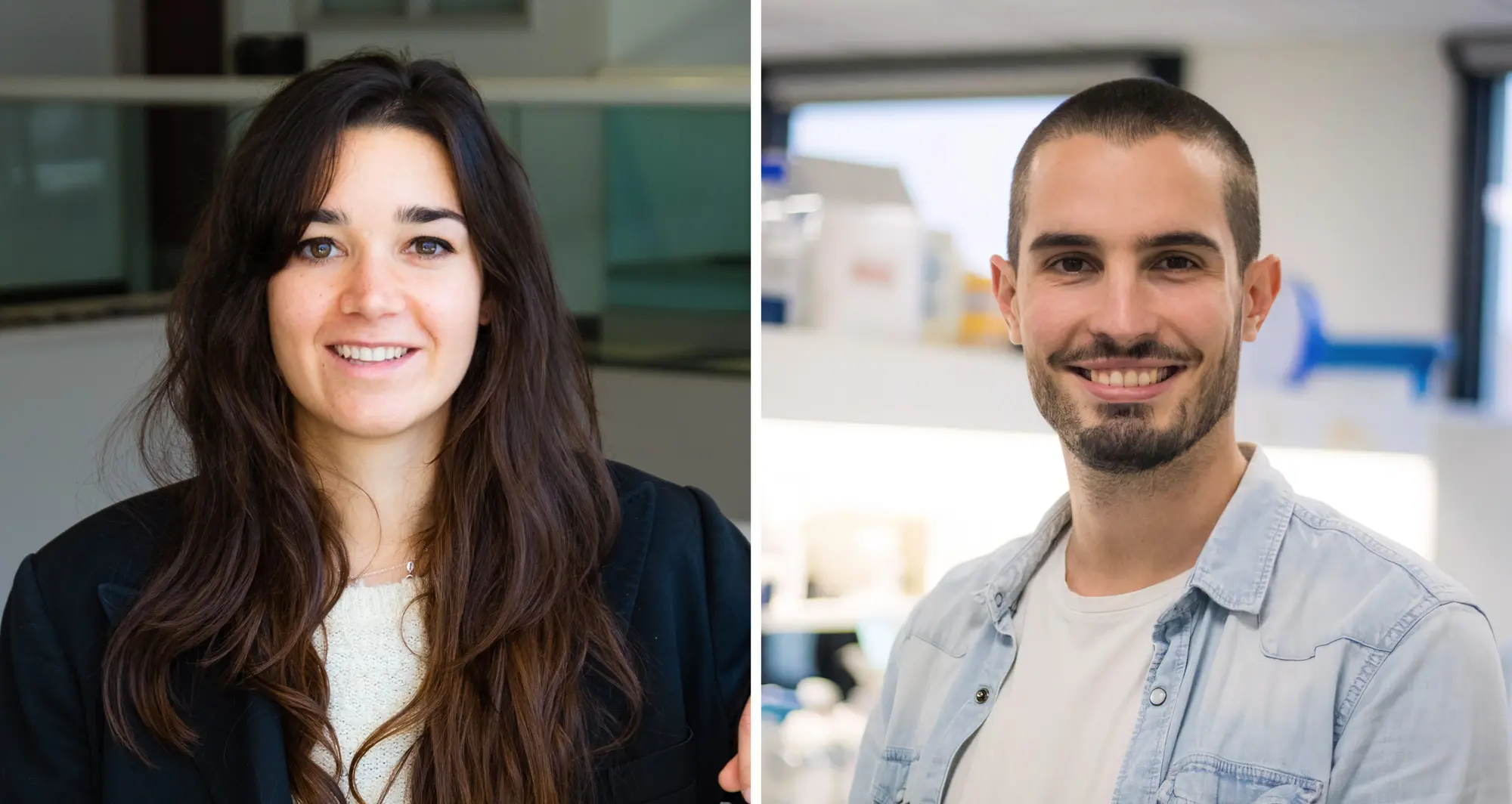
Alicia Llorente Lope, PhD, and Ambroise Manceau, PhD, were awarded 2024 Postdoctoral Fellowships from the American Cancer Society (ACS). These prestigious awards provide more than $65,000 per year for up to three years to support early career scientists studying cancer.

“I was so excited when I heard the news,” said Llorente. “It is a privilege to have this award, and it feels very validating to know that someone saw enough potential in my research to deem it worthy of funding.”

Tackling treatment-resistant breast cancer

Llorente joined the lab of Brooke Emerling, PhD, director of the Cancer Metabolism and Microenvironment Program at Sanford Burnham Prebys, nearly three years ago after beginning her breast cancer research career as a doctoral student.

“I was first interested in breast cancer because my grandmother died of the disease, and I wanted to contribute to finding new therapeutic opportunities for cancer patients,” said Llorente. Llorente’s ACS-funded research project focuses on HER2-positive (HER2+) breast cancer.

Roughly one in five breast cancer tumors have elevated levels of the HER2 protein. While these tumors tend to grow quickly, drugs targeting the HER2 protein are usually effective at first. However, HER2+ tumors often are able to adapt and develop resistance to these drugs over time, leaving patients with few if any remaining treatments options.

Llorente has found evidence that a form of the protein phosphatidylinositol-5-phosphate 4-kinase (PI5P4K) plays a role in breast cancer tumors becoming resistant to HER2 drugs.

Brooke Emerling

Brooke Emerling, PhD

“We’ve revealed a strong connection between elevated levels of PI5P4K gamma and reduced survival rates in patients with HER2+ breast cancer,” explained Llorente. “I plan to explore whether targeting both HER2 and PI5P4K gamma in breast cancer cells may provide a path to overcoming treatment resistance.” Llorente also will study the functions of PI5P4K gamma in breast cancer cells to see why these cells cease to respond to HER2-targeting drugs.

“I am incredibly proud of Alicia for spearheading this groundbreaking project targeting the lipid kinase PI5P4K gamma,” said Emerling. “Her insightful analysis of breast cancer datasets, which uncovered a correlation between elevated expression of PI5P4K gamma and worse outcomes in HER2+ patients, has set the stage for vital research aimed at overcoming the significant challenge of resistance to targeted therapies in HER2+ tumors.”

Cosimo Commisso headshot

Cosimo Commisso, PhD

Powering down pancreatic cancer

Manceau is in the second year of his postdoctoral training in the lab of Cosimo Commisso, PhD, interim director and deputy director of the institute’s NCI-Designated Cancer Center. During his doctoral program, Manceau studied how abnormal cells die in a programmed series of steps called apoptosis, a process known to go awry in cancer and neurodegenerative diseases.

“It began as a basic science project about the molecular processes around cell death, and over time it led to possible therapeutic implications,” said Manceau. “I learned that I like to study fundamental biology and then try to find an application for it, and I saw in the Commisso lab an opportunity to do just that in pancreatic cancer.”

Manceau’s fellowship project focuses on pancreatic ductal adenocarcinoma (PDAC) — the most common form of pancreatic cancer with only a 13% five-year survival rate — and its ravenous pursuit of energy. Because of PDAC cells’ constant need for fuel to sustain their rampant growth, they adapt by reshaping the surface of their cells to snatch extra nutrients from the jelly-like substance between cells.

Commisso and others have shown that cutting off the extra power supplied by this process — known as macropinocytosis — reduces tumor growth. Manceau has studied the contents taken by contorted pancreatic cell surfaces in pockets called macropinosomes. By analyzing every single protein in this scooped goop, he found that calcium transporter proteins present in macropinosomes also are required for macropinocytosis.

“During the fellowship, I will work to understand how these transporter proteins affect macropinocytosis,” said Manceau. “These proteins have never been targeted before in pancreatic cancer, so our long-term goal is to use this strategy to cut the nutrient supply to tumors and see if we can inhibit tumor growth.”

“By disrupting the cancer cells’ ability to feed themselves through macropinocytosis, we can potentially starve tumors and inhibit their growth,” added Commisso. “Ambroise’s research aims to target key proteins involved in this process, opening up new possibilities for treatments that could significantly improve outcomes for patients battling pancreatic cancer.”

Institute News

Three Sanford Burnham Prebys faculty receive promotions

AuthorMiles Martin
Date

June 30, 2022

Sanford Burnham Prebys is proud to announce the promotion of three of our faculty from assistant to associate professor. 

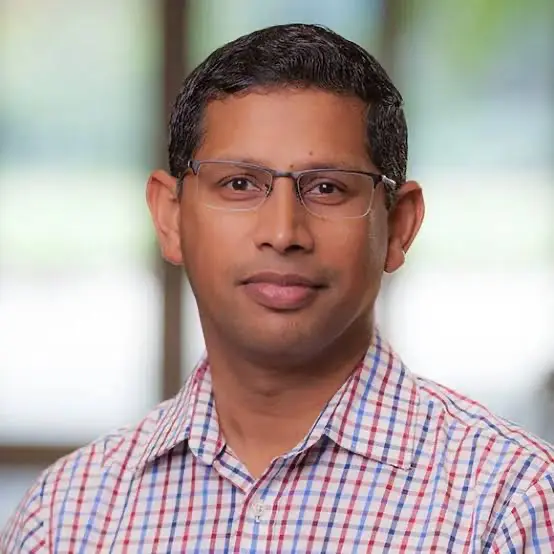
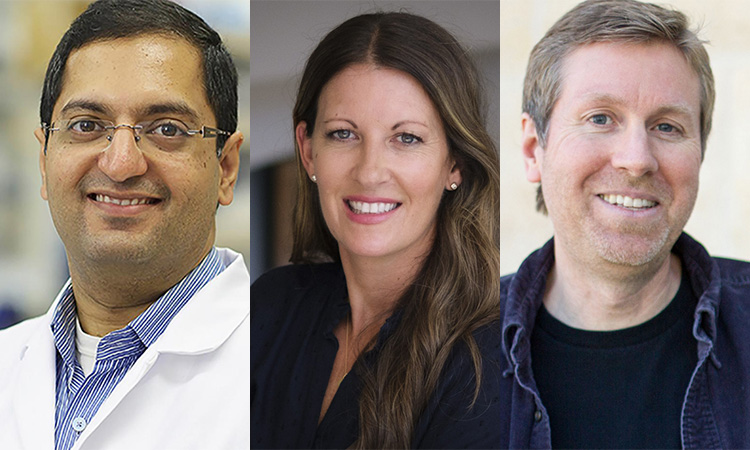
The promoted faculty, all from the Institute’s NCI-designated Cancer Center, include Ani Deshpande, PhD, Brooke Emerling, PhD and Charles Spruck, PhD

Ani Deshpande, PhD

Deshpande studies developmental processes in stem cells that get hijacked by cancer, focusing specifically on acute myeloid leukemia, one of the most common types of blood cancer. Earlier last year, Deshpande published a study with researchers at the National Institutes of Health (NIH) revealing that CRISPR gene editing can sometimes favor cells with cancer mutations, encouraging a cautious approach when using CRISPR therapies for certain cancers

Deshpande joined the Institute in 2015. Prior to that, he held positions at Memorial Sloan Kettering Cancer Center and Harvard Medical School.

Brooke Emerling, PhD

Emerling studies the metabolism of cancer cells, specifically how certain signaling proteins can contribute to the uninhibited growth typical of tumors. Emerling recently received a $2.3 million grant from the NIH to continue her work over the next four years.

Emerling joined the faculty at Sanford Burnham Prebys in 2016. Prior to that, she held positions at Weill Cornell Medicine and Harvard Medical School.

Charles Spruck, PhD 

Spruck develops new, effective, nontoxic treatments for patients with advanced cancers. Specifically, his recent studies have focused on the potential to treat cancer with viral mimicry, which tricks the body into thinking it has a viral infection, stimulating immune responses that can help the body fight cancer and improve the effects of other treatments. 

Spruck joined the Institute in 2010. Prior to that, he held positions at the Sidney Kimmel Cancer Center and Scripps Research.

Institute News

Prestigious Forbeck Scholar Award granted to Sanford Burnham Prebys cancer researcher

AuthorMonica May
Date

December 23, 2019

Breast cancer expert Brooke Emerling, PhD, an assistant professor at Sanford Burnham Prebys, has been named a Forbeck Scholar by the William Guy Forbeck Research Foundation.

This prestigious award recognizes early-career cancer researchers for their achievements, research and dedication to the field. As an award winner, Emerling receives rare access to several three-day “think tank” events featuring the world’s top cancer clinicians and scientists.

“My goal is to create therapies that help more breast cancer patients survive cancer,” says Emerling. “The opportunity to discuss my ideas and research with the absolute leaders in my field is incredible and only accelerates my work toward that end.”

Emerling is working to find treatments for triple-negative breast cancer, which is treatable only with standard surgery, chemotherapy and radiation. The lack of specific treatments means that it has a mortality rate three times higher than the other types of breast cancer. Emerling is working to find a personalized medicine that blocks several proteins she identified that allow the triple-negative breast cancer to grow, called PI5P4Ks.

The William Guy Forbeck Research Foundation was established in 1985 by George and Jennifer Forbeck in honor of their son, who succumbed to a rare childhood cancer at age 11. Today the foundation promotes advances in cancer research through collaboration. The foundation began the Forbeck Scholar award as a way to recognize early-career cancer researchers with great future promise. Past Forbeck Scholar award winners hail from Dana-Farber Cancer Institute, the Broad Institute, Cold Spring Harbor Laboratory and other top-tier institutes.