Center for Metabolic and Liver Diseases Archives - Page 2 of 2 - Sanford Burnham Prebys
Institute News

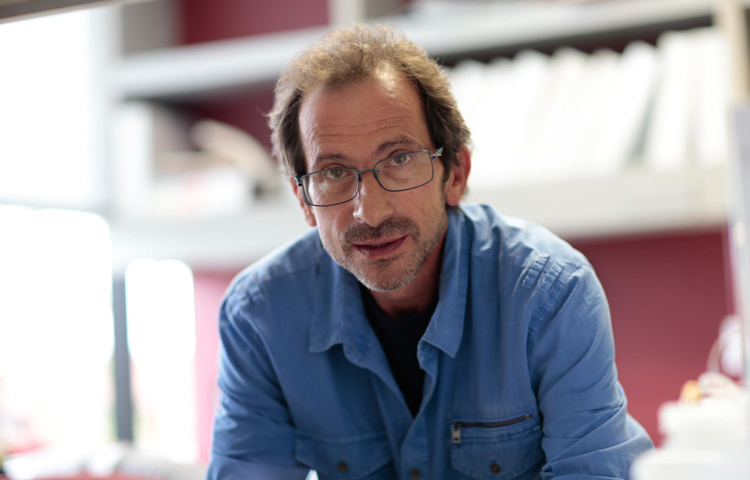
How microbes shape human health: an interview with Andrei Osterman

AuthorMiles Martin
Date

October 7, 2021

In his work on the human microbiome, Sanford Burnham Prebys professor Andrei Osterman, PhD, has shown how the organisms living within us can be leveraged to boost human health for a humanitarian cause – the plight of malnourished children. 

Describe your research aimed to improve the gut microbiome in malnourished children.
In infants, it’s been well-established that conditions of severe poverty and food insecurity cause a delayed development of gut microbes, and that this results in stunted growth, numerous syndromes, and even death. My team has been collaborating with researchers at Washington University in St. Louis to develop foods that are designed to enhance the microbiome, and we’ve found that these can actually work to correct some of these pathologies. 

One study involved introducing microbes from undernourished Bangladeshi children into the guts of mice. When these mice were then fed a typical Bangladeshi diet, they exhibited a weaker immune response to the oral cholera vaccine. More importantly, this poor response could be repaired by establishing a more normal gut microbiome in the mice and providing them supplements to boost these microbes’ propagation.

What else can we learn from this research that could be applied more broadly?
From a humanitarian perspective, the progress we’ve made is so valuable that there is no question we will continue the work. But studying the microbiome in infants, regardless of their food security, can also provide us with new insights into the importance of the microbiome in human health. 

In a more recent study with collaborators from University of California San Diego and University of Southern California, we found that adding corn syrup to infant formula can enhance the populations of beneficial microbes they might otherwise have gotten from breast milk. 

We hope this is the first of many studies we work on with this team, because the transition of infants from breast milk or formula to conventional foods is thought to be the most drastic example of how the microbiome changes with diet. Studying infants and their diets at this early point in life could help reveal fundamental truths that we’ll be able to translate to other syndromes related to the microbiome in children and adults worldwide, regardless of food security. 

And this isn’t just speculation. Another study with the team in St. Louis used the same methods as the malnutrition study to develop supplementary foods, called “fiber snacks,” to correct microbiome imbalances in people with obesity. One might think that obesity would be the total opposite of malnutrition, but the microbiome is a key player in both. 

More broadly, gut microbes are already the most well-studied part of the human microbiome, and the list of health associations with these microbes extend well beyond the digestive tract, even into the immune system, affecting the risk for diseases like cancer or diabetes. There’s also a growing body of evidence that suggests that gut microbes can have a direct effect on the brain. For example, the microbiome is being studied closely in connection to autism spectrum disorder, since many people on the spectrum experience concurrent gastrointestinal syndromes.

What would you say is important to know for people not familiar with the subject?
We need to acknowledge that our body and many of its problems have a huge microbiome component. The human body is a complex organism, and we are still learning how the microbiome influences and is influenced by different health conditions. The next step is to incorporate the role of the microbiome into the design of new diagnostics and therapeutics—because this undoubtedly influences their effectiveness. We can’t ignore this aspect of our biology, and the time is ripe to improve our understanding of it and leverage it to our advantage. Moving forward, this is going to help us solve so many problems—from issues we’ve already started looking at like obesity and malnutrition, all the way through to problems we aren’t even aware of yet. 

What are the next steps for you and your team?
What we’re really interested in now is exploring new genomic technologies that are starting to revolutionize the field. The latest development is something called MAG genomics, short for metagenomically assembled genomes. This involves looking at the big picture, sequencing DNA from the whole microbiome at once in a way that is much faster and of much better quality than we’ve ever been capable of before. It’s like the difference between watching a movie on a clunky pixelated monitor from the 80’s and seeing that same movie on an HD monitor. Methods like this are moving us into a new paradigm in biomedical research, one that may be more complex, but also one that has the potential to substantially improve health outcomes for people around the world.
Institute News

Scientists discover an early sign of type 2 diabetes: Misfolded proinsulin

AuthorMonica May
Date

March 19, 2020

The findings could lead to tests or treatments that help prevent type 2 diabetes.

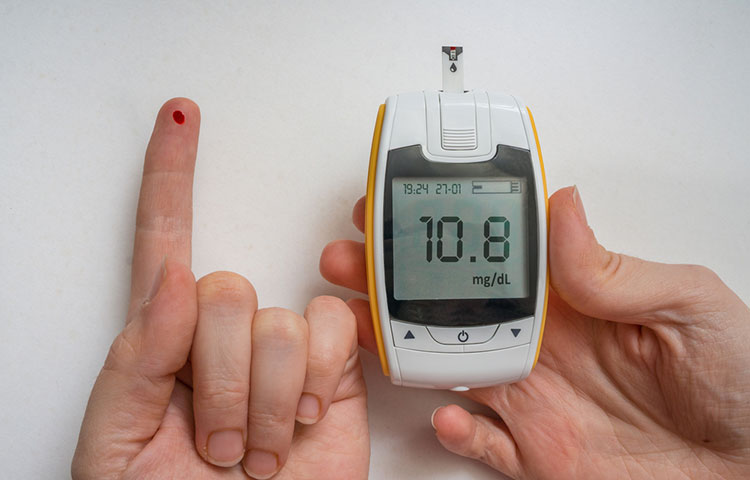
Misfolded proinsulin—a protein the body normally processes into insulin—is an early sign of type 2 diabetes, according to a study by scientists at Sanford Burnham Prebys and the University of Michigan Medical School. The discovery, published in eLife, could lead to tests or treatments that help prevent people from developing type 2 diabetes.

“Understanding the molecular events that occur as prediabetes progresses to diabetes opens new avenues for us to detect or interrupt these processes,” says Randal Kaufman, PhD, director and professor in the Degenerative Diseases Program at Sanford Burnham Prebys and co-corresponding author of the study. “With this information, we can start to find interventions that might spare millions of people from a serious, lifelong condition.”

More than one in three Americans, or approximately 88 million people, have prediabetes—which is characterized by elevated blood sugar. If left untreated, within four years nearly 40% of people with prediabetes develop type 2 diabetes, which occurs when the body doesn’t use insulin properly. In 2017, the cost of treating diabetes exceeded $327 billion, according to the American Diabetes Association. Due to increasing obesity rates, the number of people with the condition—particularly children—is on the rise.

Identifying the molecular events that occur during progression from prediabetes to full-blown diabetes remains one of the most perplexing problems in diabetes research. In the study, the scientists set out to answer this question by tracking proinsulin folding in the beta cells of humans and mice that are healthy, prediabetic and diabetic.

These studies revealed that instead of undergoing its normal folding process, proinsulin proteins were abnormally linked to each other. Levels of the abnormal proinsulin accumulated as prediabetes progressed to type 2 diabetes. Obese mice in the earliest stages of diabetes had the highest levels of abnormal proinsulin in their beta cells.

“Proinsulin misfolding is the earliest known event that may contribute to the progression from prediabetes to diabetes,” says Kaufman. “Together, these studies show that abnormally linked proinsulin holds promise as a potential measure of how close someone may be to developing type 2 diabetes.”

Now, the researchers are set to uncover more details about this process, such as the proteins that interact with the misfolded proinsulin.

“Understanding the fundamental molecular events that lead to type 2 diabetes is critical as the number of people with prediabetes continues to rise,” says Kaufman. “If we don’t find preventive measures, we will soon have a diabetes epidemic.”


The study’s first author is Anoop Arunagiri, PhD; and the study’s senior author is Peter Arvan, both of the University of Michigan Medical School.

Additional authors include Leena Haataja and Fawnnie Pamenan of the University of Michigan Medical School; Ming Liu of the University of Michigan Medical School and Tianjin Medical University in China; Anita Pottekat and Pamela Itkin-Ansari of Sanford Burnham Prebys; Soohyun Kim of Konkuk University in South Korea; Lori M. Zeltser of Columbia University; Adrienne W. Paton and James C. Paton of the University of Adelaide in Australia; and Billy Tsai of the University of Michigan.

The study’s DOI is 10.7554/eLife.44532.

This work was supported by the National Institutes of Health (R01DK111174, R24DK110973 and R01DK48280) and the Juvenile Diabetes Research Foundation International (2-SRA-2018-539-A-B).

Institute News

Digestion-aiding herbs alter gut microbiome

AuthorMonica May
Date

July 24, 2019

Many medicines used today—including aspirin, penicillin and malaria-fighting quinine—originated from nature. Now, Sanford Burnham Prebys and UC San Diego scientists have turned to ancient digestive herbs to learn about gut health—in the hopes of uncovering new treatments for colon cancer, autoimmune conditions and additional serious diseases.

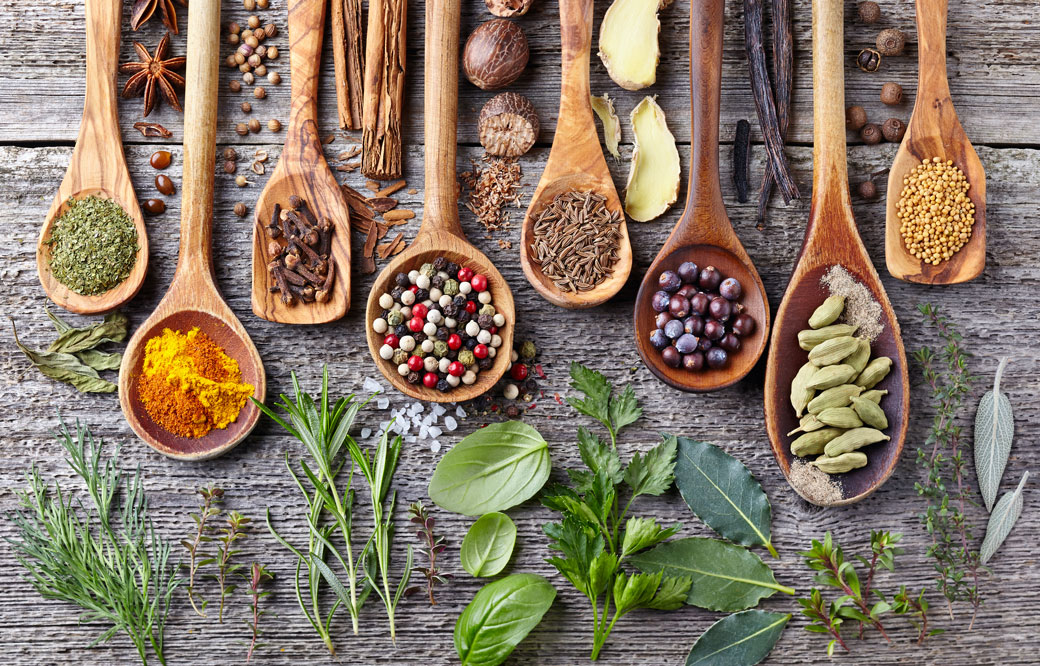
In a recent study published in Evidence-Based Complementary and Alternative Medicine, the researchers examined how four herbs—turmeric, ginger, long pepper and black pepper—change the gut microbiome. These herbs have been used for more than 5,000 years to aid digestion in Ayurvedic healing, India’s traditional system of medicine. The researchers found that the herbs promoted strong shifts in the gut bacteria that are known to regulate metabolism—providing insights that could help us protect our health. 

“Scientists have long known that these four herbs facilitate digestion and increase bioabsorption of dietary nutrients. However, the effects on the gut microbiome had not been studied,” says Scott Peterson, PhD, senior author of the paper and a professor at Sanford Burnham Prebys. “Our study demonstrates for the first time that these herbs indeed alter the microbiome and produce distinct shifts in microbial populations. This finding is a starting point from which we can begin to decipher how the microbiota may change the gut biochemistry to promote and protect our health.” 

Digestive disorders, including Crohn’s disease, celiac disease and irritable bowel syndrome (IBS), are increasingly prevalent in Western populations. More than 60 million people are affected in the United States alone. Treatments for the disorders are limited.

In the study, the scientists collected stool samples from 12 healthy men and women between the ages of 30 and 60 who ate a vegetarian or vegan diet. The samples were grown in medium (food for bacteria) supplemented with turmeric, ginger, black pepper or long pepper. Genomic sequencing was then used to identify how the abundance of species within the community was altered by the herbal supplement. 

The scientists found that all of the herb-supplemented samples had unique proportions of bacterial families compared to control cultures—indicating the herbs altered the gut microbiome. 

“We are exploring how different herbs produce distinct microbial signatures in the gut,” says Peterson. “It’s clear from this study that each herb works differently. Now the task is to make the connections between the herb profiles and gut health.” 

Next, the researchers plan to test the herbs’ therapeutic potential in a controlled human clinical trial. In parallel, they will work in the lab to dissect the herbs’ molecular components and study how these components influence the gut microbiome and promote digestive health.

“By delving deeper into the beneficial molecules present in these herbs and how microbes may alter those constituents, we may be able to enhance their potential benefit and help people suffering from serious digestive disorders,” explains Peterson.  


The first author of the study is Christine T. Peterson, PhD, of UC San Diego. 

Additional authors include Dmitry A. Rodionov, PhD, of Sanford Burnham Prebys and the Russian Academy of Sciences; Stanislav N. Iablokov of the Russian Academy of Sciences and Yaroslavl State University; Meredith A. Pung, PhD, and Paul J. Mills, PhD, of UC San Diego; Deepak Chopra, MD, of UC San Diego and the Chopra Foundation. Deepak Chopra is the founder of the Chopra Foundation and Chopra Center and a co-owner of the Chopra Center. Mills is the director of research for the Chopra Foundation.

The research was supported by the Samuel Lawrence Foundation, the Chopra Foundation and the Russian Science Foundation (19-14-00305).