education Archives - Page 2 of 11 - Sanford Burnham Prebys
Institute News

Q & A with Postdoctoral Researcher Kokila Shankar, from the Sheffler Lab

AuthorCommunications
Date

June 15, 2026

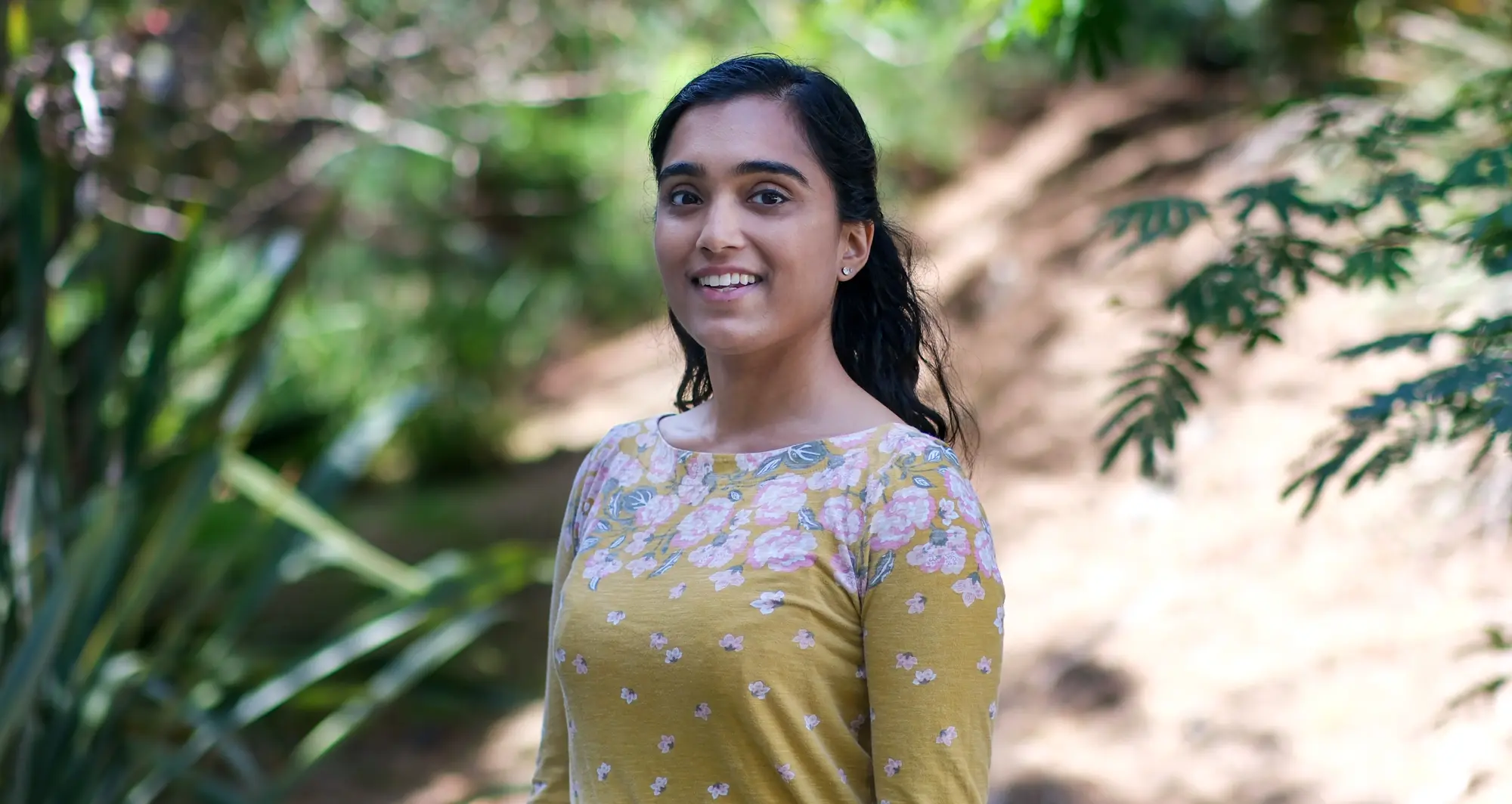
Meet one of our early-career scientists at Sanford Burnham Prebys Medical Discovery Institute: Kokila Shankar, PhD, a postdoctoral researcher in the lab of Douglas Sheffler, PhD. Shankar studies the brain stress signaling system to develop potential treatments for drug addiction.

When and how did you become interested in science?
My dad works in science, so I grew up seeing a little bit of that world. Within science, he works on the industry side which provided me with a perspective on how drug discovery works.

While I always liked science growing up, what really hooked me is when I learned about the field of neuroscience. You have to incorporate a lot of different types of knowledge to really understand neuroscience and neurobiology. And it’s one of the fields where I think that no matter how much we study it, there’s always going to be room to learn more and more.

What are the key areas of research you focus on?
I am really excited about the fact that I get to work in small molecule drug discovery for neurological and psychiatric disease. Currently, my focus is on treating drug addiction.

We use a drug discovery workflow to be able to take biological targets we’ve identified and develop small molecule chemicals that modify these targets. Essentially, we’re working on ways to either increase or decrease the activity of these targets as a strategy to potentially mitigate drug addiction symptoms.

More specifically, my main project is targeting the brain stress signaling system. By developing a small molecule that modulates a stress signaling receptor and some of its associated proteins, our goal is to change stress signaling in the brain. This is important because stress signaling is very involved in addiction. It can play a large role in people becoming addicted to substances and making their addiction worse and harder to quit.

What motivates you about your research?
I think in the field of drug discovery, people tend to portray making new medicines as a linear path. We have a small molecule identified through a screen that we know has some effects on a biological target. Then we just have to make it better, put it in cells, then in animals and finally we get it approved to put into people.

The reality is that there are so many things that can affect every single stage of that workflow. And there’s a lot of troubleshooting and interdisciplinary collaboration involved in keeping things on track. So even when things aren’t going smoothly, I remember that what I signed up to do as a scientist is solve problems. Each time we solve one, we also learn something new and that keeps me very motivated.

What do you like about working here?
Sanford Burnham Prebys feels like a very focused place to do research. Everyone’s goal is to work together to drive research forward. And you really feel that through the resources that are available, whether that’s the core facilities or the number of people that are available to collaborate or share reagents.

On top of that, the community here is very welcoming. Everyone is collaborative and wants to see each other succeed. And that’s rare to find in an academic research environment.
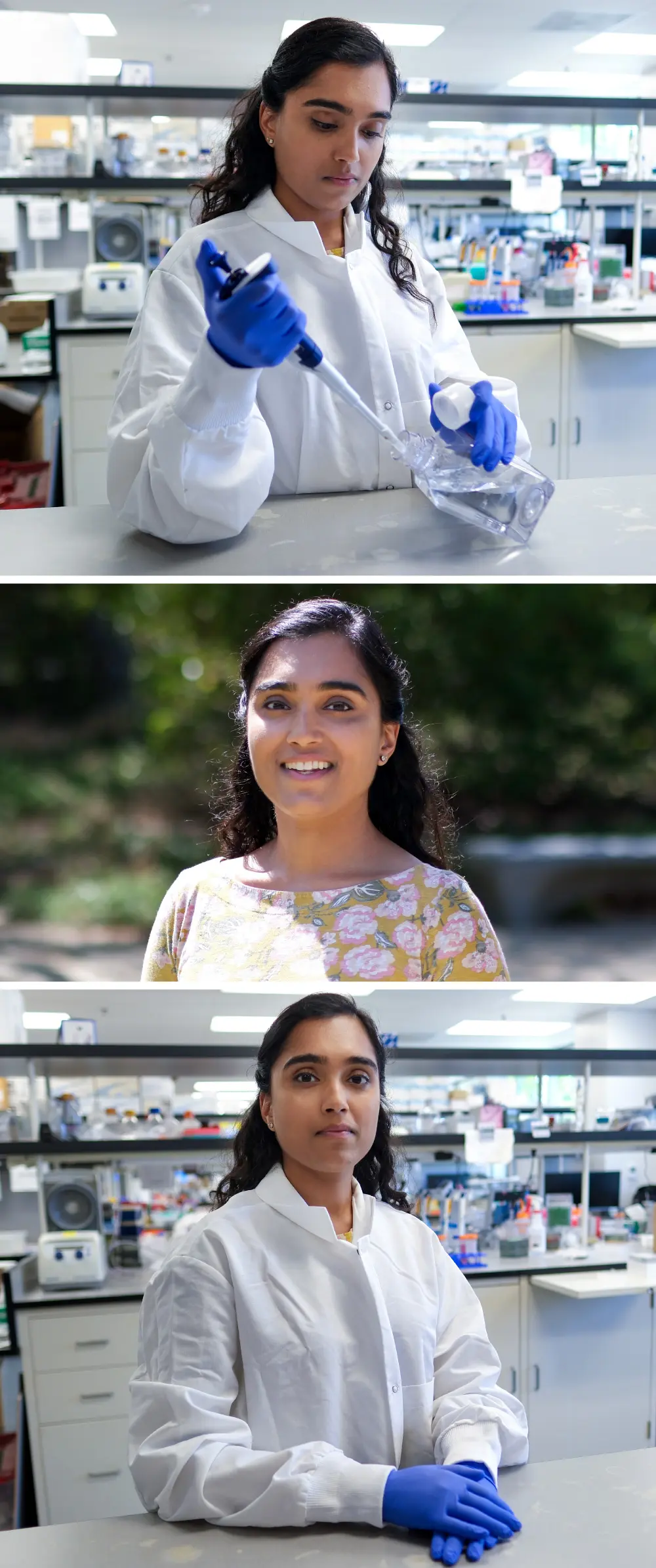
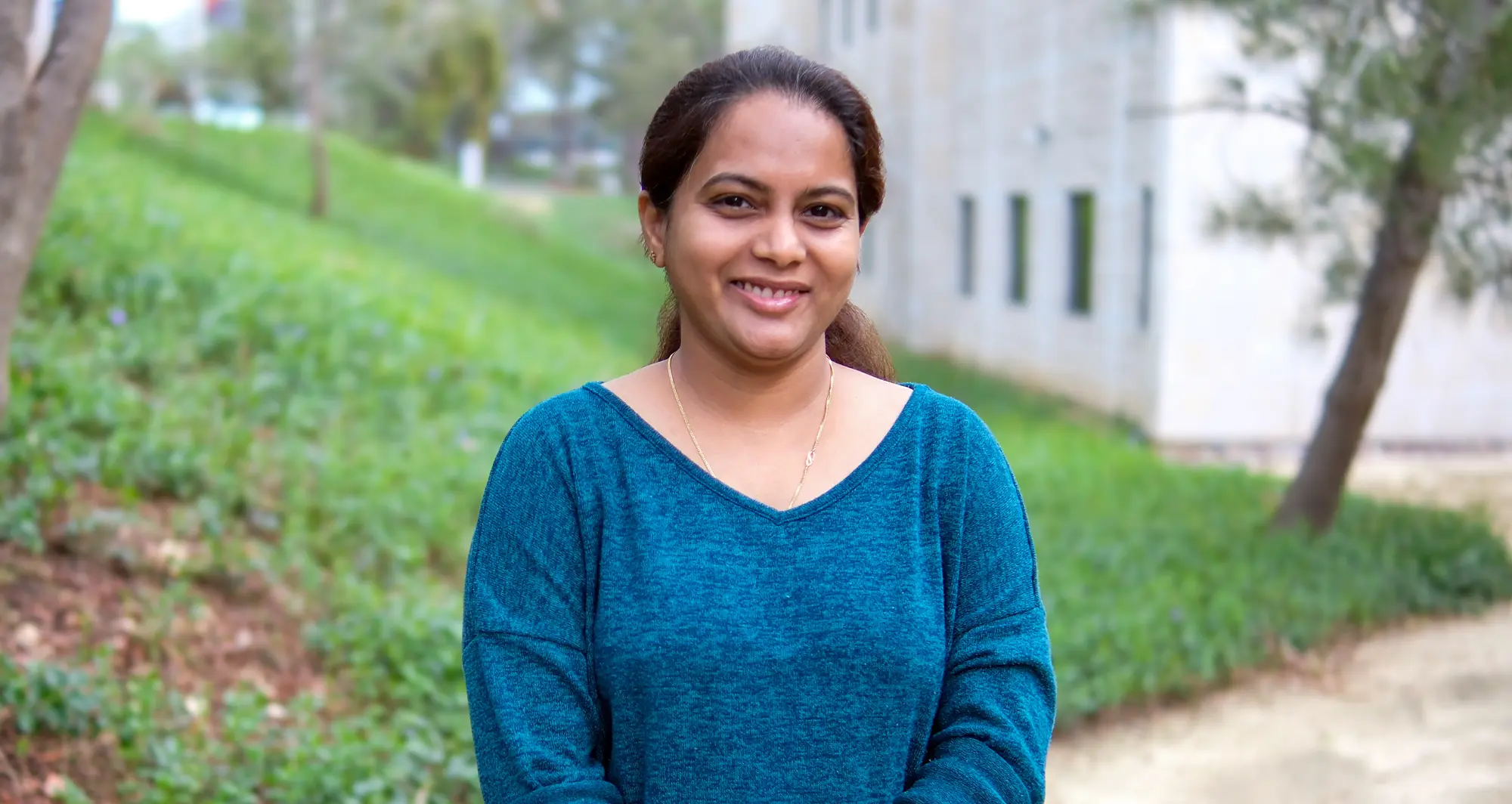
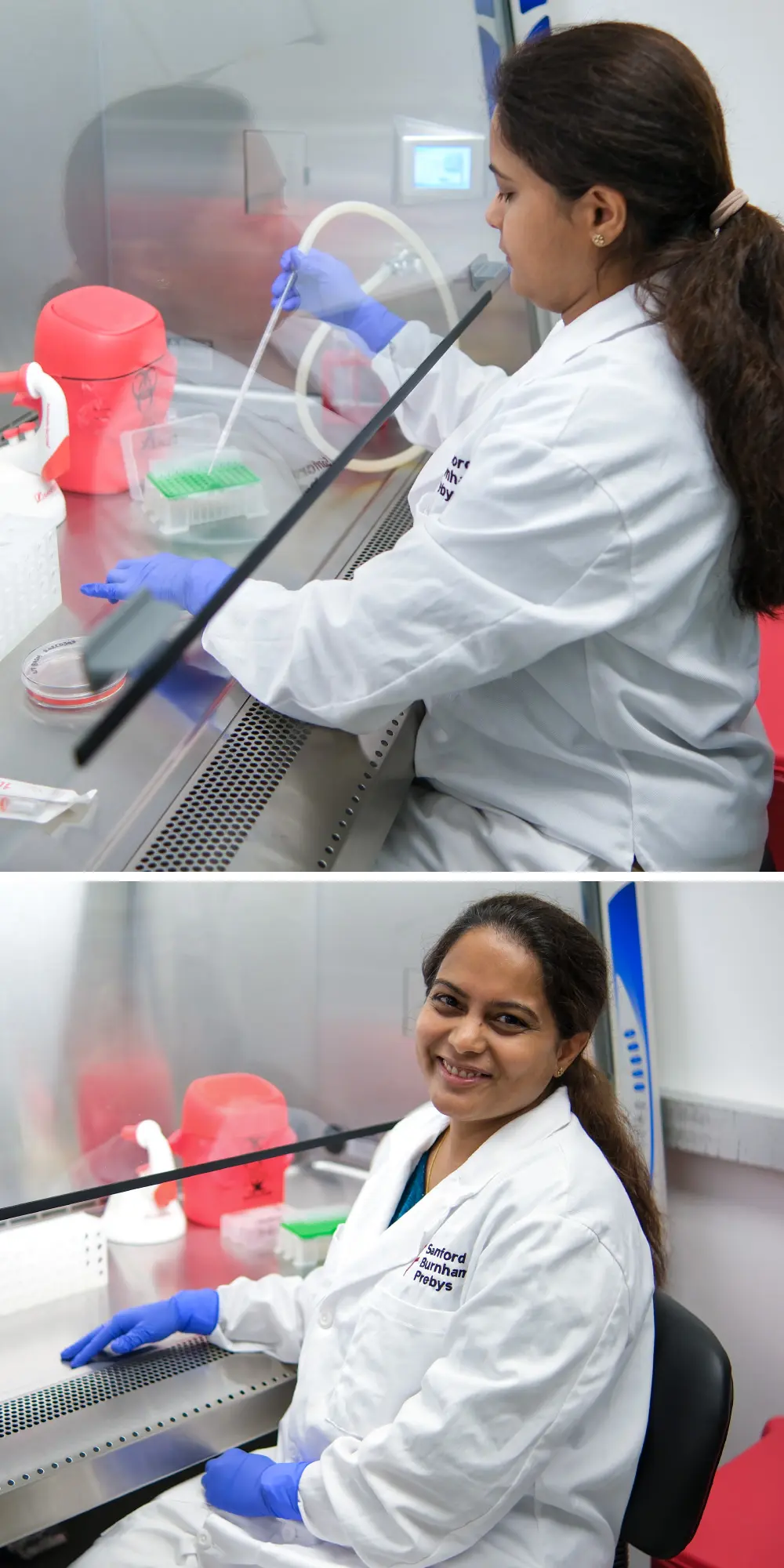
Kokila Shankar photo collage

What are your career goals?
My goal is to transition to a role in biotech or the pharmaceutical industry. And it would be even better if I was able to work in neuroscience therapeutics development.

Beyond that, I think a special aspect of being in science, earning a PhD and completing postdoctoral training is that it all prepares you for so many different types of careers. That could mean staying at the bench in R&D or moving into areas such as business, communications and marketing or science policy.

I feel like I’m very fortunate that there’s a lot of opportunities, and I don’t want to close the door on any of them.

What do you enjoy doing when you’re not in the lab?
I am an active volunteer with the Fleet Science Center, so I love doing their K-12 and their adult outreach programs to get more people excited about science.

Also, I used to be a competitive ballroom dancer. Right now, I’m enjoying the opportunity to work with students at the University of California San Diego to help them improve. And hopefully one day I’ll step back into competition.

Postdocs at Sanford Burnham Prebys are pushing the boundaries of science every day through curiosity, collaboration, and innovation. This series highlights their unique journeys, what inspires their work, and the impact they’re making across our labs.
Explore the Full Series

Institute News

Sanford Burnham Prebys recognizes 10 doctoral degree recipients

AuthorCommunications
Date

June 3, 2026

The Institute’s Graduate School of Biomedical Sciences held its third Commencement ceremony to celebrate new alumni

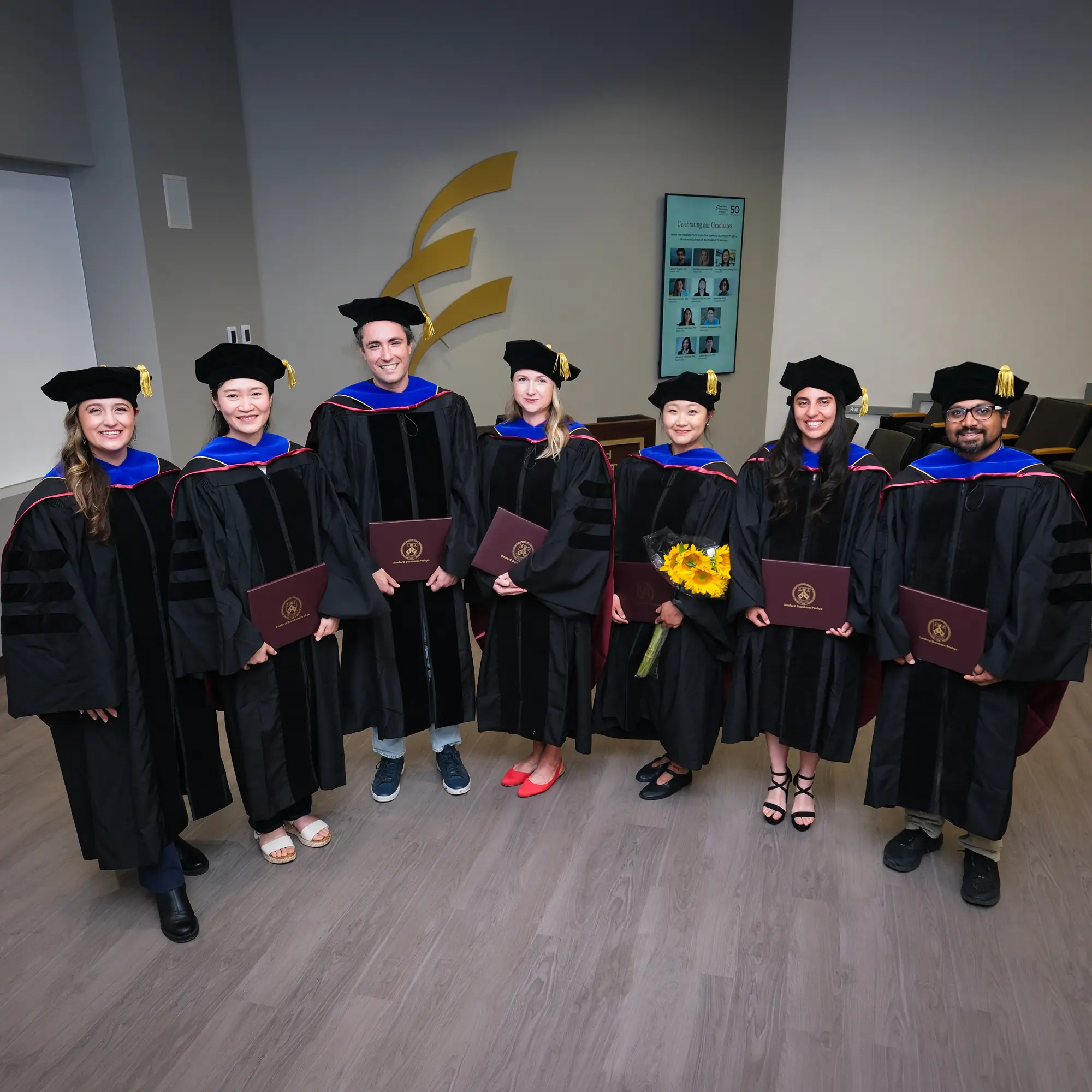
The Sanford Burnham Prebys Medical Discovery Institute’s Graduate School of Biomedical Sciences hosted 10 recent doctoral degree recipients and their family members, friends and colleagues during the school’s third annual Commencement ceremony on May 29, 2026.

These new graduates join the ranks of Institute scientists and alumni that have propelled 50 years of discovery at Sanford Burnham Prebys and 20 years of graduate education.

The graduation ceremony was held at the Institute’s La Jolla campus in the Victor E. LaFave III Memorial Auditorium.

“As you reflect on your first days as a graduate student, I hope you recognize how far you have come, not only as scientists, but also as thinkers, collaborators, mentors and individuals,” said Alessandra Sacco, PhD, the dean of the Sanford Burnham Prebys Graduate School of Biomedical Sciences and a professor in the Center for Cardiovascular and Muscular Diseases.

“The growth you have demonstrated through this remarkable journey is extraordinary, and today we celebrate both your accomplishments and the dedication that made them possible. It has been an honor to be part of your journey.”

Following her remarks, Sacco introduced David Brenner, MD, the president and CEO of Sanford Burnham Prebys.

“Yesterday, you were graduate students, today you are graduates and tomorrow you are alumni,” Brenner said. “I want you to feel like this is your second home where you’ll return as peers and colleagues to tell us about your triumphs and contribute to our seminars and symposia as active members of our community.” 

Following Brenner’s comments, Michaela Romero, PhD ’25, spoke on behalf of her fellow graduates.

“Here at Sanford Burnham Prebys, we’ve been immersed in a culture of collaboration where science is not a solo act,” Romero said. “This has not happened by accident and has been built one conversation at a time. 

“Cultures like this need to be nurtured with care, so I hope you create something that feels just as special as this place wherever you go in the future.” 

Romero turned the podium over to Cosimo Commisso, PhD, the deputy director of the Institute’s NCI-Designated Cancer Center and a professor in the Cancer Metabolism and Microenvironment Program, who provided the Commencement address.

Commisso spoke about the importance of carefully contemplating the motivation behind your science and how it can change over time, which he punctuated with a story from his scientific journey about an event he attended for pancreatic cancer patients, survivors and their family members.

“I gave myself permission to evolve and realized that I wanted to dedicate my life’s work specifically to pancreatic cancer research,” he said. “If something like this happens to you, if such an event impacts you in a profound way, I hope you listen to your internal compass and remember that what motivates you today at graduation may likely look very different years later. 

“Evolution of your ‘why’ is a feature and not a bug,” he added. “Let your own ‘why’ be the force that pushes you beyond the familiar to make a difference.”

Diane Klotz, PhD, the chief learning officer at Sanford Burnham Prebys, then provided attendees an overview of the meaning of the hoods and symbols that are used in Commencement ceremonies. She asked faculty members to place the doctoral academic hoods upon the graduates to signify completion of their degrees.

This year, the following graduates were acknowledged:

  • Adarsh Rajesh, PhD ’25, who trained in the Adams lab and was hooded by Peter Adams, PhD, director of and professor in the Cancer Genome and Epigenetics Program
  • Sviatlana Zaretski, PhD ’25, who trained in the Adams lab and was hooded by Adams
  • Yu-Ling (Linda) Chang, PhD ’26, who trained in the Colas lab and was hooded by Alexandre Colas, PhD, associate dean of admissions in the Graduate School of Biomedical Sciences and associate professor in the Center for Cardiovascular and Muscular Diseases
  • Michaela Romero, PhD ’25, who trained in the Colas lab and was hooded by Colas
  • Jiaqian (Emily) Wu, PhD ’25, who trained in the Cosford lab and was hooded by Nicholas Cosford, PhD, professor in the Cancer Metabolism and Microenvironment Program
  • Ximena Diaz-Olea, PhD ’25, who trained in the Ronai lab and was hooded by Andrei Osterman, PhD, her thesis committee chair, vice dean and associate dean of curriculum of the Graduate School of Biomedical Sciences and a professor in the Center for Metabolic and Liver Diseases
  • Cedomir Stamenkovic, PhD ’25, who trained in the Sacco lab and was hooded by Sacco
  • Rema Iyer, PhD ’25, who trained in the Deshpande lab and was unable to attend the ceremony
  • Utkarsha Hemant Paithane, PhD ’26, who trained in the Bagchi lab and was unable to attend
  • Ruslan Nuryyev, PhD ’26, who trained in the Snyder lab and was unable to attend

Graduate school vice dean Osterman provided the ceremony’s closing remarks.

“What is happening today is because of your genuine accomplishment and is a product of your creativity, genius, effort and everything you invested in the research project that you completed,” Osterman said. 

“Now you will take all you have learned during your time here and choose your own path forward, and a new and exciting adventure begins.”

Institute News

Eric Wang named Educator of the Year by Sanford Burnham Prebys Graduate School of Biomedical Sciences

AuthorCommunications
Date

May 14, 2026

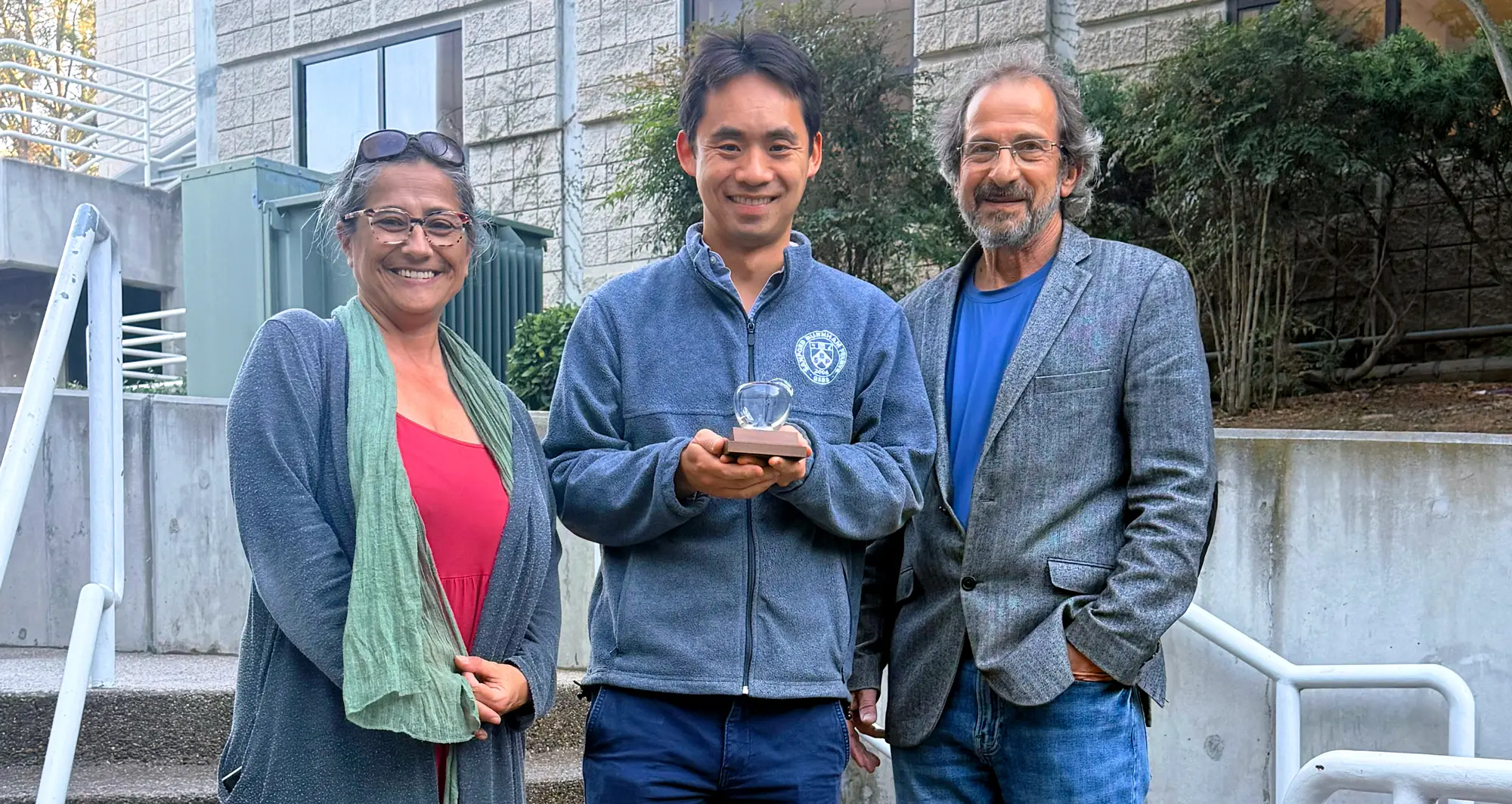
Sanford Burnham Prebys is pleased to congratulate Assistant Professor Eric Wang, PhD, on being named Educator of the Year at the Graduate School of Biomedical Sciences’ retreat.

The Crystal Apple Award, presented by Alessandra Sacco, PhD, dean of the Graduate School of Biomedical Sciences, and Andrei Osterman, PhD, vice dean and associate dean of curriculum, recognizes outstanding contributions to graduate education, mentorship and support for the graduate school community.

Wang has quickly become a valued mentor and educator at the Institute. In addition to mentoring a graduate student in his laboratory, he serves on five graduate school thesis committees, is a member of the Graduate School Admissions Committee and is chair of the Institute’s Education and Training Committee. He also serves as course director for Modern Drug Discovery Technologies, helping train the next generation of biomedical scientists in approaches that bridge chemistry, biology and translational research.

Wang joined Sanford Burnham Prebys in 2021 as part of the NCI-designated Cancer Center and the Center for Therapeutics Discovery. His research focuses on developing chemical tools to better understand human biology and identifying new therapeutic strategies for disease. His lab combines expertise in chemistry, biology and drug discovery to study challenging biological targets and to uncover new approaches for precision medicine.

The Educator of the Year recognition reflects Wang’s dedication not only to scientific discovery, but also to fostering a supportive and collaborative learning environment for students and trainees across the Institute.

Congratulations to Eric on this well-deserved recognition.

Institute News

Q & A with Postdoctoral Researcher Alejandro Lillo, PhD, from the Pasquale Lab

AuthorCommunications
Date

May 12, 2026

Meet one of our early-career scientists at Sanford Burnham Prebys Medical Discovery Institute: Alejandro Lillo, PhD, a postdoctoral researcher in the lab of Elena Pasquale, PhD. Lillo studies a family of protein receptors to uncover a new treatment approach for cancer patients.

When and how did you become interested in science?
When I was 15 years old, my parents told me that my mom was suffering from multiple sclerosis, a disease with no cure. At that time, I was a very good student interested in math, physics and biology.

I decided to focus all my efforts to become a scientist and be able to help people in the same situation. Even though I was frustrated, I tried to concentrate on positive things I could do to help people and contribute to new solutions as a researcher.

What are the key areas of research you focus on?
I am studying a small family of receptor tyrosine kinases called erythropoietin-producing hepatocellular receptors or EPH receptors. These receptors are highly implicated in different physiological and pathologic processes, including cancer.

Other experts have investigated these receptors as individual units, but we now know that these receptors can interact with each other to form groupings known as heterocomplexes. I am studying these heterocomplexes as part of a new potential therapeutic strategy for treating cancer.

What motivates you about your research?
Sometimes doing science can be frustrating. But I really love what I’m doing. Even when my hypotheses are wrong, I always try to think about why I got certain results and what I can learn from them.

I also reflect on why I chose this career, and it helps me to remember that I can benefit others by contributing to finding treatments for diseases with no cure.

What do you like about working here?
Most important to me is the family-like environment that we have here. Everybody is so collaborative and so helpful. Every time that I need something that we don’t have at the lab, I send an email and in five minutes I have a solution. We are collaborating with a lot of groups. And it goes both ways, so whenever other labs need something from us, we do our best to help out.

Also, something that is especially important for us postdocs, we have many different workshops, seminars and other resources to help us grow in our careers. And it is important for me to mention all the core facilities we have as they have been so supportive.

Thanks to them, I’ve developed skills in confocal microscopy, flow cytometry and mass spectrometry, adding to what I am learning inside the lab from my mentor.

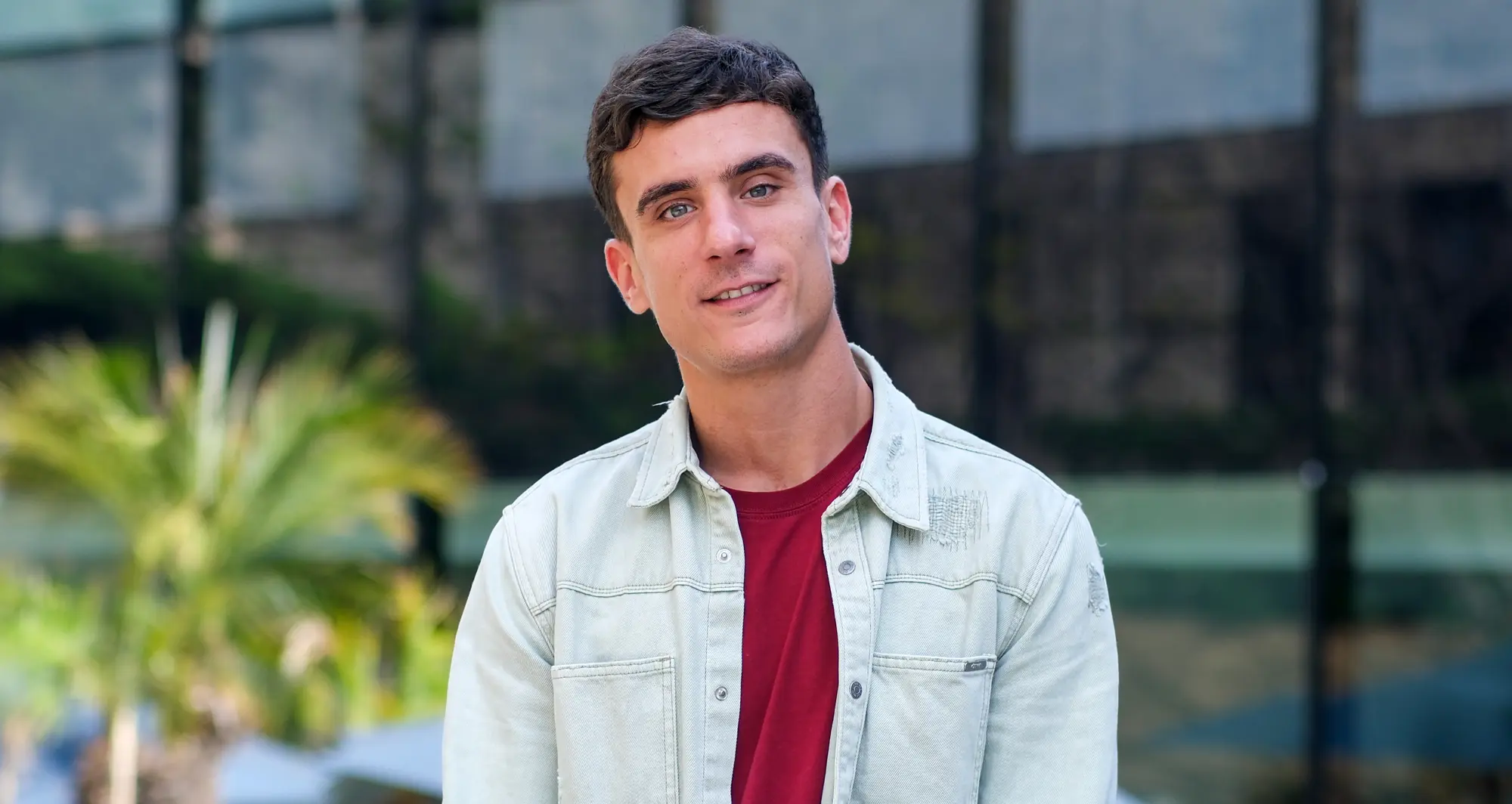
Alejandro Lillo, PhD, photo collage

What are your career goals?
I want to be a principal investigator in academia. I am building my skills in proposal writing, leadership, public speaking and other areas needed to successfully build and run an independent research lab.

What do you enjoy doing when you’re not in the lab?
I love going to the beach and going hiking. And I enjoy going to the gym. It helps me to deal with stress and maintain my mental health.

Also, I am a food lover. Experiencing different kinds of cuisine makes me happy.

Postdocs at Sanford Burnham Prebys are pushing the boundaries of science every day through curiosity, collaboration, and innovation. This series highlights their unique journeys, what inspires their work, and the impact they’re making across our labs.
Explore the Full Series

Institute News

Q & A with Postdoctoral Researcher Nilofer Sayed, PhD, from the Dhar Lab

AuthorCommunications
Date

April 10, 2026

Meet one of our early-career scientists at Sanford Burnham Prebys Medical Discovery Institute: Nilofer Sayed, PhD, a postdoctoral researcher in the lab of Debanjan Dhar, PhD. Sayed studies the progression of fatty liver disease to cirrhosis and hepatocellular carcinoma to identify new potential treatments that could reverse or halt disease advancement.

When and how did you become interested in science?
Empathy for the sick led me to pursue a career as a physician in India. However, during my medical practice, I came to a point of understanding that I cannot help patients when existing treatment options are insufficient.

That insight led me to shift my gears and move towards a career in research to help find new therapies.

What are the key areas of research you focus on?
I work in a liver condition called metabolic dysfunction-associated steatohepatitis, or MASH, which involves the liver getting fatty and inflamed. The problem with this condition is that if it’s not treated on time, then it can progress to a much more severe form. 

At this stage, healthy liver tissue is replaced by scar tissue. This impairs the liver and can progress further into cancer.

I’m studying ways to stop this progression into more severe forms of liver disease. My major focus is on a particular immune cell population in the liver called macrophages. By manipulating this cell population, I’m trying to alter the immune landscape of this disease and inhibit its progression.

This is becoming increasingly important as the incidence of MASH continues to rise. We need to be able to prevent patients from developing cirrhosis, liver failure or hepatocellular carcinoma. 

How do you think about translating your findings to advance human health?
I believe that what I am researching has great potential to one day reach and help patients in the clinic. Once we can clarify the targets and the mechanisms, we will be able to test peptides or small molecules that modify the targets in order to inhibit the progression of the disease.

We’re fortunate to have drug screening capability here at the institute. This makes us more confident in our ability to move things forward when we identify promising druggable targets.

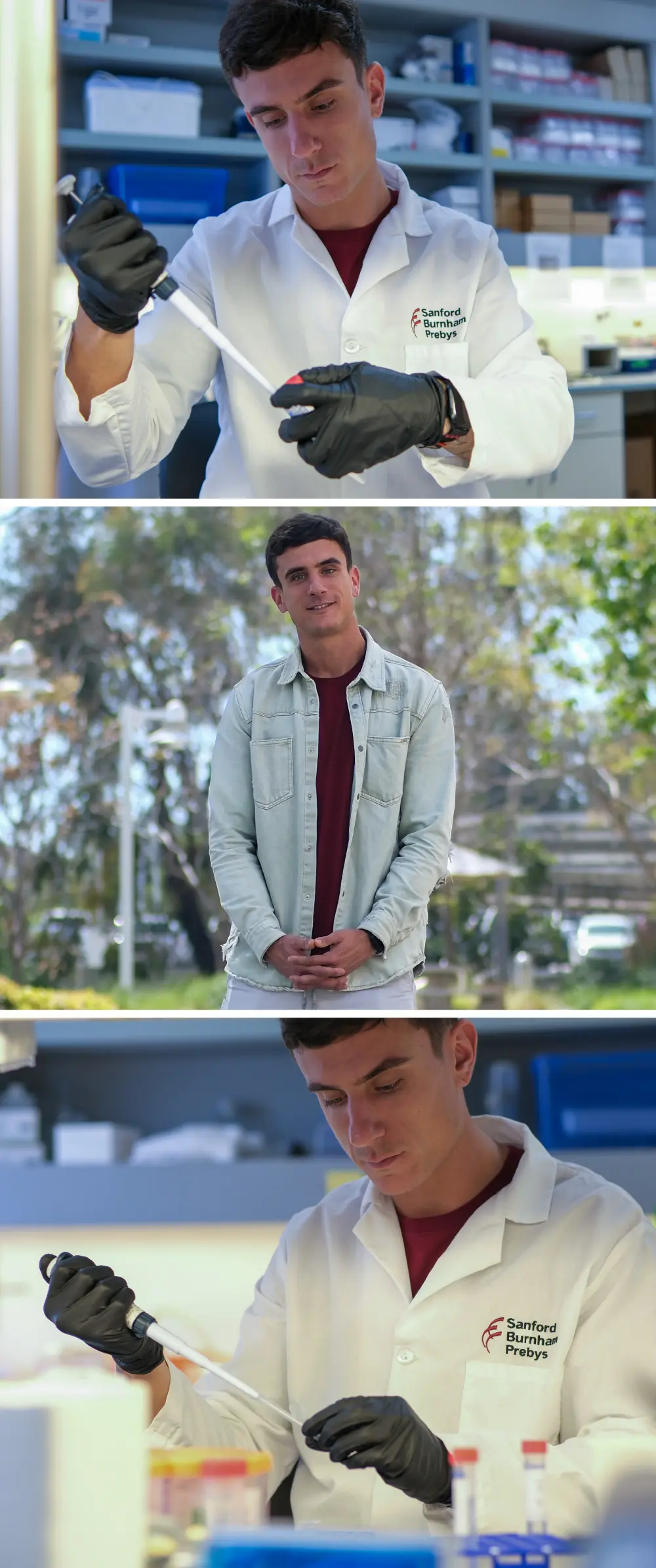
Nilofer Sayed, PhD, photo collage

What motivates you about your research?
The underlying motivation is to improve the lives of people that are sick. Because that is a long-term goal, though, I think it is important to have other sources of motivation that are more immediate.

Every day I wake up, I love heading to the lab to explore my ideas. As I plan and design my experiments, I’m excited to see what answers I get from them. Another fun part of being in the lab for me is troubleshooting. I enjoy figuring out what might be going wrong in experiments, not only for myself, but also for my fellow lab members or colleagues who are feeling stuck. I love the feeling of fixing something that isn’t working and getting the research back on track.

I also get motivated by attending as many of the scientific talks and seminars as I can. The speakers’ creativity and their meticulous experiments inspire me and provide insight into many areas of biomedical research.

What do you like about working here?
The work environment here gives researchers what they need to thrive. Collaboration is encouraged and the support that I get for my experiments from core facilities is wonderful.

I think Sanford Burnham Prebys has talented principal investigators that excel at generating ideas and guiding emerging scientists in the right direction. Also, this is a very translational research institute, which excites me because I know that what I achieve during my postdoctoral research has the potential of going forward and reaching patients.

This pushes me to work hard and accomplish something that can have an impact beyond scholarly publications by benefiting people.

What are your career goals?
I would like to stay in academic science and eventually run my own research lab that would focus on developing targeted immunotherapies for hepatocellular carcinoma.

What do you enjoy doing when you’re not in the lab?
I love going to church and visiting people who are sick in their hospital rooms or in their homes to try and bring some cheer and comfort.

I also enjoy cooking and going on long walks to admire nature.

Postdocs at Sanford Burnham Prebys are pushing the boundaries of science every day through curiosity, collaboration, and innovation. This series highlights their unique journeys, what inspires their work, and the impact they’re making across our labs.
Explore the Full Series

Institute News

La Jolla research meeting convenes scientists studying aging

AuthorCommunications
Date

March 25, 2026

Scientists gathered at the 9th annual La Jolla Aging Meeting on Thursday, March 19, 2026, in the Salk Institute’s Conrad T. Prebys Auditorium

The event brought together 286 attendees and featured short talks from San Diego-based postdoctoral researchers and students studying the biology of aging.

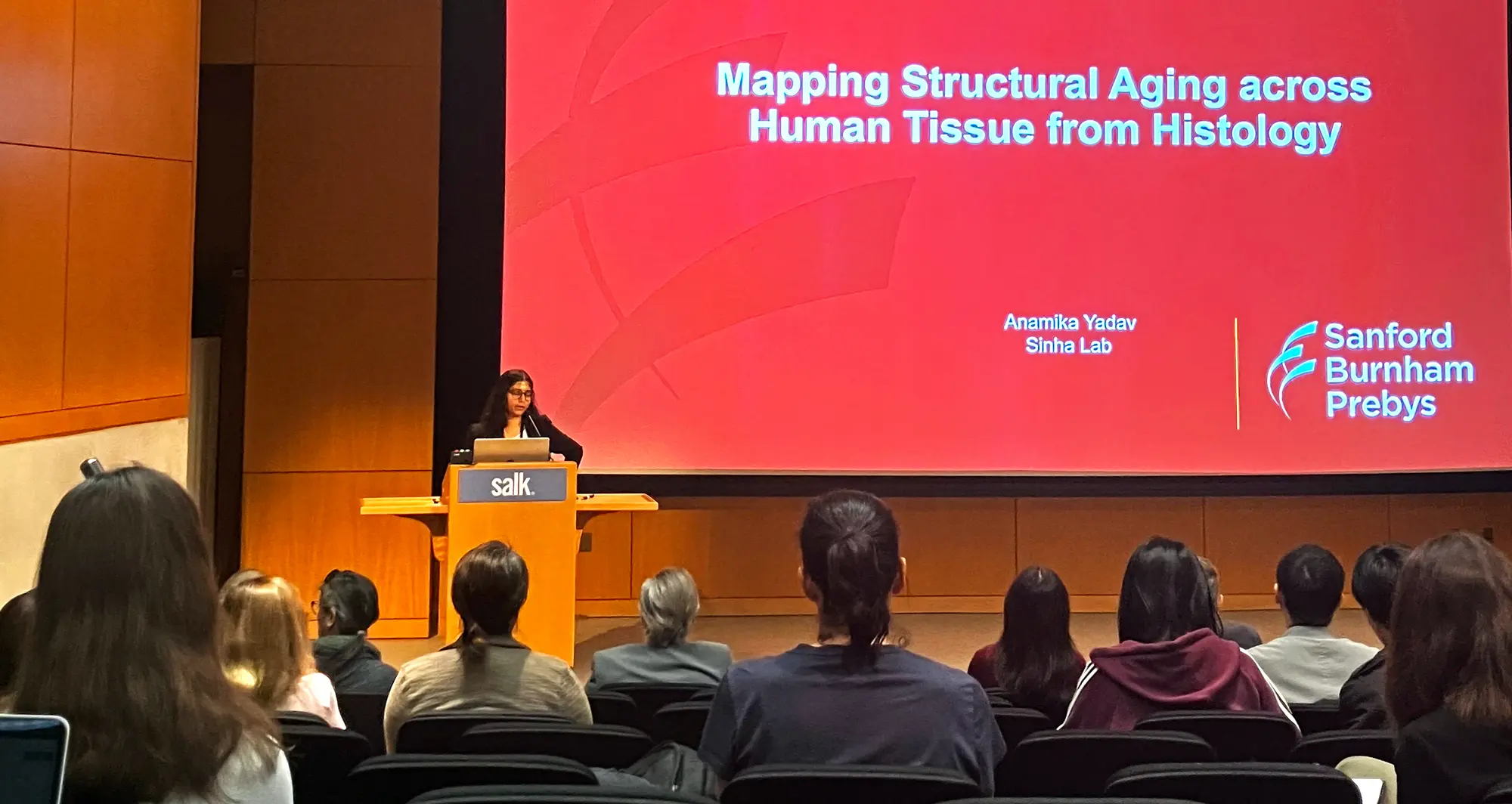
Anamika Yadav, a research assistant in the lab of Sanju Sinha, PhD, at Sanford Burnham Prebys Medical Discovery Institute, discussed her work studying aging by detecting structural alterations in cells and tissues over time captured in images taken of routine medical biopsies. She used data from the Genotype-Tissue Expression Project, a major National Institutes of Health Common Fund initiative that gathered samples from 970 non-diseased individuals aged 20 to 70. Yadav trained a computational model on more than 25,000 histopathology slides from 40 tissue types to define aging patterns in different tissues. By this approach, Yadav defined distinct patterns of aging in different tissues which ultimately can help to predict specific diseases of aging.

Beatrice Silvestri, PhD, a postdoctoral associate in the lab of Yu Xin (Will) Wang, PhD, at Sanford Burnham Prebys, shared findings from her work on an enzyme called 15-hydroxyprostaglandin dehydrogenase (15-PGDH). Researchers have defined 15-PGDH as a gerontological enzyme or “gerozyme” due its connection with aging in multiple tissues. Silvestri presented results from studying the effects of blocking 15-PGDH to ameliorate the degeneration of the connection between motor neurons and skeletal muscle fibers. Inhibition of this gerozyme might have potential for healthy aging and prevention of many diseases of aging.

In addition to these podium presentations, four Sanford Burnham Prebys scientists shared their research results during the meeting’s poster sessions:

The 2026 La Jolla Aging Meeting concluded with a keynote address by Ana Maria Cuervo, MD, PhD, Distinguished Professor and Robert and Renée Belfer Chair for the Study of Neurodegenerative Diseases at Albert Einstein College of Medicine.

Peter Adams, PhD, director of the Cancer Genome and Epigenetics Program at Sanford Burnham Prebys, co-organized the La Jolla Aging Meeting with Alessandra Sacco, PhD, dean of the Sanford Burnham Prebys Graduate School of Biomedical Sciences and a professor in the Center for Cardiovascular and Muscular Diseases, and Salk Institute faculty members Jan Karlseder, PhD, and Gerald Shadel, PhD.

Institute News

Shanshan Yin named 2025 recipient of Eric Dudl Endowed Scholarship

AuthorGreg Calhoun
Date

March 24, 2026

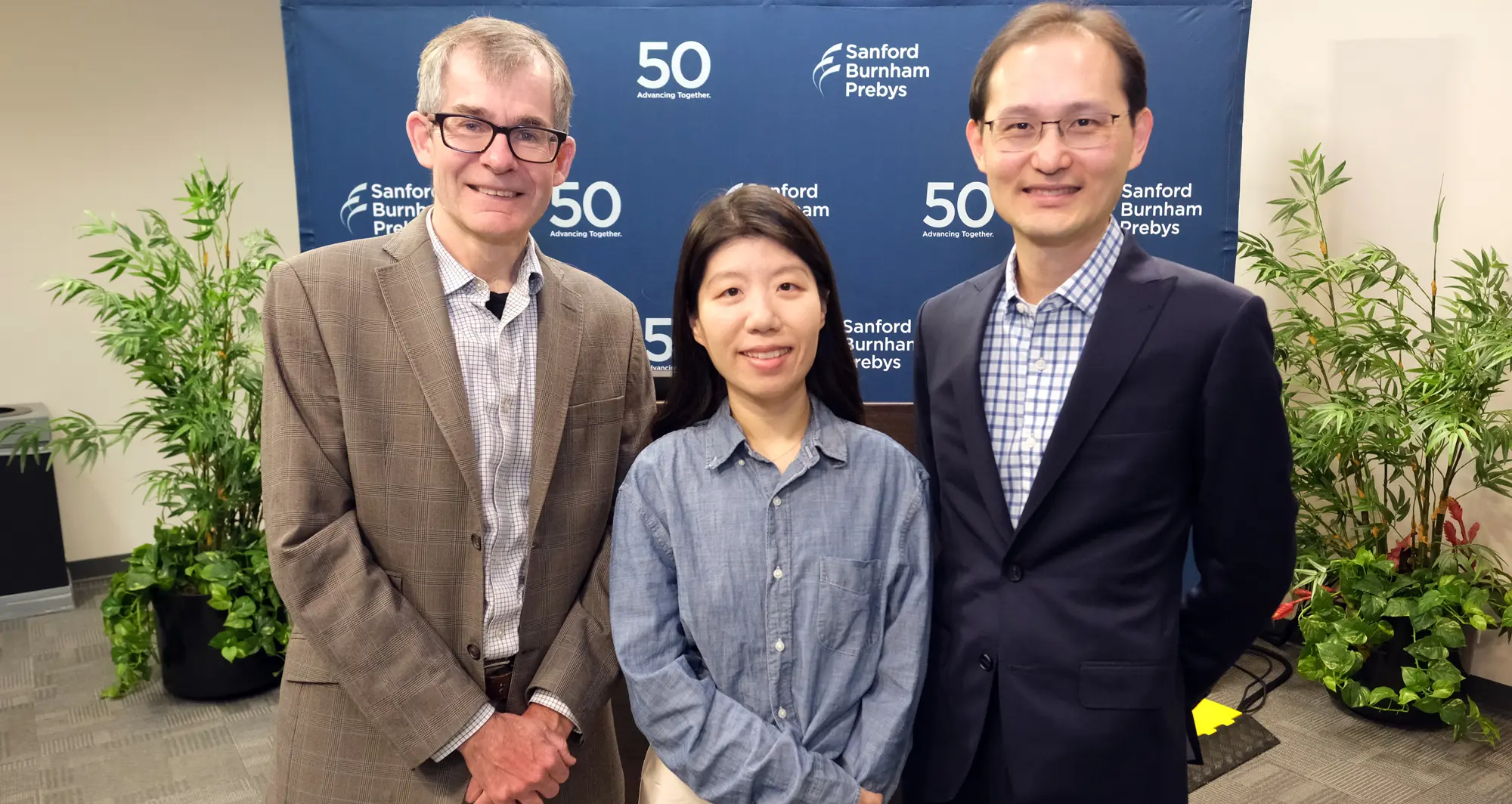
Yin, a postdoctoral associate at Sanford Burnham Prebys, received the honor in recognition of her achievements in research on cancer and aging

Shanshan Yin, PhD, was named the 2025 recipient of The Eric Dudl Endowed Scholarship at Sanford Burnham Prebys Medical Discovery Institute. 

The scholarship fund was established at the institute to remember Eric Dudl, a postdoctoral researcher whose life was tragically cut short by cancer at the age of 33. Since 2007, 18 postdoctoral scientists have received support for their research from the endowed scholarship fund. 

Yin is a postdoctoral associate in the lab of Peter Adams, PhD, director of the Cancer Genome and Epigenetics Program at Sanford Burnham Prebys. She wants to understand why the incidence of cancer increases with age. Yin studies changes in gene expression and immune system activity in breast cancer tumors as mice age.  

Her research has shown that part of the reason that breast cancer is more common with age is because of an impaired immune system. Immune dysfunction due to aging allows the tumors to grow more frequently and more rapidly. Additional research on these findings may guide future preventive treatments.

Yin has garnered recognition throughout her scientific career, including the 2022 Lenka Finci and Erna Viterbi Fishman Fund Award from Sanford Burnham Prebys.  

“I’m grateful for the Dudl family’s kindness and generosity,” said Yin. “I am moved by Eric’s determination, bravery and love for life and for science, and I would like to carry his example with me going forward and do my best to honor his legacy.” 

“It’s been a real pleasure working with Shanshan over the years,” said Adams. “She truly does embody Eric Dudl’s commitment to and passion for science which is expressed so well by this inspirational award.”  

Eric Dudl

The Eric Dudl Endowed Scholarship at Sanford Burnham Prebys was established at the institute to remember Eric, a postdoctoral researcher whose life was tragically cut short by cancer at the age of 33.

For more information on setting up a scholarship or to learn more about our philanthropy program, please contact giving@sbpdiscovery.org. 

Institute News

Jimmy Massenet selected for Science in Motion Travel Award

AuthorCommunications
Date

March 3, 2026

The Sanford Burnham Prebys Center for Cardiovascular and Muscular Diseases recently announced that Jimmy Massenet, PhD, is a recipient of a 2026 Science in Motion Travel Award. 

Massenet, a postdoctoral associate in the lab of Pier Lorenzo Puri, MD, was selected to attend the 2026 Muscle Stem Cells and Regeneration Meeting held from July 19-24, 2026, in Victoria, the capital of the Canadian province of British Columbia. 

The goal of the Science in Motion Travel Award is to support conference participation for emerging researchers in labs with a primary affiliation in the Center for Cardiovascular and Muscular Diseases. 

Applications will open again on July 15, 2026.

Institute News

Q & A with Postdoctoral Researcher Dominic Denk, MD, MHBA, from the Karin Lab

AuthorCommunications
Date

March 2, 2026

Meet one of our early-career scientists at Sanford Burnham Prebys Medical Discovery Institute: Dominic Denk, MD, MHBA, a postdoctoral researcher in the lab of Michael Karin, PhD. Denk studies cancer and gastrointestinal malignancies with a focus on how the immune system reacts to tumors and how to improve immunotherapies.

When and how did you become interested in science?
It was quite by chance. I’m a physician by trade in Germany, and the first way I got into science was through medical school. You learn about topics such as biochemistry and physiology, and it leads you to wonder about what processes behind the scenes. These subjects sparked my interest, and I started reading articles and books on my own time in the library.

And then the second reason is that, in Germany, you are expected to do research for a few months to earn your academic credentials. It naturally pushed me into the research world and made me realize how much I like running experiments and analyzing data.

What did you imagine you would be doing professionally, and how did it evolve?
I had many ideas. For quite some time while I was younger, I wanted to be a sports journalist.

My mom is a physician’s assistant and was always watching medical shows on TV in the background when I was growing up. I was never pushed into healthcare, but it was always present. Once I got to high school and found I enjoyed health and science courses, I started to think about going to medical school.

And once I started, I never looked back because I love being a physician.

What are the key areas of research you focus on?
I work on cancer and gastrointestinal malignancies. I want to better understand how the immune system reacts to tumors and how to improve immunotherapies. Immunotherapies have become the standard of care for many cancers, but not necessarily those in the gastrointestinal tract.

Back in Germany. I worked on colorectal cancer and now I’m looking at pancreatic cancer. We want to know what makes pancreatic cancer metastasize to the liver because it is a tumor that spreads to the liver quite often.

Once it does, the prognosis is much, much worse. If we can learn what attracts pancreatic cancer cells to the liver and why the disease becomes more malignant there, it may lead to methods for preventing the cancer from spreading and better treating it if it has spread.

What motivates you about your research?
Ultimately, it is about improving patient care. I have had the privilege of working in a large academic center that takes care of a lot of GI cancer patients. I have seen many patients with hepatocellular carcinoma undergo liver transplantation and experienced a cure in the end.

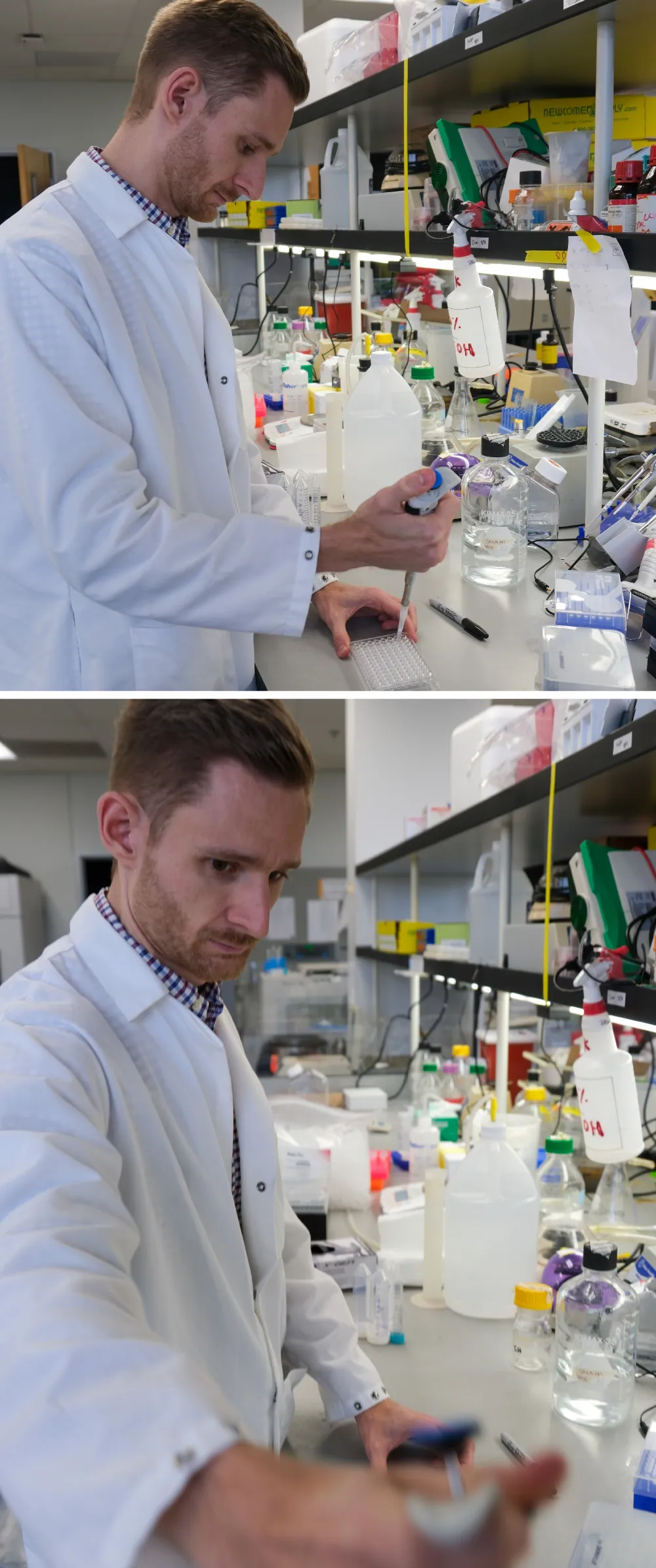
Dominic Denk photo collage working in the lab

But for most patients, it’s not the case. I have seen patients who came to the hospital concerned about weight loss only to be diagnosed with advanced stage cancers. I’ve cared for people over months and seen them deteriorate. It’s terrible and makes me wonder if there is something more we can do.

We’ve had great advances for many malignancies, but not for every patient. And research is how we will get to a better place for more patients and their families.

What do you like about working here?
There is a great sense of community, I think, and tons of scientific seminars across different fields. Everybody is very friendly and collaborative.

One thing that stands out is that there is very little red tape when it comes to solving problems. Recently, we had an incubator breaking down. We wrote one email and it was fixed within an hour or so. And that could have been catastrophicand led to months of delays for many projects in our lab.

What are your career goals?
Ideally, I will continue being a physician-scientist using the expertise I’m building upon here in the Karin lab. I would like to start a small lab so that I could continue to care for patients while working with trainees and mentees to maintainresearch momentum.

As a practicing physician and a researcher, I would love to help bridge the gap between the basic science laboratory bench and the clinic. Too many promising projects never make it past the lab bench to actually be tested in the real world. We’ll never know if some of these ideas could help people if we don’t advance them from petri dishes and animal models to see how they perform in clinical trials.

What do you enjoy doing when you’re not in the lab?
I’m doing tons of hiking and enjoy exploring the area. I try to spend as much time as possible on the beach, so my big non-science goal for 2026 is to learn how to surf.

Postdocs at Sanford Burnham Prebys are pushing the boundaries of science every day through curiosity, collaboration, and innovation. This series highlights their unique journeys, what inspires their work, and the impact they’re making across our labs.
Explore the Full Series

Institute News

Q & A with Postdoctoral Researcher Ambroise Manceau, PhD, from the Commisso Lab

AuthorCommunications
Date

January 22, 2026

Meet one of our early-career scientists at Sanford Burnham Prebys Medical Discovery Institute: Ambroise Manceau, PhD, a postdoctoral researcher in the lab of Cosimo Commisso, PhD. Manceau studies pancreatic ductal adenocarcinoma — the most common form of pancreatic cancer with only a 13% five-year survival rate.

When and how did you become interested in science?
When I was very young, I was a bit of a nerd when it came to reading reviews of new scientific studies written for kids. Especially anything related to biology.

I lost sight of that interest at some point in my teenage years. I tried going into computer science, but I realized very quickly that it wasn’t a good fit for me. That forced me to do some deeper self-reflection about what I really wanted to do, and that brought me back to biology.

I started studying biology at college, and everything just clicked into place. I really found my way when I went to college.

What brought you to the Commisso lab at Sanford Burnham Prebys?
I have an uncle that I always admired who is a researcher here in California. From talking with him, it sounded like a great place to work and live as a scientist. When I was an undergraduate in France, I decided to do a four-month internship abroad in Los Angeles at the University of Southern California.

I absolutely loved it, and I knew I wanted to return when I could. Because you can finish your graduate school program a bit faster in France, I decided to go back to France to earn my doctorate and then apply for postdoctoral positions in Southern California.

I was looking for labs conducting interesting research in the region, and that is when I found the Commisso lab. It has been a terrific fit for me.

What are the key areas of research you focus on?
My broad focus is on metabolism and organelle biology in pancreatic cancer. My main project looks at macropinocytosis, which is a cellular process that allows cells to gather extra resources from their surrounding environments. Pancreatic cancer cells use this process as an adaptation because they exist in an environment where resources are scarce, and they need to find fuel for their expansion.

I study the contents taken in when pancreatic cancer cells contort their cell surfaces to create pockets called macropinosomes. By analyzing every single protein located on macropinosomes, I found that calcium and zinc transporter proteins present in macropinosomes also are required for macropinocytosis.

These proteins have never been targeted before in pancreatic cancer. By continuing to research them, our long-term goal is to use this strategy to cut the nutrient supply to tumors and see if we can inhibit tumor growth.

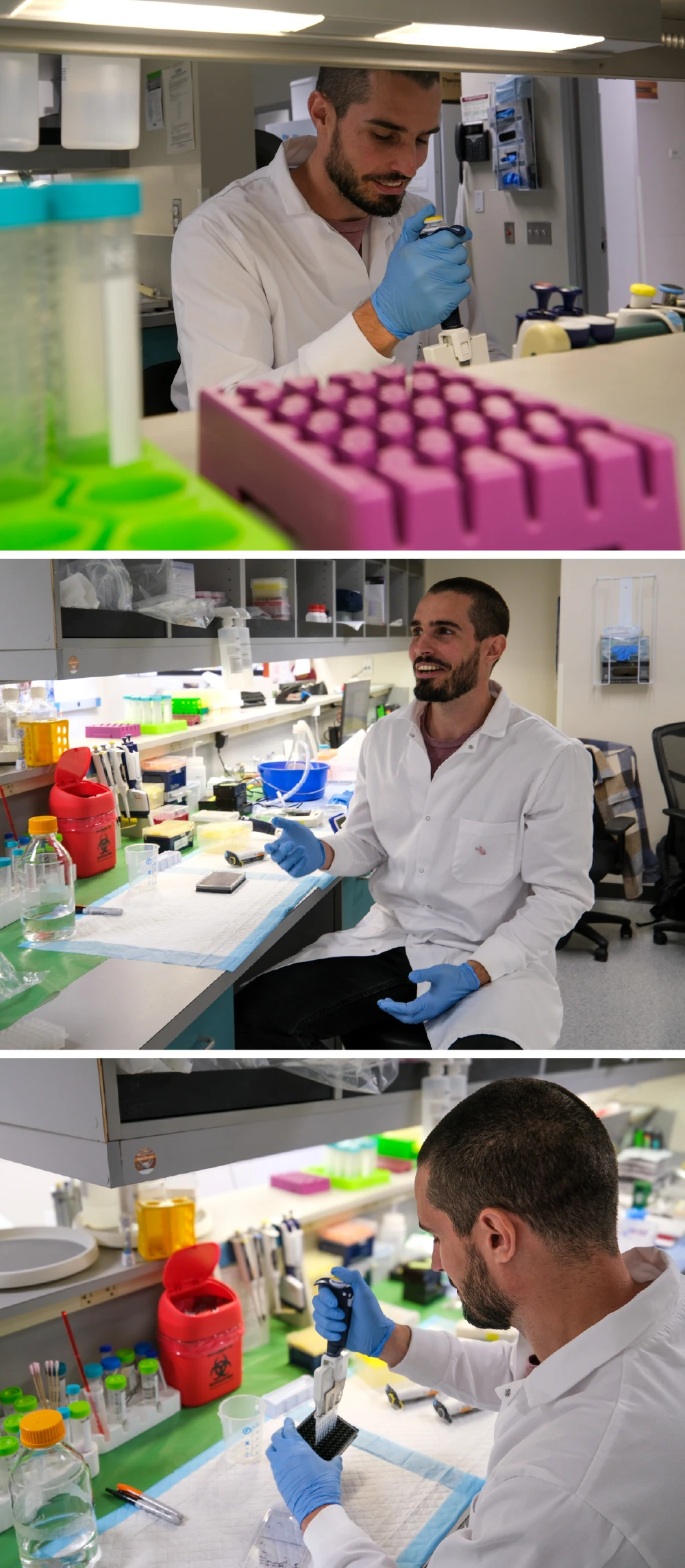
Ambroise Edouard Manceau photo collage in lab

What motivates you about your research?
One thing I enjoy is how you adjust your hypothesis based on what you are learning from the experiments. You need to adapt your hypothesis as you gain knowledge, but you don’t always realize it because it can happen one little step at a time.

Then you look at your project a year later, and it is very satisfying to see how much it evolved and how much you changed your mind by following the data.

Also, now that I have attended pancreatic cancer conferences and met with physicians and patients, I have more appreciation for the need to improve upon available therapies.

What do you like about working here?
The people at Sanford Burnham Prebys embrace collaboration. They also are very curious, knowledgeable and kind. With the core facilities, workshops and other opportunities for learning and networking, we have so many resources available to us.

Then add on top of that the location in San Diego, which is a great hub for biomedical research and the biotech industry. And we have the Southern California coast, culture and weather for when we aren’t working.

Have you had an influential mentor?
In addition to my uncle, my thesis mentor and principal investigator back in France were very influential in my professional development. Here, I feel like Cosimo is doing everything he can to get the best out of me, including supporting me to go to workshops and conferences.

What do you enjoy doing when you’re not in the lab?
I’m a bit addicted to rock climbing, and San Diego is a great place to be a climber. I have access to an incredible indoor climbing gym, but I also can go climbing outdoors within a 15-minute drive from where I live.

I also play a bit of tennis, go running and relax at the beach. And I’m painting some, which is something I used to do on rainy days in France. We don’t have many rainy days here, though, so I always want to be outside.

Postdocs at Sanford Burnham Prebys are pushing the boundaries of science every day through curiosity, collaboration, and innovation. This series highlights their unique journeys, what inspires their work, and the impact they’re making across our labs.
Explore the Full Series