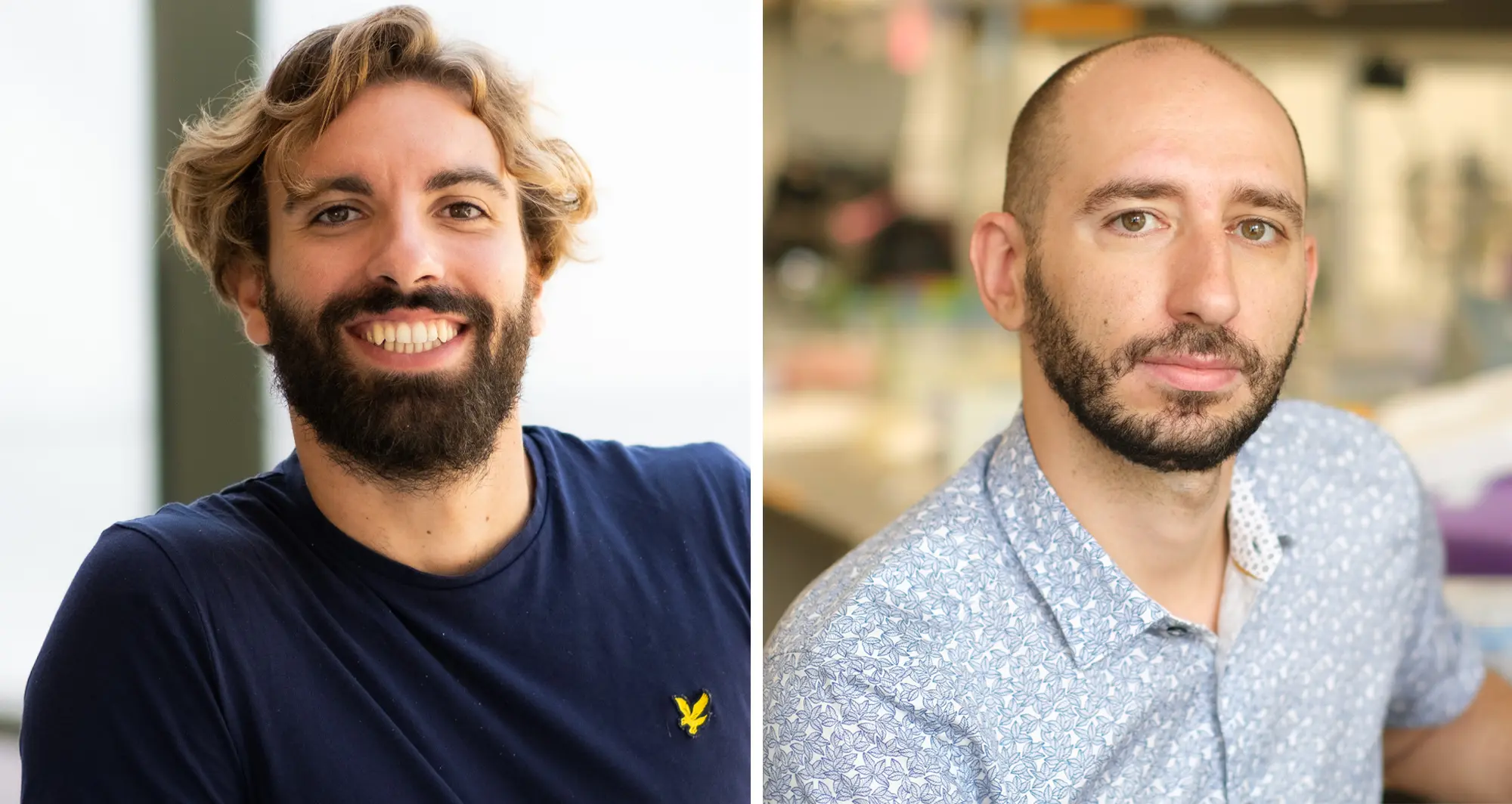
Gabriele Guarnaccia, a graduate student in the lab of Alessandra Sacco, PhD, will use his award to attend the 8th Cancer Cachexia Conference being held September 25–27, 2025, in Turin, Italy.
Luca Caputo, PhD, a postdoctoral associate in the lab of Pier Lorenzo Puri, MD, was selected to attend Frontiers in Myogenesis: Innovations in Myogenesis, From Molecular Mechanisms to Therapeutic Interventions, which will be held October 6–11, 2025, in Sunriver, Oregon.
The goal of the Science in Motion Travel Awards is to support conference participation for emerging researchers in labs with a primary affiliation in the Center for Cardiovascular and Muscular Diseases.
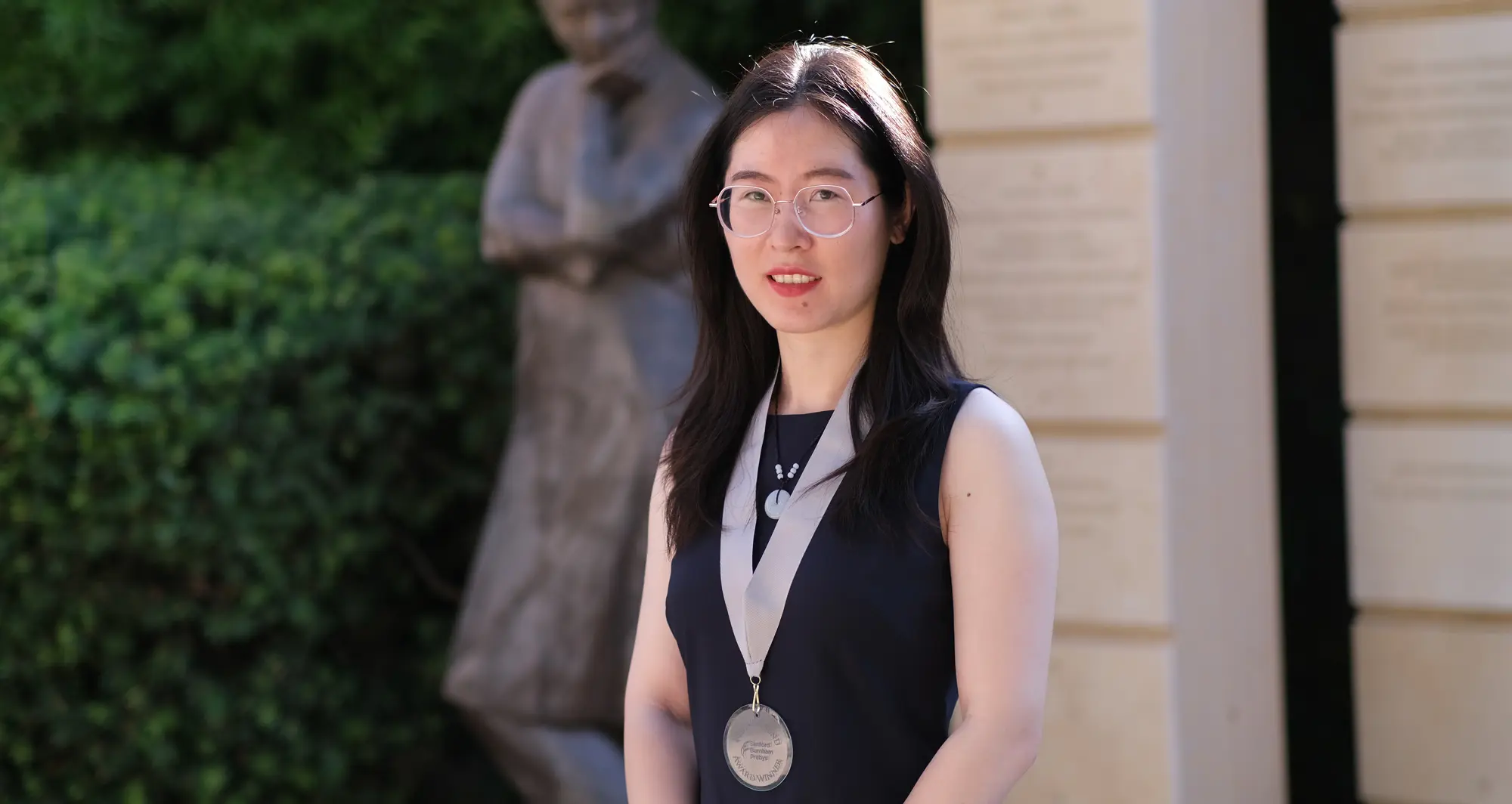
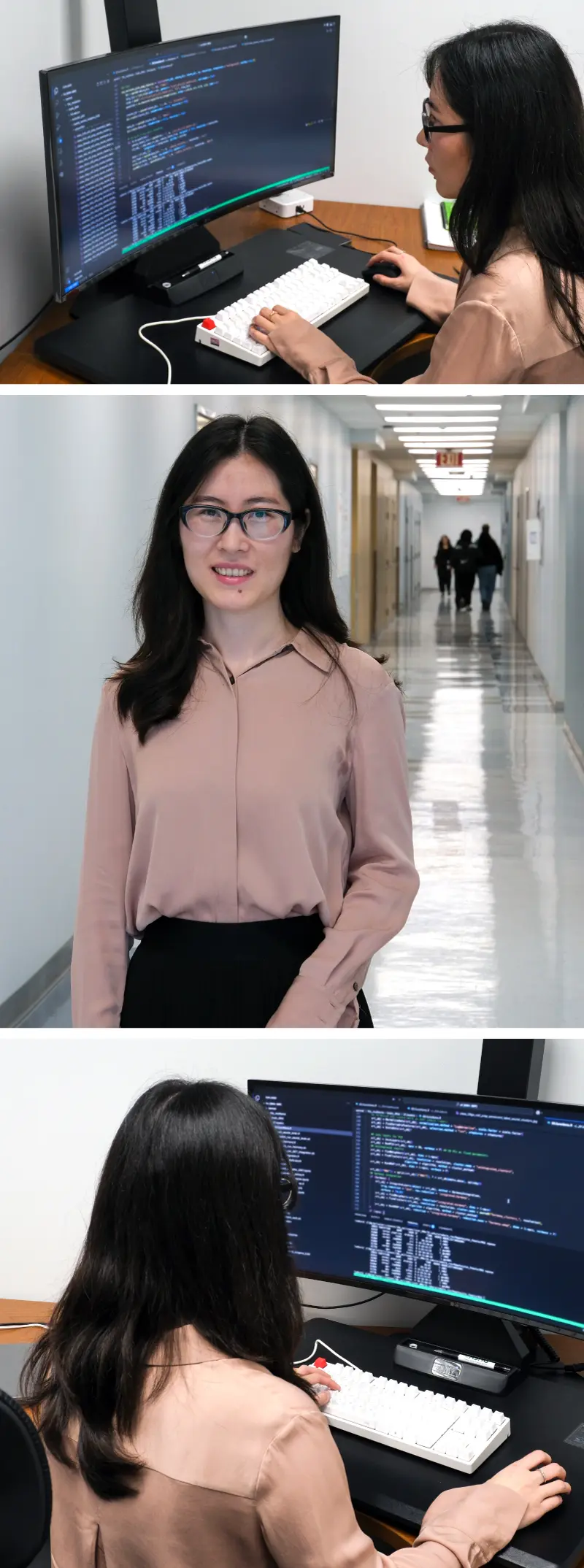
Blending a love of biology with the power of data science, Kelly Li, Phd, is tackling one of life’s biggest mysteries: aging. In Yuk-Lap (Kevin) Yip’s lab at Sanford Burnham Prebys, Kelly studies how aging cells influence disease, teaming up with collaborators to explore promising new therapeutic approaches.
Can you tell us about your research at Sanford Burnham Prebys? I’m part of a pure computational biology lab, where we analyze complex biological data instead of doing benchwork. My current project focuses on aging and senescence—cells that no longer function but don’t die and can affect surrounding cells through inflammation. We use cutting-edge tools like single-cell multi-omics to study these cells and explore potential therapeutic targets. It’s a highly collaborative effort, especially with Dr. Peter Adams’ lab.
How did you first become interested in science? I’ve always been curious about how things work, especially complex systems like biology. I studied cell and molecular biology as an undergrad and was fascinated—but also frustrated—by how traditional experiments studied one gene at a time. I wanted a more holistic view, so I turned to computational biology during my Ph.D., where I used data science to study diabetic complications. That’s when I really fell in love with using machine learning and data analysis to understand biology.
What brought you to Sanford Burnham Prebys? I followed my mentor, Dr. Kevin Yip, here from Hong Kong. He moved during my Ph.D., and we had ongoing projects, so it was a natural transition for me to join his lab as a postdoc. I’ve been here since October 2022 and am now working on this exciting aging-related project.
What’s it like to collaborate on such a large project? It’s very dynamic. The project involves collaborators across Sanford Burnham Prebys, UC San Diego, and institutions like Yale and the University of Minnesota. We meet regularly, share data and ideas, and refine our hypotheses together. I lead the data analysis side, so after running results, I’ll send them around, and we iterate based on group discussions. These interactions are where new ideas often emerge.
What motivates you about your research? It’s a combination of curiosity and a desire to make a meaningful impact. Curiosity drives me to ask deeper questions and design more insightful experiments. I also find motivation in the research process itself—troubleshooting challenges encourages critical thinking and fosters collaboration with others.
How has the Institute supported your growth? The environment is very collaborative. It’s easy to talk science—even informally in the lunchroom—and that leads to meaningful conversations and collaborations. I’ve also benefited from professional development programs like grant writing and leadership workshops. They’ve helped not just with research but with career planning as well.
You received a Fishman Fund Award. What did that support allow you to do? The Fishman Fund I received is a career development award for postdocs. I used the funding to attend aging-related conferences, which helped me get up to speed in the field. I connected with other researchers, heard inspiring talks, and had great discussions with trainees and leaders in aging research. It really expanded my perspective and helped me refine my research questions.
What are your career goals? I’d love to stay in academia and eventually run my own lab. Whether that’s in the U.S. or back in Hong Kong, I’m not sure yet. But I’m committed to research and continuing to explore how computational approaches can answer big biological questions.
What do you enjoy outside of science? I like hiking and exploring the beautiful nature around San Diego. I also enjoy watching movies, dancing, and going to the gym—I try to stay active. That’s part of the anti-aging routine, right?
Do you have any advice for aspiring scientists—especially those interested in computational biology? Yes! Learn the basics—both programming and biology. You need to understand the data and the underlying biology to really make discoveries. Stay curious and motivated, even when you’re knee-deep in code. And be collaborative—great ideas often come from conversations with others.
Any mentors who’ve had a big impact on your journey? Definitely my PI, Kevin Yip. He’s been my mentor since undergrad. He introduced me to computational biology, was incredibly patient when I was just starting out, and has always supported me. I learned so much from how he approaches writing, research, and mentoring. I’m very grateful.
Postdocs at Sanford Burnham Prebys are pushing the boundaries of science every day through curiosity, collaboration, and innovation. This series highlights their unique journeys, what inspires their work, and the impact they’re making across our labs.
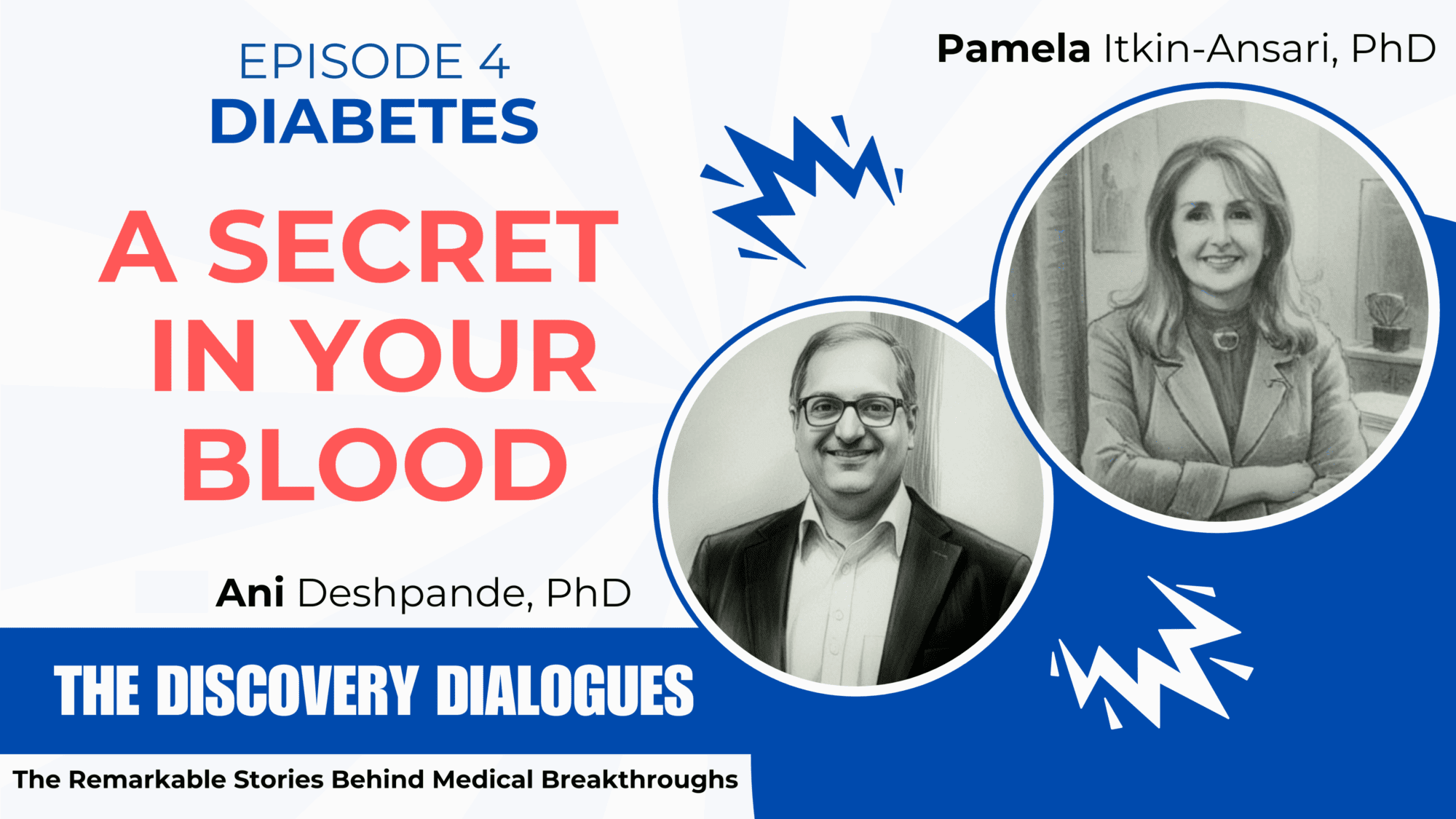
On August 11, 2025, the fourth episode of The Discovery Dialogues Podcast was released. It discusses how sugar silently alters our bodies.
Scientists and podcasters tackle how a scientist in Iran overcame great odds and forever changed diabetes diagnoses
Sanford Burnham Prebys scientists Ani Deshpande, PhD, and Pamela Itkin-Ansari, PhD, recently released the fourth episode of their podcast exploring groundbreaking discoveries in science and medicine.
The fourth episode focuses on how sugar silently alters our bodies. It includes the unlikely story of how an Iranian scientist made a serendipitous discovery in Tehran that changed diabetes diagnosis forever. His work laid the foundation for the hemoglobin A1c test that is conducted tens of millions of times each year to guide diabetes diagnoses as well as health care and lifestyle decisions.
In March 2025, Deshpande and Itkin-Ansari launched The Discovery Dialogues Podcastto glowing reviews. Their initial episodes were hailed as “masterpieces” by upcoming podcast guest Adam Heller, PhD, the scientist and inventor who revolutionized blood sugar testing and laid the groundwork for modern continuous glucose monitoring systems.
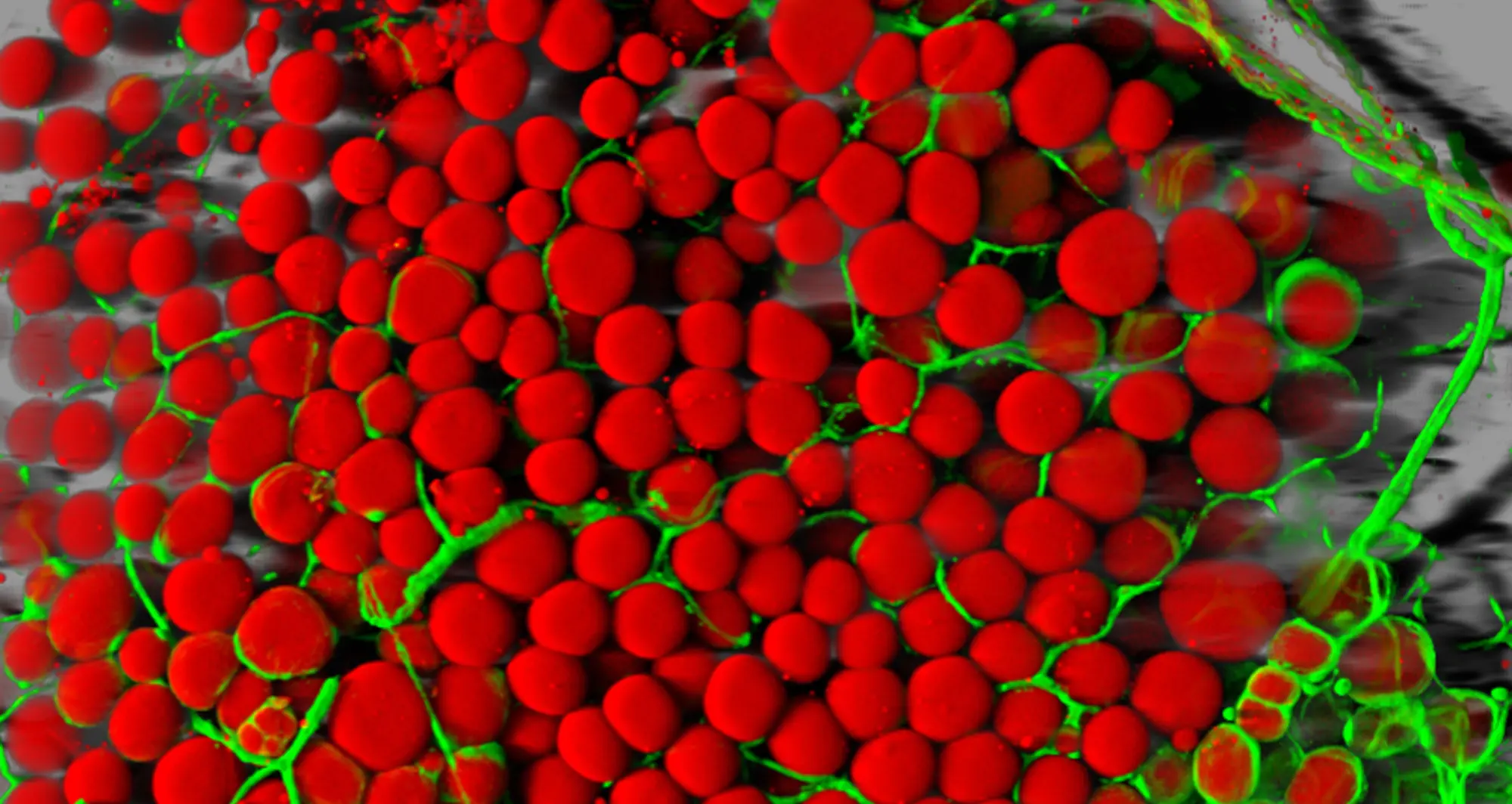
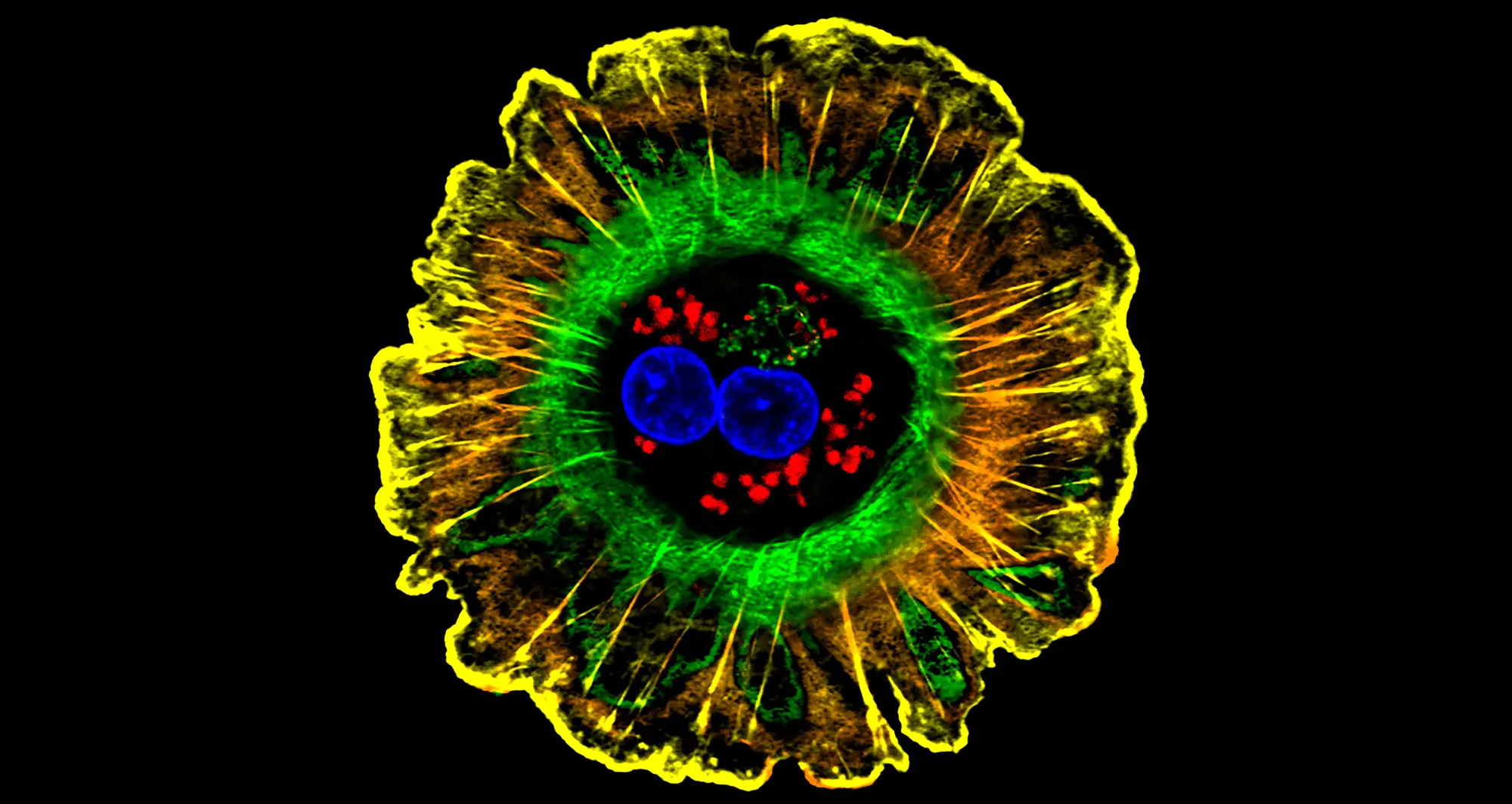
Hepatocytes or liver cells are the most abundant cell type in the human liver, and play multiple roles, including building proteins, producing bile to aid digestion of fats and chemically processing molecules found normally in the body, like hormones, as well as foreign substances like medicines and alcohol.
Image courtesy of Donna Beer Stolz, University of Pittsburgh.
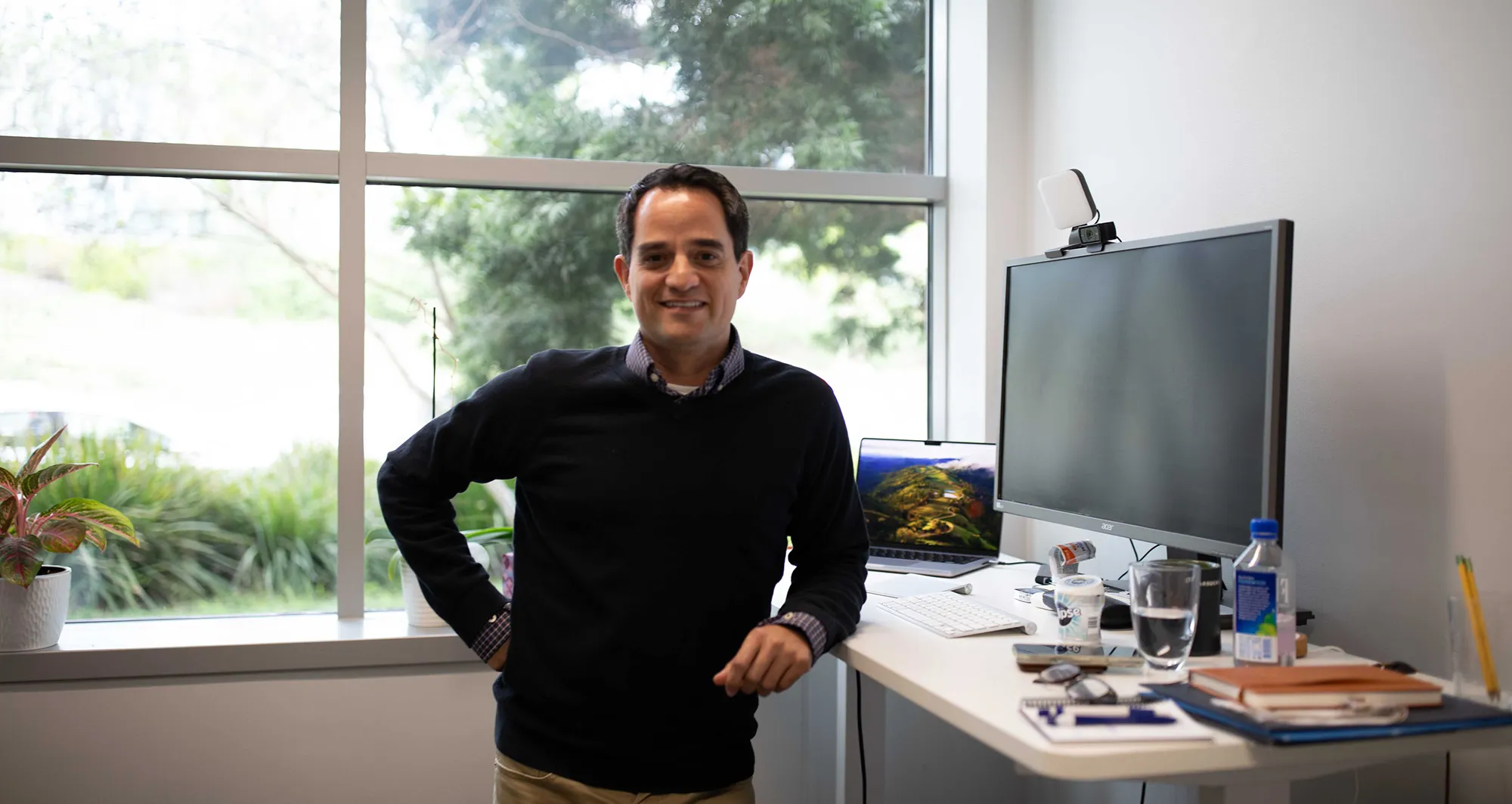
Lukas Chavez, PhD, Associate Professor
Cancer Genome and Epigenetics Program.
Credit: Sanford Burnham Prebys
Lukas Chavez, PhD, associate professor in the Cancer Genome and Epigenetics Program at Sanford Burnham Prebys, has been named a standing member of the Cancer Genetics Study Section at the National Institutes of Health.
Study sections are groups of invited experts from across the country who are tasked with assessing the scientific merits of grant applications. Their reviews are a major influence in the NIH’s decisions about which proposed research projects to fund.
Jayanta Bhattacharya, MD, PhD, director of the NIH, invited Chavez to join the cancer genetics study section because of his “demonstrated competence and achievement in his scientific discipline as evidenced by the quality of his research accomplishments, publications in scientific journals and other significant scientific activities, achievements, and honors.”
Chavez studies pediatric brain cancer and specifically, the role of extrachromosomal DNA as a driver of aggressive tumors. His study section term begins immediately and runs through June 30, 2029.
In a statement published yesterday, David A. Brenner, MD, president and CEO of Sanford Burnham Prebys Medical Discovery Institute announced his full support and backing of the Financial Accountability in Research (FAIR) proposal, under consideration by Congress.
The FAIR proposal is intended to remedy the current crisis in research funding, initiated earlier this year by the Trump administration’s announced intention to universally cap federal research funding of indirect costs (IDC) at 15 percent. IDC are the basic expenses borne by institutions to maintain operations, such as maintaining the laboratories, administering payrolls, purchasing specialized instruments, providing data cybersecurity and ensuring the safety of human participants.
The FAIR proposal is the result of months of work by a coalition of higher education and research organizations nationwide, from large research universities and academic medical centers to private foundations and non-profit research organizations like Sanford Burnham Prebys.
Kurt Marek, PhD
Chief Research Development Officer at Sanford Burnham Prebys.
“The process has been intense and galvanizing,” said Kurt Marek, PhD, chief research development officer at Sanford Burnham Prebys and one of the leaders in the FAIR effort. “More than 10,000 people have participated in national town halls and webinars. Hundreds of written comments have been submitted. Nearly 200 institutions have tested and tweaked the model.”
The result, said Brenner, is a new system for funding U.S. research, one with unprecedented emphasis on transparency, accountability and flexibility. The model is based upon three principal elements:
David A. Brenner MD
President and Chief Executive Officer, Donald Bren Chief Executive Chair
It replaces outdated and vague terms like indirect costs in favor of specific details about actual costs necessary to perform a research project. These defined costs are visible to everyone, from government officials to taxpayers. The approach promotes best practices and efficiencies, in particular aligning institutional investments with government research priorities.
It incorporates systems already effectively used in industry and private enterprise to clearly track costing categories — and make explicit how monies are spent. This ensures research performance support is tailored and tied to specific projects.
It is adaptable to institutional size and type, from large universities to smaller non-profit research institutions. It has tiers of reporting and infrastructure designed to match the resources of different institutions.
“The government has always been a key and critical supporter of American science,” said Brenner. “It is a principal reason this nation leads in terms of new cures, biomedical technologies and lives saved. The FAIR model ensures that our history of success becomes a future of achievement.”
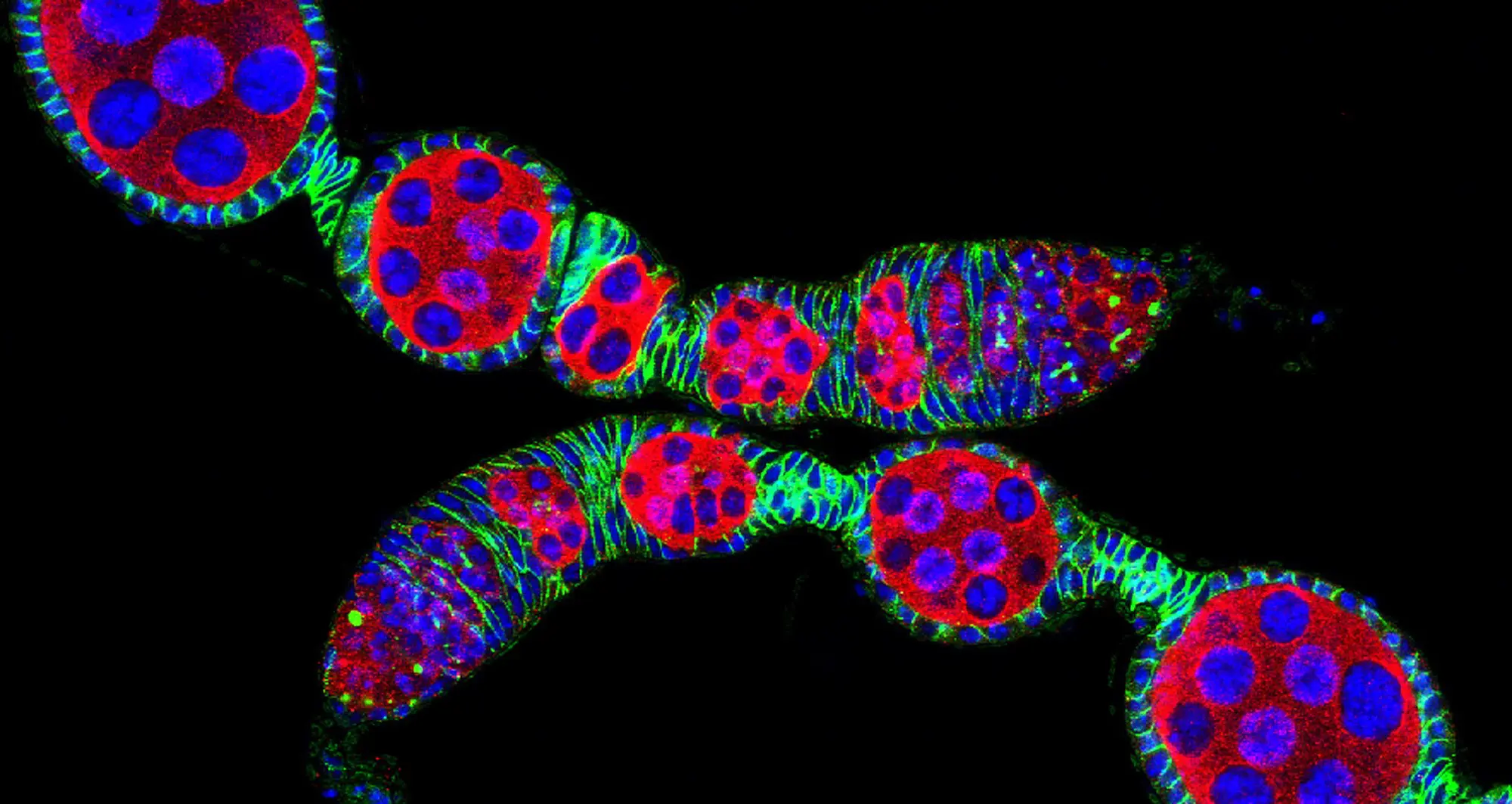
A confocal micrograph of Drosophila (fruit fly) ovirioles. In female insects, ovirioles are tubes in which eggs cells form at one end and complete development as they reach the other end of the tube. Scientists use insect ovarioles to study basic processes that help insects, including those that cause disease, reproduce quickly.
Image courtesy of National Institutes of Health.
Institute News
Summer interns SPARK interest in regenerative medicine
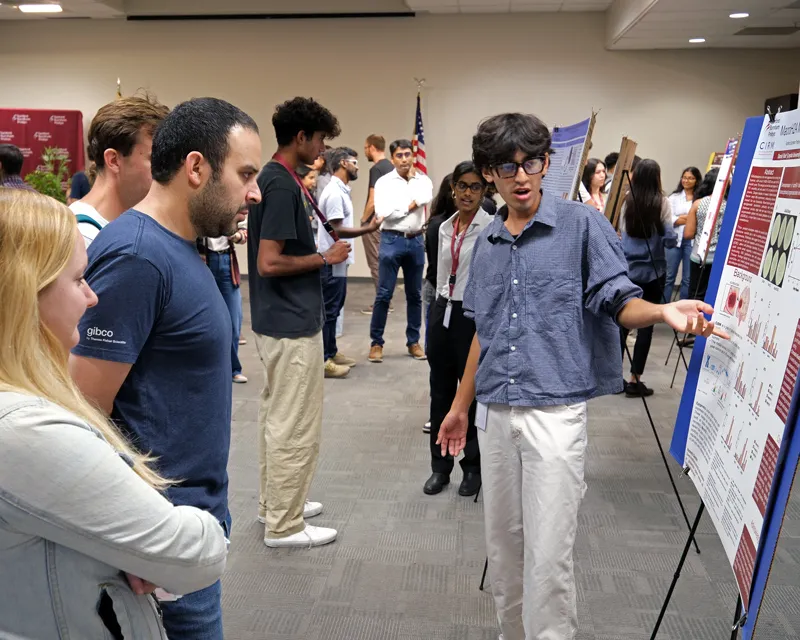
Eleven participants presented posters at event marking the end of six weeks of hands-on biomedical research experience at Sanford Burnham Prebys
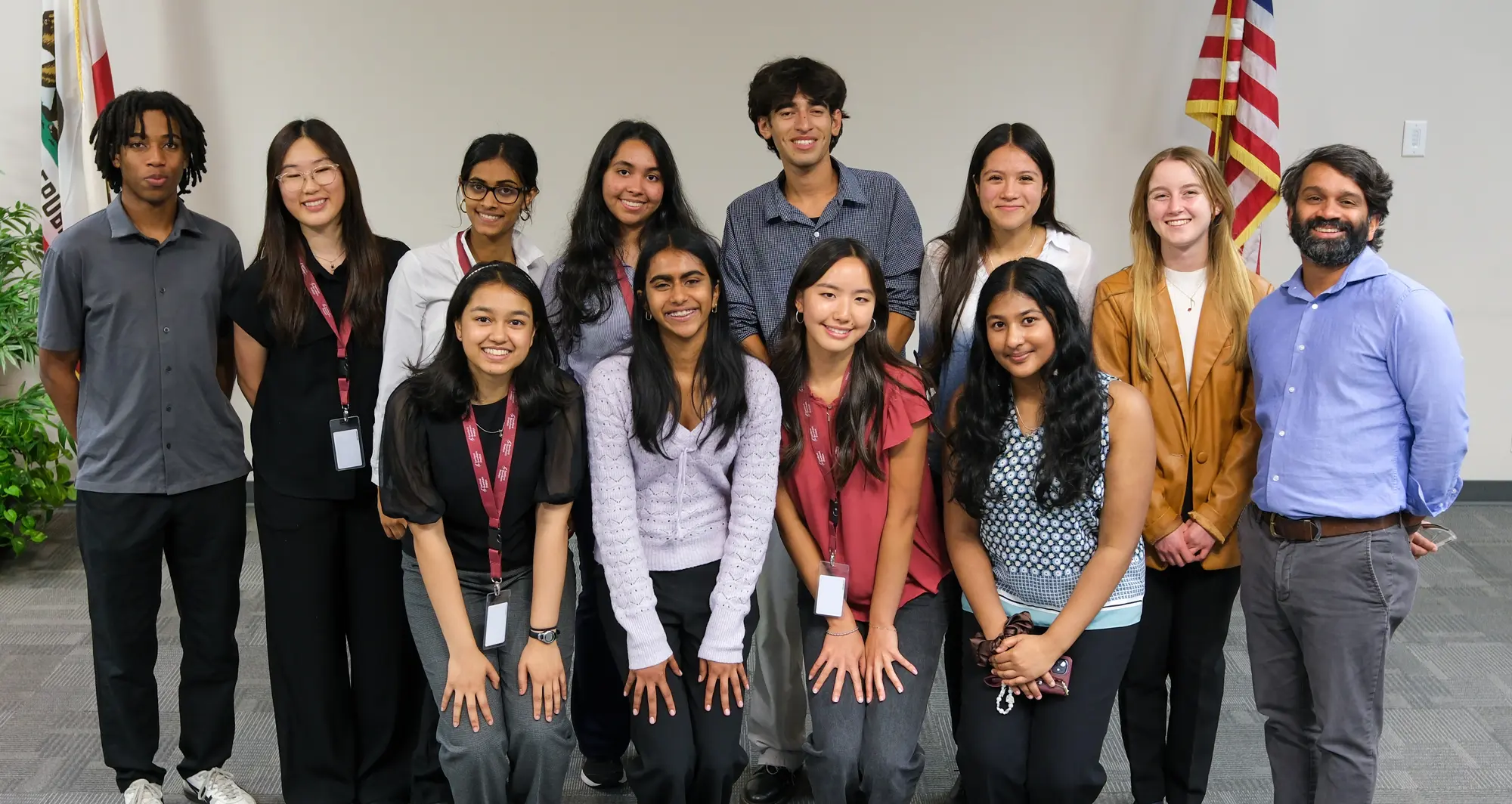
The institute welcomed its fourth cohort of interns this year for the Summer Program to Accelerate Regenerative Medicine Knowledge (SPARK). SPARK is an initiative by the California Institute for Regenerative Medicine (CIRM) that provides research opportunities for high schoolers from underrepresented groups throughout California.
The SPARK participants completed six-week internships at Sanford Burnham Prebys and completed projects under the supervision of their faculty mentors.
“My internship experience has been terrific,” said Aanika Tipirneni, a rising senior who worked in the lab of Evan Snyder, MD, PhD. “I learned about stem cells a few years ago in school, and I never thought I’d actually have a chance to work with them as a high school student.”
“I was able to do a ton of research and even had my own project, which was a truly rewarding experience,” said Ananya Asudani, a rising senior who interned in the lab of Sanjeev Ranade, PhD, director of the SPARK internship program.
“I met a lot of interesting people from all over the world this summer,” said Daniel Ruiz, who will be attending Loyola University of Chicago this fall after his internship in the lab of Xueqin (Sherine) Sun, PhD. “I also enjoyed learning the sterile procedures for growing cells in culture and how to prepare gels for my experiments.”
Image credit: Sanford Burnham Prebys
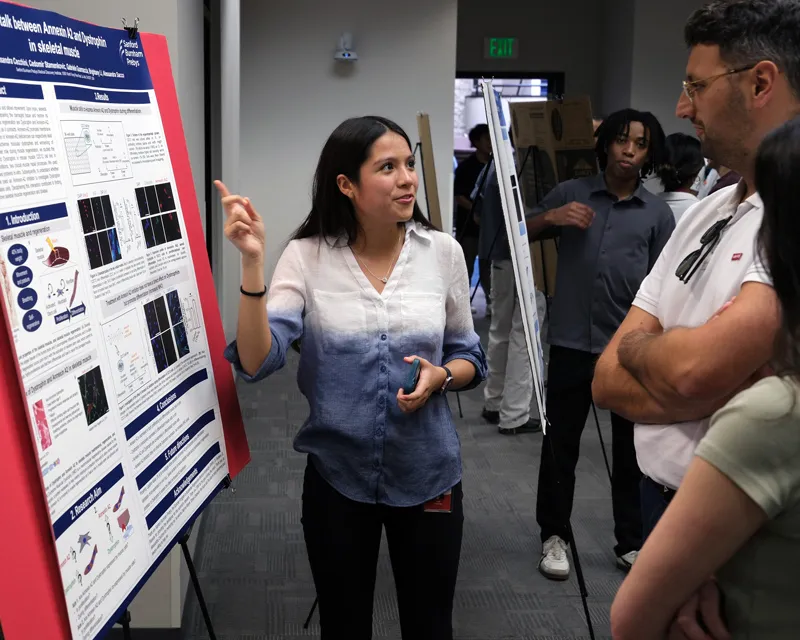
The interns delivered poster presentations at an event held on campus on August 1, 2025. The students detailed their projects and what they had learned over the course of their internships.
“These students are amazing,” said Ranade. “They are so motivated already as high school students, and they all will go on to do great things.”
Image credit: Sanford Burnham Prebys
“I think the most important thing I learned this summer was the ability to design and carry out a research project,” said Asudani. “It also was motivating to see how everyone in the lab brings different expertise to the table, and yet they all work together cohesively for the overall goal of studying congenital heart defects in Down Syndrome.”
“I’m hoping to continue working in the Snyder lab throughout the school year while applying to universities with opportunities to continue studying stem cells and regenerative medicine,” said Tipirneni.
The SPARK internship culminated with CIRM’s annual SPARK conference at The Alexandria at Torrey Pines from August 3-4, 2025. The participants from Sanford Burnham Prebys presented their work and networked with more than 110 interns from other institutions across the state.
“I would definitely recommend the SPARK internship to any high school student interested in biology, stem cells and regenerative medicine,” said Ruiz. “It’s such an outstanding opportunity to learn, gain experience and get connected in the field, and it absolutely was a highlight of my summer.”
Aspiring biomedical researchers and health care professionals gained hands-on research training during three weeks at Sanford Burnham Prebys
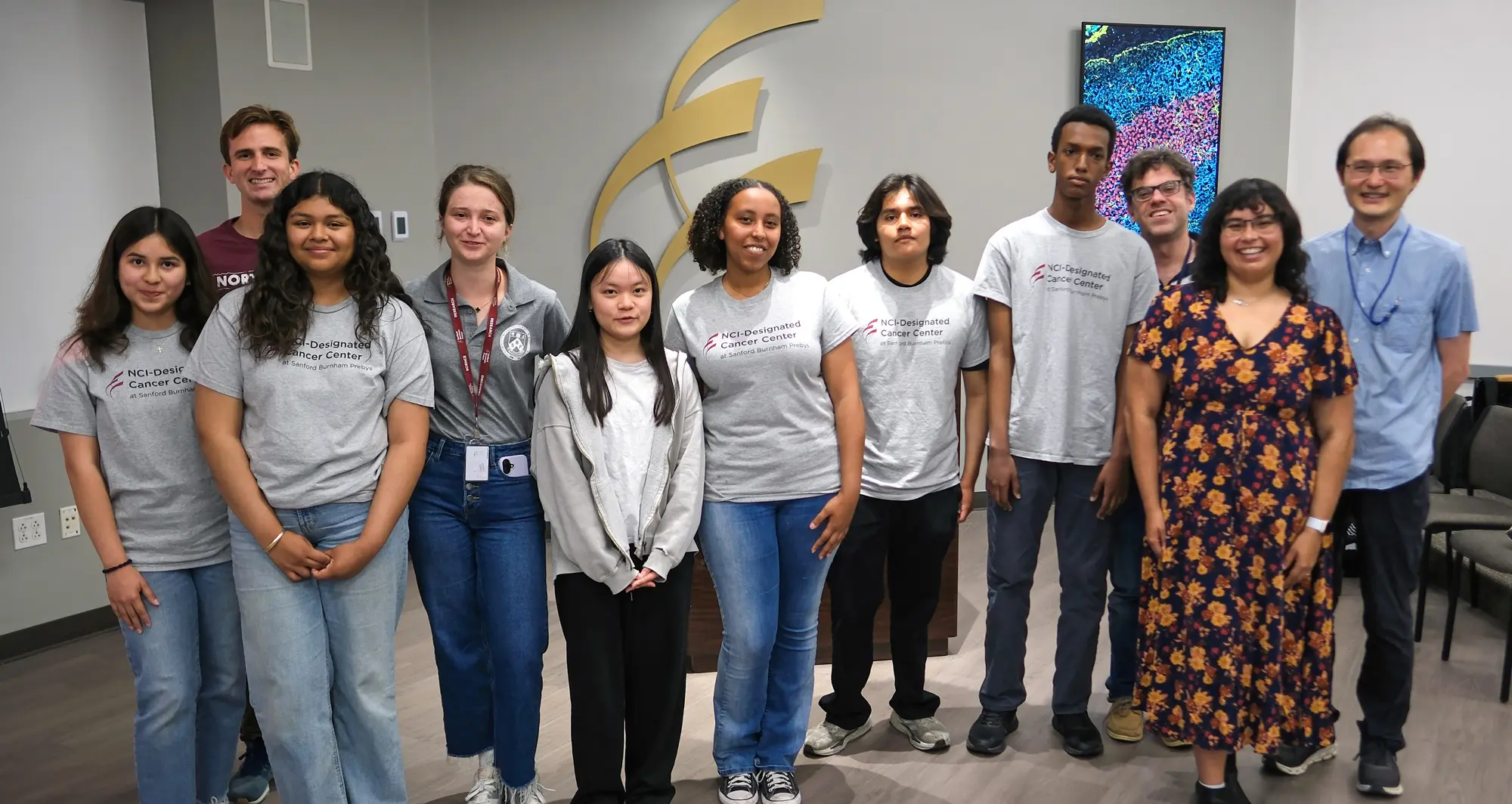
On Friday, July 25, 2025, the Sanford Burnham Prebys community celebrated the contributions of six high school student interns from the Preuss School. Located on the University of California San Diego campus in La Jolla, the Preuss School educates students striving to be first-generation college graduates.
Participants in the Preuss internship program gained valuable hands-on research experience over three weeks. This program is generously funded by Peggy and Peter Preuss, and Debby and Wain Fishburn.
The students were split into teams of three to complete complementary experiments while studying the common fruit fly.
“The interns have learned biological concepts and experimental techniques, and also participated in career development workshops,” said Yuk-Lap (Kevin) Yip, PhD, a professor and the interim director of the Center for Data Sciences at Sanford Burnham Prebys, during the July 25 capstone presentation.
“Over the course of just three weeks, they have learned about how an unhealthy diet will affect the health of fruit flies.”
The interns discussed what attracted them to the program and presented the results of their experiments.
“I chose this program because I wanted to learn more about biology and the biomedical research field,” said intern Ahmed Ahmed.
Image credit: Sanford Burnahm Prebys.
“I want to become a forensic scientist,” said intern Mia Gidey. “I know I need to have hands-on lab experience, so this program was really beneficial for me.”
“This program has helped me develop a better understanding of what I would like to pursue as a career,” said intern Joshua Hernandez.
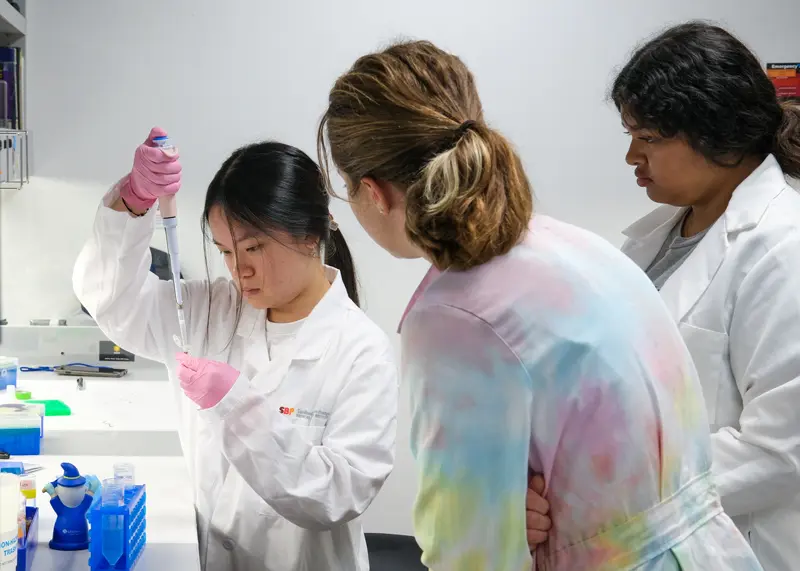
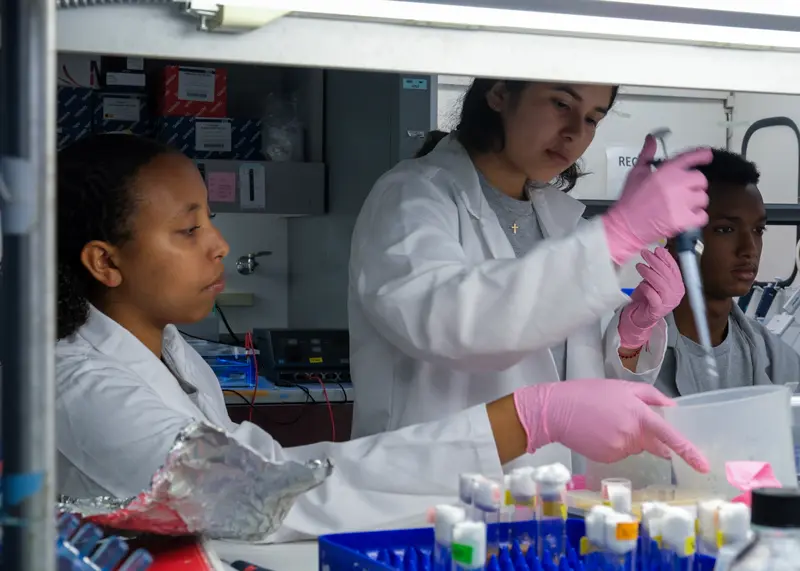
In addition to studying the effects of high-fat and high-sugar diets on fruit flies, the participant teams also had the opportunity to learn additional research techniques during workshops.
Image credit: Sanford Burnahm Prebys.
“We were able to conduct flow cytometry experiments with our mentor, Theo Tzaridis,” said intern Bella Dinh. Flow cytometry is a technology that analyzes single cells or particles as they flow past one or more lasers while suspended in a fluid. The interns used the technique to examine proteins on the surfaces of cancer cells that affect the activity of immune cells and the effectiveness of immunotherapy.
“Our group took part in an STK4 inhibitor screening workshop with our mentor, Josh Minyard,” said intern Daniela Ledesma. The participants learned about the drug discovery and development process and went hands-on to compare the efficiency and potency of three drug candidates.
“Thank you so much to everybody that helped us throughout this journey,” said intern Kenia Avila. “We appreciate all of you and we are so grateful for everything that you’ve done.”
Katya Marchetti, a graduate student at Sanford Burnham Prebys and coordinator of the 2025 Pruess internship program, provided closing remarks following the interns’ capstone presentations.
“I am just completely blown away by how incredible every single one of you are,” said Marchetti. “Beyond the techniques and protocols you learned, I hope that you walk away from this summer with a better idea of what you might want to pursue as a career as well as the ability to think like a scientist.”