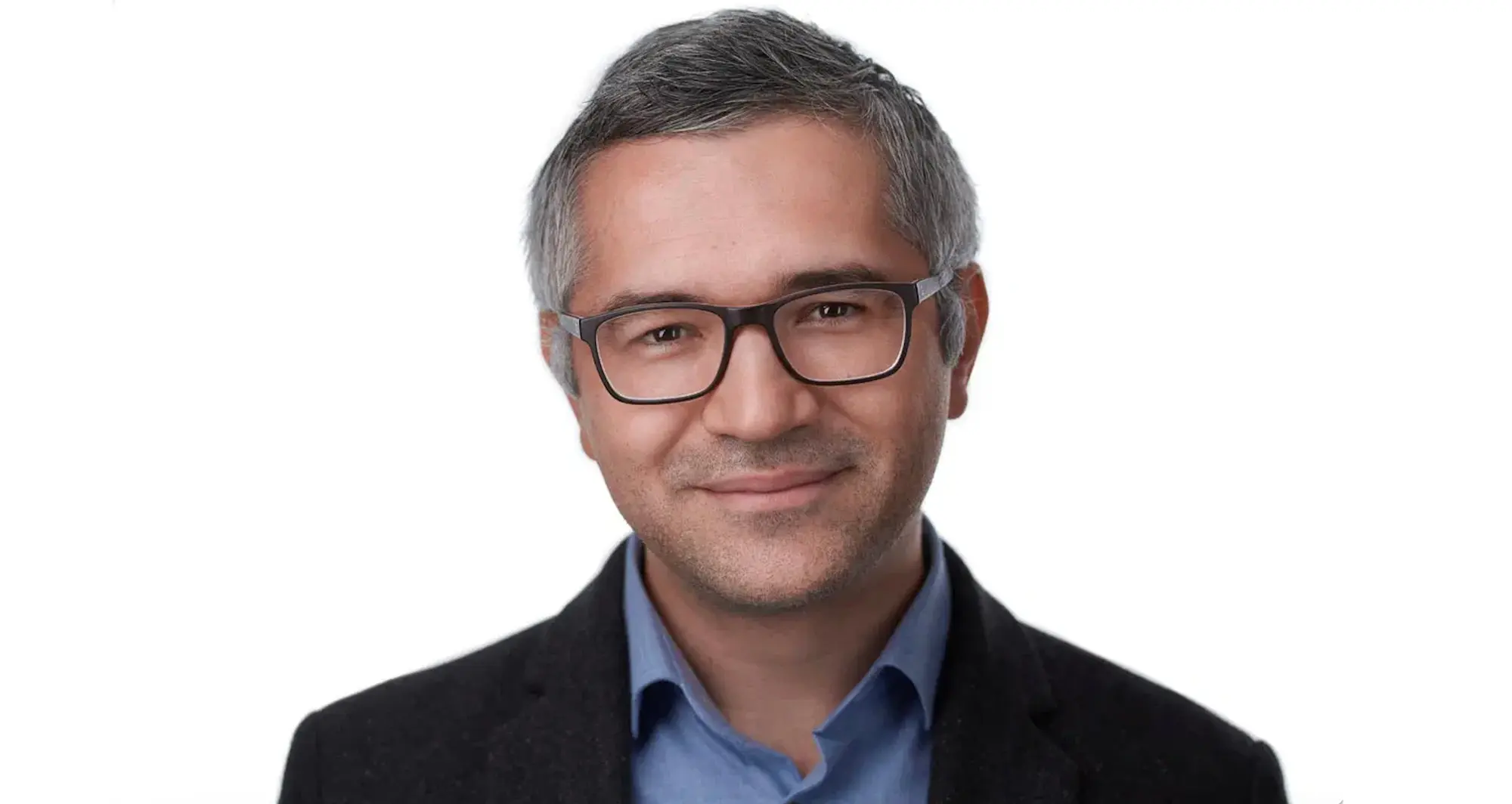
Speaker
Marco Gallo, PhD
Associate Professor, Department of Pediatrics
Division of Hematology-Oncology
Member, Dan L Duncan Comprehensive Cancer Center
Baylor College of Medicine
Texas Children’s Hospital
“Epigenetically-defined niches in glioblastoma”
Speaker
Rugang Zhang, PhD
John M. O’Quinn Endowed Chair in Cancer Research
Associate Director for Discovery Science
Department Chair & Professor, Department of Experimental Therapeutics
Faculty, UTHealth Graduate School of Biomedical Sciences
The University of Texas MD Anderson Cancer Center
“Exploiting Epigenetic Vulnerabilities to Enable Senescence-based Therapeutic Strategies in Epithelial Ovarian Cancer”
The past decade has brought unprecedented progress in understanding the genetics of epithelial ovarian cancer (EOC), but cures remain elusive due to the lack of insights into mechanisms that can be leveraged to develop new therapies. EOC is genetically heterogeneous and, therefore, it is imperative that therapeutic strategies become personalized by targeting distinct molecular subsets of EOC. Despite the importance of epigenetic regulators in EOC is increasingly recognized, the mechanism of action for these epigenetic regulators and the associated vulnerabilities exposed by their dysregulations have remained elusive for most of them. In this talk, we will present our recent work elucidating how specific epigenetic mechanisms can be exploited to induce therapy-driven senescence. We will further discuss how senescent tumor states can be exploited through rational combination strategies, including immunotherapy. Together, these integrated approaches offer new opportunities to address unmet clinical needs in genetically defined subsets of EOC.
Speaker
Alexander Muir, PhD
Assistant Professor
Ben May Department of Cancer Research
Committee on Cancer Biology
Committee on Molecular Metabolism and Nutrition
University of Chicago
“Hangry cancer cells: metabolic stress and tumor biology”
A hallmark of tumors is aberrant angiogenic signaling and dysfunctional vasculature. This results in poor perfusion in the tumor microenvironment (TME). Limited perfusion causes hypoxia and metabolic stress in the TME. Despite the longstanding understanding that tumors are metabolically stressed, we have limited understanding of how this contributes to cancer pathogenesis. I will discuss new tools that expand our understanding of how metabolic stress regulates tumor biology, which led to the findings that metabolic stress limits the efficacy of targeted, immuno- and chemotherapeutics, leading to the current view that metabolic stress is a barrier to successful treatment of cancer. However, while metabolic stress limits the efficacy of standard therapies, it creates novel therapeutic targets, as cellular processes which are non-essential in well-perfused healthy tissues become essential for metabolically stressed tumors. I will discuss work identifying these stress-contingent essential processes and argue these processes represent an entire new class of therapeutic targets, TME-synthetic lethal targets, that leverage the unique TME, rather than being limited by it.
Speaker
Denis Guttridge, PhD
Professor, Department of Pediatrics
Director, Darby Children’s Research Institute
Associate Director of Translational Science, Hollings Cancer Center
Medical University of South Carolina
“Evolving Insights into Cancer Cachexia: Lessons Learned from the Muscle Microenvironment“
Speaker
William A. Weiss, MD, PhD
Evelyn and Mattie Anderson Endowed Chair in Cancer Research
Professor, Departments of Neurology, Pediatrics, and Neurological Surgery
UC San Francisco
Co-Leader, Pediatric Malignancies Program
UCSF Helen Diller Family Comprehensive Cancer Center
“Models and vulnerabilities for brain cancers”
Medulloblastoma is the most common tumor of childhood. Glioblastoma is the most common tumor of adulthood. I will present new models of human group 3 medulloblastoma. We differentiate human induced pluripotent stem cells cells to neuroepithelial stem (NES) cells, transduce NES cells with MYC, alone and in combination with other gain of function effectors, and transplant orthotopically into the hindbrain. I will discuss characterization and developmental therapeutics in resulting models. I will also present developmental therapeutic studies in glioblastoma, focusing separately on molecular glues targeting RAS and bi-steric inhibitors of mTORC1. I will discuss screens to identify combination therapies that improve efficacy, as well as separate screens and approaches to enhance delivery to the brain while abrogating peripheral toxicity.
Speaker
Daniel K. Nomura, PhD
Professor of Chemical Biology and Molecular Therapeutics
Departments of Chemistry and Molecular and Cell Biology
University of California, Berkeley
“Reimagining Druggability using Chemoproteomic Platforms”
Dan Nomura is a Professor of Chemical Biology and Molecular Therapeutics in the Department of Chemistry and the Department of Molecular and Cell Biology in the Division of Molecular Therapeutics at the University of California, Berkeley. He is the Co-Director of the Molecular Therapeutics Initiative and an Investigator at the Innovative Genomics Institute at UC Berkeley. He is also an Adjunct Professor in the Department of Pharmaceutical Chemistry at UCSF. Since 2017, he has been the Director of the Novartis-Berkeley Translational Chemical Biology Institute focused on using chemoproteomic platforms to tackle the undruggable proteome. He is Co-Founder of Frontier Medicines, a start-up company focused on using chemoproteomics and machine learning approaches to tackle the undruggable proteome. He is also a co-founder of Zenith Therapeutics focused on targeted protein degradation of undruggable targets. He is on the Scientific Advisory Boards for Frontier Medicines, Zenith, Photys Therapeutics, Apertor Pharma, Axiom Therapeutics, Deciphera, and Ten30 Biosciences. Nomura is also on the scientific advisory committees of The Mark Foundation for Cancer Research and American Association for Cancer Research (AACR). He is also an Investment Advisory Partner at a16z Bio+Health, an Investment Advisory Board member at Droia Ventures, and an iPartner with The Column Group. In 2025, Nomura also became the Editor-in-Chief for Molecular Cancer Therapeutics. He earned his B.A. in Molecular and Cell Biology in 2003 and Ph.D. in Molecular Toxicology in 2008 at UC Berkeley with Professor John Casida and was a postdoctoral fellow at Scripps Research with Professor Benjamin F. Cravatt before returning to Berkeley as a faculty member in 2011. Among his honors are the National Cancer Institute Outstanding Investigator Award, Searle Scholar, and the Mark Foundation for Cancer Research ASPIRE award.
Speaker
Anne Carpenter, PhD
Institute Scientist
Broad Institute
“Insights from cell images: drug discovery in the age of AI”
Fewer than 13% of the 22,000 recognized diseases in the world have FDA-approved treatments – and more diseases are discovered every day. Studying them one by one costs far too much time and money. Could we find ways to tackle many diseases systematically, in parallel? Broad Institute Scientist Anne Carpenter, PhD, will overview several strategies for early drug discovery that are powered by clever advancements in biotechnology and AI. These are accelerating biological discovery and may ultimately break the bottleneck, bringing more treatments to more patients. Robotic instrumentation can screen millions of drugs, and computer vision can identify those that impact cellular disease phenotypes. Pooled optical barcode-based profiling allows testing thousands of genetic samples, which can identify their functions or reveal whether they respond to a given drug. Engineered genetic variants associated with thousands of diseases can be tested at once to identify phenotypes for drug screening. These methods are widely shared, as are the datasets created by consortia led by the Carpenter—Singh lab, including JUMP, OASIS, and VISTA. Some of these technologies power techbio companies reaching clinical trials. Enjoy this glimpse into the cutting-edge intersection of AI, biotech, and several disease areas including neuroscience, metabolic disease, cancer, and rare diseases.
Speaker
Ludmil B. Alexandrov, PhD
Professor
Department of Bioengineering
Department of Cellular and Molecular Medicine
UC San Diego
“Uncovering the Mutagenic Origins of Never-Smoking Lung Cancer and Early-Onset Colorectal Cancer”
Speaker
Kivanç Birsoy, PhD
Professor
Laboratory of Metabolic Regulation and Genetics
Rockefeller University
“Understanding the role of organellar metabolism in physiology and cancer”
Our research program develops single-cell and spatial technologies to study the genomic and epigenomic basis of human diseases. Human brain development is guided by gene regulatory programs that define neurogenic regions and give rise to diverse brain structures. Inhibitory interneurons and striatal medium spiny neurons (MSNs) originate from the ganglionic eminences (GEs), whereas excitatory neurons arise from the ventricular zone (VZ). The molecular programs that regionalize GE subtypes (MGE, LGE, CGE) and cortical areas remain poorly understood. We used single-nucleus methyl-3C sequencing (snm3C-seq), highly multiplex spatial transcriptomics, and chromatin+RNA MERFISH to investigate the 3D multi-omic architecture across GEs, the striatum, the hippocampus, and cortical regions spanning prenatal to adult stages. The study uncovers distinct 3D multi-omic programs in the three GE regions during brain development: MGEand CGE-derived interneurons show continuous subtypes and temporally separated trajectories of the DNA methylome and 3D genome, whereas LGE-derived MSNs display highly discrete subtypes with temporally synchronized multi-modal dynamics.
Speaker
Chongyuan Luo, PhD
Assistant Professor
Human Genetics
University of California, Los Angeles
“Dissecting Human Brain Development and Prostate Cancer Evolution with Single-Cell and Spatial 3D-Multiomics”
Our research program develops single-cell and spatial technologies to study the genomic and epigenomic basis of human diseases. Human brain development is guided by gene regulatory programs that define neurogenic regions and give rise to diverse brain structures. Inhibitory interneurons and striatal medium spiny neurons (MSNs) originate from the ganglionic eminences (GEs), whereas excitatory neurons arise from the ventricular zone (VZ). The molecular programs that regionalize GE subtypes (MGE, LGE, CGE) and cortical areas remain poorly understood. We used single-nucleus methyl-3C sequencing (snm3C-seq), highly multiplex spatial transcriptomics, and chromatin+RNA MERFISH to investigate the 3D multi-omic architecture across GEs, the striatum, the hippocampus, and cortical regions spanning prenatal to adult stages. The study uncovers distinct 3D multi-omic programs in the three GE regions during brain development: MGEand CGE-derived interneurons show continuous subtypes and temporally separated trajectories of the DNA methylome and 3D genome, whereas LGE-derived MSNs display highly discrete subtypes with temporally synchronized multi-modal dynamics.
The ever-evolving cancer genome provides an exceptional opportunity to investigate the interaction between intratumoral genetic and epigenetic heterogeneity. We have developed computational approaches that integrate snm3C-seq and population-scale bulk profiles to determine the epigenomic and genomic subtypes of true single tumor cells. Using such unique experimental and computational strategies, we are investigating intra-tumoral, spatial, and subclonal methylome-genome evolution in prostate tumors.