postdocs Archives - Page 2 of 6 - Sanford Burnham Prebys
Institute News

Celebrating research and mentorship during National Postdoc Appreciation Week

AuthorCommunications
Date

September 25, 2025

The 24th Annual Biomedical Research Symposium brought together postdocs, graduate students, staff scientists, administrators, and faculty for a day that celebrated both discovery and community.

Speakers underscored what makes the gathering special: a rare chance to take in the breadth and depth of research across programs, to connect with colleagues from labs across the Institute throughout the day, including at the poster session, and to spot techniques that might enrich one’s projects. They also emphasized that relationships forged during training often endure for an entire career.

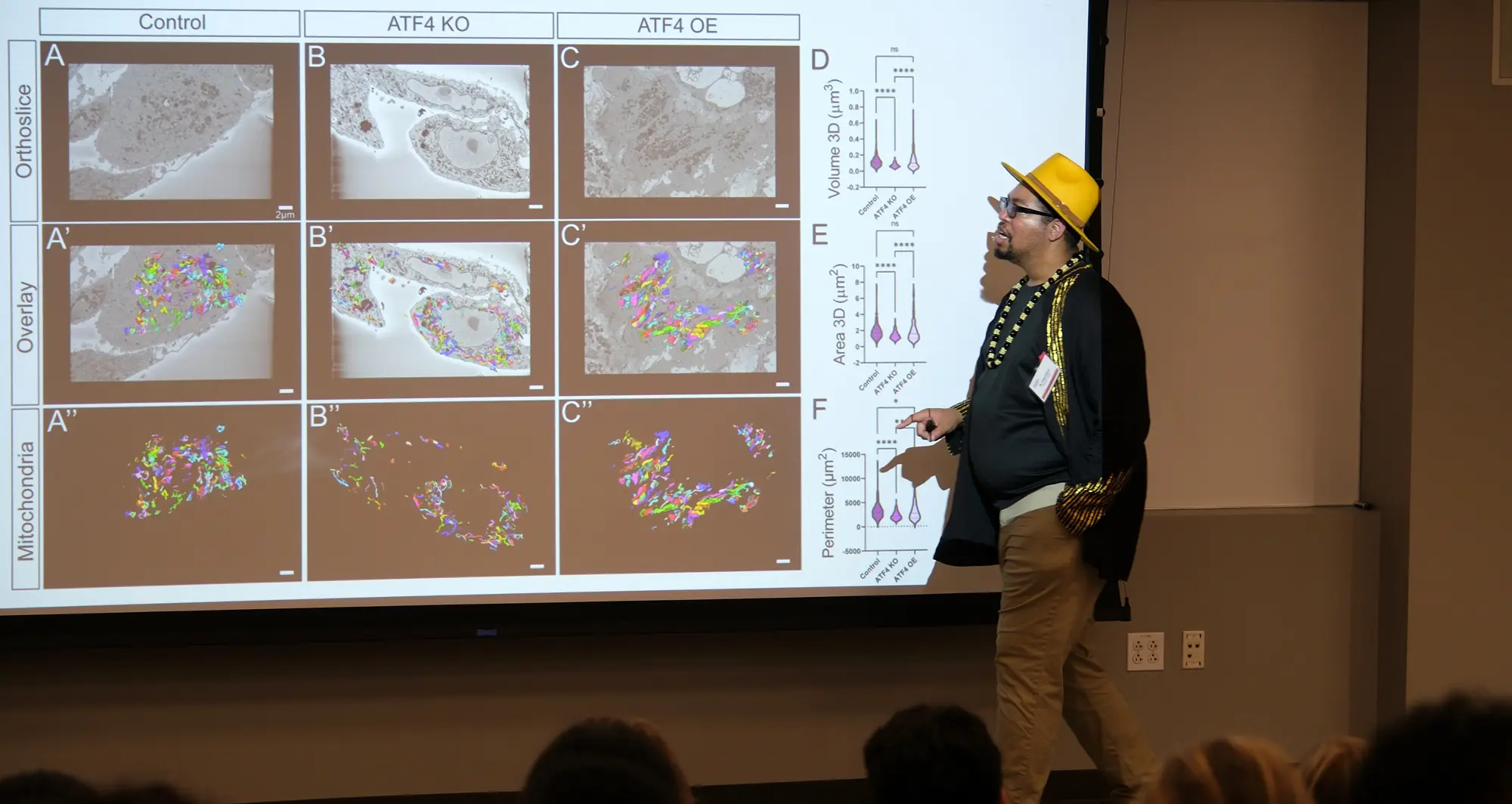
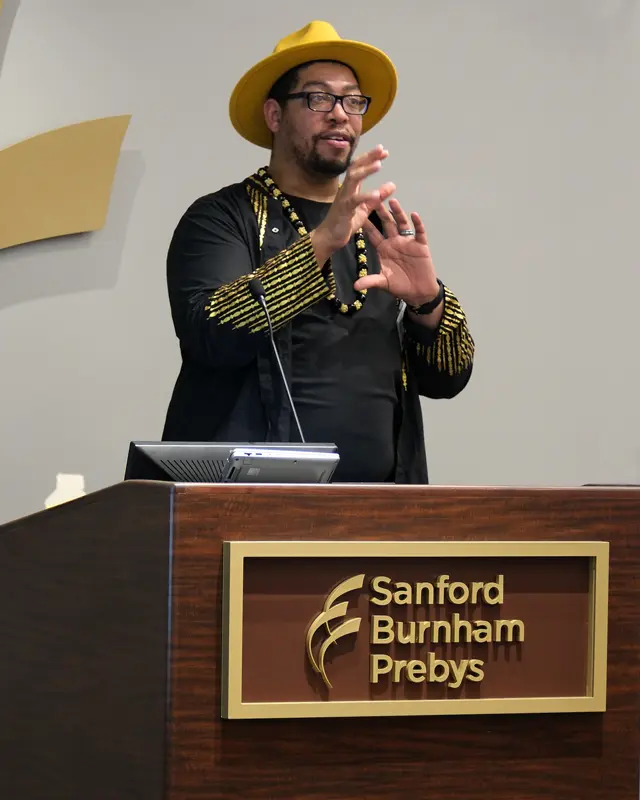
This year’s keynote was delivered by A.J. Hilton, PhD, assistant professor of molecular physiology and biophysics at Vanderbilt University, who discussed how ATF4 coordinates mitochondrial remodeling and functional adaptations across models of aging.

His talk offered a compelling look at how stress response pathways can rewire cellular metabolism and organelle function, with broad implications for understanding age-related decline and resilience.

Attendees praised the clarity of the presentation and its relevance beyond any one discipline, a reminder that the best science often bridges fields.

A.J. Hilton, PhD, giving keynote address. Photo credit Sanford Burnham Prebys

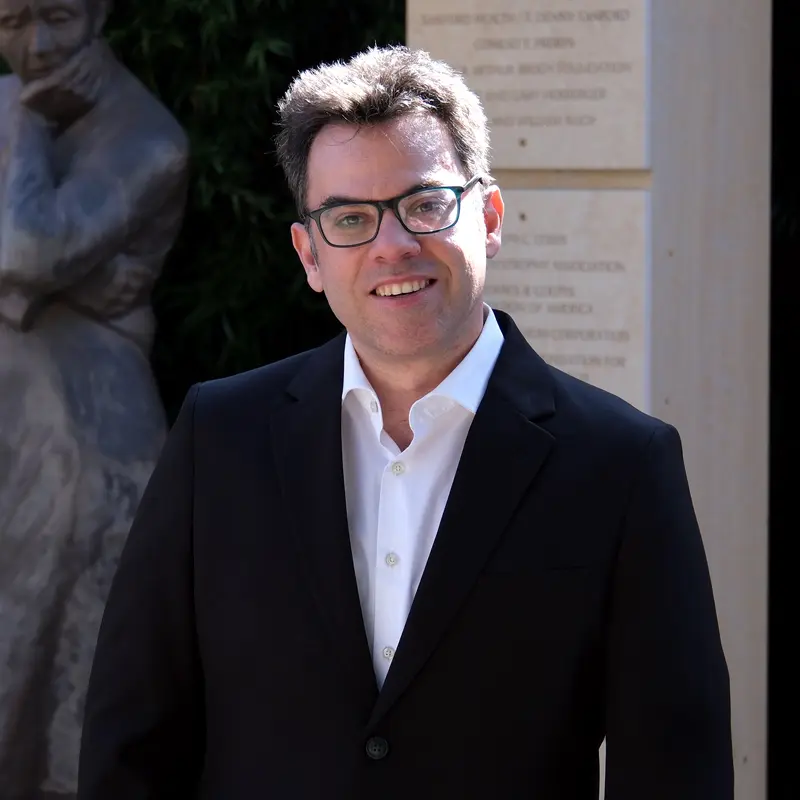
A.J. Hilton, PhD. Image credit: Sanford Burnham Prebys

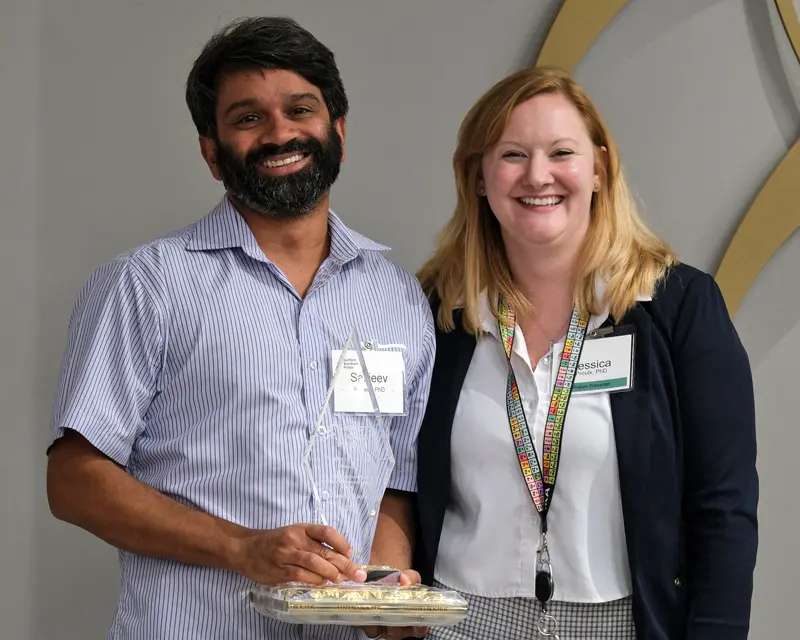
Sanjeev Ranade receiving Mentor of the Year from Jessica Proulx. Photo credit Sanford Burnham Prebys

Sanjeev Ranade, PhD, and Jessica Proulx, PhD. Image credit: Sanford Burnham Prebys

A highlight of the day was the announcement of the Mentor of the Year Award for Postdoctoral Training, which recognizes faculty who create welcoming, supportive environments and advocate tirelessly for early-career researchers. Nominees were evaluated on criteria such as clear communication of expectations and goals, active support of career development, and meaningful participation in training initiatives. This year’s recipient, Sanjeev Ranade, PhD, of the Center for Cardiovascular and Muscular Diseases, was celebrated for fostering a collaborative lab culture where achievements of all sizes are recognized and trainees are encouraged to think critically and independently. Mentees credited Ranade with reigniting their passion for science, building confidence, and opening doors to new opportunities—proof that great mentorship can be transformative.

The symposium also acknowledged the vital contributions of the Institute’s training community.

Organizers thanked staff and volunteers who made the event possible and recognized a decade of leadership in career and professional development programs that have helped countless trainees refine transferable skills, land jobs, and navigate diverse paths across the biomedical landscape. Practical touches, including food truck tickets for registrants and clear parking reimbursement instructions, rounded out a day designed to make participation easy and inclusive.

As the Institute observed National Postdoc Appreciation Week, the symposium set an enthusiastic tone for the poster session and the Fishman Awards ceremony. If the energy in the auditorium is any indication, the future of the research enterprise is bright—powered by rigorous science, generous mentorship, and a community committed to helping one another thrive.

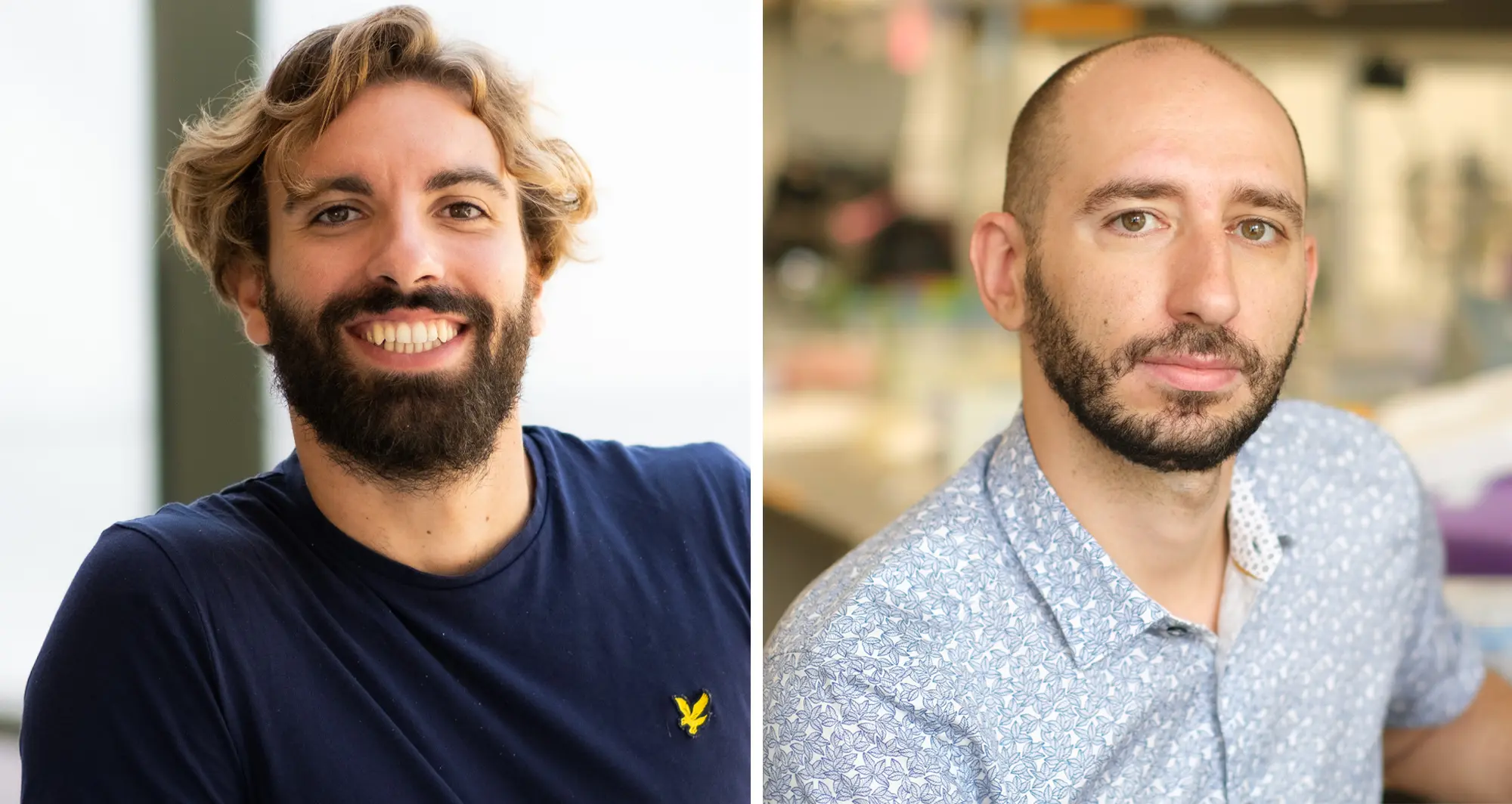
BEST PODIUM TALK, Judges’ Selection

  • Winner:  Luca Caputo, PhD (Puri lab)
  • Runner-Up:  Sophie Hao (Dong lab)

BEST PODIUM TALK by popular vote

  • Winners: Jessica Proulx, PhD (Adams lab) & Katya Marchetti (Ocorr lab)

BEST FLASH TALK by popular vote

  • Winner: Michael Alcaraz (Adams lab)

BEST POSTERS, Judges’ Selection

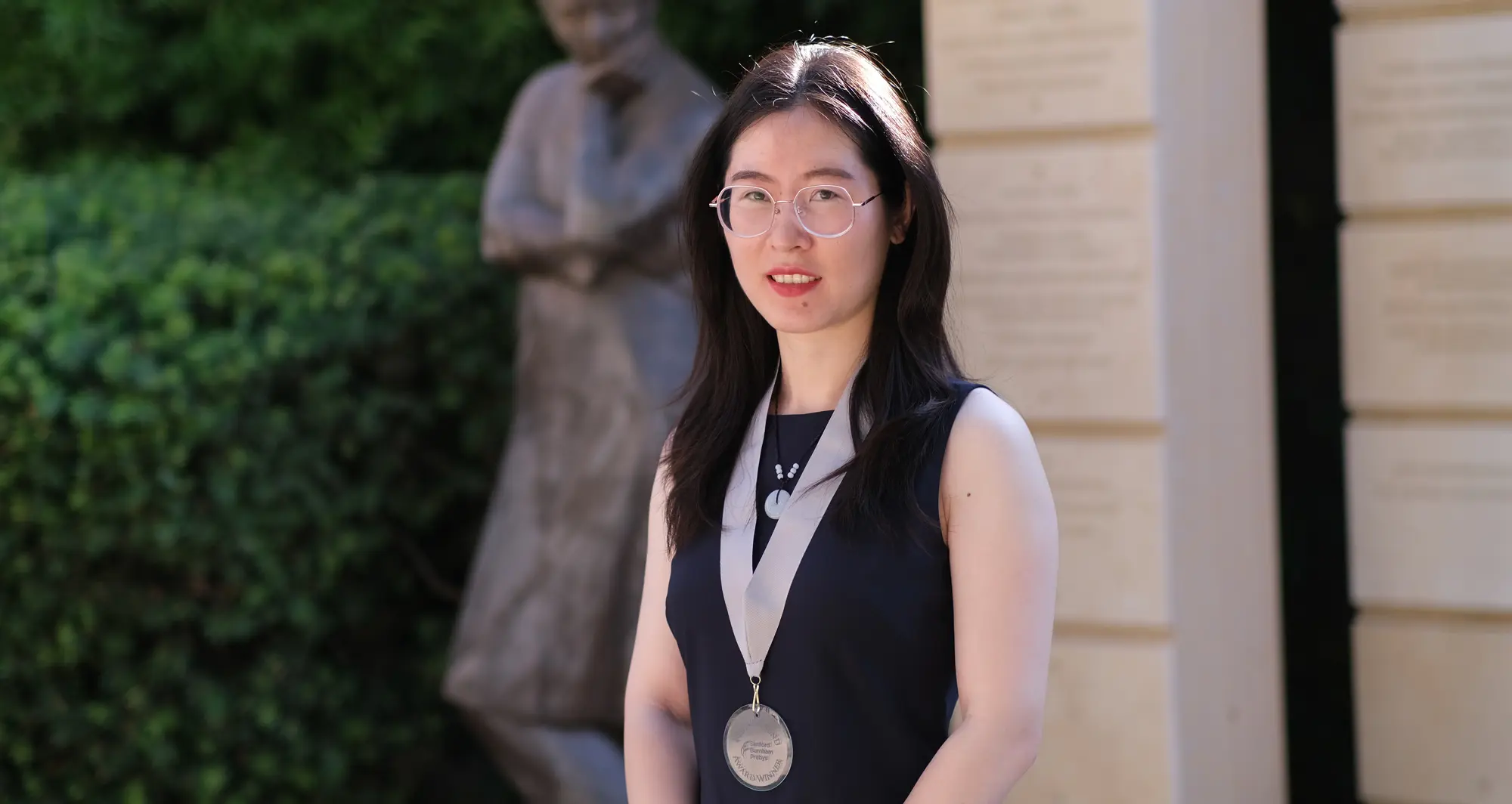
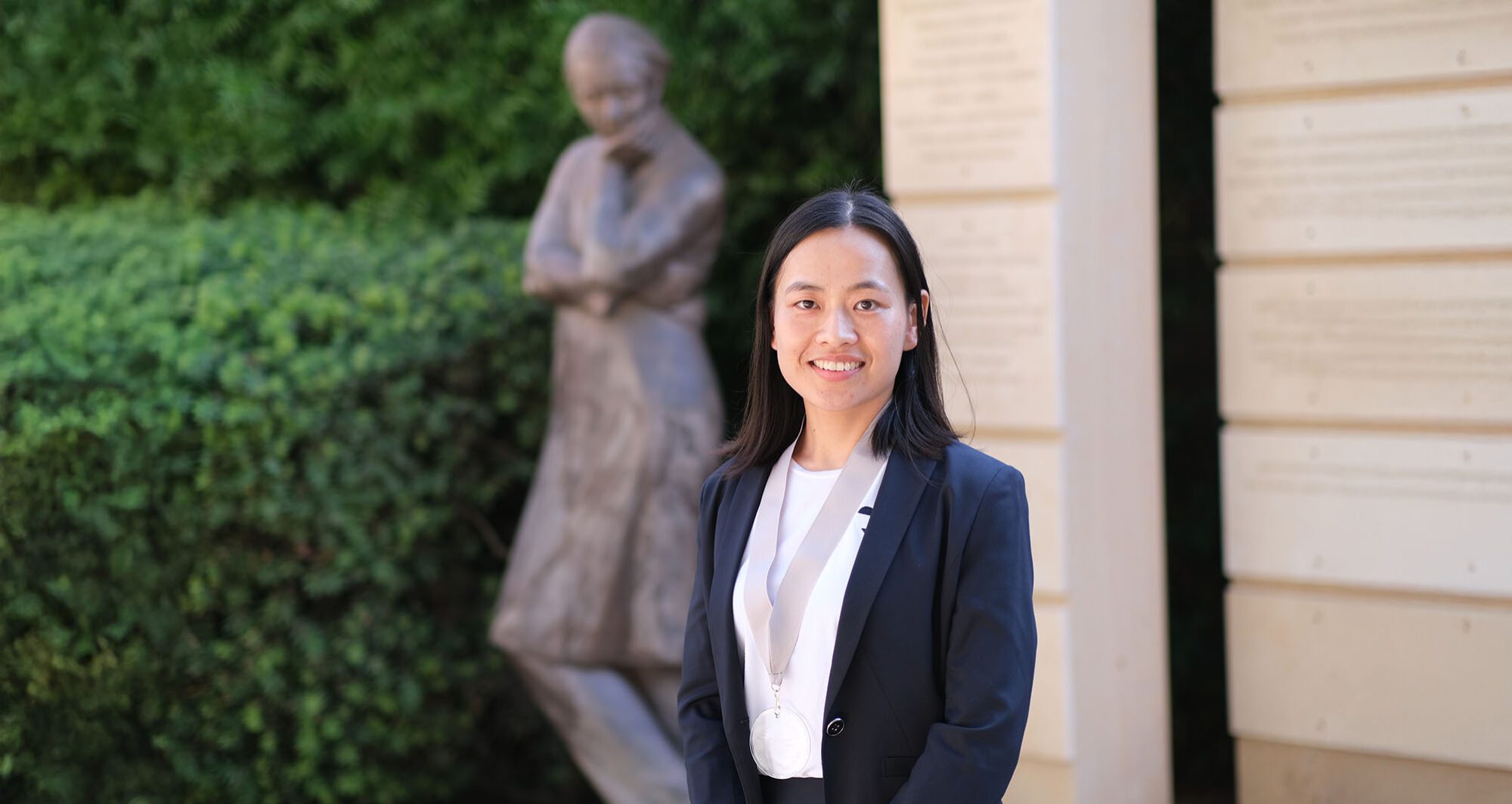
  • Winners: Cheng-Ju Kuo, PhD (Kumsta lab) & Caitlin Lange (Kumsta lab)
Institute News

From lab insight to patient impact: Physician–scientist Theophilos Tzaridis on advancing treatments for pediatric brain tumors

AuthorCommunications
Date

September 18, 2025

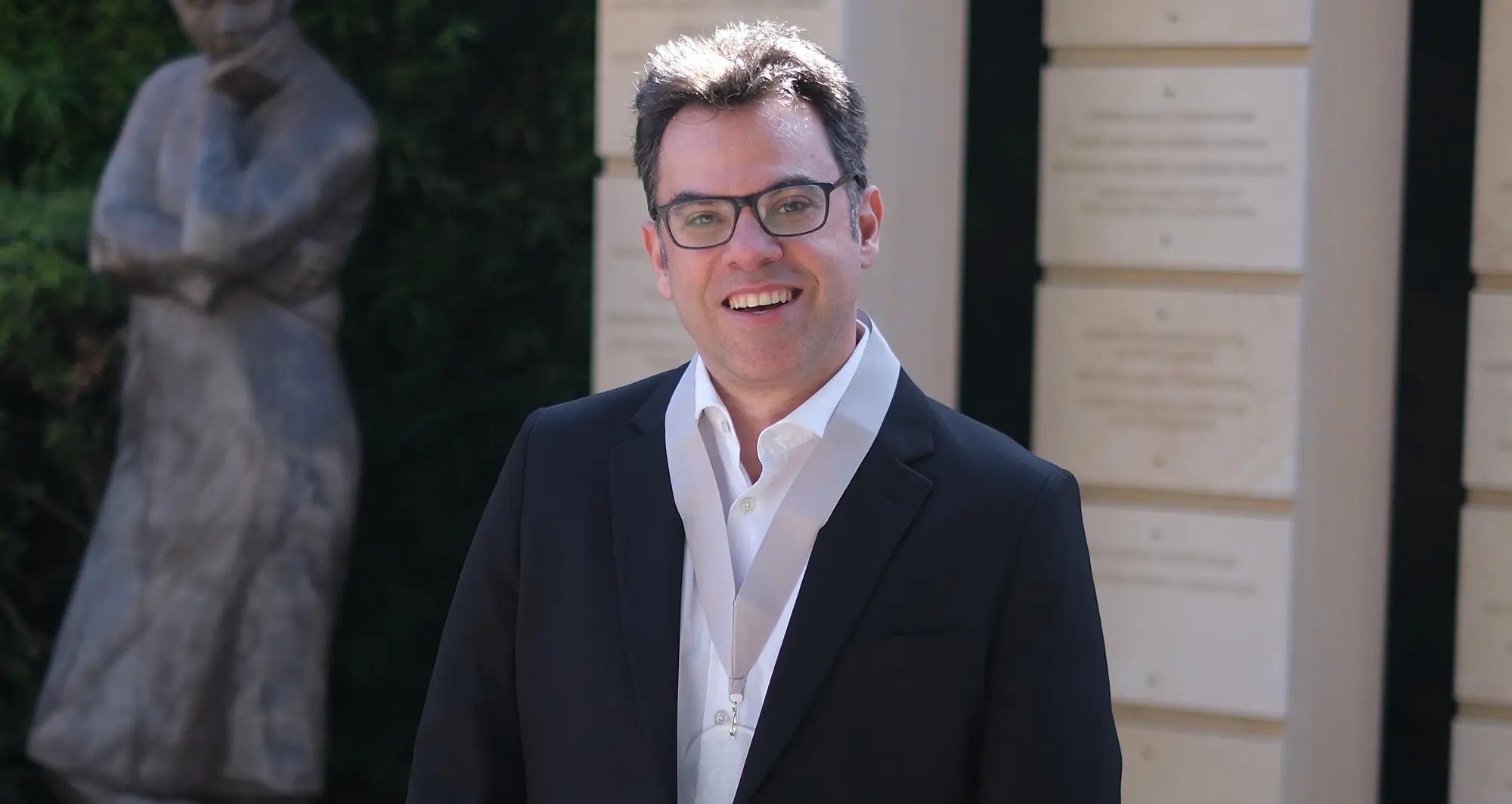
Recipient of the Fishman Awards: Cynthia Schwartz Shenkman Research Excellence Fishman Award Theo Tzaridis discusses his work on pediatric brain tumors, why rigorous preclinical science matters, and how donor support accelerates discoveries.

Established in 2024, the Cynthia Schwartz Shenkman Research Excellence Fishman Award is unique in nature because it recognizes a Sanford Burnham Prebys postdoc for their outstanding biomedical research contributions and demonstrated track record of research excellence.

What’s your current role and focus at Sanford Burnham Prebys?
I’m a physician–scientist studying pediatric brain tumors. I focus on diffuse midline glioma (DMG). I joined Rob Wechsler-Reya’s group at the institute and benefited from him as an amazing mentor and his expertise in mouse modeling of brain tumors tremendously. After Rob moved institutions, I joined Peter Adams’s lab. Peter’s aging and cancer perspective gives my immunotherapy work a fresh lens and he is a truly spectacular mentor. We’ve built a DMG “niche” in the lab and I’ve deepened my in vivo skills, which are essential for translating ideas toward the clinic.

What drew you into oncology and neurology?
Even in high school I was fascinated by how a cell can go “crazy”, grow uncontrollably and form a tumor. Medicine let me pair that curiosity with real patient impact. My MD thesis work in Heidelberg, Germany, suggested an old chemotherapy could reactivate a tumor suppressor which paved the way for a clinical trial. During my neurology residency in Bonn, Germany, I helped plan, analyze, and published results from  a clinical trial that became the first positive glioblastoma study in 14 years. Those experiences were very rewarding and cemented my focus on translational research.

You mentioned that your approach to immunotherapy starts with “back to basics.” What does that mean?
Many brain tumor trials borrowed targets from other cancers without confirming those targets exist in the brain tumor microenvironment. We went back to basics, systematically profiled immune checkpoint molecules present in DMG and found CD155 (also called the poliovirus receptor) consistently expressed across models and patient samples. That points to smarter targeting rather than one-size-fits-all strategies.

How has the Institute’s environment shaped your work?
The culture at Sanford Burnham Prebys is genuinely team oriented. Core facilities (flow cytometry, mouse) are exceptional partners in experimental design. We also engage in a cross-institution “Brain Tumor Club” on the Mesa and contribute data to a molecular tumor board that informs real treatment decisions. In one case, marker data I generated supported a physician’s plan to pursue a personalized immune therapy known as CAR T-cells for a child which was an incredibly meaningful moment.

Any notable collaborations beyond campus?
Yes. Our in vivo expertise enabled joint studies with Emory University, including work on small molecules for pediatric brain tumors. We have also collaborated with Columbia University and the Dana Farber Institute. These multi-site projects help validate findings independently which is critical in pediatrics where patient numbers are limited.

How did the Fishman Awards affect your trajectory?
The Fishman Career Development Award I received in 2023, and the Cynthia Schwartz Shenkman Research Excellence Fishman Award I recently received provided fuel at key moments. The Fishman Career Development Award sent me to the American Association for Cancer Research (AACR) conference in 2024, where I met a company carrying the only clinical-grade antibody to my target; after an MTA, we’re now testing it here. I also attended the La Jolla Immunology Conference and received a best oral presentation award which is validation that stretching into complex immunology is worth it. Importantly, the Fishman Award application process itself which includes writing, presenting, getting feedback, built resilience and sharpened my vision.

Where do you want to take this next?
I aim to lead an independent lab tightly linked to a clinical trials unit. Success requires basic scientists and clinicians at the same table from day one, plus rigorous preclinical “homework” to identify the subgroups most likely to benefit before launching trials. It’s harder, but in the long run it saves precious time and resources and gives patients better odds.

What is life like outside the lab?
I’m a dad of two, so there is hardly time for anything, but we try to do hikes and some beach time. San Diego’s landscapes are a gift. Before kids I did theater; these days, I read when I can, and we take short family adventures (Anza-Borrego is a favorite).

Is there anything you’d like supporters to know?
Your support is more than funding, it’s belief. At a time when the value of science may be questioned, you’re helping researchers communicate clearly, collaborate widely, and move ideas toward children who can’t wait. The Fishman Awards exemplify that: they strengthen science and the storytelling that brings people along. Thank you.

Institute News

Q & A with Postdoctoral Researcher Alicia Llorente Lope, PhD, from the Emerling Lab

AuthorCommunications
Date

September 10, 2025

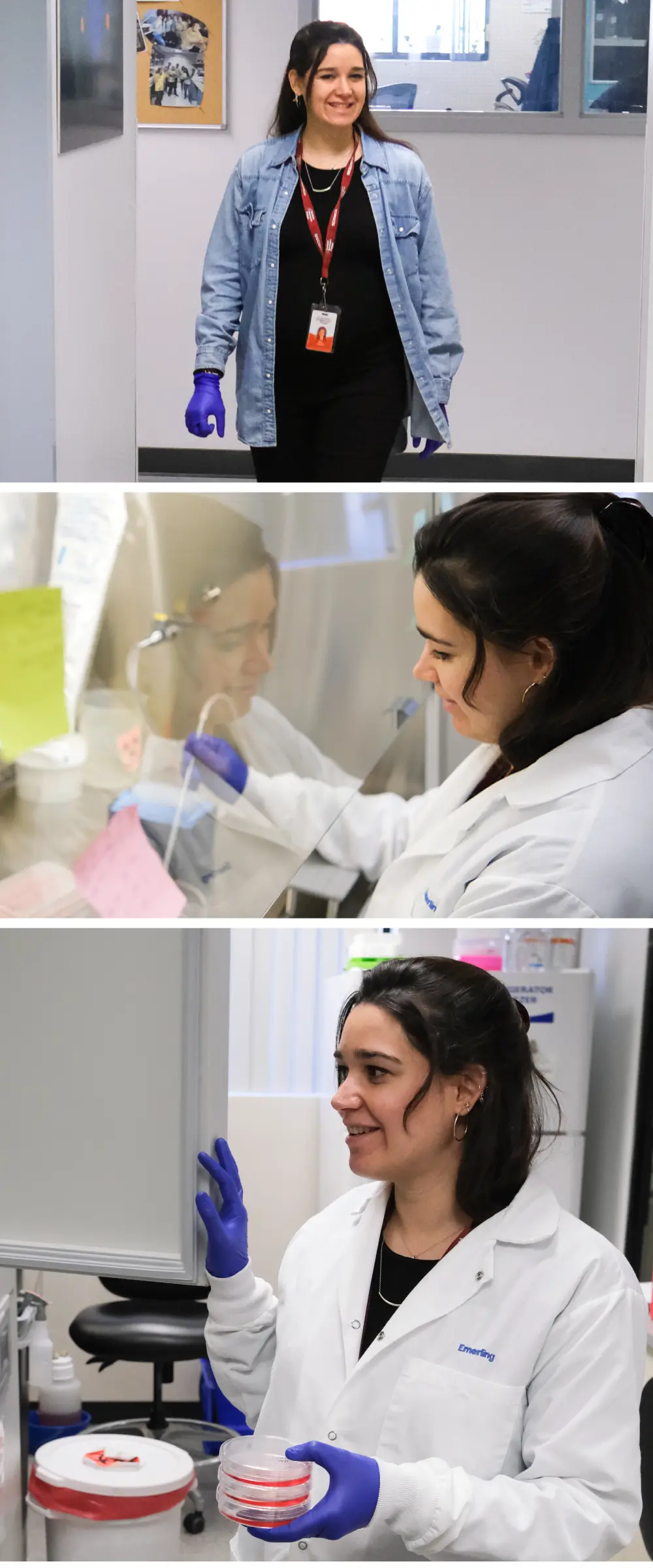
Meet one of our early-career scientists at Sanford Burnham Prebys: Alicia Llorente Lope, PhD, a postdoctoral researcher in the lab of Brooke Emerling, PhD.

When and how did you become interested in science?
I come from a family of scientists. Both my parents are biologists, and they are more on the zoology side of the spectrum.

I thought I might follow in their footsteps, but I grew older and became more interested in medicine. I didn’t know then if I wanted to be a physician or a biomedical researcher.

In the end, I felt that research was more my thing. I was more interested in understanding the mechanisms of disease than in treating it.

What are the key areas of research you focus on?
I wanted to work on breast cancer during my postdoctoral fellowship because I had studied the disease while earning my PhD. Now I focus on a specific subtype of breast cancer noted for having high levels of the human epidermal growth factor receptor 2 protein, or HER2.

This HER2 subtype is known to be aggressive, but it initially responds very well to targeted therapies, which are drugs designed to block the HER2 protein. Unfortunately, most patients develop resistance over time to these drugs.

We are trying to explain why this resistance occurs and learn how to overcome it with new treatments. 

What motivates you about your research?
My grandmother died of breast cancer, so I have seen the disease from a very close and personal vantage point. It made me realize how much research is needed, even in cancer types that have a better prognosis now.

It’s clear to me how things have improved for breast cancer patients because of research, and that we can continue to enhance therapies and provide patients with better opportunities and outcomes. 

What do you like about working here?
I like that there are a lot of opportunities for us as postdocs to enhance our career development. I think that’s important, and I feel that that’s one of the best things about this institute.

They provide many courses and workshops, and it shows that they really care about our training. I feel that I’ve had the chance to improve professionally in a lot of different areas.

We also have the Sanford Burnham Prebys Science Network that organizes social and networking events. It helps us make new connections. As we make friends here and discuss our projects and interests, we also develop new scientific collaborations.

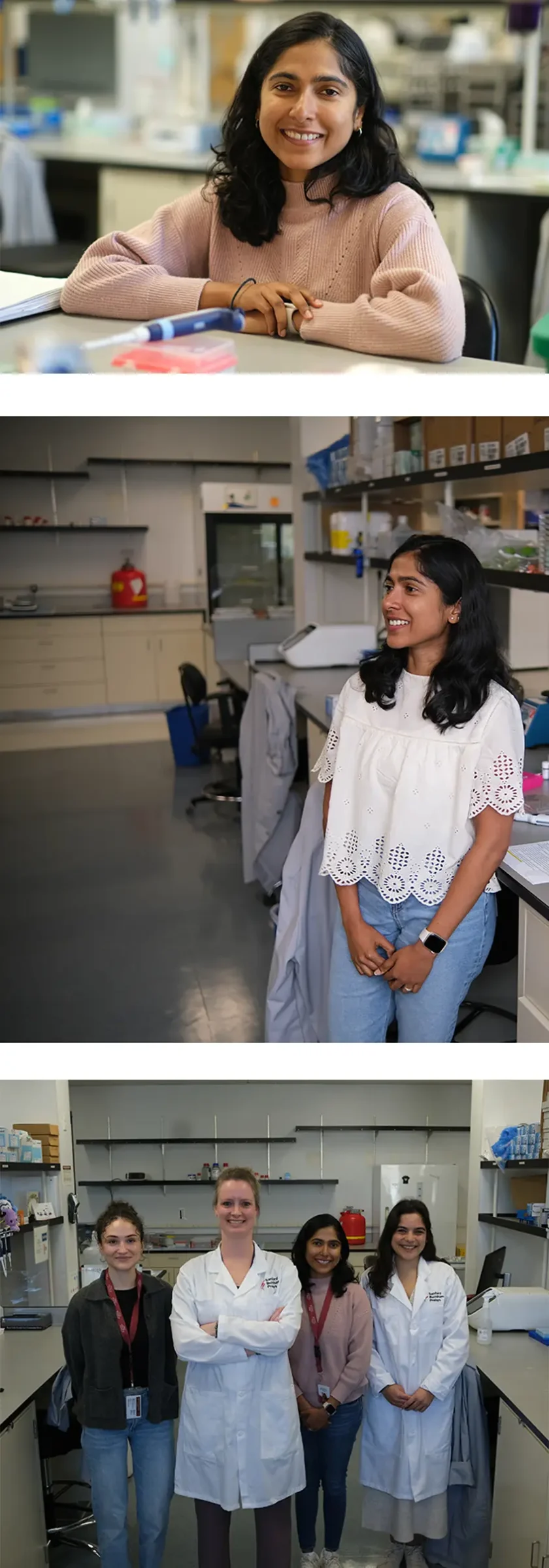
Alicia Llorente Lope collage. Image credit Sanford Burnham Prebys

Have you had an influential mentor?
My first research experience was actually the one that made me decide to get my PhD. I left my home in Barcelona and spent some time in Boston at a lab that studied lymphangioleiomyomatosis, a rare lung disease that my mom has.

Lisa Henske and her lab always treated me as if I was a part of the group, not just an undergraduate student that knows nothing. They would let me present in lab meetings. They would let me go to conferences.

I received outstanding training there, and Lisa’s mentorship was instrumental in my development as a scientist.

What do you enjoy doing when you’re not in the lab?
I love scuba diving. The opportunity here to dive with sea lions is amazing.

In November, the sea lions have their pups, and you can dive with them. They are so playful! They even try to bite your fins, your camera. It’s a lot of fun.

Postdocs at Sanford Burnham Prebys are pushing the boundaries of science every day through curiosity, collaboration, and innovation. This series highlights their unique journeys, what inspires their work, and the impact they’re making across our labs.

Explore the Full Series

Institute News

Two trainees selected for Science in Motion Travel Awards

AuthorGreg Calhoun
Date

August 29, 2025

The Sanford Burnham Prebys Center for Cardiovascular and Muscular Diseases recently announced the winners of the 2025 Science in Motion Travel Awards.

Gabriele Guarnaccia, a graduate student in the lab of Alessandra Sacco, PhD, will use his award to attend the 8th Cancer Cachexia Conference being held September 25–27, 2025, in Turin, Italy.

Luca Caputo, PhD, a postdoctoral associate in the lab of Pier Lorenzo Puri, MD, was selected to attend Frontiers in Myogenesis: Innovations in Myogenesis, From Molecular Mechanisms to Therapeutic Interventions, which will be held October 6–11, 2025, in Sunriver, Oregon.

The goal of the Science in Motion Travel Awards is to support conference participation for emerging researchers in labs with a primary affiliation in the Center for Cardiovascular and Muscular Diseases.

Applications will open again on January 15, 2026.

Institute News

Q & A with Staff Scientist Kelly Li, PhD, from the Yip Lab

AuthorCommunications
Date

August 22, 2025

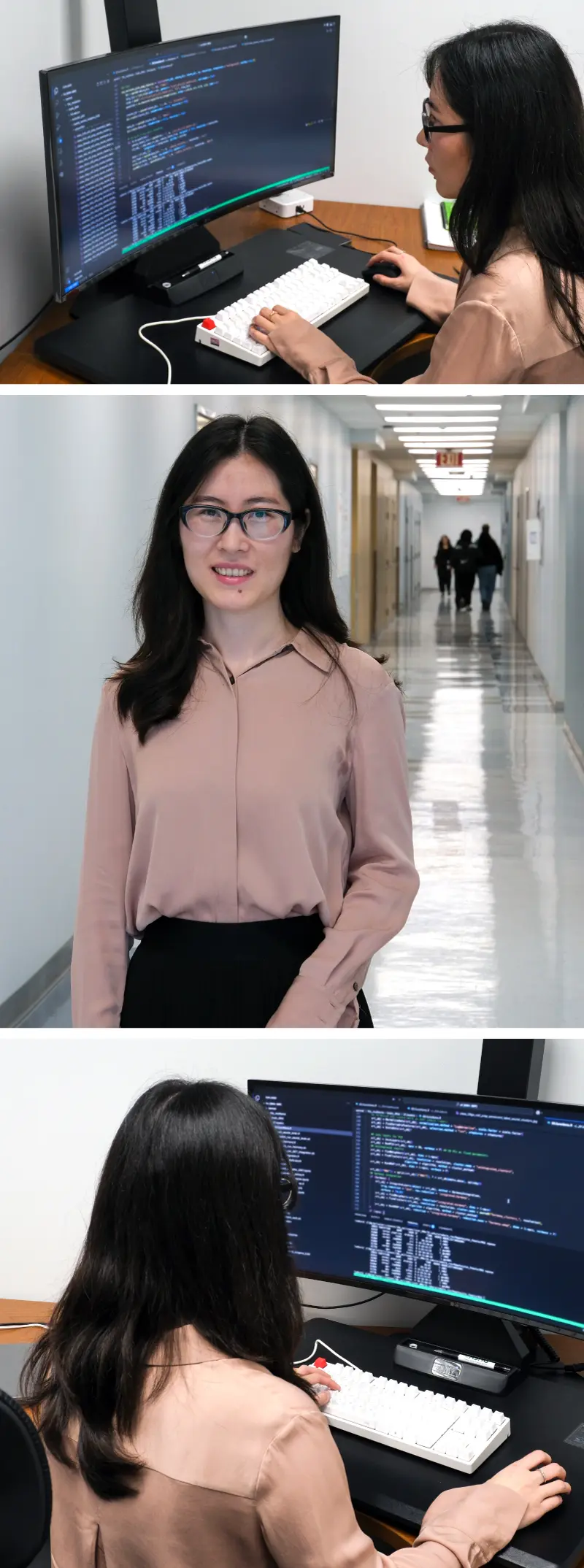
Blending a love of biology with the power of data science, Kelly Li, Phd, is tackling one of life’s biggest mysteries: aging. In Yuk-Lap (Kevin) Yip’s lab at Sanford Burnham Prebys, Kelly studies how aging cells influence disease, teaming up with collaborators to explore promising new therapeutic approaches.

Can you tell us about your research at Sanford Burnham Prebys?
I’m part of a pure computational biology lab, where we analyze complex biological data instead of doing benchwork. My current project focuses on aging and senescence—cells that no longer function but don’t die and can affect surrounding cells through inflammation. We use cutting-edge tools like single-cell multi-omics to study these cells and explore potential therapeutic targets. It’s a highly collaborative effort, especially with Dr. Peter Adams’ lab.

How did you first become interested in science?
I’ve always been curious about how things work, especially complex systems like biology. I studied cell and molecular biology as an undergrad and was fascinated—but also frustrated—by how traditional experiments studied one gene at a time. I wanted a more holistic view, so I turned to computational biology during my Ph.D., where I used data science to study diabetic complications. That’s when I really fell in love with using machine learning and data analysis to understand biology.

What brought you to Sanford Burnham Prebys?
I followed my mentor, Dr. Kevin Yip, here from Hong Kong. He moved during my Ph.D., and we had ongoing projects, so it was a natural transition for me to join his lab as a postdoc. I’ve been here since October 2022 and am now working on this exciting aging-related project.

What’s it like to collaborate on such a large project?
It’s very dynamic. The project involves collaborators across Sanford Burnham Prebys, UC San Diego, and institutions like Yale and the University of Minnesota. We meet regularly, share data and ideas, and refine our hypotheses together. I lead the data analysis side, so after running results, I’ll send them around, and we iterate based on group discussions. These interactions are where new ideas often emerge.

What motivates you about your research?
It’s a combination of curiosity and a desire to make a meaningful impact. Curiosity drives me to ask deeper questions and design more insightful experiments. I also find motivation in the research process itself—troubleshooting challenges encourages critical thinking and fosters collaboration with others.

How has the Institute supported your growth?
The environment is very collaborative. It’s easy to talk science—even informally in the lunchroom—and that leads to meaningful conversations and collaborations. I’ve also benefited from professional development programs like grant writing and leadership workshops. They’ve helped not just with research but with career planning as well.

You received a Fishman Fund Award. What did that support allow you to do?
The Fishman Fund I received is a career development award for postdocs. I used the funding to attend aging-related conferences, which helped me get up to speed in the field. I connected with other researchers, heard inspiring talks, and had great discussions with trainees and leaders in aging research. It really expanded my perspective and helped me refine my research questions.

What are your career goals?
I’d love to stay in academia and eventually run my own lab. Whether that’s in the U.S. or back in Hong Kong, I’m not sure yet. But I’m committed to research and continuing to explore how computational approaches can answer big biological questions.

Kelly Li photo collage

What do you enjoy outside of science?
I like hiking and exploring the beautiful nature around San Diego. I also enjoy watching movies, dancing, and going to the gym—I try to stay active. That’s part of the anti-aging routine, right?

Do you have any advice for aspiring scientists—especially those interested in computational biology?
Yes! Learn the basics—both programming and biology. You need to understand the data and the underlying biology to really make discoveries. Stay curious and motivated, even when you’re knee-deep in code. And be collaborative—great ideas often come from conversations with others.

Any mentors who’ve had a big impact on your journey?
Definitely my PI, Kevin Yip. He’s been my mentor since undergrad. He introduced me to computational biology, was incredibly patient when I was just starting out, and has always supported me. I learned so much from how he approaches writing, research, and mentoring. I’m very grateful.

Postdocs at Sanford Burnham Prebys are pushing the boundaries of science every day through curiosity, collaboration, and innovation. This series highlights their unique journeys, what inspires their work, and the impact they’re making across our labs.

Explore the Full Series

Institute News

Q & A with Postdoctoral Researcher Huijie Huang, PhD from the Huang Lab

AuthorCommunications
Date

August 1, 2025

With a deep curiosity about the brain and a passion for solving complex problems, Huijie Huang is a postdoctoral researcher in the lab of Dr. Timothy Huang at Sanford Burnham Prebys, where she is investigating the molecular underpinnings of Alzheimer’s disease. Her journey began in college with hands-on behavioral pharmacology research and evolved into a focused exploration of depression and neural circuits during her PhD. Now, she is using cutting-edge molecular tools to develop gene-based strategies for treating neurodegenerative disease.

When and how did you become interested in science?
In college, I had the opportunity to join a pharmacology lab. This gave me the chance to test how certain drugs effected the animal behaviors. I found it very interesting that these animal behaviors can mimic some types of human behaviors. I was really excited by this. 

How has your scientific career evolved? 
I was so fascinated with the principles of neural regulation of animal behavior, so I chose to focus my PhD on neuroscience. During my PhD, I did a lot of projects related to depression, where I established mouse models to mimic anhedonia and social defeat. These models enabled me to investigate dysfunctions in brain circuits associated with depressive behaviors. 

After graduating, I felt the need to pursue deeper research into the molecular biological mechanisms underlying behavioral changes. I’m fortunate to be a postdoctoral researcher in Dr. Timothy Huang’s lab, where my project focuses on investigating the molecular mechanisms of sporadic Alzheimer’s disease. The lab’s diverse expertise includes molecular biology, genetics and neurobiology, and has allowed me to approach the project from multiple angles and think more broadly and translationally about the impact of our research. 

What brought you to the Huang lab at Sanford Burnham Prebys? 
I was fascinated by the research projects in Dr. Timothy Huang’s lab. After the interview, I realized I would have the opportunity to lead an independent project aimed at developing a new platform to study human risk genes using a chimeric mouse model. This approach would allow me to fully utilize a variety of cutting-edge technologies, and I believed it would be an exceptional opportunity for scientific and professional growth. 

Huijie Huang, PhD from the Huang lab

What are the key areas of research you focus on?
My research focuses on developing novel neuroprotective strategies for Alzheimer’s disease. Current clinical treatments primarily aim to relieve mood-related symptoms, using cholinesterase inhibitors or antidepressants, but these approaches offer only symptomatic relief. The new immunotherapies, such as those targeting amyloid beta plaques, are designed to slow disease progression. However, their clinical efficacy remains limited, patient responses are highly variable, and the treatments are costly.

Given these challenges, there is an urgent need for new therapeutic strategies. Our work investigates genes and proteins that influence the risk of sporadic Alzheimer’s disease, which may lead to broadly applicable, gene-based interventions.

What motivates you about your research?
It’s a combination of curiosity and a desire to make a meaningful impact. Curiosity drives me to ask deeper questions and design more insightful experiments. I also find motivation in the research process itself—troubleshooting challenges encourages critical thinking and fosters collaboration with others.

What do you like about working here?
I love it here! The people are all very kind, and you can get help from colleagues, neighboring labs and core facilities. I’d like to especially applaud our core facilities experts for being so professional and efficient. I never have to wait a long time to get our projects and experiments done.

Another important factor is that Tim is very supportive of his team. We have a quite independent but also collaborative environment among colleagues and mentor. When we need help, he will try his best to collaboratively solve the problem or connect us with people in his network with the right expertise.

How would you describe the culture here?
Collaboration is ingrained in the culture and quite easy. If you want to discuss something, you just stop by other labs and people are open to working together. Also, we are surrounded here by different labs with experts in many fields. This contributes to a culture of constant learning and collaboration.

There also are many resources here for postdocs. There are opportunities to apply for funding, workshops for career development and the highly engaged Sanford Burnham Prebys Science Network that plans networking and social events and addresses concerns raised by postdocs.   

What are your hopes for the next stage in your career?
I truly love science, and would like to continue research on neurodegenerative diseases, and I am preparing myself to be independent as a principal investigator or team leader.

What do you enjoy doing when you’re not in the lab?
I like hiking, cycling and playing table tennis.

Postdocs at Sanford Burnham Prebys are pushing the boundaries of science every day through curiosity, collaboration, and innovation. This series highlights their unique journeys, what inspires their work, and the impact they’re making across our labs.

Explore the Full Series

Institute News

Q & A with Postdoctoral Researcher Meena Sudhakaran, PhD, from the Kersten Lab

AuthorCommunications
Date

July 23, 2025

Meet one of our early-career scientists at Sanford Burnham Prebys: Meena Sudhakaran, PhD, a postdoctoral researcher in the lab of Kelly Kersten, PhD. Sudhakaran studies cancer immunology to improve immunotherapy for breast cancer.

When and how did you become interested in science?
I was always curious as a child. When one of my family members was diagnosed with cancer, I grew up watching how it affects people. That made me really interested in how diseases work. I wanted to know the causes and the biological reasons beneath it.

What did you imagine you would be doing professionally, and how did it evolve?
When I was done with my master’s degree, I was sure I wanted to work in industry. I was determined to join a biopharma company where I could make medicines.

I worked as a scientist and as a senior scientist for three and a half years on a team at Biocon in India developing drugs for head and neck cancer. During my time in the company, I realized that I wanted to do a PhD to dive deeper into understanding the biology of cancer and how every cancer type is different.

During my PhD, I was introduced to immune cells and how immune cells affect tumor progression. I wanted to be in a cancer immunology lab for my postdoctoral training, so the Kersten Lab here was a perfect fit.

What are the key areas of research you focus on?
Breast cancer patients do not really respond to most immunotherapy drugs. We don’t yet know why they are ineffective.

Our immune system protects our bodies from pathogens, foreign particles or any abnormal cells like cancer. T cells, a type of immune cells in the tumor environment, can get activated and attack the tumor cells. But what often happens is that they become dysfunctional due to continuous exposure to the immunosuppressive environment and lose their ability to kill. Additionally, there are other immune cells such as macrophages that create a tumor-promoting environment.

Kelly previously showed that macrophages and T cells interact, creating a communication loop where the macrophages drive the T cells to exhaustion. The focus of my research is to understand how this interaction creates an anti-tumor immune response in breast cancer. This will help us get closer to the ultimate goal of making immunotherapy more effective in breast cancer patients.

What do you like about working here?
Kelly is a great mentor. She is very supportive. She is easy to approach, and our discussions are always encouraging yet stimulating. I believe it is really important for a successful lab that trainees feel comfortable discussing ideas and challenges openly.

Outside of my lab, there are lots of shared resources and training opportunities available. Everything is nearby and easy to access. People here are also very open to collaboration, which creates a strong and supportive research environment.

What motivates you about your research?
I love doing research! I like being in the lab, planning experiments and looking at the results.

It’s like solving a puzzle, so that keeps me excited.

What are your hopes for the next stage in your career?
I plan to return to industry and continue focusing on the translational side of biomedical research. My goal is to combine my experience in both industry and academia to help develop new medicines and improve treatments.

Although I am still early in my postdoctoral training, I can already see how much I’m learning. When I go back to industry, I’ll have stronger problem-solving skills, more knowledge, and more confidence in making decisions. I have definitely made progress, and I know that growth will continue and support me throughout my career.

Postdocs at Sanford Burnham Prebys are pushing the boundaries of science every day through curiosity, collaboration, and innovation. This series highlights their unique journeys, what inspires their work, and the impact they’re making across our labs.

Explore the Full Series

Institute News

Q & A with Postdoctoral Researcher Ranajit Das, PhD, from the Cosford Lab

AuthorCommunications
Date

July 15, 2025

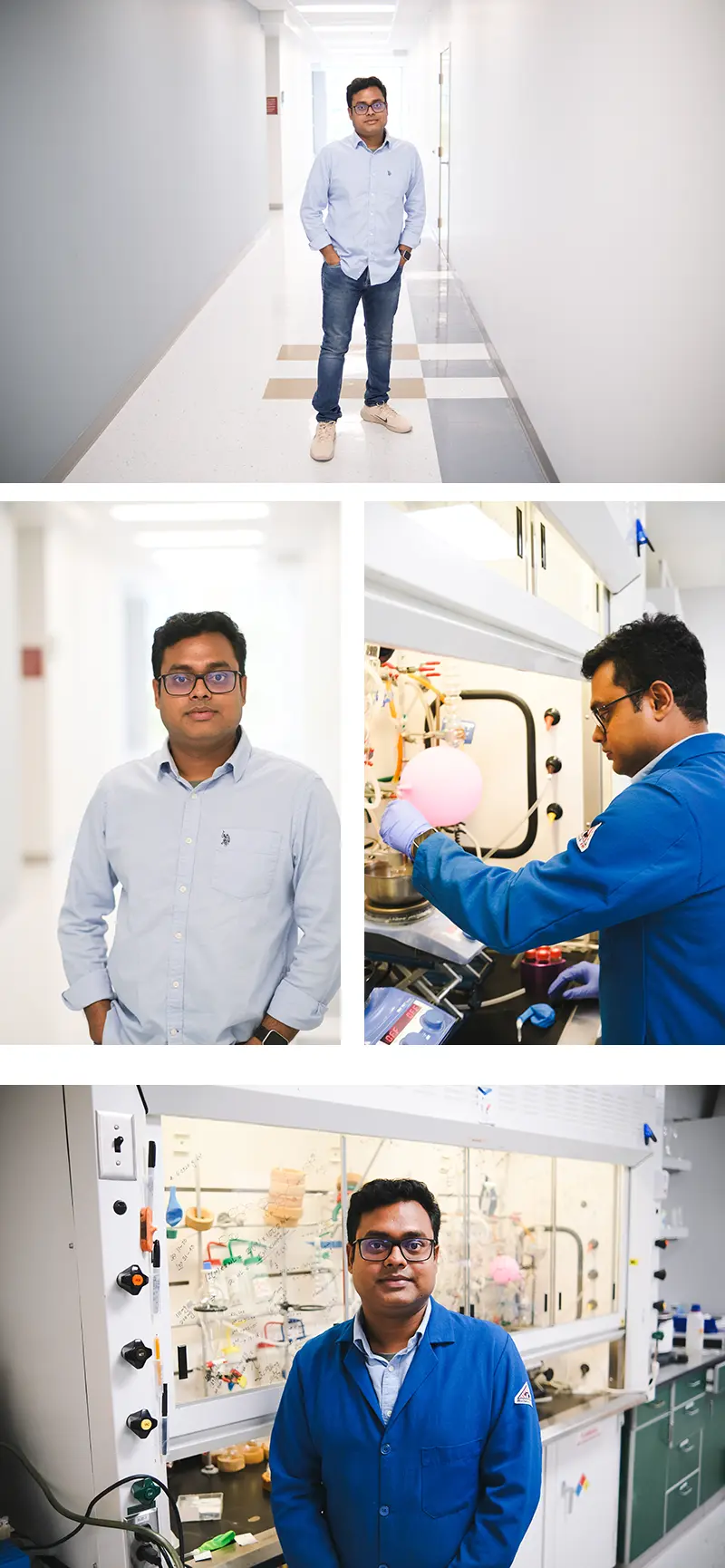
Meet one of our early-career scientists at Sanford Burnham Prebys: Ranajit Das, PhD, a postdoctoral researcher in the lab of Nicholas Cosford, PhD. Das is a medicinal chemist focused on designing and synthesizing new potential therapies, with a focus on cancer treatment.

When and how did you become interested in science?
During my early childhood education, I developed a deep curiosity about the world around me. Over time, I became more interested in chemistry. I found it fascinating that two colorless things can mix and make something colorful, or that two liquids can merge and produce a solid.

Then, when I was introduced to organic chemistry in my undergraduate years, it was eye-opening. I realized that organic chemistry is connected to nearly everything we use or do in our everyday lives. Everything from the blue dye in denim jeans to fading vegetable colors, fragrances, and even the medicines we take, are made of organic molecules. That realization drew me even deeper into the subject.

As I continued studying organic chemistry, I got into synthetic organic chemistry and building molecules. If you have the right knowledge, you can use simple building blocks that are usually made of carbon, hydrogen, nitrogen, and oxygen, and assemble them into compounds that can be functional, beautiful and even lifesaving.

How has your scientific career evolved?
While earning my master’s degree, I was learning about drug discovery and how organic molecules can be useful for treating human diseases. Then, during my PhD, I trained in how to use those chemical components to build a probe to study a disease and ascertain how to potentially cure that disease.

Ever since, I have wanted to build something which will improve human health. That is the reason I decided to pursue a scientific career.

What brought you to the Cosford lab at Sanford Burnham Prebys?
I chose to pursue my postdoctoral training at Sanford Burnham Prebys because of its strong emphasis on drug discovery. The Cosford lab has been working for almost two decades on a wide range of disease models—including cancer, central nervous system and infectious diseases—which are key areas in today’s therapeutic landscape.

This provides an unusual opportunity to gain practical experience with diverse targets. Furthermore, several of the lab’s drug candidates are in preclinical or phase I/II clinical trials, reflecting its strength in translational research.

What are the key areas of research you focus on?
Apoptosis, or programmed cell death, is a natural process in our body. It allows us to remove unwanted cells as we grow and develop. Cancer, however, can disrupt the system of apoptosis.

One way this happens is through the action of inhibitor of apoptosis proteins, which block caspases and help regulate cell survival and cell death during cancer. The second mitochondrial activator of caspases, or SMAC, can bind to and neutralize these inhibitor of apoptosis proteins, thereby promoting apoptosis.

We’re trying to make molecules that can mimic SMAC in order to treat cancer.

What motivates you about your research?
It’s the creativity and complexity around creating 3D chemical architecture to have potential medicinal properties. As we test and refine the compounds, I enjoy using my knowledge of how they react with protein molecules and how that affects the activity of those proteins, which can be useful for targeting diseases.

It is essential to nurture a feedback loop of biological activity and synthesis that keeps the drug discovery process dynamic and purposeful. For me, it is motivating to see that we are designing something and synthesizing something that is having the biological activity necessary for any potential candidate therapy. From there, we can work on finetuning in terms of potency, selectivity, pharmacodynamic stability and other characteristics of successful treatments.

What do you like about working here?
I like the collaborative and supportive research environment here at the institute. We have scientists and students from many different backgrounds and areas of expertise all focused on the same goal, the advancement of biomedical research.

The core research facilities and interdisciplinary expertise make this place ideal for pursuing very complicated targets for translational research. The Institute also has an emphasis on mentorship and career development, which is very important. I feel I’m growing as a scientist in a community which values curiosity, integrity and teamwork.

How would you describe the culture here?
There is a culture of open communication. Sharing ideas, discussing challenges and seeking feedback are encouraged. I’ve found this helps foster personal and professional growth, as well as scientific innovation.

What do you enjoy doing when you’re not in the lab?
I have a deep appreciation for world cinema, particularly Hollywood classics from the 80s and 90s. Bengali literature holds a special place in my heart, as does Indian classical music—especially the rich, melodic tones of the sitar and sarod.

Postdocs at Sanford Burnham Prebys are pushing the boundaries of science every day through curiosity, collaboration, and innovation. This series highlights their unique journeys, what inspires their work, and the impact they’re making across our labs.

Explore the Full Series

Institute News

Q & A with Postdoctoral Researcher Sara Ancel, PhD, from the Wang Lab

AuthorCommunications
Date

July 8, 2025

Shaping the future of science at Sanford Burnham Prebys: Sara Ancel, PhD, a postdoctoral researcher in the lab of Will Wang, PhD, who draws on a background in engineering and stem cell biology to explore tissue remodeling and disease mechanisms through cutting-edge spatial omics approaches. Originally from Switzerland, she brings together cutting-edge technology and collaborative science to push boundaries—and inspire the next generation of researchers.

How did you first become interested in science—and what brought you to Sanford Burnham Prebys? 
I didn’t grow up around science, my parents weren’t in the field, so I didn’t really get exposed to it until high school. But I’ve always been curious, especially about things I didn’t understand. That curiosity led me to study engineering, which gave me the flexibility to explore many scientific fields before focusing on one.

During my master’s studies in Switzerland, I had the opportunity to spend time at Stanford University working in Dr. Helen Blau’s lab. That’s where I met Will Wang, who would later become a principal investigator at Sanford Burnham Prebys. When I was finishing my PhD in Switzerland, he was just starting his lab here. The timing was perfect—and I became his first postdoc.
Shape

What drew you to Will Wang’s research?
What really stood out to me was the new technology he was developing—an imaging method that lets us look at many biological markers at once. Coming from an engineering background, that kind of innovation was really exciting. I saw a chance to combine everything I’d been learning, for example, stem cell biology, muscle research, and engineering, into one meaningful project.

Plus, joining a brand-new lab was a unique opportunity. I was involved in everything from setting up experiments and training newcomers to handling operations. It was a fast-paced, all-hands-on-deck experience that taught me so much, both scientifically and personally.
Shape

What are you working on now? How would you explain it to someone outside of science?
My main project focuses on a process called glycosylation, which is how cells add sugar molecules to proteins and fats. These sugar tags might sound simple, but they play a big role in how cells function, and how things go wrong in disease.

I had no background in glycobiology when I started, but I was able to bring in new technologies and combine them with biology to explore this process in a completely new way. I’ve also been fortunate to collaborate with the Freeze Lab here at Sanford Burnham Prebys, which has been incredibly valuable.

What makes Sanford Burnham Prebys a unique place to work?
I’ve been so impressed by how collaborative this institute is. It’s a small enough community that people know each other, so reaching out for help or advice is easy. I’ve been able to train on equipment here and at nearby institutions like UC San Diego, and I’ve had the chance to connect with researchers across many fields.

One of the most exciting aspects has been working with clinicians and getting access to real patient samples. That kind of experience really deepens the impact of our research and gives me a broader view of how basic science can connect to human health.

What was one of the biggest challenges you faced when you arrived?
Moving from Switzerland to San Diego was a huge adjustment. I arrived and quickly within about a week, I was in a new culture, new lab, and new scientific environment. I was also the only person in the lab at first, which made things more intense.

But I had great support from international services and from the community of researchers here. That support helped me adapt, and it motivated me to dive in and help get the lab up and running.

What do you hope to do next in your career?
I’ve developed a wide range of skills here, not just technical, but also communication and collaboration. I’d love to build on that by moving into work that’s more closely connected to patients. Collaborating with clinicians and working with patient samples has been incredibly meaningful, and I’d like to pursue more translational or clinical science in the future.

What do you enjoy doing when you’re not in the lab?
Since moving to San Diego, I’ve gotten into climbing and bouldering, it’s something I picked up with friends from neighboring labs. I also love hiking and visiting national parks. Coming from Switzerland, I’m used to mountains, but the parks here in the U.S. are spectacular. I’ve started a list and want to see as many as I can!

What advice would you give to young scientists?
Stay curious. Don’t be intimidated by what you don’t know—see it as an opportunity to grow. Science can be frustrating when things don’t work out, but that’s part of the process. If you accept the ups and downs and keep learning, it can be incredibly rewarding.

Do you have any publications or projects in the works?
Yes! I’m finishing a methods-focused paper on the technology I’ve been developing, and we’ve filed a patent on it thanks to support from the Institute’s intellectual property team. I’m also co-authoring a review article with a researcher from Stanford on drug discovery for muscle aging. It’s been a great opportunity to step back and reflect on everything happening in the field.

Postdocs at Sanford Burnham Prebys are pushing the boundaries of science every day through curiosity, collaboration, and innovation. This series highlights their unique journeys, what inspires their work, and the impact they’re making across our labs.

Explore the Full Series

Institute News

Theo Tzaridis named 2024 recipient of Eric Dudl Endowed Scholarship

AuthorGreg Calhoun
Date

February 6, 2025

Tzaridis, a postdoctoral fellow at Sanford Burnham Prebys, received the honor in recognition of his achievements in research on pediatric brain cancer

Theo Tzaridis, MD, was named the 2024 recipient of The Eric Dudl Endowed Scholarship at Sanford Burnham Prebys.

The scholarship fund was established at the institute to remember Eric Dudl, a postdoctoral researcher whose life was tragically cut short by cancer at the age of 33. Since 2007, 17 postdoctoral scientists have received support for their research from the endowed scholarship fund.

Tzaridis is a postdoctoral fellow in the lab of Peter Adams, PhD, director of the Cancer Genome and Epigenetics Program at Sanford Burnham Prebys. He studies ways to enhance immunotherapy for diffuse intrinsic pontine glioma (DIPG), the deadliest brain tumor in children.

Tzaridis found that targeting a checkpoint molecule called CD155 leads to an enhanced immune response and tumor control. He presented the work at the annual American Association for Cancer Research conference. There he established a collaboration with a company that produces the only available antibody against CD155, enabling Tzaridis to continue his research by testing the antibody’s potential efficacy for treating DIPG in order to pave the way for a clinical trial to improve survival for patients.

David Brenner, Kevin Yip, Theo Tzaridis, the Dudls and Peter Adams

David Brenner, MD, Kevin Yip, PhD, and Peter Adams, PhD, with Robert James and Barbara Dudl and scholarship recipient Theo Tzaridis, MD.

Eric Dudl

The Eric Dudl Endowed Scholarship at Sanford Burnham Prebys was established at the institute to remember Eric, a postdoctoral researcher whose life was tragically cut short by cancer at the age of 33.

Tzaridis has garnered recognition and extramural funding throughout his career as a physician-scientist, including the 2023 Lenka Finci and Erna Viterbi Fishman Fund Award from Sanford Burnham Prebys and the best oral presentation from the American Association of Immunologists during the 2024 La Jolla Immunology Conference. His career goal is to advance research findings into clinical trials that benefit patients, including trials regarding the effective use of immunotherapy as a treatment for brain cancer.

“I’m truly grateful for the support of The Eric Dudl Endowed Scholarship,” said Tzaridis. “Eric’s inspiring legacy as an immensely dedicated postdoctoral cancer researcher lives on through the important work the scholarship helps fund.”

“Theo is an outstanding physician and a superb scientist,” said Adams. “I have no doubt that he will advance the science of brain cancer while also contributing to meaningful improvements for patients and their families.” 

For more information on setting up a scholarship or to learn more about our philanthropy program, please contact giving@sbpdiscovery.org.