postdocs Archives - Page 5 of 6 - Sanford Burnham Prebys
Institute News

Meet immunologist Jennifer Hope

AuthorMonica May
Date

February 12, 2021

Hope’s research aims to help cancer immunotherapy work for more people

It’s not an overstatement to say that immunotherapy—an approach that uses our own immune system to kill a tumor—has revolutionized the treatment of cancer. Doctors continue to report incredible results, including tough-to-treat tumors seemingly melting away. However, the treatment doesn’t work for everyone, and even if it does work initially, it often stops working as time goes on.  

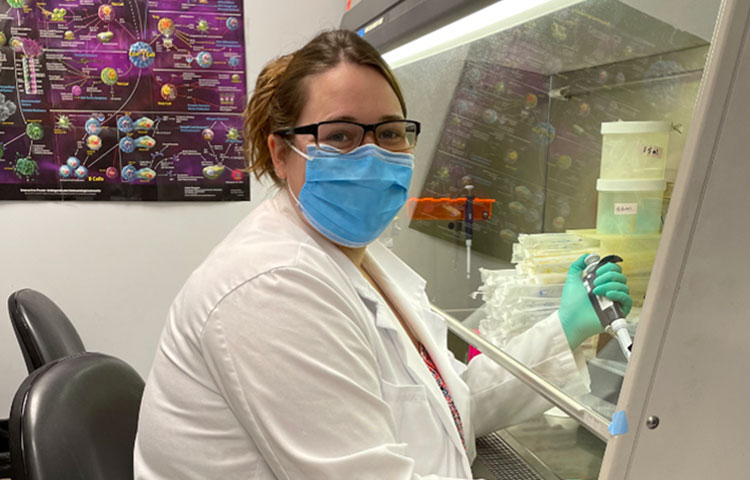
Jennifer Hope, PhD, a postdoctoral researcher in the Bradley lab at Sanford Burnham Prebys, is working to find ways to make cancer immunotherapy work for more people. We caught up with her as she prepared to take the virtual stage at the Diversity and Science Lecture Series at UC San Diego (DASL) to learn more about what she wishes people knew about science and whom she admires.

Did you always know you wanted to be a scientist?
I always had an interest in science, but at first I wanted to go a totally different route. I was an athlete in high school and college—I played tennis—and really wanted to go into sports medicine. Then I had my first real experience being in a lab in college, and I was hooked. I liked how hands-on it was and how I could keep asking questions. As my family knows, I’ve always been one to ask a lot of questions and always ask why. I found that being in the lab that was my opportunity to keep coming up with new questions, and finding answers that will impact people’s lives.

What do you research, and what is your greatest hope for your work?
I’m trying to understand why the immune system—specifically, T cells—seems to turn a “blind eye” to tumors, which it doesn’t do to other foreign invaders like viruses. My ultimate hope is that we use this information to create better cancer immunotherapies, particularly for skin cancer, which is still really deadly.

What do you wish people knew about science?
That it can be a lot of fun! Most people have this perception of science as being very boring. You see X and you do Y. That part can be true. But there’s a lot of opportunity for creativity and to come up with different ways to ask the same question. Some of the best scientists are incredibly creative people.

How would your coworkers describe you?
Motivated and always willing to try new things.

When you aren’t working, where can you be found?
Reading a book. My family started a book club to stay connected during the pandemic. We just read The Food Explorer by Daniel Evan Stone, which was fascinating. It’s about a botanist who is responsible for transforming what food looked like in the U.S. at the turn of the century. I don’t want to give too much away, but it’s because of him that we have cherry blossoms in Washington D.C., and regulations on importing seeds.

Whom do you admire, and why?
My parents. It sounds cliché, but it’s true. They have always been the biggest supporters of my dreams, whether career or personal.

One example that pops into my head is when I was getting my PhD, and my PI moved from Philadelphia to the Netherlands. I had the opportunity to move, too, if I wished. This was obviously a huge step, and I called my parents to talk it through. Immediately, the conversation was about how this would benefit me—the risks and the advantages—and they said they would support me if I wanted to go or not. That meant, and means, the world to me. Ultimately, I did go, and it was an incredible opportunity that I don’t regret at all.

What do you wish people knew about Sanford Burnham Prebys?
That everyone is willing to help each other. You don’t see that everywhere. It is proof that you can do science at an exceptional level without competing with each other.
Institute News

Meet molecular biologist Jonatan Matalonga-Borrel

AuthorMonica May
Date

February 3, 2021

Matalonga-Borrel is on the hunt for a treatment that could help children born with a rare, life-threatening condition

Thanks to the sequencing of the human genome, scientists have helped parents get answers to the cause of mysterious conditions that have affected their children. Now, researchers are tackling a new challenge: translating this knowledge into life-altering medicines.

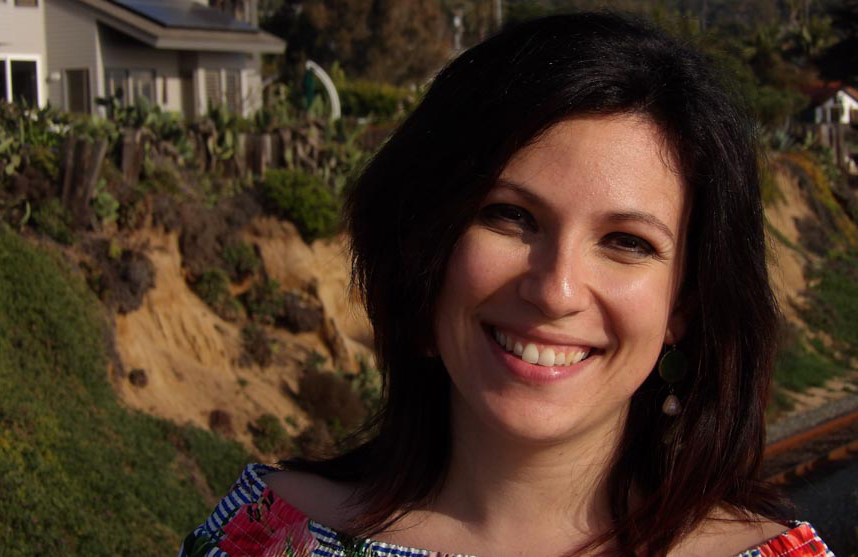
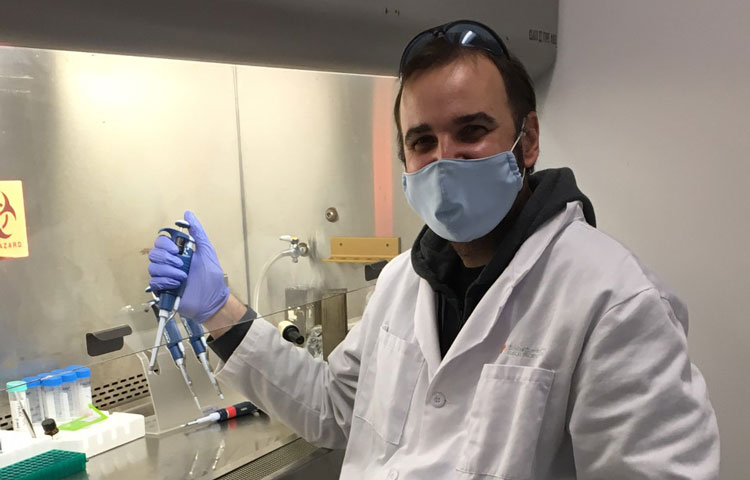
Molecular biologist Jonatan Matalonga-Borrel, PhD, a postdoctoral researcher in the Dong lab at Sanford Burnham Prebys, is at the forefront of this effort. We caught up with Matalonga-Borrel as he prepares to take the virtual stage at DASL (the Diversity and Science Lecture Series at UC San Diego) to learn more about his work and his interests outside of the lab.

Did you always know you wanted to be a scientist?
I actually wanted to be an airplane pilot until my senior year of high school. But during the application process, I learned that I have very mild color-blindness, so I had to quickly decide what I wanted to do next. I pivoted to biology, a topic where I had some interest, thinking I would become a teacher. Then, when I was in college, I got the opportunity to complete a lab internship, which is where I discovered my passion for research. I would have never guessed that I would be where I am today, leading a project that might directly help families and children.

What do you study, and what is your greatest hope for your research?
I study Alagille syndrome, a rare disease that affects kids from the day they are born. Many organs are affected, especially the heart and the liver, and almost half of these children die before the age of 19.

Luckily, Alagille syndrome is associated with mutations in only two genes, both belonging to the same pathway, called Notch. This makes our goal easier to achieve: identify drugs that target Notch, which currently don’t exist. I’m excited that we’ve identified a promising option. My greatest hope is to create a medicine that truly helps these children and their families, who currently live without any treatment.

When you aren’t working in the lab, where can you be found?
You will likely find me playing golf at Torrey Pines! There is nothing like playing a twilight round, feeling a slight breeze and looking at the immensity of the Pacific Ocean. With that said, since I became a father, my golfing time has been severely impaired. Now it’s most likely that you’ll find me at home, entertained by the early stages of development of my son…and changing a lot of diapers!

What do you wish people knew about science?
How patient one has to be to move science forward. It can take weeks—or months—of trial and error until a big breakthrough happens.

We live in a world that seems to spin faster and faster. It is critical for our society to understand that proper science is not about rushing experiments. It is about setting the right ones.

How do you think your lab colleagues would describe you?
Upbeat, reliable and organized (hopefully!).

How has the pandemic affected your life?
I had my first baby last June, and the pandemic prevented any relatives to come from our home country, Spain, and meet their first grandchild. Thankfully, we had Skype to get in touch. Looking on the bright side, daycares have never been so clean, and the rate of sickness around kids has dropped significantly!

What is the best career advice you have ever received?

“Have fun and make friends,” from Dr. Eduardo Chini of the Mayo Clinic. It is possible to do great science and have fun—don’t feel guilty about it. My best collaborations came from my greatest friendships among colleagues.

What do you wish people knew about Sanford Burnham Prebys?
It’s an amazing community. Science moves forward thanks to communication and collaboration and it wouldn’t happen without a strong sense of community. This includes wise faculty members who train graduate students and postdocs, an Office of Education and International Services that offers year-round seminars and workshops, and a group I am part of, called SBP-Social Network (SBP-SN), which organizes fun social and scientific events. All of this creates a place where scientific excellence thrives.

Institute News

Meet the winners of the heartfelt Eric Dudl scholarship award

AuthorMonica May
Date

January 19, 2021

Award pays tribute to postdoctoral researcher who succumbed to cancer at age 33

Eric Dudl’s lifelong dream to be a scientist was just starting to come true. He’d begun his postdoctoral research in a cancer lab at Sanford Burnham Prebys, where he was known as kind, helpful and the “go-to guy” when an unfamiliar piece of machinery arrived.

Watch the virtual ceremony honoring the winners of the Dudl scholarship award, including remarks by Eric’s family, their faculty mentors and the interim head of our National Cancer Institute (NCI)-designated Cancer Center, Ze’ev Ronai.

Then, at age 32, he was diagnosed with cancer. The diagnosis only reaffirmed his passion for science, and he often returned to the lab after a long day of chemotherapy.

“One day when he was quite ill, I looked at Eric and said, ‘Why don’t you take some time off of work. Get your energy back and go back in when you feel better,’” says Jim Dudl, MD, Eric’s father, at the ceremony honoring this year’s scholarship recipients. “He immediately looked up at me and said, ‘Why would I do that? This is the best job in the world!’”

Eric underwent five rounds of chemotherapy, but the tumor was aggressive. Only nine months after the initial diagnosis, he succumbed to the cancer. He was 33.

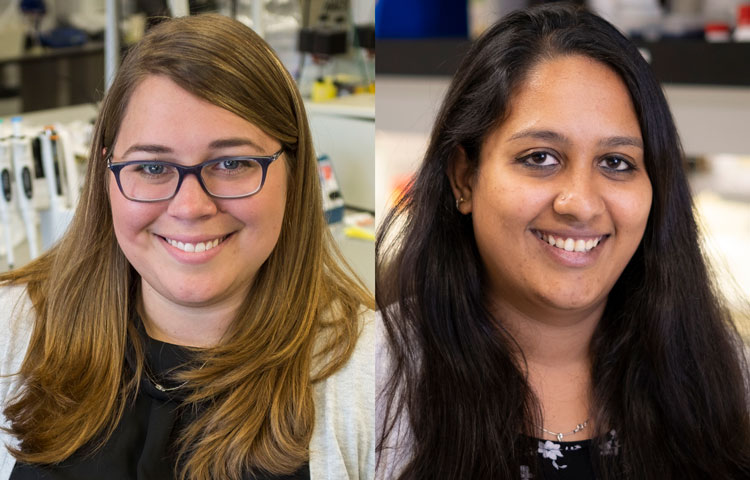
Today, Eric’s memory lives on in the form of the Eric Dudl Endowed Scholarship Award, created by Eric’s family in 2007 to support talented postdoctoral researchers working in the cancer field. This year’s virtual event celebrated the 2019 and 2020 scholarship winners: Jennifer Hope, PhD, a postdoctoral researcher in the Linda Bradley lab; and Archna Ravi, PhD, a postdoctoral researcher in the Brooke Emerling lab.

“This scholarship fund is truly the best way that we can honor Eric because he was so passionate about education and supporting others,” says Bret Dudl, Eric’s brother. “The fact that he now helps other postdocs further their work to fight cancer is exactly what he would have wanted.”

Eric Lau, Robert Tinoco, And Gaurav Pathria

Where are they now? From left to right: Past Dudl Scholarship award winners include Eric Lau, now an assistant member at the Moffitt Cancer Center; Robert Tinoco, now an assistant professor at UC Irvine; and Gaurav Pathria, now a scientist at Genentech.

As in past years, each scientist was nominated by leaders at Sanford Burnham Prebys’ National Cancer Institute (NCI)-designated Cancer Center and then selected by Institute president and Pauline & Stanley Foster Presidential Chair Kristiina Vuori, MD, PhD

“These talented scientists truly pick up where Eric had to leave off,” says Barbara Dudl, Eric’s mother. “We are so grateful to the Institute for their compassion for Eric during his illness and as we worked to create this scholarship, and the scientists who are now working on discoveries that might one day save the life of someone like Eric.”
 

Jennifer Hope, PhD (Linda Bradley lab)

Tell us a little bit about your research. If all goes well, what do you hope to achieve?
I’m working to understand why the immune system, specifically T cells, seems to turn a “blind eye” to tumors—in contrast to other foreign invaders such as viruses.

Over the last few years, our studies have pinpointed one molecule that transforms T cells and can help slow, stop, and in some cases, even eliminate, tumors in mice.

My ultimate hope is that we use this information to create better cancer treatments, particularly for skin cancer (melanoma), which remains a deadly cancer. 

What does this award mean to you?
It is a great honor to have received this award, particularly because of the story behind it! We may all have different reasons for going into science and research, but one thing we all share is passion for our work. We also know how taxing cancer therapies can be on a patient’s mind, body and soul, so for Eric to have continued his work with such diligence while undergoing treatment is truly inspirational and speaks to his resilience and character.

How does this award advance your work?
With this award, I was able to travel to Pittsburgh, Pennsylvania, where I spent a week in the lab of a renowned T cell expert. There, I gained invaluable hands-on experience with assays that I could bring back to my lab here and have already implemented in our work. The timing of this award, which I received in 2019, was very lucky. I completed the weeklong residency in January of 2020 just before COVID-19 had taken off in the U.S.
 

Archna Ravi, PhD (Brooke Emerling lab)

Tell us a little bit about your research. If all goes well, what do you hope to achieve? 
Scientists know that rapidly growing cancer cells become desperate for nutrients and start to use alternative pathways to get “food.” It’s a bit like, “If you aren’t going to feed me, I’m going to feed myself.” I’m studying a family of proteins that controls two of these alternative pathways (autophagy and mitochondrial metabolism). If we can block two important ways a tumor “feeds” itself, we believe we can create a very effective drug that can starve a tumor.

I hope my work will ultimately lead to better cancer therapeutics, especially for triple-negative breast cancer and sarcomas. These are very difficult tumors to treat; and we need better, targeted therapies to help more people survive these cancers.

What does this award mean to you personally?
Anyone who has heard Eric’s story has been inspired by it. It’s the sort of dedication and perseverance that I hope to achieve in my career. In the face of the disease, Eric chose to continue working on something he truly enjoyed and believed in. It’s about doing what you’re passionate about no matter what hurdles are thrown your way. For my work to be recognized with this scholarship is a great honor.

How will this award advance your work? What will you be able to achieve now? 
As a postdoctoral researcher, I’m on the threshold of a new path in my career. I plan to use the funds to “attend” conferences where I can share my work and network with people all over the world. This award really supports my career goal of becoming an independent scientist.

Anything else you would like us to know? 
For me, cancer research is not just about doing good science. It’s about ensuring that no one has to fear losing loved ones to this disease. My mom was diagnosed with breast cancer a few years back. Thankfully, she’s doing well now after surgery and chemotherapy. But that experience, and the fear that we both felt, stays with me today.

Along these lines, many people aren’t aware that the research needed to create a new drug starts at nonprofit organizations such as Sanford Burnham Prebys. The hardest part—the actual science notwithstanding—is getting the funding to carry out such research. No contribution to science is too small! Every gift increases the chances that we can find new treatments.

Read more about the Eric Dudl Endowed Scholarship Fund, or support early-career researchers, by donating to the fund. 

Institute News

19th annual Trainee Research Symposium is a virtual success!

AuthorSusan Gammon
Date

October 5, 2020

Sanford Burnham Prebys’ annual Trainee Research Symposium is dedicated to highlighting the research of postdoctoral scientists and advanced graduate students.

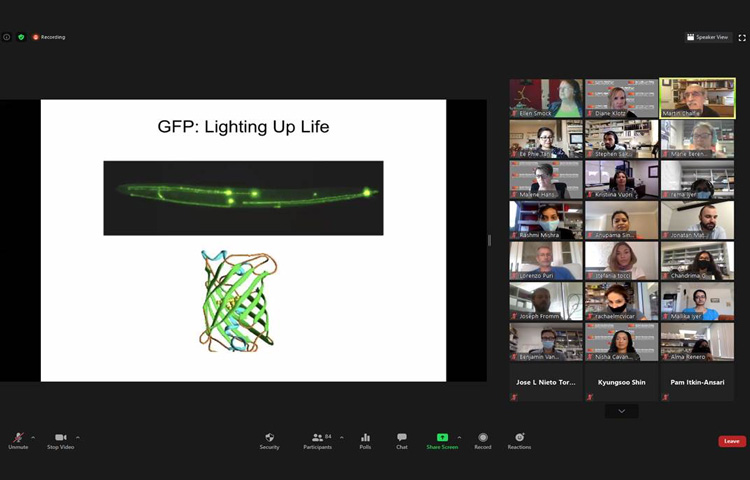
This year, nearly 40 early-career scientists presented their research during an engaging two-day, jam-packed Zoom call that went off without a hitch.

After opening remarks by Malene Hansen, PhD, professor and faculty adviser for Postdoctoral Training, the podium and poster presentations began. Faculty, trainees, staff scientists and other interested parties navigated through sessions that ranged from new approaches to conquer brain cancer to the molecular basis of aging. The event gives “up-and-coming” scientists an opportunity to receive feedback on their work, explore potential new collaborations and receive prize money to support career development activities.

“We’re fortunate to be starting our careers at Sanford Burnham Prebys where the scientific research is significant and diverse,” says Cynthia Lebeaupin, PhD, a best poster presentation award winner. “I’m grateful to be able to present my project, which is focused on the link between fatty liver disease and cancer, to colleagues from different disciplines, such as cardiac disease and immunology. Their questions about my research bring fresh perspectives and spark new ideas.”

Keynote speaker Martin Chalfie, PhD, a Nobel Laureate in Chemistry and professor at Columbia University, opened day two of the event with a presentation titled, “GFP: Lighting Up Life,” detailing the journey that led to his discovery of GFP—a fluorescent protein that revolutionized how scientists look at the inner workings of living cells. Chalfie followed with an informal “Ask Me Anything” session where he shared his passion for mentoring early-career scientists.

C. Randal (Randy) Mills, PhD, CEO of Sanford Burnham Prebys, closed the event with a happy hour exclusively attended by trainee presenters—an opportunity for everyone to get to know more about his experiences as a PhD student and how his career evolved to his current position as leader of our world-class biomedical research Institute.

Many congratulations to all who participated in the symposium, and thanks to the organizers at the SBP Science Network and the Office of Education, Training, & International Services (OETIS).

This year’s symposium winners are:

Best Podium Talk – Judges Selection

Natalie Kirkland, PhD
Engler/Bodmer Labs
Runner-up
Stephen Sakuma
D’Angelo Lab

Honorable Mentions

Mallika Iyer
Godzik Lab
Jaime Zlamal, PhD
Osterman Lab

Best Poster –Judges Selection

Cynthia Lebeaupin, PhD
Kaufman Lab
Rashmi Mishra, PhD
Dong Lab
Ee Phie Tan, PhD
Hansen Lab

Best Podium Talk – Popular Vote

Stephen Sakuma
D’Angelo Lab

Honorable Mention

Jaime Zlamal, PhD
Osterman Lab

Institute News

Celebrating the next generation of biomedical trailblazers at the 19th annual Fishman Fund Awards

AuthorMonica May
Date

September 22, 2020

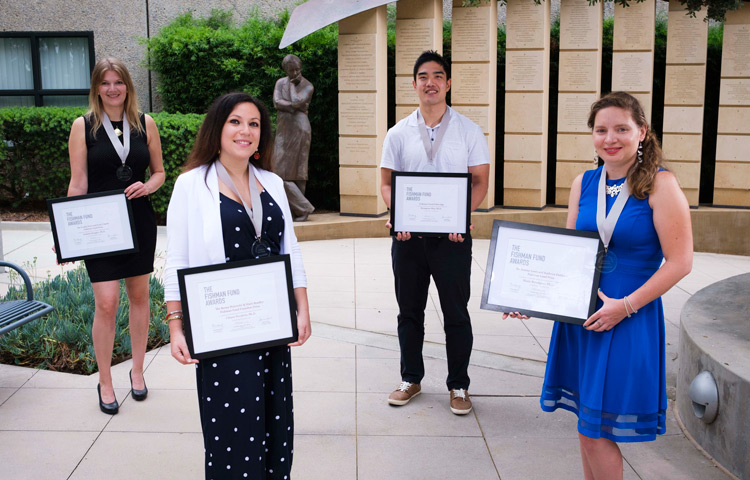
Four talented early-career researchers were awarded prestigious Fishman Fund Awards.

When Dr. William and Lillian Fishman founded our Institute in 1976, they knew that nurturing the next generation of scientists was just as important as advancing cutting-edge research. Today, their values live on in the form of the Fishman Fund Awards, which help exceptional postdoctoral researchers develop into scientific leaders.

On September 24, four talented early-career researchers received the prestigious award during an inspiring virtual ceremony. Generous benefactors, past award winners, and family and friends tuned into the event, which featured remarks from Institute president Kristiina Vuori, MD, PhD; professor and Fishman Fund Award recipient José Luis Millán, PhD; Fishman Fund co-founder Reena Horowitz and co-founder designee Jeanne Jones.

“The Fishmans firmly believed in helping brilliant early-career postdoctoral scientists become great principal investigators,” says Ms. Horowitz, who established the Fishman Fund Awards in 2001 with her late friend Mary Bradley. “Our goal with these awards is to encourage and support these researchers in their quest for the next great medical breakthroughs, which might one day be able to save the lives of our family members, friends and neighbors.”

Fishman Fund winners undergo a rigorous selection process that includes a personal interview and a presentation to the selection committee. All winners receive a $10,000 career development award that can be used to attend workshops, network and travel to national and international conferences to learn about the latest developments in their research fields. The winner of the Fishman Fund Fellowship receives a two-year salary stipend in addition to the professional development funding.

Meet this year’s Fishman Fund Award winners

Fishman Fund Fellowship Award

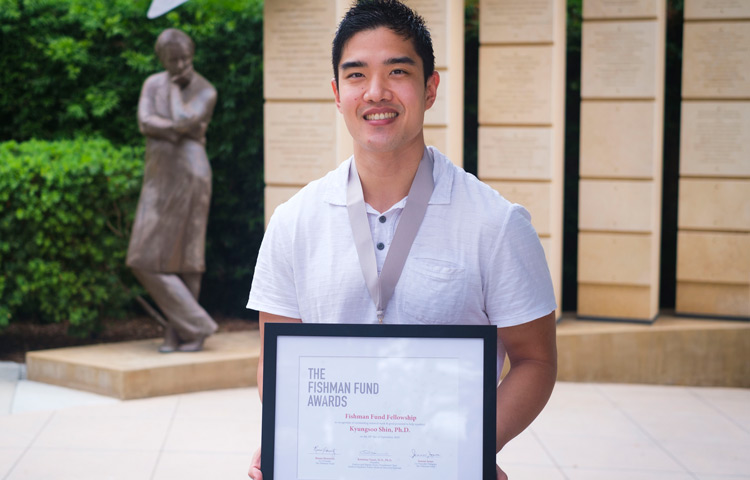
Kyungsoo Shin, PhD, grew up in Halifax, Nova Scotia, in Canada, where he also attended Dalhousie University for his undergraduate and graduate studies. Dr. Shin works in the laboratory of Dr. Francesca Marassi, where he is advancing a potential treatment for age-related macular degeneration, a leading cause of vision loss in people over the age of 60. Dr. Shin recently showed that a protein called vitronectin is the likely cause of the pebble-like deposits in the back of the eye that underlie the disease. With this information, scientists can now work toward a treatment to prevent vision loss.

Dr. Shin’s career goal is to become an independent researcher focused on understanding how cellular membranes—gatekeepers that regulate what enters or exits a cell—are involved in disease. He hopes to mentor and inspire the next generation of scientists to advance our understanding of human biology.
 

Fishman Fund Career Development Awards

Marie Berenguer, PhD, grew up near Paris and went to school in Bordeaux. She is currently studying in the laboratory of Dr. Gregg Duester and focuses on how a compound called retinoic acid affects the way embryos are formed. Her work may open new avenues to prevent and treat birth defects.

Dr. Berenguer’s career goal is to become a principal investigator and lecturer in genetics and developmental biology. By leading her own research team, she hopes to improve our understanding of genetic diseases and lay the foundation for future therapies.

Daniela Dengler, PhD, is from Germany, where she studied pharmacy and worked in a pharmacy for a year before she decided to pursue her PhD at the Friedrich-Alexander University in Erlangen-Nuremberg, Germany. Dr. Dengler works in the Conrad Prebys Center for Chemical Genomics with Dr. Eduard Sergienko. She is searching for new drugs that bind to proteins called G-protein coupled receptors (GPCRs), which mediate many physiological processes in the body. More than 30% of all FDA-approved drugs act on GPCRs.

Dr. Dengler’s career goal is to become a project leader in biotech, where she wants to combine her background in chemistry with her knowledge in assay development and high-throughput screening to find drugs for unmet medical needs.

Chiara Nicoletti, PhD, grew up in Gela, in Sicily, and received her PhD at the University of Padua in northern Italy. Dr. Nicletti is in Dr. Pier Lorenzo Puri’s lab and is studying the links between genetic sequences and risk of disease. Her research will open new avenues to help clinicians practice personalized medicine—including predicting who is likely to get a disease, how to prevent it, how to treat it and perhaps even cure the condition.

Dr. Nicoletti’s career goal is to become a principal investigator, leading her own research team that focuses on integrating foundational research with everyday medical practice to improve human health.

Watch the Fishman Fund Awards ceremony, which featured remarks from Institute president Kristiina Vuori, MD, PhD; professor and Fishman Fund Award recipient José Luis Millán, PhD; Fishman Fund co-founder Reena Horowitz and co-founder designee Jeanne Jones.

Learn more about the Fishman Fund, or, donate now, to support future scientific leaders.

Institute News

Meet molecular biologist Kyungsoo Shin

AuthorMonica May
Date

September 22, 2020

Kyungsoo Shin is the winner of this year’s prestigious Fishman Fund Fellowship Award, which helps talented early-career researchers become scientific leaders

While growing up, Kyungsoo Shin always found himself drawn to science. Learning how the body works was endlessly fascinating to him. But it wasn’t until he was in the middle of his PhD that he became officially hooked on research.

“I was doing a long 16-hour experiment, and around 9 or 10 p.m. I started getting really positive results. I was so excited that I called my supervisors at the time,” recalls Shin. “Even though it was so late, they were just as happy as I was! That was my first introduction to how intoxicating research can be, and the power of a supportive community.”

Today, as a postdoctoral researcher at Sanford Burnham Prebys, Shin is applying his passion for discovery to an area of great need: finding a treatment for dry age-related macular degeneration (AMD). No treatments currently exist for the common condition, which is the main cause of vision loss for people over the age of 60. As a new father, this research became especially meaningful to Shin.

“My son is 3 months old, and just started to smile and laugh,” says Shin. “I couldn’t imagine one day not being able to see him, or my grandchildren. If I had dry AMD, I probably wouldn’t be able to even drive to go see him. I don’t want to imagine that sort of life for anyone.”

Working with a world-renowned scientist

Shin has found a wise mentor in Professor Francesca Marassi, PhD, one of the world’s leading experts on nuclear magnetic resonance (NMR) spectroscopy. This technology allows scientists to see the shape of a protein, which enables rational drug design. When the job posting first appeared, Shin was writing his PhD thesis—but his supervisor told him to stop writing and apply to the position immediately. The opportunity to work with Marassi was too important.

“Learning from her has fundamentally changed who I am as a scientist,” says Shin. “Before I used to think in terms of completing projects. Now I ‘follow the science,’ which means let the data lead me to my next step.”

This approach has proved successful: Marassi and Shin recently uncovered a new drug target for dry AMD. Using NMR and other cutting-edge technologies located at the Institute, they deciphered the shape of a protein called vitronectin. Then they showed that the sticky, propeller-shaped protein likely “seeds” the formation of pebble-like structures in the back of the eye that cause vision loss.

Fishman Fund Award advances key research

Now, with the support of the Fishman Fund Fellowship Award—which provides a salary stipend and $10,000 for career development—Shin can attend scientific conferences that will help him think outside of the box and grow as a scientist. Receiving an award in honor of the Fishmans—who started the Institute after reaching mandatory retirement age—is special to Shin.

“The Fishmans were so devoted to pushing our understanding of human health that they continued their research even when they didn’t have to,” says Shin. “To receive a fellowship that is named after such inspirational and honorable people is truly an honor. I have a great sense of responsibility to advance research that will have a positive impact on humanity, and could one day benefit my son or his children.”

Sanford Burnham Prebys is grateful to the generous Fishman Fund donors who make the career development awards possible. Learn more about the Fishman Fund, or donate now, to support future scientific leaders.

Institute News

18th Annual Fishman Fund Award ceremony celebrates the next generation of biomedical trailblazers

AuthorSusan Gammon
Date

September 23, 2019

Three talented early-career researchers were presented with a prestigious Fishman Fund Award at the annual ceremony on September 19. More than 100 generous benefactors, past award winners and family and friends joined the celebration held at the Sanford Consortium. The awards honor the Institute’s founders, Dr. William and Lillian Fishman.

Reena Horowitz, who along with her close friend Mary Bradley established the Fishman Fund Awards, welcomed the audience and shared how the Fishmans truly believed that young researchers need a boost from time to time—and that these awards do exactly that. Recipients who are selected from a pool of Sanford Burnham Prebys postdocs use the $10,000 stipend to attend workshops, network and travel to national and international conferences to learn about the latest developments in their research fields. 

“The young researchers at Sanford Burnham Prebys make discoveries that have an impact in San Diego as well as helping advance science and health around the world,” said Horowitz. “The Institute motto could not ring truer: From Research the Power to Cure.”

Professor Hudson Freeze—one of the very first Fishman Fund Award winners and now director of the Institute’s Human Genetics Program—shared how his nearly 40 years of research has established him as a magnet for a global community of families seeking treatments for rare childhood diseases. He encouraged this year’s winners to take advantage of working in a world-class research center and to pursue meaningful research that will open new avenues to improve human health.

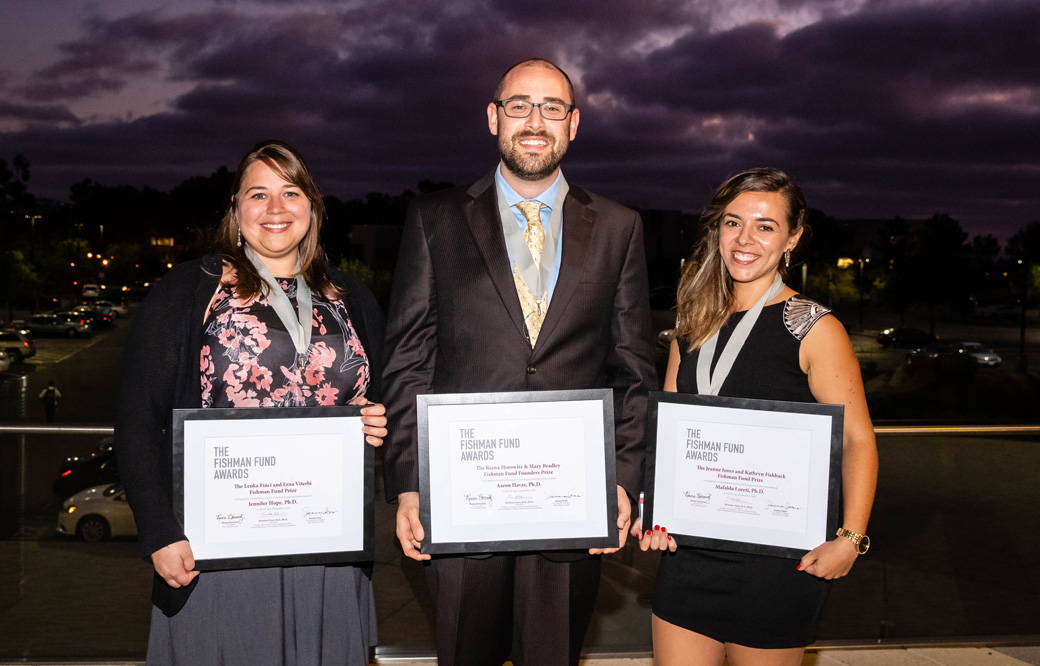
Jennifer Hope, PhD, was presented with the Lenka Finci and Erna Viterbi Fund Prize by Horowitz and Institute supporter Judy White. Dr. Hope works in the laboratory of Professor Linda Bradley, where she is studying cellular and molecular mechanisms that drive the development of T cells that attack cancer. Jennifer’s career goal is to become an independent investigator focused on research to promote patient responsiveness to cancer therapies.

Mafalda Loreti, PhD, was presented with the Jeanne Jones and Kathryn Fishback Fund Prize by Fishman Fund co-founder designee Jeanne Jones and longtime Institute supporter Sam Horowitz. Dr. Loreti is studying the mechanisms that promote muscle growth and repair in the laboratory of Associate Professor Alessandra Sacco. Her career goal is to become an independent researcher in an academic setting, where she will explore the biology of muscle pathologies and approaches to improve muscle health.

Aaron Havas, PhD, received the Reena Horowitz and Mary Bradley Fishman Fund Prize from Horowitz and Institute supporter Doreen Schonbrun. Dr. Havas works in the lab of Professor Peter Adams, where he studies how aging affects gene regulation. His career goal is to work in the biotech industry exploring drugs that target the process to promote healthy aging.

Since the fund’s inception in 2001, 64 prizes have been awarded. Every other year, a 24-month fellowship that provides salary support is given to a deserving postdoc. The fellowship was awarded in 2018, so it will be given again at next year’s ceremony.

The generosity of our Fishman Fund donors enables the tradition of providing career advancement opportunities. On behalf of all of us at Sanford Burnham Prebys, we thank you for your support.

Institute News

SBP scientist presents at Fleet Science Center to help the public better understand precision medicine

AuthorMonica May
Date

January 29, 2019

From how much coffee we can tolerate to the amount of weight we can lift, our bodies differ from one another in myriad ways. But when it comes to medicine, historically every patient with the same disease or condition has received the same treatment—even though individual responses vary wildly. 

Now, technological advances are enabling medicine to move from “one size fits all” to tailored treatments based upon one’s specific genes. This approach is called precision medicine. 

This December, under the dome of the Fleet Science Center’s IMAX theater, Jessica Rusert, PhD, a postdoctoral researcher in the lab of Robert Wechsler-Reya, PhD, explained the promise and potential of precision medicine to a crowd of nearly 100 people as part of the museum’s Senior Monday presentation series (if interested, check out the 2019 schedule). 

We caught up with Rusert to learn more about the goals of precision medicine and her work in the Wechsler-Reya lab. 

Before the advent of precision medicine, how did doctors typically treat patients? 
In the past, all patients who had the same disease—say, breast cancer—received the same treatment, which was most likely surgery followed by chemotherapy and radiation. Your treatment might change if you have more advanced disease—in which case the approach would be more aggressive. But typically treatment was based upon physical criteria: the location of the tumor, your symptoms or how the tumor looks under a microscope. That’s not to say this is a bad approach; it was simply the only information doctors and scientists had to work from. 

What catalyzed the movement from one size fits all to personalized treatment?
The invention of DNA sequencing has revolutionized personalized medicine. As the cost of sequencing decreases and the use of the technology swells, we will glean even more information from the genome, and personalized medicine will expand further to new areas. 

What is the ultimate goal of precision medicine? 
Precision medicine aims to treat the right patient, with the right drug, at the right time.

How far away is precision medicine from this goal? 
We are making inroads, but it is still early days for precision medicine. Currently, we are making the most progress in cancer. But despite these advances, the vast majority of cancers—including the pediatric brain cancer our lab studies—are treated with surgery, chemotherapy and radiation. 

As scientists learn more about the underlying cause of disease(s), precision medicine will expand to new cancers and new disease areas. These advances are happening now, and for some cancers, the outlook is already much better than it used to be. Perhaps one day we will have personalized treatments for schizophrenia and autism. The approach is mostly limited by how much we know about a disease. 

What is an example of a precision medicine? 
The breast cancer treatment Herceptin® is a great example of a precision medicine. 

Cells in our body use molecular antennae called receptors to sense and respond to their environment. One receptor, called HER2, controls cellular growth, and is involved in the development of breast cancer. 

Herceptin works by blocking the HER2 receptor. Then, the receptor can’t tell cells to grow, and tumor growth stops. 

However, this medicine only works if your tumor cells have this receptor. HER2-positive breast cancer means your cells have this receptor. HER2-negative breast cancer means you do not have the receptor, and thus Herceptin wouldn’t work for you. So people with breast cancer are tested to ensure they have the HER2 receptor before receiving Herceptin. 

Herceptin has saved thousands of lives. It is a true testament to the power of precision medicine. 

What was a popular question from the audience?
A lot of people wondered if there’s a way to prevent cancer. This is understandable—cancer is scary, and we want to do all we can to stop it. But it’s a difficult question to answer. The science isn’t there yet. We are only just now starting to understand how to help people who have acute disease. We may understand how to prevent cancer one day—but that will take decades, not years. 

How do you use precision medicine in your work?
In the Wechsler-Reya lab, we are working to find personalized treatments for children with brain cancer. We are studying the most common malignant pediatric brain cancer, called medulloblastoma. 

Children with medulloblastoma undergo surgery to remove the tumor and then undergo chemotherapy and radiation treatment. This treatment is hard for adults to go through—and even more devastating for a developing child. The treatment leaves long-term effects, including cognitive impairment and increased risk of other cancers due to the DNA damage caused. A treatment that reduces or eliminates these side effects is urgently needed. 

Scientists are learning that medulloblastoma is not one cancer, but actually four clearly defined subgroups. We are working to better understand these subgroups so we can develop targeted treatments that are customized to each cancer type (read the lab’s recent discovery). 

Where is precision medicine heading in the future? 
Right now, most precision medicine focuses on our DNA, but there are many other ways we differ from one another. But increasingly, scientists are working toward precision medicine that also takes into account RNA, proteins, our metabolism, the epigenome (molecular tags on DNA) and more.

Interested in keeping up with SBP’s latest discoveries, upcoming events and more? Subscribe to our monthly newsletter, Discoveries.

Institute News

American Heart Association awards postdoctoral fellowship to SBP scientist

AuthorMonica May
Date

January 23, 2019

It’s no surprise that muscles are important to our metabolism: it’s why building muscle at the gym can accelerate weight loss. 

Scientists are particularly interested in how muscle metabolism affects the heart, arguably the most important muscle in the body. With heart disease remaining the number-one killer of men and women in the U.S., the hunt is on to better understand the molecular mechanisms of the heart so we can develop better treatments. (Learn more about heart disease at our upcoming SBP Insights event.) 

Research is revealing that altered communications between skeletal and heart muscle increases the risk of heart disease. But the molecular mechanisms behind this link are currently unknown. 

Now, the American Heart Association has awarded a two-year postdoctoral fellowship to SBP’s Chiara Nicoletti, PhD, to study the genetic basis of metabolic changes in skeletal muscle that ultimately lead to heart disease. Nicoletti works in the lab of Pier Lorenzo Puri, MD, professor in the Development, Aging and Regeneration Program at SBP. 

Findings from Nicoletti’s work could uncover therapeutic targets for heart disease and/or lead to a prognostic tool that could predict heart disease risk. Both developments would be much-needed advances in the battle against heart disease. 

Interested in keeping up with SBP’s latest discoveries, upcoming events and more? Subscribe to our monthly newsletter, Discoveries.

Institute News

Usue Etxaniz Irigoien awarded Fishman Fund Fellowship

AuthorSusan Gammon
Date

June 13, 2018

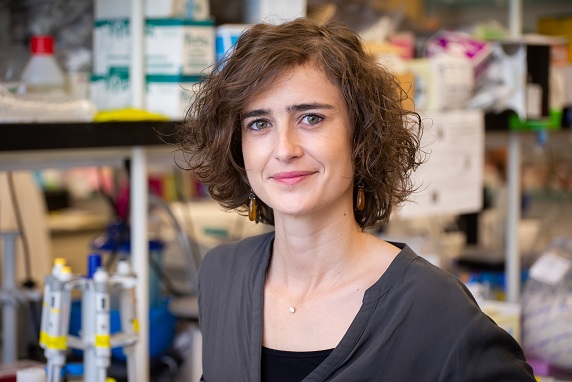
Congratulations to SBP postdoc Usue Etxaniz Irigoien, PhD—the recipient of the 2018 Fishman Fund Fellowship. This prestigious award is a “super stipend” given to exceptional young researchers in recognition of their research accomplishments and in support of their future research plans. Etxaniz Irigoien will use the financial support to continue her research on muscle biology—explorations that may lead to treatments for disorders such as muscular dystrophy and amyotrophic lateral sclerosis (ALS).

“I’m honored to receive this special fellowship,” says Etxaniz Irigoien. “I came to SBP to pursue my interest in muscle development and regeneration, and have been so fortunate to work with world-renowned, collaborative scientists with similar interests. This award makes the whole experience even better, and secures my ability to continue making discoveries that may one day improve human health.”

Etxaniz Irigoien, a postdoc in the laboratory of Pier Lorenzo Puri, MD, PhD, professor in the Development, Aging and Regeneration Program at SBP, studies a type of muscle cell called fibro-adipogenic progenitors, or FAPs. These are the cells that act as intramuscular sensors and effectors, which means that FAPs can detect “alert” signals and generate different responses by orchestrating other cells’ activity upon different muscle perturbations. In healthy conditions, when muscle suffers an injury, FAPs cue muscle stem cells to repair the damaged muscle fibers. However, in disease (i.e., muscular dystrophies or neuromuscular disorders such as ALS), FAPs’ activity results in fibrosis, fat deposits and other detrimental events that contribute to disease progression.

“If we can begin to uncover how FAPs support muscle regeneration, or contribute to muscle degeneration in different environments, i.e., healthy versus disease tissue, we can look for potential therapeutics that will move the process toward the healthy state,” says Etxaniz Irigoien. “This is so important because today there are no effective therapeutics for dystrophies or ALS, and it’s time we make progress to help these patients.”

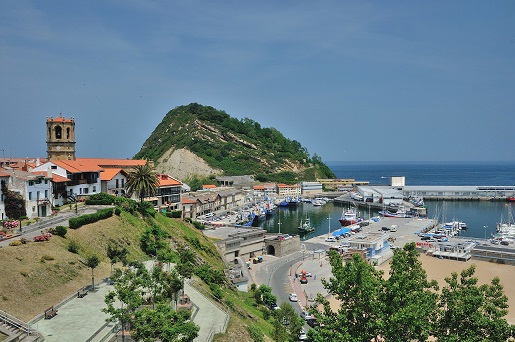
Etxaniz Irigoien has come a long way from her hometown of Getaria, a small fishing village located in the Basque Country of Northern Spain. She says, “I had a biology teacher who inspired my interest in science, and I have always known I wanted a career in research. My family, most of whom still live in Getaria, are very supportive and excited about my career and this award. In fact, some of them will be traveling to San Diego for the Fishman Fund ceremony in September. I’m very excited for them to visit SBP and meet some of my colleagues.”

Getaria, located in the Basque Country of Northern Spain
 
Usue as young girl in Getaria

The Fishman Fund Fellowship
The Fishman Fund Fellowship was established in honor of Dr. William and Mrs. Lillian Fishman, co-founders of SBP. Applicants must have a doctoral degree, no more than five years of training at any institution, and at least one full year of postdoctoral study at SBP. Fellowship support is for two years in length and covers salary, benefits and a professional-development allowance.

SBP is thankful for the generous Fishman Fund donors who make career development awards possible. If you would like to donate to the Fishman Fund to support young scientists click here.