Aging is not a disease. It cannot be prevented, stopped or reversed.
It is driven, fundamentally, by the inexorable biology of senescence , which dictates that each multicellular organism, using energy from the sun, is able to develop and maintain its identity for only so long. Then deterioration prevails over synthesis, and the organism ages. Entropy always wins.
But there is much we can learn about the aging process, and how it might be tweaked, modified or repaired to extend healthy lifespans. These efforts range from longitudinal studies of the extremely old, their lifestyles, diets and behaviors to understanding basic cellular mechanisms.
Aging
Research at Sanford Burnham Prebys
Oct 7, 2026 Recent Nature showcase features many discoveries made by Cellular Senescence Network program participants.
Oct 7, 2026 Oct 1, 2026 Study from the Kumsta lab shows a complex relationship between cells’ recycling and age and finds exercise may change autophagy…
Oct 1, 2026 Sep 1, 2026 From the Sinha lab, a structural aging atlas highlights hormonal signaling as a potential conductor.
Sep 1, 2026 Aug 31, 2026 Study from the Adams lab shows cell proliferation protein cyclin D1 paradoxically promotes inflammation in non-proliferating senescent cells.
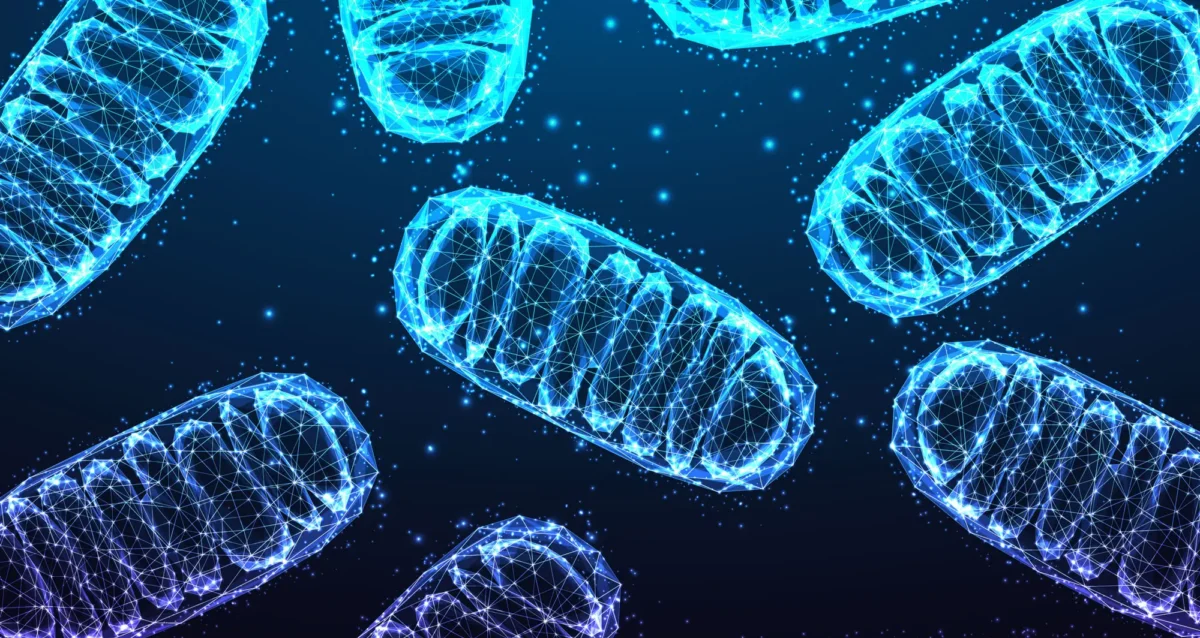
Aug 31, 2026 Aug 20, 2026 Study from the Adams lab finds new mitochondrial pathway in senescent cells that changes how DNA is stored to expose…
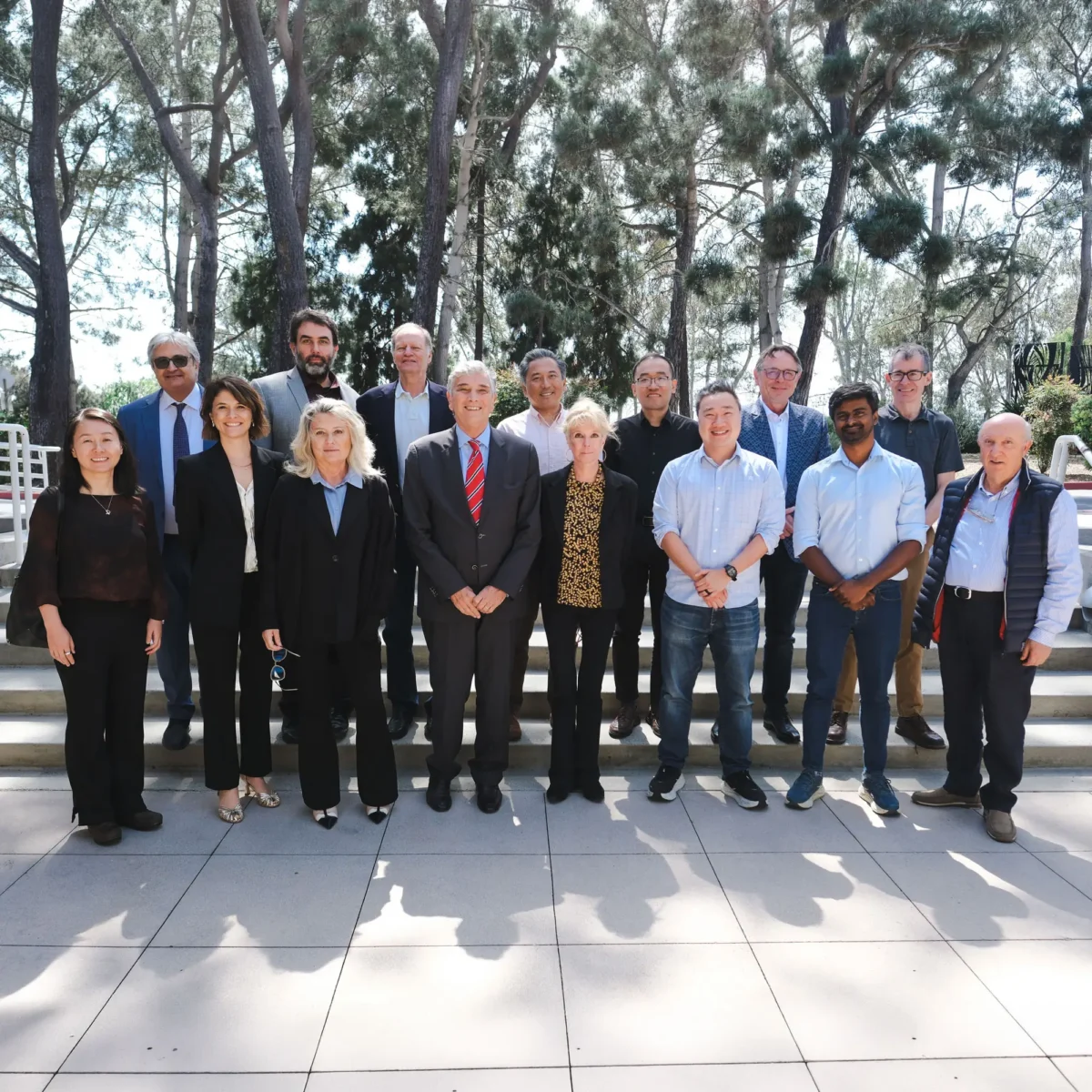
Aug 20, 2026 Jun 8, 2026 The Cilento Initiative on Aging Outcomes (CIAO) held its 11th annual research symposium at Sanford Burnham Prebys, with more than a…
Jun 8, 2026 May 1, 2026 The project’s San Diego-based research team is funded by the California Institute for Regenerative Medicine.
May 1, 2026 Mar 25, 2026 Study from Zhang lab implicates a surprising gene, shows how its mutation affects cells and identifies a potential treatment.
Mar 25, 2026 Mar 16, 2026 Study from the Sinha lab demonstrates a new method for quickly and cheaply predicting telomere length, enables larger experiments.
Mar 16, 2026 Dec 5, 2025 Study from the Sacco lab links the tenascin-C protein to muscle stem cell levels and muscle regeneration, may lead to…
Dec 5, 2025 Mar 14, 2025 Study reveals new information about how to prevent chronic inflammation from zombie-like cells that accumulate with age.
Mar 14, 2025 Aug 22, 2024 Scientists have described a new connection between inflammation linked to aging and a protein involved in storing DNA.
Aug 22, 2024 Jul 11, 2024 By learning how small amounts of stress activate autophagy, researchers may create new approaches to combat age-related disease
Jul 11, 2024 Feb 13, 2024 Getting older is inevitable, but aging may be optional, or at least a treatable condition. Increasingly, researchers are parsing the…
Feb 13, 2024 Jan 3, 2024 Autophagy genes help extrude protein aggregates from neurons in the nematode C. elegans.
Jan 3, 2024 Oct 11, 2023 New research has demonstrated a way to accelerate recovery from peripheral nerve injury by targeting an enzyme that was thought…
Oct 11, 2023 Jul 21, 2023 José Luis Millán, PhD, has joined a five-year, $13 million program that will study misplaced calcification in the eyes and…
Jul 21, 2023 Feb 18, 2020 Discovery could lead to treatments that promote healthy aging or prevent age-associated diseases.
Feb 18, 2020 Experts Available
Media Contacts