education Archives - Page 5 of 10 - Sanford Burnham Prebys
Institute News

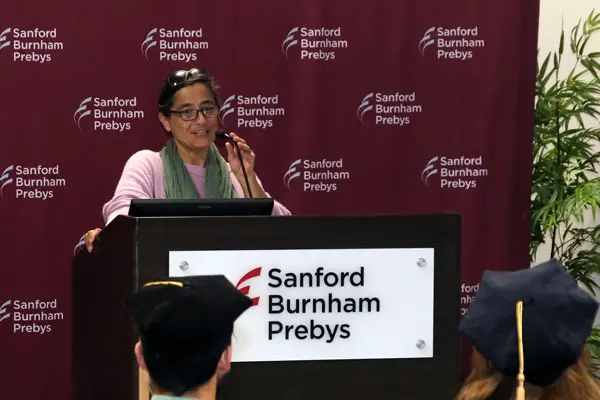
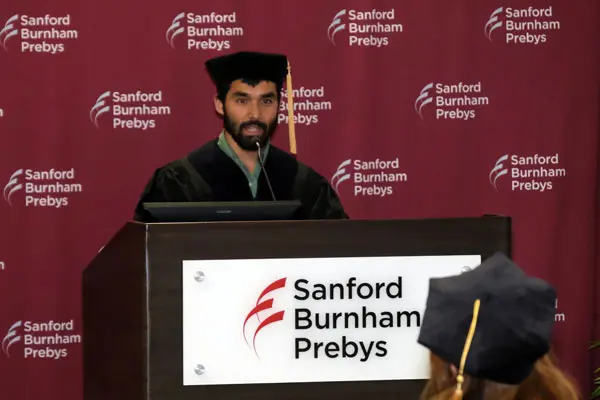
Scientific leaders of tomorrow present at 2023 Annual Trainee Symposium

AuthorSusan Gammon
Date

September 22, 2023

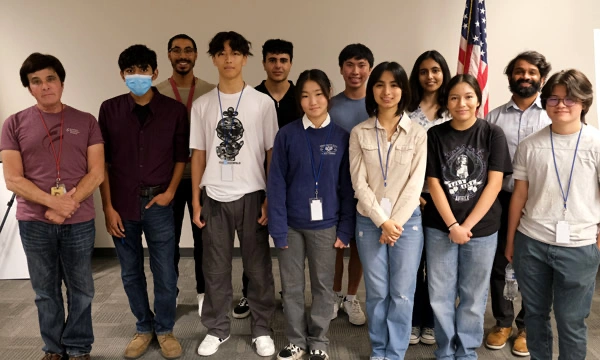
An accomplished group of early-career researchers including postdoctoral scholars, graduate students and staff scientists showcased their work at Sanford Burnham Prebys’ 22nd Annual Trainee Research Symposium on Thursday, September 21st.

After introductory remarks by Sanford Burnham Prebys Professor Guy Salveson, PhD, former dean of the Graduate School of Biomedical Sciences, the scientists gave 20-minute podium presentations about their research, which were judged by a panel of Sanford Burnham Prebys faculty and staff.

Speakers included:

  • Patrick Hagan (Graduate Student, Cosford Lab)
  • Alessandra Cecchini, PhD (Postdoctoral Associate, Sacco Lab)
  • James Kent, PhD (Postdoctoral Associate, Osterman Lab)
  • Theophilos Tzaridis, MD (Postdoctoral Fellow, Adams Lab)
  • Jimmy Massenet, PhD (Postdoctoral Associate, Puri Lab)
  • Merve Demir, PhD (Postdoctoral Associate, Sergienko Lab/CPCCG)
  • Guillem Lambies Barjau, PhD (Postdoctoral Associate, Commisso Lab)
  • Michaela Romero (Graduate Student, Colas Lab)

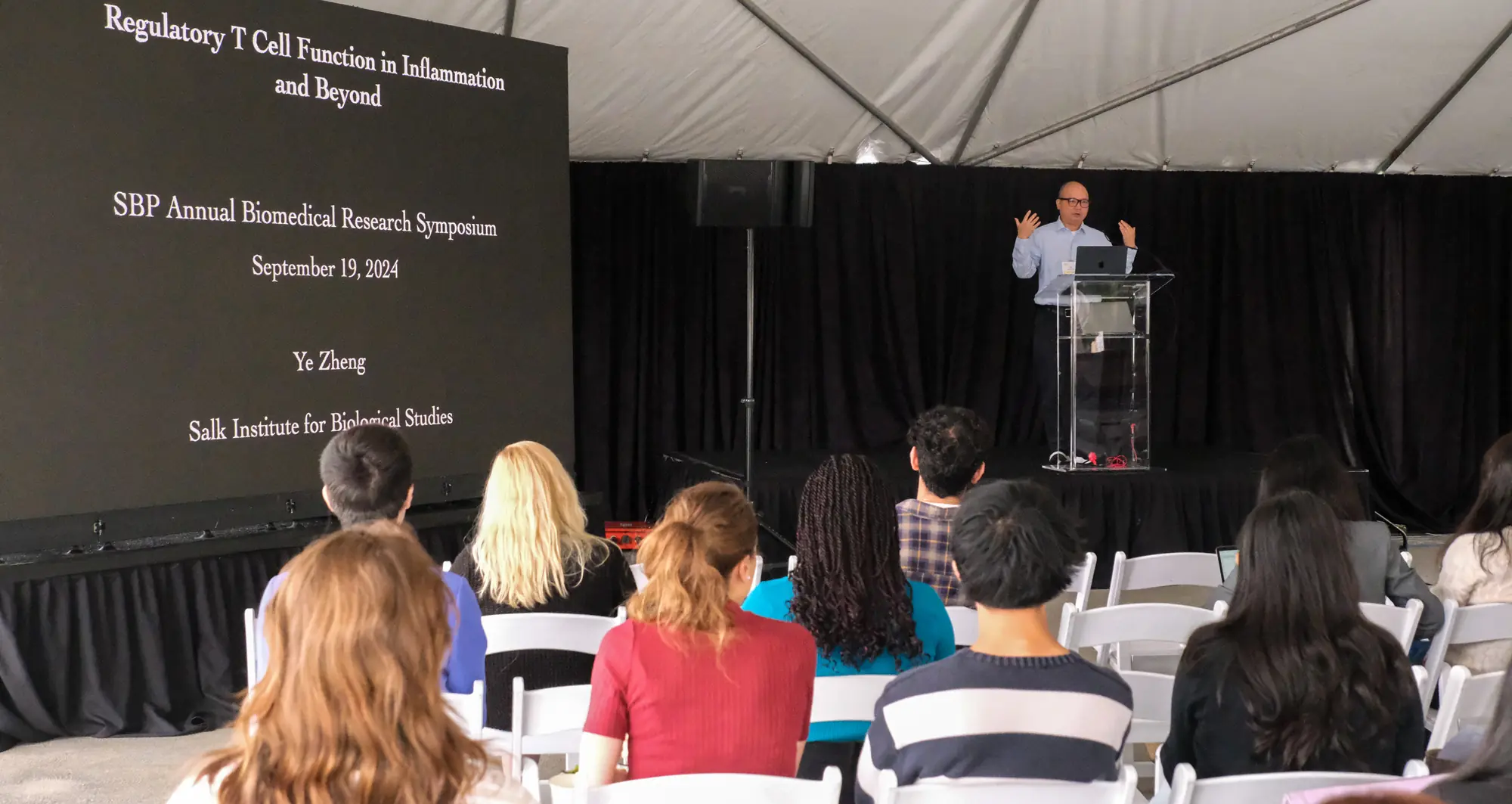
After the first session of presentations, a keynote speech for the symposium was given by UC San Diego Professor Gene Yeo, PhD professor at UC San Diego titled, “Challenges and opportunities in RNA biology for understanding and treating human diseases.” Dr. Yeo is a leader in developing technology and algorithms to explore how RNA-binding proteins influence RNA processing and how dysfunction is associated with human disease.

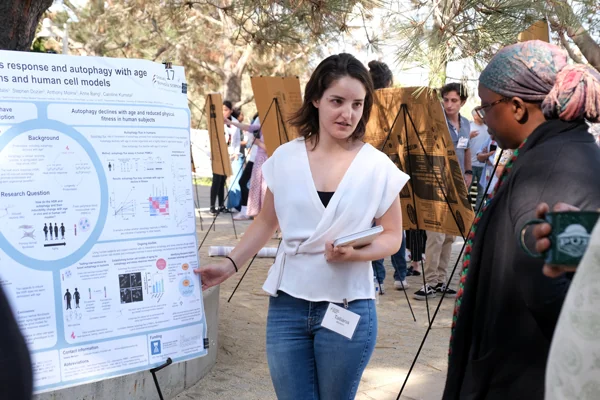
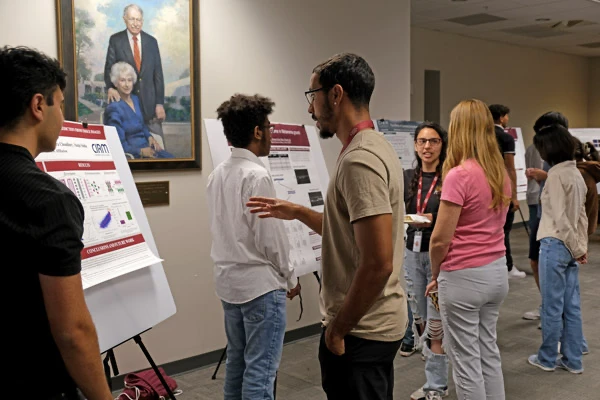
Following closing remarks from Sanford Burnham Prebys CEO David A. Brenner, MD, a poster session was held where more than 25 early-career scientists were given the chance to present their work.

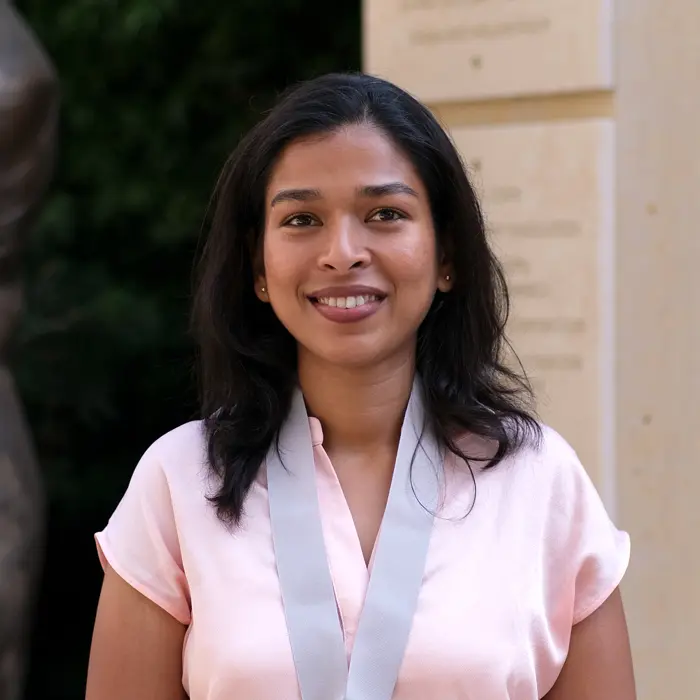
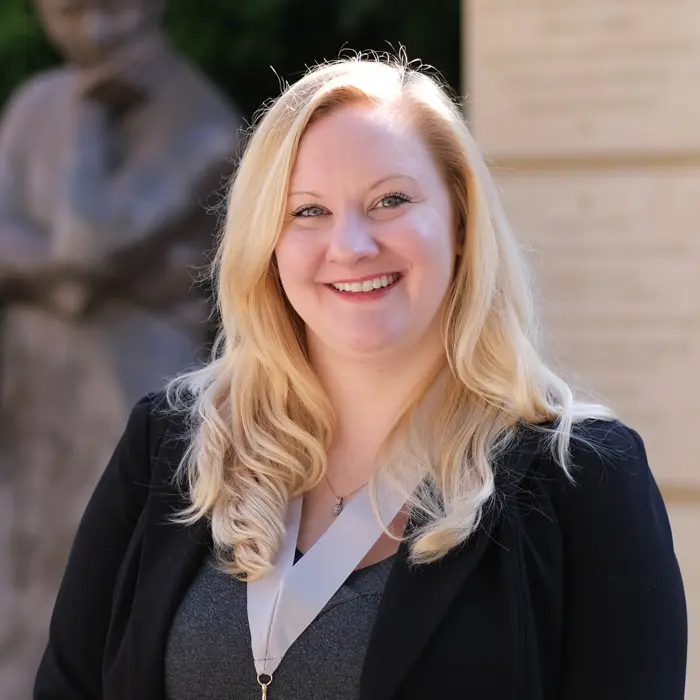
Cynthia Lebeaupin, PhD headshot in lab

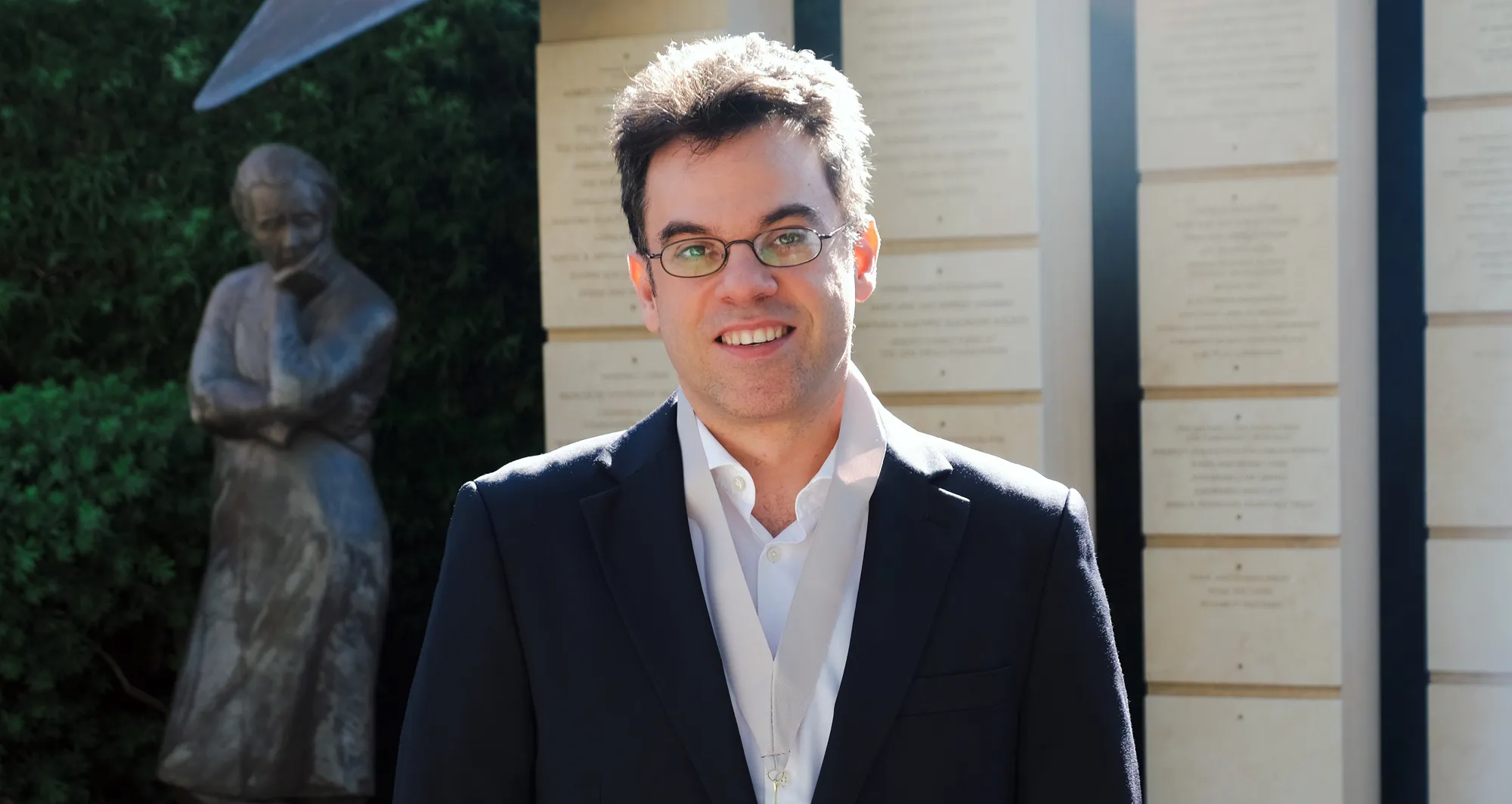
A panel of judges selected the poster of Cynthia Lebeaupin, PhD (Kaufman Lab) for the top prize. Dr. Lebeaupin’s research focuses on how fatty liver disease—an increasingly prevalent health condition—leads to liver cancer.

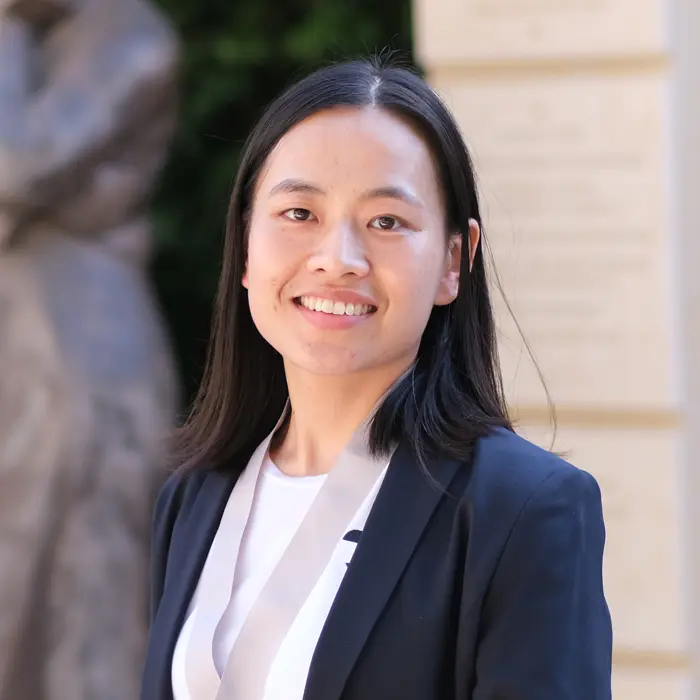
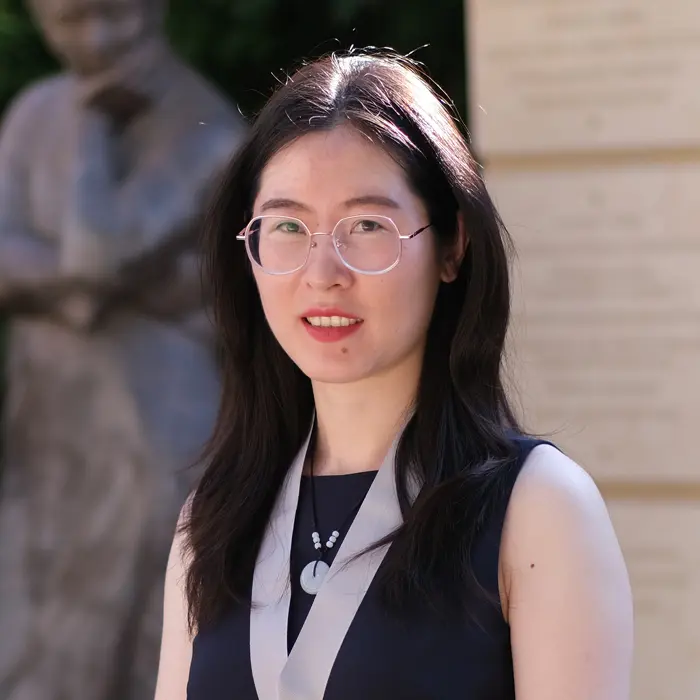
Michaela Romero headshot

Winner of the judges’ selection for “Best Podium Talk” was awarded to Michaela Romero for her presentation, “Novel role of proteoglycan sulfation as a barrier to direct cardiac reprogramming.”

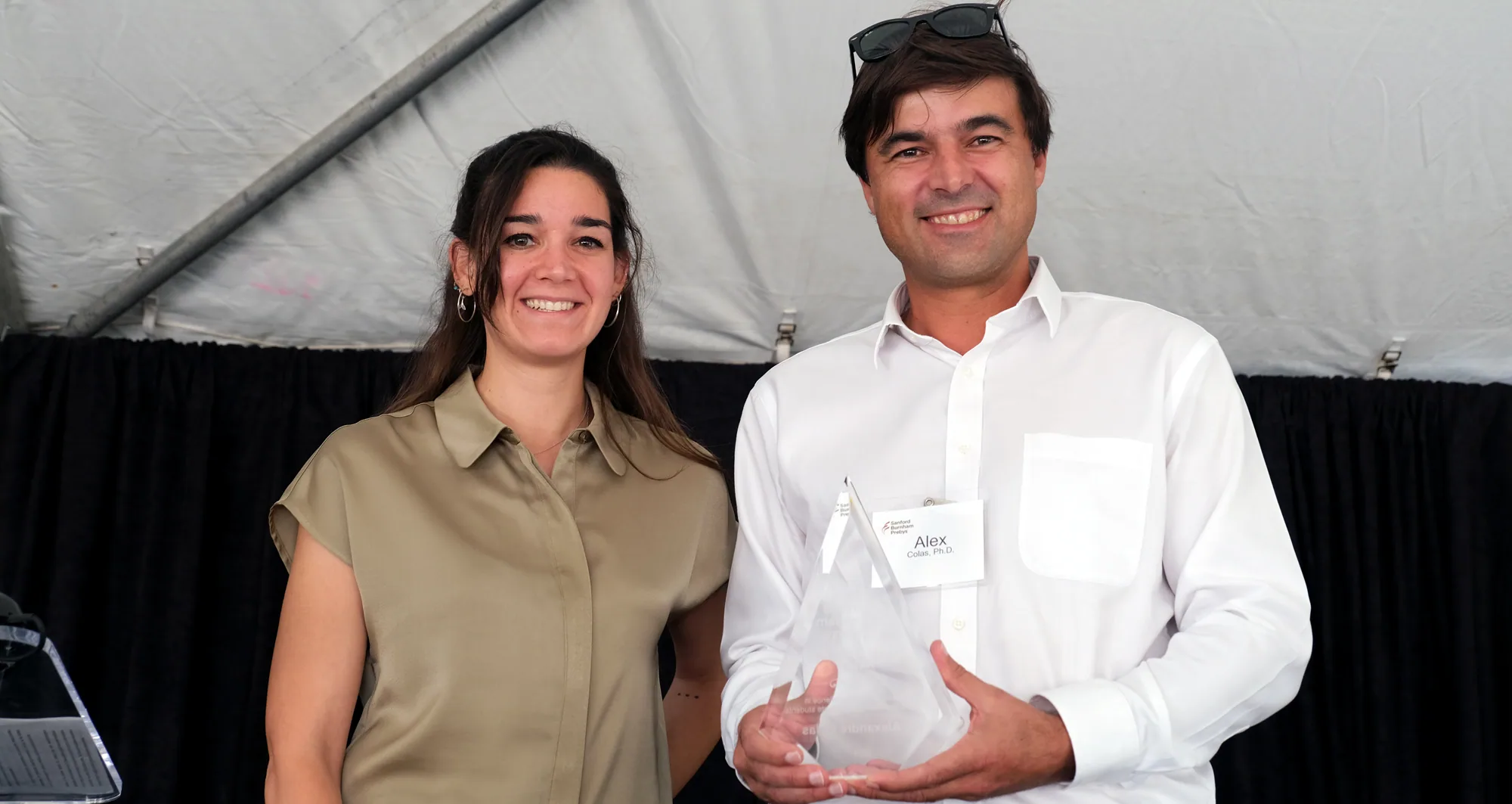
The event also featured the presentation of Sanford Burnham Prebys’ Mentor of the Year Award to Alessandra Sacco, PhD, who was recently named the new dean of the graduate school.

Congratulations to all the participants in this year’s Symposium, and a special thank you to the staff at the Office of Education, Training, & International Services (OETIS) for organizing the event.

Aaron Havas presenting Alessandra Sacco with Mentor of the Year award
Institute News

2023 Fishman Fund Award ceremony celebrates postdoctoral scholars

AuthorSusan Gammon
Date

September 15, 2023

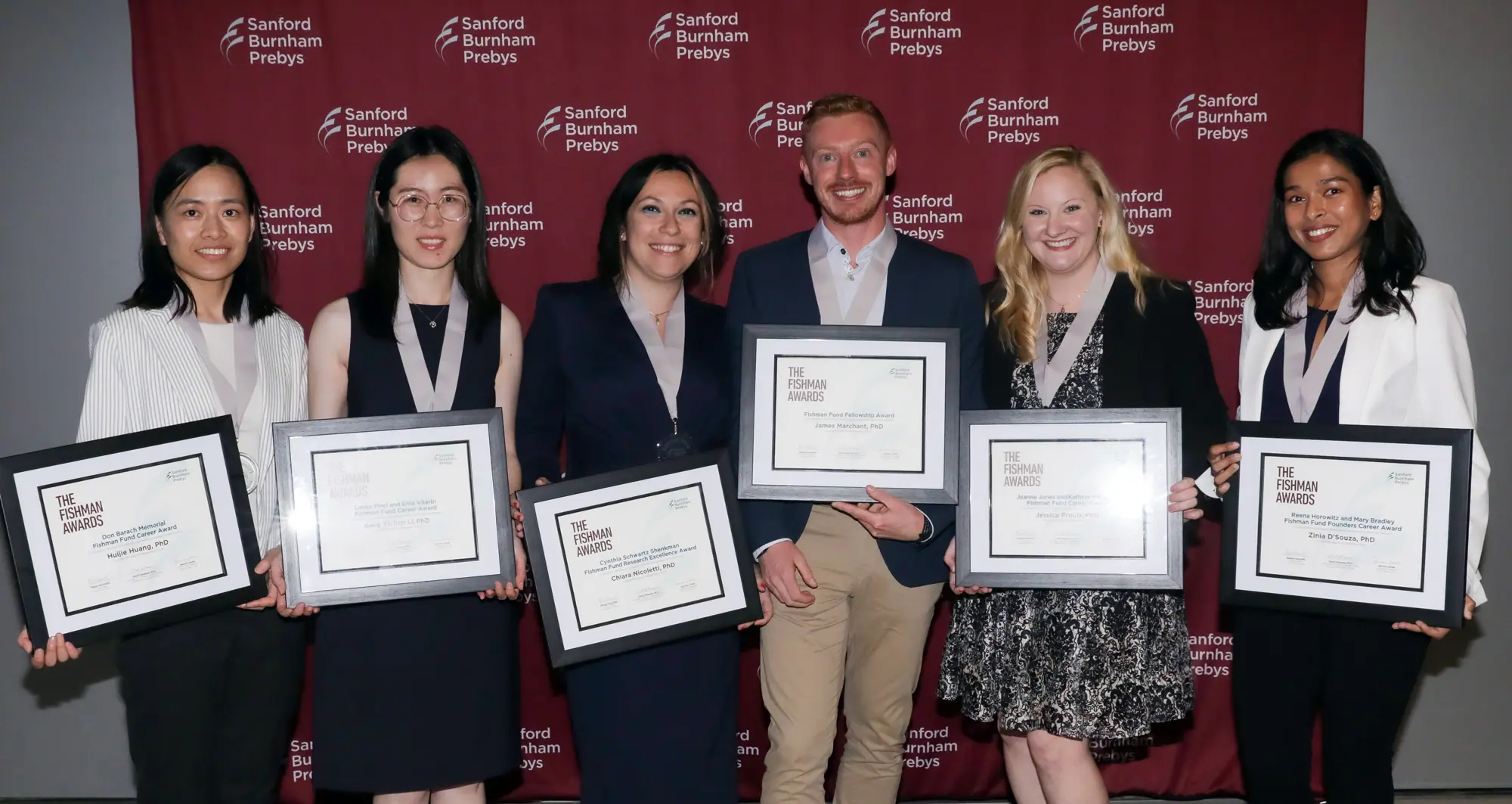
Three talented early-career researchers were presented with prestigious Fishman Fund Awards at the 22nd annual ceremony on September 20.

More than 100 generous benefactors, past award winners, and family and friends joined the celebration held at the Sanford Consortium.

Fishman Fund co-founder Reena Horowitz greeted the audience and shared how she, along with Mary Bradley, established the Fishman Fund Awards in 2001 to honor Dr. William and Lillian Fishman, founders of Sanford Burnham Prebys.

The Fishmans were committed to fostering the careers of young scientists. The award ceremony honors our founders’ dedication to furthering the careers of promising scientists by gathering each autumn to celebrate exceptional postdocs.

Before the awards were presented to the winners, David Brenner, MD, CEO of Sanford Burnham Prebys, described how important postdocs are to scientific discovery and why investing in their careers is a vital step toward improving human health.

“The postdoc experience is important, as it provides more training, experience and skills, before entering a more permanent science career,” said Brenner. “Postdocs represent the next generation of imagination and innovation, which much be recognized, encouraged and emboldened.”

Meet this year’s Fishman Fund Award winners

The Reena Horowitz & Mary Bradley Fishman Fund Founders Prize
Cheng-Ju Kuo, PhD, a postdoctoral researcher in the lab of Dr. Caroline Kumsta, is studying the biology of aging. Dr. Kuo is unraveling the molecular mechanisms linked to a cellular recycling process that declines with age. His findings could open up new possibilities to treat age-released diseases. Dr. Kuo’s goal is to establish his own laboratory where he will study aging and train the next generation of scientists.

Jeanne Jones and Kathryn Fishback Fishman Fund Prize
Alicia Llorente, PhD, a postdoctoral associate in the lab of Dr. Brooke Emerling, is investigating how breast cancer cells become resistant to therapy. Dr. Llorente combines her expertise in lipid kinases with cancer biology to open possibilities for novel therapeutics for therapy-resistant breast cancer. Her career goal is to combine research with teaching by obtaining a faculty position at a university.

Lenka Finci and Erna Viterbi Fishman Fund Prize
Theo Tzaridis, MD, is a postdoctoral associate in the lab of Dr. Peter Adams, where he focuses on aggressive brain tumors. His research led to the identification of a key checkpoint molecule widely expressed in brain tumors, which is a significant step toward improving immunotherapy as a treatment for brain tumors. Dr. Tzaridis plans to become a leader in translating research findings into clinical trials.

Fishman Fund winners undergo a rigorous selection process that includes a personal interview and a presentation to the selection committee. All winners receive a $10,000 career development award that can be used to attend workshops, network and travel to national and international conferences to learn about the latest developments in their research fields.

A special thank-you to the Fishman Fund donors who make these awards possible.

Institute News

SPARK interns ignite their passion for research at Sanford Burnham Prebys

AuthorMiles Martin
Date

August 2, 2023

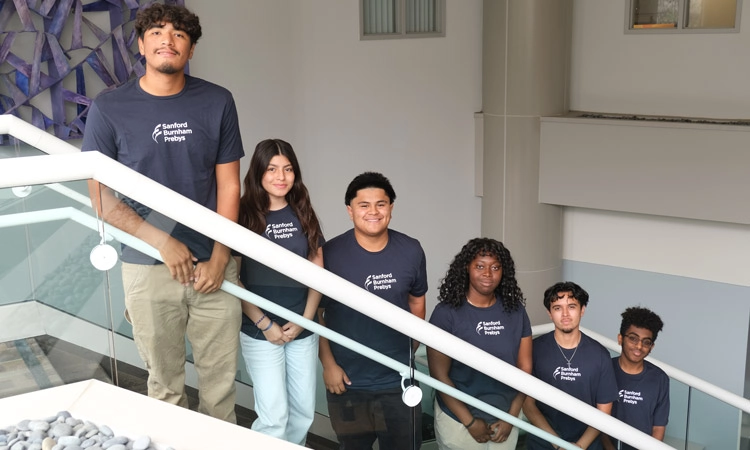
The SPARK program aims to train tomorrow’s experts in regenerative medicine.

Sanford Burnham Prebys welcomed its second cohort of SPARK interns this summer. SPARK, which stands for Summer Program to Accelerate Regenerative Medicine Knowledge, is an initiative by the California Institute for Regenerative Medicine (CIRM) to provide research opportunities for high schoolers from underrepresented groups throughout California. The SPARK interns completed a six-week project under the supervision of a faculty mentor and presented their work to scientists at the Institute.

“It was great connecting with everybody in the lab and learning about their background, why they came here, and what they’re trying to learn,” says SPARK intern Katelyn Gelle. “Getting to compare their experiences with mine was really inspiring, because there’s so much to learn from other people who love science.”

Sanford Burnham Prebys is one of 11 institutions throughout California that hosts SPARK interns, and the program was funded by a grant from CIRM. This year’s interns were the second cohort of five to be supported by that grant.

“Last year’s SPARK program was a great success, and we’re so happy to be able to keep up the momentum with another group of bright, talented interns,” says Program Director Paula Checchi, PhD Checchi is an administrator in the Office of Education, Training and International Services at Sanford Burnham Prebys. Paula developed and oversaw the educational components of the internship program.

SPARK students worked in labs learning the hands-on techniques that scientists use to study degenerative diseases—with the goal of finding new approaches to treat the millions of people affected by these conditions. Completing an individual project with a faculty mentor gave interns the chance to experience the real-life ins and outs of research.

“It was really unexpected how much refining and editing it takes to get a result from experiments” says SPARK intern Medha Nandhimandalam. “You don’t cure cancer in a day.”

The internship also included other educational opportunities, such as a tour of the Sanford Consortium for Regenerative Medicine and a Diversity in Science seminar series. The program culminated in a final celebration at the Institute where students had the chance to share the results of their work and what they’ve learned from their time in the lab.

“The lab itself was my favorite part of the experience – not just the academic side but the whole lifestyle and experience of working with the scientists and spending time with them day to day” says SPARK intern Rini Khandelwal.

As a final capstone to the internship experience, the students will travel to Los Angeles August 8–9 for CIRM’s annual SPARK conference, where they presented their work and networked with interns from other Institutions across the state.

Institute News

Preuss internship celebrates 15 years of inspiring young scientists

AuthorMiles Martin
Date

August 2, 2023

“I liked how hands-on everything was,” says Preuss intern Amayrani Calderon “The scientists would show us how to do the experiment but then let us do it ourselves. I’d never had that type of experience in a lab before.”

Each year, Sanford Burnham Prebys welcomes a cohort of high school interns from the Preuss School, whose students strive to be the first in their family to graduate from college. This year’s Preuss interns learned hands-on research skills from scientists at the Institute’s NCI-designated Cancer Center and about career possibilities in STEM beyond research.

“My favorite part of the program and about Sanford Burnham Prebys is all the diverse people I met,” says Alejandra Ruiz Ramirez, who is first-generation Mexican American. “I had mentally prepared myself not to see any scientists that look like me, or to potentially be stereotyped as a Mexican American woman, but that isn’t what happened at all. Everybody I met was very welcoming.”

The Preuss internship is an intensive three-week program designed to jumpstart the careers of the next generation of scientific researchers. This year, the first two weeks were spent learning state-of-the art research techniques, such as staining cells for immunohistochemistry and separating proteins with gel electrophoresis.

“Seeing a real lab was a lot different than what I expected,” says Preuss intern Mohamed Haghi-Mohamed. “At school we just do labs on our desks, but seeing the incubators and other machines really changed my perspective and on how science works in the real world.”

For the final week of the program, interns shadowed staff scientists working in various labs throughout the Cancer Center, where they saw the research process firsthand.

“Consuming a lot of media makes you see science as always exciting and fast-paced, but it’s a very different experience actually working in the lab day to day,” says Preuss intern Juan Lomas Hoeung. “Sometimes there’s a lot of downtime but other times things are hectic.

The Preuss internship program also included activities outside of the lab, including panel discussions with scientists, a tour of the Conrad Prebys Center for Chemical Genomics, and a workshop on diversity and equity and STEM. The interns also had lunch with Institute staff each day, where they had the chance to learn and ask questions about varied STEM careers such as research administration, science communication, and philanthropy.

“We wanted the students to see that there are varied paths to a career in STEM, and that these paths aren’t always linear,” says Victoria Carrillo, senior program administrator for the Cancer Center, who oversaw the Preuss internship along with faculty organizer Svasti Haricharan, PhD.

The program culminated in a celebratory luncheon with students, researchers and Institute staff, where the interns had the opportunity to share what they’ve learned from their experience at Sanford Burnham Prebys.

“This was the best environment to learn in because the people here are some of the most expressive and passionate people I’ve met when they’re in the lab talking about what they do,” says Hoeung. “Everybody was so enthusiastic.”

Institute News

Sanford Burnham Prebys graduate student selected for prestigious Women in Science scholarship

AuthorMiles Martin
Date

June 20, 2023

Katya Marchetti has had her heart set on research since childhood. Today, she’s a bright, confident scientist making her dream a reality at Sanford Burnham Prebys.

Katya Marchetti, a first-year PhD student in the lab of Karen Ocorr, PhD, was recently awarded an Association for Women in Science (AWIS) scholarship. This competitive award encourages outstanding women pursuing degrees in science, technology, engineering and mathematics (STEM) fields at San Diego colleges and universities.

“Receiving this recognition highlights the importance of advocating for women’s empowerment in STEM and fostering an inclusive and diverse scientific community,” says Marchetti.

Marchetti grew up in Bakersfield California and finished her undergraduate degree from UC San Diego in just three years. Last year, she enrolled as a graduate student at 21 years old, making her one of the youngest PhD students to ever join the Institute. For her, the AWIS award is a culmination of a lifelong enthusiasm for science, inspired and encouraged by her family.

“I’m a very curious person,” says Marchetti. “I just inherently have to know how everything works, and my dad is the one got me inspired and interested in exploring things. I am so grateful for the opportunities that he fought for me to have, because he gave me everything that he didn’t.”

With the enthusiastic support of her family, Marchetti began her research career at the ripe age of nine years old. 

“My first-ever science project was heart research,” she says. “My favorite song was “Kickstart My Heart” by Mötley Crüe, and I wanted to see if it would raise blood pressure. I tested myself and my family, and we actually found that it did, obviously.” 

Today, Marchetti’s heart research is a bit more sophisticated. She studies hypoplastic left heart syndrome (HLHS), a rare disease in which the left side of the heart is underdeveloped and unable to effectively pump oxygenated blood to the rest of the body. HLHS is a congenital disease that is nearly always fatal without heart surgery. Marchetti’s research focuses on uncovering the genetics that underpin this disease to find new ways to prevent and treat it.

“Researching heart disease is very rewarding in and of itself, but it’s also really motivating to work on a disease that occurs in one of the most vulnerable populations,” says Marchetti. 

Marchetti is also heavily involved on campus at the Institute, as one of just two graduate students to serve on the Institute’s Education and Training committee, part of the Institute’s Diversity Equity and Inclusion Council. She has also mentored interns for the Institute’s CIRM-sponsored SPARK program, which provides research experiences to high school students from underrepresented backgrounds.

“I really love mentoring people who don’t have a lot of lab experience,” says Marchetti. “It’s my favorite thing I’ve done in graduate school so far. I think that’s kind of my way of paying forward the opportunities that I’ve had.” 

Marchetti will use the funds from the AWIS scholarship to further support her HLHS research. She also maintains that even after finishing her PhD, her long-term goal is to continue working in the San Diego research community. 

“If were to describe myself as a city, it would be San Diego,” she says. “It’s really the perfect place for me.” 

Institute News

Back by popular demand: The Rising Stars Symposium at Sanford Burnham Prebys

AuthorMiles Martin
Date

May 17, 2023

The annual event aims to foster greater diversity in biomedical research and shine a spotlight on the next generation of scientific leaders.

Sanford Burnham Prebys recently hosted its second annual Rising Stars Symposium, an event that showcases the biomedical research of exceptional postdoctoral and junior faculty candidates from across the country.

“This was such a valuable learning experience for me,” says Rising Star Laura Menocal, currently a PhD candidate at Weill Cornell Graduate School of Biomedical Sciences. “Participating in the Rising Stars Symposium gave me an important opportunity not only to share my own scientific accomplishments, but also to network and connect with other scientists who share the same passions at an institution that actively fosters inclusivity.”

The 12 Rising Stars were invited, all expenses paid, to the Institute to present their research, network and learn more about postdoctoral and junior faculty opportunities there. 

“This year’s Stars shone bright with their promise and dedication to science,” says Angelica Rocha, PhD, diversity officer, head of the DEI Council at Sanford Burnham Prebys and one of the key organizers of the Symposium. “Their work could lead to the scientific breakthroughs that change the way we view and treat disease. They are at a pivotal stage in their careers, and we would be thrilled if they made our Institute their new home.” 

The event was hosted by the NCI-designated Cancer Center’s Diversity, Equity and Inclusion (DEI) Team and the Institute’s DEI Recruiting Committee, who strive to create an inclusive workforce through equitable hiring, recruitment, and retention practices. 

Laura Menocal

Laura Menocal, PhD candidate, Weill Cornell Graduate School of Biomedical Sciences

“Many organizations use diversity and inclusion as buzzwords without taking any concrete steps to actually create inclusive systems and environments,” says Menocal. “Sanford Burnham Prebys is breaking this mold by hosting the Rising Stars Symposium, and I am so proud to have been able to participate.”

After a brief introduction from President and CEO David Brenner, MD, UC San Diego professor JoAnn Trejo, PhD, opened the day of presentations with a keynote address discussing her research on cellular signaling and her experience as a first-generation college student. She also spoke about her years of experience promoting diversity in the biomedical scientists and mentoring early-career scientists.

“I didn’t grow up in a family of scientists. I actually grew up in a family of migrant farmworkers,” said Trejo during her talk. “I had no immediate role models and no one to guide me into what I was going to do. It was mentors who helped me get there—crossing paths with the right people, making connections, and getting good advice and guidance.”

In addition to presenting their work, the Stars were the guests of honor at an afternoon reception celebrating diversity in science. They also participated in professional development workshops, toured the laboratories and core facilities of the Institute, and met with faculty to learn more about career opportunities.

Institute News

Presenting The Conrad Prebys Foundation fellows

AuthorMiles Martin
Date

May 15, 2023

Thanks to a generous grant from The Conrad Prebys Foundation, a diverse group of early-career researchers will gain hands-on experience in drug discovery and translational medicine.

A new educational program at Sanford Burnham Prebys has welcomed a diverse group of early-career scientists to learn how to transform research discoveries into treatments for human diseases. The program was made possible by a generous grant from The Conrad Prebys Foundation as part of its mission to increase the diversity of San Diego’s biomedical workforce.

“Our mission at The Conrad Prebys Foundation is to create an inclusive, equitable and dynamic future for all San Diegans,” says Grant Oliphant, CEO at The Conrad Prebys Foundation. “San Diego is one of the top areas in the country for biomedical research, and we’re pleased to partner with Sanford Burnham Prebys to help strengthen the pipeline of diverse talent in life sciences research.”

Graduate students and postdoctoral fellows selected for the program will complete projects at the Institute’s Conrad Prebys Center for Chemical Genomics (Prebys Center), the nation’s leading nonprofit drug discovery center. The Prebys Center specializes in finding new medicines for diseases with a substantial unmet medical need in order to develop better therapies. 

“Thank you to The Conrad Prebys Foundation. I am beyond grateful for their support,” says predoctoral Prebys fellow Michael Alcaraz, who will complete his project on the links between aging and brain disease with Professor Peter D. Adams, PhD, and Steven Olson, PhD, executive director of Medicinal Chemistry at the Prebys Center. 

To help fulfill the Foundation’s mission, Sanford Burnham Prebys students and postdocs from historically underrepresented groups were encouraged to apply for the new program.

“Promoting diversity in the biomedical workforce is a founding principle of our educational program,” says Alessandra Sacco, PhD, vice dean and associate dean of Student Affairs in the Graduate School of Biomedical Sciences at Sanford Burnham Prebys. Sacco will oversee the new program alongside Dean Guy Salvesen, PhD, and Professor Michael Jackson, PhD

“Working actively to train people from all backgrounds gives opportunities to people who may not otherwise have had them—and it also improves the quality of the research itself,” she adds.

“Translational research is one of the biggest priorities in biomedicine right now because it’s how we turn discoveries into actual medicines,” says Sacco. “This program gives students and postdocs an opportunity to build the skills they need for translational research jobs in academia or industry.”

The fellowship will culminate in a final symposium next spring, where the fellows will present their research to their peers and to the wider community. 

“I’m looking forward to gaining more experience and making my contribution to the translational science at the Prebys Center,” says predoctoral Prebys fellow Merve Demir, who will complete a structural biochemistry project with Assistant Professor Jianhua Zhao, PhD, and Eduard Sergienko, PhD, director of Assay Development at the Prebys Center. 

The full list of fellows includes:
 

Postdoctoral Fellows

– Karina Barbosa Guerra [Deshpande Lab, Ed Sergienko co-mentor]
“SGF29 as a novel therapeutic target in AML”
 
– Merve Demir [Zhao Lab, Ed Sergienko co-mentor]
“Structural studies of MtCK and GCDH enzyme drug targets”
 
– Jerry Tyler DeWitt [Haricharan Lab, TC Chung co-mentor]
“Investigating the unique molecular landscape of ER+ breast cancer in black women” 
 
– Alicia Llorente Lope [Emerling Lab, Ian Pass co-mentor]
“Exploring PI5P4Kγ as a novel molecular vulnerability of therapy-resistant breast cancer” 
 
– Van Giau Vo [Huang Lab, TC Chung co-mentor]
“Identifying enhancers of SNX27 to promote neuroprotective pathways in Alzheimer’s disease and Down Syndrome”
 
– Xiuqing Wei [Puri Lab, Anne Bang co-mentor]
“Selective targeting of a pathogenetic IL6-STAT3 feedforward loop activated during denervation and cancer cachexia”


Predoctoral Fellows

– Michael Alexander Alcaraz [Adams Lab, Steven Olson co-mentor]
“Activating the NAMPT-NAD+ axis in senescence to target age-associated disease”
 
– Shea Grenier Davis [Commisso Lab, Steven Olson co-mentor]
“Examining PIKfyve as a potential therapeutic target in pancreatic cancer” 
 
– Patrick Hagan [Cosford Lab, Ian Pass co-mentor]
“Discovery and development of novel ATG13 degrading compounds that inhibit autophagy and treat non-small-cell lung cancer”
 
– Texia Loh [Wang Lab, Ed Sergienko co-mentor]
“Investigating the role of HELLS in mediating resistance to PARP Inhibition in small-cell lung cancer”
 
– Michaela Lynott [Colas Lab, TC Chung co-mentor]
“Identification of small molecules inhibiting ATF7IP-SETDB1 interacting complex to improve cardiac reprogramming efficiency”
 
– Tatiana Moreno [Kumsta Lab, Anne Bang co-mentor]
“Identifying TFEB/HLH-30 regulators to modulate autophagy in age-related diseases”
 
– Utkarsha Paithane [Bagchi Lab, TC Chung co-mentor]
“Identification of small-molecule enhancers of Honeybadger, a novel RAS/MAPK inhibitor” 
 

Institute News

STEM Shadow Day gives diverse students an inside look at Sanford Burnham Prebys

AuthorMiles Martin
Date

December 2, 2022

As part of ongoing efforts to increase the diversity of the Institute’s trainees, Sanford Burnham Prebys’ DEI Education & Training Committee hosted 36 high school and college students from historically underrepresented backgrounds for a day of lab tours and workshops. The event was sponsored by the San Diego MESA alliance, and more than 20 faculty, staff and current trainees came together to help make the event possible. 

“It’s critical for all students to have opportunities to learn more about scientific research at an early phase in their academic career,” says Paula Checchi, PhD, an administrator in the Institute’s Office of Education, Training and International Students and a leader of our Education & Training Diversity, Equity and Inclusion Committee. “Diversity in the lab contributes so much, both to the trainees’ success and to the overall progress of biomedical research. If we’re going to create a more diverse research community, we need to work from the ground up and support young scholars from all backgrounds every step of the way.”

The day began with an introduction by Hudson Freeze, PhD and a keynote address from Alessandra Sacco, PhD, who spoke to the challenges she’s faced as an Italian American and as a woman in science. 

“My parents When I was younger, some of my relatives asked me why I even wanted to study this because the role of women in science was very different then,” Sacco said. “When I started, I was the only woman in the lab, and that made it difficult to integrate. I didn’t think I’d last a week, but day by day you learn to overcome those challenges in front of you, and it gets a little easier, and it becomes an exciting opportunity to grow.”

She also spoke to the importance of diversity in STEM.

“Diversity is a huge resource, especially in scientific research,” Sacco said. “If you’re asking questions nobody has the answer to, and everybody in the room is from the same background with the same mindset, you’re less likely to less likely to find creative answers. Diversity enriches the scientific discussion, and we’re all part of the same research community.”

After the opening comments, high school students attended workshops on networking skills and mentorship. Meanwhile, college students divided into groups and went on guided tours of labs across campus, where they saw firsthand how Sanford Burnham Prebys researchers are solving pressing problems in medicine.

“It’s so exciting that researchers like Dr. Haricharan are looking at breast cancer in Black and brown women and really getting down to the fundamental biology, not just focusing on socioeconomic factors,” says Shadow Day participant Serina Cuza, referring to recent research from the lab of Svasti Haricharan, PhD “I know there could be pushback, but that’s how you know the research is potentially a breakthrough.”

The event ended with a networking lunch followed by a poster session, featuring work by students in the Sanford Burnham Prebys Graduate School of Biomedical Sciences and alumni of this summer’s SPARK internship program.

“I really enjoyed all the people that I met today,” said Shadow Day participant Yaritza Rubio. “I like that there are so many people from so many different parts of the world here.” 

Institute News

Brain cancer researcher Jia Zack Shen wins 2022 Eric Dudl scholarship

AuthorMiles Martin
Date

October 18, 2022

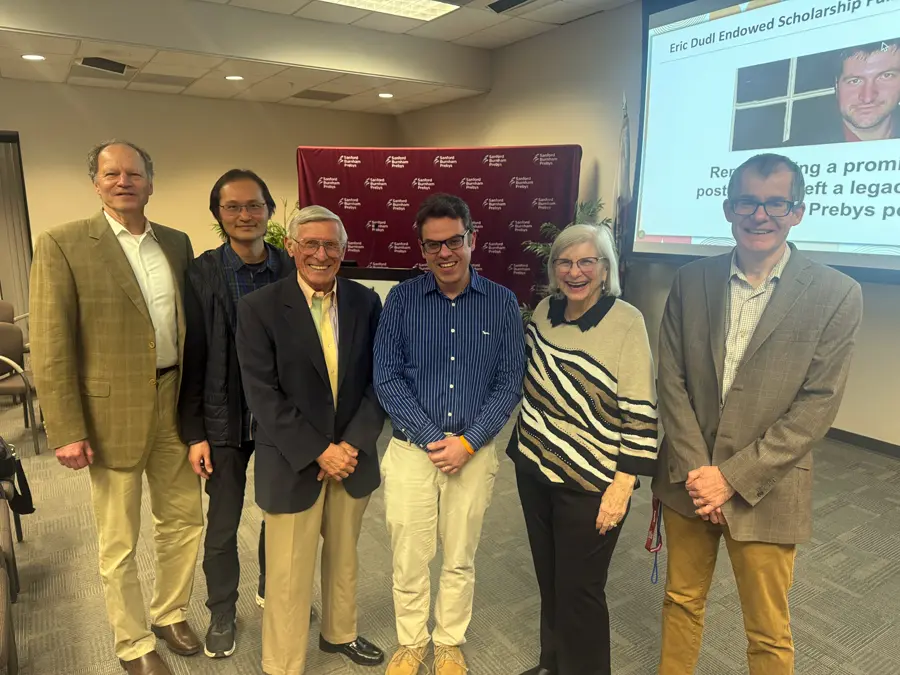
For the first time since the pandemic, Sanford Burnham Prebys presented the Eric Dudl Endowed Scholarship Award in person at last week’s Cancer Center Open House. This year’s recipient, selected by leaders at the Cancer Center, was Jia Zack Shen, PhD, a staff scientist in the lab of Charles Spruck, PhD The award pays tribute to Eric Dudl, a postdoctoral researcher who succumbed to cancer in 2006, when he was just 33.

“Eric was ill at such a young age, but he was also very lucky because he knew exactly what his dream job was and what his life meant,” says Shen. “Eric’s compassion and dedication to cancer research has been inspiring and encouraging for our postdocs here at Sanford Burnham Prebys. Thank you to the Dudl family for helping me continue my career here.”

Honoring Eric Dudl

In 2005, Eric Dudl had just begun his postdoctoral research in a cancer lab at Sanford Burnham Prebys, where he was known as kind, helpful and a fast learner. Then, at age 32, he was diagnosed with non-small cell lung cancer. This only fueled his fiery passion for cancer research.

“Even when he was very ill, Eric wanted to make a contribution in the time he had,” says Jim Dudl, MD, Eric’s father. “One day I looked at Eric and asked, ‘Why don’t you take some time off work? Get your energy back and go back in when you feel better?’ He looked up at me and said, ‘Why would I do that? This is the best job in the world!’”

Tragically, Eric Dudl would pass away in 2006, at age 33. The next year, his parents established the Eric Dudl Endowed Scholarship Fund to support young cancer researchers like their son.
“These talented scientists pick up where Eric had to leave off,” says Barbara Dudl, Eric’s mother.

Eric Dudl

Eric Dudl

“We are so grateful to the Institute for their compassion for Eric during his illness and helping us create this scholarship. The scientists who are now working on new discoveries might one day save the life of someone like Eric.”

The award presentation was emceed by Cosimo Commisso, PhD, and featured comments from Eric’s parents, as well as his brother, Bret.

“This scholarship fund is the best way we can honor Eric, because he was so passionate about education and supporting others,” says Bret. “The fact that he now helps other postdocs further their work to fight cancer is exactly what he would have wanted.”

Meet the recipient: Jia Zack Shen

Shen started at the Institute as a postdoctoral researcher in 2016, winning a Fishman Fund Award that year. He has since transitioned to a permanent role as a staff scientist, and the funding from this award will help continue to support his role.

“Sanford Burnham Prebys has a great, noncompetitive atmosphere, and the resources we have here are excellent,” says Shen. “Combining cancer research with the drug discovery capabilities we have at SBP is my dream.”

Shen’s research focuses on killing cancer stem cells by shutting off their ability to self-renew and by promoting a response from the immune system, delivering what Shen and his colleagues call a “one-two punch.” Shen has been working specifically on glioblastoma, one of the most aggressive brain cancers.

“Glioblastoma is one of the most devastating diseases, and there is a desperate need for better ways to treat it,” says Shen. “I am working hard to leverage the immune system to fight glioblastoma and save thousands of lives.”

Institute News

2022 Fishman Fund Awards honor postdoctoral researchers

AuthorMiles Martin
Date

October 17, 2022

Since 2001, the awards have paid tribute to our Institute’s heritage and supported the trailblazers of tomorrow

Last week, the Fishman Fund Awards were presented at the Sanford Consortium, marking the first in-person awards presentation for the scholarships since 2019. The Fishman Fund honors the legacy of the Institute’s founders, Dr. William and Mrs. Lillian Fishman, and its purpose is to support the next generation of scientific leaders.

“The Fishman Fund Awards are important to our community and to the future of science,” said President and CEO David Brenner, M.D., during his comments at the ceremony. “The Fishmans understood that supporting our young scientists is a critical investment in the future of research, and that postdocs are the lifeblood of a scientific enterprise and crucial to the process of discovery.”

Professor Hudson Freeze, PhD, the first Fishman Fund awardee, recalled how the award was given to faculty the first year, but after that became an award exclusively for postdoctoral researchers. “Those are the people who do the work, and without them, there is no Institute,” said Freeze.

Assistant Professor Caroline Kumsta, PhD, who was a Fishman Fund awardee in 2011, also spoke. “The Fishman Fund has shaped many aspects of my life, and I am honored to be one of the recipients,” she said.

The evening was emceed by Reena Horowitz, who established the Fishman Fund with the late Mary Bradley in 2001. Since then, 74 awards have been conferred. This year, three $10,000 awards were given to postdocs to support their career development. An additional fellowship that provides salary and benefits was also awarded.

“These awards are important because they provide the vital funds to young career scientists for professional development and collaborative opportunities,” Horowitz said. “It is these up-and-coming biomedical researchers who will make the medical discoveries of tomorrow, shape the future of healthcare and literally save lives.”

This year’s awards were presented to:

Guillem Lambies Barjau, PhD
Jeanne Jones and Kathryn Fishback Fishman Fund Award

“I am honored to be here today. Thank you to Sanford Burnham Prebys and the Fishman Fund for giving me this opportunity.”

Lambies Barjau hopes to improve the outcome of patients with pancreatic cancer. In the lab of Cosimo Commisso, PhD, Lambies Barjau studies how pancreatic cancer cells gather nutrients from their environment to survive and grow. Pancreatic tumors exist in a harsh, nutrient-poor environment, but they can activate a process called macropinocytosis to scavenge molecules as an alternative source of energy. By deciphering this process, Lambies Barjau’s research may reveal novel approaches to slow the growth of these often-deadly tumors.

Shanshan Yin, PhD
Lenka Finci and Erna Viterbi Fishman Fund Award

“I am grateful that you are our scientists’ strongest supporters. Together, we’ll do great science.”

Yin is studying the links between aging and breast cancer. About one in eight women will get breast cancer during her life, and the risk increases with age. In the lab of Peter Adams, PhD, Yin uses cutting-edge technology to quantify the activation of specific genes during aging. Identifying these genes may help explain why breast cancer occurs more frequently in older women, and could also lead to preventive treatments to spare the millions affected by the disease.

Tanja Eisemann, PhD
Reena Horowitz and Mary Bradley Fishman Fund Award

“I can’t tell you how honored I am to receive a 2022 Fishman Fund Award. I would like to express my deepest gratitude to the Fishman Fund donors for their generosity.”

Eisemann is exploring approaches to leverage the immune system against medulloblastoma, one of the most aggressive childhood brain cancers. Although rare, there are still about 500 children in the U.S. diagnosed each year with this dangerous cancer. In the lab of Robert Wechsler-Reya, PhD, Eisemann studies the interactions between T cells and medulloblastoma tumor cells, opening new research avenues to discover therapies that can enhance a patient’s own immune system to slow—or even eliminate—this dangerous brain cancer.

Cynthia Lebeaupin, PhD
Fishman Fund Fellowship

“The Fishman Fund Fellowship and the resources at Sanford Burnham Prebys will ensure I canperform science of excellent quality and make a lasting impact. Thank you for your support.”

Lebeaupin works in the laboratory of Randal J. Kaufman, PhD, where she studies how fatty liver disease leads to liver cancer. Fatty liver disease, which affects more than 25% of the U.S. population, develops when the body creates too much fat or can’t metabolize fat efficiently enough. There are no treatments or cures for this chronic liver condition and no methods of early detection. Lebeaupin’s research aims to address this unmet medical need by uncovering the biological pathways that lead to liver cancer and translating these findings into effective therapies.