postdocs Archives - Page 4 of 6 - Sanford Burnham Prebys
Institute News

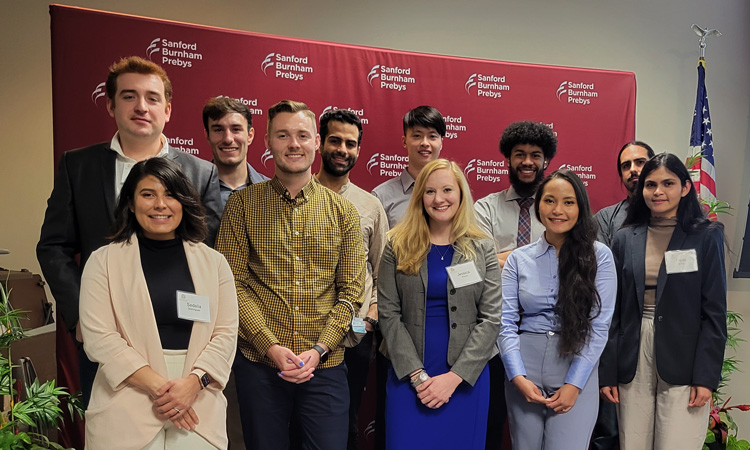
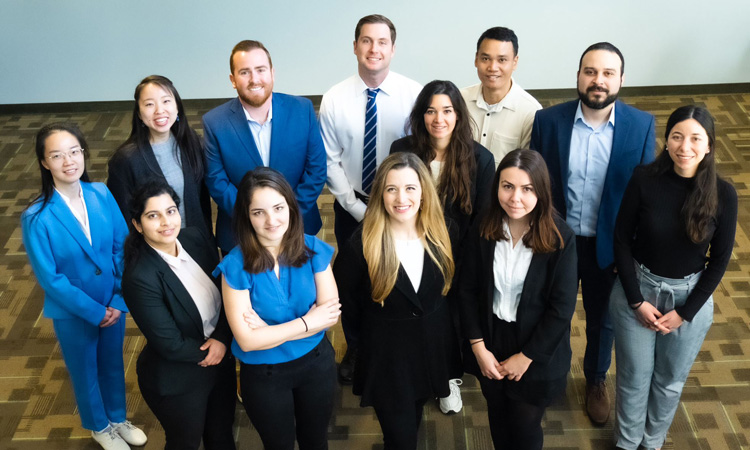
Presenting The Conrad Prebys Foundation fellows

AuthorMiles Martin
Date

May 15, 2023

Thanks to a generous grant from The Conrad Prebys Foundation, a diverse group of early-career researchers will gain hands-on experience in drug discovery and translational medicine.

A new educational program at Sanford Burnham Prebys has welcomed a diverse group of early-career scientists to learn how to transform research discoveries into treatments for human diseases. The program was made possible by a generous grant from The Conrad Prebys Foundation as part of its mission to increase the diversity of San Diego’s biomedical workforce.

“Our mission at The Conrad Prebys Foundation is to create an inclusive, equitable and dynamic future for all San Diegans,” says Grant Oliphant, CEO at The Conrad Prebys Foundation. “San Diego is one of the top areas in the country for biomedical research, and we’re pleased to partner with Sanford Burnham Prebys to help strengthen the pipeline of diverse talent in life sciences research.”

Graduate students and postdoctoral fellows selected for the program will complete projects at the Institute’s Conrad Prebys Center for Chemical Genomics (Prebys Center), the nation’s leading nonprofit drug discovery center. The Prebys Center specializes in finding new medicines for diseases with a substantial unmet medical need in order to develop better therapies. 

“Thank you to The Conrad Prebys Foundation. I am beyond grateful for their support,” says predoctoral Prebys fellow Michael Alcaraz, who will complete his project on the links between aging and brain disease with Professor Peter D. Adams, PhD, and Steven Olson, PhD, executive director of Medicinal Chemistry at the Prebys Center. 

To help fulfill the Foundation’s mission, Sanford Burnham Prebys students and postdocs from historically underrepresented groups were encouraged to apply for the new program.

“Promoting diversity in the biomedical workforce is a founding principle of our educational program,” says Alessandra Sacco, PhD, vice dean and associate dean of Student Affairs in the Graduate School of Biomedical Sciences at Sanford Burnham Prebys. Sacco will oversee the new program alongside Dean Guy Salvesen, PhD, and Professor Michael Jackson, PhD

“Working actively to train people from all backgrounds gives opportunities to people who may not otherwise have had them—and it also improves the quality of the research itself,” she adds.

“Translational research is one of the biggest priorities in biomedicine right now because it’s how we turn discoveries into actual medicines,” says Sacco. “This program gives students and postdocs an opportunity to build the skills they need for translational research jobs in academia or industry.”

The fellowship will culminate in a final symposium next spring, where the fellows will present their research to their peers and to the wider community. 

“I’m looking forward to gaining more experience and making my contribution to the translational science at the Prebys Center,” says predoctoral Prebys fellow Merve Demir, who will complete a structural biochemistry project with Assistant Professor Jianhua Zhao, PhD, and Eduard Sergienko, PhD, director of Assay Development at the Prebys Center. 

The full list of fellows includes:
 

Postdoctoral Fellows

– Karina Barbosa Guerra [Deshpande Lab, Ed Sergienko co-mentor]
“SGF29 as a novel therapeutic target in AML”
 
– Merve Demir [Zhao Lab, Ed Sergienko co-mentor]
“Structural studies of MtCK and GCDH enzyme drug targets”
 
– Jerry Tyler DeWitt [Haricharan Lab, TC Chung co-mentor]
“Investigating the unique molecular landscape of ER+ breast cancer in black women” 
 
– Alicia Llorente Lope [Emerling Lab, Ian Pass co-mentor]
“Exploring PI5P4Kγ as a novel molecular vulnerability of therapy-resistant breast cancer” 
 
– Van Giau Vo [Huang Lab, TC Chung co-mentor]
“Identifying enhancers of SNX27 to promote neuroprotective pathways in Alzheimer’s disease and Down Syndrome”
 
– Xiuqing Wei [Puri Lab, Anne Bang co-mentor]
“Selective targeting of a pathogenetic IL6-STAT3 feedforward loop activated during denervation and cancer cachexia”


Predoctoral Fellows

– Michael Alexander Alcaraz [Adams Lab, Steven Olson co-mentor]
“Activating the NAMPT-NAD+ axis in senescence to target age-associated disease”
 
– Shea Grenier Davis [Commisso Lab, Steven Olson co-mentor]
“Examining PIKfyve as a potential therapeutic target in pancreatic cancer” 
 
– Patrick Hagan [Cosford Lab, Ian Pass co-mentor]
“Discovery and development of novel ATG13 degrading compounds that inhibit autophagy and treat non-small-cell lung cancer”
 
– Texia Loh [Wang Lab, Ed Sergienko co-mentor]
“Investigating the role of HELLS in mediating resistance to PARP Inhibition in small-cell lung cancer”
 
– Michaela Lynott [Colas Lab, TC Chung co-mentor]
“Identification of small molecules inhibiting ATF7IP-SETDB1 interacting complex to improve cardiac reprogramming efficiency”
 
– Tatiana Moreno [Kumsta Lab, Anne Bang co-mentor]
“Identifying TFEB/HLH-30 regulators to modulate autophagy in age-related diseases”
 
– Utkarsha Paithane [Bagchi Lab, TC Chung co-mentor]
“Identification of small-molecule enhancers of Honeybadger, a novel RAS/MAPK inhibitor” 
 

Institute News

Brain cancer researcher Jia Zack Shen wins 2022 Eric Dudl scholarship

AuthorMiles Martin
Date

October 18, 2022

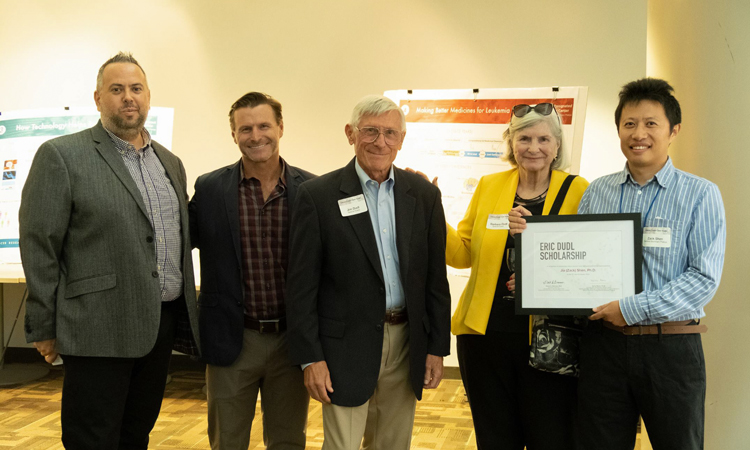
For the first time since the pandemic, Sanford Burnham Prebys presented the Eric Dudl Endowed Scholarship Award in person at last week’s Cancer Center Open House. This year’s recipient, selected by leaders at the Cancer Center, was Jia Zack Shen, PhD, a staff scientist in the lab of Charles Spruck, PhD The award pays tribute to Eric Dudl, a postdoctoral researcher who succumbed to cancer in 2006, when he was just 33.

“Eric was ill at such a young age, but he was also very lucky because he knew exactly what his dream job was and what his life meant,” says Shen. “Eric’s compassion and dedication to cancer research has been inspiring and encouraging for our postdocs here at Sanford Burnham Prebys. Thank you to the Dudl family for helping me continue my career here.”

Honoring Eric Dudl

In 2005, Eric Dudl had just begun his postdoctoral research in a cancer lab at Sanford Burnham Prebys, where he was known as kind, helpful and a fast learner. Then, at age 32, he was diagnosed with non-small cell lung cancer. This only fueled his fiery passion for cancer research.

“Even when he was very ill, Eric wanted to make a contribution in the time he had,” says Jim Dudl, MD, Eric’s father. “One day I looked at Eric and asked, ‘Why don’t you take some time off work? Get your energy back and go back in when you feel better?’ He looked up at me and said, ‘Why would I do that? This is the best job in the world!’”

Tragically, Eric Dudl would pass away in 2006, at age 33. The next year, his parents established the Eric Dudl Endowed Scholarship Fund to support young cancer researchers like their son.
“These talented scientists pick up where Eric had to leave off,” says Barbara Dudl, Eric’s mother.

Eric Dudl

Eric Dudl

“We are so grateful to the Institute for their compassion for Eric during his illness and helping us create this scholarship. The scientists who are now working on new discoveries might one day save the life of someone like Eric.”

The award presentation was emceed by Cosimo Commisso, PhD, and featured comments from Eric’s parents, as well as his brother, Bret.

“This scholarship fund is the best way we can honor Eric, because he was so passionate about education and supporting others,” says Bret. “The fact that he now helps other postdocs further their work to fight cancer is exactly what he would have wanted.”

Meet the recipient: Jia Zack Shen

Shen started at the Institute as a postdoctoral researcher in 2016, winning a Fishman Fund Award that year. He has since transitioned to a permanent role as a staff scientist, and the funding from this award will help continue to support his role.

“Sanford Burnham Prebys has a great, noncompetitive atmosphere, and the resources we have here are excellent,” says Shen. “Combining cancer research with the drug discovery capabilities we have at SBP is my dream.”

Shen’s research focuses on killing cancer stem cells by shutting off their ability to self-renew and by promoting a response from the immune system, delivering what Shen and his colleagues call a “one-two punch.” Shen has been working specifically on glioblastoma, one of the most aggressive brain cancers.

“Glioblastoma is one of the most devastating diseases, and there is a desperate need for better ways to treat it,” says Shen. “I am working hard to leverage the immune system to fight glioblastoma and save thousands of lives.”

Institute News

2022 Fishman Fund Awards honor postdoctoral researchers

AuthorMiles Martin
Date

October 17, 2022

Since 2001, the awards have paid tribute to our Institute’s heritage and supported the trailblazers of tomorrow

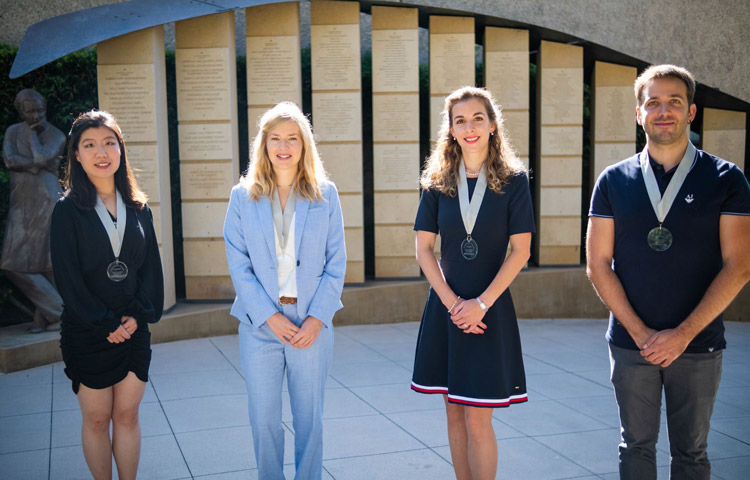
Last week, the Fishman Fund Awards were presented at the Sanford Consortium, marking the first in-person awards presentation for the scholarships since 2019. The Fishman Fund honors the legacy of the Institute’s founders, Dr. William and Mrs. Lillian Fishman, and its purpose is to support the next generation of scientific leaders.

“The Fishman Fund Awards are important to our community and to the future of science,” said President and CEO David Brenner, M.D., during his comments at the ceremony. “The Fishmans understood that supporting our young scientists is a critical investment in the future of research, and that postdocs are the lifeblood of a scientific enterprise and crucial to the process of discovery.”

Professor Hudson Freeze, PhD, the first Fishman Fund awardee, recalled how the award was given to faculty the first year, but after that became an award exclusively for postdoctoral researchers. “Those are the people who do the work, and without them, there is no Institute,” said Freeze.

Assistant Professor Caroline Kumsta, PhD, who was a Fishman Fund awardee in 2011, also spoke. “The Fishman Fund has shaped many aspects of my life, and I am honored to be one of the recipients,” she said.

The evening was emceed by Reena Horowitz, who established the Fishman Fund with the late Mary Bradley in 2001. Since then, 74 awards have been conferred. This year, three $10,000 awards were given to postdocs to support their career development. An additional fellowship that provides salary and benefits was also awarded.

“These awards are important because they provide the vital funds to young career scientists for professional development and collaborative opportunities,” Horowitz said. “It is these up-and-coming biomedical researchers who will make the medical discoveries of tomorrow, shape the future of healthcare and literally save lives.”

This year’s awards were presented to:

Guillem Lambies Barjau, PhD
Jeanne Jones and Kathryn Fishback Fishman Fund Award

“I am honored to be here today. Thank you to Sanford Burnham Prebys and the Fishman Fund for giving me this opportunity.”

Lambies Barjau hopes to improve the outcome of patients with pancreatic cancer. In the lab of Cosimo Commisso, PhD, Lambies Barjau studies how pancreatic cancer cells gather nutrients from their environment to survive and grow. Pancreatic tumors exist in a harsh, nutrient-poor environment, but they can activate a process called macropinocytosis to scavenge molecules as an alternative source of energy. By deciphering this process, Lambies Barjau’s research may reveal novel approaches to slow the growth of these often-deadly tumors.

Shanshan Yin, PhD
Lenka Finci and Erna Viterbi Fishman Fund Award

“I am grateful that you are our scientists’ strongest supporters. Together, we’ll do great science.”

Yin is studying the links between aging and breast cancer. About one in eight women will get breast cancer during her life, and the risk increases with age. In the lab of Peter Adams, PhD, Yin uses cutting-edge technology to quantify the activation of specific genes during aging. Identifying these genes may help explain why breast cancer occurs more frequently in older women, and could also lead to preventive treatments to spare the millions affected by the disease.

Tanja Eisemann, PhD
Reena Horowitz and Mary Bradley Fishman Fund Award

“I can’t tell you how honored I am to receive a 2022 Fishman Fund Award. I would like to express my deepest gratitude to the Fishman Fund donors for their generosity.”

Eisemann is exploring approaches to leverage the immune system against medulloblastoma, one of the most aggressive childhood brain cancers. Although rare, there are still about 500 children in the U.S. diagnosed each year with this dangerous cancer. In the lab of Robert Wechsler-Reya, PhD, Eisemann studies the interactions between T cells and medulloblastoma tumor cells, opening new research avenues to discover therapies that can enhance a patient’s own immune system to slow—or even eliminate—this dangerous brain cancer.

Cynthia Lebeaupin, PhD
Fishman Fund Fellowship

“The Fishman Fund Fellowship and the resources at Sanford Burnham Prebys will ensure I canperform science of excellent quality and make a lasting impact. Thank you for your support.”

Lebeaupin works in the laboratory of Randal J. Kaufman, PhD, where she studies how fatty liver disease leads to liver cancer. Fatty liver disease, which affects more than 25% of the U.S. population, develops when the body creates too much fat or can’t metabolize fat efficiently enough. There are no treatments or cures for this chronic liver condition and no methods of early detection. Lebeaupin’s research aims to address this unmet medical need by uncovering the biological pathways that lead to liver cancer and translating these findings into effective therapies.

Institute News

Peter Adams named Mentor of the Year at 21st Annual Research Trainee Symposium

AuthorMiles Martin
Date

September 23, 2022

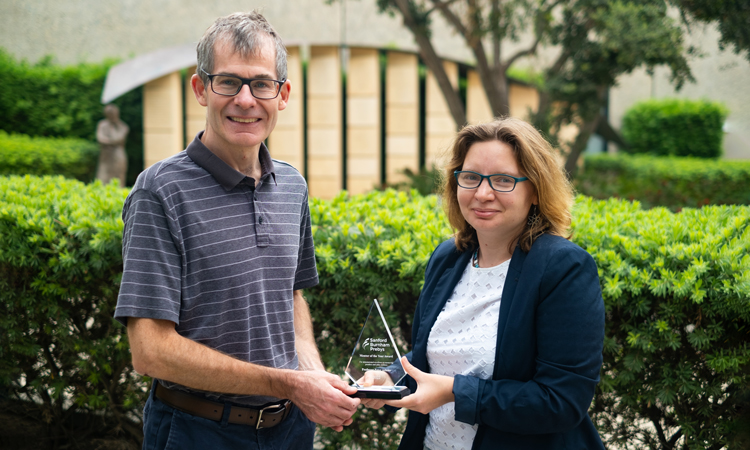
Peter Adams, PhD, has been named Mentor of the Year, a new honor from the Institute’s Office of Education, Training and International Services (OETIS) and the Postdoctoral Training Advisory Group (PTAG).

The award was based on nomination letters submitted by postdocs and graduate students on the Sanford Burnham Prebys campus, and the winner was selected by a committee of PTAG members. The award was announced on September 22 at the 21st Annual Trainee Research Symposium.

“Professor Adams creates an environment that supports his postdocs in pursuing their research projects by motivating his trainees to experience new techniques, take on challenging projects and help them to decide the direction in which they want to move forward,” said postdoctoral associate Marie Berenguer, who presented the award to Adams. “He helps his trainees expand their professional networks and further develop their technical and transferable skills. Every trainee from the Adams lab submitted an abstract for this year’s Annual Trainee Research Symposium, a sign of Peter’s commitment to their training.”

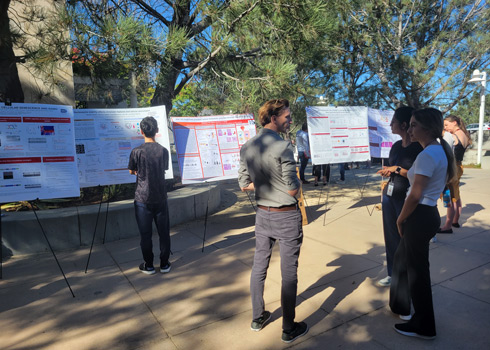
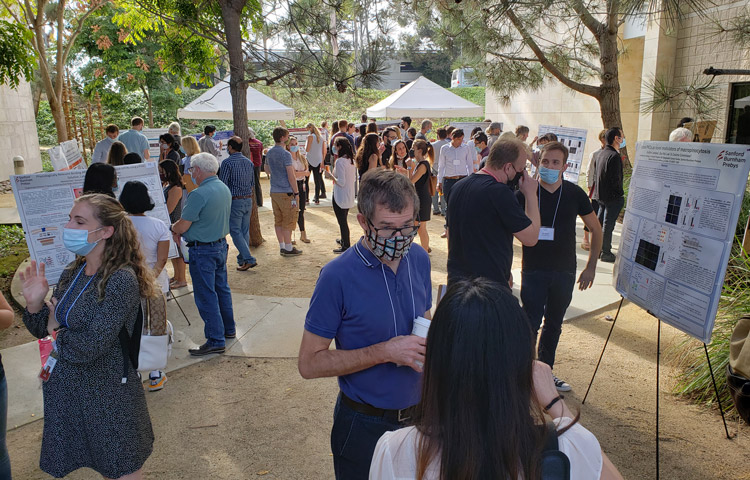
trainees and posters

Trainees present their research to peers and faculty at the poster session

Adams Lab

The Adams lab

In his comments when accepting the award, Adams spoke to his mentoring philosophy: “Some of you have asked me, ‘What’s the most important thing in a student or a postdoc?’ What I’ll say is that the most important thing is to take ownership of your project, so my mentoring strategy is, in a way, to put the burden on you. But I can only put that burden on you if you can rise to it and take that on, and clearly you do. You do a great job, so that makes my life very easy.”

Reading from nomination letters submitted by postdocs, Berenguer added, “Your positive vision and passion for science, your willingness to collaborate and help, and your kind personality were highly praised and stated as the major reason that you are a one-of-a-kind mentor who has positively impacted your lab members and also many other researchers across Sanford Burnham Prebys.” 

In addition to the award presentation, the day consisted of opening remarks from Hudson Freeze, PhD, and Alessandra Sacco, PhD; presentations by graduate students and postdocs from labs across the Institute; and a keynote presentation from Principal Investigator Karissa Sanbonmatsu, PhD, from Los Alamos National Laboratories, about her work in epigenetics. President and CEO David Brenner, MD, delivered closing remarks, which were followed by a poster session.

“Mentoring is one of the most important things senior faculty can do to advance the careers of their students and postdocs,” said Brenner during his comments. “It’s such a pleasure to join you all for this symposium today.” 

trainees and faculty enjoying refreshments

Trainees and faculty enjoy refreshments during a break

Institute News

Fishman Fund Fellowship awarded to Cynthia Lebeaupin for liver cancer research

AuthorMiles Martin
Date

June 8, 2022

Cynthia Lebeaupin, PhD was recently awarded the 2022 Fishman Fund Fellowship, a postdoctoral award unique to Sanford Burnham Prebys.

The award provides a boosted stipend to exceptional postdocs from the Institute who have a demonstrated research track record and whose work shows significant potential for future breakthroughs.

“It’s an honor to have been selected for such a prestigious award from the Institute, says Lebeaupin, who works in the lab of Randal J. Kaufman, PhD “The resources and people at Sanford Burnham Prebys are incredible and I’m happy to be able to continue my research here.”

Sanford Burnham Prebys introduced the Fishman Fund Awards in 2001 to honor of the Institute’s founders, Dr. William and Lillian Fishman. The fund was established by Reena Horowitz and the late Mary Bradley, longtime supporters of the Institute.

“The Fishmans created an Institute that fosters a collaborative, inspirational atmosphere for postdoc students,” said Horowitz at the 2021 Fishman Fund Awards. “The Fishmans understood that support for new science is a brilliant research investment.”

Lebeaupin has been at the Institute since 2018, and this is not her first honor from the Fishman Fund. In 2021, she was awarded a Fishman Fund Career Development Award, a smaller prize offered to several postdocs each year. She also completed an internship at the Institute’s former Lake Nona campus in 2014.

“I’ve had an affinity for Sanford Burnham Prebys for a long time,” says Lebeaupin. “I knew once I met Dr. Kaufman and everybody on campus that this was the best place to complete my postdoc.”

Lebeaupin’s research focuses on a growing and pressing problem in medicine – liver cancer. One of the major risk factors for developing liver cancer is fat accumulation in the liver, known as fatty liver disease. Increases in obesity rates over the last several decades have led to a dramatic increase in fatty liver disease.

Fatty liver disease is increasing at an alarming rate, and unfortunately, it’s here to stay,” says Lebeaupin. “My research is figuring out how fatty liver disease progresses to liver cancer, so we can use this knowledge to help prevent it.” 

In particular, Lebeaupin is working on exploring how cells respond to fatty liver disease over time. She discovered that a molecule that helps liver cells protect themselves from short-term stress can promote cancer in the long-term. She has now moved into studying the system in human tissues.

“This research is exciting because we aim to translate our discoveries from the bench to the bedside,” says Lebeaupin. “What I hope to do in the future is use new technologies on liver samples from patients so we can identify what’s actually going on in liver diseases.”

Institute News

Sanford Burnham Prebys hosts inaugural Rising Stars Symposium

AuthorMiles Martin
Date

May 10, 2022

“I had an exceptionally memorable experience,” says Rising Star Myron Keith Gibert Jr., a PhD candidate at the University of Virginia.

Sanford Burnham Prebys recently hosted the first-ever Rising Stars Symposium, a three-day postdoctoral recruitment event that provided professional development, leadership training, networking opportunities and mentorship sessions for 12 early-career researchers who were selected based on their academic achievements and research scholarship. Faculty and staff were invited to attend a full day of presentations by the Rising Stars.

“It was an honor to host our inaugural Rising Stars!“ says Angelica Rocha, Ph.D , diversity officer at Sanford Burnham Prebys. Rocha adds, “They are emerging scientific leaders from across the country who impressed us with their work and inspired us with their dedication to equity and inclusion. I would be ecstatic if they joined our Institute.”

The event was an institute-wide diversity, equity and inclusion (DEI) initiative hosted by the DEI Recruitment Committee, one of the three subcommittees at the Institute. The Recruitment Committee promotes an inclusive workplace through recruiting strategies that are equitable and result in increased representation for underrepresented groups.

After a brief introduction from President Kristiina Vuori, MD PhD, Assistant Professor Svasti Haricharan, PhD opened the day of presentations with a keynote address discussing her research on the genetic differences in breast cells of Black women and the consequences for health disparities, as well as the disparities in representation among academic researchers conducting this work.

Young male researcher giving presentation

For example, in 2019, less than 6% of doctorates were earned by Black people, despite making up about 14% of the population. Even fewer progress to faculty positions.

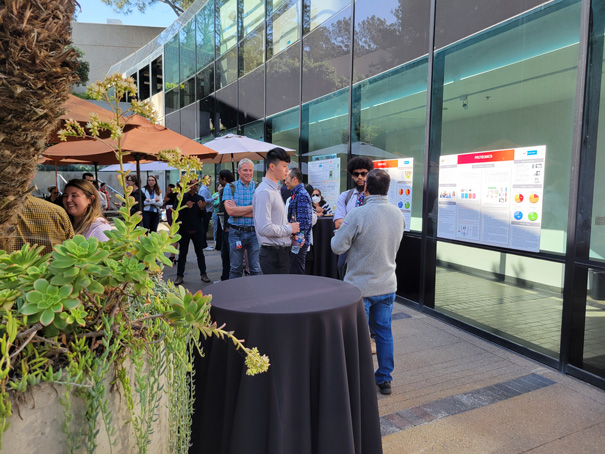
Outdoor reception

“Events like the Rising Stars Symposium provide opportunities to capture the leaks in the science training pipeline and continue to provide career development for scientists from diverse backgrounds,” adds Gibert.

In addition to presenting their work, the Stars were the guests of honor at a reception, which also included poster presentations by researchers from Sanford Burnham Prebys. The event concluded with networking and mentorship sessions between each of the Stars and faculty at the Institute, with whom they could potentially conduct research in the future.

“The Symposium opened my eyes to the exciting research taking place at Sanford Burnham Prebys,” says Rising Star Sedelia Dominguez, a PhD candidate at Washington State University. “I gained confidence in myself as a researcher and was able to find a potential place for my next career step.”

Institute News

Early-career scientists showcase their work at the 20th Annual Trainee Research Symposium

AuthorMiles Martin
Date

October 5, 2021

The scientific leaders of tomorrow gathered to showcase their work at the 20th Annual Trainee Research Symposium on September 23rd. The talented group of presenters included postdoctoral researchers, graduate students, and staff scientists from labs across Sanford Burnham Prebys. 

After introductory remarks by Sanford Burnham Prebys Student Network co-chairs Stephen Sakuma and Marie Berenguer, PhD, as well as president Kristiina Vuori, MD, PhD, the young scientists gave 20-minute podium presentations about their research, which were judged by a panel of Sanford Burnham Prebys faculty and staff. Speakers included:

•    Nirmalya Dasgupta, PhD (Postdoctoral Fellow, Adams lab)
•    Ceda Stamenkovic (Graduate Student, Sacco Lab)
•    Cynthia Lebeaupin, PhD (Postdoctoral Associate, Kaufman lab)
•    James Kezos, PhD (Postdoctoral Fellow, Ocorr Lab)
•    Zhijie Xia, PhD (Postdoctoral Fellow, Freeze lab)
•    Valeria Guglielmi, PhD (Postdoctoral Associate, D’Angelo lab)
•    Victoria Recouvreux, PhD (Staff Scientist, Commisso lab)
•    Jonatan Matalonga Borrel, PhD (Postdoctoral Associate, Dong lab)
•    Chiara Nicoletti, PhD (Postdoctoral Associate, Puri lab)

Cynthia Lebeaupin, PhD and Valeria Guglielmi, PhD were respectively awarded first and second place by the judges for their presentations, for which they’ll each receive a cash prize to go towards career development activities. Lebeaupin’s research focuses on the progression of fatty liver disease to liver cancer, and Guglielmi studies the role of nuclear pores the development of bone marrow cells. 

After the first two sessions of presentations, the keynote speech for the Symposium was given by Katherine Thompson-Peer, PhD, an assistant professor of developmental & cell biology at the University of California at Irvine.

Following the last podium presentation was a poster session where 30 early-career scientists were given the chance to present their work. A panel of judges selected the top three posters—presented by Shaun Lim from the Kumsta and Hansen labs, Aleksandr Arzamasov from the Osterman lab, and Michaela Lynott from the Colas lab—and they will also receive a cash prize. The day was capped off with closing remarks from Sanford Burnham Prebys CEO C. Randal Mills, Ph.D.

Congratulations to all the participants in this year’s Symposium, and a special thank you to the staff at the Office of Education, Training, & International Services (OETIS) for organizing the event. 
 

Institute News

2021 Fishman Fund Award ceremony celebrates postdoctoral scholars

AuthorSusan Gammon
Date

September 28, 2021

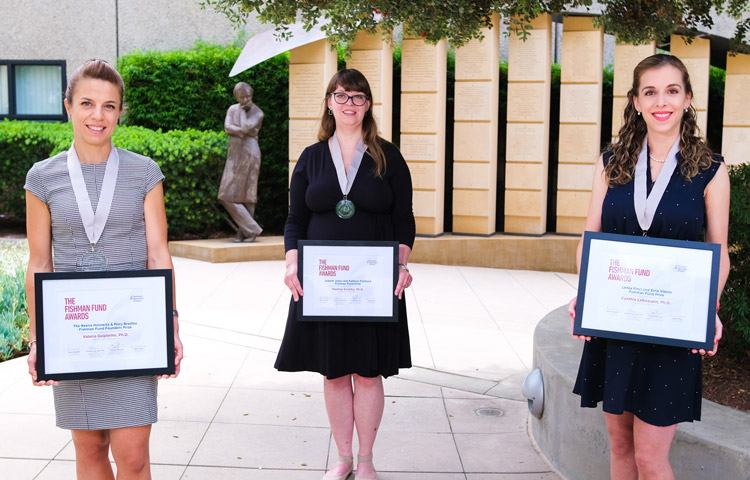
The Fishman Fund Awards were presented on September 23, 2021, in a virtual ceremony that honored the enduring legacy of our Institute’s founders, Dr. William and Lillian Fishman.

The three exceptional winners were welcomed by Fishman Fund co-founder Reena Horowitz; co-founder designee Jeanne Jones; and 2018 award recipient Laura Martin-Sancho, who commented, “A Fishman Fund Award is more than the money—it means that someone believes in you and believes in your goals.”

Longtime supporter, Institute trustee and namesake Malin Burnham reflected on his first meeting with the Fishmans more than 40 years ago when they were setting the stage for Sanford Burnham Prebys. “The Fishmans were creating a collaborative, inspirational atmosphere for postdocs—the lifeblood of scientific enterprise. This award pays tribute to their vision that young, talented scientists hold the key to curing disease.”

Sanford Burnham Prebys CEO Randy C. Mills thanked our supporters and shared, “Fishman Fund Award winners are on a journey not only to make their mark through scientific discovery, but also to define themselves as scientific leaders. I’m excited to see the vision of better science that they will translate into reality for the benefit of patients in need.”

Reena Horowitz and the late Mary Bradley established the Fishman Fund Awards in 2001 to honor the Fishmans and advance the careers of promising young scientists. Ever since the fund was launched 20 years ago, more than 70 awards have been conferred—now worth $10,000—to support career-development activities. 

This year’s awards were presented to:

Cynthia Lebeaupin, PhD
The Lenka Finca and Erna Viterbi Fishman Fund Prize

“I’m especially grateful to be affiliated with a community that supports its postdoctoral researchers, helping us transition into the great leaders of tomorrow.”

Dr. Lebeaupin is studying how fatty liver disease progresses to liver cancer. Fatty liver disease is rapidly increasing in the U.S. and around the world—and there is no cure. Studying how cells respond to stress conditions may open new avenues to target those responses and prevent cancer. Dr. Lebeaupin, a postdoctoral associate in the lab of Randal J. Kaufman, PhD, aims to become a professor of biology in academia.

Valeria Guglielmi, PhD 
The Reena Horowitz and Mary Bradley Fishman Fund Founders Award

“Now more than ever, we need people like you who trust scientists and believe science can really make a difference in our lives.”

Dr. Guglielmi is researching nuclear pore complexes and their role in the development and activity of immune cells. This research may lead to novel treatments for health conditions caused by dysregulated immune-cell production and function. Guglielmi is a postdoctoral associate in the lab of Maximiliano D’Angelo, PhD, and her goal is to become an independent investigator to further research on the immune system.

Paulina Sosicka, PhD 
The Jeanne Jones and Kathryn Fishback Fishman Fund Prize 

“I’m very grateful and honored to receive this Fishman Fund Career Development Award. Thank you to the founders and donors who made this possible.” 

Dr. Sosicka is investigating the application of dietary supplementation to treat debilitating genetic conditions called CDGs, which are rare diseases—mainly affecting children—caused by defects in the human enzymes and proteins responsible for adding sugar molecules onto proteins and lipids. The research may also provide insights into new approaches to treat obesity and cancer. A postdoctoral associate in the lab of Hudson Freeze, PhD, Dr. Sosicka aspires to become a professor in academia in the field of glycobiology.


Event recording


Institute News

Meet immunologist Jennifer Hope

AuthorMonica May
Date

February 12, 2021

Hope’s research aims to help cancer immunotherapy work for more people

It’s not an overstatement to say that immunotherapy—an approach that uses our own immune system to kill a tumor—has revolutionized the treatment of cancer. Doctors continue to report incredible results, including tough-to-treat tumors seemingly melting away. However, the treatment doesn’t work for everyone, and even if it does work initially, it often stops working as time goes on.  

Jennifer Hope, PhD, a postdoctoral researcher in the Bradley lab at Sanford Burnham Prebys, is working to find ways to make cancer immunotherapy work for more people. We caught up with her as she prepared to take the virtual stage at the Diversity and Science Lecture Series at UC San Diego (DASL) to learn more about what she wishes people knew about science and whom she admires.

Did you always know you wanted to be a scientist?
I always had an interest in science, but at first I wanted to go a totally different route. I was an athlete in high school and college—I played tennis—and really wanted to go into sports medicine. Then I had my first real experience being in a lab in college, and I was hooked. I liked how hands-on it was and how I could keep asking questions. As my family knows, I’ve always been one to ask a lot of questions and always ask why. I found that being in the lab that was my opportunity to keep coming up with new questions, and finding answers that will impact people’s lives.

What do you research, and what is your greatest hope for your work?
I’m trying to understand why the immune system—specifically, T cells—seems to turn a “blind eye” to tumors, which it doesn’t do to other foreign invaders like viruses. My ultimate hope is that we use this information to create better cancer immunotherapies, particularly for skin cancer, which is still really deadly.

What do you wish people knew about science?
That it can be a lot of fun! Most people have this perception of science as being very boring. You see X and you do Y. That part can be true. But there’s a lot of opportunity for creativity and to come up with different ways to ask the same question. Some of the best scientists are incredibly creative people.

How would your coworkers describe you?
Motivated and always willing to try new things.

When you aren’t working, where can you be found?
Reading a book. My family started a book club to stay connected during the pandemic. We just read The Food Explorer by Daniel Evan Stone, which was fascinating. It’s about a botanist who is responsible for transforming what food looked like in the U.S. at the turn of the century. I don’t want to give too much away, but it’s because of him that we have cherry blossoms in Washington D.C., and regulations on importing seeds.

Whom do you admire, and why?
My parents. It sounds cliché, but it’s true. They have always been the biggest supporters of my dreams, whether career or personal.

One example that pops into my head is when I was getting my PhD, and my PI moved from Philadelphia to the Netherlands. I had the opportunity to move, too, if I wished. This was obviously a huge step, and I called my parents to talk it through. Immediately, the conversation was about how this would benefit me—the risks and the advantages—and they said they would support me if I wanted to go or not. That meant, and means, the world to me. Ultimately, I did go, and it was an incredible opportunity that I don’t regret at all.

What do you wish people knew about Sanford Burnham Prebys?
That everyone is willing to help each other. You don’t see that everywhere. It is proof that you can do science at an exceptional level without competing with each other.

Institute News

Meet molecular biologist Jonatan Matalonga-Borrel

AuthorMonica May
Date

February 3, 2021

Matalonga-Borrel is on the hunt for a treatment that could help children born with a rare, life-threatening condition

Thanks to the sequencing of the human genome, scientists have helped parents get answers to the cause of mysterious conditions that have affected their children. Now, researchers are tackling a new challenge: translating this knowledge into life-altering medicines.

Molecular biologist Jonatan Matalonga-Borrel, PhD, a postdoctoral researcher in the Dong lab at Sanford Burnham Prebys, is at the forefront of this effort. We caught up with Matalonga-Borrel as he prepares to take the virtual stage at DASL (the Diversity and Science Lecture Series at UC San Diego) to learn more about his work and his interests outside of the lab.

Did you always know you wanted to be a scientist?
I actually wanted to be an airplane pilot until my senior year of high school. But during the application process, I learned that I have very mild color-blindness, so I had to quickly decide what I wanted to do next. I pivoted to biology, a topic where I had some interest, thinking I would become a teacher. Then, when I was in college, I got the opportunity to complete a lab internship, which is where I discovered my passion for research. I would have never guessed that I would be where I am today, leading a project that might directly help families and children.

What do you study, and what is your greatest hope for your research?
I study Alagille syndrome, a rare disease that affects kids from the day they are born. Many organs are affected, especially the heart and the liver, and almost half of these children die before the age of 19.

Luckily, Alagille syndrome is associated with mutations in only two genes, both belonging to the same pathway, called Notch. This makes our goal easier to achieve: identify drugs that target Notch, which currently don’t exist. I’m excited that we’ve identified a promising option. My greatest hope is to create a medicine that truly helps these children and their families, who currently live without any treatment.

When you aren’t working in the lab, where can you be found?
You will likely find me playing golf at Torrey Pines! There is nothing like playing a twilight round, feeling a slight breeze and looking at the immensity of the Pacific Ocean. With that said, since I became a father, my golfing time has been severely impaired. Now it’s most likely that you’ll find me at home, entertained by the early stages of development of my son…and changing a lot of diapers!

What do you wish people knew about science?
How patient one has to be to move science forward. It can take weeks—or months—of trial and error until a big breakthrough happens.

We live in a world that seems to spin faster and faster. It is critical for our society to understand that proper science is not about rushing experiments. It is about setting the right ones.

How do you think your lab colleagues would describe you?
Upbeat, reliable and organized (hopefully!).

How has the pandemic affected your life?
I had my first baby last June, and the pandemic prevented any relatives to come from our home country, Spain, and meet their first grandchild. Thankfully, we had Skype to get in touch. Looking on the bright side, daycares have never been so clean, and the rate of sickness around kids has dropped significantly!

What is the best career advice you have ever received?

“Have fun and make friends,” from Dr. Eduardo Chini of the Mayo Clinic. It is possible to do great science and have fun—don’t feel guilty about it. My best collaborations came from my greatest friendships among colleagues.

What do you wish people knew about Sanford Burnham Prebys?
It’s an amazing community. Science moves forward thanks to communication and collaboration and it wouldn’t happen without a strong sense of community. This includes wise faculty members who train graduate students and postdocs, an Office of Education and International Services that offers year-round seminars and workshops, and a group I am part of, called SBP-Social Network (SBP-SN), which organizes fun social and scientific events. All of this creates a place where scientific excellence thrives.