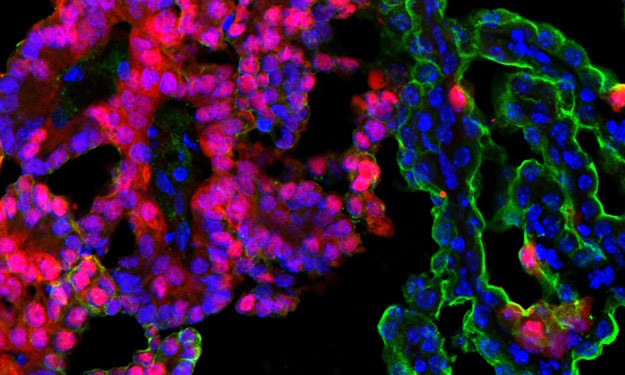
Immunotherapy has revolutionized cancer treatment, but it doesn’t work on many childhood brain tumors. Researchers from Sanford Burnham Prebys are working to change that.
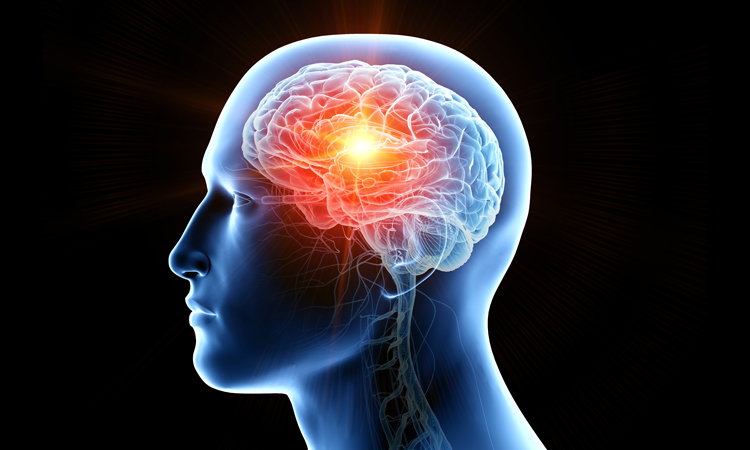
Brain tumors account for about a quarter of all cancer cases in children. Medulloblastoma, a particularly aggressive form of childhood brain cancer, often develops resistance to radiation and chemotherapy. Researchers from Sanford Burnham Prebys are working to solve this problem by harnessing the power of the immune system.
They describe the potential of this approach in their recently published paper in Genes & Development.
“The brain’s location makes it very difficult to target medulloblastoma tumors with current therapies,” says first author Tanja Eisemann, PhD, a postdoctoral associate in the lab of Robert Wechsler-Reya, PhD “They’re also immunologically cold, which means they’re good at evading the immune system.”
The researchers hypothesize that it may be possible to enhance the body’s immune response to medulloblastoma and help the body’s immune cells enter the brain, making treatment with immunotherapy possible.
“Immunotherapy has so much potential as a cancer treatment, but its scope is limited right now,” says Eisemann. “We want to bring the benefits of this therapy to medulloblastoma patients and their families.”
Eisemann has been studying this approach in mice, and although the research is still at an early stage, she and her colleagues are highly optimistic about its potential.
“The brain has long been considered immune privileged, hidden from immune-system surveillance and immune responses. But we’re starting to see that this isn’t the case,” says Eisemann. “This is a rapidly evolving field, and I’m excited to be working in a lab on the forefront of that research.”
Institute News
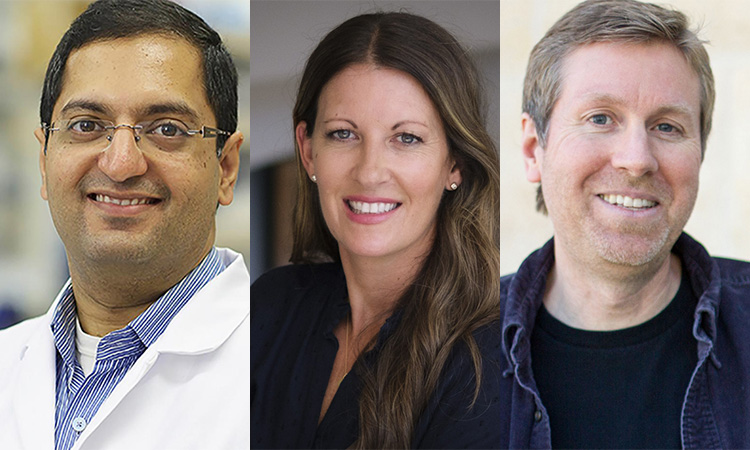
Three Sanford Burnham Prebys faculty receive promotions
Deshpande studies developmental processes in stem cells that get hijacked by cancer, focusing specifically on acute myeloid leukemia, one of the most common types of blood cancer. Earlier last year, Deshpande published a study with researchers at the National Institutes of Health (NIH) revealing that CRISPR gene editing can sometimes favor cells with cancer mutations, encouraging a cautious approach when using CRISPR therapies for certain cancers
Deshpande joined the Institute in 2015. Prior to that, he held positions at Memorial Sloan Kettering Cancer Center and Harvard Medical School.
Brooke Emerling, PhD
Emerling studies the metabolism of cancer cells, specifically how certain signaling proteins can contribute to the uninhibited growth typical of tumors. Emerling recently received a $2.3 million grant from the NIH to continue her work over the next four years.
Emerling joined the faculty at Sanford Burnham Prebys in 2016. Prior to that, she held positions at Weill Cornell Medicine and Harvard Medical School.
Charles Spruck, PhD
Spruck develops new, effective, nontoxic treatments for patients with advanced cancers. Specifically, his recent studies have focused on the potential to treat cancer with viral mimicry, which tricks the body into thinking it has a viral infection, stimulating immune responses that can help the body fight cancer and improve the effects of other treatments.
Spruck joined the Institute in 2010. Prior to that, he held positions at the Sidney Kimmel Cancer Center and Scripps Research.
Institute News
Fishman Fund Fellowship awarded to Cynthia Lebeaupin for liver cancer research
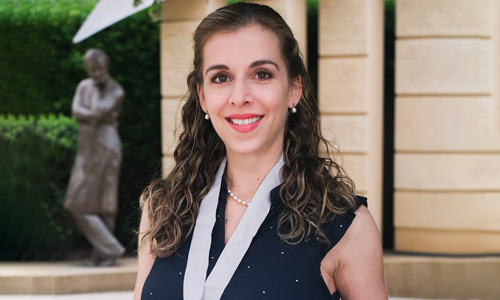
Cynthia Lebeaupin, PhD was recently awarded the 2022 Fishman Fund Fellowship, a postdoctoral award unique to Sanford Burnham Prebys.
The award provides a boosted stipend to exceptional postdocs from the Institute who have a demonstrated research track record and whose work shows significant potential for future breakthroughs.
“It’s an honor to have been selected for such a prestigious award from the Institute, says Lebeaupin, who works in the lab of Randal J. Kaufman, PhD “The resources and people at Sanford Burnham Prebys are incredible and I’m happy to be able to continue my research here.”
Sanford Burnham Prebys introduced the Fishman Fund Awards in 2001 to honor of the Institute’s founders, Dr. William and Lillian Fishman. The fund was established by Reena Horowitz and the late Mary Bradley, longtime supporters of the Institute.
“The Fishmans created an Institute that fosters a collaborative, inspirational atmosphere for postdoc students,” said Horowitz at the 2021 Fishman Fund Awards. “The Fishmans understood that support for new science is a brilliant research investment.”
Lebeaupin has been at the Institute since 2018, and this is not her first honor from the Fishman Fund. In 2021, she was awarded a Fishman Fund Career Development Award, a smaller prize offered to several postdocs each year. She also completed an internship at the Institute’s former Lake Nona campus in 2014.
“I’ve had an affinity for Sanford Burnham Prebys for a long time,” says Lebeaupin. “I knew once I met Dr. Kaufman and everybody on campus that this was the best place to complete my postdoc.”
Lebeaupin’s research focuses on a growing and pressing problem in medicine – liver cancer. One of the major risk factors for developing liver cancer is fat accumulation in the liver, known as fatty liver disease. Increases in obesity rates over the last several decades have led to a dramatic increase in fatty liver disease.
Fatty liver disease is increasing at an alarming rate, and unfortunately, it’s here to stay,” says Lebeaupin. “My research is figuring out how fatty liver disease progresses to liver cancer, so we can use this knowledge to help prevent it.”
In particular, Lebeaupin is working on exploring how cells respond to fatty liver disease over time. She discovered that a molecule that helps liver cells protect themselves from short-term stress can promote cancer in the long-term. She has now moved into studying the system in human tissues.
“This research is exciting because we aim to translate our discoveries from the bench to the bedside,” says Lebeaupin. “What I hope to do in the future is use new technologies on liver samples from patients so we can identify what’s actually going on in liver diseases.”
Institute News
Facing cancer disparities head-on: An interview with Svasti Haricharan
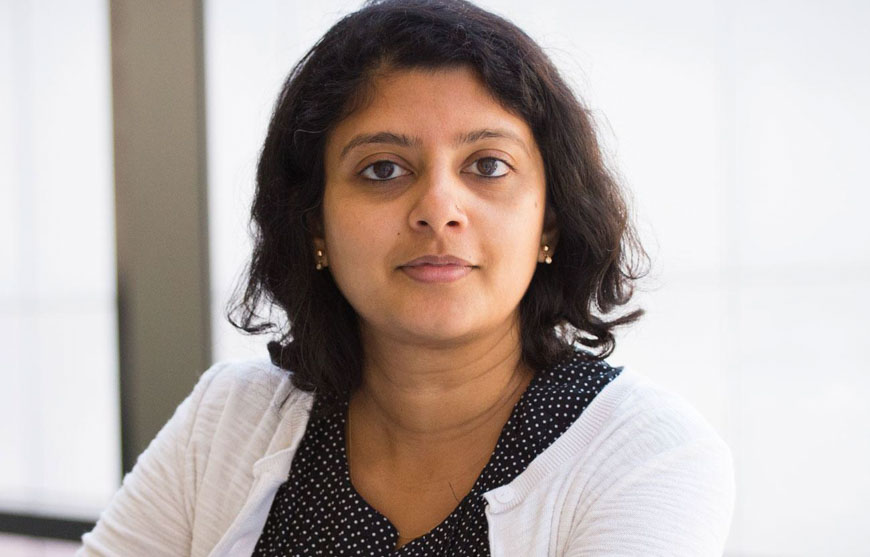
Svasti Haricharan, PhD, and her lab are revealing why more Black women get breast cancer, and they’re also telling us what we can do about it.
Svasti Haricharan, PhD, an assistant professor at Sanford Burnham Prebys, is tackling one of the most pernicious problems facing cancer researchers today—why some people, particularly disenfranchised groups such as Black women, get cancer more frequently and more severely than others. For years, the answer has been explained away by differences in lifestyle or socioeconomic status, but Haricharan’s research, published in Therapeutic Advances in Medical Oncology, is demonstrating that the real answer is much more complicated.
What were your findings? We found differences between the breast cells of white and Black women that help explain why Black women experience higher mortality from ER+ breast cancer. These included differences in the expression of specific genes and consistent molecular differences in the cellular signals controlling how fast cells can grow. These differences were present in both healthy and cancerous cells.
Why is it important to study breast cancer disparities? Black and white women have about the same incidence of ER+ breast cancer, but Black women are 42% more likely to die from it. This is just one example of the type of glaring health disparity we see in Black people and other marginalized communities. Unfortunately, these issues have been severely neglected by the research community. Or worse still, they are attributed entirely to lifestyle factors, which often shift the blame to the patients themselves.
What do your findings mean for women with breast cancer? The immediate implication is that we can act on this information to improve diagnostics and treatment for Black women with breast cancer. Our results suggest that at least some Black women could benefit from being treated earlier with CDK inhibitors, which are drugs we already have and understand. In the bigger picture, we’re showing that there are internal factors at play in health disparities that develop based on people’s lived experiences. We’re going to have to really dive in and explore these factors if we want to make any real progress in precision medicine. Everybody deserves care that is tailored to their molecular makeup as closely as possible.
What are some of the challenges still facing researchers working on health disparities? The simplest answer is getting the money to do the research. We’re fortunate that we’ve found something here that’s quickly actionable, but it’s not always going to work out like that. This isn’t about just a few more studies. The types of differences we’ve found here are likely present in other types of cancer and in other groups. The more we look, the more we’re going to find. Funders and researchers alike need to be willing to prioritize this type of research going forward, or we’ll never see real change.
A new study from the lab of Francesca Marassi, PhD could help reveal new treatments for one of the world’s deadliest pathogens.
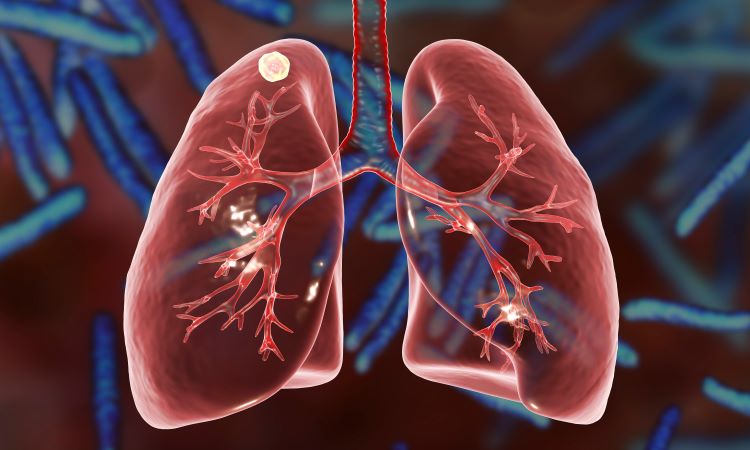
Sanford Burnham Prebys researchers have uncovered the structure of an important protein for the growth of tuberculosis bacteria. The study, published recently in Nature Communications, sheds light on an unusual metabolic system in tuberculosis, which could help yield new treatments for the disease and help make existing therapies more effective.
“Molecular discoveries like this give us valuable insight into how these bacteria survive, which is important in terms of finding cures for tuberculosis, and for other areas of health and biology,” says James Kent, a PhD candidate working in Marassi’s lab. “For example, bacteria in this family pose problems in both human health and agriculture, such as leprosy and bovine tuberculosis.”
Tuberculosis caused 1.5 million deaths in 2020 according to the World Health Organization, and this figure is expected to increase in the coming years due to the impact of the COVID-19 pandemic.
Stealing iron has its risks The new protein, called Rv0455c, is part of a complex transportation system in Mycobacterium tuberculosis. Rv0455C helps the bacteria take up iron from the host cells they infect. This process is essential to their growth and replication.
“They produce these very small molecules called siderophores and send them out of the cell, where they bind to iron and bring it back in,” says Kent. “Rv0455C seems to be essential for secreting these molecules.”
An important step of this iron-uptake process is recycling the siderophores so they can be used again. When this process is interrupted, the leftover molecules can accumulate and poison the cell.
The study found that without Rv0455c, tuberculosis bacteria cannot secrete siderophores, which severely impairs their replication. Bacteria without Rv0455c also experienced poisoning from unrecycled siderophores.
And while this delicate system can be interrupted by blocking previously known genes, eliminating Rv0455c does it much more efficiently.
“This seems to be the first piece of evidence that there is a single protein in this system that could be targeted by a new class of tuberculosis drugs,” adds Kent.
Structure determines function Kent’s role in the study was to piece together the structure of the protein, which had posed a significant challenge to the researchers. Revealing the detailed structure of a protein is a critical part of understanding its function.
“The process of figuring out the structure of a protein can be time consuming and requires precise optimization of many conditions,” says Kent. “This protein is small, but it is still a three-dimensional object moving in three-dimensional space, and the way it’s shaped will affect what it does.”
Kent determined that the Rv0455c protein has an unusual “cinched” structure that could help explain its unique function in tuberculosis bacteria. The structure may also help determine whether it’s possible to target the protein with therapeutics.
Looking ahead The findings suggest that targeting the recycling of iron-carrying molecules may lead to the development of much-needed drugs to combat one of the world’s deadliest bacterial pathogens.
Kent is also optimistic that the findings could help augment existing treatments for tuberculosis.
“Because treatment cycles are long for tuberculosis, a common problem with is multi-drug resistance,” says Kent. “There’s a very good possibility that there will be implications for this protein in interrupting some of the processes that lead to bacterial resistance.”
Institute News
Padres Pedal the Cause 2022: Team Sanford Burnham Prebys raises more than $21,000 for cancer research
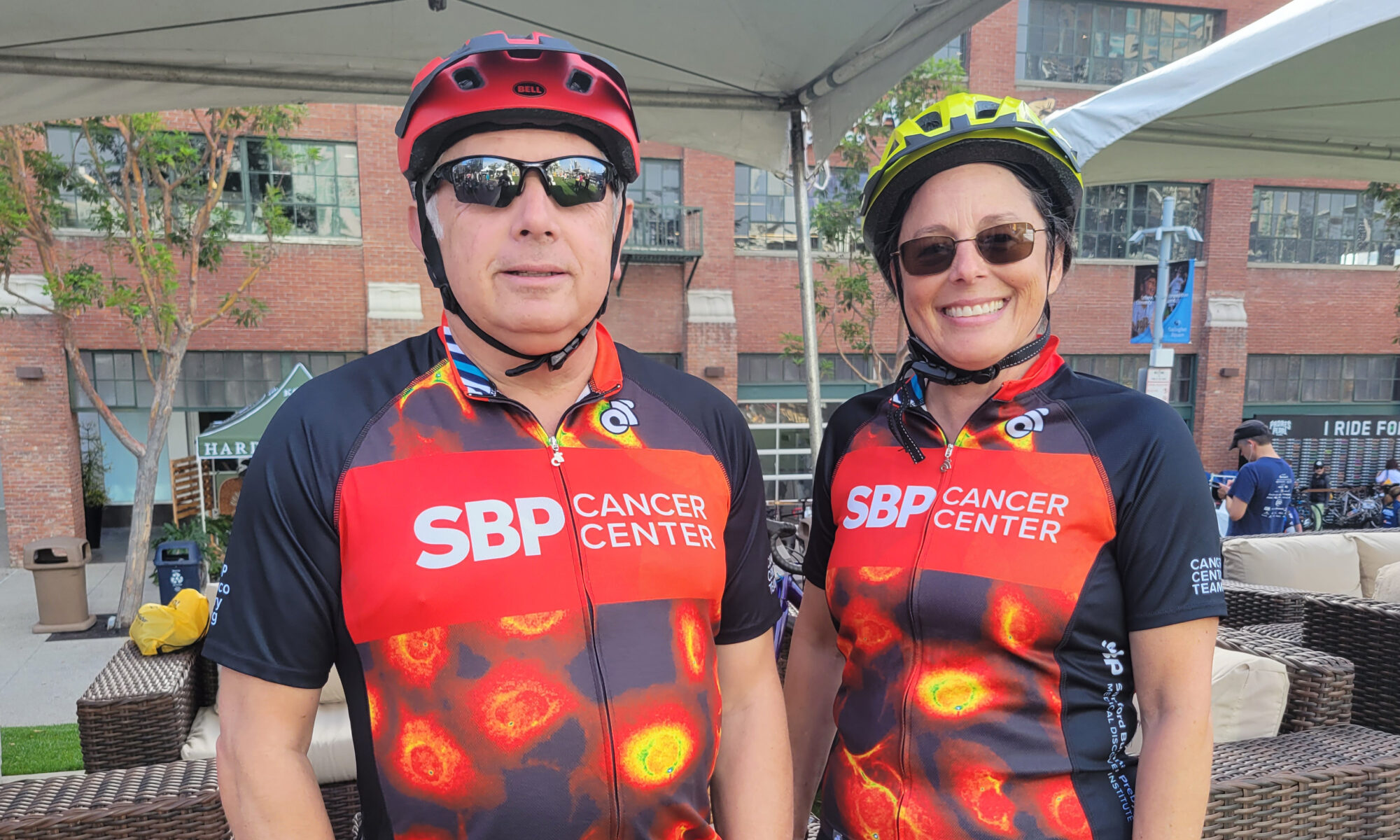
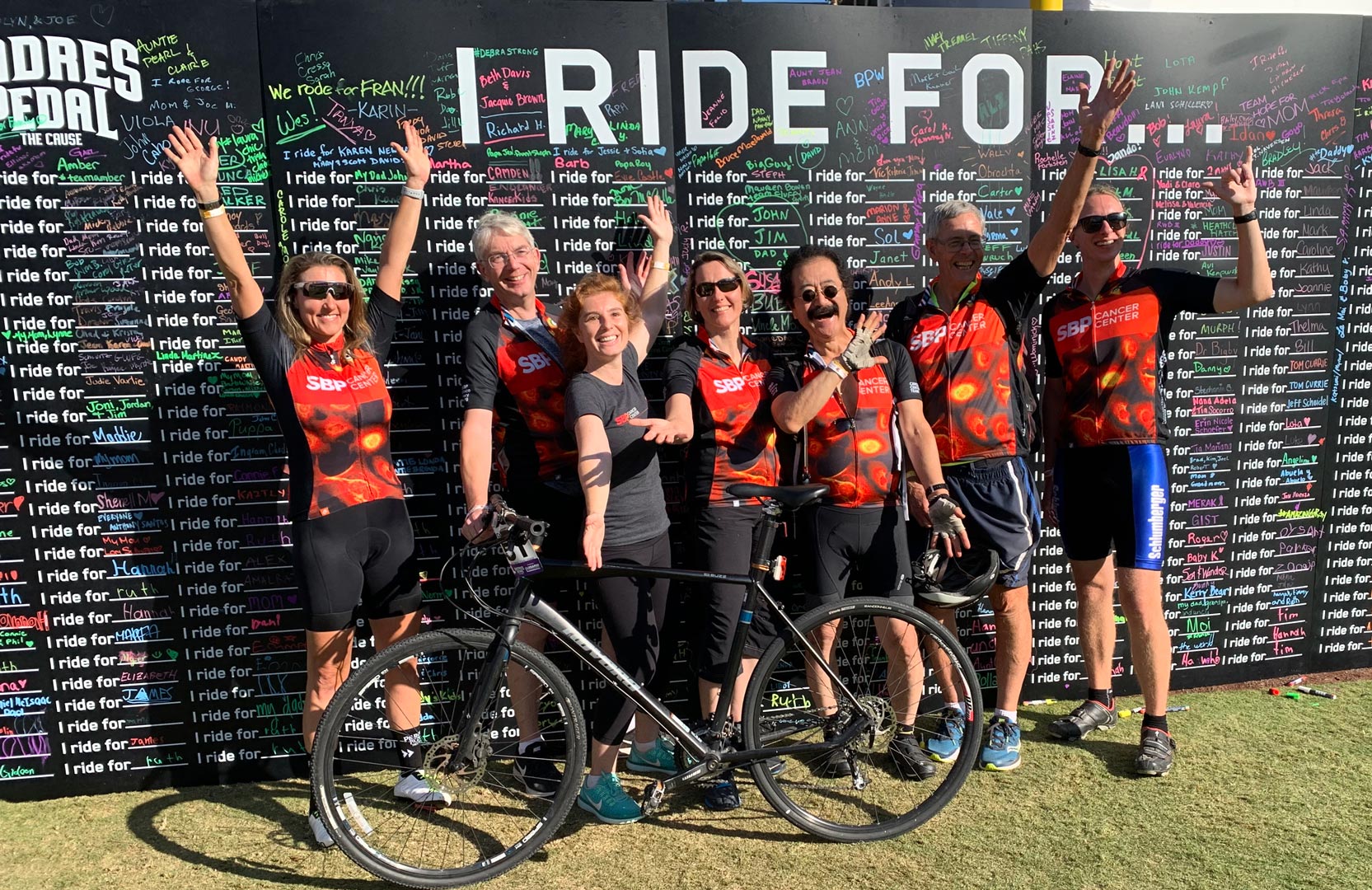
Each year a team from Sanford Burnham Prebys hits the pavement as part of Padres Pedal the Cause, an annual event that invites participants to cycle, spin, run or walk to support local cancer research. This year’s team was small but mighty, raising more than $21,000 to fund collaborative cancer research projects in the San Diego area.
Including the money raised by the Sanford Burnham Prebys team, Padres Pedal the Cause has raised more than $2.8 million this year so far. These funds will be distributed as grants to support collaborations between six participating research organizations: the Salk Institute, Scripps Research, Rady Children’s Hospital, UC San Diego, the La Jolla Institute, as well as Sanford Burnham Prebys.
“This is more than just a fundraising event; it’s also a chance to connect with the cancer community and reflect on the importance of teamwork in cancer research,” says rider Ze’ev Ronai, PhD, director of the Institute’s NCI-designated Cancer Center. “I’ve done the race for four years, and every year it makes me proud to be on team Sanford Burnham Prebys.”
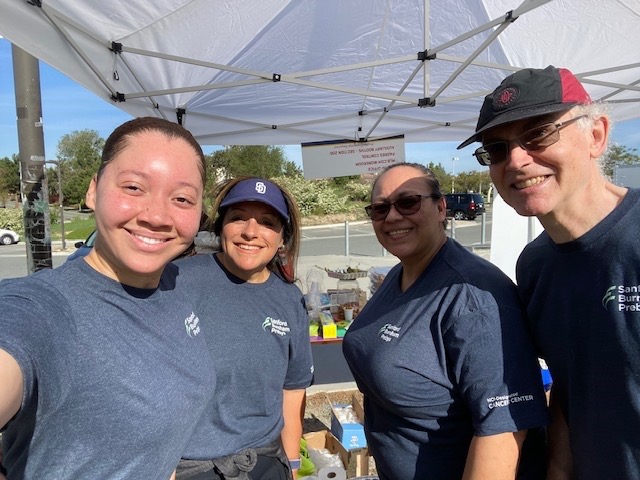
Besides Ronai, notable Institute names on the team this year included Thomas Chung, PhD, director of Translational Programs Outreach at the Conrad Prebys Center for Chemical Genomics; and Scott Tocher, general counsel and vice president of Communications. In addition to the riders, event volunteers from Sanford Burnham Prebys included Michaela Andrews, Araceli Ambert, Mariela Castanares, David Scott, Susan Goho and Katherine Kling.
“We don’t have a huge team, but we always have a great one,” says team captain Adrienne Crown, JD, director of Administration at the Cancer Center and director of Compliance and Operations for the Institute, “I’m so proud that just a few people are able to help make such a big impact.”
The top fundraiser on this year’s team was not an employee of the Institute but is still very much a friend of Sanford Burnham Prebys. Kim McKewon is a longtime donor to the Institute and has been participating in Padres Pedal the Cause since its inception in 2013. This year she raised more than $6,000; and to date, she has raised more than $30,000. In her website bio, she writes that she pedals for her husband, Ray, who is in remission from leukemia.
“Kim is one of the superstars of our team, and we are so thrilled that she was able to ride with us again this year,” adds James Short, Crown’s co-captain and director of Digital Design at the Institute.
And although the event itself is over, the ride is not. The deadline for fundraising is May 9, and 100% of every dollar raised goes toward lifesaving cancer research. Help team Sanford Burnham Prebys create a world without cancer.
Sanford Burnham Prebys is gearing up for next year’s Padres Pedal the Cause (PPTC), an annual fundraising race that invites participants to cycle, spin, run or walk to support cancer research in the San Diego area. The event, scheduled for April 9, 2022, at Petco Park, is currently planned to be held in person for the first time since the beginning of the pandemic.
Leveraging the power of San Diego PPTC was founded in 2013 by two-time lymphoma survivor Bill Koman and his wife, Amy. Thankful for the lifesaving care that Bill received, the Koman family was determined to pay it forward to ensure that others had the same outcome. With this goal in mind, the couple created PPTC, a cancer fundraising cycling challenge operating in partnership with the San Diego Padres.
Since the inaugural ride of PPTC, the organization has raised more than $15 million and funded 73 collaborative research projects in San Diego, including six clinical trials. They’ve also expanded and grown, merging with the Immunotherapy Foundation under a new name: Curebound.
Together, these two organizations share the belief that discovering a cure for cancer can be made possible by harnessing the unique power of San Diego—home to three nationally recognized National Institutes of Health cancer institutions and a renowned pediatric hospital. Last year, Curebound welcomed two new research partners: La Jolla Institute for Immunology and Scripps Research. They join Sanford Burnham Prebys, Moores Cancer Center at UC San Diego, the Salk Institute, and Rady Children’s Hospital in collaborating to accelerate cancer research into cures.
A pivotal year for Padres Pedal the Cause This is an important year for PPTC. After a record-breaking event in 2019—which had almost 3,000 participants and raised more than $3 million—COVID-19 presented challenges. The next PPTC event wasn’t held until spring 2021, moving to a virtual format due to the pandemic.
That event had 1,578 participants and raised $1.5 million. And while these numbers demonstrate the commitment of the Pedal the Cause community to continue their good work despite the pandemic, the amount is less than that received for the 2019 event, demonstrating the obstacles the community faced to raise those funds.
Now, PPTC is ready to ride at full speed for the first time in more than two years.
Join Team Sanford Burnham Prebys Padres Pedal the Cause ’22 will take place on April 9, 2022, at Petco Park, and registration is now open for the Sanford Burnham Prebys team. Whether you’re ready to ride, run, walk, spin, participate virtually or even just cheer from the sidelines, 100% of every dollar raised funds lifesaving cancer research.
Ride with Sanford Burnham Prebys this April, and help us create a world without cancer.
Researchers from Sanford Burnham Prebys have collaborated the University of Pittsburgh Cancer Institute to reveal a new approach to enhance the effects of immunotherapy in glioblastoma, one of the most aggressive and treatment-resistant forms of brain cancer.
The study, published recently in Cancer Discovery, describes a novel method to ‘turn off’ cancer stem cells—the malignant cells that self-renew and sustain tumors—enabling the body’s own defense system to take charge and destroy tumors.
“Tumors are more than just masses of cells—each one is a complex system that relies on a vast network of chemical signals, proteins and different cell types to grow,” says senior author Charles Spruck, PhD, an assistant professor at Sanford Burnham Prebys. “This is part of why cancer is so difficult to treat, but it also presents us with opportunities to develop treatment strategies that target the machinery powering tumor cells rather than trying to destroy them outright.”
Glioblastoma is an extremely aggressive form of cancer that affects the brain and the spinal cord. Occurring more often in older adults and forming about half of all malignant brain tumors, glioblastoma causes worsening headaches, seizures and nausea. And unfortunately for the thousands of people who receive this diagnosis each year, glioblastoma is most often fatal.
“We haven’t been able to cure glioblastoma with existing treatment methods because it’s just too aggressive,” says Spruck. “Most therapies are palliative, more about reducing suffering than destroying the cancer. This is something we hope our work will change.”
Immune checkpoint inhibitors—which help prevent cancer cells from hiding from the immune system—can be effective for certain forms of cancer in the brain, but their results in glioblastoma have been disappointing. The researchers sought a way to improve the effects of these medications.
“Modern cancer treatment rarely relies on just one strategy at a time,” says Spruck. “Sometimes you have to mix and match, using treatments to complement one another.”
The researchers used genomic sequencing to investigate glioblastoma stem cells. These cells are the source of the rapid and consistent regeneration of glioblastoma tumors that make them so difficult to treat.
The team successfully identified a protein complex called YY1-CDK9 as essential to the cells’ ability to express genes and produce proteins. By modifying the activity of this protein complex in the lab, the team was able to improve the effectiveness of immune checkpoint inhibitors in these cells.
“Knocking out this transcription machinery makes it much more difficult for the cells to multiply” says Spruck. “They start to respond to chemical signals from the immune system that they would otherwise evade, giving immunotherapy a chance to take effect.”
While the approach will need to be tested in clinical settings, the researchers are optimistic that it may provide a way to improve treatment outcomes for people with glioblastoma.
“What our results tell us is that these cells are targetable by drugs we already have, so for patients, improving their treatment may just be a matter of adding another medication,” adds Spruck. “For a cancer as treatment-resistant as glioblastoma, this is a great step forward.”
Institute News
How a breast cancer advocate shapes research at Sanford Burnham Prebys
An end goal of all biomedical research is improving outcomes for patients living with illness, but far too often, patient’s voices are not heard in the process. Advocacy programs, such as those offered by the Susan G. Komen Breast Cancer Foundation, help give individuals battling illness a voice in the lab. They also provide critical insights for the researchers doing the science.
To learn more about the role of patient advocates in cancer research, we spoke with Svasti Haricharan, PhD, an assistant professor at Sanford Burnham Prebys, and Karen McDonald, a patient advocate working with Haricharan’s team. Karen, a retired computer applications professor, has been working with Svasti’s group since 2020 and has battled three forms of cancer in her life, including her current fight with metastatic breast cancer, which began in 2020.
Today, she is helping in the broader fight against cancer by bringing her unique perspective to the lab, both as a retired scholar and as a woman living with cancer.
What do patient advocates bring to the lab and why are they so important?
Karen: I was a neurology technician many years ago, so I have some science background, but I’m not an expert in the type of science that Svasti and her team do. I look at things from a patient’s point of view – not as a scientist or a doctor. I ask questions most patients would ask—but not necessarily questions scientists think about.
One of the things I’ve learned is that I need to have research presentations ahead of time—before a lab meeting—so I can figure out the technical terms. Once I’ve done that, I can bring a real-life perspective to the research—because the scientists aren’t treating patients. Svasti and her team thankfully welcome my input.
Svasti: I agree completely. Having an advocate really helps me and everybody else on the team see things in a completely different way. I think the experience also helps humanize scientists, because it’s easy, especially in biomedical research, to become so focused on the next paper or the next grant that we forget we came into research not to publish papers, but to do amazing science and help people. And having Karen’s perspective does influence what we do.
For example, there was a project on nutraceutical research, or using food as medicine, which a lot of funders don’t want to support because some people think it’s just made up. I was ready to give up on the project because it wasn’t getting support, but Karen brought up the point that patients would love to see this transitioned into the clinic because it’s less toxic with fewer side effects. I went to the top at Sanford Burnham Prebys and actually got funding to develop a drug to mimic the nutraceutical’s effects. I’m not sure this would have happened without Karen’s input—and now we are hopeful for the results.
How far have we come toward giving patients their due voice, and what are some hurdles we need to overcome?
Karen: As times have changed, physicians have stopped being thought of as gods and have started to be more human. They make mistakes. And women in particular have become more active in their healthcare because we were ignored for so long. When women started to speak up, doctors started to listen. I think is why patient advocacy started with breast cancer. Women are communicators and take an integral role in their family’s healthcare. But we still have a long way to go in terms of giving advocates’ voices full consideration.
Svasti: Karen brings up a great point here that women are more used to having to fight to have their voices heard, and that’s why breast cancer helped start the patient advocacy movement through organizations like Susan Komen. It’s beginning to spread beyond breast cancer as more funding agencies are including advocates as grant reviewers, because these are the people who are going to benefit directly from the research.
I think one thing that’s still a problem is not taking an advocate’s input seriously enough. I often see grant applications where the advocate says that a project is very significant, but other reviewers find some nitpicky aspect of the research strategy they don’t like, and the grant doesn’t get funded. There must be a better way for patient advocates’ voices to be included, as opposed to just having them on a review panel to check a box.
What’s something you’d want to tell people who may not know much about cancer research or patient advocacy?
Karen: People need to take it upon themselves to learn more about how research is done. There is such a big divide between scientists and patients, and that’s part of why patients go unheard. Even when you ask your physician about the latest research, they don’t always know.
It’s great that we have the internet now to help. I have a friend with lymphoma and that’s what we spend our time doing – researching the latest science, because we want to make sure we’re in charge of driving our own bus, not letting others have full control.
We need an environment of open-mindedness and willingness to learn. And that goes for physicians as well. We need bridges to connect cancer researchers with the oncologists who are actually going to implement their work and help humanity.
Svasti: That’s such an important idea because just like patient advocates, working with clinicians is sometimes a check box for researchers as well. It’s essential that we have meaningful collaborations—between science and medicine—that can advance research breakthroughs and improve patient outcomes.
I once spoke at a conference that had both patient advocates and researchers, and an advocate came up to me after my talk and asked, “Well what are you doing about this? If your research is real and important, why aren’t you bringing this to clinicians to get this into a clinic to help me?” That really blew my mind, because even though my role is to study cancer in the lab, she was right. Just like we need patient advocates in the lab, scientists need to advocate for research that will help patients the most.
Saying Goodbye to Dawn Dunsmore: A reflection from Josh Baxt
In September 2021, we lost Dawn Dunsmore to breast cancer, a disease she fought for a decade. Dawn was one of Sanford Burnham Prebys’ many committed administrators, most recently in Carl Ware’s lab, before stepping down to pursue treatment. She was a mom, an adventurer, an animal lover, a stubborn fighter and a friend to many, myself included.
Dawn had the bad luck of developing triple-negative breast cancer—one of the deadliest—and the good luck of being surrounded by people who loved her. She had been working for Carl for about two years when she told him about the lump in her chest. She was quickly diagnosed and treated, but the tumor soon returned.
“Dawn was approaching the end very quickly,” says Bobbie Larraga, Community Relations Manager and one of Dawn’s closest friends. “She was having seizures and difficulty breathing, and we were starting to make end-of-life plans.”
In the background, Carl, a world-renowned immunologist, helped Dawn get into a Moores Cancer Center clinical trial for an immunotherapy (PD-1 inhibitor) that takes the brakes off T cells, allowing them to attack tumors. PD-1 inhibitors work for about a third of patients and, fortunately, Dawn was one of them.
“It’s even crazier because breast cancer is not one that typically responds well to checkpoint inhibitors,” says Carl, who directs the Infectious and Inflammatory Disease Center at Sanford Burnham Prebys. “She was lucky to have that response.”
When they work, immunotherapies are like a little miracle, and Dawn did not take that lightly. She’d been given a reprieve and had things to do.
“She was just crazy for travel,” says Bobbie. “She went with her daughter to Spain. Italy, Indonesia, India, Central America. She went skydiving and was able to really check off things on her bucket list.”
But the cancer never quite went away. There were more treatments and surgeries and at 51, she finally ran out of options. Even in September, when the hospital would not release her, she was planning a trip to Yosemite.
Thinking Forward
There are so many stories. Bobbie shared how Dawn interviewed her when she first applied at Sanford Burnham Prebys (then the Burnham Institute); how they had an instant connection. Carl described the incredible work they accomplished, and how her support helped him keep it together when his wife was dying of Alzheimer’s.
I don’t usually insert myself into the articles I write – it’s just not appropriate – but Carl asked if I would, and that got me thinking. I joined Sanford Burnham Prebys in 2008, and the first piece I wrote here was a news release for the faculty member Dawn was working for. I was pretty green and Dawn helped me through, the first time of many. She was a generous soul.
Dawn was one of our own and it hurts that she’s gone. Like many at our Institute, she worked long hours to shepherd papers and grants through and helped manage the labs where she worked. She didn’t complain, even when she had the right.
Her experience underscores Sanford Burnham Prebys’ important work. Immunotherapies were first tested in academic labs, much like ours. It also brings home that the statistics we read so often, five-year survival rates or whatever, are representations of real people. The long hours, the stress of so many deadlines, the weekends in the lab, there’s a reason for those. And it’s a good one.
Institute News
Scientists design potential drug for triple-negative breast cancer
Drug candidate blocks autophagy, a cellular recycling process that cancer cells hijack as a way to resist treatment
Scientists at Sanford Burnham Prebys Medical Discovery Institute have designed a next-generation drug, called SBP-7455, which holds promise as a treatment for triple-negative breast cancer—an aggressive cancer with limited treatment options. The drug blocks a cellular recycling process called autophagy, which cancer cells hijack as a way to resist treatment. The proof-of-concept study was published in the Journal of Medicinal Chemistry.
“Scientists are now learning that autophagy is one of the main ways that cancer cells are able to survive, even in the presence of growth-blocking treatments,” says Huiyu Ren, a graduate student in the laboratory of Nicholas Cosford, PhD, at Sanford Burnham Prebys, and first author of the study. “If all goes well, we hope this compound will stop cancer cells from turning on autophagy and allow people with triple-negative breast cancer to benefit from their treatment for as long as possible.”
Cells normally use autophagy as a way to recycle waste products. However, when cancer cells’ survival is threatened by a growth-blocking treatment, this process is often “revved up” so the cancer cell can continue to receive nutrients and keep growing. Certain cancers are more likely to rely on the autophagy process for survival, including breast, pancreatic, prostate and lung cancers.
“While this study focused on triple-negative breast cancer, an area of great unmet need, we are actively testing this drug’s potential against more cancer types,” says Cosford, professor and deputy director in the National Cancer Institute (NCI)-designated Cancer Center at Sanford Burnham Prebys and senior author of the study. “An autophagy-inhibiting drug that stops treatment resistance from taking hold would be a great addition to an oncologist’s toolbox.”
About 15% to 20% of all breast cancers are triple negative, which means they do not respond to hormonal therapy or targeted treatments. The cancer is currently treated with surgery, chemotherapy and radiation, and is deadlier than other breast cancer types. If the tumor returns, other treatments such as PARP inhibitors or immunotherapy are considered. People under the age of 50 are more likely to have triple-negative breast cancer, as well as women who are Black, Hispanic, and/or have an inherited BRCA mutation.
An optimized drug
In this study, the scientists optimized a first-generation drug they created in 2015. The result is a compound called SBP-7455 that blocks two autophagy proteins, ULK1 and ULK2. SBP-7455 exhibits promising bioavailability in mice and reduces autophagy levels in triple-negative breast cancer cells, resulting in cell death. Importantly, combining the drug with PARP inhibitors, which are currently used to treat people with recurrent triple-negative breast cancer, makes the drug even more effective.
“We are hopeful that we have found a new potential therapy for people living with triple-negative breast cancer,” says Reuben Shaw, PhD, a study author and professor in the Molecular and Cell Biology Laboratory and director of the NCI-designated Cancer Center at the Salk Institute. “We envision this drug being used in combination with targeted therapies, such as PARP inhibitors, to prevent cancer cells from becoming treatment resistant.”
Next, the scientists plan to test the drug in mouse models of triple-negative breast cancer to confirm that the compound can stop tumor growth in an animal model. In parallel, they will continue optimization efforts to ensure the drug has the greatest chance of clinical success.
“Triple-negative breast cancer is one of the hardest cancers to treat today,” says Ren. “I hope that our research marks the start of a path to successful treatment that helps more people survive this aggressive cancer.”
Additional study authors include Nicole A. Bakas, Mitchell Vamos, Allison S. Limpert, Carina D. Wimer, Lester J. Lambert, Lutz Tautz, Maria Celeridad and Douglas J. Sheffler of Sanford Burnham Prebys; Apirat Chaikuad and Stefan Knapp of the Buchmann Institute for Molecular Life Sciences and Goethe-University Frankfurt; and Sonja N. Brun of the Salk Institute.
This work was supported by the National Institutes of Health (P30CA030199, T32CA211036), Epstein Family Foundation, Larry L. Hillblom Foundation (2019-A-005-NET), Pancreatic Cancer Action Network (19-65-COSF), SGC—a registered charity that receives funds from AbbVie, Bayer Pharma AG, Boehringer Ingelheim, Canada Foundation for Innovation, Eshelman Institute for Innovation, Genome Canada through Ontario Genomics Institute [OGI-196], EU/EFPIA/OICR/McGill/KTH/Diamond, Innovative Medicines Initiative 2 Joint Undertaking (875510), Janssen, Merck KGaA, Merck & Co, Pfizer, São Paulo Research Foundation-FAPESP, Takeda, and Wellcome.