events Archives - Page 7 of 10 - Sanford Burnham Prebys
Institute News

“We are desperate for new therapies”

AuthorMonica May
Date

September 23, 2019

Experts discuss AML during the Sanford Burnham Prebys community lecture series 

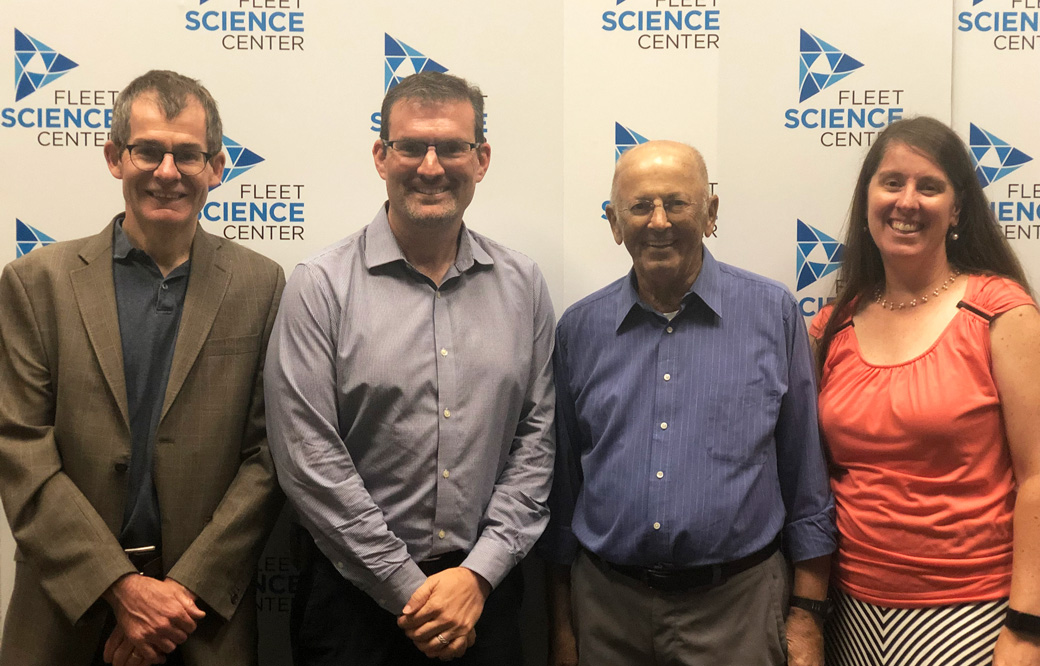
Bill Veljovich had never been sick in his life. “Not even joint pain,” shared the 80-year-old retired engineer at our recent Fleet Science Center discussion about acute myeloid leukemia (AML), a life-threatening type of blood cancer. He was joined by experts from Sanford Burnham Prebys and UC San Diego Health.
 
However, his doctor noticed that his white blood cells counts were off during a routine blood test. He was diagnosed with a blood cancer called myelodysplastic syndrome (MDS), which progressed to AML (this occurs in one out of three people with MDS). Fortunately, Veljovich responded well to a then off-label treatment that only recently was approved for older patients with AML. 

“The truth is, we are desperate for new therapies,” said speaker Rafael Bejar, MD, PhD, a clinician at UC San Diego who specializes in blood cancers. “AML typically occurs in people over the age of 60, who often aren’t able to tolerate intensive chemotherapies.” 

Until two years ago, the treatments for AML remained the same as those used in the 1970s: a chemotherapy combination and perhaps a bone marrow transplant. Only 24% of adults with AML remained alive five years after treatment. 

Now, thanks to foundational research that revealed the underlying genetic drivers of AML, eight new drugs have been approved in the past two years. Several more targeted therapies are nearing potential FDA approval. 

However, AML, which usually arises in cells that turn into white blood cells, is an incredibly complex and fragmented disease. Genome sequencing has revealed that more than 30 genes drive the cancer. Many different treatment types will be needed to truly conquer AML.

Peter Adams, PhD, a professor in Sanford Burnham Prebys’ National Cancer Institute (NCI)-designated Cancer Center, hopes to find a treatment that works for a broader AML population. He focuses on a protein called p53, often called the “guardian of our genome.” This protein senses DNA damage and kills the faulty cell—protecting us from developing cancer. However, to scientists’ surprise, 90% of people with AML have a normal p53 gene. 

“Emerging research suggests that AML inactivates p53 through other means,” said Adams. “My team is working to develop a drug combination that could reactivate the protective powers of p53—and thus fight AML.”

New research advances can’t come soon enough for people living with the cancer. 

“I’ve always taken the approach of learning as much as possible—and then fixing the problem,” said Veljovich, who designed and tested rocket engines before he retired. “I have learned that blood cancers are extremely complex. I wish there was a simple solution, but there isn’t. I’m grateful that we have smart folks like Dr. Bejar and Professor Adams who are working on these tough problems to find better medicines for AML.”

This event was the second of our five-part “Cornering Cancer” series. Join us for discussions on breast cancer (October 20), pancreatic cancer (November 17) and pediatric brain cancer (December 8). Register today.

Institute News

18th Annual Fishman Fund Award ceremony celebrates the next generation of biomedical trailblazers

AuthorSusan Gammon
Date

September 23, 2019

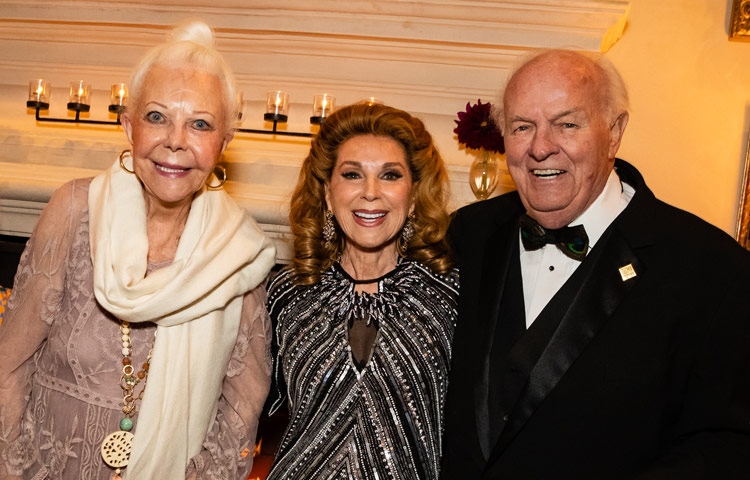
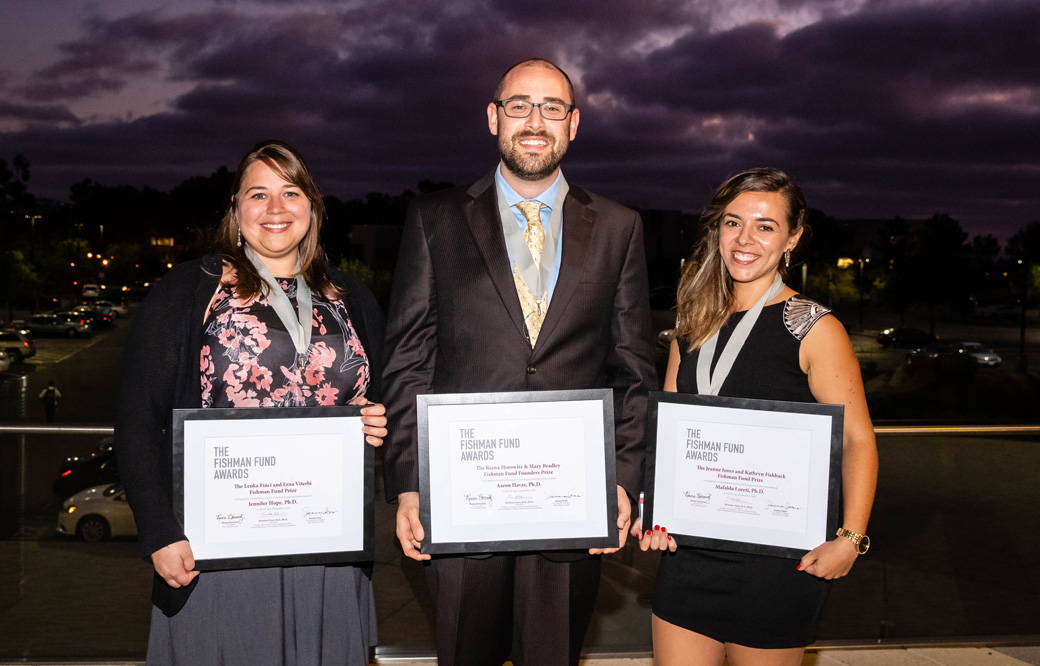
Three talented early-career researchers were presented with a prestigious Fishman Fund Award at the annual ceremony on September 19. More than 100 generous benefactors, past award winners and family and friends joined the celebration held at the Sanford Consortium. The awards honor the Institute’s founders, Dr. William and Lillian Fishman.

Reena Horowitz, who along with her close friend Mary Bradley established the Fishman Fund Awards, welcomed the audience and shared how the Fishmans truly believed that young researchers need a boost from time to time—and that these awards do exactly that. Recipients who are selected from a pool of Sanford Burnham Prebys postdocs use the $10,000 stipend to attend workshops, network and travel to national and international conferences to learn about the latest developments in their research fields. 

“The young researchers at Sanford Burnham Prebys make discoveries that have an impact in San Diego as well as helping advance science and health around the world,” said Horowitz. “The Institute motto could not ring truer: From Research the Power to Cure.”

Professor Hudson Freeze—one of the very first Fishman Fund Award winners and now director of the Institute’s Human Genetics Program—shared how his nearly 40 years of research has established him as a magnet for a global community of families seeking treatments for rare childhood diseases. He encouraged this year’s winners to take advantage of working in a world-class research center and to pursue meaningful research that will open new avenues to improve human health.

Jennifer Hope, PhD, was presented with the Lenka Finci and Erna Viterbi Fund Prize by Horowitz and Institute supporter Judy White. Dr. Hope works in the laboratory of Professor Linda Bradley, where she is studying cellular and molecular mechanisms that drive the development of T cells that attack cancer. Jennifer’s career goal is to become an independent investigator focused on research to promote patient responsiveness to cancer therapies.

Mafalda Loreti, PhD, was presented with the Jeanne Jones and Kathryn Fishback Fund Prize by Fishman Fund co-founder designee Jeanne Jones and longtime Institute supporter Sam Horowitz. Dr. Loreti is studying the mechanisms that promote muscle growth and repair in the laboratory of Associate Professor Alessandra Sacco. Her career goal is to become an independent researcher in an academic setting, where she will explore the biology of muscle pathologies and approaches to improve muscle health.

Aaron Havas, PhD, received the Reena Horowitz and Mary Bradley Fishman Fund Prize from Horowitz and Institute supporter Doreen Schonbrun. Dr. Havas works in the lab of Professor Peter Adams, where he studies how aging affects gene regulation. His career goal is to work in the biotech industry exploring drugs that target the process to promote healthy aging.

Since the fund’s inception in 2001, 64 prizes have been awarded. Every other year, a 24-month fellowship that provides salary support is given to a deserving postdoc. The fellowship was awarded in 2018, so it will be given again at next year’s ceremony.

The generosity of our Fishman Fund donors enables the tradition of providing career advancement opportunities. On behalf of all of us at Sanford Burnham Prebys, we thank you for your support.

Institute News

Fleet Science Center cancer series kicks off with lung cancer discussion

AuthorMonica May
Date

August 22, 2019

New lung cancer treatments are making a difference for patients. Pill-based, personalized medicines and immunotherapies are allowing some individuals to survive for years instead of months. Still, lung cancer remains the deadliest cancer—killing more people each year than breast, prostate and colorectal cancer combined. 

To help the public better understand the newly available medicines—and the research advances on the horizon—our Institute teamed up with the Fleet Science Center to host a panel discussion on Sunday, August 18. 

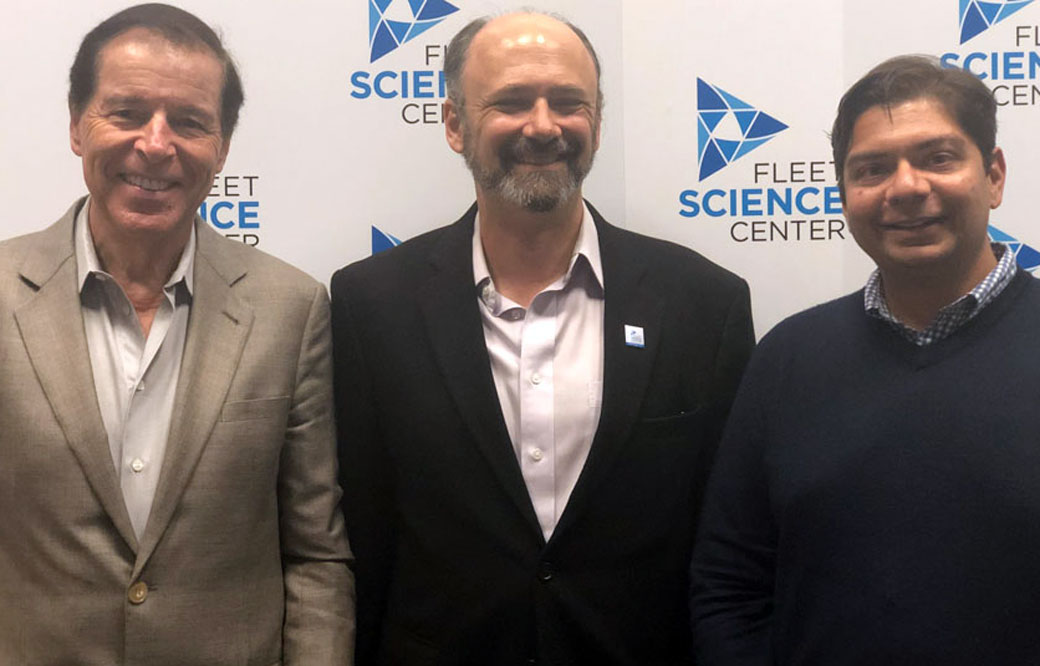
“Many people who live in San Diego aren’t aware of the incredible research advances taking place in their backyard, especially in cancer,” said speaker Garth Powis, D. Phil., professor and director of Sanford Burnham Prebys’ National Cancer Institute (NCI)-designated Cancer Center (on left). “We hope this discussion and future events will help more people understand cancer research and the breakthroughs that might come from their own community.”

Powis was joined by Hatim Husain, MD, a clinician at UC San Diego (on right); and Steven Snyder, PhD, president and CEO of the Fleet Science Center (center), who moderated the discussion. The speakers described how targeted treatments, which are only prescribed if a patient’s tumor has a specific mutation; and immunotherapies, which harness a patient’s immune system to melt the tumor, are extending survival for lung cancer patients. Husain expressed excitement surrounding new blood tests to detect lung cancer—which he hopes will be more commonplace in five to ten years. The speakers also noted that advances made in lung cancer have the potential to extend to other tumor types. 

“Many of the mutations that drive lung cancers are found in other tumors,” said Husain. “Targeted treatments that shrink lung tumors are being studied broadly in patients with a variety of cancers.” 

Powis and Husain also touched on their own collaboration to learn how lung cancer becomes resistant to treatment. Fluid buildup in the pleural space, the area between the lungs and chest wall, is often removed during routine checkups to help patients breathe. Working with Husain, Powis’ team is tracking the cellular and molecular makeup of this pleural fluid over the course of the disease. By regularly analyzing this fluid, they hope to gain insights into how lung cancer becomes treatment resistant and how it can be stopped.

“Scientists are getting close to mapping all of the mutations that drive lung cancer growth,” said Powis. “One day, patients may take one pill that contains all the anti-cancer compounds they need to fight the tumor.”

Upcoming topics in the series include breast, brain, and pancreatic cancer and more. The events will take place from 7:00 p.m. to 8:30 p.m. on select Sundays in the Heikoff Giant Dome Theater at the Fleet Science Center in San Diego. Space is limited. Reserve your ticket today. 

Institute News

An evening with autoimmune disorder experts

AuthorMonica May
Date

June 26, 2019

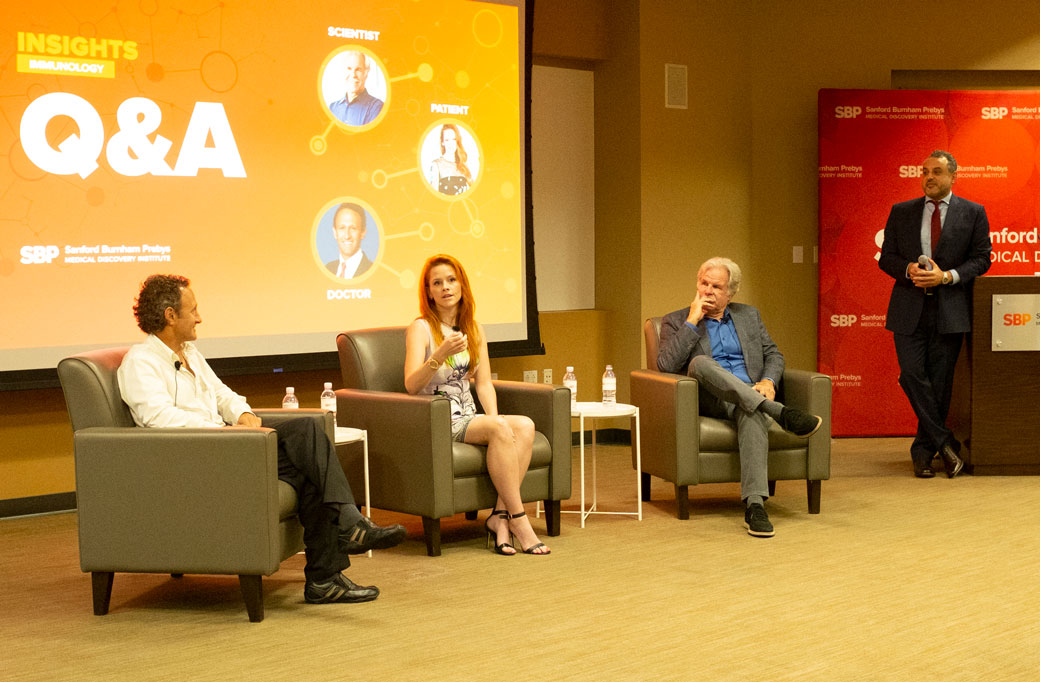
On June 20, 2019, nearly 100 community members, including many people living with autoimmune disorders and their loved ones, joined us at our latest SBP Insights event. The discussion featured unique perspective from three experts—a scientist, a doctor and a patient—on a single topic: autoimmune disorders. 

More than 50 million Americans have an autoimmune disorder, such as Crohn’s disease, psoriasis or rheumatoid arthritis. These conditions are often painful, chronic and debilitating. For unknown reasons, more than 80 percent of these patients are women. 

Scientists know these disorders occur when the immune system mistakenly attacks healthy tissue. But researchers still don’t understand why immunosuppressive treatments don’t work for everyone or know the initial trigger that causes the immune system to misfire. Answers to these fundamental questions could unlock insights that lead to new, effective medicines. 

“Before I was diagnosed, I thought doctors had it all sorted out. Now I know there is so much they don’t know,” says 17-year-old Madison Koslowski, who was diagnosed last year with juvenile idiopathic arthritis. She uses a wheelchair and cane for mobility while she works with her doctor to find a treatment that relieves her intense joint pain. “Right now, my friends are planning their future and figuring out where they will go to college. But for me, there are so many unknowns. I don’t know if I’m going to respond to the next medicine we try or if I will be really sick. I feel like my life is on pause. I have no idea when it will start again.”

Madison traveled from Los Angeles with her mother and a friend to hear race-car driver Angela Durazo speak about her journey with rheumatoid arthritis and learn what’s on the horizon for autoimmune treatments (read Angela’s story).

Following Angela’s presentation, Carl Ware, PhD, professor and director of the Infectious and Inflammatory Diseases Center at Sanford Burnham Prebys, took the stage and provided an overview of the science behind autoimmune disease. Ware also described his ongoing research collaboration with Eli Lilly, which recently led to a new Phase 1 clinical trial for autoimmune disorders. 

Hal Hoffman, MD, chief, division of allergy, immunology and rheumatology at UCSD and Rady Children’s Hospital, wrapped up the discussion with an overview of how he and his team are turning to rare immune disorders to understand the conditions as a whole. A Q&A followed the brief presentations. 

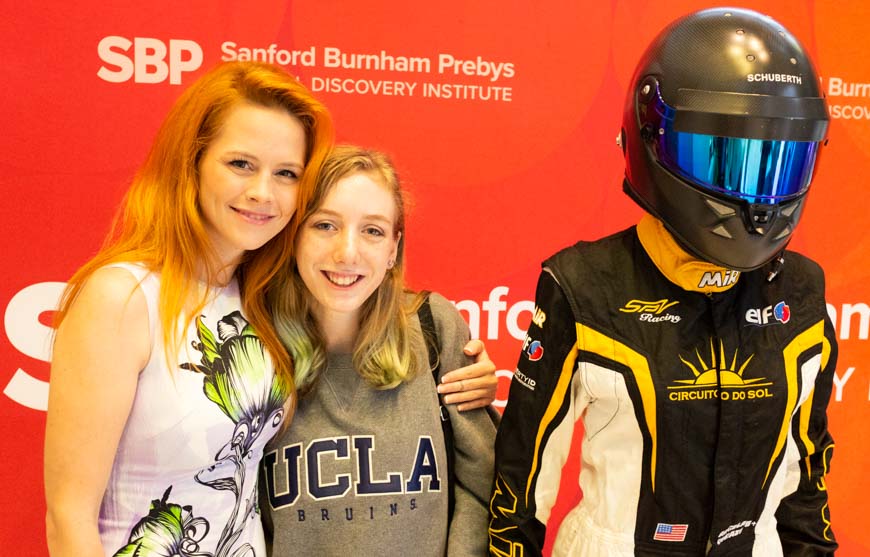
17-year-old Madison Koslowski (right), who was diagnosed last year with juvenile idiopathic arthritis, poses with race-car driver Angela.

17-year-old Madison Koslowski (right), who was diagnosed last year with juvenile idiopathic arthritis, poses with race-car driver Angela.

The discussion was moderated by Zaher Nahle, PhD, CEO of the Arthritis National Research Foundation.

Join us at our next SBP Insights discussion, which focuses on pancreatic cancer and takes place on November 21, 2019. Event details.

Institute News

Stepping into a scientist’s shoes at the Cancer Center Open House

AuthorMonica May
Date

June 20, 2019

Cancer research has led to new insights and novel medicines that have transformed the lives of parents, grandparents and children around the world. Yet cancer remains the number-one cause of death in San Diego (nationally, it is the second-leading cause of death). The quest for new and better treatments—and a world free of the disease—remains urgent. 

On June 13, 2019, the San Diego community—including many cancer survivors and their loved ones—had a unique opportunity to step into the shoes of a cancer researcher and see how cancer drugs are discovered at the open house of our NCI-designated Cancer Center. The facility is one of only seven National Cancer Institute (NCI)–designated basic research cancer centers in the nation. 

Following an introduction by Garth Powis, D. Phil., professor and director of the NCI-designated Cancer Center, guests embarked on guided lab tours. Attendees discovered how we’re working to find better ways to combat cancer, viewed highly specialized equipment—such as machines that model the low-oxygen environment surrounding a tumor—and donned lab coats to catch a glimpse of our ultra-high-throughput drug screening robot in action at our Prebys Center for Drug Discovery. The state-of-the-art technology at the Prebys Center can screen hundreds of thousands of potential drug candidates in one run, accelerating the time it takes to find new, promising compounds that may become tomorrow’s cancer treatments.

Guests also learned how San Diego, with a multitude of world-class research institutes, universities and biotech companies, is shaping the future of cancer diagnosis and treatment. And our Community Advisory Board, comprised of cancer research advocates and cancer survivors, were on hand to share the importance of factoring in patients’ perspectives as breakthrough science moves from “bed to bedside.”

See the science in action in these event photos.

Missed the event? We hope you can join us at our next open house in November. The event is free and open to the public. Check for more details at sbpdiscovery.org/calendar.

Many thanks to our Community Advisory Board (CAB), the host of the open house. Comprised of nine cancer research advocates, including many cancer survivors, this committee strives to create a dialogue between our scientists and the community. We are grateful for CAB’s efforts surrounding the event, which included helping our scientists prepare lay-friendly presentations and posters that were critical to the event’s success.

Interested in keeping up with our latest discoveries, upcoming events and more? Subscribe to our monthly newsletter, Discoveries.

Institute News

Getting groovy for a good cause at Bring It!

AuthorMonica May
Date

May 9, 2019

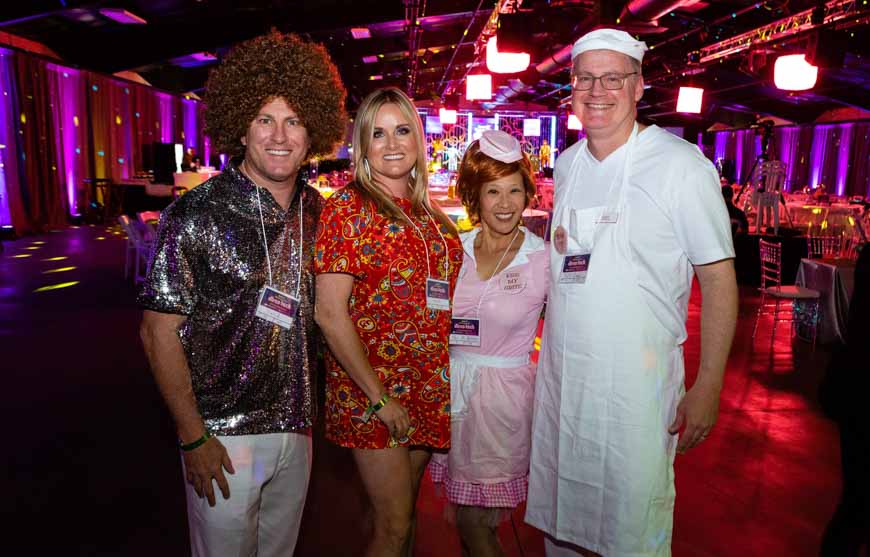
From the moment guests stepped into the disco-lit room, it was clear Bring It! was not your typical fundraiser. 

Donned in bell bottoms, sequined bodysuits and platformed heels, this year’s guests sampled hors d’oeuvre’s supplied by roller-blading servers and grooved to classics such as “Stayin’ Alive” and “Dancing Queen.” 

The 70’s-themed event, held on May 2, 2019, at the Del Mar Fairgrounds, drew a crowd of more than 400 attendees—the largest yet—a testament to the hard work and dedication of co-chairs Juli Oh and Matt Browne, and Sarah and David Szekeres. John Weisbarth, host of Tiny House Nation and San Diego native, emceed the event for the third year in a row.

While fun was had by all, the night’s mission was never far from anyone’s mind: fundraising for our Institute’s work to find cures for diseases such as Alzheimer’s, cancer, heart disease, diabetes and more. 

Co-chair Sarah Szekeres shared her personal story about why research is important to her: “Learning I have the BRCA2 gene mutation, which puts me at a greater risk of breast and ovarian cancer, has been an overwhelming and frightening experience for me and my family. It’s through basic research that we will develop effective medicines or tests that prevent, diagnose or treat disease—and create a future where my daughter, and her children and grandchildren, aren’t afraid of cancer or Alzheimer’s or the many serious diseases our society faces today.”

Guests vied for an opportunity to participate in onstage competitions—a spot so coveted it was raffled to the highest bidder. Top-scoring teams partook in absurdly hilarious games, such as “Hungry Hungry Human,” where guests attempted to collect plastic balls from an inflated pool while wheeled on a dolly; and “Rocky,” where participants furiously boxed and ran in place to reach the most steps on a pedometer. Despite wearing wigs and hats, contestants even braved a bobbing-for-apples style competition involving candy encased in a Jello Mold.

Altogether, Bring It! certainly puts the “fun” in “fundraising needs.” We hope to see you next year—stay tuned for more details about the date and theme of the event.  

We are extremely grateful to the event’s generous sponsors, including Alexandria Realty, Heron Therapeutics, Marleigh and Alan Gleicher, Cooley, Marilena and Greg Lucier, Retrophin, Domain Associates, Robin and Hank Nordhoff, Jeanne Herberger, PhD, Moon Valley Nurseries, Bank of America Merrill Lynch, Luke and Elizabeth Bonacci, Sarah and David Szekeres, Jonell and Gregory Tibbitts, Court and Julie Turner, Dulcy and Mason Matthies, Josie and Jim Myers, Marie Simmons, Arena Pharmaceuticals, BDO, CBRE, Creative Fusion, Cushman & Wakefield, IDT, Deloittte & Touche, Farrell Family Foundation, iProtean, KPMG, Johnson & Johnson, Marsh & McLennan Agency, Neurocrine Biosciences, Oxford Finance, Pegasus Building Services, UnionBank, Cabrillo Advisors, Square1bank and USI Insurance Services. 

Watch a fun-filled KUSI segment about the event. 

Head to our Facebook page to view event photos; search #BringIt19 to find more content. 

Interested in keeping up with our latest discoveries, upcoming events and more? Subscribe to our monthly newsletter, Discoveries.

Institute News

Sanford Burnham Prebys and Salk co-organize third annual La Jolla Aging Meeting

AuthorMonica May
Date

April 11, 2019

“Excellent presentation!”
“We should connect—we have more samples coming soon.” 
“Feel free to reach out, we’re looking to partner so I’d love to hear more about your research.”

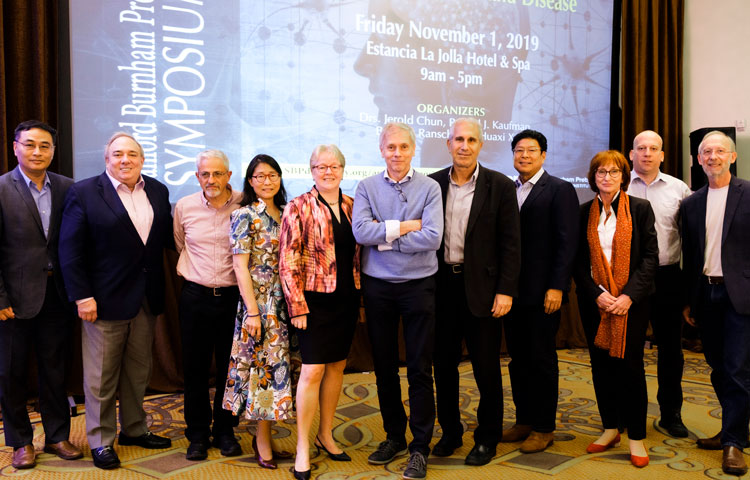
These exchanges, overheard at the 3rd annual La Jolla Aging Meeting held on March 29, 2019, at the Salk Institute, illustrate the importance of uniting scientists focused on a common goal: In this case, uncovering the root causes of aging. 

As in previous years, the 2019 meeting was co-organized by Sanford Burnham Prebys’ Malene Hansen, PhD, and Peter Adams, PhD; and Salk’s Jan Karlseder, PhD A key goal of the event is to feature research by local scientists studying the molecular mechanisms of aging, while fostering connections and building relationships that advance new discoveries. More than 200 researchers, primarily from the San Diego area, attended the meeting. 

Aging is the main risk factor for many of the serious diseases our society faces today, including cancer, heart disease and Alzheimer’s. As the U.S. population grows older due to the natural aging of the Baby-Boomer generation, the need to understand the underlying causes of aging becomes more urgent. The number of Americans who are age 65 or older is projected to double from nearly 48 million in 2015 to more than 90 million in 2060, according to the United States Census Bureau. 

The diversity of presentations given—from the role of supportive brain cells called astrocytes and cellular recycling (autophagy) to long-lived proteins in mitochondria (the cell’s power generator)—reflects the complexity of the field. A poster session was also held during the symposium, providing an opportunity for up-and-coming scientists to share their recent data. 

La Jolla Aging Meeting tweet

For scientists new to the area, the meeting provided a key opportunity to build relationships.

“It’s unlikely there will be any single factor responsible for aging,” says Matt Kaeberlein, PhD, professor at the University of Washington and the symposium’s keynote speaker. “I am encouraged to see so many people interested in diverse aspects of aging biology at this symposium. By advancing each of these distinct research areas, and working together, we will make progress in understanding the underlying aging process.”

The full list of speakers follows. Make sure to save the date for next year’s meeting, which will be held on March 27, 2020. 

  • Matt Kaeberlein, PhD, University of Washington (keynote) – New insights into mechanisms by which mTOR modulates metabolism, mitochondrial disease and aging
  • Isabel Salas, PhD, Allen lab, Salk – Astrocytes in aging and Alzheimer’s disease
  • David Sala Cano, PhD, Sacco lab, Sanford Burnham Prebys – The Stat3-Fam3a axis regulates skeletal muscle regenerative potential
  • Tina Wang, Ideker lab, University of California, San Diego – A conserved epigenetic progression aligns dog and human age
  • Rigo Cintron-Colon, Conti lab, Scripps Research – Identifying the molecules that regulate temperature during calorie restriction
  • Nan Hao, PhD, University of California, San Diego – Programmed fate bifurcation during cellular aging
  • Shefali Krishna, PhD, Hetzer lab, Salk – Long-lived proteins in the mitochondria and their role in aging
  • Sal Loguercio, PhD, Balch lab, Scripps Research – Tracking aging with spatial profiling
  • Alva Sainz, Shadel lab, Salk – Cytoplasmic mtDNA-mediated inflammatory signaling in cellular aging
  • Anthony Molina, PhD, University of California, San Diego – Mitochondrial bioenergetics and healthy aging: Advancing precision healthcare for older adults
  • Alice Chen, Cravatt lab, Scripps Research – Pharmacological convergence reveals a lipid pathway that regulates C. elegans lifespan
  • Robert Radford, PhD, Karlseder lab, Salk – TIN2: Communicating telomere status to mitochondria in aging
  • Jose Nieto-Torres, PhD, Hansen lab, Sanford Burnham Prebys – Regulating cellular recycling: role of LC3B phosphorylation in vesicle transport

Prizes for the best poster presentations were awarded to the following scientists: 

  • Hsin-Kai Liao, PhD, Juan Carlos Izpisua Belmonte’s lab, Salk  
  • Yongzhi Yang, PhD, Malene Hansen’s lab, Sanford Burnham Prebys
  • Tai Chalamarit, Sandra Encalada’s lab, Scripps Research 

Thank you to our generous sponsor, the Glenn Foundation for Medical Research, and to NanoString for donating the prizes received by the poster presenters.  

Interested in keeping up with our latest discoveries, upcoming events and more? Subscribe to our monthly newsletter, Discoveries.
 

Institute News

Inspiring future scientists at the STEM EXPO

AuthorMonica May
Date

March 25, 2019

Armed with wiggly worms and striped zebrafish, on Saturday, March 2, more than 20 volunteers from Sanford Burnham Prebys helped kids and their families learn about the power of DNA at the San Diego Festival of Science & Engineering’s EXPO Day. 

One of the largest STEM (Science, Technology, Engineering and Math) festivals in the U.S., this year’s event featured more than 130 interactive exhibits designed to ignite a passion for science in K–12 students. Despite an uncharacteristically rainy morning, an estimated 17,000 people attended. 

For Joseph Lancman, PhD, a postdoctoral researcher at our Institute who was the first in his family to graduate from college, the festival was an opportunity to provide children with the experience he wishes he’d had as a kid.

“Growing up, I knew I was interested in human health, but I had no idea that research was an option,” Lancman says. “Like many kids, I thought I wanted to be a doctor. But in college, I quickly learned that I wanted to know more. I wanted to know what causes disease and how scientists go about finding cures.” 

STEM EXPO 2019 Joseph Lancman and son

Dr. Lancman and his son

At our booth, postdoctoral researchers, graduate students and staff helped children don paper lab coats and explore DNA-themed activities. 

Children were able to see live worms with DNA mutations that affect their movement, courtesy of the lab of Malene Hansen, PhD, professor in the Development, Aging and Regeneration Program. Compared to normal worms, some mutant worms moved mindlessly in circles, and others remained relatively immobile—illustrating how changes in a DNA sequence can dramatically affect life.

At the adjacent station, provided by the lab of Duc Dong, PhD, assistant professor in the Human Genetics Program, children squinted through microscopes and peered into fish tanks to observe how DNA changes can dramatically affect the heartbeat of zebra fish—one of the most powerful model organisms used to study vertebrate biology. 

Lancman, who works in Dong’s lab, took care to explain the exhibit in child-friendly language (he credits his four-year-old son for helping him develop this skill). 

“I want kids to know that science is like a puzzle,” he explains. “It takes time to put all the pieces together, but when you’re done, you can see the big picture—and that big picture can lead to improving human health.”

Institute News

Families find hope at our 10th Annual Rare Disease Day Symposium

AuthorMonica May
Date

March 25, 2019

The unofficial theme of Sanford Burnham Prebys’ 10th annual Rare Disease Day symposium can be summarized in one word: hope. 

This year’s event focused on rare bone disorders and bone cancers, with a special emphasis on a condition called multiple hereditary exostoses (MHE) that causes numerous bone tumors in children. Until now, children with MHE had only one treatment option: repeated surgeries to remove these tumors. 

Now, the first medicine, called palovarotene, that may be able to slow or halt this bone growth is being tested in a clinical trial—potentially saving these children from a lifetime of painful surgeries. Yu Yamaguchi, MD, PhD, symposium chair and professor in Sanford Burnham Prebys’ Human Genetics program, participated in the key research needed in order for the clinical trial to begin.

“For the first time, a diagnosis doesn’t feel like a life sentence,” says Greta Falkner, who attended the symposium with her 8-year-old son, Jackson Falkner. Jackson has MHE and has undergone 13 surgeries to date. “Today we have hope for a cure.”

The launch of a study evaluating palovarotene as an MHE treatment is the result of decades of hard work and collaboration between scientists, clinicians, Clementia Pharmaceuticals (now Ipsen) and the MHE Research Foundation—a patient advocacy and support group. 

The symposium featured an all-star lineup of distinguished speakers in the field of skeletal biology and MHE research, including keynote speaker Henry Kronenberg, MD, of Massachusetts General Hospital and Maurizio Pacifici, PhD, of Children’s Hospital of Philadelphia, whose research formed the scientific rationale for the use of the drug in MHE. The event was sponsored by the MHE Research Foundation and Clementia Pharmaceuticals. 

“We are so grateful that Sanford Burnham Prebys holds this Rare Disease Day symposium to bring together all the important players in rare disease drug discovery: scientists, doctors, families and drug companies. It is literally ‘bench to bedside’ at one event,” says Sarah Ziegler, who co-founded the MHE Research Foundation with Craig and Susan Eaton after Sarah’s son was diagnosed with MHE in 1993 (when little to no information was available on the disease). “Foundations like ours rely on the research of scientists like Drs. Yamaguchi and Pacifici to find new medicines for patients—and the arrival of the first potential treatment for MHE is the perfect example of the power of this research.” 

Multiple parents and children with MHE, some of whom are enrolled in the clinical trial, attended the event. For most of these children, this was the first time they’d met another person with their condition. 
 

Interested in keeping up with SBP’s latest discoveries, upcoming events and more? Subscribe to our monthly newsletter, Discoveries.

Institute News

5 takeaways from Insights: Heart Disease

AuthorMonica May
Date

February 15, 2019

It’s easy to forget about the fist-sized organ in our chest. But the heart is arguably the most important muscle in the body. We can’t live without it, after all. 

To help educate the public about heart health and share the latest scientific advances, this month Sanford Burnham Prebys Medical Discovery Institute (SBP) invited the San Diego community to a free panel discussion focused on the heart. 

More than 70 community members attended the event, whose speakers included cardiologist Anthony N. DeMaria, MD; Jack White, chair in Cardiology, professor of Medicine, founding director, Sulpizio Cardiovascular Center at UC San Diego Health; Donna Marie Robinson, an individual living with heart failure; and heart researcher Karen Ocorr, PhD, assistant professor, Development, Aging and Regeneration Program at SBP. Jennifer Sobotka, executive director at the American Heart Association San Diego, moderated the discussion.

In a special introduction provided by Rolf Bodmer, PhD, director and professor in the Development, Aging and Regeneration Program at SBP, he explained that his heart research uses model organisms such as the fruit fly. He quipped, “Which some of you didn’t even know had a heart.” 

The ensuing discussion was robust and insightful. Below are five important takeaways: 

  1. Heart disease is the number-one killer of Americans. Nearly half of American adults have some form of heart or blood vessel disease.
  2. Obesity is an epidemic in America. In the 1960s, approximately 13 percent of American adults were obese, according to the Centers for Disease Control (CDC). Today, that number has tripled to nearly 40 percent. DeMaria illustrated this point with a colored map showing obesity’s prevalence during each decade, which drew gasps from the crowd. 
  3. Know your numbers. Donna Marie was healthy and fit, so she didn’t think that a fainting episode could have been heart disease. “My cardiologist saved my life,” she said. Now, she encourages everyone to “know your numbers, including your cholesterol level and your blood pressure.” 
  4. Rethink swatting that pesky fruit fly. We share 80 percent of disease-causing genes with the tiny insect, including ion channels that keep the heart pumping. For this reason scientists are studying fruit-fly hearts in an effort to learn about the many mysteries of the heart, such as how the rhythm disorder atrial fibrillation (AFib) arises. 
  5. Consider moving to Italy. Just about everyone wants to know which science-backed diet to follow for optimal health. DeMaria explained that the most robust data supports eating a Mediterranean diet rich in fruits, vegetables and olive oil.

Read the La Jolla Light’s coverage of the event.