Graduate School of Biomedical Sciences Archives - Sanford Burnham Prebys
Institute News

Sanford Burnham Prebys recognizes 10 doctoral degree recipients

AuthorCommunications
Date

June 3, 2026

The Institute’s Graduate School of Biomedical Sciences held its third Commencement ceremony to celebrate new alumni

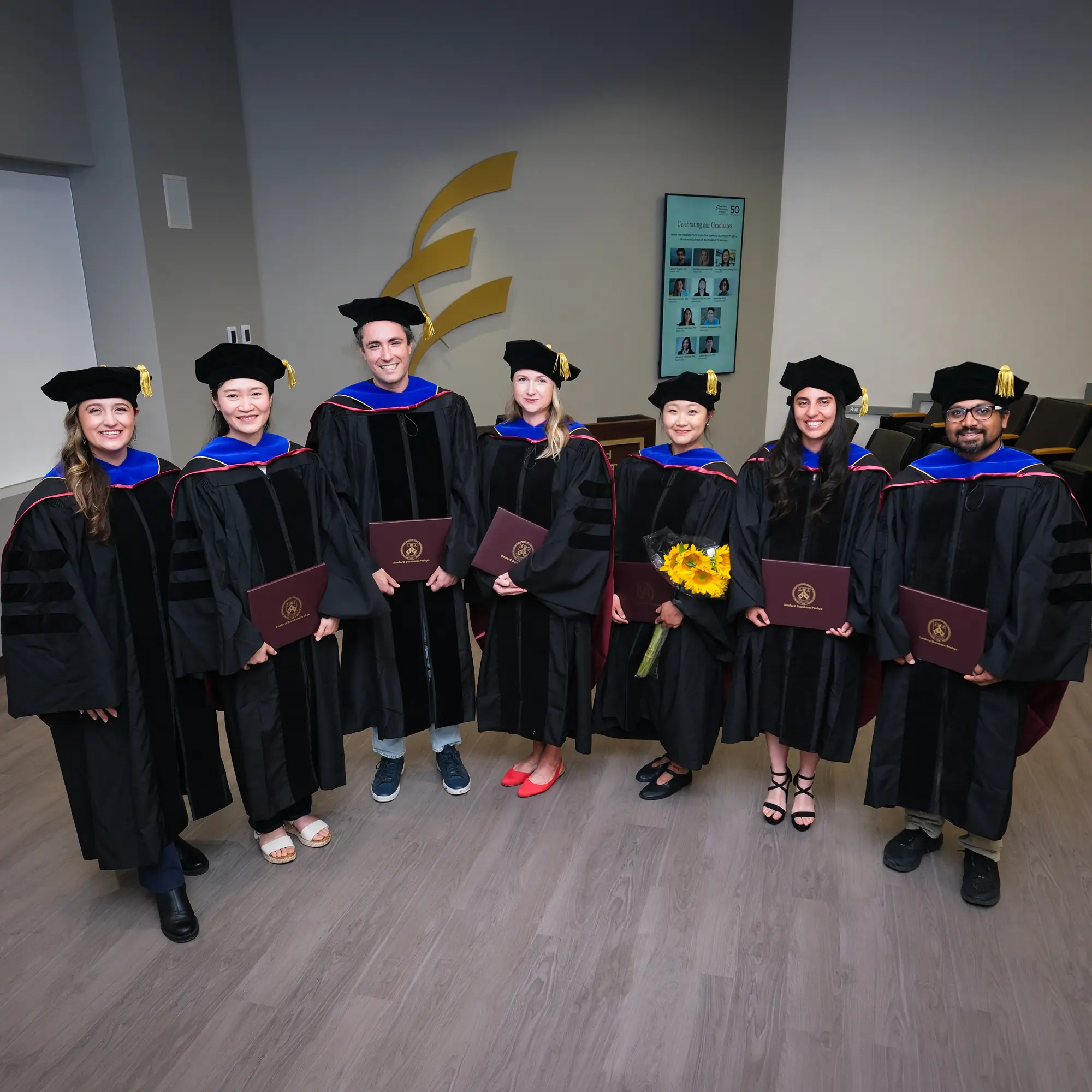
The Sanford Burnham Prebys Medical Discovery Institute’s Graduate School of Biomedical Sciences hosted 10 recent doctoral degree recipients and their family members, friends and colleagues during the school’s third annual Commencement ceremony on May 29, 2026.

These new graduates join the ranks of Institute scientists and alumni that have propelled 50 years of discovery at Sanford Burnham Prebys and 20 years of graduate education.

The graduation ceremony was held at the Institute’s La Jolla campus in the Victor E. LaFave III Memorial Auditorium.

“As you reflect on your first days as a graduate student, I hope you recognize how far you have come, not only as scientists, but also as thinkers, collaborators, mentors and individuals,” said Alessandra Sacco, PhD, the dean of the Sanford Burnham Prebys Graduate School of Biomedical Sciences and a professor in the Center for Cardiovascular and Muscular Diseases.

“The growth you have demonstrated through this remarkable journey is extraordinary, and today we celebrate both your accomplishments and the dedication that made them possible. It has been an honor to be part of your journey.”

Following her remarks, Sacco introduced David Brenner, MD, the president and CEO of Sanford Burnham Prebys.

“Yesterday, you were graduate students, today you are graduates and tomorrow you are alumni,” Brenner said. “I want you to feel like this is your second home where you’ll return as peers and colleagues to tell us about your triumphs and contribute to our seminars and symposia as active members of our community.” 

Following Brenner’s comments, Michaela Romero, PhD ’25, spoke on behalf of her fellow graduates.

“Here at Sanford Burnham Prebys, we’ve been immersed in a culture of collaboration where science is not a solo act,” Romero said. “This has not happened by accident and has been built one conversation at a time. 

“Cultures like this need to be nurtured with care, so I hope you create something that feels just as special as this place wherever you go in the future.” 

Romero turned the podium over to Cosimo Commisso, PhD, the deputy director of the Institute’s NCI-Designated Cancer Center and a professor in the Cancer Metabolism and Microenvironment Program, who provided the Commencement address.

Commisso spoke about the importance of carefully contemplating the motivation behind your science and how it can change over time, which he punctuated with a story from his scientific journey about an event he attended for pancreatic cancer patients, survivors and their family members.

“I gave myself permission to evolve and realized that I wanted to dedicate my life’s work specifically to pancreatic cancer research,” he said. “If something like this happens to you, if such an event impacts you in a profound way, I hope you listen to your internal compass and remember that what motivates you today at graduation may likely look very different years later. 

“Evolution of your ‘why’ is a feature and not a bug,” he added. “Let your own ‘why’ be the force that pushes you beyond the familiar to make a difference.”

Diane Klotz, PhD, the chief learning officer at Sanford Burnham Prebys, then provided attendees an overview of the meaning of the hoods and symbols that are used in Commencement ceremonies. She asked faculty members to place the doctoral academic hoods upon the graduates to signify completion of their degrees.

This year, the following graduates were acknowledged:

  • Adarsh Rajesh, PhD ’25, who trained in the Adams lab and was hooded by Peter Adams, PhD, director of and professor in the Cancer Genome and Epigenetics Program
  • Sviatlana Zaretski, PhD ’25, who trained in the Adams lab and was hooded by Adams
  • Yu-Ling (Linda) Chang, PhD ’26, who trained in the Colas lab and was hooded by Alexandre Colas, PhD, associate dean of admissions in the Graduate School of Biomedical Sciences and associate professor in the Center for Cardiovascular and Muscular Diseases
  • Michaela Romero, PhD ’25, who trained in the Colas lab and was hooded by Colas
  • Jiaqian (Emily) Wu, PhD ’25, who trained in the Cosford lab and was hooded by Nicholas Cosford, PhD, professor in the Cancer Metabolism and Microenvironment Program
  • Ximena Diaz-Olea, PhD ’25, who trained in the Ronai lab and was hooded by Andrei Osterman, PhD, her thesis committee chair, vice dean and associate dean of curriculum of the Graduate School of Biomedical Sciences and a professor in the Center for Metabolic and Liver Diseases
  • Cedomir Stamenkovic, PhD ’25, who trained in the Sacco lab and was hooded by Sacco
  • Rema Iyer, PhD ’25, who trained in the Deshpande lab and was unable to attend the ceremony
  • Utkarsha Hemant Paithane, PhD ’26, who trained in the Bagchi lab and was unable to attend
  • Ruslan Nuryyev, PhD ’26, who trained in the Snyder lab and was unable to attend

Graduate school vice dean Osterman provided the ceremony’s closing remarks.

“What is happening today is because of your genuine accomplishment and is a product of your creativity, genius, effort and everything you invested in the research project that you completed,” Osterman said. 

“Now you will take all you have learned during your time here and choose your own path forward, and a new and exciting adventure begins.”

Institute News

Eric Wang named Educator of the Year by Sanford Burnham Prebys Graduate School of Biomedical Sciences

AuthorCommunications
Date

May 14, 2026

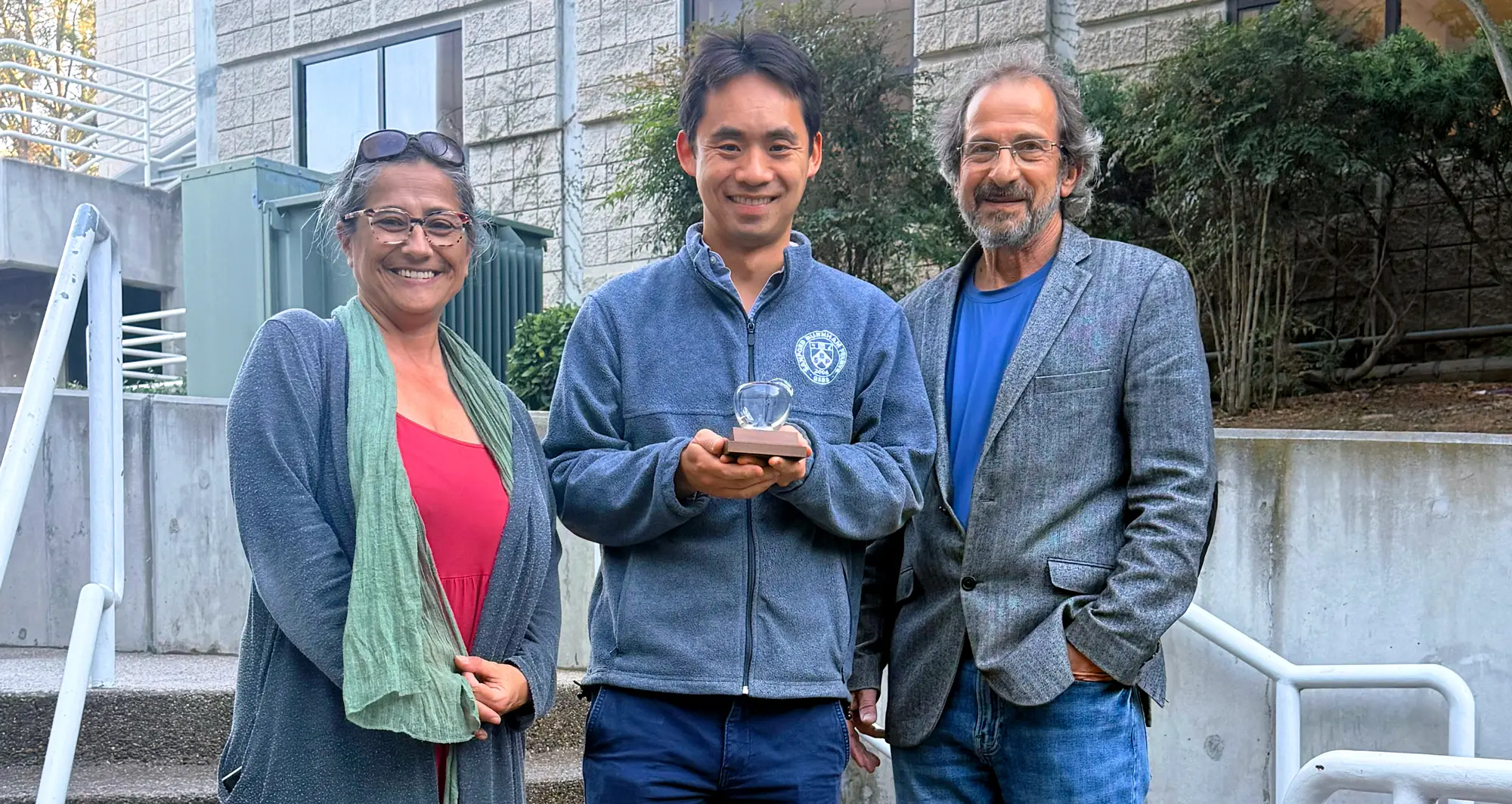
Sanford Burnham Prebys is pleased to congratulate Assistant Professor Eric Wang, PhD, on being named Educator of the Year at the Graduate School of Biomedical Sciences’ retreat.

The Crystal Apple Award, presented by Alessandra Sacco, PhD, dean of the Graduate School of Biomedical Sciences, and Andrei Osterman, PhD, vice dean and associate dean of curriculum, recognizes outstanding contributions to graduate education, mentorship and support for the graduate school community.

Wang has quickly become a valued mentor and educator at the Institute. In addition to mentoring a graduate student in his laboratory, he serves on five graduate school thesis committees, is a member of the Graduate School Admissions Committee and is chair of the Institute’s Education and Training Committee. He also serves as course director for Modern Drug Discovery Technologies, helping train the next generation of biomedical scientists in approaches that bridge chemistry, biology and translational research.

Wang joined Sanford Burnham Prebys in 2021 as part of the NCI-designated Cancer Center and the Center for Therapeutics Discovery. His research focuses on developing chemical tools to better understand human biology and identifying new therapeutic strategies for disease. His lab combines expertise in chemistry, biology and drug discovery to study challenging biological targets and to uncover new approaches for precision medicine.

The Educator of the Year recognition reflects Wang’s dedication not only to scientific discovery, but also to fostering a supportive and collaborative learning environment for students and trainees across the Institute.

Congratulations to Eric on this well-deserved recognition.

Institute News

La Jolla research meeting convenes scientists studying aging

AuthorCommunications
Date

March 25, 2026

Scientists gathered at the 9th annual La Jolla Aging Meeting on Thursday, March 19, 2026, in the Salk Institute’s Conrad T. Prebys Auditorium

The event brought together 286 attendees and featured short talks from San Diego-based postdoctoral researchers and students studying the biology of aging.

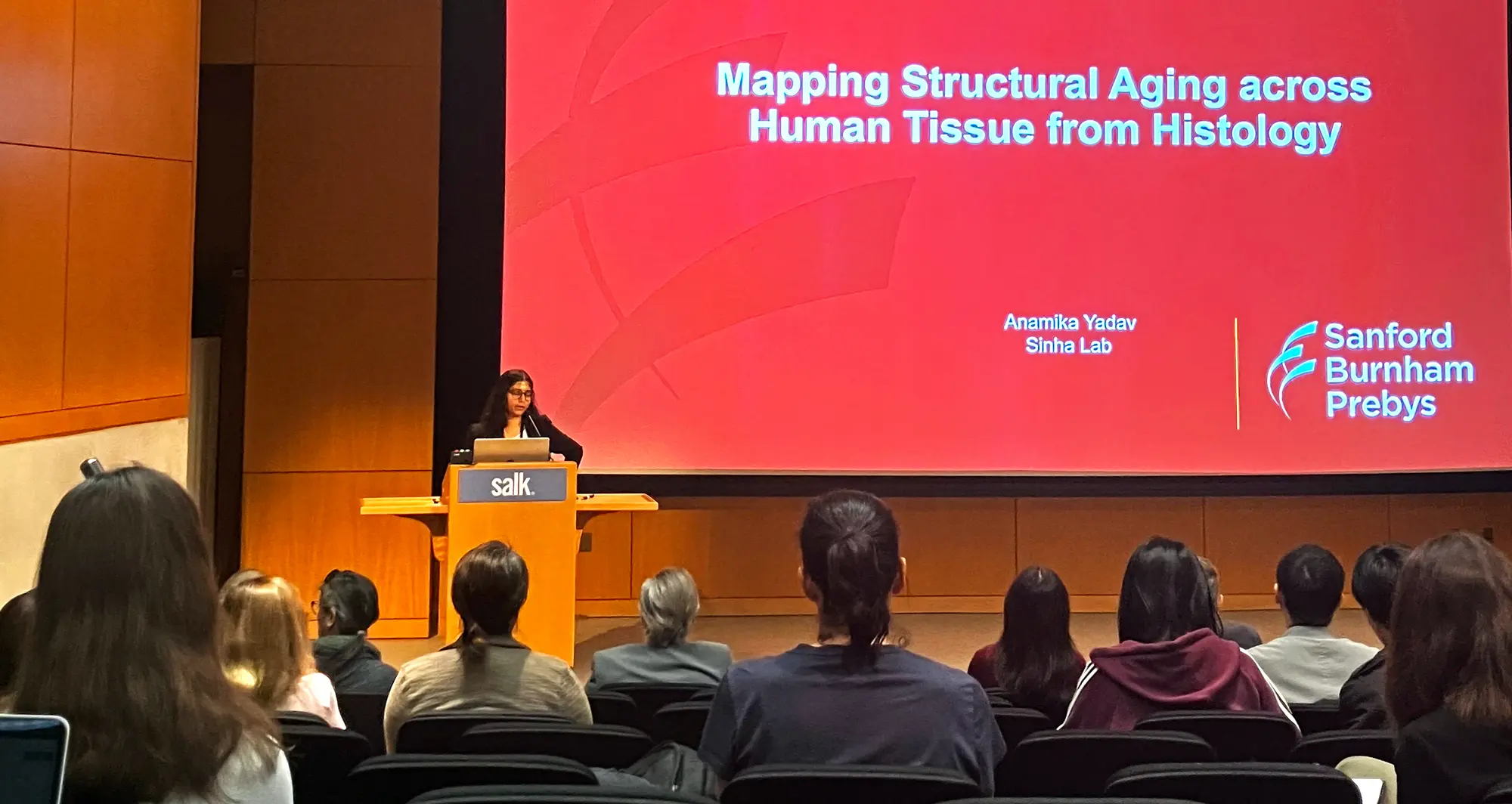
Anamika Yadav, a research assistant in the lab of Sanju Sinha, PhD, at Sanford Burnham Prebys Medical Discovery Institute, discussed her work studying aging by detecting structural alterations in cells and tissues over time captured in images taken of routine medical biopsies. She used data from the Genotype-Tissue Expression Project, a major National Institutes of Health Common Fund initiative that gathered samples from 970 non-diseased individuals aged 20 to 70. Yadav trained a computational model on more than 25,000 histopathology slides from 40 tissue types to define aging patterns in different tissues. By this approach, Yadav defined distinct patterns of aging in different tissues which ultimately can help to predict specific diseases of aging.

Beatrice Silvestri, PhD, a postdoctoral associate in the lab of Yu Xin (Will) Wang, PhD, at Sanford Burnham Prebys, shared findings from her work on an enzyme called 15-hydroxyprostaglandin dehydrogenase (15-PGDH). Researchers have defined 15-PGDH as a gerontological enzyme or “gerozyme” due its connection with aging in multiple tissues. Silvestri presented results from studying the effects of blocking 15-PGDH to ameliorate the degeneration of the connection between motor neurons and skeletal muscle fibers. Inhibition of this gerozyme might have potential for healthy aging and prevention of many diseases of aging.

In addition to these podium presentations, four Sanford Burnham Prebys scientists shared their research results during the meeting’s poster sessions:

The 2026 La Jolla Aging Meeting concluded with a keynote address by Ana Maria Cuervo, MD, PhD, Distinguished Professor and Robert and Renée Belfer Chair for the Study of Neurodegenerative Diseases at Albert Einstein College of Medicine.

Peter Adams, PhD, director of the Cancer Genome and Epigenetics Program at Sanford Burnham Prebys, co-organized the La Jolla Aging Meeting with Alessandra Sacco, PhD, dean of the Sanford Burnham Prebys Graduate School of Biomedical Sciences and a professor in the Center for Cardiovascular and Muscular Diseases, and Salk Institute faculty members Jan Karlseder, PhD, and Gerald Shadel, PhD.

Institute News

Celebrating research and mentorship during National Postdoc Appreciation Week

AuthorCommunications
Date

September 25, 2025

The 24th Annual Biomedical Research Symposium brought together postdocs, graduate students, staff scientists, administrators, and faculty for a day that celebrated both discovery and community.

Speakers underscored what makes the gathering special: a rare chance to take in the breadth and depth of research across programs, to connect with colleagues from labs across the Institute throughout the day, including at the poster session, and to spot techniques that might enrich one’s projects. They also emphasized that relationships forged during training often endure for an entire career.

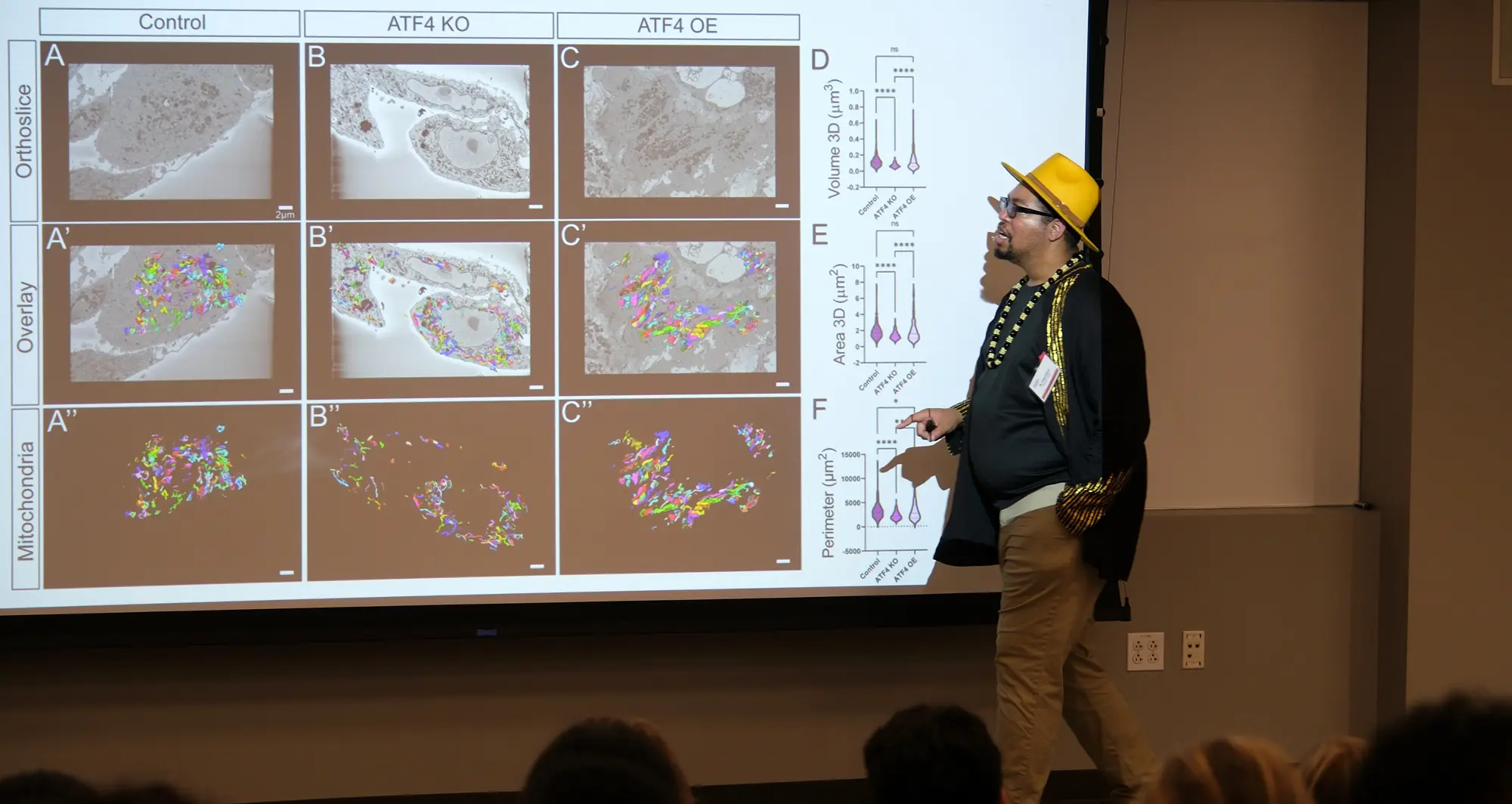
This year’s keynote was delivered by A.J. Hilton, PhD, assistant professor of molecular physiology and biophysics at Vanderbilt University, who discussed how ATF4 coordinates mitochondrial remodeling and functional adaptations across models of aging.

His talk offered a compelling look at how stress response pathways can rewire cellular metabolism and organelle function, with broad implications for understanding age-related decline and resilience.

Attendees praised the clarity of the presentation and its relevance beyond any one discipline, a reminder that the best science often bridges fields.

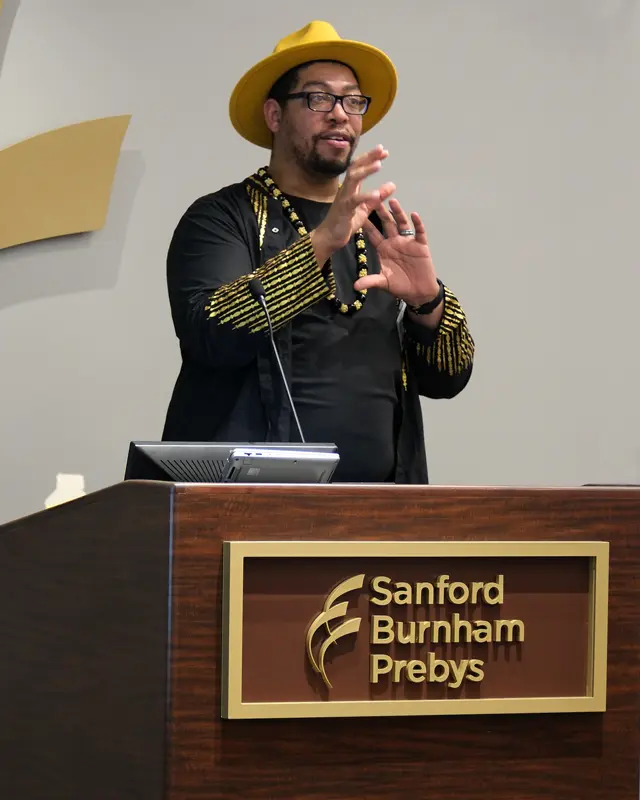
A.J. Hilton, PhD, giving keynote address. Photo credit Sanford Burnham Prebys

A.J. Hilton, PhD. Image credit: Sanford Burnham Prebys

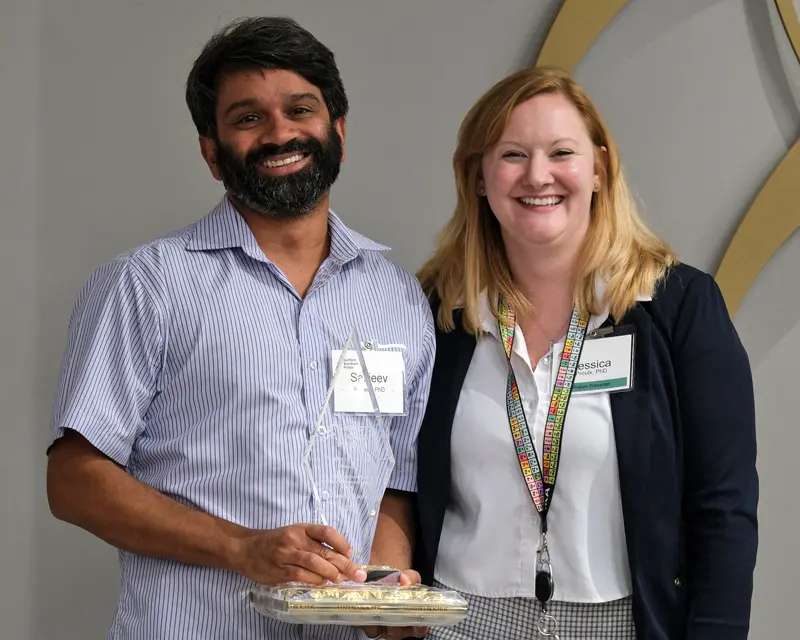
Sanjeev Ranade receiving Mentor of the Year from Jessica Proulx. Photo credit Sanford Burnham Prebys

Sanjeev Ranade, PhD, and Jessica Proulx, PhD. Image credit: Sanford Burnham Prebys

A highlight of the day was the announcement of the Mentor of the Year Award for Postdoctoral Training, which recognizes faculty who create welcoming, supportive environments and advocate tirelessly for early-career researchers. Nominees were evaluated on criteria such as clear communication of expectations and goals, active support of career development, and meaningful participation in training initiatives. This year’s recipient, Sanjeev Ranade, PhD, of the Center for Cardiovascular and Muscular Diseases, was celebrated for fostering a collaborative lab culture where achievements of all sizes are recognized and trainees are encouraged to think critically and independently. Mentees credited Ranade with reigniting their passion for science, building confidence, and opening doors to new opportunities—proof that great mentorship can be transformative.

The symposium also acknowledged the vital contributions of the Institute’s training community.

Organizers thanked staff and volunteers who made the event possible and recognized a decade of leadership in career and professional development programs that have helped countless trainees refine transferable skills, land jobs, and navigate diverse paths across the biomedical landscape. Practical touches, including food truck tickets for registrants and clear parking reimbursement instructions, rounded out a day designed to make participation easy and inclusive.

As the Institute observed National Postdoc Appreciation Week, the symposium set an enthusiastic tone for the poster session and the Fishman Awards ceremony. If the energy in the auditorium is any indication, the future of the research enterprise is bright—powered by rigorous science, generous mentorship, and a community committed to helping one another thrive.

BEST PODIUM TALK, Judges’ Selection

  • Winner:  Luca Caputo, PhD (Puri lab)
  • Runner-Up:  Sophie Hao (Dong lab)

BEST PODIUM TALK by popular vote

  • Winners: Jessica Proulx, PhD (Adams lab) & Katya Marchetti (Ocorr lab)

BEST FLASH TALK by popular vote

  • Winner: Michael Alcaraz (Adams lab)

BEST POSTERS, Judges’ Selection

  • Winners: Cheng-Ju Kuo, PhD (Kumsta lab) & Caitlin Lange (Kumsta lab)
Institute News

Anis Shahnaee awarded Melvin and Phyllis McCardle Clause Scholarship

AuthorGreg Calhoun
Date

September 2, 2025

The scholarship program for graduate students was created by the Clause family’s generous donation to Sanford Burnham Prebys

“I’m thrilled to receive this scholarship, which will help me continue contributing to our understanding of Alzheimer’s disease,” said Shahnaee.

The McCardle Clause Scholarship was established in honor of Phyllis McCardle Clause after her long struggle with Alzheimer’s disease (AD). The award supports graduate student education in age-related neurodegeneration within the institute’s graduate school.

Shahnaee conducts research in the laboratory of Jerold Chun, MD, PhD, a professor in the Center for Neurologic Diseases at Sanford Burnham Prebys, with a focus on better understanding the effects of neurodegenerative diseases on brain cells.

“Since joining the Chun lab in 2021 and starting my PhD, I’ve had the privilege of working alongside a wonderful team and within the supportive Sanford Burnham Prebys community,” said Shahnaee. “I’m very grateful for this support and for the opportunity to keep pursuing my research with the guidance of my mentor and colleagues.”

As part of her thesis work, Shahnaee contributed to a study unveiling novel and diverse mRNA sequences transcribed from genes  associated with neurodegenerative diseases (published in eNeuro 2024).

She will now characterize and study the function of the product of a specific novel human RNA isoform that she found significantly upregulated in disease-associated astrocytes in brain tissue from patients with AD.

“By focusing on the novel RNA isoform we discovered in astrocytes, my goal is to uncover how its translation into a protein alters brain function in Alzheimer’s disease, with the hope of identifying a new disease marker.”

“Contributing to this knowledge is both scientifically exciting and personally motivating,” said Shahnaee. “There is so much we still have to learn about the brain.”

Institute News

Two trainees selected for Science in Motion Travel Awards

AuthorGreg Calhoun
Date

August 29, 2025

The Sanford Burnham Prebys Center for Cardiovascular and Muscular Diseases recently announced the winners of the 2025 Science in Motion Travel Awards.

Gabriele Guarnaccia, a graduate student in the lab of Alessandra Sacco, PhD, will use his award to attend the 8th Cancer Cachexia Conference being held September 25–27, 2025, in Turin, Italy.

Luca Caputo, PhD, a postdoctoral associate in the lab of Pier Lorenzo Puri, MD, was selected to attend Frontiers in Myogenesis: Innovations in Myogenesis, From Molecular Mechanisms to Therapeutic Interventions, which will be held October 6–11, 2025, in Sunriver, Oregon.

The goal of the Science in Motion Travel Awards is to support conference participation for emerging researchers in labs with a primary affiliation in the Center for Cardiovascular and Muscular Diseases.

Applications will open again on January 15, 2026.

Institute News

Sanford Burnham Prebys celebrates newest graduate school alumni

AuthorGreg Calhoun
Date

June 4, 2025

The Institute’s Graduate School of Biomedical Sciences held its second Commencement ceremony to celebrate four recent graduates

Family, friends and colleagues gathered at the end of May 2025 to applaud the four newest alumni of the Sanford Burnham Prebys Graduate School of Biomedical Sciences. These early-career scientists are the latest graduates to leave their mark on the institute and carry forth the graduate program’s motto, “Knowledge is the power to heal.”

On Friday, May 30, 2025, the Graduate School of Biomedical Sciences held its graduation ceremony at the institute’s La Jolla campus in the Victor E. LaFave III Memorial Auditorium.

“Each of you has made significant contributions to your field of science, created new knowledge and demonstrated the ability to perform independent research,” said Alessandra Sacco, PhD, dean of the institute’s graduate school and professor and director of the Development, Aging and Regeneration Program in the Center for Cardiovascular and Muscular Diseases.

“Today, we celebrate not only your academic journey, but also your years of dedication to get to this point, and the perseverance and intellectual curiosity that enabled you to reach this milestone.”

Following her remarks, Sacco introduced Ryan Loughran, PhD ’24, to speak on behalf of his fellow graduates.

“Graduate school is an experience unlike any other,” said Loughran. “You’re constantly drinking from a fire hose, learning new techniques, running experiments, coding data pipelines, writing and reviewing papers, preparing posters and giving talks.

‘I came to realize that it’s overwhelming by design. Somewhere in that chaos, something incredible happens. You’re forged by the fire. You begin to absorb information with an insatiable hunger. You think more critically and more creatively when confronting problems, and that is the true gift of the PhD experience.”

Loughran turned the podium over to Guy Salvesen, PhD, the inaugural dean of the graduate school, who provided the Commencement address.

“The graduates in front of you display the success of the program,” he said. “More importantly and more fundamentally, though, they have reached this milestone based on the merits of the hard-won accomplishments that they share with their mentors.”

Diane Klotz, PhD, chief learning officer at Sanford Burnham Prebys, then discussed the meaning of the hoods and symbols that are used in Commencement ceremonies. She invited the graduates forward and instructed faculty members to adorn them with the doctoral academic hoods signifying completion of a PhD program.

This year, the following graduates were recognized:

Andrei Osterman, PhD, the graduate school’s vice dean and associate dean of curriculum and a professor in the Center for Metabolic and Liver Diseases, provided the ceremony’s closing remarks.

“While today is primarily a celebration of individual intellectual achievements, it also recognizes your meaningful contributions to and interactions with the scientific community,” he said. “You have grown through peer review and collaborating with others, and these experiences will benefit you wherever your career takes you.”

More on this year’s graduates

Zong Ming Chua, PhD ’24, was born in Singapore. He developed a deep and early interest in biology after reading Darwin’s seminal work “On the Origin of Species” and various books by Richard Dawkins.

At Sanford Burnham Prebys, Zong Ming investigated the mechanisms that link cellular senescence and epigenetics. He discovered a new role of the histone variant H2A.Z R80C. He found that the histone variant influenced the transcriptomic profile of senescent cells.

Zong Ming moved to the Bay Area after graduating and is currently a computational biologist at GigaGen.

Jordan Friedlein, PhD ’24, was born and raised in Minnesota. From an early age, he expressed a desire to understand how the world worked. In high school, biology and physiology were his favorite classes.

Jordan joined the Bagchi Lab in 2019 and worked on investigating the role of circular RNA derived proteins in Myc-driven cancers. During his five years, Jordan enjoyed contributing to cutting-edge research and building lasting relationships with other grad students and institute members.

Ryan Loughran, PhD ’24, was born and raised in Greensburg, Penn. Growing up in a family with four generations of pharmacists, Ryan always imagined following in their footsteps and taking over the family-owned Loughran’s Pharmacy.

However, his path took a different turn during his undergraduate studies when he had the opportunity to spend a summer in New York City as an intern in the Emerling lab at Weill Cornell Medicine. He later moved with Emerling to help establish her new lab at Sanford Burnham Prebys as her lab manager. He later joined the Emerling lab as a graduate student.

Ryan plans to undertake a short postdoctoral position before transitioning into the pharmaceutical industry, where he aims to apply his knowledge and experience in cancer research to real-world applications.

Zhouting Zhu, PhD ’24, grew up in Changzhou city in the Jiangsu province of China. After completing a Master of Science in Surgery degree from Nanjing University in 2018, Zhouting joined the graduate program at Sanford Burnham Prebys.

She conducted her doctoral research in the lab of Tariq Rana, PhD, an educational affiliate professor in the Graduate School of Biomedical Sciences. Zhouting focused on RNA biology and cancer immunotherapy. Her work explored immune cell dynamics in tumors and spleens under various treatment conditions in mouse cancer models.

Zhouting is currently working toward MD-equivalency certification, with the long-term goal of becoming a board-certified physician-scientist.

Institute News

Alexandre Colas named 2024 Mentor of the Year at Sanford Burnham Prebys

AuthorGreg Calhoun
Date

October 8, 2024

Colas was applauded for enthusiastically promoting mentees’ professional and scientific development.

Alexandre Colas, PhD, was named as the 2024 Mentor of the Year at Sanford Burnham Prebys. This honor is jointly awarded by the institute’s Office of Education, Training and International Services (OETIS) and the Postdoctoral Training Advisory Group (PTAG).

Colas is the associate dean of admissions for the Sanford Burnham Prebys Graduate School of Biomedical Sciences and associate professor in the institute’s Development, Aging and Regeneration Program.

The Mentor of the Year awardee was determined following a selection process driven by postdoctoral scholars. After a committee reviewed nomination letters submitted by postdoctoral associates and graduate students, Colas was announced as the recipient on September 19 at the 23rd Annual Biomedical Research Symposium.

“It is evident that Colas has remarkable mentorship skills and a genuine commitment to fostering both the scientific and professional development of his postdocs and graduate students,” said postdoctoral associate and PTAG representative Alicia Llorente Lope, PhD, during her presentation of the Mentor of the Year award.

“Colas’ nominators described him as kind, compassionate and someone who creates a positive, collaborative and intellectually stimulating environment in his lab. His enthusiasm for science is infectious, and it inspires those around him.”

Additional comments from Colas’ nominators include:

“He promotes participation in career development and events, encouraging all his mentees to attend scientific workshops and training events, conferences, talks and symposia that will benefit our scientific and personal growth.”

“As an enthusiastic leader, Colas organized events to celebrate achievements and milestones. He used these opportunities to promote team-building and collaborative efforts among his lab members and beyond the lab.”

“Whether discussing complex scientific hypotheses or the latest developments in our field, Colas has a unique ability to make even the most challenging concepts accessible and exciting.”

“His influence and guidance have allowed me to push myself outside my comfort zone and to become a better scientist.”

“He guides students through difficulties, offering thoughtful advice and constructive feedback that helps us overcome obstacles and strengthens our resilience and confidence as researchers. His mentorship has helped me achieve great scientific discoveries in the lab and grow closer to becoming an independent research scientist.”

“Should I establish my own lab, I aspire to follow Colas’ mentoring and leadership style, which I believe is the epitome of mentoring perfection.”

Institute News

Treasuring science and fun at the 2024 Annual Biomedical Research Symposium

AuthorGreg Calhoun
Date

October 2, 2024

Annual event shines spotlight on research conducted by postdoctoral associates and graduate students at Sanford Burnham Prebys.

“When I reflect on the most fun I’ve had during my career as a scientist, it was during my postdoctoral fellowship,” said Ye Zheng, PhD, Becky and Ralph S. O’Connor Chair and professor in the NOMIS Center for Immunobiology and Microbial Pathogenesis at the Salk Institute, during his keynote address at the 23rd Annual Biomedical Research Symposium at Sanford Burnham Prebys on September 19, 2024.

“As a postdoc, every time I woke up, I would think about my scientific projects and then go to lab to work with interesting people and do exciting experiments. I had few, if any, distractions. It’s a unique opportunity, and I hope you treasure it.”

Zheng’s words of encouragement helped set the stage for a day filled with a variety of presentation formats to showcase the work of postdoctoral associates and graduate students at the institute. Peter D. Adams, PhD, director of the Cancer Genome and Epigenetics Program at Sanford Burnham Prebys, underscored the event’s importance in his opening remarks.

“This is how science works. You all convening and discussing your work today provides a platform for building new and innovative collaborations.

“You are the next generation of biomedical researchers, and there is no greater pleasure for me as a scientist than to see postdocs and students partnering with one another and enjoying working together.”

The symposium featured three scientific sessions with keynote presentations, podium lectures and brief “flash talks” in which speakers were limited to two minutes and a single slide to entice attendees to visit their posters. Participants voted in a science art competition and for best podium and flash talks.

Following the scientific sessions, Alicia Llorente Lope, PhD, a postdoctoral associate in the lab of Brooke Emerling, PhD, presented the 2024 Mentor of the Year Award to Alexandre Colas, PhD, the associate dean of admissions in the Graduate School of Biomedical Sciences and associate professor in the Development, Aging and Regeneration Program.

Linda Bradley, PhD, a professor in the Cancer Metabolism and Microenvironment Program and the faculty advisor for postdoctoral training, provided the symposium’s closing remarks. She reminded the audience that the symposium was planned for this week because it was National Postdoc Appreciation Week from September 16-20.

“I want to thank our postdocs for their incredible efforts driving the research forward in our labs,” she said. “I hope we can continue to enhance our environment and provide the best possible opportunities for training and mentorship here at the Institute.”

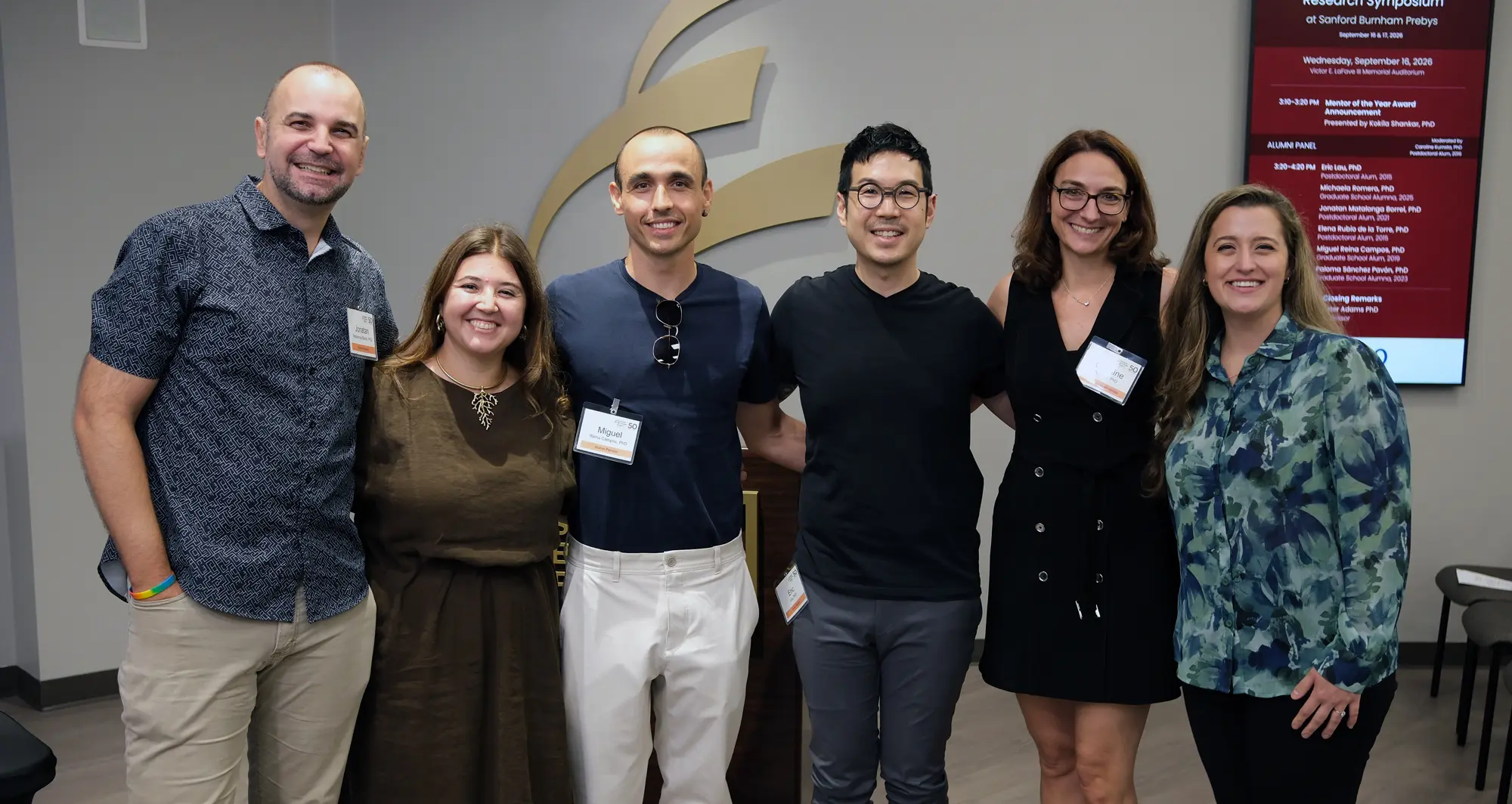
The 23rd Annual Biomedical Research Symposium concluded with a poster session and happy hour reception. Postdoctoral associate and graduate school alumni were invited to these events to meet with current graduate students and postdoctoral associates and reconnect with their colleagues.

Symposium planning is coordinated by the Sanford Burnham Prebys Science Network, a group of postdoctoral associates and graduate students interested in professional development, networking and social events, and the institute’s Office of Education, Training and International Services.

Tatiana Moreno presenting her post to Soda Diop with other poster presentations in the background

The 23rd Annual Biomedical Research Symposium concluded with a poster session and happy hour reception. Postdoctoral associate and graduate school alumni were invited to these events to meet with current graduate students and postdoctoral associates and reconnect with their colleagues.

“It was a terrific experience working together to build this year’s program,” said Valeria Guglielmi, PhD, a postdoctoral associate in the lab of Maximiliano D’Angelo, PhD, and member of the institute’s Science Network. “I’m especially grateful to our speakers, poster presenters and scientific artists for bringing excellent work that we could highlight.”

Additional awards given at the symposium included:

  • Best podium talk – Judges’ selection
    Valeria Guglielmi, PhD

    Postdoctoral associate in the D’Angelo lab
  • Best podium talk – Popular vote
    James Marchant, PhD

    Postdoctoral fellow in the Colas lab
  • Best flash talk – Popular vote
    Theophilos Tzaridis, MD

    Postdoctoral fellow in the Adams lab
  • Best poster – Judges’ selection
    Armin Aabish Gandhi, PhD
    Pstdoctoral associate in the Adams lab
  • Best science art – Popular vote
    Carolina Cano Macip

    Graduate student in the Tian lab

Speakers at the symposium included:

Scientific Session I—moderated by Michaela Romero and Armin Aabish Gandhi, PhD

Carolina Cano Macip's winging science art image

Participants at the symposium were able to submit votes for a science art competition and the best podium and flash talks. Carolina Cano Macip, a graduate student in the lab of Xiao Tian, PhD, won the science art competition with her piece called “Love is in your gut <3” featuring a heart-shaped section of a mouse colon.

  • Cheng-Ju Kuo, PhD
    Postdoctoral associate in the Kumsta lab
    “Temporal and spatial regulation of the autophagy-regulating transcription factor TFEB/HLH-30 in hormesis and aging”
  • Ximena Diaz Olea
    Graduate student in the Ronai lab
    “Control of melanoma development by B. rodentium in germ free mice”
  • Huijie Huang, PhD
    Postdoctoral associate in the Huang lab
    “SORLA upregulation suppresses global pathological effects in aged taupathy mouse brain”

Scientific Session II—moderated by Katya Marchetti, Namratha Nadig and Chiara Nicoletti, PhD

  • Adarsh Rajesh
    Graduate student in the Adams lab, “A novel role of P21-CyclinD1-CDK6 complex in regulating interferon signaling in senescence and aging” 
  • James Marchant, PhD
    Postdoctoral fellow in the Colas lab, “Single-construct cardiac programming gene therapy for heart failure”
  • Valeria Guglielmi, PhD
    Postdoctoral associate in the D’Angelo lab
    “The nuclear pore complex component Nup358 regulates intestinal epithelium homeostasis”
  • Theophilos Tzaridis, MD
    Postdoctoral fellow in the Adams lab, flash talk
  • Evodie Koutouan
    Graduate student in the Pasquale lab, flash talk
  • Sviatlana Zaretski
    Graduate student in the Adams lab, flash talk

Scientific Session III—moderated by Linda Chang and Theophilos Tzaridis, MD

  • Gabriele Guarnaccia
    Graduate student in the Sacco lab
    “Serum amyloid protein A1 (SAA1) impairs myogenesis and myotube size in pancreatic cancer cachexia”
  • Jessica Proulx, PhD
    Postdoctoral associate in the Adams lab
    “Investigating the role and therapeutic potential of HNF4α in loss of hepatocyte cell identity with age”
  • Michaela Romero
    Graduate student in the Colas lab, flash talk
  • Shanshan Yin, PhD
    Postdoctoral associate in the Adams lab, flash talk
  • Guillem Lambies Barjau, PhD
    Postdoctoral associate in the Commisso lab, flash talk
Institute News

Michael Alcaraz awarded Melvin and Phyllis McCardle Clause Scholarship

AuthorGreg Calhoun
Date

September 18, 2024

The scholarship program for graduate students was created by the Clause family’s generous donation to Sanford Burnham Prebys.

Michael Alcaraz, a fourth-year graduate student in the Sanford Burnham Prebys Graduate School of Biomedical Sciences, was selected as the 2024 recipient of the Melvin and Phyllis McCardle Clause Scholarship.

“I am very excited about being chosen for this scholarship,” said Alcaraz. “I’ll be gaining mentorship opportunities from researchers in neuroscience that complement my lab’s focus on aging.

“This funding will make a big difference as my research moves forward. The scholarship also provides support for professional development, which will allow me to attend conferences to share what I’m studying and grow my network.”

The McCardle Clause Scholarship was established in honor of Phyllis McCardle Clause after her long struggle with Alzheimer’s disease (AD). The award supports graduate student education in age-related neurodegeneration within the Institute’s graduate school.

Alcaraz conducts research in the laboratory of Peter D. Adams, PhD, the director of the Cancer Genome and Epigenetics Program, with a focus on the mechanisms of aging.

With support from the scholarship, Alcaraz will be investigating the fundamental connections between aging and the increased risk of AD, the most common cause of dementia. His project is focused on the role of nicotinamide adenine dinucleotide (NAD+), an essential metabolite and building block for enzymes.

NAD+ levels decrease with age in several tissues, including in the brains of humans and mouse models of AD. The decline of this important metabolite is associated with insufficient energy metabolism that is a major hallmark of AD.

“In collaboration with the Conrad Prebys Center for Chemical Genomics, we will test a potential drug to promote production of NAD+ in the brain by activating a key enzyme involved in NAD+ biosynthesis,” said Alcaraz.  The compound was developed by the Conrad Prebys Center for Chemical Genomics led by Michael Jackson, PhD, senior vice president of Drug Discovery and Development.

“The goal of my project is to raise the levels of NAD+ in mice suffering from an analogous condition to AD and test its effects on improving brain metabolism, function and behavior,” added Alcaraz.

“The objective is to build the preclinical foundation for one day achieving benefits for patients. We all know how devastating AD is for patients and families, and the need for new treatments grows greater every single day.

“This project will require a lot of collaboration between experts in aging, drug discovery, neuroscience and behavioral analysis. We have all this expertise available across the Institute, and I’m looking forward to working with an interdisciplinary team on this effort thanks to the generosity of the Clause family.”