Graduate School of Biomedical Sciences Archives - Page 2 of 4 - Sanford Burnham Prebys
Institute News

Sanford Burnham Prebys celebrates first graduate school Commencement ceremony

AuthorGreg Calhoun
Date

June 7, 2024

The Sanford Burnham Prebys Graduate School of Biomedical Sciences held its first-ever Commencement ceremony to celebrate nearly 20 years of educating future scientists

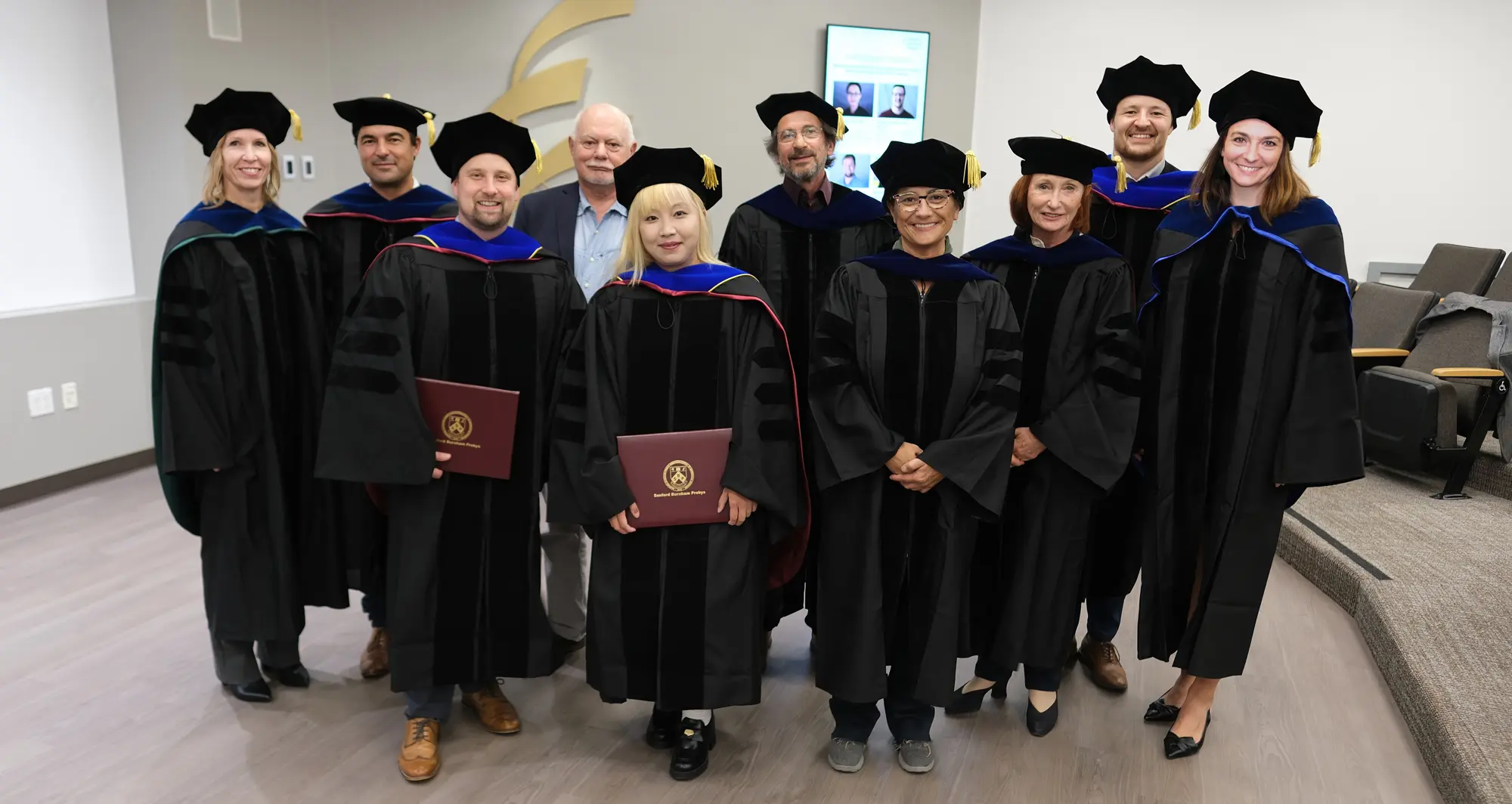
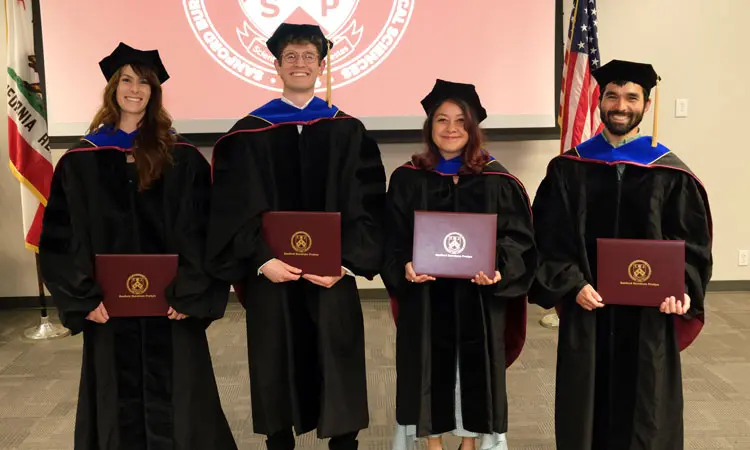
On Friday, May 31, 2024, the Sanford Burnham Prebys Graduate School of Biomedical Sciences hosted four graduates, their family members and friends as well as current students, faculty members and staff at the Institute’s campus in La Jolla for the school’s first-ever Commencement ceremony.

In addition to honoring the four graduates in attendance, the event also recognized the 62 other alumni who graduated from the Institute’s graduate school in the nearly 20 years since its founding in 2006.

“The graduate school is a direct extension of our commitment to training the next generation of scientists,” said David Brenner, MD, president, CEO and Donald Bren Chief Executive Chair at Sanford Burnham Prebys, during his welcoming remarks. “We focus on cultivating a collaborative culture where students are full participants. Thank you for your dedication to learning and creating new knowledge, and for your contributions to our mission of translating science to improve health.”

Brenner added, “We’re incredibly proud of you!”

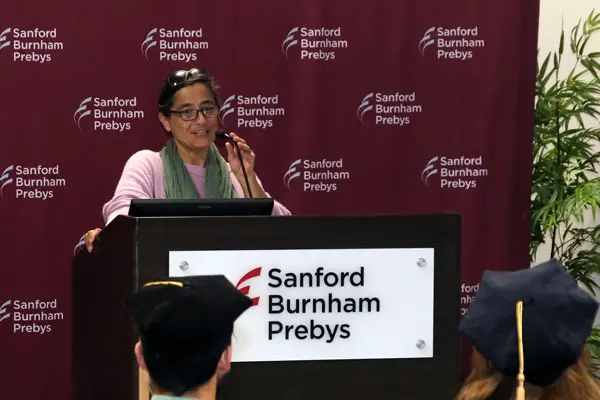
Alessandra Sacco, PhD, director of, and professor in, the Development, Aging and Regeneration Program at Sanford Burnham Prebys, and dean of the Institute’s Graduate School of Biomedical Sciences, delivered the Commencement address.

“Hold onto perseverance and trust in yourself as you move forward,” said Sacco. “Never forget the sacrifices you have made, the hours in the lab and the failed experiments that have shaped you into better researchers.”

Sacco also remarked, “You are the next generation of scientists. You can make a difference by pushing on scientific boundaries while also having a positive influence on your communities.”

Alessandra Sacco, PhD, director of, and professor in, the Development, Aging and Regeneration Program at Sanford Burnham Prebys, and dean of the Institute’s Graduate School of Biomedical Sciences, delivered the Commencement address.

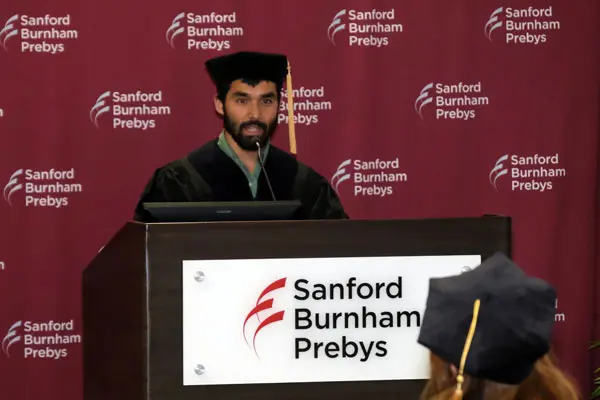
After concluding her remarks by wishing the graduates great success throughout their professional journeys, Sacco introduced Stephen Sakuma, PhD ’24, to speak on behalf of the Institute’s 66 alumni.

Stephen Sakuma, PhD ’24, spoke on behalf of the Institute’s
66 alumni.

“The faculty and community at Sanford Burnham Prebys have been tremendous and afforded me the most meaningful opportunities to learn and grow,” said Sakuma. “The journey has been long and, at times, arduous, but it also has been exceedingly rewarding.”

Diane Klotz, PhD, chief learning officer at Sanford Burnham Prebys, then discussed the meaning of the hoods and symbols that are used in Commencement ceremonies. She recognized the Institute’s alumni, both present and across the globe, and explained that all graduates are conferred degrees following the completion of all educational requirements and successful defense of their theses.

The Commencement ceremony, then, represents an opportunity to welcome back and celebrate with our alumni and their friends and family, and to pay tribute to alumni unable to attend who entrusted Sanford Burnham Prebys with their graduate education and preparation to enter the field of biomedical research.

Klotz invited the graduates forward and instructed faculty members to adorn them with the doctoral academic hoods signifying completion of a PhD program.

The graduates who attended the Commencement ceremony were:

  • Monica Gonzalez Ramirez, PhD ’18, who trained in the Salvesen lab and was hooded by Guy Salvesen, PhD, emeritus professor
  • James Kent, PhD ’22, who trained in the Marassi lab and was hooded by Dr. Guy Salvesen
  • Rachael McVicar, PhD ’23, who trained in the Snyder/Leibel lab and was hooded by Evan Snyder, MD, PhD, director of the Center for Stem Cells and Regenerative Medicine and professor in the Human Genetics Program
  • Stephen Sakuma, PhD ’24, who trained in the D’Angelo lab and was hooded by Maximiliano D’Angelo, PhD, associate professor in the Cancer Metabolism and Microenvironment Program

As the inaugural dean of the Institute’s graduate school, Salvesen provided the ceremony’s closing remarks. He wished the alumni well and supported Sacco’s assertion that their perseverance would be rewarded, which he reinforced with a quote from author and Arches National Park enthusiast Edward Abbey.

“May your trails be crooked, winding, lonesome, dangerous, leading to the most amazing view.”


Related Posts

Graduate School Of Biomedical Sciences

Institute News

The Conrad Prebys Foundation fellows take center stage

AuthorGreg Calhoun
Date

May 20, 2024

Following a year of hands-on training and scientific inquiry supported by a generous grant from the Conrad Prebys Foundation, a diverse group of early-career researchers recently presented their promising progress on translational research projects.

Twelve scientists-in-training at Sanford Burnham Prebys presented research updates at the Conrad Prebys Foundation Fellows Symposium on May 14, 2024, at the Institute’s Fishman Auditorium.

The presentations were the culmination of a yearlong educational program at Sanford Burnham Prebys providing early-career scientists with workshops, mentorship and research experiences focused on how to transform research discoveries into new treatments. The Conrad Prebys Foundation provided critical funding for the program as part of the foundation’s mission to increase the diversity of San Diego’s biomedical workforce.

“This truly has been a pioneering program at the Institute,” says Alessandra Sacco, PhD, director of, and professor in, the Development, Aging and Regeneration Program at Sanford Burnham Prebys; and dean of the Institute’s Graduate School of Biomedical Sciences.

The graduate students and postdoctoral fellows selected to participate in the program conducted projects at the Institute’s  Conrad Prebys Center for Chemical Genomics (Prebys Center), the nation’s leading nonprofit drug discovery center. The Prebys Center specializes in finding new medicines for diseases with a substantial unmet medical need.

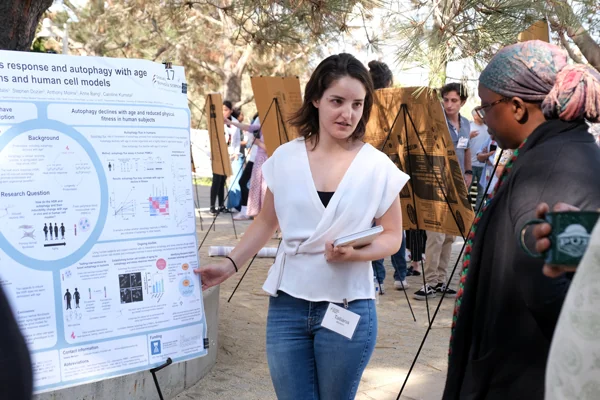
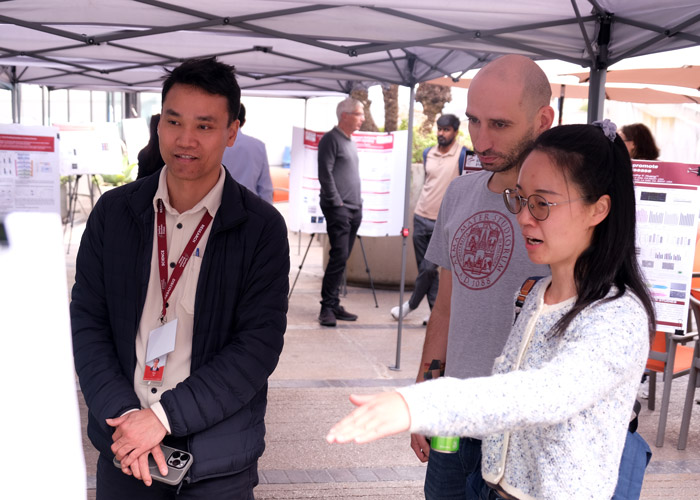
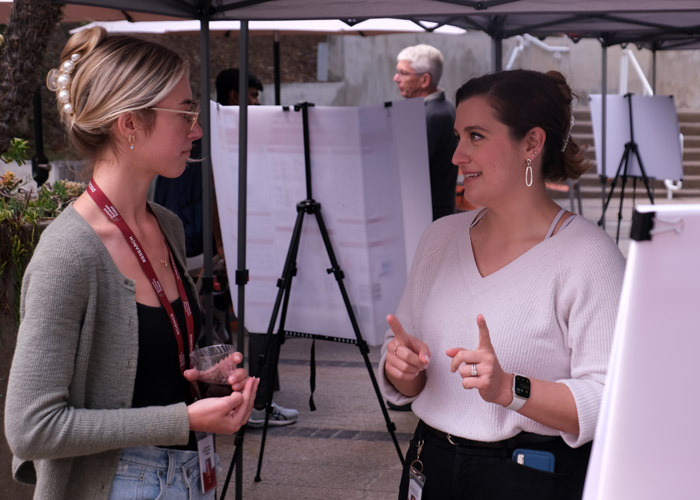
Conrad Prebys Foundation fellows poster presentations

“Each participant worked with a pair of co-mentors, one in the laboratory and another in the Prebys Center,” adds Sacco. In addition to extensive mentorship, the program included educational sessions about the drug discovery process.
“This program’s multifaceted approach to training and development has been incredibly rewarding,” says Sacco. Before introducing the symposium’s first speaker, Sacco thanked Michael Jackson, PhD, senior vice president of Drug Discovery and Development at the Prebys Center and director of the Institute’s Cancer Molecular Therapeutics Program; Jessica Colomb, associate director of Administration at the Prebys Center; and all the mentors who contributed to the program’s success.

Conrad Prebys Foundation fellows poster presentations

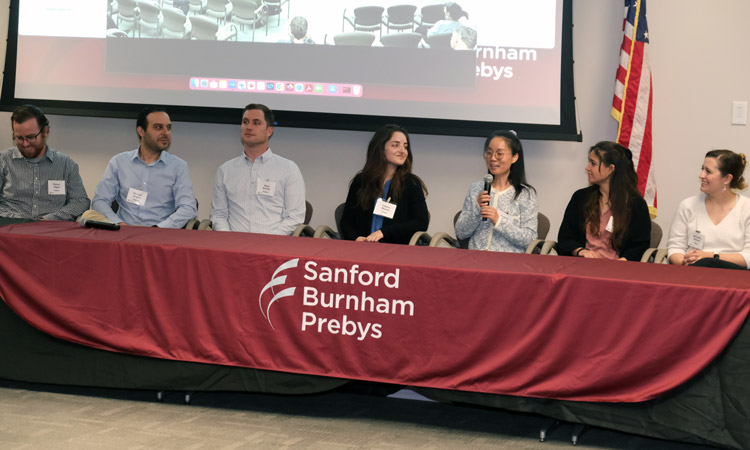
After the conclusion of the fellows’ formal presentations, Lauren Mitchell, MS, program manager for Diversity, Equity, Inclusion and Belonging (DEIB) at Sanford Burnham Prebys, moderated a discussion for fellowship awardees regarding how this training program enriched their skillset, benefited their career development and contributed to their overall sense of belonging and community, among other topics.

The symposium ended with a poster session and reception celebrating the Conrad Prebys Foundation, participants, mentors and contributors.

“I would like to express my utmost gratitude to the Conrad Prebys Foundation for this fellowship,” says Xiuqing Wei, PhD, postdoctoral associate in the lab of Lorenzo Puri, MD, director of, and professor in, the Development, Aging and Regeneration Program at Sanford Burnham Prebys.

Wei adds, “It was a wonderful experience working with my co-mentors on an amazing translational research project.” Wei focused on methods for targeting the abnormal regulation of a key proinflammatory cytokine which is associated with muscle waste under the conditions of nerve injuries and cancer.

The Conrad Prebys Foundation fellows who presented at the symposium were:

Postdoctoral Fellows

  • Merve Demir
    Zhao Lab, Ed Sergienko co-mentor
    “Structural studies of MtCK and GCDH enzyme drug targets”
  • Alicia Llorente Lope
    Emerling Lab, Ian Pass co-mentor
    “Exploring PI5P4Kγ as a novel molecular vulnerability of therapy-resistant breast cancer” 
  • Van Giau Vo
    Huang Lab, TC Chung co-mentor
    “Identifying enhancers of SNX27 to promote neuroprotective pathways in Alzheimer’s disease and Down Syndrome”
  • Xiuqing Wei
    Puri Lab, Anne Bang co-mentor
    “Selective targeting of a pathogenetic IL6-STAT3 feedforward loop activated during denervation and cancer cachexia”

Predoctoral Fellows

  • Michael Alexander Alcaraz
    Adams Lab, Steven Olson co-mentor
    “Activating the NAMPT-NAD+ axis in senescence to target age-associated disease”
  •   Shea Grenier Davis
    Commisso Lab, Steven Olson co-mentor
    “Examining PIKfyve as a potential therapeutic target in pancreatic cancer” 
  • Aditi Pedgaonkar
    Deshpande Lab, Ed Sergienko co-mentor
    “SGF29 as a novel therapeutic target in AML” 
  • Patrick Hagan
    Cosford Lab, Ian Pass co-mentor
    “Discovery and development of novel ATG13 degrading compounds that inhibit autophagy and treat non-small-cell lung cancer” 
  • Texia Loh
    Wang Lab, Ed Sergienko co-mentor
    “Investigating the role of HELLS in mediating resistance to PARP Inhibition in small-cell lung cancer” 
  • Michaela Lynott
    Colas Lab, TC Chung co-mentor
    “Identification of small molecules inhibiting ATF7IP-SETDB1 interacting complex to improve cardiac reprogramming efficiency” 
  • Tatiana Moreno
    Kumsta Lab, Anne Bang co-mentor
    “Identifying TFEB/HLH-30 regulators to modulate autophagy in age-related diseases” 
  • Utkarsha Paithane
    Bagchi Lab, TC Chung co-mentor
    “Identification of small-molecule enhancers of Honeybadger, a novel RAS/MAPK inhibitor”
Institute News

Emily Wu awarded Melvin and Phyllis McCardle Clause Scholarship

AuthorSusan Gammon
Date

September 28, 2023

A scholarship program enabled by the Clause family’s generous donations to the Institute has been awarded to Jiaqian (Emily) Wu, a graduate student in the lab of Nicholas Cosford, PhD, co-director and professor of the Cancer Molecular Therapeutics Program.

“This award is special to me because it’s more than a scholarship—it’s inspiring and encouraging for early-stage scholars,” says Wu. “My research goal is to discover innovative treatments of Alzheimer’s disease and enhance our understanding of the disease. Receiving this honor from a family who was affected by this devastating disease makes me even more motivated to advance my research. I sincerely appreciate the support.”

The McCardle Clause Scholarship was established in honor of Phyllis McCardle Clause who passed away after a long struggle with Alzheimer’s disease in 2008, in San Diego, California. The award supports graduate student education in neurodegeneration and aging within the Graduate Program for Biomedical Sciences.

Wu’s research focuses on a brain-specific enzyme called STEP, whose levels are increased in the human prefrontal cortex of AD patients. Genetic and pharmacological evidence from mouse studies suggest that targeting STEP, a signaling molecule involved in the initial synaptic dysfunction that occurs prior to the loss of neurons, may provide an early treatment option for Alzheimer’s disease.

“We are using a bold approach to screen for potential drugs that modulate STEP,” says Wu. “The strategy holds great potential in overcoming the historical challenges of drug potency, selectivity and blood-brain barrier penetration efficacy for Alzheimer’s disease.”

“More approaches to stemming Alzheimer’s disease are desperately needed. I’m hopeful that our research will contribute to the field and help people suffering this disease.”

Institute News

Scientific leaders of tomorrow present at 2023 Annual Trainee Symposium

AuthorSusan Gammon
Date

September 22, 2023

An accomplished group of early-career researchers including postdoctoral scholars, graduate students and staff scientists showcased their work at Sanford Burnham Prebys’ 22nd Annual Trainee Research Symposium on Thursday, September 21st.

After introductory remarks by Sanford Burnham Prebys Professor Guy Salveson, PhD, former dean of the Graduate School of Biomedical Sciences, the scientists gave 20-minute podium presentations about their research, which were judged by a panel of Sanford Burnham Prebys faculty and staff.

Speakers included:

  • Patrick Hagan (Graduate Student, Cosford Lab)
  • Alessandra Cecchini, PhD (Postdoctoral Associate, Sacco Lab)
  • James Kent, PhD (Postdoctoral Associate, Osterman Lab)
  • Theophilos Tzaridis, MD (Postdoctoral Fellow, Adams Lab)
  • Jimmy Massenet, PhD (Postdoctoral Associate, Puri Lab)
  • Merve Demir, PhD (Postdoctoral Associate, Sergienko Lab/CPCCG)
  • Guillem Lambies Barjau, PhD (Postdoctoral Associate, Commisso Lab)
  • Michaela Romero (Graduate Student, Colas Lab)

After the first session of presentations, a keynote speech for the symposium was given by UC San Diego Professor Gene Yeo, PhD professor at UC San Diego titled, “Challenges and opportunities in RNA biology for understanding and treating human diseases.” Dr. Yeo is a leader in developing technology and algorithms to explore how RNA-binding proteins influence RNA processing and how dysfunction is associated with human disease.

Following closing remarks from Sanford Burnham Prebys CEO David A. Brenner, MD, a poster session was held where more than 25 early-career scientists were given the chance to present their work.

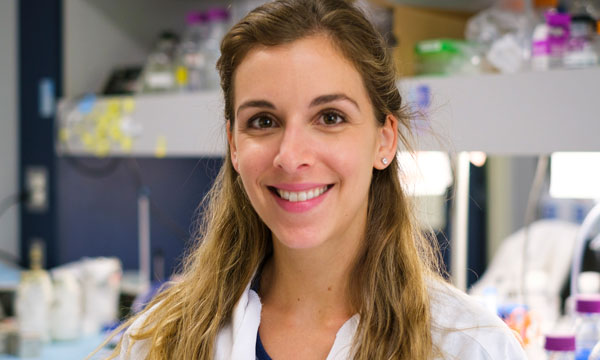
Cynthia Lebeaupin, PhD headshot in lab

A panel of judges selected the poster of Cynthia Lebeaupin, PhD (Kaufman Lab) for the top prize. Dr. Lebeaupin’s research focuses on how fatty liver disease—an increasingly prevalent health condition—leads to liver cancer.

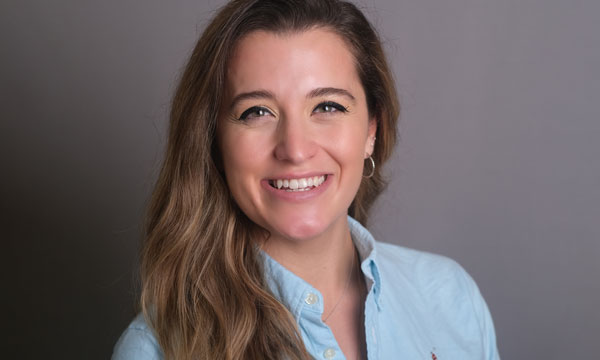
Michaela Romero headshot

Winner of the judges’ selection for “Best Podium Talk” was awarded to Michaela Romero for her presentation, “Novel role of proteoglycan sulfation as a barrier to direct cardiac reprogramming.”

The event also featured the presentation of Sanford Burnham Prebys’ Mentor of the Year Award to Alessandra Sacco, PhD, who was recently named the new dean of the graduate school.

Congratulations to all the participants in this year’s Symposium, and a special thank you to the staff at the Office of Education, Training, & International Services (OETIS) for organizing the event.

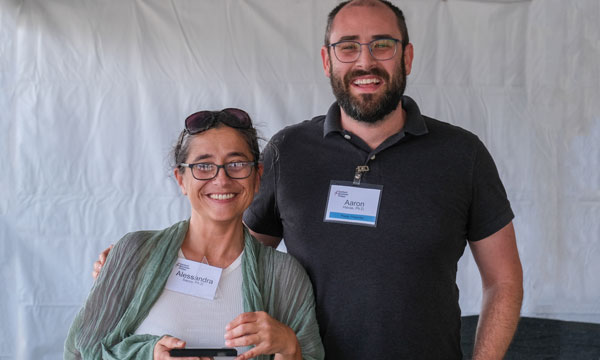
Aaron Havas presenting Alessandra Sacco with Mentor of the Year award
Institute News

Sanford Burnham Prebys graduate student selected for prestigious Women in Science scholarship

AuthorMiles Martin
Date

June 20, 2023

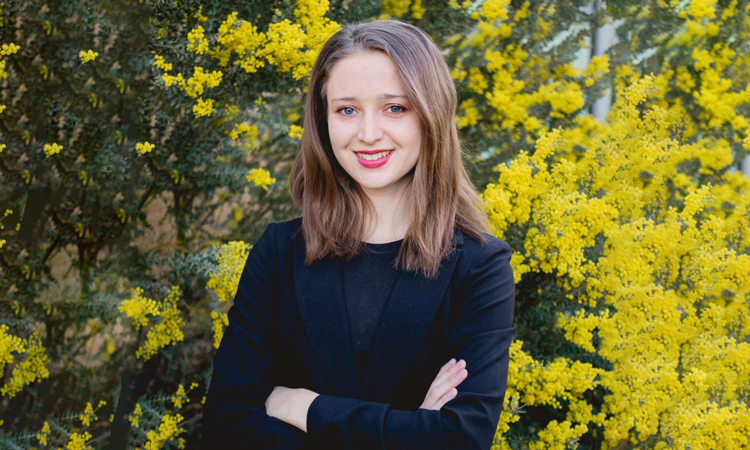
Katya Marchetti has had her heart set on research since childhood. Today, she’s a bright, confident scientist making her dream a reality at Sanford Burnham Prebys.

Katya Marchetti, a first-year PhD student in the lab of Karen Ocorr, PhD, was recently awarded an Association for Women in Science (AWIS) scholarship. This competitive award encourages outstanding women pursuing degrees in science, technology, engineering and mathematics (STEM) fields at San Diego colleges and universities.

“Receiving this recognition highlights the importance of advocating for women’s empowerment in STEM and fostering an inclusive and diverse scientific community,” says Marchetti.

Marchetti grew up in Bakersfield California and finished her undergraduate degree from UC San Diego in just three years. Last year, she enrolled as a graduate student at 21 years old, making her one of the youngest PhD students to ever join the Institute. For her, the AWIS award is a culmination of a lifelong enthusiasm for science, inspired and encouraged by her family.

“I’m a very curious person,” says Marchetti. “I just inherently have to know how everything works, and my dad is the one got me inspired and interested in exploring things. I am so grateful for the opportunities that he fought for me to have, because he gave me everything that he didn’t.”

With the enthusiastic support of her family, Marchetti began her research career at the ripe age of nine years old. 

“My first-ever science project was heart research,” she says. “My favorite song was “Kickstart My Heart” by Mötley Crüe, and I wanted to see if it would raise blood pressure. I tested myself and my family, and we actually found that it did, obviously.” 

Today, Marchetti’s heart research is a bit more sophisticated. She studies hypoplastic left heart syndrome (HLHS), a rare disease in which the left side of the heart is underdeveloped and unable to effectively pump oxygenated blood to the rest of the body. HLHS is a congenital disease that is nearly always fatal without heart surgery. Marchetti’s research focuses on uncovering the genetics that underpin this disease to find new ways to prevent and treat it.

“Researching heart disease is very rewarding in and of itself, but it’s also really motivating to work on a disease that occurs in one of the most vulnerable populations,” says Marchetti. 

Marchetti is also heavily involved on campus at the Institute, as one of just two graduate students to serve on the Institute’s Education and Training committee, part of the Institute’s Diversity Equity and Inclusion Council. She has also mentored interns for the Institute’s CIRM-sponsored SPARK program, which provides research experiences to high school students from underrepresented backgrounds.

“I really love mentoring people who don’t have a lot of lab experience,” says Marchetti. “It’s my favorite thing I’ve done in graduate school so far. I think that’s kind of my way of paying forward the opportunities that I’ve had.” 

Marchetti will use the funds from the AWIS scholarship to further support her HLHS research. She also maintains that even after finishing her PhD, her long-term goal is to continue working in the San Diego research community. 

“If were to describe myself as a city, it would be San Diego,” she says. “It’s really the perfect place for me.” 

Institute News

Presenting The Conrad Prebys Foundation fellows

AuthorMiles Martin
Date

May 15, 2023

Thanks to a generous grant from The Conrad Prebys Foundation, a diverse group of early-career researchers will gain hands-on experience in drug discovery and translational medicine.

A new educational program at Sanford Burnham Prebys has welcomed a diverse group of early-career scientists to learn how to transform research discoveries into treatments for human diseases. The program was made possible by a generous grant from The Conrad Prebys Foundation as part of its mission to increase the diversity of San Diego’s biomedical workforce.

“Our mission at The Conrad Prebys Foundation is to create an inclusive, equitable and dynamic future for all San Diegans,” says Grant Oliphant, CEO at The Conrad Prebys Foundation. “San Diego is one of the top areas in the country for biomedical research, and we’re pleased to partner with Sanford Burnham Prebys to help strengthen the pipeline of diverse talent in life sciences research.”

Graduate students and postdoctoral fellows selected for the program will complete projects at the Institute’s Conrad Prebys Center for Chemical Genomics (Prebys Center), the nation’s leading nonprofit drug discovery center. The Prebys Center specializes in finding new medicines for diseases with a substantial unmet medical need in order to develop better therapies. 

“Thank you to The Conrad Prebys Foundation. I am beyond grateful for their support,” says predoctoral Prebys fellow Michael Alcaraz, who will complete his project on the links between aging and brain disease with Professor Peter D. Adams, PhD, and Steven Olson, PhD, executive director of Medicinal Chemistry at the Prebys Center. 

To help fulfill the Foundation’s mission, Sanford Burnham Prebys students and postdocs from historically underrepresented groups were encouraged to apply for the new program.

“Promoting diversity in the biomedical workforce is a founding principle of our educational program,” says Alessandra Sacco, PhD, vice dean and associate dean of Student Affairs in the Graduate School of Biomedical Sciences at Sanford Burnham Prebys. Sacco will oversee the new program alongside Dean Guy Salvesen, PhD, and Professor Michael Jackson, PhD

“Working actively to train people from all backgrounds gives opportunities to people who may not otherwise have had them—and it also improves the quality of the research itself,” she adds.

“Translational research is one of the biggest priorities in biomedicine right now because it’s how we turn discoveries into actual medicines,” says Sacco. “This program gives students and postdocs an opportunity to build the skills they need for translational research jobs in academia or industry.”

The fellowship will culminate in a final symposium next spring, where the fellows will present their research to their peers and to the wider community. 

“I’m looking forward to gaining more experience and making my contribution to the translational science at the Prebys Center,” says predoctoral Prebys fellow Merve Demir, who will complete a structural biochemistry project with Assistant Professor Jianhua Zhao, PhD, and Eduard Sergienko, PhD, director of Assay Development at the Prebys Center. 

The full list of fellows includes:
 

Postdoctoral Fellows

– Karina Barbosa Guerra [Deshpande Lab, Ed Sergienko co-mentor]
“SGF29 as a novel therapeutic target in AML”
 
– Merve Demir [Zhao Lab, Ed Sergienko co-mentor]
“Structural studies of MtCK and GCDH enzyme drug targets”
 
– Jerry Tyler DeWitt [Haricharan Lab, TC Chung co-mentor]
“Investigating the unique molecular landscape of ER+ breast cancer in black women” 
 
– Alicia Llorente Lope [Emerling Lab, Ian Pass co-mentor]
“Exploring PI5P4Kγ as a novel molecular vulnerability of therapy-resistant breast cancer” 
 
– Van Giau Vo [Huang Lab, TC Chung co-mentor]
“Identifying enhancers of SNX27 to promote neuroprotective pathways in Alzheimer’s disease and Down Syndrome”
 
– Xiuqing Wei [Puri Lab, Anne Bang co-mentor]
“Selective targeting of a pathogenetic IL6-STAT3 feedforward loop activated during denervation and cancer cachexia”


Predoctoral Fellows

– Michael Alexander Alcaraz [Adams Lab, Steven Olson co-mentor]
“Activating the NAMPT-NAD+ axis in senescence to target age-associated disease”
 
– Shea Grenier Davis [Commisso Lab, Steven Olson co-mentor]
“Examining PIKfyve as a potential therapeutic target in pancreatic cancer” 
 
– Patrick Hagan [Cosford Lab, Ian Pass co-mentor]
“Discovery and development of novel ATG13 degrading compounds that inhibit autophagy and treat non-small-cell lung cancer”
 
– Texia Loh [Wang Lab, Ed Sergienko co-mentor]
“Investigating the role of HELLS in mediating resistance to PARP Inhibition in small-cell lung cancer”
 
– Michaela Lynott [Colas Lab, TC Chung co-mentor]
“Identification of small molecules inhibiting ATF7IP-SETDB1 interacting complex to improve cardiac reprogramming efficiency”
 
– Tatiana Moreno [Kumsta Lab, Anne Bang co-mentor]
“Identifying TFEB/HLH-30 regulators to modulate autophagy in age-related diseases”
 
– Utkarsha Paithane [Bagchi Lab, TC Chung co-mentor]
“Identification of small-molecule enhancers of Honeybadger, a novel RAS/MAPK inhibitor” 
 

Institute News

Peter Adams named Mentor of the Year at 21st Annual Research Trainee Symposium

AuthorMiles Martin
Date

September 23, 2022

Peter Adams, PhD, has been named Mentor of the Year, a new honor from the Institute’s Office of Education, Training and International Services (OETIS) and the Postdoctoral Training Advisory Group (PTAG).

The award was based on nomination letters submitted by postdocs and graduate students on the Sanford Burnham Prebys campus, and the winner was selected by a committee of PTAG members. The award was announced on September 22 at the 21st Annual Trainee Research Symposium.

“Professor Adams creates an environment that supports his postdocs in pursuing their research projects by motivating his trainees to experience new techniques, take on challenging projects and help them to decide the direction in which they want to move forward,” said postdoctoral associate Marie Berenguer, who presented the award to Adams. “He helps his trainees expand their professional networks and further develop their technical and transferable skills. Every trainee from the Adams lab submitted an abstract for this year’s Annual Trainee Research Symposium, a sign of Peter’s commitment to their training.”

trainees and posters

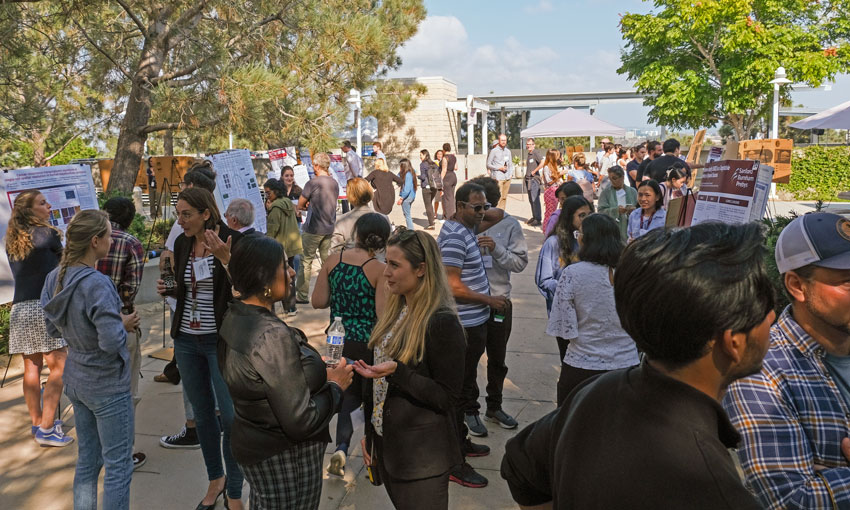
Trainees present their research to peers and faculty at the poster session

Adams Lab

The Adams lab

In his comments when accepting the award, Adams spoke to his mentoring philosophy: “Some of you have asked me, ‘What’s the most important thing in a student or a postdoc?’ What I’ll say is that the most important thing is to take ownership of your project, so my mentoring strategy is, in a way, to put the burden on you. But I can only put that burden on you if you can rise to it and take that on, and clearly you do. You do a great job, so that makes my life very easy.”

Reading from nomination letters submitted by postdocs, Berenguer added, “Your positive vision and passion for science, your willingness to collaborate and help, and your kind personality were highly praised and stated as the major reason that you are a one-of-a-kind mentor who has positively impacted your lab members and also many other researchers across Sanford Burnham Prebys.” 

In addition to the award presentation, the day consisted of opening remarks from Hudson Freeze, PhD, and Alessandra Sacco, PhD; presentations by graduate students and postdocs from labs across the Institute; and a keynote presentation from Principal Investigator Karissa Sanbonmatsu, PhD, from Los Alamos National Laboratories, about her work in epigenetics. President and CEO David Brenner, MD, delivered closing remarks, which were followed by a poster session.

“Mentoring is one of the most important things senior faculty can do to advance the careers of their students and postdocs,” said Brenner during his comments. “It’s such a pleasure to join you all for this symposium today.” 

trainees and faculty enjoying refreshments

Trainees and faculty enjoy refreshments during a break

Institute News

Early-career scientists showcase their work at the 20th Annual Trainee Research Symposium

AuthorMiles Martin
Date

October 5, 2021

The scientific leaders of tomorrow gathered to showcase their work at the 20th Annual Trainee Research Symposium on September 23rd. The talented group of presenters included postdoctoral researchers, graduate students, and staff scientists from labs across Sanford Burnham Prebys. 

After introductory remarks by Sanford Burnham Prebys Student Network co-chairs Stephen Sakuma and Marie Berenguer, PhD, as well as president Kristiina Vuori, MD, PhD, the young scientists gave 20-minute podium presentations about their research, which were judged by a panel of Sanford Burnham Prebys faculty and staff. Speakers included:

•    Nirmalya Dasgupta, PhD (Postdoctoral Fellow, Adams lab)
•    Ceda Stamenkovic (Graduate Student, Sacco Lab)
•    Cynthia Lebeaupin, PhD (Postdoctoral Associate, Kaufman lab)
•    James Kezos, PhD (Postdoctoral Fellow, Ocorr Lab)
•    Zhijie Xia, PhD (Postdoctoral Fellow, Freeze lab)
•    Valeria Guglielmi, PhD (Postdoctoral Associate, D’Angelo lab)
•    Victoria Recouvreux, PhD (Staff Scientist, Commisso lab)
•    Jonatan Matalonga Borrel, PhD (Postdoctoral Associate, Dong lab)
•    Chiara Nicoletti, PhD (Postdoctoral Associate, Puri lab)

Cynthia Lebeaupin, PhD and Valeria Guglielmi, PhD were respectively awarded first and second place by the judges for their presentations, for which they’ll each receive a cash prize to go towards career development activities. Lebeaupin’s research focuses on the progression of fatty liver disease to liver cancer, and Guglielmi studies the role of nuclear pores the development of bone marrow cells. 

After the first two sessions of presentations, the keynote speech for the Symposium was given by Katherine Thompson-Peer, PhD, an assistant professor of developmental & cell biology at the University of California at Irvine.

Following the last podium presentation was a poster session where 30 early-career scientists were given the chance to present their work. A panel of judges selected the top three posters—presented by Shaun Lim from the Kumsta and Hansen labs, Aleksandr Arzamasov from the Osterman lab, and Michaela Lynott from the Colas lab—and they will also receive a cash prize. The day was capped off with closing remarks from Sanford Burnham Prebys CEO C. Randal Mills, Ph.D.

Congratulations to all the participants in this year’s Symposium, and a special thank you to the staff at the Office of Education, Training, & International Services (OETIS) for organizing the event. 
 

Institute News

Graduate student awarded American Heart Association Fellowship

AuthorSusan Gammon
Date

April 14, 2021

The heart is the core of life, and for PhD graduate student Katja Birker, it’s the foundation for the beginning of a career.

Birker recently received a prestigious predoctoral fellowship from the American Heart Association (AHA) to continue her research on hypoplastic left heart syndrome (HLHS), a congenital heart disease that affects between two and four of every 10,000 babies born. As of today, the only cure for HLHS is three open-heart surgeries that begin two weeks after birth.

“I’m very grateful to the AHA for supporting my research,” says Birker. “I’ve embarked on a career to study the genes that contribute to HLHS, and this award will help me continue my work that may eventually lead to targeted prevention of HLHS as well as other congenital heart diseases.”

Birker is collaborating with the Mayo Clinic to identify and test whether genes found in HLHS patients—or “candidate” genes—have similar consequences in the hearts of fruit flies—a model organism for cardiovascular research. The research aims to identify novel gene functions and pathways that are likely to contribute to HLHS.

“Many believe that HLHS is a genetic disease, but the genes that are involved are not well known,” says Birker. “The fruit fly is a very good genetic system to model disease because it has many similar genes to humans and a short life span. I’m able to film videos of fly hearts to understand the impact of the candidate genes on heart function.

“My goal is to find genes that can be used in the future for the diagnosis and treatment of HLHS in babies. The research approach could also be used to screen for genes that might be involved in many other types of heart disease,” adds Birker.

The AHA supports early-career scientists with passion, commitment and focus by providing fellowships that fund their pursuit of cardiovascular research. Birker, a graduate student in the lab of Rolf Bodmer, PhD, professor and director of the Development, Aging and Regeneration Program, received her first AHA fellowship in 2018.

Institute News

Meet cancer researcher Karina Barbosa Guerra

AuthorMonica May
Date

February 3, 2021

Barbosa Guerra is working to find better treatments for a deadly leukemia

For Karina Barbosa Guerra, touring a lab and meeting scientists as part of her Girl Guides troop—Mexico’s equivalent of the Girl Scouts—was a life-changing experience. Suddenly, she could see herself as a scientist.

Today, Barbosa Guerra is a graduate student in the Deshpande lab at Sanford Burnham Prebys, where she’s working to find better treatments for a blood cancer called acute myeloid leukemia (AML). We caught up with Barbosa Guerra as she prepares to take the virtual stage at the Diversity and Science Lecture Series at UC San Diego (DASL) to learn more about when she decided she wanted to be a scientist and where she can be found when not in the lab.

Tell us about the moment you realized you wanted to be a scientist.
According to my mother, I stated that I wanted to become a chemist to develop vaccines when I was ten years old. However, it wasn’t until middle school that I started cultivating my own sense of scientific curiosity. At that time, I was in a Girl Scouts program centered on HIV/AIDS peer education, so I began to read a bit more about viruses. It was incredibly amazing that they could linger undetected in our bodies—and that many questions about their biology remained unanswered. The more I learned, the less I felt I knew, and I wanted to follow that endless string of questions.

What do you study, and what is your greatest hope for your research?
I study a cancer called acute myeloid leukemia—specifically, subtypes that are hard to treat. Certain cancer cells, like stem cells, are pretty resilient and can self-renew. This enables them to resist therapy, so we want to discover better ways to target this particular feature. My research aims to find ways in which we can treat these leukemias based on their stem cell–like capabilities. My hope is that we can ultimately benefit the patients enduring harsh treatments and disease relapse, and along the way, illuminate the fascinating aspects of the biology behind effective treatments.

What do you wish people knew about science?
That it’s a team effort. The current coronavirus pandemic has really shown us that collaboration is at the heart of transformative science. I think that great ideas are best developed through discussion—and the thrill of putting the pieces together is way more enjoyable with company.

How do you think your lab colleagues would describe you?
Maybe as the girl with a bunch of notebooks. I like to make notes of everything. My notebooks are way more reliable than my memory.

What is the best career advice you’ve ever received?
Early in the graduate program, one of my mentors told me, “Be there,” meaning that I had to spend time with my science. If I were to discover something or make a great insight, I had to be there to do it, think it or see it.

What do you wish people knew about Sanford Burnham Prebys?
That this is such a welcoming community. I felt this the very first time I visited the campus, and I feel so at home here as a student. There are plenty of opportunities to engage with others and help each other out. I really enjoy the collaborative spirit of our little community.

Learn more about the Institute’s Graduate School of Biomedical Sciences.