Graduate School of Biomedical Sciences Archives - Page 3 of 4 - Sanford Burnham Prebys
Institute News

19th annual Trainee Research Symposium is a virtual success!

AuthorSusan Gammon
Date

October 5, 2020

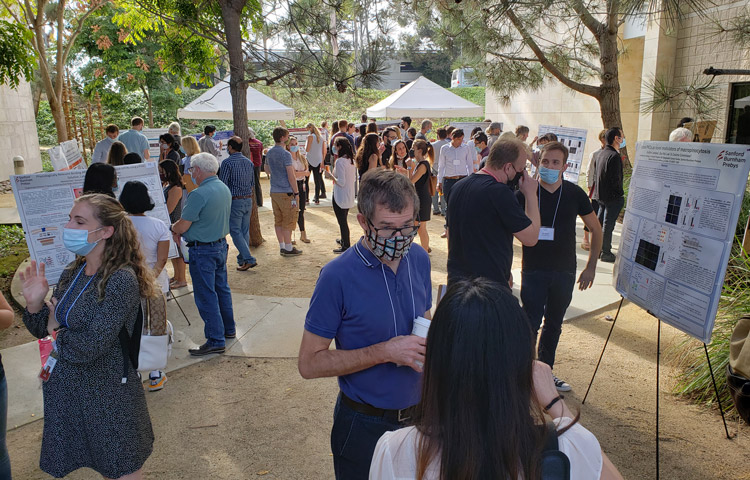
Sanford Burnham Prebys’ annual Trainee Research Symposium is dedicated to highlighting the research of postdoctoral scientists and advanced graduate students.

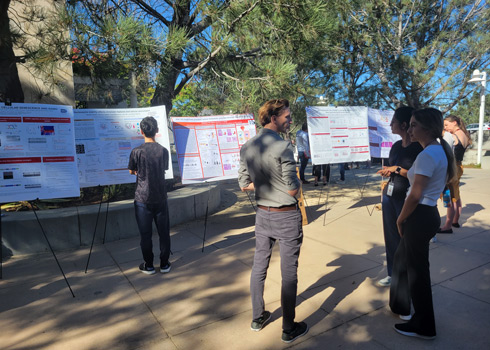
This year, nearly 40 early-career scientists presented their research during an engaging two-day, jam-packed Zoom call that went off without a hitch.

After opening remarks by Malene Hansen, PhD, professor and faculty adviser for Postdoctoral Training, the podium and poster presentations began. Faculty, trainees, staff scientists and other interested parties navigated through sessions that ranged from new approaches to conquer brain cancer to the molecular basis of aging. The event gives “up-and-coming” scientists an opportunity to receive feedback on their work, explore potential new collaborations and receive prize money to support career development activities.

“We’re fortunate to be starting our careers at Sanford Burnham Prebys where the scientific research is significant and diverse,” says Cynthia Lebeaupin, PhD, a best poster presentation award winner. “I’m grateful to be able to present my project, which is focused on the link between fatty liver disease and cancer, to colleagues from different disciplines, such as cardiac disease and immunology. Their questions about my research bring fresh perspectives and spark new ideas.”

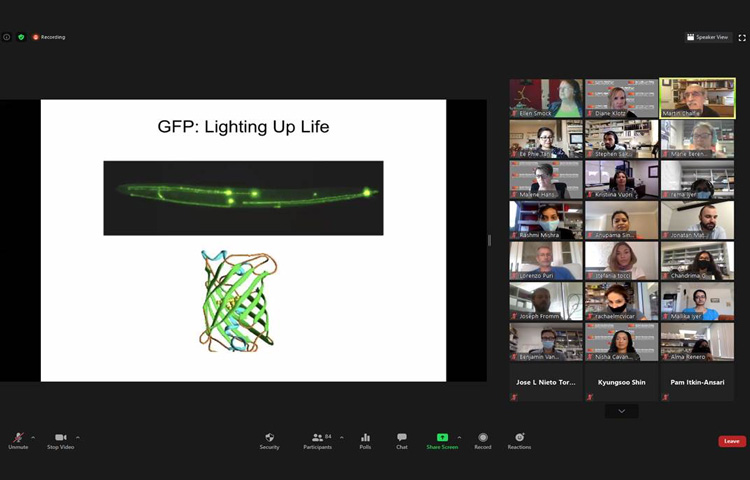
Keynote speaker Martin Chalfie, PhD, a Nobel Laureate in Chemistry and professor at Columbia University, opened day two of the event with a presentation titled, “GFP: Lighting Up Life,” detailing the journey that led to his discovery of GFP—a fluorescent protein that revolutionized how scientists look at the inner workings of living cells. Chalfie followed with an informal “Ask Me Anything” session where he shared his passion for mentoring early-career scientists.

C. Randal (Randy) Mills, PhD, CEO of Sanford Burnham Prebys, closed the event with a happy hour exclusively attended by trainee presenters—an opportunity for everyone to get to know more about his experiences as a PhD student and how his career evolved to his current position as leader of our world-class biomedical research Institute.

Many congratulations to all who participated in the symposium, and thanks to the organizers at the SBP Science Network and the Office of Education, Training, & International Services (OETIS).

This year’s symposium winners are:

Best Podium Talk – Judges Selection

Natalie Kirkland, PhD
Engler/Bodmer Labs
Runner-up
Stephen Sakuma
D’Angelo Lab

Honorable Mentions

Mallika Iyer
Godzik Lab
Jaime Zlamal, PhD
Osterman Lab

Best Poster –Judges Selection

Cynthia Lebeaupin, PhD
Kaufman Lab
Rashmi Mishra, PhD
Dong Lab
Ee Phie Tan, PhD
Hansen Lab

Best Podium Talk – Popular Vote

Stephen Sakuma
D’Angelo Lab

Honorable Mention

Jaime Zlamal, PhD
Osterman Lab

Institute News

A path to parity for Black PhD students in the sciences

AuthorMonica May
Date

August 18, 2020

Graduate school dean Guy Salvesen describes barriers he has seen for students who are Black and how we can make science fully inclusive.

Only 5% of graduate students in science and engineering are Black despite making up more than 13% of the U.S. population—and in spite of showing similar levels of interest in science as their peers. A PhD is required for career advancement in biomedical research—so this disparity impacts the number of faculty members, CEOs and scientific leaders who are Black. It will take persistent and bold efforts on the part of individuals, groups, institutions and society at large if we are to achieve anything close to equality.

To learn more about this topic, we spoke with Guy Salvesen, PhD, professor and dean of the Graduate School of Biomedical Sciences at Sanford Burnham Prebys about barriers that discourage students who are Black from applying to PhD programs—and how they can be dismantled to address disparities.

Why are you personally passionate about achieving racial equality in the biomedical sciences?
Standing up for equality has always been a big part of my family’s values. I was born in South Africa during the era of apartheid. My mother always made it clear that she detested racism and the people who defended it. Before we moved away, she was part of a resistance organization called the Black Sash—a woman’s-only movement against apartheid. I come from a single-parent household, so my mother had an especially big influence on me.

Do you receive a lot of applications from PhD students who are Black?
We receive many applications from Latinx students, but I have to say not as many from Black students. We know this is not due to lack of interest. There are systemic barriers at play, which as a graduate school we try to address to the best of our abilities. Our founding mission was to have a student population that mirrors California’s demographics, so we are committed to doing all we can to reach that goal.

Guy Salvesen, PhD, dean, Graduate School of Biomedical Sciences

Guy Salvesen, PhD, is the dean of the Graduate School of Biomedical Sciences at Sanford Burnham Prebys.

In your experience, what are the barriers that prevent students who are Black from applying to PhD programs?
First, I believe the biggest hurdle is the monetary aspect of a career in science. The field is poorly rewarded financially, especially compared to a career such as pharmacy or medicine. You must commit to almost a decade of minimum-wage pay as you complete graduate-school and then postdoctoral studies. Scientists are some of the most highly trained individuals in the world—and for many years, they are paid close to minimum wage.

Even when you complete training and find a well-paying job, many students have educational loans to pay back—and Black students are more likely to have loans because of the racial wealth gap. The students who apply but don’t attend our graduate school typically accept positions in pharmacy, where they can more rapidly start earning a high salary. To pursue biomedical research as a career, you have to be incredibly passionate about science and be able to defer economic rewards. I wish it wasn’t like that, but that’s the reality.

I believe it’s important to get students excited about science early and sustain that enthusiasm. Once a student begins a PhD program, they are hooked. We need to make sure that kids who are Black are getting early, positive experiences with science. This can be accomplished through school or after-school programs. This also helps children see themselves as scientists—and that’s an incredibly important factor as students consider their future careers.

What solutions could overcome these barriers?
Ideally, the National Institutes of Health would allocate funds to pay graduate students and postdocs better wages. This is also an area where philanthropy can play a big role. At Sanford Burnham Prebys, we are always grateful to the Fishman Fund Awards, which supplement the salaries of select postdocs. In a perfect world, we would be able to pay better wages to all graduate students and postdocs. Also, any actions that decrease student loan debt would help free students to choose science as a viable career option.

We need to ensure that we are proactively reaching out to schools that are serving students who are Black, especially Historically Black Colleges and Universities which award up to 30% of Black STEM PhDs; providing a safe and welcoming environment for graduate students who are Black; educating our Institute and especially faculty mentors about how to best support students from different racial backgrounds; and hiring faculty members who are Black. We also need to continue to listen and learn about additional actions we can take to achieve racial parity in our program.

Could you share some examples of actions the graduate school took that had particular success?
A partnership we have with the Preuss School, a middle and high school for students who would become the first in their families to graduate from college, has been very successful. Preuss students spend time in our Institute’s labs during the summer and experience what it’s like to work side by side with scientists. We also try to bring parents into the mix by inviting them to our campus, because they have a tremendous influence on the careers their children pursue. Many of our Preuss students went on to select STEM majors in college. Right now, we are short on funds to continue this program. We need support to keep it going.

We also liaise with California state colleges that serve members of underrepresented groups, such as the California State University campuses in Fresno, Long Beach and nearby San Marcos. Through summer internship programs, students from these schools experience advanced laboratory research for the first time. Once these students realize how much fun it is do science in a state-of-the-art facility, they get very excited.

Where do we go from here? Are you hopeful about the future?
It gives me hope that there is movement in society to redress wrongs that have occurred for more than 400 years. I’m optimistic that societal pressures will translate to real action. These issues are not new. It’s time that we listen, learn and take action. And that’s on all of us. No one is immune from systemic racism, and each of us has a role we can play to make positive change.

If you have any questions, comments or would like to share follow-up resources, contact us at info@sbpdiscovery.org.

Dr. Salvesen’s suggested readings:

Institute News

Meet the 2019 Sanford Burnham Prebys graduate student class

AuthorMonica May
Date

September 23, 2019

For nearly fifteen years, Sanford Burnham Prebys has been honored to educate the scientists of the future through our Graduate Program. Today, more than 40 alumni are advancing biomedical research at esteemed institutions around the world.

Who are the scientists who will join this illustrious group of alumni? Read on to learn about our new students and the bold projects they will undertake as part of our 2019 incoming class.

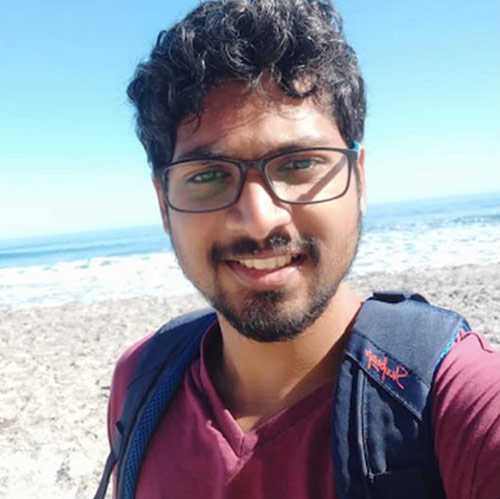
Linda Chang

  • Hometown: Tainan City, Taiwan
  • Joins us from: UC San Diego, where she studied skin innate immunity and the host defense mechanism in the Department of Dermatology.
  • As a PhD student: She will study brain immune cells and molecules that contribute to Alzheimer’s disease, under the guidance of Huaxi Xu, PhD
Graduate Student Linda Chang

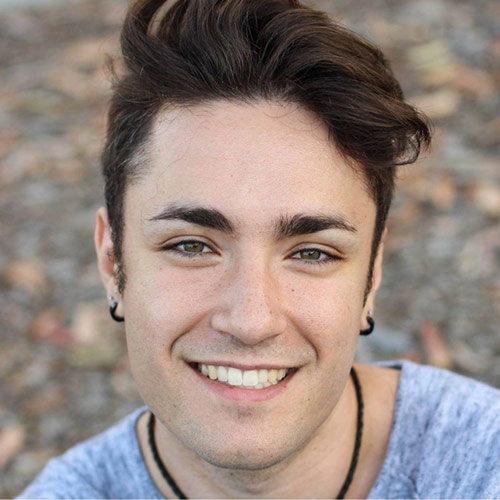
Zong Ming Chua

  • Hometown: Singapore
  • Joins us from: UC San Diego, where he worked on ENCODE, an ambitious project that aims to identify all functional elements in the human and mouse genomes.
  • As a PhD student: He will focus on better understanding the pathogenesis of the blood cancer acute myeloid leukemia (AML), under the guidance of Peter Adams, PhD
Graduate Student Zong Ming Chua

Jordan Friedlein

  • Hometown: Rockford, Minnesota
  • Joins us from: California State University, Fresno, where he completed his master’s degree in biology. While a student, he sought to understand how certain cancers become resistant to cell death signaling.
  • As a PhD student: He will search for vulnerabilities in how cancer cells proliferate and survive in order to develop new targeted therapies, under the guidance of Anindya Bagchi, Ph.D.
Graduate Student Jordan Friedlein

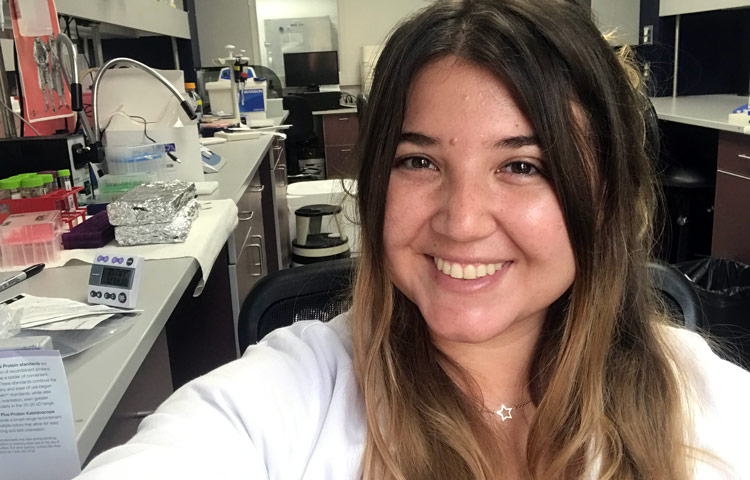
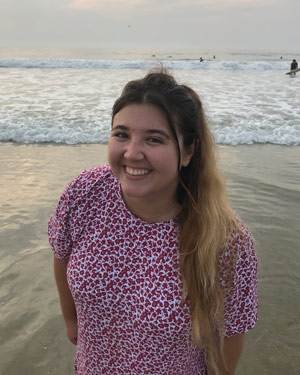
Michaela Lynott

  • Hometown: Alexandria, Virginia
  • Joins us from: San Diego startup CB Therapeutics, where she produced plant compounds from genetically modified yeast cells.
  • As a PhD student: She will work to find medicines that boost the heart muscle by mapping novel cardiac pathways and leveraging an automated screening pipeline under the guidance of Alexandre Colas, PhD
     
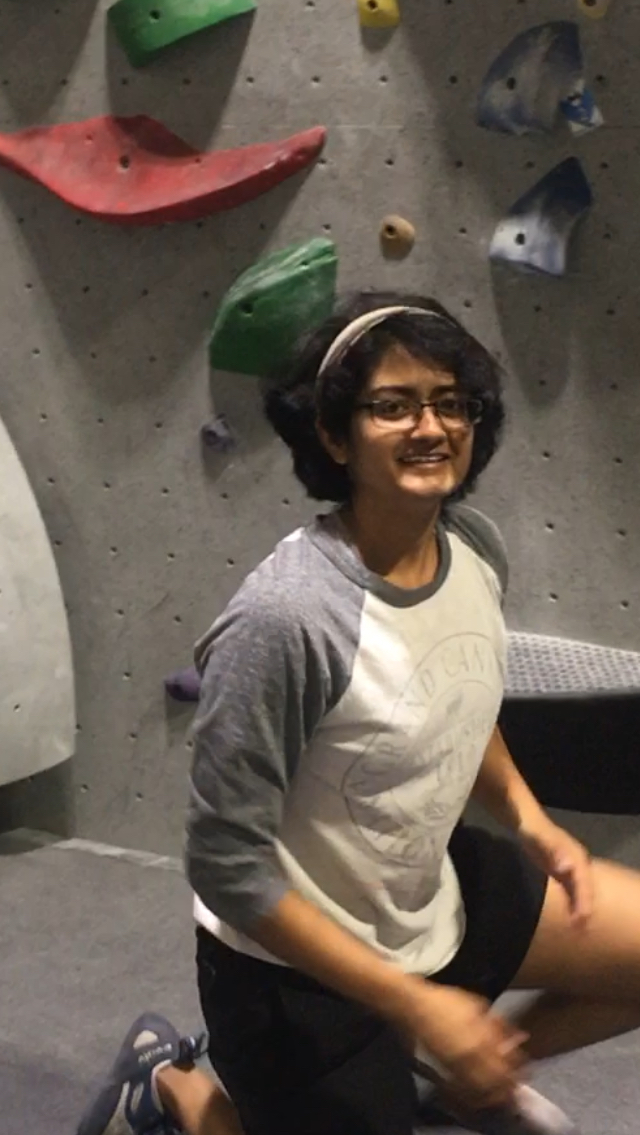
Graduate Student Michaela Lynott

Steven Sakuma

  • Hometown: Shingletown, California
  • Joins us from: Sanford Burnham Prebys, where he studied the physiological importance of certain pieces of nuclear pore complexes—the gatekeepers to the cell’s nucleus, where DNA lives—in the lab of Maximiliano D’Angelo, PhD
  • As a PhD student: He will continue his research into the biology of nuclear pore complexes, including their role in aging and disease, under the guidance of D’Angelo.
Graduate Student Steven Sakuma

Benjamin Van Espen

  • Hometown: Charleroi, Belgium
  • Joins us from: UC San Diego, where he researched the underlying causes of autoimmune diseases.
  • As a PhD student: He will research signaling pathways that regulate cellular stress response, under the guidance of Ze’ev Ronai, PhD
Graduate Student Benjamin Van Espen

For more information about the Sanford Burnham Prebys’ Graduate Program, visit our website.

Institute News

Meet Clyde Campbell: A new PhD graduate

AuthorMonica May
Date

June 17, 2019

When Clyde Campbell was 6 years old, his life changed overnight. 

“I went to sleep, and everything was completely normal. But when I woke up, my knee had swollen to three times its usual size and was stuck in a 90-degree position. I learned I had juvenile rheumatoid arthritis, which then spread throughout my body—and no one knew why this had happened.”

Like the adult form, juvenile rheumatoid arthritis occurs when the immune system attacks healthy tissue. But much remains unknown—including the initial trigger that causes the body to misfire—and treatments are limited. This mystery sparked Campbell’s interest in science and desire to understand the ‘why’ behind disease—and thus create better medicines.

After obtaining a bachelor’s degree in molecular biology from UC San Diego, Campbell applied to Sanford Burnham Prebys’ Graduate School in hopes of working with his scientific hero, Duc Dong, PhD, assistant professor in the Human Genetics Program. 
 
“When I completed my work at UC San Diego, everyone spoke highly of Dr. Dong and the thoroughness of his science. I knew very early on that I wanted to work with him,” says Campbell. “Sanford Burnham Prebys’ graduate school was attractive to me because the program allows you to start working with your PhD advisor right away—so I met with Dr. Dong and began my research.”   

Last month, Campbell completed his doctorate, the 40th PhD awarded by the Graduate School.  His thesis, completed under Dong’s guidance, demonstrated his success in reprogramming developing cells within a zebrafish (mesoderm- and ectoderm-derived cells) into the cells that become the pancreas (pancreatic progenitors), an important advance for people with type 1 diabetes (insulin is released from cells in the pancreas). Current cell-based treatments rely upon cadaver-sourced cells, which are effective but are unable to meet patient demand.

Campbell will carry his training and knowledge of cellular differentiation to Iowa State University, where he’s accepted a position as an adjunct associate professor. There, he will continue his regenerative medicine work, with a new focus on blood cell differentiation. This work could lead to treatments for children with leukemia and people battling other blood disorders. As a father to a 3-year-old daughter, his research now takes on special meaning.

“As a society, one of the most important things we can do for future generations is impart new knowledge. With research comes powerful insights—which could lead to cures. One day, I hope no child or adult will have to go through my experience.” 

Learn about Sanford Burnham Prebys’ Graduate School. 

Check out our upcoming SBP Insights event, held on June 20, 2019, which features a doctor, scientist and patient discussing rheumatoid arthritis and other autoimmune diseases.

Interested in keeping up with our latest discoveries, upcoming events and more? Subscribe to our monthly newsletter, Discoveries.

Institute News

16th Annual SBP Postdoctoral Research Symposium

AuthorSusan Gammon
Date

September 22, 2017

Future scientific leaders gathered to attend SBP’s 16th Annual Postdoctoral Research Symposium—an event that showcased the talent of our young researchers, many of whom are in the midst of scholarly training beyond their doctoral degree.

The day began with a workshop led by Professor Carl Ware, PhD, titled, “Science Funding in Uncertain Times.” For the young scientists in the audience, they gleaned valuable insights on when and where they should seek funding, and the types of publications and collaborations they should aim for. As faculty positions in academia become increasingly competitive, a solid track record of funding, publications and collaborations become key measures used to make hiring decisions.

Keynote speaker Peter Schultz, PhD, CEO of The Scripps Research Institute, gave an impressive talk on his efforts to expand the genetic code. Schultz, a chemist by training, is inspired to create new amino acids, beyond the 20 essential ones in existence, to advance cancer therapies, create new vaccines, novel chemical probes and improved antibiotics. The audience was truly “wowed” by his vision and track record of achievements.

The agenda followed with 20-minute talks by postdocs including:

• David Sala Cano, PhD (Sacco Lab)
• Yang Wei, PhD (Petroski Lab)
• Maria Missinato, PhD (Colas Lab)
• Anjali Gupta, graduate student (Ocorr Lab)
• Marco Maruggi, graduate student (Powis Lab)
• Clyde Campbell (graduate student Dong Lab)
• Jing Yong, PhD (Kaufman Lab)
• Laura Martin-Sancho, PhD (Chanda Lab)

The event closed with a poster session featuring more than 30 presentations by SBP’s best and brightest young scientists. Many congratulations to all that participated in the Symposium, and thanks to the organizers at the Office of Education, Training, & International Services (OETIS) at SBP.

Institute News

Duc Dong, PhD, named associate dean of SBP’s Graduate Program

AuthorKristen Cusato
Date

June 8, 2017

There’s a new associate dean of the Graduate School of Biomedical Sciences at Sanford Burnham Prebys Medical Discovery Institute (SBP), and he is looking for diamonds in the rough.

Duc Dong, PhD, assistant professor in the Human Genetics Program, will now also coordinate the admissions process for SBP’s Graduate School of Biomedical Sciences. The School is an interdisciplinary program that awards PhD degrees to students with a desire to become a leading force in the next generation of biomedical scientists. As associate dean, Dong and members of the admission committee will identify talents students, and help place them with faculty advisors.

“I am excited because I’m passionate about educating students—and this lets me try something new,” says Dong. “SBP’s program is unique in that we look for applicants who already have a good idea of what they want to study. Most qualified candidates have already had significant lab experience so a big part of my job will be to help match them with faculty who can support and develop each student’s training and education.”

The graduate school was founded in 2005 and has awarded 29 PhD degrees to date. The school admits an average of eight students per year. Students are attracted to the program for many reasons, including, renowned faculty, access to cutting edge technology at SBP, collaborative research opportunities, and of course the incredible opportunity to live in San Diego.

“We are looking for diamonds in the rough,” Dong says. “We evaluate candidates on a range of criteria that include lab experience, independence, academic background, and their passion for science.

“The graduate program is a critical part of SBP—it helps us expand our scientific resources, helps draw new faculty to our Institute, and graduate students contribute fresh perspectives and ideas to research our programs. Equally as important, the students energize our campus, creating a unique culture focused on learning and sharing,” adds Dong. “This is a great place to be a graduate student.”

Institute News

Highlights from the Graduate School of Biomedical Sciences annual retreat

AuthorSusan Gammon
Date

May 24, 2017

On May 18-19, SBP’s Graduate School of Biomedical Sciences held its eighth annual retreat in San Marcos, Calif.

This year’s theme, “Using Collaborations to Enhance Your Research,” gave our PhD students an opportunity to share their research projects and explain how collaborators are helping them achieve their goals. At SBP, we encourage scientists to work with researchers in other disciplines to answer questions of broad scope and complexity—questions that would remain unanswered without collaboration.

At the retreat, each student presents their work and is scored by their fellow students, faculty and mentors on a scale of 1 to 9 for quality, content and clarity of presentation. When the scorecards are tallied, the winner is presented with the “Howling Coyote” award.

Wesley McKeithan, SBP Graduate School of Biomedical Sciences
Wesley L. McKeithan, graduate student in the lab of Mark Mercola, PhD

This year’s winner was Wesley L. McKeithan, a PhD candidate in the laboratory of Mark Mercola, PhD Wesley’s presentation, titled “Use of patient-derived long QT syndrome type 3 hiPSC cardiomyocytes to develop a new anti-arrhythmic therapeutic,” covered his scientific journey to find a treatment for this rare condition that can cause symptoms, which range from fainting to sudden death.

Highlights from the retreat included a presentation by keynote speaker Jerold Chun, MD, PhD, professor and senior vice president of Neuroscience Drug Discovery at SBP, who gave an inspirational success story of his research on lysophospholipid signaling that led to Gilenya®, the first oral drug used to treat multiple sclerosis.

Guest keynote speaker Bill Parks, PhD, professor at Cedars-Sinai Medical Center, led an entertaining interactive session on the do’s and don’t of collaboration—sharing his best experiences and some of the worst (without naming names).

Many congratulations to all of the student participants as well as Guy Salvesen, PhD, dean of the Graduate Program, for providing leadership and educational opportunities for the students.

Special thanks to:

  • Student coordinators, Katja Birker and Daniel Ojeda Juarez
  • Mary Bradley, manager of the graduate program, and Alexia Pimentel, program coordinator, for organizing the retreat
  • And to Pfizer, Genentech and Celgene for helping to underwrite the event


Institute News

SBP Graduate School of Biomedical Sciences receives WASC accreditation

Authorsgammon
Date

July 30, 2015

Sanford Burnham Prebys Medical Discovery Institute (SBP)  is proud to announce that its Graduate School of Biomedical Sciences has received accreditation by the Western Association of Schools and Colleges (WASC). This is an important milestone for the Graduate School, a distinction that assures the public that our school has the resources, policies, and practices in place to achieve its educational goals.

The SBP Graduate Program began in 2006. Today, we have 25 students with a unique opportunity to carry out their studies in an environment of collaborative research, with access to the most-sophisticated minds and technologies in biomedical sciences. The Program gives graduate students fluency in biology, chemistry, bioinformatics, and engineering to integrate research into meaningful applications that will advance medicine. Their education comes at a time when research has never been more intellectually exciting and critically important to society.

The effort was led by Guy Salvesen, PhD, dean of the Graduate School, who has been dedicated to providing the best learning opportunities for SBP students to become the next-generation of pioneers in biomedical research. Dr. Salveson has overseen the recruitment of talented students from around the world—Europe, Asia, Australia and the United States—and engaged our faculty to teach, train and mentor. He has been accountable to WASC during an eight year systematic process of scrutiny that left no stone unturned. At the same time, he has managed his own research laboratory of staff scientists, postdocs, graduate students and interns, exploring the principles of proteolysis in humans.

In addition to Dr. Salveson, Malene Hansen, PhD, associate dean of Student Affairs; Alessandra Sacco, PhD, associate dean of Curriculum; Robert Rickert, PhD, associate dean of Admissions, and Stacey Smith, manager of the Graduate Program, have helped achieve the goal through their passion for education, and creating an environment that supports the highest-quality learning in biomedical research.

Many congratulations to everyone at SBP that works to support the Graduate School, including the faculty, staff, and the students, for creating and fostering a program that is now officially recognized for its excellence.

Institute News

Highlights from the Graduate School of Biomedical Sciences annual retreat

Authorsgammon
Date

May 27, 2015

On May 13-18, Sanford-Burnham’s Graduate School of Biomedical Sciences held its sixth annual retreat in San Marcos, Calif.

This year’s theme, “Effectively Communicating Scientific Research to a Broad Audience,” gave the students an opportunity to share their research and practice explaining their work in simple terms—simple enough for non-scientists.

Organized by Francesca Boscolo Sesillo, Mirco Guigli, and Gianluigi Lichinchi, all graduate students at the Institute, the presenters were encouraged to address questions such as:

  • Why the research is important
  • How will it advance our understanding of the subject matter
  • Will the research impact human health

As a very grateful invited guest, I was dazzled by the presentations. Many of the students included analogies and graphics that made some very complex information—structured illumination resolution, haploinsuffient photoreceptors, SWI/SNF BRAHMA chromatin remodeling, just to name a few—clear enough for this “arm-chair” scientist to be dangerous.


For many reasons, effectively communicating science to non-scientists and scientists within other disciplines is critical. Like it or not, when you explain science you are selling. You may be selling your ideas to seek funding and grants, convincing others of your findings, or recruiting people to work on your project.

The students took it seriously, not only because many of their mentors and advisors were in the audience, but also because they were scored on a scale of 1-5 for quality, content, and clarity of the presentations. When the score cards were tallied the winner was… (drum roll, please)

Francesca Boscolo Sesillo (Sacco Lab)

Francesca, a third year student, presented her research on the role of p21 during skeletal muscle regeneration. Her findings show that p21, a cell cycle inhibitor, plays a key role in the activation and differentiation of muscle stem cells.  Understanding the mechanisms that lead to muscle regeneration has important implications for future interventions that can improve muscle health in the elderly as well people with degenerative disorders such as muscular dystrophy.


Many congratulations to all the fabulous students, and to Guy Salvesen, Ph.D., Dean of the Graduate School, for providing leadership and education opportunities for the students.

And a special thanks to:

  • Fiona Scott, PhD, Associate Director of Biology at Receptos, who shared her professional experience as scientist in clinical research.
  • Thomas Baldwin, PhD, Dean of Natural and Agricultural Sciences at UC Riverside for contributing to the communication training provided to the students.
  • America Vega and Stacy Smith for organizing the retreat.
  • And to Pfizer, Genentech, and Receptos, for underwriting the event.