Event recording now available for panel discussion with scientists held on October 9, 2024
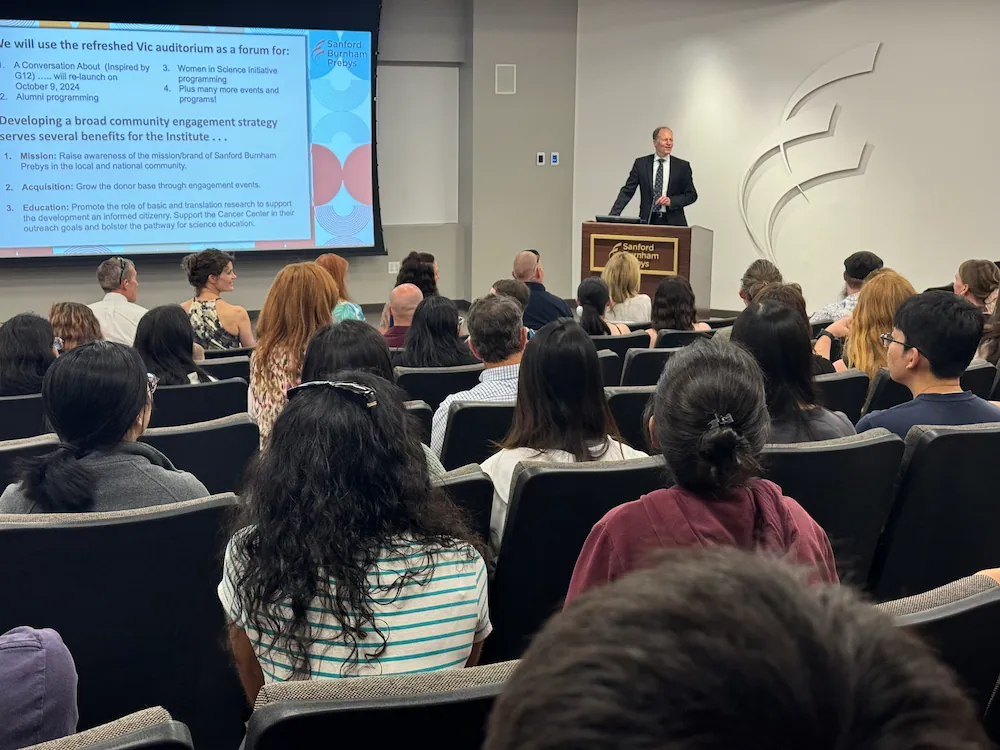
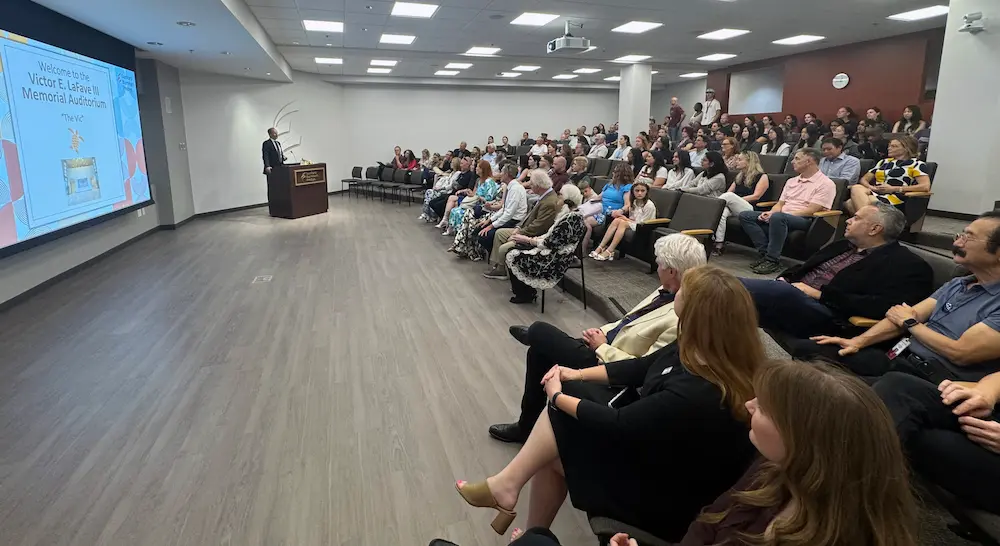
David A. Brenner, MD, president and CEO of Sanford Burnham Prebys, welcomed attendees to the launch of a new community engagement program called “A Conversation About” in the institute’s Victor E. LaFave III Memorial Auditorium on October 9, 2024.
The initial panel discussion in the A Conversation About series focused on the connection between aging and cancer and included information about a current breast cancer research collaboration. A recording of the event is available online.
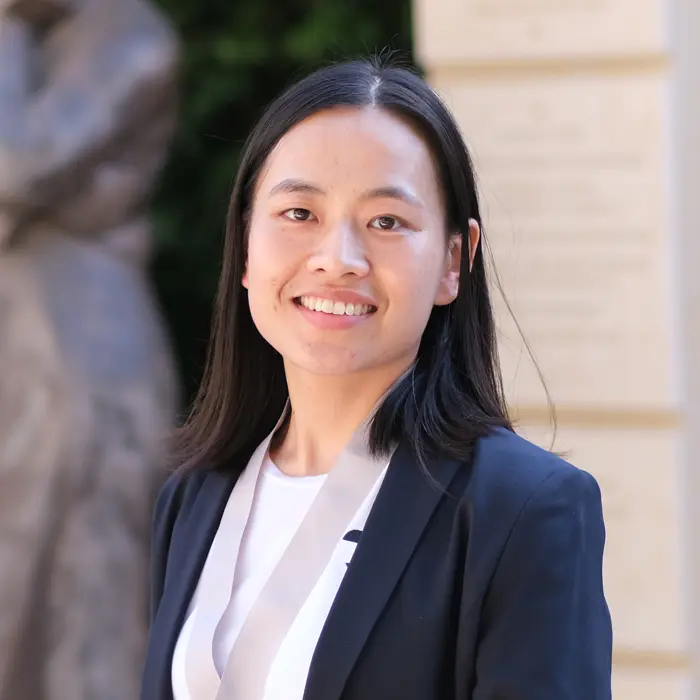
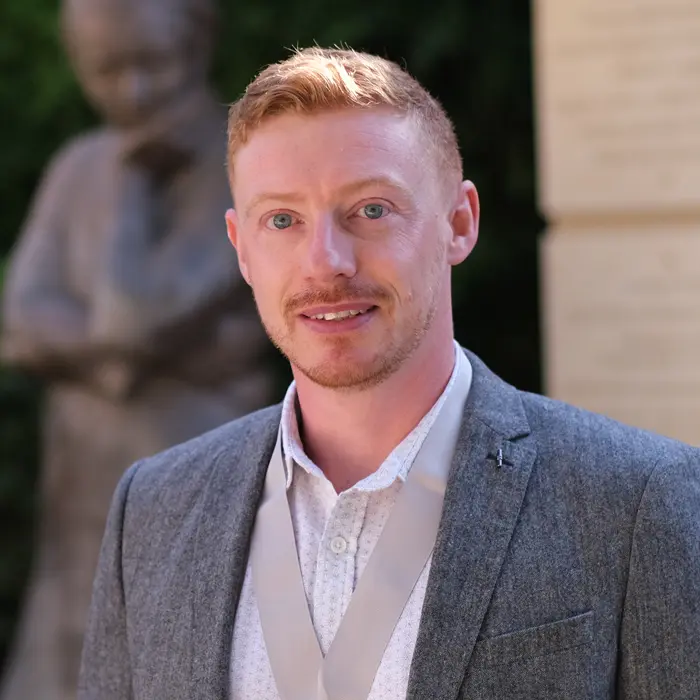
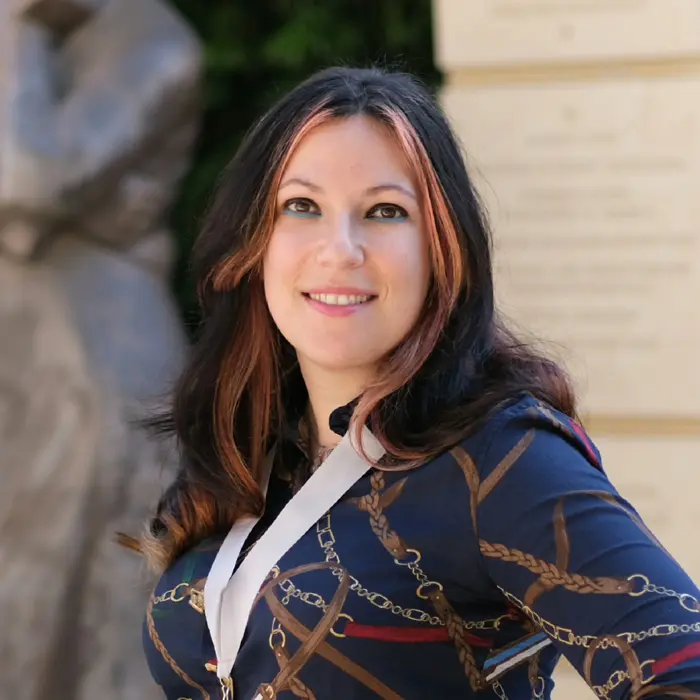
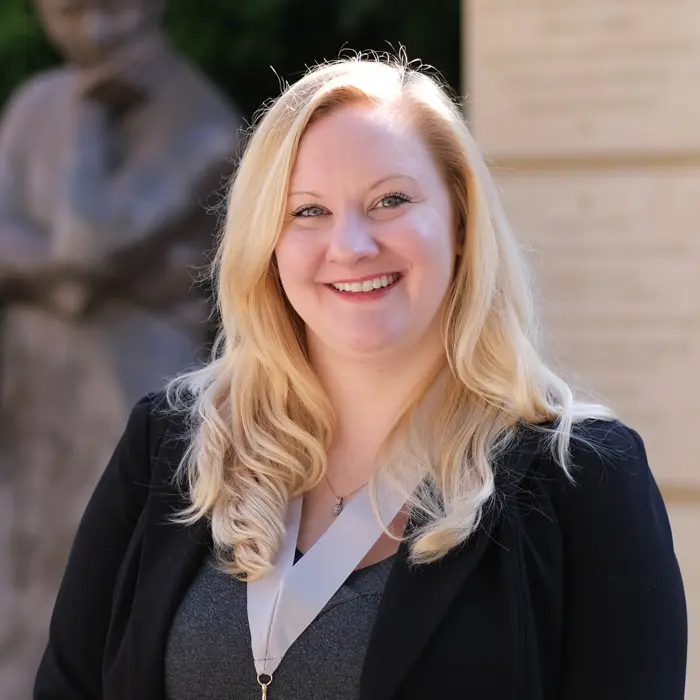
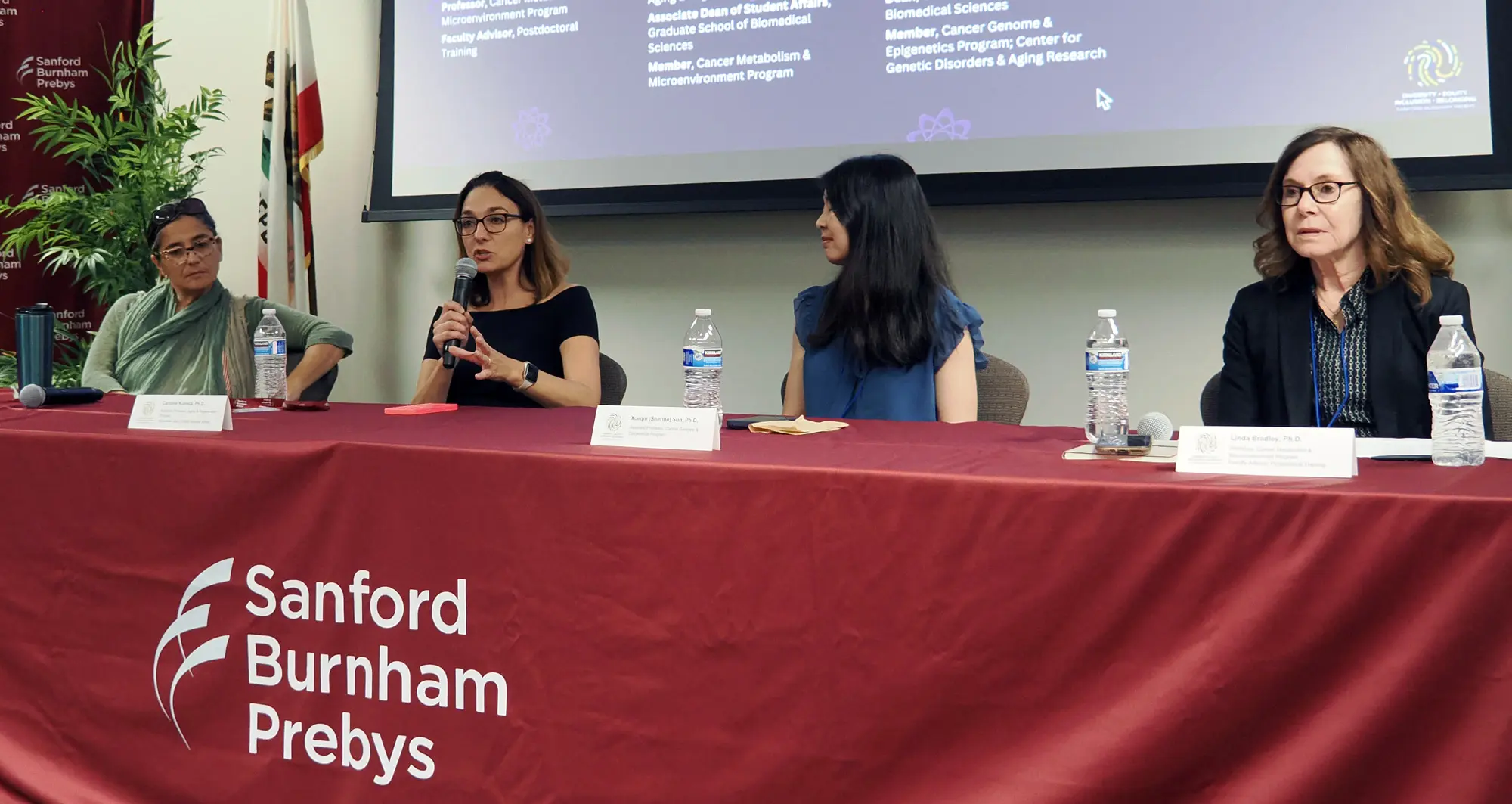
Reena Horowitz, the founder of Group of 12 and Friends at Sanford Burnham Prebys, provided introductory remarks. Brooke Emerling, PhD, director of the Cancer Metabolism and Microenvironment Program, moderated the discussion among three featured panelists:
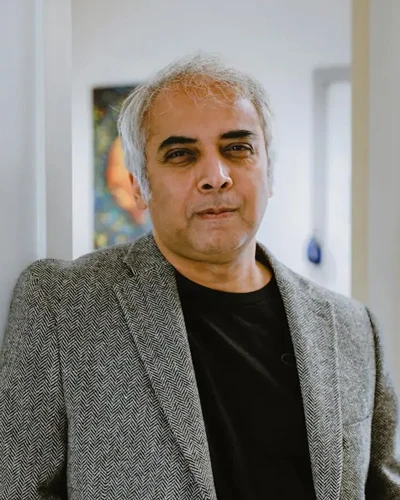
Peter Adams, PhD, director of the Cancer Genome and Epigenetics Program, Sanford Burnham Prebys
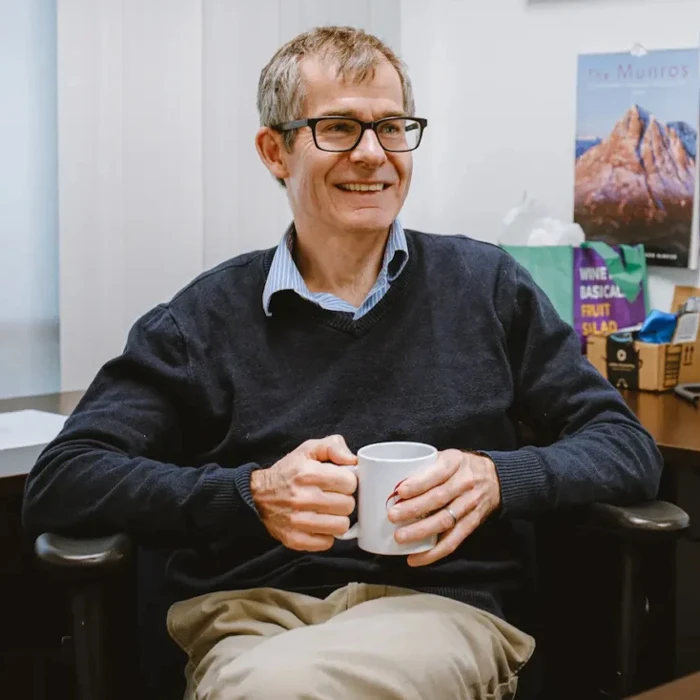
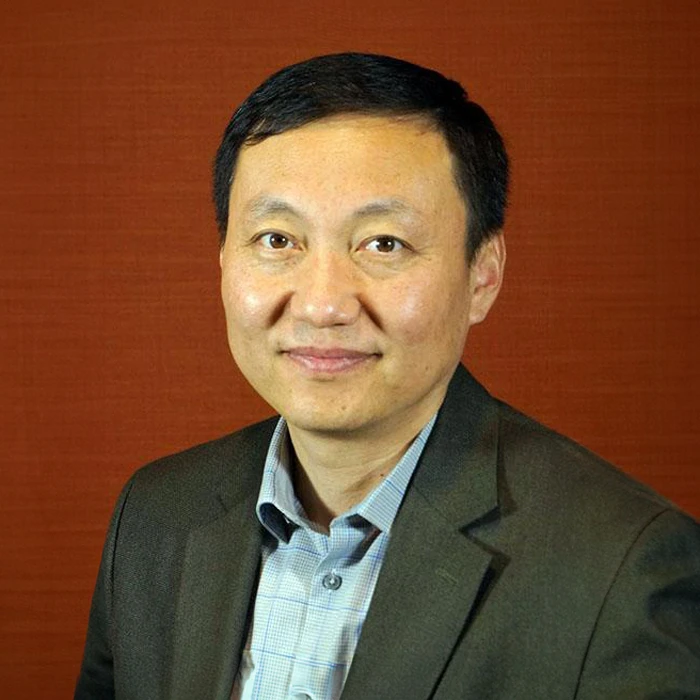
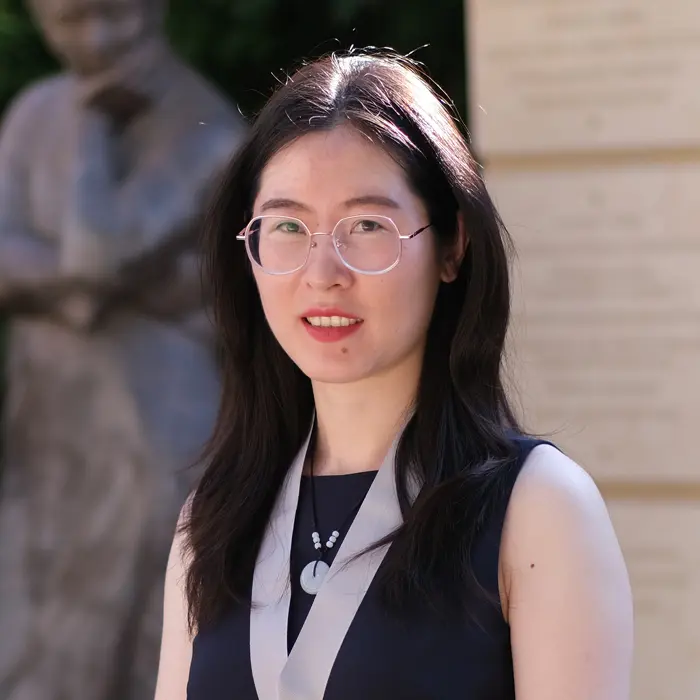
Xiao Tian, PhD, assistant professor in the Degenerative Diseases Program, Sanford Burnham Prebys
Kay Yeung, MD, PhD, associate clinical professor in the Division of Hematology-Oncology, University of California San Diego Health
By bringing together community collaborators and clinicians with Sanford Burnham Prebys researchers, A Conversation About offers a unique perspective on how clinical research and practice can be used to inform fundamental and translational science.
Watch Event Recording
Institute News
Treasuring science and fun at the 2024 Annual Biomedical Research Symposium
Annual event shines spotlight on research conducted by postdoctoral associates and graduate students at Sanford Burnham Prebys.
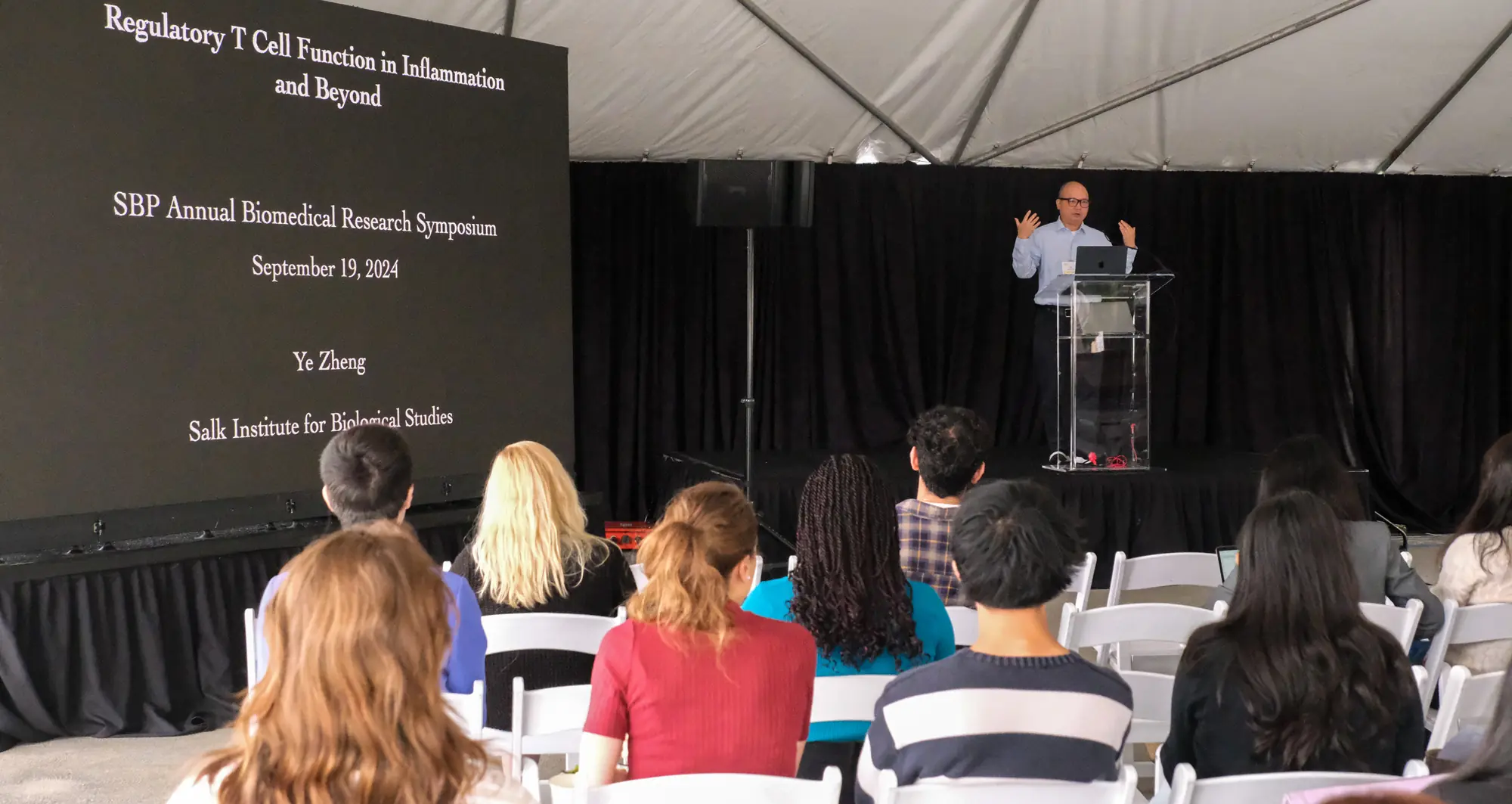
“When I reflect on the most fun I’ve had during my career as a scientist, it was during my postdoctoral fellowship,” said Ye Zheng, PhD, Becky and Ralph S. O’Connor Chair and professor in the NOMIS Center for Immunobiology and Microbial Pathogenesis at the Salk Institute, during his keynote address at the 23rd Annual Biomedical Research Symposium at Sanford Burnham Prebys on September 19, 2024.
“As a postdoc, every time I woke up, I would think about my scientific projects and then go to lab to work with interesting people and do exciting experiments. I had few, if any, distractions. It’s a unique opportunity, and I hope you treasure it.”
Zheng’s words of encouragement helped set the stage for a day filled with a variety of presentation formats to showcase the work of postdoctoral associates and graduate students at the institute. Peter D. Adams, PhD, director of the Cancer Genome and Epigenetics Program at Sanford Burnham Prebys, underscored the event’s importance in his opening remarks.
“This is how science works. You all convening and discussing your work today provides a platform for building new and innovative collaborations.
“You are the next generation of biomedical researchers, and there is no greater pleasure for me as a scientist than to see postdocs and students partnering with one another and enjoying working together.”
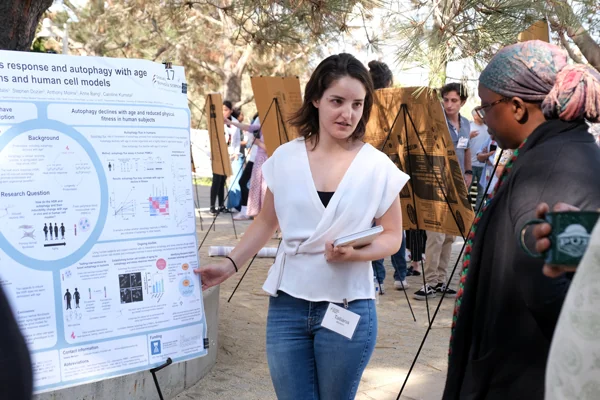
The symposium featured three scientific sessions with keynote presentations, podium lectures and brief “flash talks” in which speakers were limited to two minutes and a single slide to entice attendees to visit their posters. Participants voted in a science art competition and for best podium and flash talks.
Following the scientific sessions, Alicia Llorente Lope, PhD, a postdoctoral associate in the lab of Brooke Emerling, PhD, presented the 2024 Mentor of the Year Award to Alexandre Colas, PhD, the associate dean of admissions in the Graduate School of Biomedical Sciences and associate professor in the Development, Aging and Regeneration Program.
Linda Bradley, PhD, a professor in the Cancer Metabolism and Microenvironment Program and the faculty advisor for postdoctoral training, provided the symposium’s closing remarks. She reminded the audience that the symposium was planned for this week because it was National Postdoc Appreciation Week from September 16-20.
“I want to thank our postdocs for their incredible efforts driving the research forward in our labs,” she said. “I hope we can continue to enhance our environment and provide the best possible opportunities for training and mentorship here at the Institute.”
The 23rd Annual Biomedical Research Symposium concluded with a poster session and happy hour reception. Postdoctoral associate and graduate school alumni were invited to these events to meet with current graduate students and postdoctoral associates and reconnect with their colleagues.
Symposium planning is coordinated by the Sanford Burnham Prebys Science Network, a group of postdoctoral associates and graduate students interested in professional development, networking and social events, and the institute’s Office of Education, Training and International Services.
The 23rd Annual Biomedical Research Symposium concluded with a poster session and happy hour reception. Postdoctoral associate and graduate school alumni were invited to these events to meet with current graduate students and postdoctoral associates and reconnect with their colleagues.
“It was a terrific experience working together to build this year’s program,” said Valeria Guglielmi, PhD, a postdoctoral associate in the lab of Maximiliano D’Angelo, PhD, and member of the institute’s Science Network. “I’m especially grateful to our speakers, poster presenters and scientific artists for bringing excellent work that we could highlight.”
Additional awards given at the symposium included:
Best podium talk – Judges’ selection Valeria Guglielmi, PhD Postdoctoral associate in the D’Angelo lab
Best podium talk – Popular vote James Marchant, PhD Postdoctoral fellow in the Colas lab
Best flash talk – Popular vote Theophilos Tzaridis, MD Postdoctoral fellow in the Adams lab
Best poster – Judges’ selection Armin Aabish Gandhi, PhD Pstdoctoral associate in the Adams lab
Best science art – Popular vote Carolina Cano Macip Graduate student in the Tian lab
Speakers at the symposium included:
Scientific Session I—moderated by Michaela Romero and Armin Aabish Gandhi, PhD
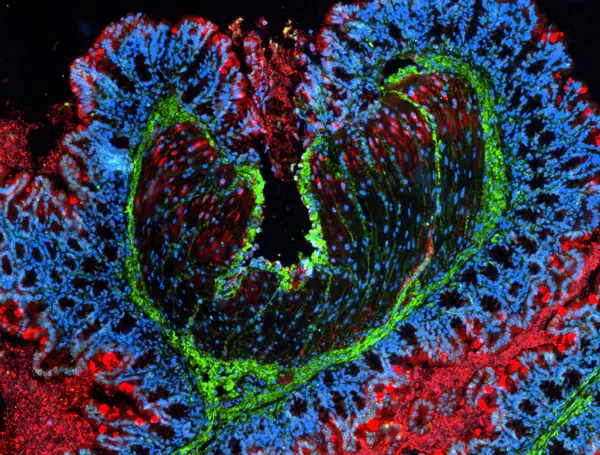
Participants at the symposium were able to submit votes for a science art competition and the best podium and flash talks. Carolina Cano Macip, a graduate student in the lab of Xiao Tian, PhD, won the science art competition with her piece called “Love is in your gut <3” featuring a heart-shaped section of a mouse colon.
Cheng-Ju Kuo, PhD Postdoctoral associate in the Kumsta lab “Temporal and spatial regulation of the autophagy-regulating transcription factor TFEB/HLH-30 in hormesis and aging”
Ximena Diaz Olea Graduate student in the Ronai lab “Control of melanoma development by B. rodentium in germ free mice”
Huijie Huang, PhD Postdoctoral associate in the Huang lab “SORLA upregulation suppresses global pathological effects in aged taupathy mouse brain”
Scientific Session II—moderated by Katya Marchetti, Namratha Nadig and Chiara Nicoletti, PhD
Adarsh Rajesh Graduate student in the Adams lab, “A novel role of P21-CyclinD1-CDK6 complex in regulating interferon signaling in senescence and aging”
James Marchant, PhD Postdoctoral fellow in the Colas lab, “Single-construct cardiac programming gene therapy for heart failure”
Valeria Guglielmi, PhD Postdoctoral associate in the D’Angelo lab “The nuclear pore complex component Nup358 regulates intestinal epithelium homeostasis”
Theophilos Tzaridis, MD Postdoctoral fellow in the Adams lab, flash talk
Evodie Koutouan Graduate student in the Pasquale lab, flash talk
Sviatlana Zaretski Graduate student in the Adams lab, flash talk
Scientific Session III—moderated by Linda Chang and Theophilos Tzaridis, MD
Gabriele Guarnaccia Graduate student in the Sacco lab “Serum amyloid protein A1 (SAA1) impairs myogenesis and myotube size in pancreatic cancer cachexia”
Jessica Proulx, PhD Postdoctoral associate in the Adams lab “Investigating the role and therapeutic potential of HNF4α in loss of hepatocyte cell identity with age”
Michaela Romero Graduate student in the Colas lab, flash talk
Shanshan Yin, PhD Postdoctoral associate in the Adams lab, flash talk
Guillem Lambies Barjau, PhD Postdoctoral associate in the Commisso lab, flash talk
Institute News
Mammalian Genome Engineering Group holds 2024 symposium in San Diego
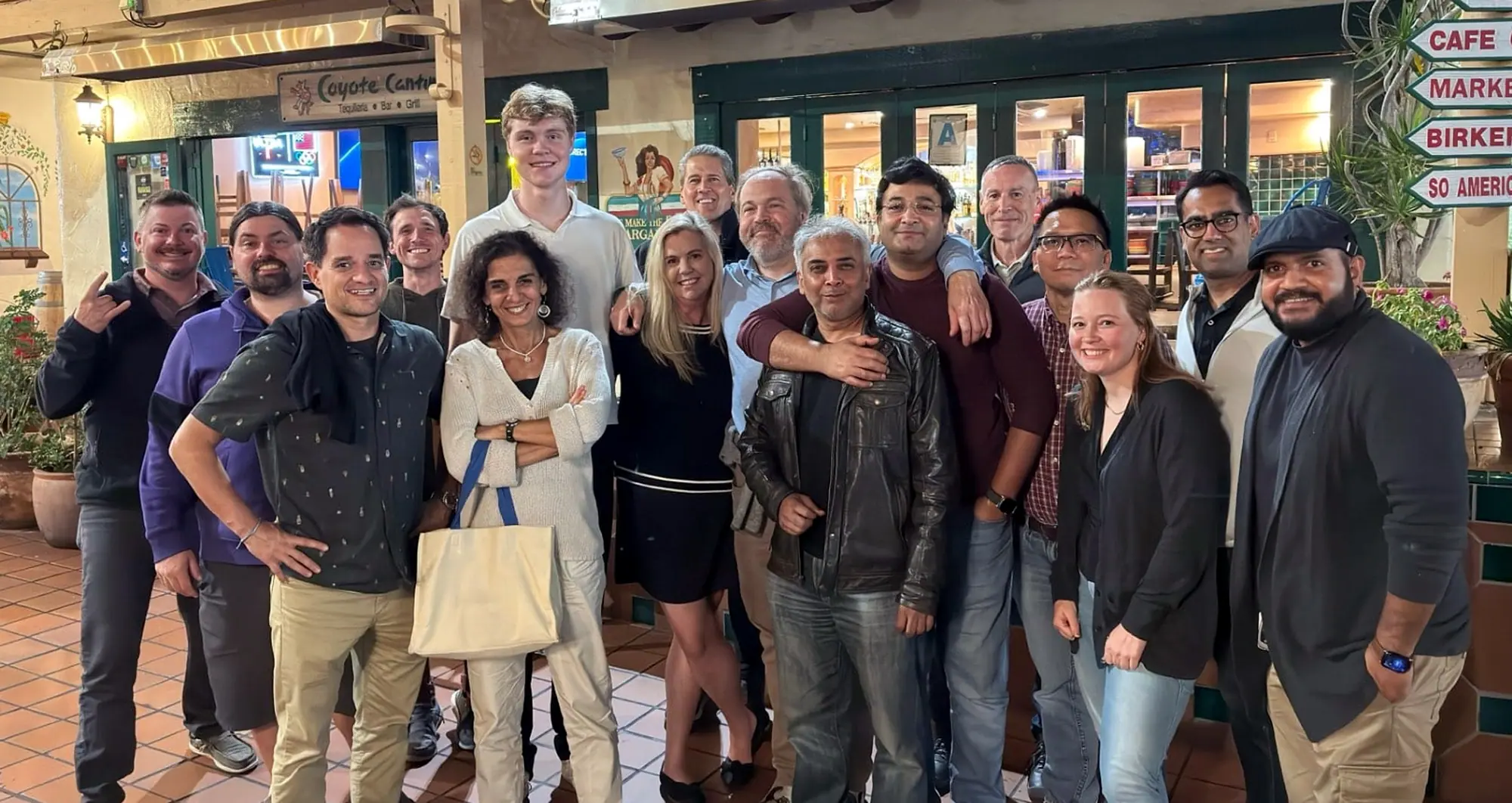
Participants at the 4th Mammalian Genome Engineering Symposium held at Sanford Burnham Prebys in La Jolla from September 12-15, 2024.
The four-day event included talks from experts from across North America and opportunities to discuss improving experimental methods and approaches to analyzing the resulting data.
Researchers convened at Sanford Burnham Prebys in La Jolla from September 12-15 to hear presentations from their peers and confer about the latest developments in modifying the genomes of mammalian animal models to advance biomedical research.
Anindya Bagchi, PhD, associate professor in the Institute’s Cancer Genome and Epigenetics Program, planned the 4th Mammalian Genome Engineering Symposium, which included 26 presentations from experts across the United States and Canada. Attendees asked many questions throughout, and numerous speakers commented on how valuable the conversation at the meeting was for refining planned experiments and considering new ideas and approaches.
“It was a truly enjoyable and thought-provoking meeting,” said Angela Liou, MD, an instructor in the Cancer Genome and Epigenetics Program at Sanford Burnham Prebys and pediatric oncologist and hematologist at Rady Children’s Hospital-San Diego. “It also was incredibly helpful in informing the next steps of my research project.”
“I’m so grateful for the invitation to attend this symposium,” said Praveen Raju, MD, PhD, the Nathan Gordon Chair in Neuro-Oncology and medical director of the Pediatric Neuro-Oncology Program at Rady Children’s Hospital-San Diego and director of the Pediatric Neuro-Oncology Program at the University of California San Diego School of Medicine.
Anindya Bagchi, PhD, is an associate professor in the Cancer Genome and Epigenetics Program.
“The presenters and attendees were welcoming and collaborative, and I certainly learned a lot.”
The symposium brings together the Mammalian Genome Engineering Group, which was formed by a small group of genome engineering enthusiasts including Bagchi, Nada Jabado, MD, PhD, professor of Pediatrics and Human Genetics at McGill University and a hematologist and oncologist at Montreal Children’s Hospital; David Largaespada, PhD, a professor of Pediatrics, Genetics, Cell Biology and Development at the University of Minnesota Medical School and the associate director for Basic Research in the Masonic Cancer Center; and Michael Taylor, MD, PhD, The Cyvia and Melvyn Wolff Chair of Pediatric Neuro-Oncology at Texas Children’s Cancer and Hematology Center and professor of Pediatrics (Hematology-Oncology) at Baylor College of Medicine.
The group is interested in developing functional models of genomic and epigenetic mutations associated with human diseases—especially cancers—that are difficult to recreate in animal models. The group’s first symposium was coordinated by Taylor in Napa, Calif., in 2014, followed by the 2nd symposium that was organized by Jabado in Montreal in 2015. After a hiatus, the group was revived in 2023 with the 3rd symposium hosted again by Taylor in Houston.
“We believe this symposium will, in the coming years, become a leading forum for discussing cutting-edge genomic and epigenomic approaches to tackle challenging genetic and epigenetic mutations,” said Bagchi. “These approaches are likely to become standard practice in the near future.”
The Sanford Burnham Prebys scientists that presented at the 4th Mammalian Genome Engineering Symposium were:
Liou, “Investigating the deposition of H3.3K27M oncohistone and its effect on retrotransposon reactivation in H3K27M pediatric diffuse midline glioma”
Ani Deshpande, PhD, associate professor in the Cancer Genome and Epigenetics Program and associate director of Diversity, Equity and Inclusion in the NCI-Designated Cancer Center, “Functional genomic approaches to identify selective dependencies in synovial sarcoma”
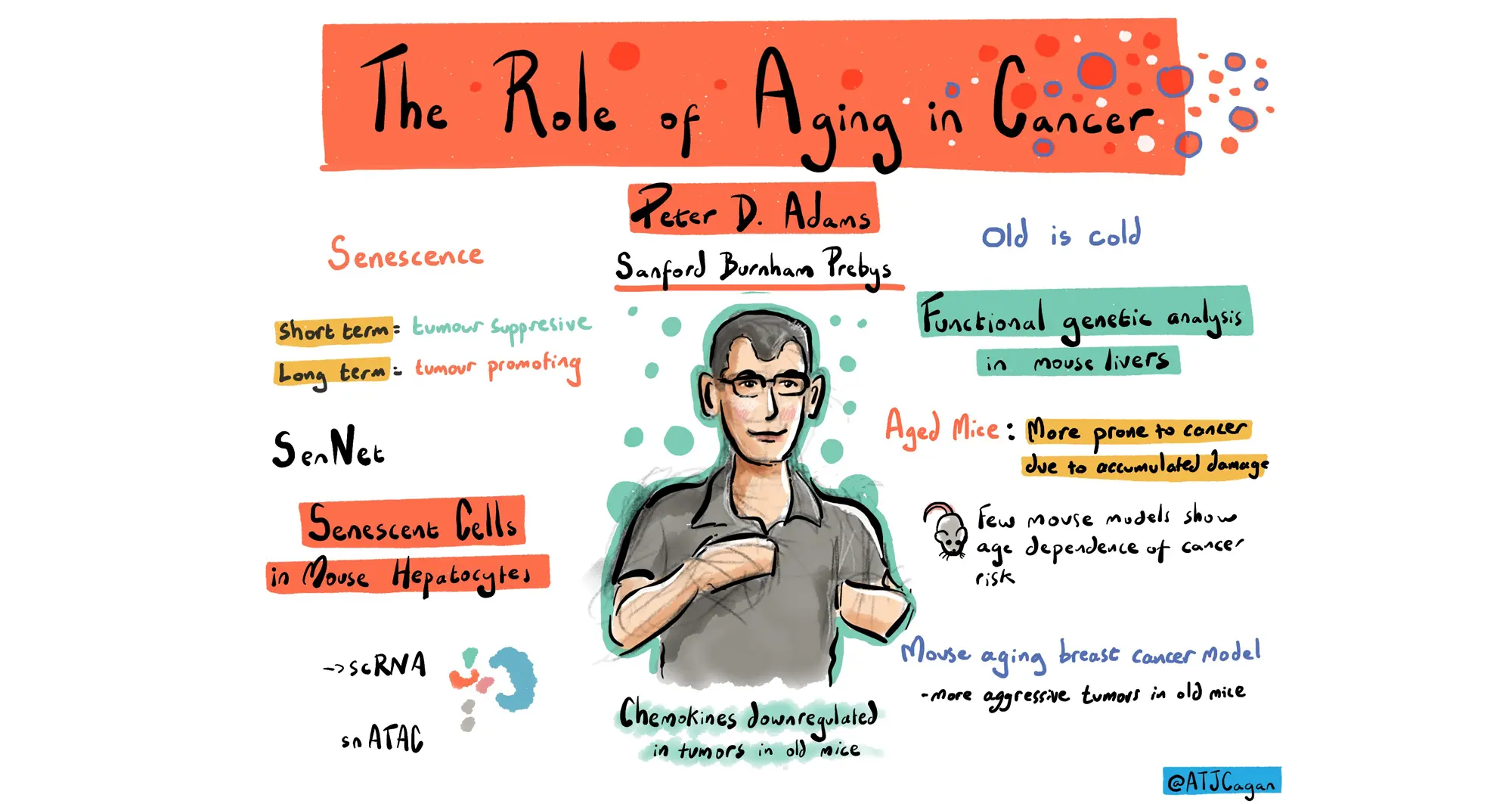
Peter D. Adams, PhD, the director of the Cancer Genome and Epigenetics Program, “The role of aging in cancer”
Lukas Chavez, PhD, associate professor in the Cancer Genome and Epigenetics Program, “Circular extrachromosomal DNA promotes tumor heterogeneity and enhancer rewiring”
Jerold Chun, MD, PhD, professor in the Degenerative Diseases Program, “Genetic mosaicism and somatic gene recombination in the brain”
Adarsh Rajesh, graduate student, Sanford Burnham Prebys, “CCND1-CDK6 complex inhibits DNA damage repair and promotes inflammation in senescence and the aged liver”
Additional speakers included:
Taylor, “Why does medulloblastoma love to be tetraploid and other nonsense”
Jabado, “Co-opting 3D structures to fuel tumorigenesis”
Tannishtha Reya, PhD, Herbert and Florence Irving Professor of Basic Science Research in Physiology and Cellular Biophysics, Columbia University, “New genetically engineered models to understand cancer heterogeneity and therapy resistance in pancreatic cancer”
Simona Dalin, PhD, postdoctoral fellow, Broad Institute of the Massachusetts Institute of Technology and Harvard University, “Contributions of perfect and imperfect homology to rearrangement formation in human and cancer genomes”
Alison M. Taylor, PhD, assistant professor of Pathology and Cell Biology, Columbia University, “Functional and computational approaches to uncover the consequences of chromosome arm aneuploidy in cancer”
Sean Eagan, PhD, senior scientist in the Cell Biology program at The Hospital for Sick Children, professor of Molecular Genetics, University of Toronto, “An update on Genetic analysis of 16q-syntenic block deletion in the mouse mammary gland – a tumor suppressor arm”
Claudia Kleinman, PhD, associate professor of Human Genetics, McGill University, investigator at the Lady Davis Institute for Medical Research, Jewish General Hospital, “Lineage programs and the 3D genome in pediatric brain tumors”
Branden Moriarity, PhD, associate professor of Pediatrics (Hematology and Oncology), University of Minnesota Medical School, “Next generation engineered immune effector cells for immunotherapy”
Beau Webber, PhD, associate professor of Pediatrics (Hematology and Oncology), University of Minnesota Medical School, “Building cancer in a dish: Sarcoma modeling using human pluripotent stem cells”
Sameer Agnihotri, PhD, associate professor of Neurological Surgery and director of the Brain Tumor Biology and Therapy Lab, University of Pittsburgh Medical Center Children’s Hospital of Pittsburgh, “Identifying genetic vulnerabilities by modeling Chromosome 9p loss”
Largaespada, “Loss of the polycomb repressor complex 2 (PRC2) alters the super-enhancer landscape, genome/epigenome stability, and therapeutic sensitivities of malignant peripheral nerve sheath tumors”
Teresa Davoli, PhD, assistant professor of Biochemistry and Molecular Pharmacology, New York University Langone Health, “Engineering chromosome specific aneuploidy by targeting human centromeres”
Rameen Beroukhim, MD, PhD, associate professor of Medicine, Dana-Farber Cancer Institute and Harvard Medical School, associate member of the Broad Institute of MIT and Harvard, “Detecting rearrangement signatures—naturally”
Quang Trinh, PhD, scientist, Ontario Institute for Cancer Research, “Perspectives and Challenges in PFA Integrative Analysis”
Taylor Gatesman, graduate student, University of Pittsburgh, “Genome Engineering: DREaming of and vCREating new models”
Joseph Skeate, PhD, postdoctoral fellow, University of Minnesota Medical School, “Targeted CAR integration and multiplex base editing in a single-step manufacturing process for enhanced cancer immunotherapies”
Institute News
San Diego hosts the 2024 Molecular and Cellular Aging Meeting
Alex Cagan, PhD, a scientist and illustrator at the University of Cambridge and the Wellcome Sanger Institute, created live illustrated summaries of talks at the 2024 Molecular and Cellular Aging Meeting.
Sanford Burnham Prebys scientist Peter Adams planned the symposium in partnership with colleagues at the University of California San Diego and Altos Labs.
Researchers gathered in San Diego from September 10-11 to discuss their research findings on the causes and complications of aging at the level of the trillions of cells in our bodies—and the vast array of molecules within each cell.
Peter D. Adams, PhD, the director of the Cancer Genome and Epigenetics Program at Sanford Burnham Prebys, was one of the planners of the meeting, which was held at the Estancia La Jolla Hotel and Spa. Adams’ co-planners were Bing Ren, PhD, professor of Cellular and Molecular Medicine at the University of California San Diego, and Morgan Levine, PhD, founding principal investigator at the Altos Labs’ San Diego Institute of Science.
Before the 2024 Molecular and Cellular Aging Meeting kicked off, attendees were welcomed to join the final proceedings of a related meeting of the Cellular Senescence Network (SenNet) Consortium, a large network of U.S. labs and research institutions supported by the National Institutes of Health’s Common Fund.
Adams introduced Ashley Webb, PhD, associate professor at the Buck Institute for Research on Aging in Novato, Calif., to give the SenNet meeting’s Judy Campisi Lecture Series keynote address. This series of lectures honors Campisi’s legacy as a leader in the field of cellular senescence, a phenomenon closely tied with aging in which certain cells stop growing and dividing yet persist in a zombie-like state.
Following Webb’s lecture, Adams formally opened the 2024 Molecular and Cellular Aging Meeting. The event featured more than a dozen presentations and several poster sessions.
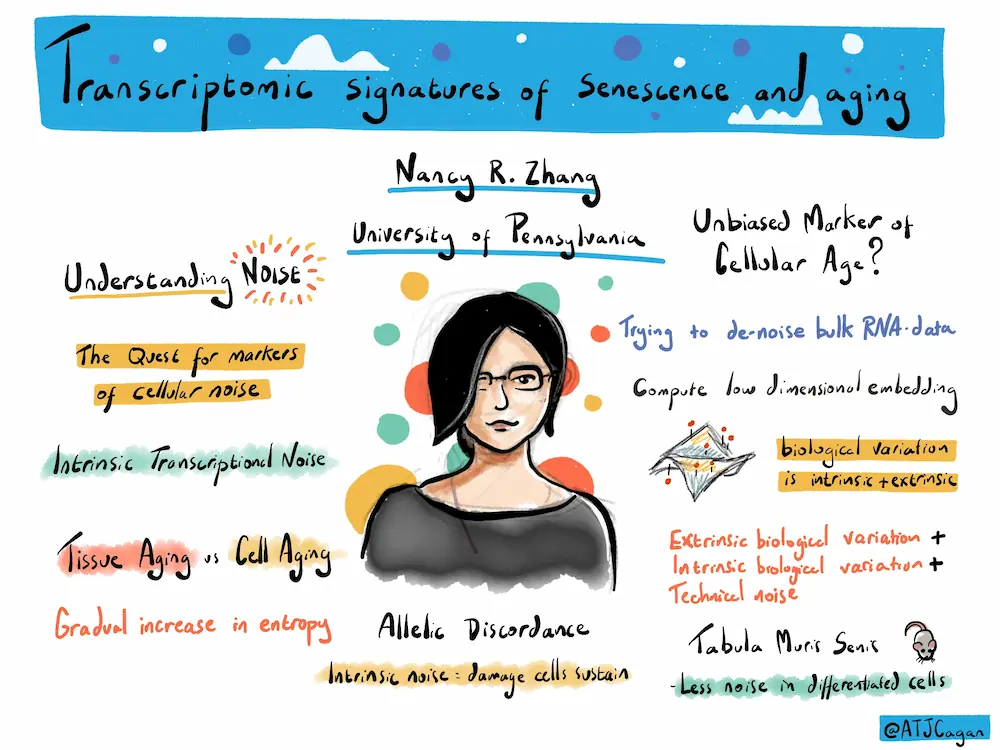
Artistic interpretation of the presentation delivered by Nancy R. Zhang, PhD, Ge Li and Ning Zhao Professor, a professor of Statistics and Data Science and the vice dean of Wharton Doctoral Programs at the University of Pennsylvania. Image courtesy of Alex Cagan.
“I was excited to see the room so full in anticipation of the great talks and all the fantastic questions and discussion that followed,” said Adams.
“I am happy that we achieved our goal of bringing together SenNet reseachers and other leaders in the molecular and cellular biology of aging. I expect that this catalyzed many new ideas and collaborations.”
Speakers at the event included:
Vittorio Sebastiano, PhD, associate professor of Obstetrics and Gynecology (Reproductive and Stem Cell Biology), Stanford University School of Medicine, “Looking at aging and rejuvenation through the lens of development and reproductive biology”
Zhijian “James” Chen, PhD, Howard Hughes Medical Institute investigator, George L. MacGregor Distinguished Chair in Biomedical Science and professor of Molecular Biology, University of Texas Southwestern Medical Center, “Igniting the flame—the role of cGAS in senescence and inflammaging”
Vera Gorbunova, PhD, Doris Johns Cherry Professor and professor of Biology, University of Rochester, “Epigenome maintenance and longevity”
Jan Karlseder, PhD, senior vice president, chief science officer, professor in the Molecular and Cell Biology Laboratory and Donald and Darlene Shiley Chair, Salk Institute, “How telomeres synergize with mitochondria to prevent age associated cancer initiation”
Shelley L. Berger, PhD, Daniel S. Och University Professor, University of Pennsylvania, “Epigenetic-metabolic crosstalk in senescence and aging”
Levine, “Origins of Life and Death: Aging as an Out-of-Distribution Problem”
Kun Zhang, PhD, principal investigator, Altos Labs’ San Diego Institute of Science, “An aging and injury cell atlas of human kidneys”
Nancy R. Zhang, PhD, Ge Li and Ning Zhao Professor, professor of Statistics and Data Science and vice dean of Wharton Doctoral Programs, University of Pennsylvania, “Transcriptomic signatures of senescence and aging”
Alex Cagan, PhD, assistant professor of Genetics, Pathology and Veterinary Medicine, University of Cambridge, “Somatic evolution and ageing across the tree of life”
Congcong He, PhD, associate professor of Cell and Developmental Biology, Northwestern University Feinberg School of Medicine, “Exercise-induced autophagic protection against age-related metabolic diseases”
Gerald Shadel, PhD, professor in the Molecular and Cell Biology Laboratory, Audrey Geisel Chair in Biomedical Science and director of the San Diego-Nathan Shock Center of Excellence in the Basic Biology of Aging, Salk Institute, “Mitochondrial stress signaling in aging, disease and immunity”
Peter Adams, PhD
Bing Ren, PhD
Morgan Levine, PhD
Institute News
Ceremony celebrates recipients of 2024 Fishman Fund awards honoring exceptional postdoctoral scholars
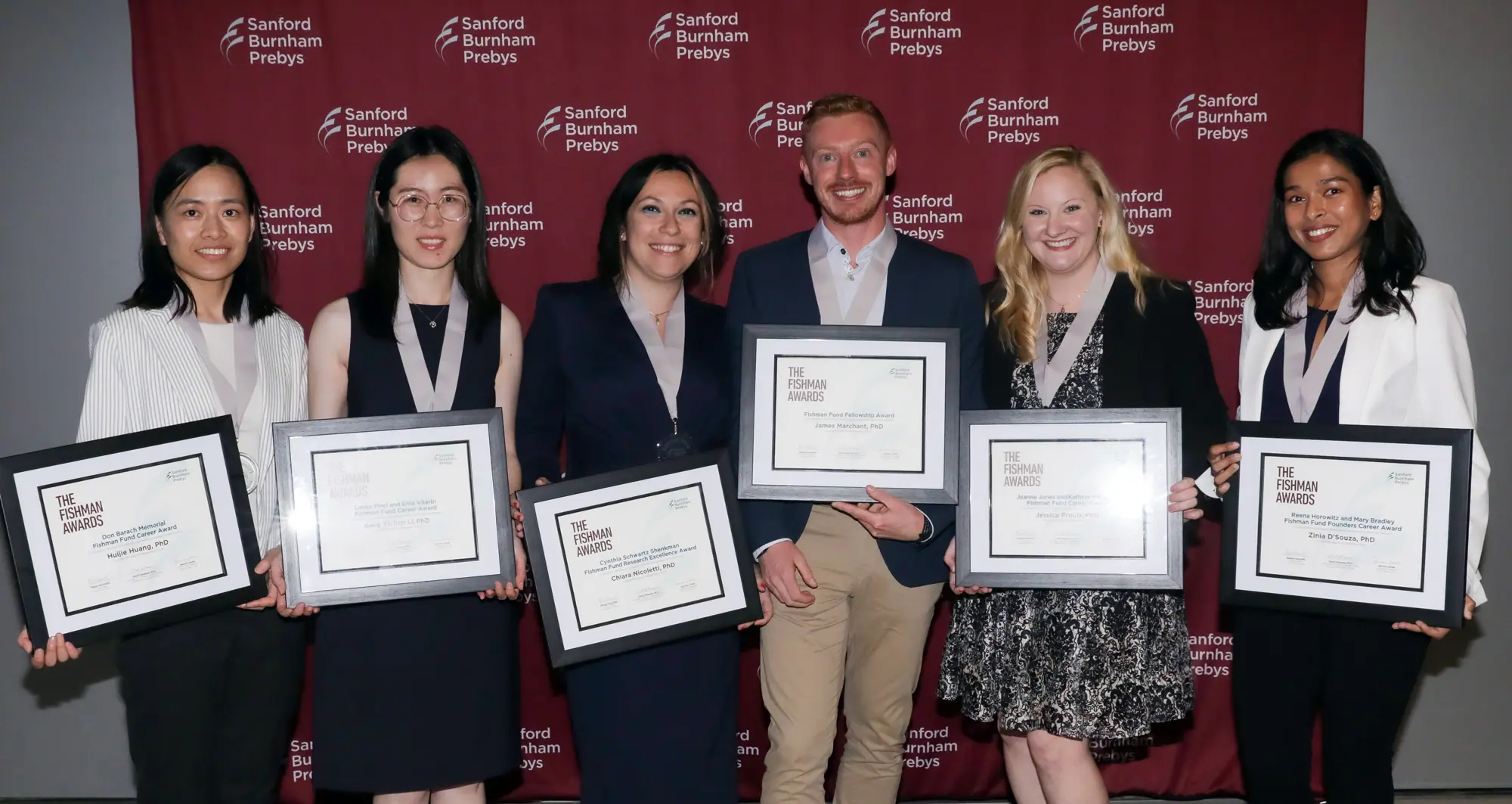
2024 Fishman Award winners. From left: Huijie Huang, Kelly Yichen Li, Chiara Nicoletti, James Marchant, Jessica Proulx, Zinia D’Souza
Six young scientists at Sanford Burnham Prebys, whose research spans genetic disorders, Alzheimer’s disease, heart failure and aging, were honored September 17 at the 23rd annual Fishman Fund awards ceremony.
The Fishman Fund was created in 2001 by Sanford Burnham Prebys supporters Mary Bradley and Reena Horowitz to honor Dr. William and Mrs. Lillian Fishman, who founded the institute in 1976. In 2010, Jeanne Jones became a co-founder designee.
The awards are intended to support and promote early career scientists at Sanford Burnham Prebys. Four career development awards provide $10,000 stipends that can be used to attend workshops, network and travel to national and international conferences to learn about the latest developments in their research fields. In addition, the prizes include a two-year fellowship award, and an honor focused on rewarding research excellence. The fund is made possible through the generosity of many donors.
The ceremony, which included poster presentations, was held at the Sanford Consortium for Regenerative Medicine. The 2024 recipients are:
Reena Horowitz and Mary Bradley Fishman Fund Award
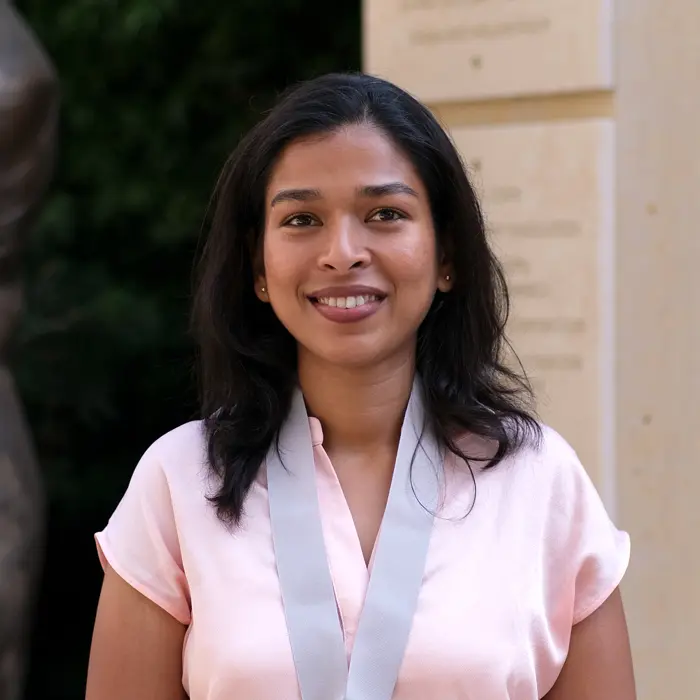
Zinia D’Souza, PhD, is a postdoctoral associate in the laboratory of Hudson Freeze, PhD, director of the Sanford Children’s Health Research Center and the director of the Human Genetics Program.Her research is focused on identifying new congenital disorders of glycosylation (CDGs), rare disorders caused by mutations that impair glycosylation—the complex process by which cells build long sugar chains that are attached to proteins called glycoproteins. D’Souza also works to uncover how these rare genetic mutations cause the observed symptoms.
Don Barach Memorial Fishman Fund Award
Huijie Huang, PhD, is a postdoctoral associate in the lab of Timothy Huang, PhD, an assistant professor in the Degenerative Diseases Program. Her research focuses on uncovering the fundamental causes of Alzheimer’s disease AD), a pressing public health concern as the U.S. population ages and faces an increased risk of this leading cause of dementia. Specifically, she studies the SORL1 (SORLA) gene, a known risk factor for sporadic early- and late-onset AD. Huang believes that developing treatments to boost SORLA’s beneficial effects may prove to be an innovative treatment approach.
Fishman Fund Fellowship Award
James Marchant, PhD, is a postdoctoral associate in the lab of Alexandre Colas, PhD, an associate professor in the Development, Aging and Regeneration Program. His research focuses on developing a gene therapy to treat heart failure. Heart attacks reduce blood and oxygen flow to heart muscle, leading to scar tissue that can increase the risk of future attacks. Marchant aims to convert cells within this scar tissue back into healthy muscle cells.
Cynthia Schwartz Shenkman Fishman Fund Research Excellence Award
Chiara Nicoletti, PhD, is a postdoctoral associate in the laboratory of Pier Lorenzo Puri, MD, co-director of the Development, Aging and Regeneration Program. She studies epigenetic patterns, which are genetic changes that don’t alter DNA itself yet modify how genes are expressed to make proteins or other products. She studies epigenetic patterns in skeletal muscle development and disease. Nicoletti hopes to help develop personalized medicine tools for patients suffering from muscular dystrophy.
Jeanne Jones and Kathryn Fishback Fishman Fund Award
Jessica Proulx, PhD, is a postdoctoral associate working in the lab of Peter D. Adams, PhD, director of the Cancer Genome and Epigenetics Program. Proulx investigates how aging alters our bodies at the cellular and molecular levels, a key factor in the increased risk for diseases such as cancer, neurodegenerative disorders, cardiovascular disease and metabolic conditions like type 2 diabetes. She uses biological techniques that study the entire landscape of a sample’s genes, proteins or other features. Her work seeks to identify underlying changes that predispose an aged liver to liver disease and liver cancer.
Lenka Finci and Erna Viterbi Fishman Fund Award
Kelly Yichen Li, PhD, is a postdoctoral associate in the lab of Kevin Yip, PhD, a professor in the Cancer Genome and Epigenetics Program and the director of the Bioinformatics Shared Resource. She studies a phenomenon called cellular senescence that is associated with aging. Senescent cells no longer grow and divide, which can reduce the growth of cancer, but the condition is also associated with chronic inflammation and age-related diseases. Yichen LI is working to find molecular signatures of senescence to advance aging research, treatments and diagnostics.
Institute News
Renovated auditorium and generous gift to strengthen community engagement at Sanford Burnham Prebys
A ribbon-cutting event on August 7 celebrated the philanthropic gift and state-of-the-art auditorium that will enable new community engagement events at the Institute.
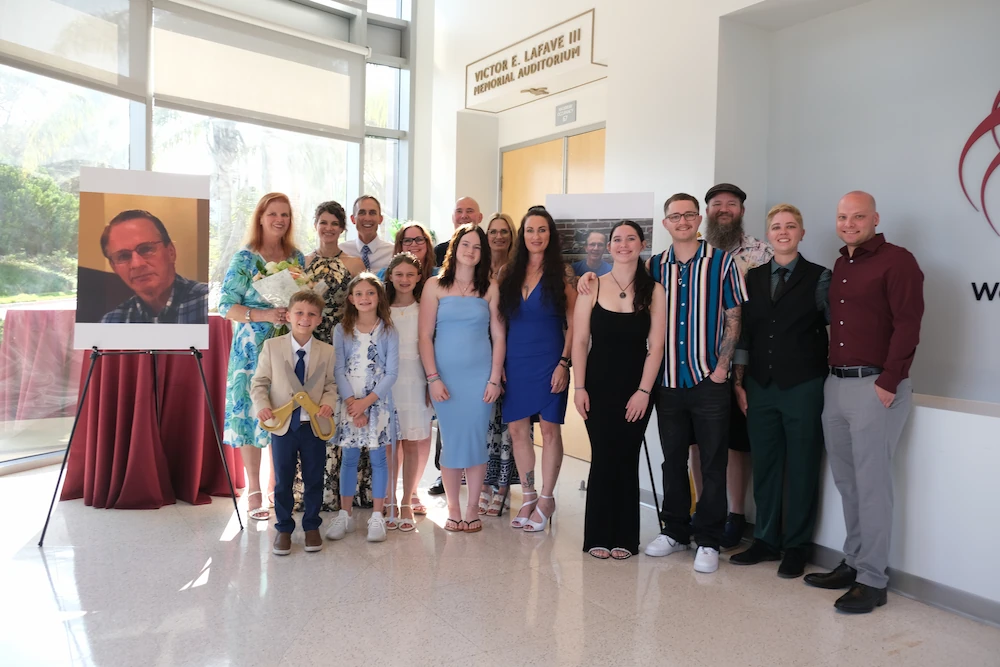
Sanford Burnham Prebys unveiled its newly renovated auditorium in Building 12 during a special Happy Town Hall and ribbon-cutting ceremony on Wednesday, August 7, 2024. The improved meeting space was renamed as the Victor E. LaFave III Memorial Auditorium, or “the Vic,” in recognition of the generous support of the LaFave family.
Racheal McCabe, senior director of Philanthropy at Sanford Burnham Prebys, opened the festivities by welcoming members of the LaFave family, board members, faculty, staff and friends of the Institute. She provided details about the auditorium’s namesake, including his service in the U.S. Air Force and appreciation of sports, traveling, music, photography and gardening.
“Most of all, Vic showed a deep love for his beloved wife, Sue, and his family and friends,” said McCabe. “We included a hidden, golden turtle above the auditorium’s entrance as a special tribute to Sue’s love for the animal, and we think Vic would be pleased by that.”
“The tortoise and the turtle are universally seen as symbols of wisdom and knowledge, so it is quite fitting for representing the scientific discovery, education and learning that will take place in the Victor E. LaFave III Memorial Auditorium.”
McCabe introduced David A. Brenner, MD, president and CEO of Sanford Burnham Prebys, who said, “Thank you on behalf of the entire institute. This is going to be a transformational gift for our community engagement strategies and a pivotal place for collaboration and exchanging ideas.”
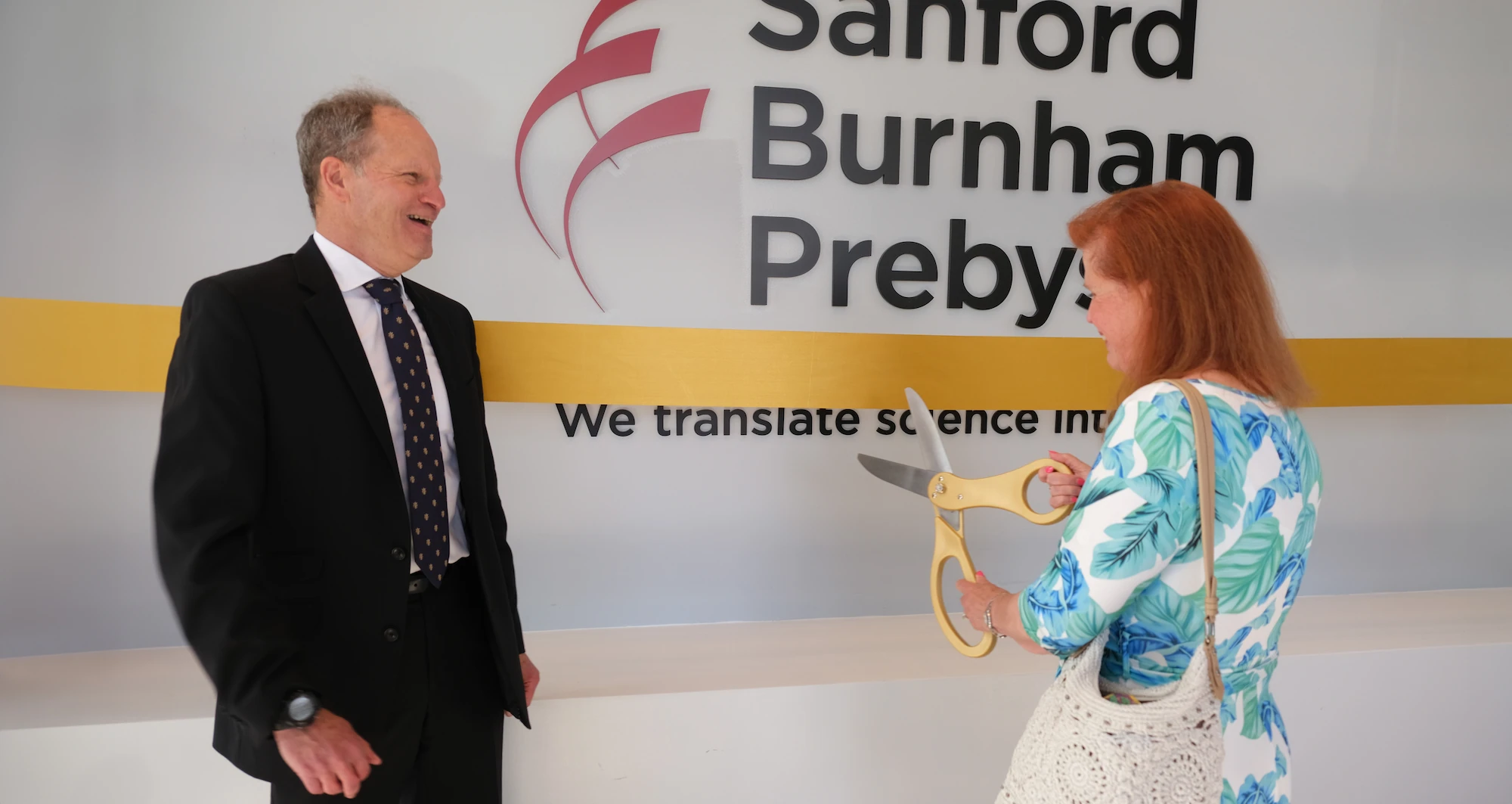
Brenner and Sue LaFave ceremonially cut a ribbon to formally announce the grand opening of the Vic. Guests entered the new auditorium to learn about the renovations and other updates at the institute.
Brenner discussed plans for the enhanced auditorium to be a prominent space for community engagement through new and ongoing events. The meeting space will help the institute connect with community members, alumni and research collaborators throughout the region and state.
A new community engagement program called “A Conversation About” will launch in the Vic on October 9, 2024. Taking inspiration from the Group of 12 educational discussions and the Insights streaming program, A Conversation About will feature expert panelists from the scientific and medical communities in dynamic discussions about the future of research and health care.
The A Conversation About series will focus on the four disease-focused, broadly collaborative research centers at Sanford Burnham Prebys: Cancer, Neurodegeneration and Aging, Metabolic and Liver, and Cardiovascular and Muscular.
By bringing together community collaborators and clinicians with Sanford Burnham Prebys researchers, A Conversation About will offer a unique perspective on how clinical research and practice can be used to inform fundamental and translational science.
Institute News
Women in Science event at Sanford Burnham Prebys examines how female faculty members navigate research careers
The Women in Science event at Sanford Burnham Prebys on Monday, August 12, 2024, focused on how female faculty members at different career stages have navigated their professional journeys in academia and the life sciences.
Four panelists at different career stages shared insights and answered audience questions
Sanford Burnham Prebys held a Women in Science event on Monday, August 12, 2024. The session was in Fishman Auditorium on the Institute’s campus and focused on how female faculty members at different career stages have navigated their professional journeys in academia and the life sciences.
Eric Wang, PhD, an assistant professor in the Cancer Molecular Therapeutics Program at Sanford Burnham Prebys and co-chair of the Education and Training Diversity, Equity and Inclusion (DEI) Committee, opened the event and introduced the moderator, Shanshan Yin, PhD, a postdoctoral associate working in the lab of Peter D. Adams, PhD, and four panelists from Sanford Burnham Prebys:
Linda Bradley, PhD, a professor in the Cancer Metabolism and Microenvironment Program
Caroline Kumsta, PhD, an assistant professor in the Development, Aging and Regeneration Program and associate dean of Student Affairs of the Graduate School of Biomedical Sciences
Alessandra Sacco, PhD, the director of the Development, Aging and Regeneration Program and dean of the Graduate School of Biomedical Sciences
Shanshan Yin, PhD, is a postdoctoral associate working in the lab of Peter D. Adams, PhD. She was the panel discussion moderator.
Work and life balance
Yin asked the panelists to discuss how they balance their work and personal lives, and what strategies they use to restore their energy levels and maintain a positive mindset.
“I had to learn to manage my schedule, rather than letting it manage me,” said Kumsta. “I’ve gained a greater appreciation for stepping away from problems, and I often find that I come up with new solutions during or after hiking or working out, instead of by just working more and more.”
“Because I am setting up a new lab, it feels like I am working even more than I did as a postdoctoral fellow,” said Sun. “My persistence, curiosity and interest in the scientific process are the key drivers that are helping me as the lab gets up to speed.”
Caregiving
Yin followed this conversation by requesting that the panelists comment on the factors of childcare and family obligations throughout the careers of female faculty members.
“The childcare system for working parents in the U.S. leaves a lot of room for improvement,” said Bradley. “This has not improved through the course of my career, and it is something we think about a lot within the Postdoctoral Training Advisory Group as we discuss ways to improve the experience of postdoctoral fellows at the institute.”
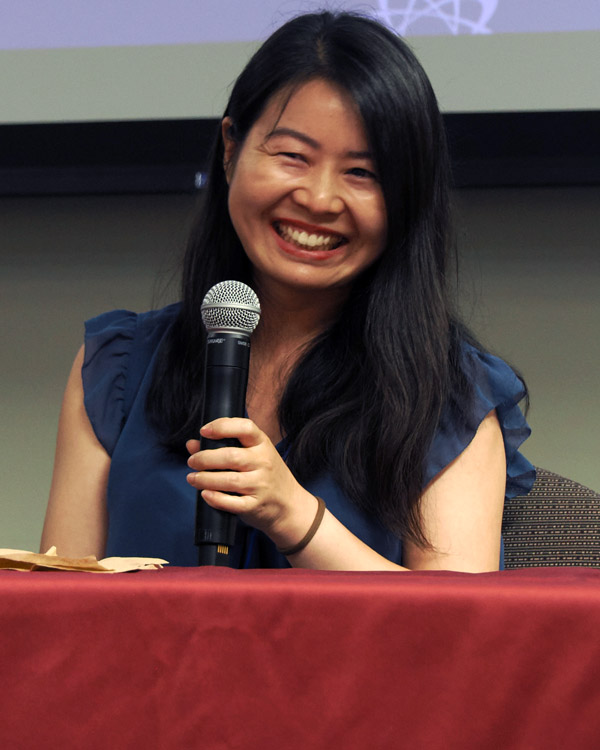
Panelist Xueqin (Sherine) Sun, PhD, is an assistant professor in the Cancer Genome and Epigenetics Program.
“It can be hard to feel less productive as a scientist after having kids,” said Sun. “This is something we each have to navigate and there are no easy answers.”
Audience questions
Yin welcomed audience members to ask the panelists additional questions.
Sacco fielded a question about the balancing act of working long hours for short-term gain versus the increased risk of burnout. She said, “For me, this has really happened in phases. Some parts of certain experiments or application cycles require extra effort, and you have to learn when you can pull back and have a more balanced schedule.”
Kumsta answered a question about unrealistic expectations for postdoctoral fellows. She said, “I encourage every postdoc and principal investigator to have open and honest conversations about expectations for working hours, vacation time and weekend emails, among other topics. That won’t fix everything, but it will prevent a lot of uncertainty and build a foundation for addressing issues.”
The panelists had noted the strong representation of male scientists and staff members in the audience. Sacco responded to a question about what male scientists could do better to improve the environment for women in the field. She said, “We should all recognize our own biases, minimize their impact when making decisions, and be good listeners to other scientists’ needs.”
Gender and academic rank
The event closed with a conversation about gender disparities in academic ranks at research and higher education institutions. The panelists focused on the attrition than can occur after the end of postdoctoral fellowships as a major challenge for retaining women in academic science.
Kumsta explored some potential solutions that funders and institutions could consider. She said, “An extra year of funding for early-career female scientists and an extra year on the tenure clock may help us retain women and support their promotion from junior faculty positions. We also need to find ways to reward the extra administrative service that many female faculty members are asked to give on faculty committees.”
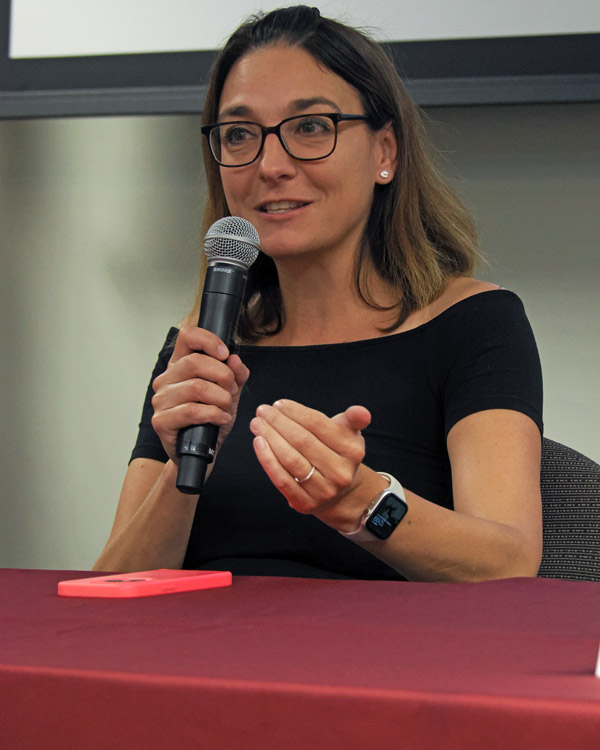
Panelist Caroline Kumsta, PhD, is an assistant professor in the Development, Aging and Regeneration Program and associate dean of Student Affairs of the Graduate School of Biomedical Sciences.
“I think certain things are getting better, but we need to do even more to retain women in the field,” said Sun. “The National Institutes of Health allowing time and budget for childcare costs in training grants was an important step.”
“Today’s event reminds us of the importance of speaking up,” said Sacco. “We can articulate and share our vision for a better tomorrow and work together to achieve it.”
The Women in Science event was hosted by the Education and Training DEI Committee at Sanford Burnham Prebys and supported by the Institute’s Diversity, Equity, Inclusion and Belonging (DEIB) Council and DEIB program manager, Lauren Mitchell.
Institute News
Sanford Burnham Prebys event explores the science behind addiction
Nicholas Cosford, PhD, co-director of the Cancer Molecular Therapeutics Program, presents an overview of the many links between addiction and cancer.
Scientists and clinicians from three local research institutions converged July 31 to discuss new ways to treat multiple addictions at Sanford Burnham Prebys open house
The NCI-designated Cancer Center at Sanford Burnham Prebys welcomed San Diego community members to the institute’s campus on July 31, 2024 for an open house focused on addiction research. The Cancer Center team developed the event in partnership with scientists from Scripps Research and the University of California San Diego School of Medicine.
Ze’ev Ronai, PhD, director of the Sanford Burnham Prebys Cancer Center, formally opened the event and welcomed attendees before introducing David A. Brenner, MD, president and CEO of Sanford Burnham Prebys.
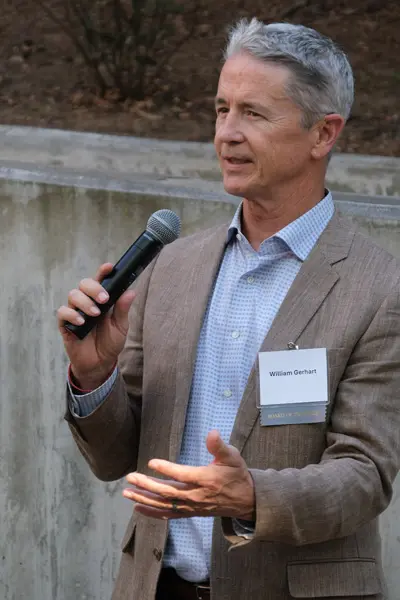
William Gerhart, chair of the Sanford Burnham Prebys board of trustees, delivered welcoming remarks focused on the potential benefits to families of improving the treatment and prevention of addiction and addiction-associated cancers.
“As I have learned more about the research being presented here, I am impressed by just how much of a powerhouse we have on this mesa regarding both cancer and addiction science,” said Brenner.
William Gerhart, chair of the Sanford Burnham Prebys board of trustees; Nicholas Cosford, PhD, co-director of the Cancer Molecular Therapeutics Program; and Michael Jackson, PhD, senior vice president of Drug Discovery and Development at the Conrad Prebys Center for Chemical Genomics (Prebys Center), also provided opening remarks emphasizing the collaborative nature of the featured research as well as the potential benefits to families of improving the treatment and prevention of addiction and addiction-associated cancers.
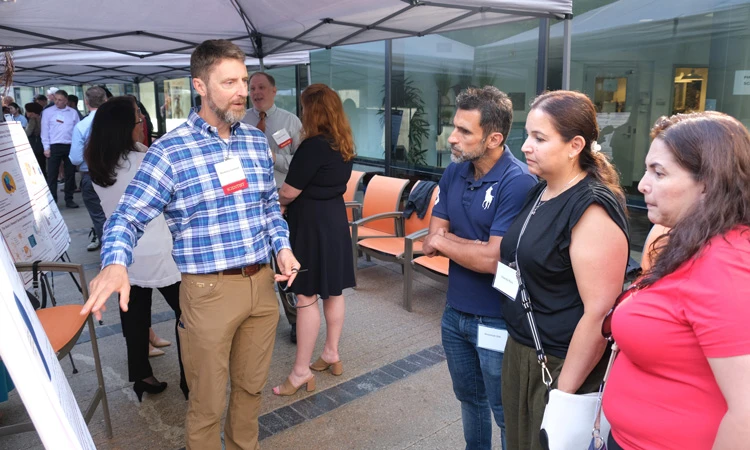
Attendees had the opportunity to learn from and interact with the following scientists at stations featuring posters describing research underway at all three represented institutions:
In addition to his welcoming comments, Cosford also presented an overview of the many links between addiction and cancer.
Douglas Sheffler, PhD, is an associate professor in the Center for Therapeutics Discovery at Sanford Burnham Prebys. Sheffler discussed a drug discovery effort focused on treating nicotine addiction.
Benjamin Mckenna, PhD, is an assistant clinical professor of psychiatry at UC San Diego School of Medicine and staff psychologist at Veterans Affairs San Diego Healthcare System. Mckenna presented on the same drug as Sheffler with an update on phase I clinical trial results regarding safety, optimal dosage and efficacy.
Steven Olson, PhD, executive director of Medicinal Chemistry at the Prebys Center, presented on work being conducted at the center in collaboration with Jackson. Olson described a drug being studied as an alternative to opioids that has shown promising benefits for reducing pain and addiction-related behavior.
Kokila Shankar, PhD, is a postdoctoral associate at Sanford Burnham Prebys working in the Cosford lab. Shankar detailed efforts to find new drugs to treat alcohol use disorder, which is estimated to cause approximately one of every 25 cancer diagnoses.
Bryan Cruz, PhD, is a postdoctoral fellow at Scripps Research working in the lab of Marisa Roberto, PhD, vice chair and Paul and Cleo Schimmel Endowed Chair in the Department of Molecular Medicine. Cruz discussed his research to uncover new ways of treating alcohol use disorder rooted in posttraumatic stress disorder, and thereby reduce cancer cases associated with excessive alcohol consumption.
Valentina Vozella, PhD, is a postdoctoral researcher in the Department of Molecular Medicine at Scripps Research. She also is a member of the Roberto lab. Vozella presented on studies regarding the effect of social isolation on the development of alcohol use disorder during adolescence, as well as on potential methods of treatment and prevention.
Participants were able to tour the Prebys Center, which is the institute’s comprehensive center for drug discovery and chemical biology. Visitors were able to see how the center’s researchers can quickly test the potential effectiveness of hundreds of thousands of compounds to find new prospective treatments. Many scientists at Sanford Burnham Prebys partner with the Prebys Center to conduct drug discovery searches based on new research findings, including several of the event’s poster presenters.
The open house featured a reception with remarks from Robert Anthenelli, MD, a professor in the Department of Psychiatry at UC San Diego School of Medicine. Anthenelli’s research focuses on developing new or improved treatments for cancer-causing tobacco and alcohol use disorders. He shared insights he has gained as a physician-scientist working in this area over the past 30 years.
The reception also included concluding remarks from Helen Eckmann, EdD, an NCI-designated Cancer Center Community Advisory Board member. The board hosts the center’s open house events. Its members strive to bridge the gap between biomedical science and the people who need it most: patients and the families and friends who love and support them.
Scientists and clinicians from three local research institutions converge July 31 to discuss new ways to treat multiple addictions at Sanford Burnham Prebys Open House
The NCI-designated Cancer Center at Sanford Burnham Prebys welcomes San Diego community members to the institute’s campus for an open house focused on addiction research. The Cancer Center team developed the event in partnership with scientists from Scripps Research and the University of California San Diego School of Medicine.
Attendees will meet scientists working to better understand the science behind addiction. Here’s a sneak peek of presenters and topics:
Douglas Sheffler, PhD, is an associate professor in the Center for Therapeutics Discovery at Sanford Burnham Prebys. Sheffler will discuss a drug discovery effort focused on treating nicotine addiction.
Benjamin Mckenna, PhD, is an assistant clinical professor of psychiatry at UC San Diego School of Medicine and staff psychologist at Veterans Affairs San Diego Healthcare System. Mckenna will present on the same drug as Sheffler with an update on phase I clinical trial results regarding safety, optimal dosage and efficacy.
Michael Jackson, PhD, is senior vice president of Drug Discovery and Development at the Sanford Burnham Prebys Conrad Prebys Center for Chemical Genomics and co-director of the Cancer Molecular Therapeutics Program in the institute’s NCI-Designated Cancer Center. Jackson will talk about a drug being studied as an alternative to opioids that has shown promising benefits for reducing pain and addiction-related behavior.
Kokila Shankar, PhD, is a postdoctoral associate at Sanford Burnham Prebys working in the lab of Nicholas Cosford, PhD, co-director of the NCI-Designated Cancer Center’s Cancer Molecular Therapeutics Program. Shankar will detail efforts to find new drugs to treat alcohol use disorder, which is estimated to cause approximately one of every 25 cancer diagnoses.
Bryan Cruz, PhD, is a postdoctoral fellow at Scripps Research working in the lab of Marisa Roberto, PhD, vice chair and Paul and Cleo Schimmel Endowed Chair in the Department of Molecular Medicine. Cruz will discuss his research to uncover new ways of treating alcohol use disorder rooted in posttraumatic stress disorder, and thereby reduce cancer cases associated with excessive alcohol consumption.
Valentina Vozella, PhD, is a postdoctoral researcher in the Department of Molecular Medicine at Scripps Research. She also is a member of the Roberto lab. Vozella will present on studies regarding the effect of social isolation on the development of alcohol use disorder during adolescence, as well as on potential methods of treatment and prevention.
Robert Anthenelli, MD, is a professor in the Department of Psychiatry at UC San Diego School of Medicine. Anthenelli’s research focuses on developing new or improved treatments for cancer-causing tobacco and alcohol use disorders. He will share some of his insights as a physician-scientist working in this area over the past 30 years.
In addition to poster presentations from speakers, guests will have the opportunity to talk with scientists, clinicians and research advocates during an informal evening reception.
The NCI-designated Cancer Center open house events are hosted by the center’s Community Advisory Board. Its members strive to bridge the gap between biomedical science and the people who need it most: patients and the families and friends who love and support them.
Institute News
Pride flag flies proudly at Sanford Burnham Prebys
The Institute marked Pride month by ceremonially raising the Pride flag and discussing progress toward inclusion in the scientific community
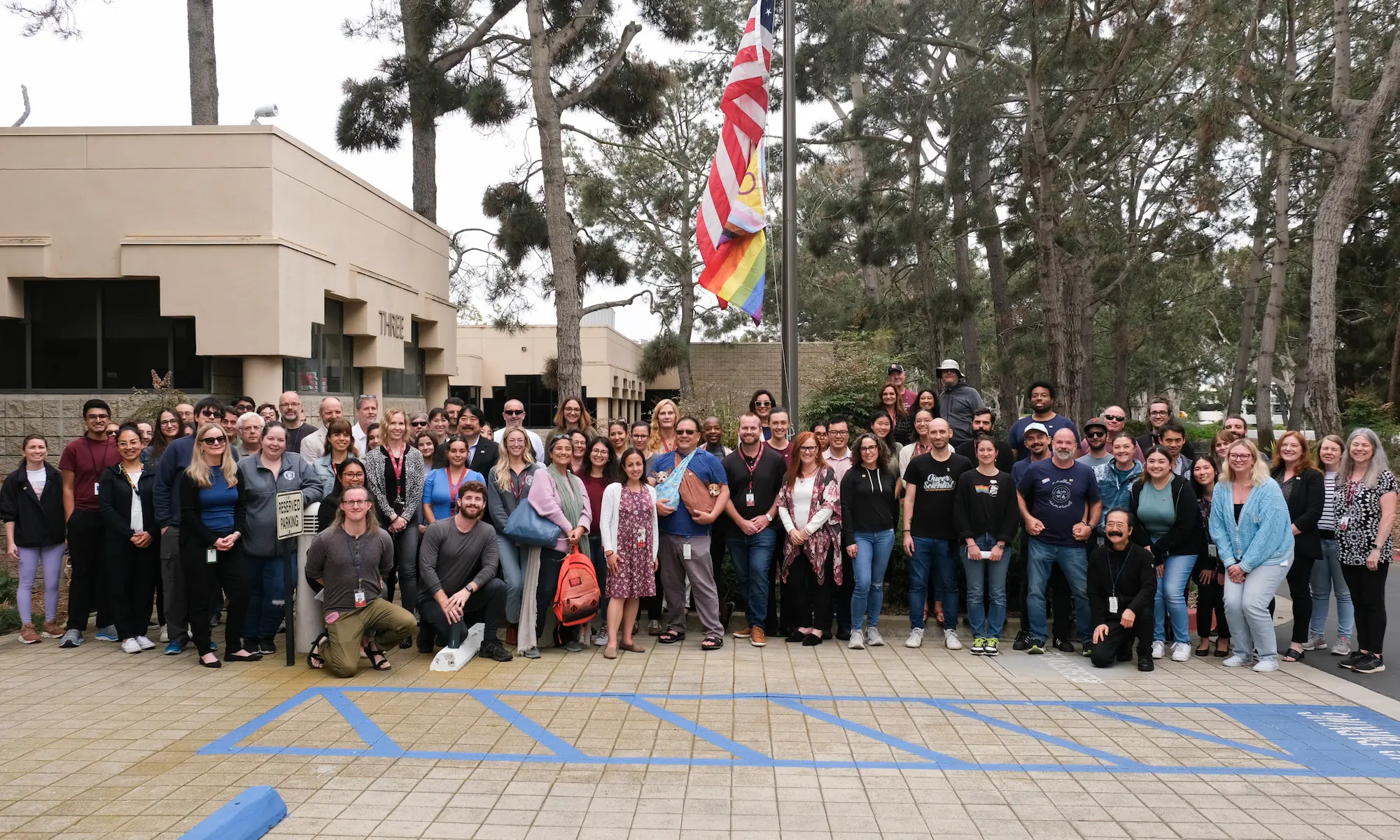
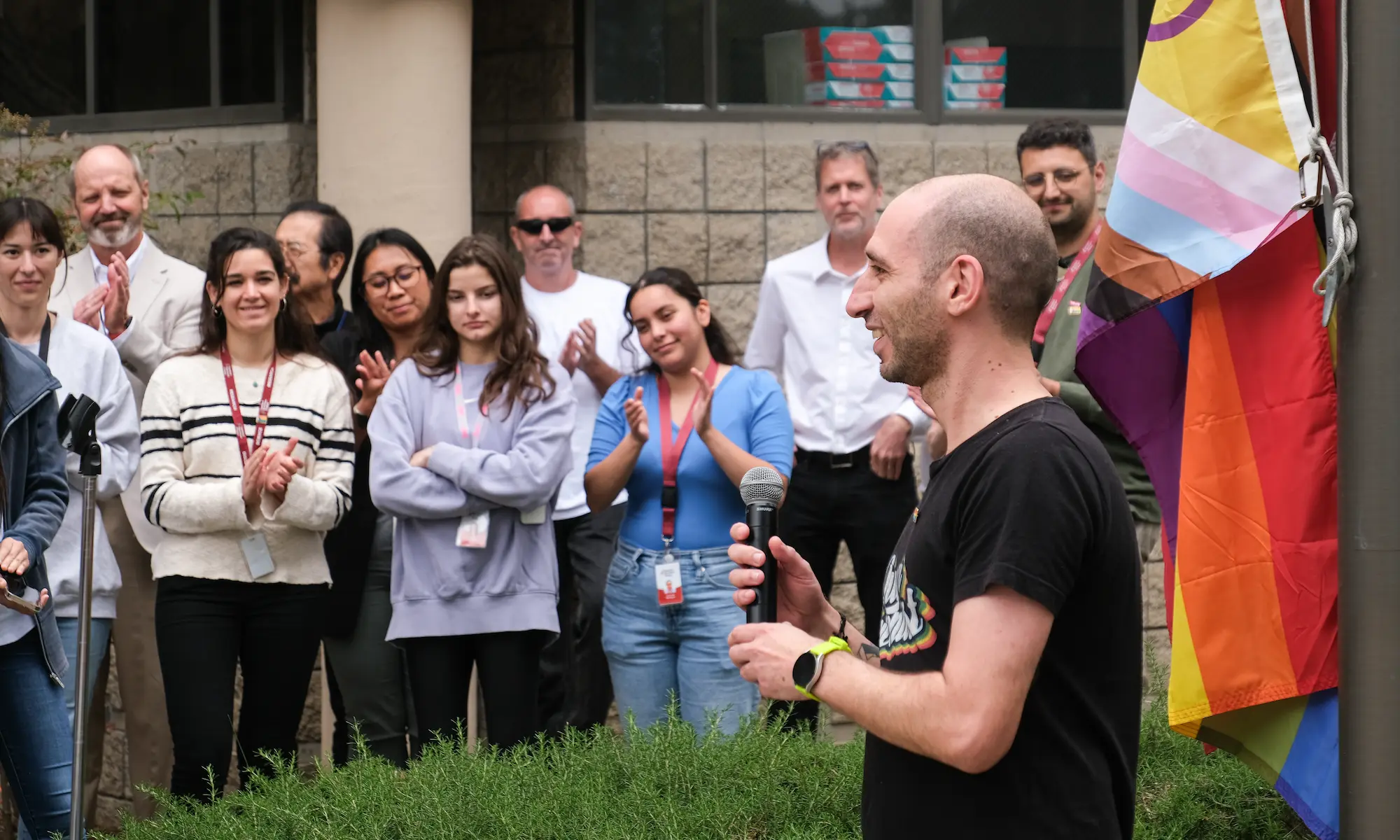
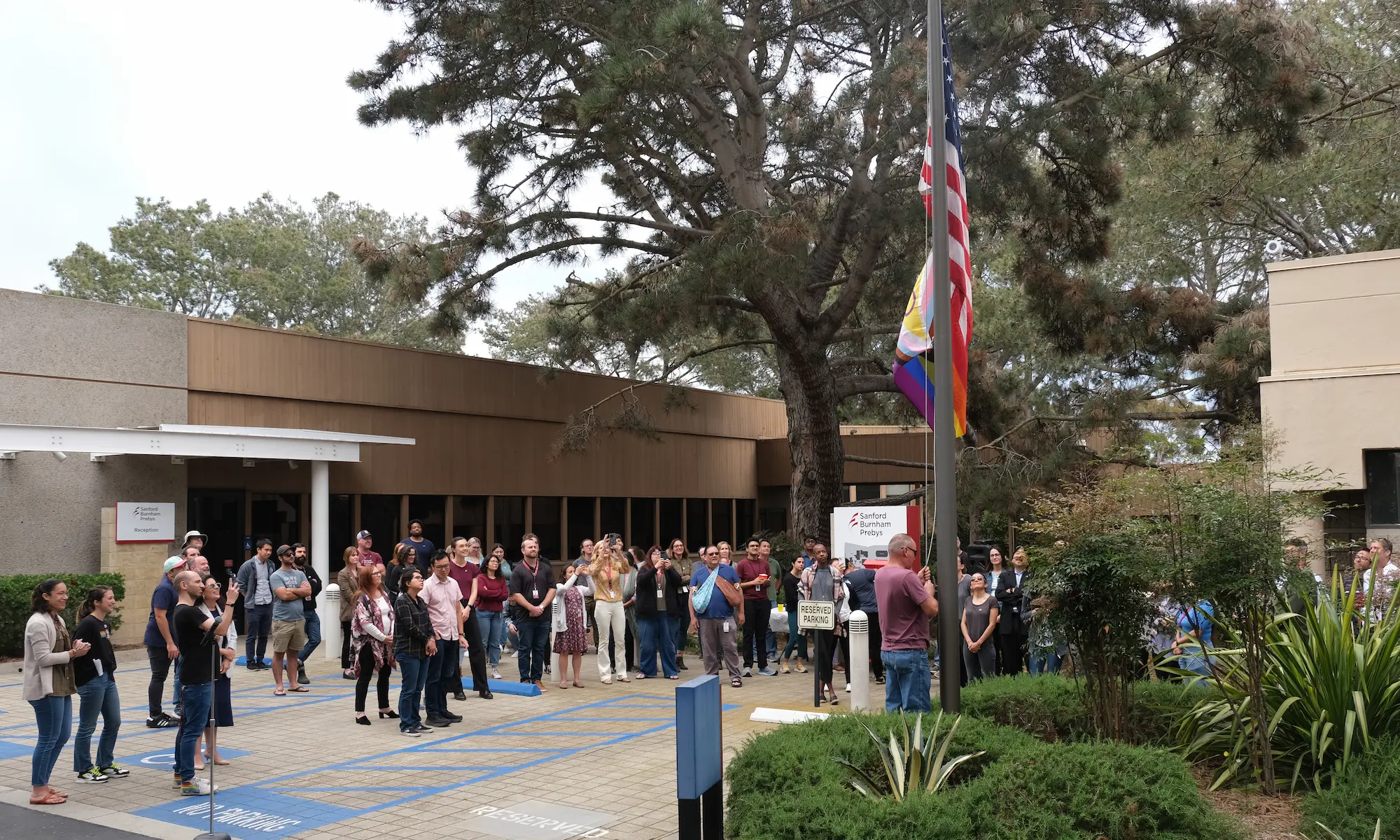
Sanford Burnham Prebys recognized the beginning of Pride month with a Pride flag-raising event on Friday, June 7, 2024. The gathering included an opportunity for speakers in a variety of roles throughout the Institute to share comments on the meaning of the Pride flag in their lives and careers.
David Brenner, MD, president, CEO and Donald Bren Chief Executive Chair at Sanford Burnham Prebys, opened the ceremony, saying, “I’m very proud of everyone for working together to make this a welcoming community.”
Luca Caputo, PhD, postdoctoral associate in the lab of Lorenzo Puri, MD, discussed the mission of the Queer Science Society, which was founded to create a safe space for postdoctoral fellows and other scholars in San Diego. He added, “I’m happy to be here in this inclusive environment.”
Patrick Kearney, PhD, director of medicinal chemistry in the Conrad Prebys Center for Chemical Genomics, added, “After I joined the Institute last year and saw the Pride flag flying for the first time, I was incredibly moved. It was the first time I’d seen this happen in 40 years as a scientist. While it may seem simple, it is far from trivial, and it tells me that things are different here.”
Luca Caputo, PhD, postdoctoral associate in the lab of Lorenzo Puri, MD, discussed the mission of the Queer Science Society, which was founded to create a safe space for postdoctoral fellows and other scholars in San Diego. He added, “I’m happy to be here in this inclusive environment.”
Patrick Kearney, PhD, director of medicinal chemistry in the Conrad Prebys Center for Chemical Genomics, added, “After I joined the Institute last year and saw the Pride flag flying for the first time, I was incredibly moved. It was the first time I’d seen this happen in 40 years as a scientist. While it may seem simple, it is far from trivial, and it tells me that things are different here.”
The Pride flag-raising event was planned by the Institute’s Diversity, Equity, Inclusion and Belonging (DEIB) Council. Lauren Mitchell, MS, program manager for DEIB, expressed gratitude for the meaningful contributions of the volunteers and speakers, as well as the many participants that attended and showed support for DEIB at the Institute.