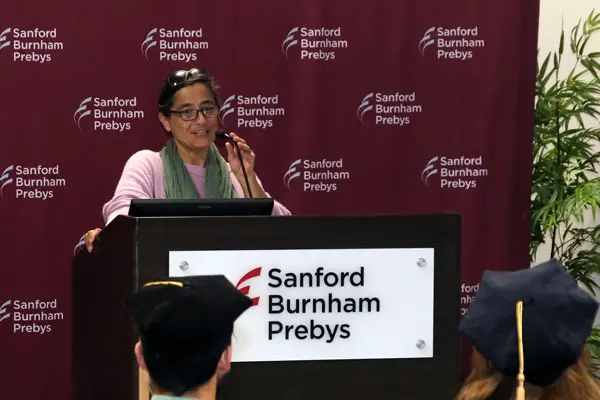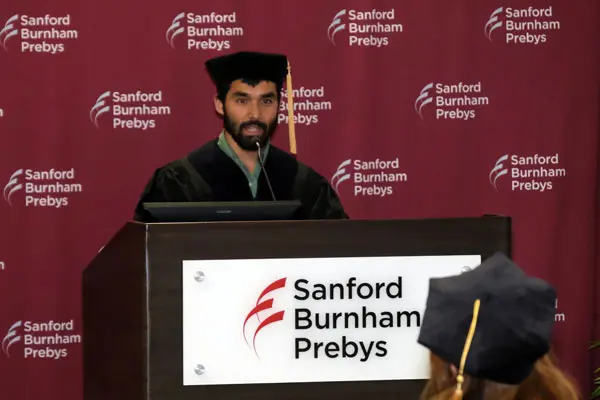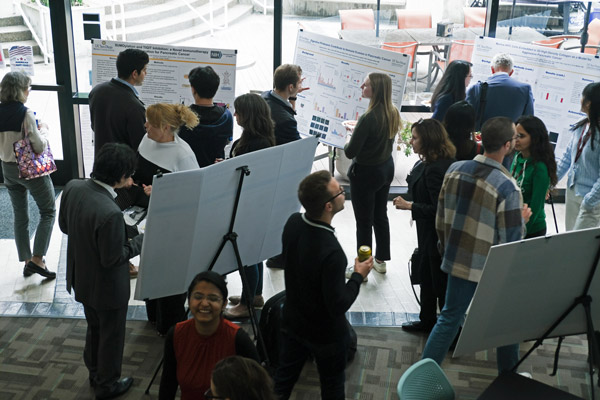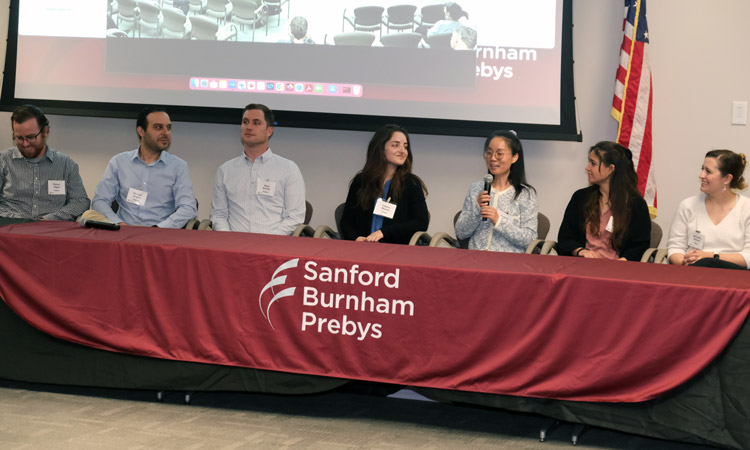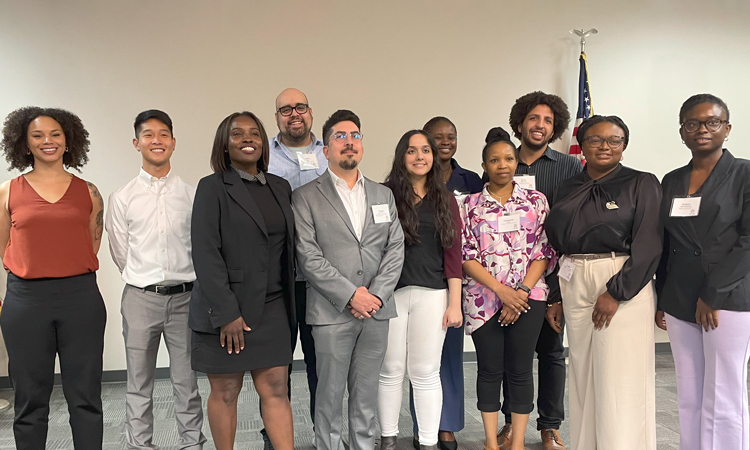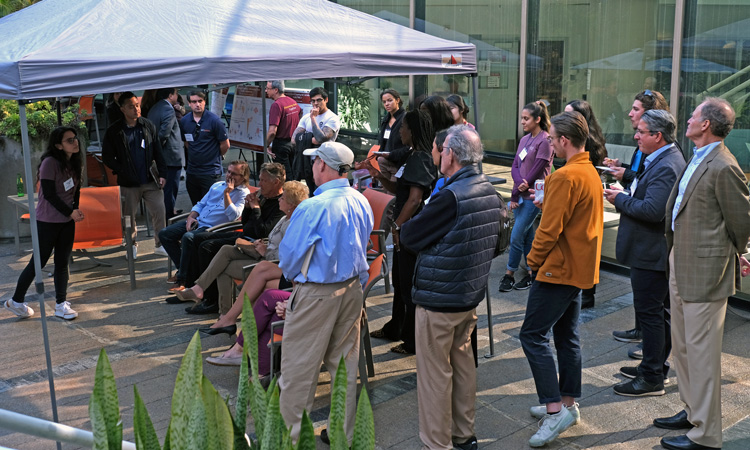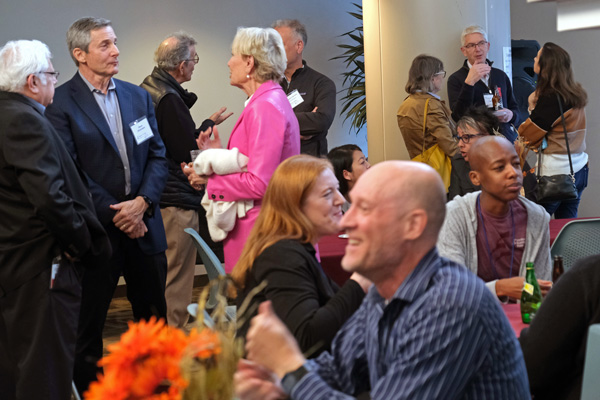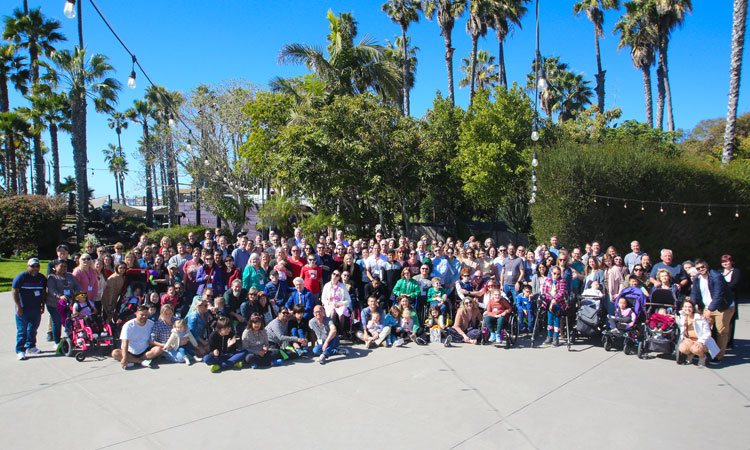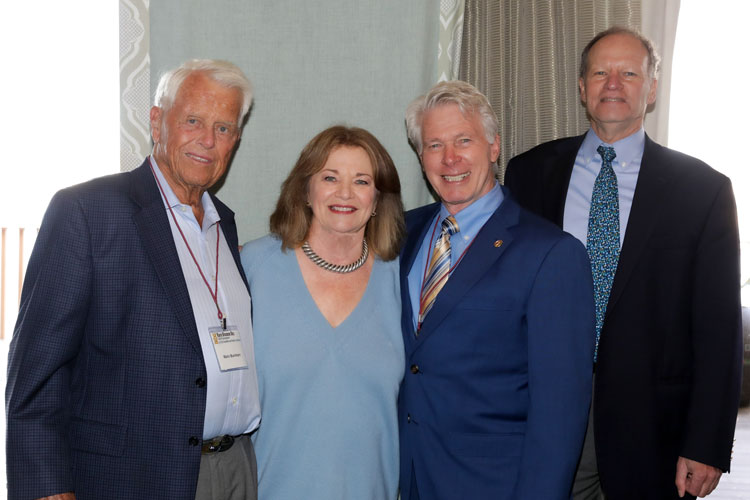
Our 2024 meeting this month was a cause for celebration. Partnering with the family support and information group, CDG CARE, the Sanford Children’s Health Research Center and sponsors invited scientists, families and physicians to share their stories – some technical, some heart-breaking, some updates of ongoing therapies and some describing new developments.
Five years ago, there were no therapies; now seven are moving into patients. Celebration indeed.
Our keynote speaker, Joni Rutter, PhD, director of the National Center for Advancing Translational Sciences, part of the National Institutes of Health, commented on our event: “Meetings that engage clinicians, scientists, advocates and families equally should be the standard. (Our) approach is a model of collaboration and impact.”
In this CDG CARE video of this month’s gathering, you can see the joy, optimism and hope that inspires and helps carry us all. Thanks to everyone for their support. It makes those smiles real.
Institute News
Melanoma’s mysteries revealed at Sanford Burnham Prebys
Cancer Center open house welcomes San Diego community to learn the latest about melanoma research
The Institute’s NCI-designated Cancer Center hosted the open house on Wednesday, March 20. It provided an opportunity for community members to meet scientists who seek to better understand melanoma and use this knowledge to improve treatment and prevention.
The event was sponsored by the center’s Community Advisory Board, an eight-member committee that focuses on advocacy, education and community engagement, as well as providing Cancer Center leaders and members with the perspectives of patients, survivors and their loved ones.
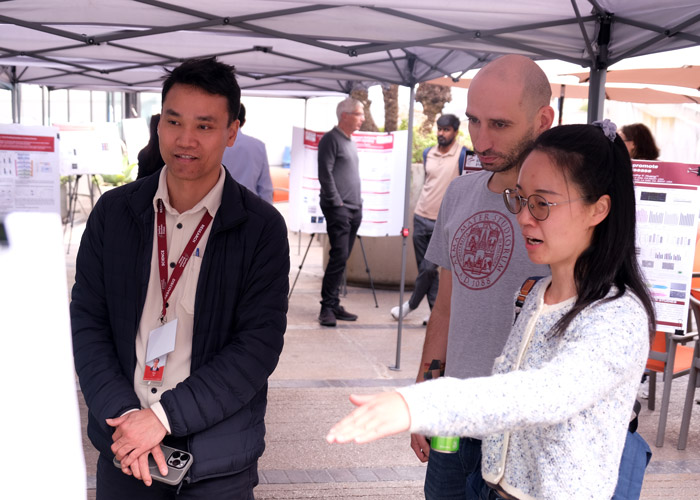
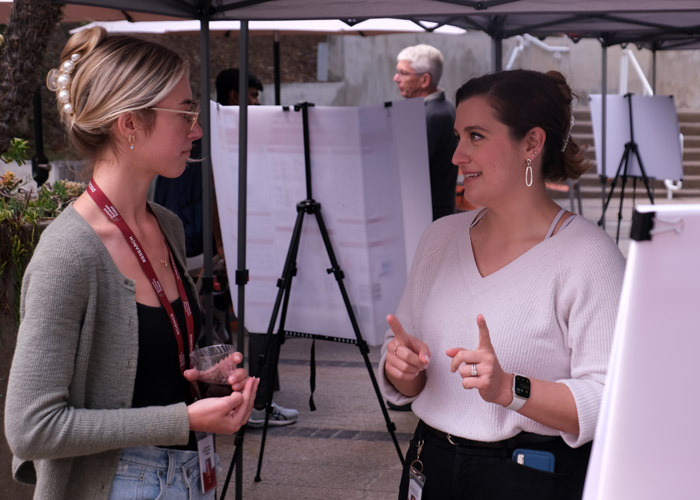
Open house participants could select from a variety of activities. Two labs provided brief poster presentations.
Attendees also could take tours of two different research facilities. Many participants enjoyed an insider’s view into the field of cryo-electron microscopy (cryo-EM), a technology that garnered three key innovators the 2017 Nobel Prize in Chemistry. The Cryo-EM core facility enables scientists to create 3D images of the cell and all its constituent parts that are accurate to the tiniest detail as it is able to capture individual atoms. Images taken using cryo-EM can be organized sequentially to develop films that show in real time how the cell’s many actors interact, helping scientists map interactions between drugs identified at Sanford Burnham Prebys and their target proteins, thereby advancing novel modalities for the treatment of melanoma and other cancers.
The second tour brought community members to the Conrad Prebys Center for Chemical Genomics. The Prebys Center is the Institute’s comprehensive center for drug discovery and chemical biology. Visitors were able to see the center’s state-of-the-art robots that enable researchers to quickly test the potential effectiveness of hundreds of thousands of compounds to find new prospective treatments. Many scientists at Sanford Burnham Prebys partner with the Prebys Center to conduct drug discovery searches based on new research findings, including those studying melanoma and other cancers.
Many of the visitors had the opportunity to visit a melanoma research laboratory to learn about research projects in the Ronai lab and view melanoma cells as seen under the microscope.
Following the tours, Ronai shared an overview of the Cancer Center and highlighted recent accomplishments. Attendees interacted with Gregory Daniels, MD, PhD, a medical oncologist and melanoma expert from University of California San Diego and Steven Silverstein, a melanoma survivor, former president of the Melanoma Research Foundation and a melanoma research advocate. The open house concluded with an opportunity for guests to speak with cancer scientists and featured speakers during the evening reception.
“We were honored to provide our valued guests with the opportunity to learn about the research conducted at our Cancer Center, including ongoing melanoma research,” says Ronai. “Our open houses, which focus on different unmet needs in cancer, allow us to welcome and engage with the San Diego community, to share our findings and be inspired by patients and their loved ones.”
Institute News
Seminar Series: extrachromosomal DNA and the metabolic circuits of cancer immune suppression
The ongoing Sanford Burnham Prebys seminar series will feature a pair of speakers on March 27, from noon to 1p.m., in the Fishman Auditorium. They will be presenting on two topics: extrachromosomal DNA and the tumor microenvironment.
First, Owen Chapman, PhD, a postdoctoral research scientist in the lab of Lukas Chavez, PhD, will discuss clinical and genomic features of circular extrachromosomal DNA (ecDNA) in medulloblastomas, a type of brain tumor.
EcDNA is DNA found off chromosomes, either inside or outside the nucleus of a cell. In a study published last year, Chavez (senior author), Chapman (first author) and colleagues reported that patients with medulloblastomas containing ecDNA are twice as likely to relapse after treatment and three times as likely to die within five years of diagnosis.
The second presentation will be by Kevin Tharp, PhD assistant professor in the Cancer Metabolism and Microenvironment Program. Tharp, who joined Sanford Burnham Prebys in December 2023, studies how tumors manipulate their mitochondria to improve survivability and how those cellular mechanics can be leveraged to create more effective therapies.
Institute News
Sanford Burnham Prebys Cancer Center seminar on March 25
The Sanford Burnham Prebys Cancer Center is hosting a special seminar on Monday, March 25, from noon to 1 p.m. at the Fishman Auditorium in Building 4 on the Sanford Burnham Prebys campus, 10901 North Torrey Pines Road, La Jolla, Calif., 92037.
The seminar’s featured speaker is Eric S. Fischer, PhD, professor of biological chemistry and molecular pharmacology at Harvard University. Fischer will discuss the topic, “Molecular Mechanisms of Ubiquitin Ligases– From Structure to Therapies.” More details on the seminar subject are available in the abstract below.
Abstract: Small molecules that induce protein degradation through ligase-mediated ubiquitination have shown considerable promise as a new pharmacological modality. Thalidomide and related immunomodulatory drugs provided the clinical proof of concept while significant progress has recently been made towards chemically induced targeted protein degradation using heterobifunctional small molecule ligands. Fischer will present recent work to develop a better understanding of the molecular principles that govern neo-substrate recruitment and its application to the development of small molecule degraders.
The Sanford Burnham Prebys Rare Disease Day Symposium brought patients, families, physicians, scientists, industry experts and advocates together with a focus on congenital disorders of glycosylation.
Sanford Burnham Prebys, in partnership with CDG CARE and the Sanford Children’s Health Research Center, hosted a Rare Disease Day Symposium in San Diego from March 1-3, 2024. The goal of the event was to share the latest scientific developments from researchers studying congenital disorders of glycosylation (CDG), and to foster new perspectives, ideas and collaborations to accelerate the creation and implementation of better therapies and treatment plans for those living with CDG.
CDG is an umbrella term for more than 190 disorders caused by mutations that impair glycosylation; the complex process by which cells build long sugar chains that attach to proteins called glycoproteins. CDG affects fewer than 2,000 children worldwide. When glycosylation is impaired, the sugar molecules on many of the body’s proteins are absent or incomplete, leading to serious, often fatal, malfunctions in various organ systems throughout the body.
Since 2010, Hudson Freeze, PhD, the William W. Ruch Distinguished Endowed Chair, professor and director of the Human Genetics Program, and director of the Sanford Children’s Health Research Center at Sanford Burnham Prebys, has organized an annual Rare Disease Symposium, where scientists, doctors and families gather from around the world to discuss the latest research and meet other families coping with rare diseases.
“At Sanford Burnham Prebys, we’re committed to rare disease research,” says David Brenner, MD, president, CEO and Donald Bren Chief Executive Chair at Sanford Burnham Prebys, during his welcoming remarks. “We believe we can make a unique contribution to society with this work, and in so doing make the world a better place.”
Brenner noted that Rare Research Day marked a time for academic medical centers across the US to celebrate the synergy between patients, families, physicians and scientists that is needed to advance research on all rare diseases, including CDG.
This was reflected throughout the symposium’s schedule and in the tenor of individual presentations. Patients and families were invited to give talks throughout the weekend to discuss the perspective of living with CDG or caring for a family member with CDG. The physicians and scientists who spoke consistently credited the patients and families for all they do to help raise funds and participate in research, including clinical trials that can add more appointments to already challenging calendars and routines.
The family reception on Friday, March 1, concluded the first day of the symposium with a more informal opportunity for patients, families, doctors and researchers to connect and socialize.
“This is the largest meeting we’ve ever had,” notes Freeze. “This gathering is an important part of nurturing the CDG research ecosystem by bringing experts together while also knitting us closer together with the people who really matter – the families.”
The symposium’s many sessions over three days included:
Friday, March 1
Scientific meeting
Introduction and welcome from Sanford Burnham Prebys president and CEO, David Brenner; Malin Burnham and Debra Turner, philanthropists and honorary trustees; and Congressional Representative Scott Peters from California’s 52nd Congressional District
Discussion of perspectives, challenges and triumphs led by parents, patients and advocates
Sessions on new therapies in development, the potential use of biotin as a treatment for many CDG patients, neurological disease, and gene therapy approaches, among others
Poster session
Family reception
Saturday, March 2
Scientific meeting
Keynote address on “Accelerating Treatment and Cures for Rare Diseases” from Joni Rutter, PhD, director of the National Center for Advancing Translational Sciences in the National Institutes of Health
Additional conversation about the experiences of parents and advocates
Sessions on clinical trial updates; especially strong were drug repurposing efforts leading to new and unexpected potential treatments
Doctor-is-in-session
Brought together medical researchers, clinicians, advocates, patients and their families for an afternoon of hands-on collaboration in small groups
Prior “Doctor-is-in-session” events have led to profound experiences and unlikely partnerships
Evening reception
Sunday, March 3
CDG CARE Scientific and Family Conference
CDG clinical care and management sessions included neurophysiology and epilepsy, growth charts and hormonal abnormalities, puberty and bone health
CDG research sessions included genetics 101, CDG updates, organoids as disease models and clinical trials as a partnership between physicians and patients, among others
CDG resource exchange sessions included educational planning and advocacy, speech and technology, therapy interventions, special needs planning and behavioral health and family planning
Hundreds of scientists gather in San Diego and virtually to share knowledge on the science of aging
For scientists in San Diego and across the United States, March 6-7, 2024, is an important time to talk about developments in aging research. To kick off two scientific meetings on the subject, the NIH-funded San Diego Nathan Shock Center, a collaboration among the Salk Institute for Biological Studies, Sanford Burnham Prebys and the University of California San Diego, will host its 2024 symposium focused on the center’s primary research area, “The Heterogeneity of Aging,” on Wednesday, March 6 at the Salk Institute for Biological Studies in the Conrad T. Prebys Auditorium in La Jolla.
Just as people and organisms age at different rates, scientists have demonstrated that tissues also age at their own speeds – even some cells within tissues age at a unique pace. This phenomenon, known as heterogeneity of aging, is of great interest to researchers as it may hold clues for how to develop interventions that enable people to lead healthier lives as they age. to discuss this topic.
Caroline Kumsta, PhD, assistant professor in the Development, Aging and Regeneration Program at Sanford Burnham Prebys and associate dean of student affairs of the Institute’s Graduate School of Biomedical Sciences, will speak at the 2024 symposium about heterogeneity of aging within the process cells use to recycle or dispose of damaged DNA and other waste products. Kumsta recently coauthored a manuscript in Nature Aging that found new functions for genes involved in this waste management process, known as autophagy. Gaining a better understanding of autophagy is important as scientists have demonstrated that autophagy genes are responsible for prolonged life span in a variety of long-lived organisms. Kumsta received a pilot award from the San Diego Nathan Shock Center in 2022 to support her research on the subject.
“We’re excited to once again offer the La Jolla Aging Meeting on the next day, as we have found that many people like to attend both, and that both meetings help each other,” says Alessandra Sacco, PhD, cohost of both events, director of and professor in the Development, Aging and Regeneration Program at Sanford Burnham Prebys, and dean of the Institute’s Graduate School of Biomedical Sciences.
The 7th annual La Jolla Aging Meeting will be held on Thursday, March 7, also in Salk’s Conrad T. Prebys Auditorium. The meeting was organized by Sacco and Peter Adams, PhD, director of and professor in the Cancer Genome and Epigenetics Program at Sanford Burnham Prebys, and by Jan Karlseder, PhD, Donald and Darlene Shiley Chair, senior vice president and chief science officer at the Salk Institute. The event features mostly short talks from San Diego-based postdoctoral fellows and students researching the biology of aging. The meeting’s goal is to enable participants to meet other researchers and start new collaborations.
“The La Jolla Aging Meeting has more of a focus on early career development, so the events complement each other very well,” adds Sacco.
Three members of Sanford Burnham Prebys will be presenting at the La Jolla Aging Meeting, including Xiao Tian, PhD, who recently joined the Institute as an assistant professor in the Degenerative Diseases Program. Tian focuses on epigenomic changes and deterioration that influence age-related diseases by studying the remarkable traits of naked mole rats: They rarely get cancer. They are resistant to some types of pain. They can survive up to 18 minutes without oxygen. And compared to their rodent peers, naked mole rats age very slowly. Tian’s goal is to unravel the molecular basis of aging and develop strategies to promote a healthier, more vital lifespan.
Last year, more than 400 academics, students and trainees at every career stage gathered in person and virtually from 20 states and several countries to participate in the San Diego Nathan Shock Center “The Heterogeneity of Aging” Symposium and the La Jolla Aging Meeting.
About the San Diego Nathan Shock Center The San Diego Nathan Shock Center (SD-NSC), led by Gerald Shadel, PhD, Audrey Geisel Chair in Biomedical Science and professor in the Molecular and Cell Biology Laboratory at the Salk Institute, was established in the fall of 2020 with the overall goal of understanding the heterogeneity of aging in order to allow development of personalized interventions to increase the number of years of healthy life. To this end, the center provides three novel scientific Research Resource Cores to develop new human cell models of aging and enable the integrated analysis of molecular, cellular and tissue heterogeneity. The SD-NSC also supports and advocates basic biology of aging research in general through the development, training and mentoring activities of a Research Development Core and robust outreach efforts. All of these activities are accomplished via a consortium of three premier research institutions on the La Jolla Research Mesa: the Salk Institute for Biological Studies, Sanford Burnham Prebys and the University of California San Diego.
Alessandra Sacco serves as director of the SD-NSC Research Development Core and Peter Adams serves as codirector of the SD-NSC Heterogeneity of Aging Core.
Aging research is always timely, and here’s a date: On March 6, the San Diego Nathan Shock Center, a consortium of Sanford Burnham Prebys, Salk and UC San Diego, will hold its second annual Symposium on the Heterogeneity of Aging at the Salk Institute.
The day-long, hybrid program will include scientific presentations from a diverse group of researchers focused on the biology and secrets of aging, including Caroline Kumsta, PhD, co-author of a recently published paper that revealed possible novel functions for various autophagy genes, which may control different forms of disposal including misfolded proteins — and ultimately affect aging.
For more information about the symposium and to register, click here.
Institute News
Speaking of International Day of Women and Girls in Science
Designated by the United Nations, the 9thInternational Day of Women and Girls in Science is Sunday, February 11, preceded by two days of meetings, presentations and outreach among global leaders, with a focus on women scientific leadership in sustainable development.
The real work, of course, is what happens afterward. Women continue to be underrepresented in the science, technology, engineering and mathematics (STEM) workforce. In 2021, according to the National Center for Science and Engineering Statistics, 65% of STEM jobs in the United States were held by men, 35% by women. Less than 30% of researchers worldwide are women.
These numbers have long held sway, both in academia and industry. There has been progress, to be sure, but it has been slow and uneven, hindered by stereotypes and biases, a dearth of role models, educational differences and opportunities and sheer inertia. The hurdles to equity and equality are deep and ingrained.
Every female scientist has stories about their own efforts and struggles. We asked scientists at Sanford Burnham Prebys to recount some of theirs, the lessons learned and the challenges yet to be overcome.
A fighting chance
My personal experience can testify to the importance of appreciation of diversity.
As an international scholar, it was not always easy to navigate an entirely new culture. I remember my first few months in America when going to a restaurant felt like a small adventure. Now I look back to those days with fondness and gratitude because my mentor and colleagues showed me what an inclusive community means to a newcomer.
They encouraged my expression, valued my input and always waited with great patience when I needed a second or two to fetch a perfect word for the moment. It was their kindness that helped me through the initial adjustment period.
And then one day, I found the sense of belonging in a roaring ballpark with my lab mates around me, rooting for Giants. I am grateful that I was shown how “diversity” is done because that is exactly how I aspire to build a team in my future lab, a team where uniqueness is not only accepted but even celebrated so everyone can be at ease as themselves and feels free to explore and express no matter where they are from and what they believe.
While it is important to level the playing field for everyone, sometimes it will not suffice for a disadvantaged group until we vigorously advocate for their rights. As a woman scientist, it pains me that I have witnessed over the years so many brilliant young women who had to stop chasing their dreams at one point or another. They let go of their passion and settled for less ambitious career paths for various reasons: lack of mentorship, family responsibilities and even the pressure of conforming to social norms.
I know how hard it is to achieve success in the highly competitive realm of scientific pursuit while managing a functional family because I am too a mother of two young children. Our society asks women to juggle too many balls. It is no wonder that far fewer women reach the promised land of professorship when roughly equal numbers of students of both genders started out on this journey.
I consider it rare fortune that I have been blessed with constant guidance from mentors and unwavering support from family. It will be my mission to pass on this blessing to all the women I have the honor to work with in the future. A fighting chance is all they ask, and I will strive to be the helping hand that delivers that chance.
Mentors make a difference
Even though gender inequities in STEM are slowly improving, we still have a lot of work to do. Several studies have shown that among early career investigators, women experience a one-to-two delay in getting their first grants funded, publish fewer high-impact papers and get credited and cited less frequently for their work, as compared to men. I believe that creating awareness and building a supportive network of mentors and peers is extremely important to navigate and overcome the challenges we face in science.
I have always been fascinated by the complex mechanisms underlying disease, and specifically cancer. I was the first woman in my family to attend university and to pursue a PhD degree in the biomedical sciences.
With few women in leading academic positions that could serve as a role model, I found it difficult to believe that I could someday be successful as a scientist. Fortunately, over the past years I have had the opportunity to work with some incredible female scientists who helped me along the way.
During my master’s program at Utrecht University, I secured an internship in the laboratory of the late-Professor Zena Werb at University of California San Francisco. She had an incredible track record of mentoring early career researchers and was a big advocate for (young) women in science.
For my graduate training, I joined the lab of Professor Karin de Visser at the Netherlands Cancer Institute in Amsterdam. Karin is an incredibly smart and determined principal investigator who taught me to be resilient and persistent, and the importance of always following the data. The mentorship and support of these remarkable women has been instrumental in the decisions I have made to date in my career, and I am grateful for the opportunity to have trained under them.
Kelly Kersten, PhD
Assistant Professor
Cancer Metabolism and Microenvironment Program
We all need some support and encouragement to excel in our scientific journey. It’s never too early to start building your network of mentors, peers and sponsors to support you along the way.
We’re still a minority
During my PhD and postdoctoral training, I have been lucky to have two amazing female scientists as mentors, who made it seem easy to be successful in science. The reality however is that female scientists get less lab space, have a longer path to their first independent research grant and have a more extended review process for their publications than their male peers.
To achieve equitable treatment and full inclusion of women in science, we have to constantly examine and dismantle the barriers that create these disparities. At Sanford Burnham Prebys, we have started to work toward a more welcoming environment for everyone, including women.
The truth is, however, that we’re still a minority here, and we, as women in science, still have to push for fairer policies and to make sure our voices are heard and valued. Personally, I am involved in outreach programs to get young girls excited about science. Seeing their excitement when they learn something new in the lab reminds me why this is so important, and I get excited when I see the next generation of girls who can see themselves as scientists without a second thought.
Caroline Kumsta, PhD
Assistant Professor
Development, Aging and Regeneration Program
Note: On February 14, there will be a roundtable discussion on the topic of women and girls in science from 9:30 a.m. to 10:30 a.m. in Fishman Auditorium. Coffee, pastries and fruit will be served. Click here to RSVP.
Sanford Burnham Prebys’ latest gala celebrated an old, dear friend, a brand-new vision and a crowd in fab form.
The event began with an evening filled with gratitude, recognition and, well, a look to the future.
On Saturday night, more than 280 friends, faculty and supporters of Sanford Burnham Prebys gathered at the Estancia La Jolla Hotel & Spa to celebrate the event’s theme: “A Future Filled with Discoveries and Cures.”
But more specifically, attendees paid homage to two men: philanthropist T. Denny Sanford, whose long and enduring support has helped shape and sustain Sanford Burnham Prebys; and David Brenner, MD, the institute’s (newish) president and CEO, who is using Sanford’s most recent gift to implement a bold, new strategic plan.
“Denny has always been a friend, guide and mentor,” said Brenner. “He has made much of what I do—what we will do together—possible.”
It was an evocative evening, with sartorially splendid guests arriving to a scene best described as a 1960s-era “lavish London lounge,” featuring vibrant colors and rich materials, roaming magicians; and a strolling trio of trumpet, trombone and tambourine players.
The festivities formally opened with welcoming remarks from Honorary Trustee Malin Burnham, who noted that “the Institute is at a dramatic time and place—with new faces, a new vision and an old friend.”
Burnham, who has served on the Board since 1982, noted that Sanford, who could not attend the event, was watching a live stream of the event from his home in South Dakota. “He can see and hear us,” Burnham said, waving.
Following dinner, Bill Gerhart, the current chair of the Sanford Burnham Prebys Board of Trustees, stepped up to acknowledge Sanford’s long history of support to the Institute and all of the donors, supporters and staff in the room who “make things happen”; and to introduce Brenner as “a guy who really can make things happen.”
Brenner, who also holds the Donald Bren Chief Executive Chair, spoke eloquently about Sanford before briefly detailing strategic plans for the Institute, one intended to put Sanford Burnham Prebys at the forefront of the current biomedical research revolution.
“Here’s my elevator speech,” Brenner said, inviting attendees to follow along by reading a program insert.
Our Mission
We translate science into health.
Biomedical research is undergoing a revolution, driven by big data, artificial intelligence and other emerging technologies.
We are uniquely positioned to lead because…
We study the toughest diseases: cancer, heart, mind and metabolic. We are forward-looking, unafraid of change or challenge. We are collaborative, flexible, multi-disciplinary and team-focused. We embrace data science. We promote entrepreneurship. We are central to a vibrant, local biomedical community.
A key part of the strategic plan, Brenner said, is embodied in the new cadre of young scientists recently recruited to Sanford Burnham Prebys from “some of the best labs at some of the best institutions in the country.”
Their recruitment (and new hires to follow) are the benefit of a $70 million gift from Sanford to create up to 20 new faculty positions in the next few years in diverse research areas including cancer, neurodegeneration and computational biology.
Four of the six new scientists were in attendance: Sanju Sinha, PhD, from the National Cancer Institute; Sanjeev Ranade, PhD, from Gladstone Institutes; Kelly Kersten, PhD, from UC San Francisco; and Xiao Tian, PhD, from Harvard Medical School.
Sinha joined the Institute in June. Kevin Tharp, PhD, from UCSF, arrives in November. The other four researchers, including Shengjie Feng, PhD, from the Howard Hughes Medical Institute and UCSF, officially join Sanford Burnham Prebys in January 2024.
Brenner then introduced a special four-minute video: a visual thank-you to Sanford and a visionary peek at the Institute’s next steps and aspirations. The video ended with a standing ovation.
With the lights still dim, the entertainment portion of the evening began: a live reimagining of John Lennon’s beloved 1971 song “Imagine,” dedicated to Sanford and the new strategic plan.
“Imagine there’s no illness It’s easy if we try…”
“You may say Denny’s a dreamer But he’s not the only one. We hope someday you’ll join us And the world can be as one.”
Then it was the Beatles’ tribute band “Abbey Road Show,“ a 70-minute set of music and narration chronicling the Fab Four, followed by nightcaps, conversation and thoughts about the next day—when the future begins.
Note: For your own free, handy, wallet-sized mission card or more information about how you can support Sanford Burnham Prebys, please contact the Philanthropy team.
Institute News
Scientific leaders of tomorrow present at 2023 Annual Trainee Symposium
An accomplished group of early-career researchers including postdoctoral scholars, graduate students and staff scientists showcased their work at Sanford Burnham Prebys’ 22nd Annual Trainee Research Symposium on Thursday, September 21st.
After introductory remarks by Sanford Burnham Prebys Professor Guy Salveson, PhD, former dean of the Graduate School of Biomedical Sciences, the scientists gave 20-minute podium presentations about their research, which were judged by a panel of Sanford Burnham Prebys faculty and staff.
After the first session of presentations, a keynote speech for the symposium was given by UC San Diego Professor Gene Yeo, PhD professor at UC San Diego titled, “Challenges and opportunities in RNA biology for understanding and treating human diseases.” Dr. Yeo is a leader in developing technology and algorithms to explore how RNA-binding proteins influence RNA processing and how dysfunction is associated with human disease.
Following closing remarks from Sanford Burnham Prebys CEO David A. Brenner, MD, a poster session was held where more than 25 early-career scientists were given the chance to present their work.
A panel of judges selected the poster of Cynthia Lebeaupin, PhD (Kaufman Lab) for the top prize. Dr. Lebeaupin’s research focuses on how fatty liver disease—an increasingly prevalent health condition—leads to liver cancer.
Winner of the judges’ selection for “Best Podium Talk” was awarded to Michaela Romero for her presentation, “Novel role of proteoglycan sulfation as a barrier to direct cardiac reprogramming.”
The event also featured the presentation of Sanford Burnham Prebys’ Mentor of the Year Award to Alessandra Sacco, PhD, who was recently named the new dean of the graduate school.
Congratulations to all the participants in this year’s Symposium, and a special thank you to the staff at the Office of Education, Training, & International Services (OETIS) for organizing the event.